Small living rooms can be just as stylish and functional as larger spaces when designed with intention and creativity. Limited square footage encourages smarter planning, where every piece of furniture and decor serves a purpose while contributing to a cohesive overall look. A well-optimized layout can make a compact living room feel open, comfortable, and visually balanced.
Thoughtful design choices play a key role in maximizing both space and style. Multi-functional furniture, space-saving layouts, and carefully selected decor can help reduce clutter while enhancing usability. Light color palettes, mirrors, and layered lighting can also create the illusion of a larger, airier environment, making the room feel more inviting and less confined.
In this collection, let’s explore clever small living room decor ideas that help optimize layout and design while creating a space that feels stylish, practical, and comfortable!
1. Select Furniture with Exposed Legs
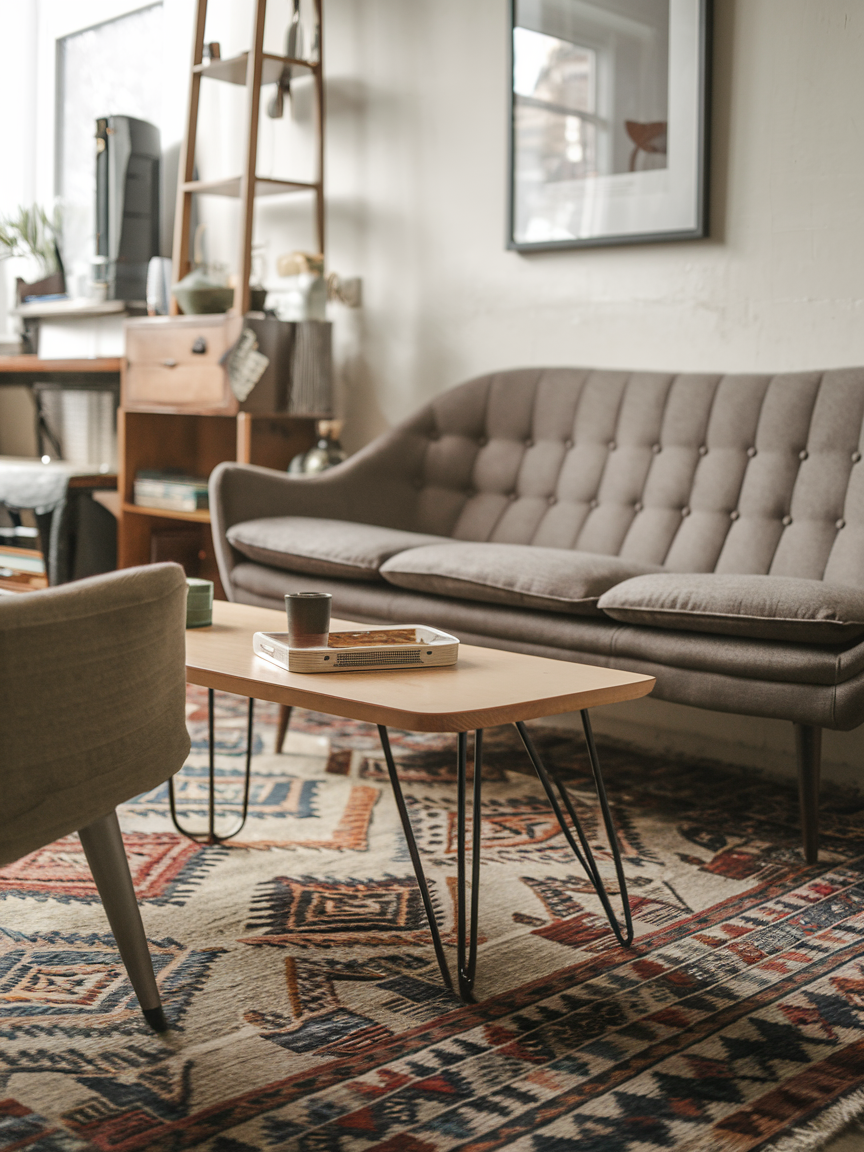
Furniture with visible legs creates a sense of openness by allowing light and air to pass underneath. Unlike bulky, floor-hugging pieces, elevated furniture reduces visual weight and prevents the room from feeling dense or overcrowded. Sofas, chairs, and tables with slender legs give the impression of more space because more of the floor remains visible. This subtle design choice enhances the overall flow of the room and contributes to a lighter, more breathable atmosphere. Additionally, furniture with legs often appears more refined and elegant, blending well with both modern and classic interiors. By choosing legged furniture, you maintain functionality while improving the visual spaciousness of your living room.
2. Use Slim and Streamlined Furniture Designs
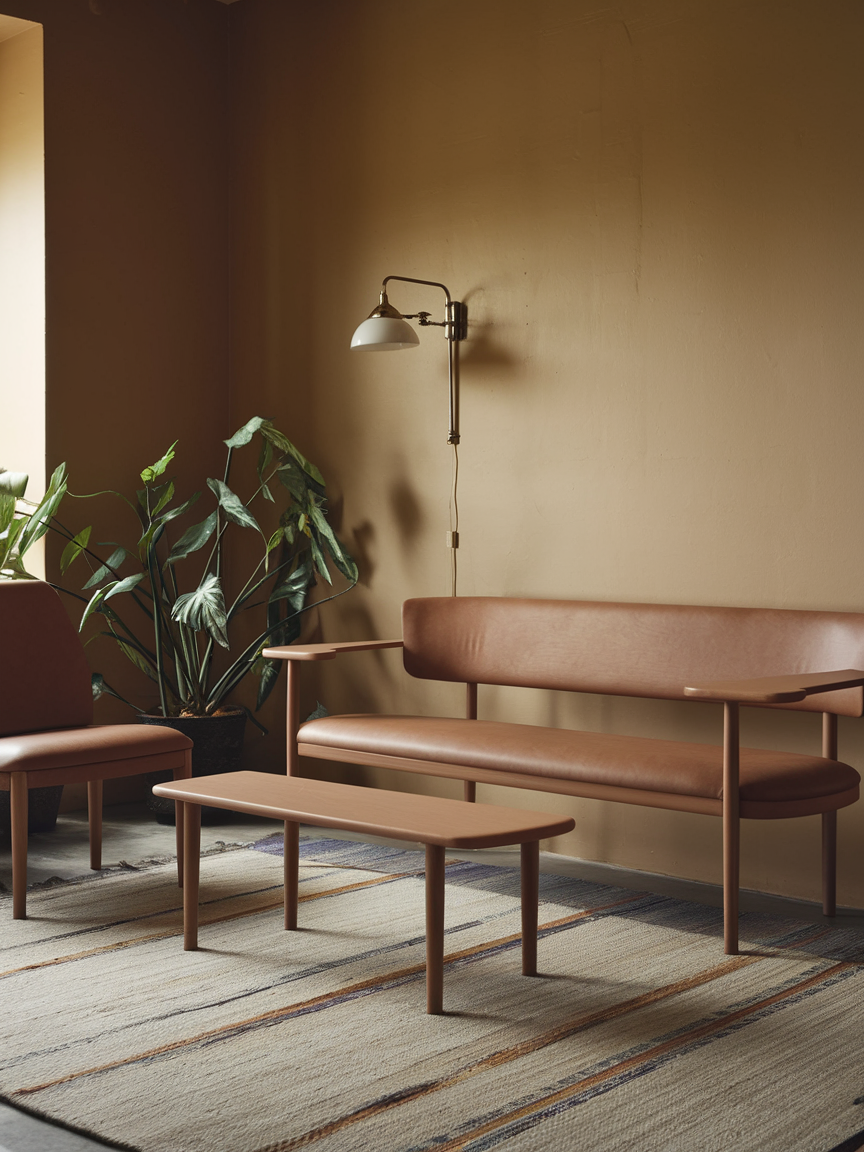
Selecting furniture with slim profiles is crucial for maintaining balance in a small living room. Pieces with narrow arms, compact frames, and streamlined silhouettes take up less physical and visual space, allowing the room to feel less crowded. Bulky furniture can dominate the layout and restrict movement, whereas slim-profile designs ensure better flow and usability. This is especially important in rooms where every inch matters. Slim furniture also pairs well with minimalist and contemporary styles, enhancing the overall aesthetic without overwhelming the space. By prioritizing clean lines and compact proportions, you create a living room that feels open, functional, and visually harmonious.
3. Harmonized Decor Style
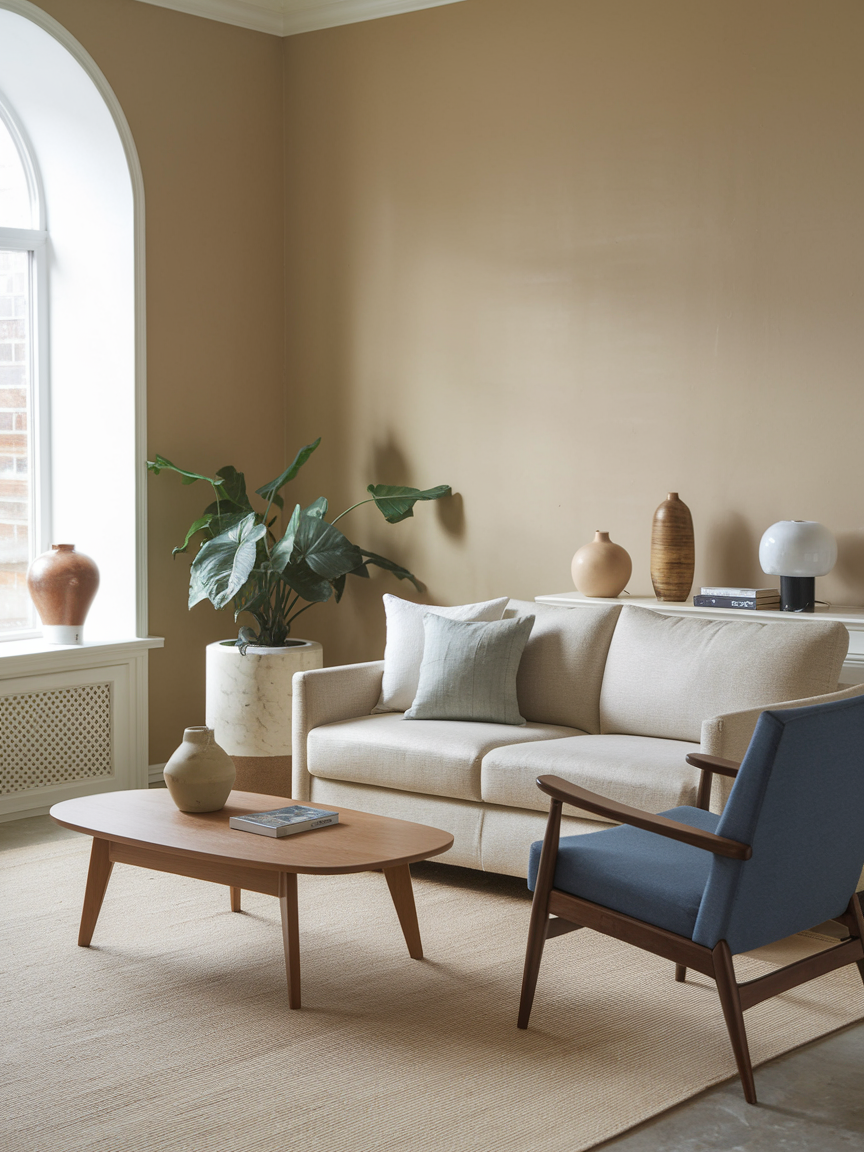
A cohesive design ensures that all elements in a small living room work together harmoniously. Sticking to a consistent color palette, material selection, and design style prevents the space from feeling chaotic or disjointed. While variety can add interest, too many contrasting elements can overwhelm a compact area. Cohesion creates visual continuity, making the room feel more polished, balanced, and intentionally designed. This approach enhances both aesthetics and spatial perception.
4. Maximize Natural Light
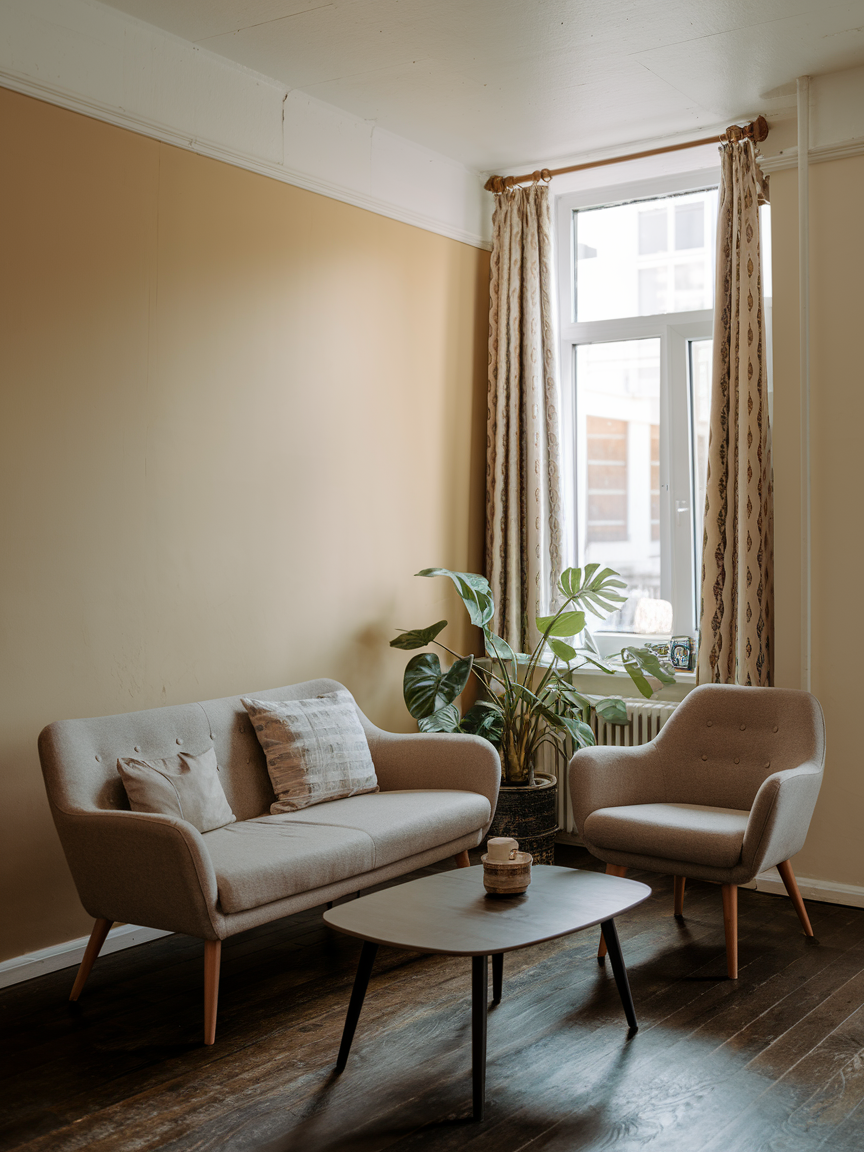
Natural light plays a crucial role in making a small living room feel larger and more inviting. Keeping windows unobstructed and using light window treatments allows sunlight to fill the space freely. Natural light enhances color, improves ambiance, and reduces the need for heavy artificial lighting during the day. A bright room naturally appears more open and airy, while darker spaces tend to feel confined. Prioritizing daylight is one of the simplest yet most effective ways to transform a compact living room.
5. Introduce Indoor Plants
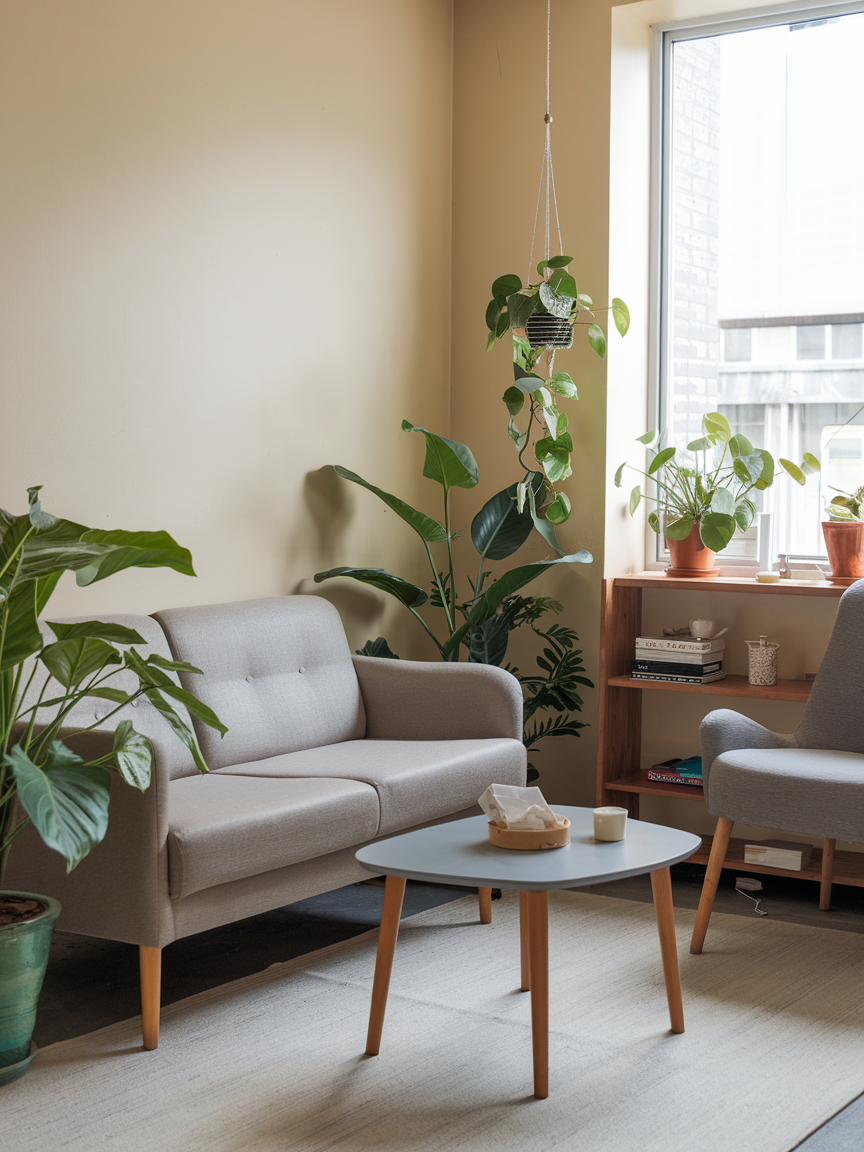
Incorporating plants brings life, color, and freshness into a small living room. Whether you choose tall floor plants, small tabletop greenery, or hanging plants, each option contributes to a more vibrant atmosphere. Plants help soften hard edges, add organic texture, and create a sense of balance within the space. Beyond aesthetics, they also improve air quality and promote a calming environment. Even a few well-placed plants can significantly enhance the overall mood and liveliness of a compact living room.
6. Add Floating Shelves for Stylish Storage
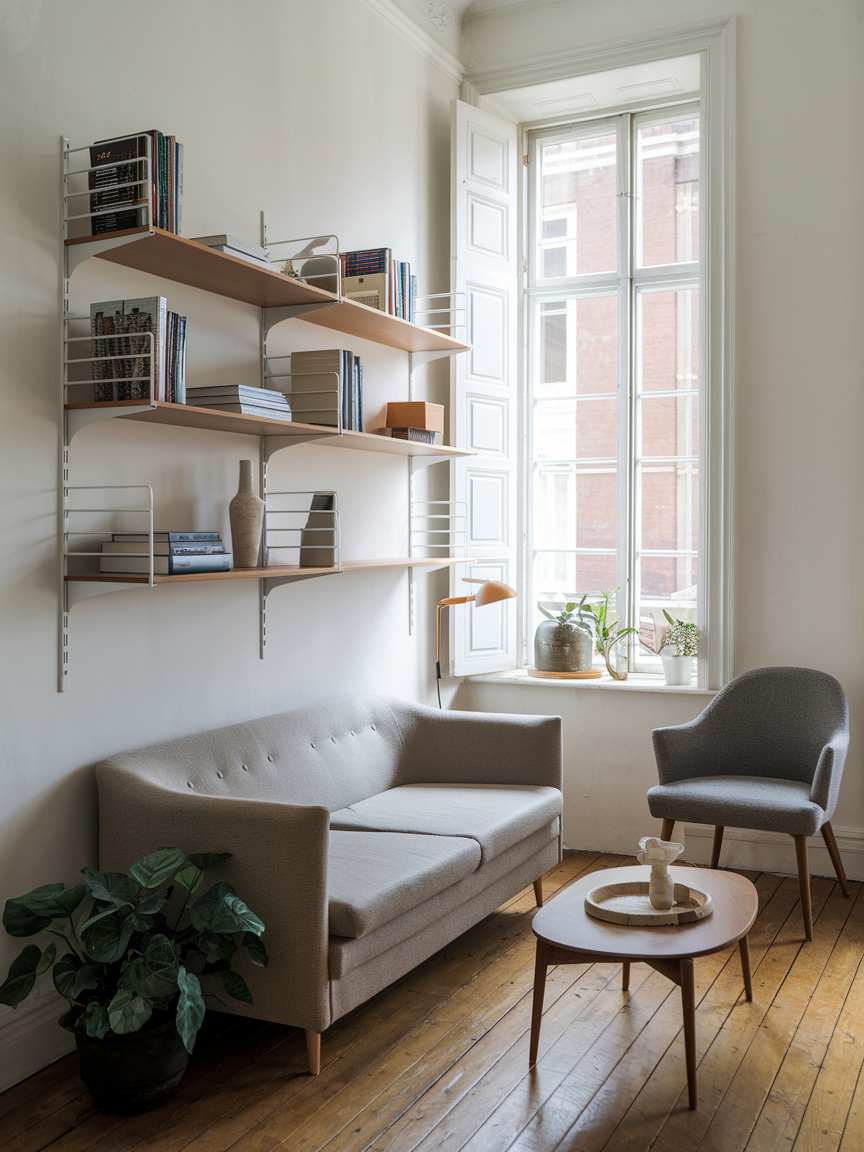
Floating shelves offer a practical and stylish storage solution that doesn’t take up floor space. Installed directly onto walls, they provide areas to display books, plants, and decorative items while maintaining an open layout. Floating shelves are particularly useful in small living rooms where traditional storage units may feel too bulky. They can be arranged creatively above sofas, around TVs, or in unused wall spaces to maximize functionality. Their clean, minimal appearance contributes to a modern aesthetic while helping keep surfaces organized and clutter-free.
7. Hang Curtains Strategically
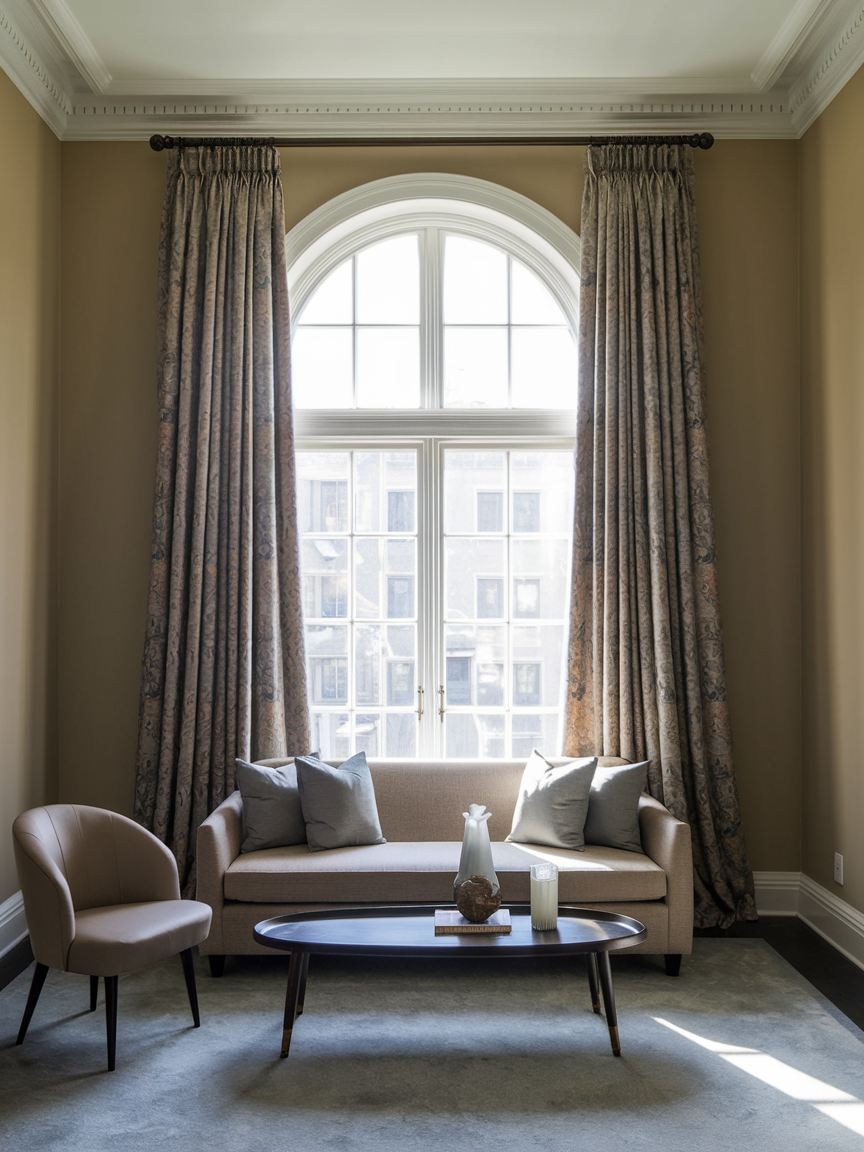
Curtains can significantly influence how spacious a room feels when used correctly. Hanging curtains closer to the ceiling rather than directly above the window frame creates the illusion of taller walls and higher ceilings. Extending curtains all the way to the floor further enhances this effect. Light, sheer fabrics allow natural light to filter through while maintaining privacy, contributing to a brighter and more open environment. Strategic curtain placement is a simple design trick that has a noticeable impact on the perceived height and openness of a small living room.
8. Integrate Built-In Storage
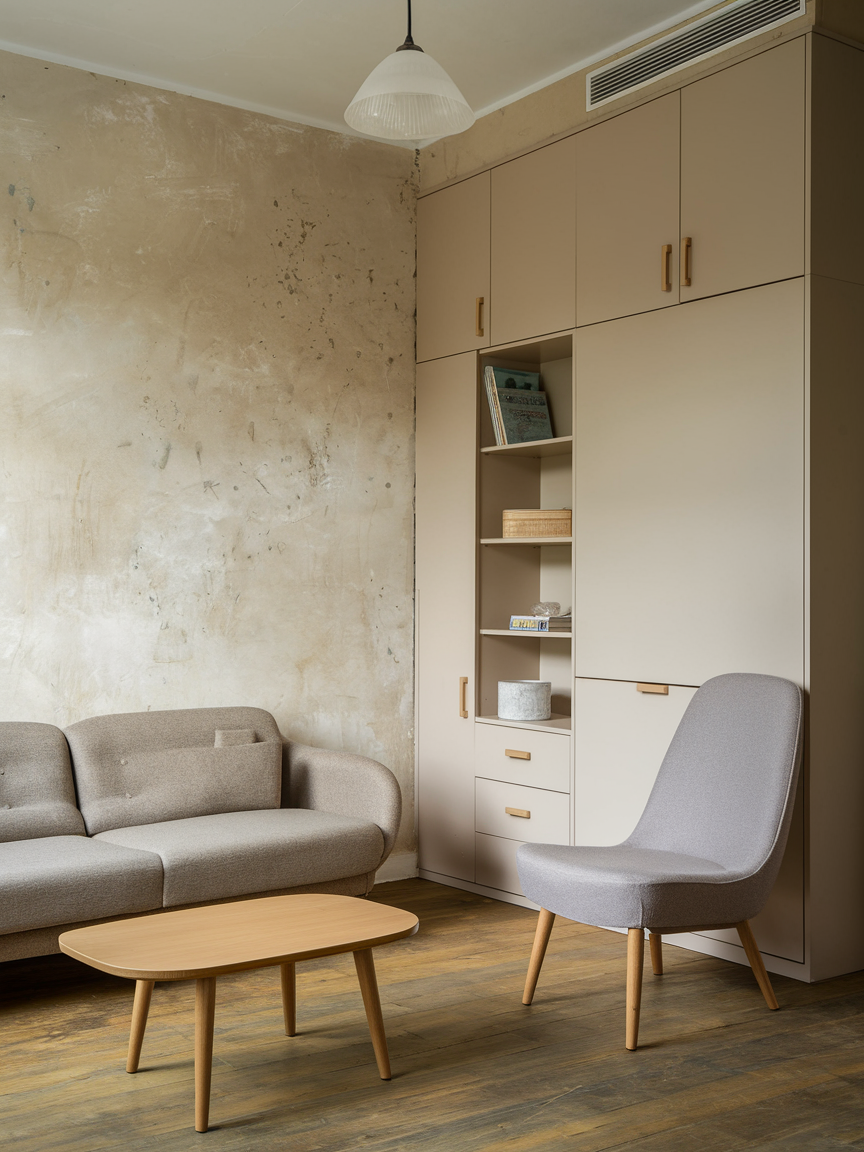
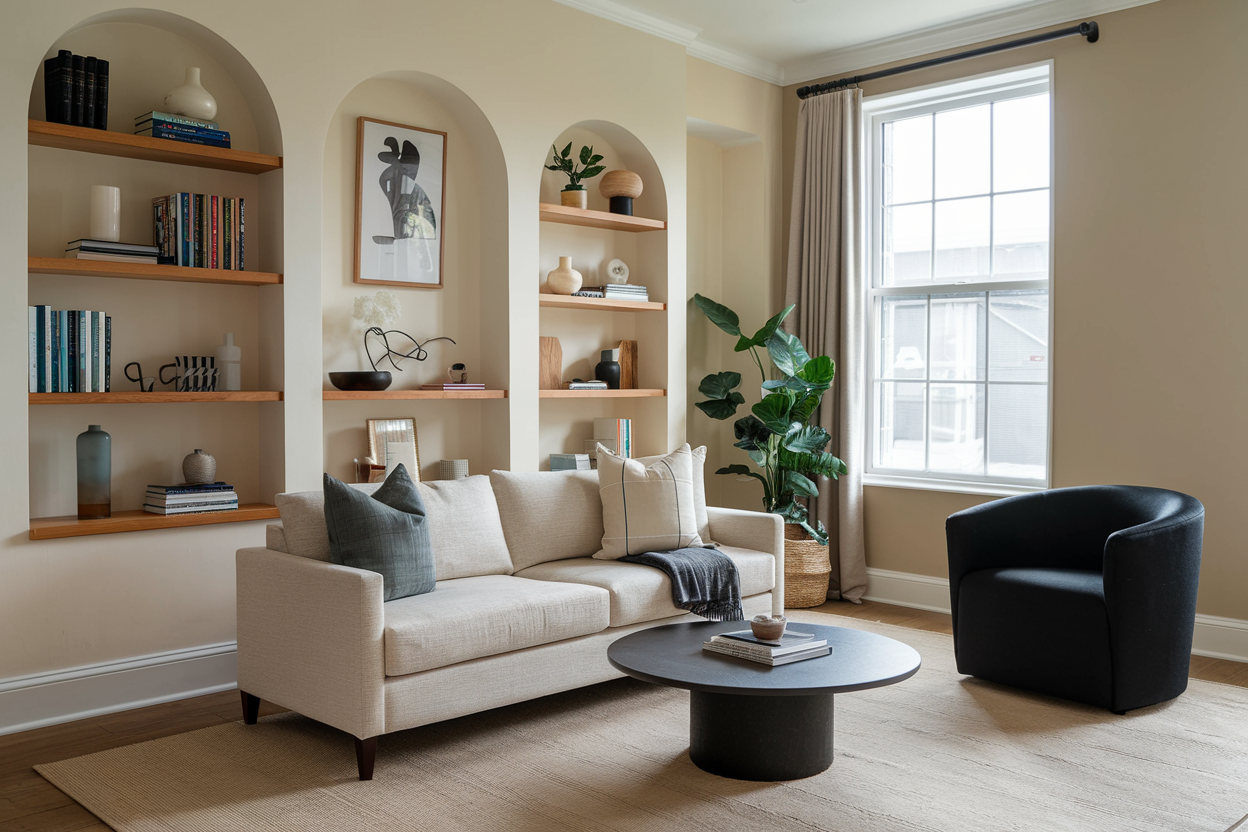
Built-in storage solutions are an excellent way to maximize space while maintaining a seamless and polished look. Custom-built shelves, recessed cabinets, or integrated seating with hidden compartments make use of every available inch without protruding into the room. These solutions are especially effective around architectural features such as windows, fireplaces, or alcoves. Built-ins eliminate the need for additional standalone furniture, reducing clutter and improving organization. They also provide a cohesive design element that blends naturally with the structure of the room. With built-in storage, your living room feels more intentional, tidy, and efficiently designed, offering both aesthetic appeal and practical functionality.
9. Maintain a Minimal Yet Personalized Style
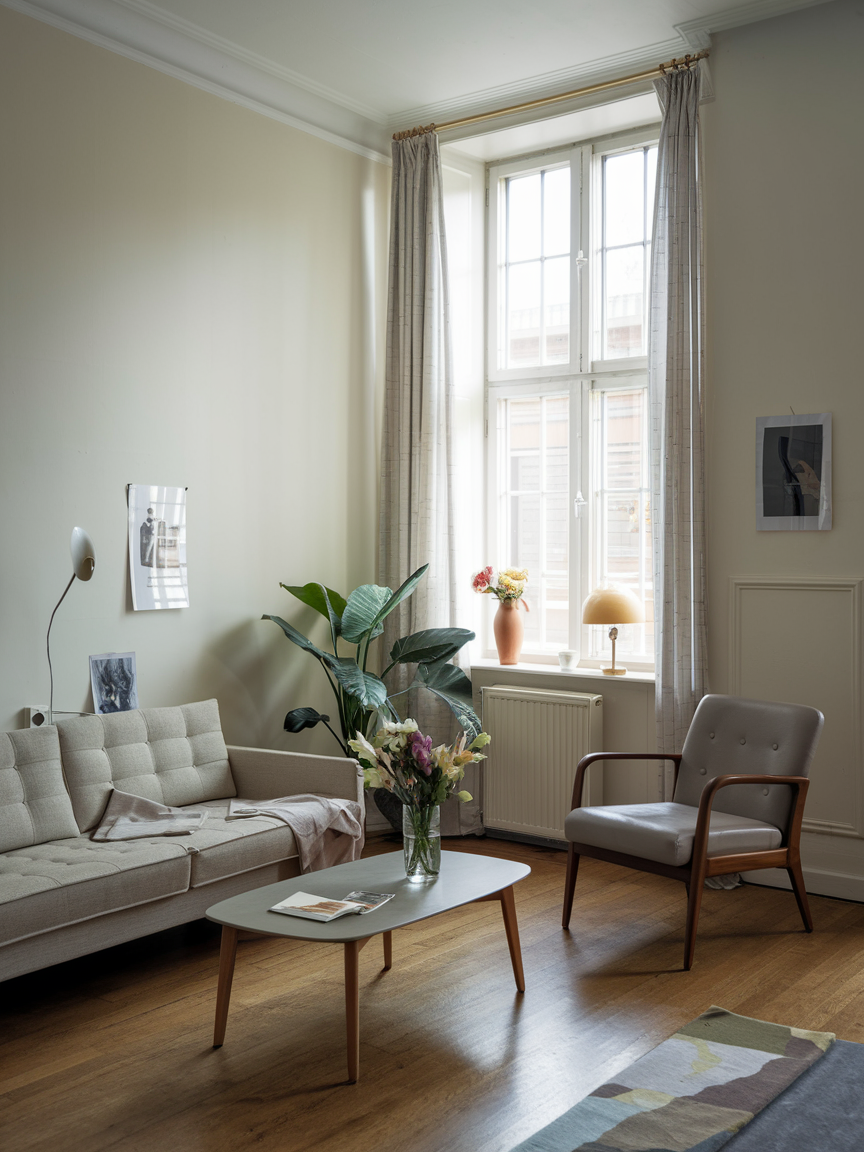
A well-designed small living room should strike a balance between minimalism and personal expression. Keeping the space uncluttered allows the room to feel open and breathable, but incorporating meaningful items ensures it still reflects your personality. Choose a few carefully selected decor pieces, such as framed photos, artwork, or sentimental objects, rather than filling the space with excessive decorations. This approach prevents visual overload while maintaining warmth and character. Minimalism in small spaces is not about emptiness, it’s about intentionality. By curating what you display, you create a space that feels both spacious and deeply personal.
10. Layer Rugs to Add Depth and Texture
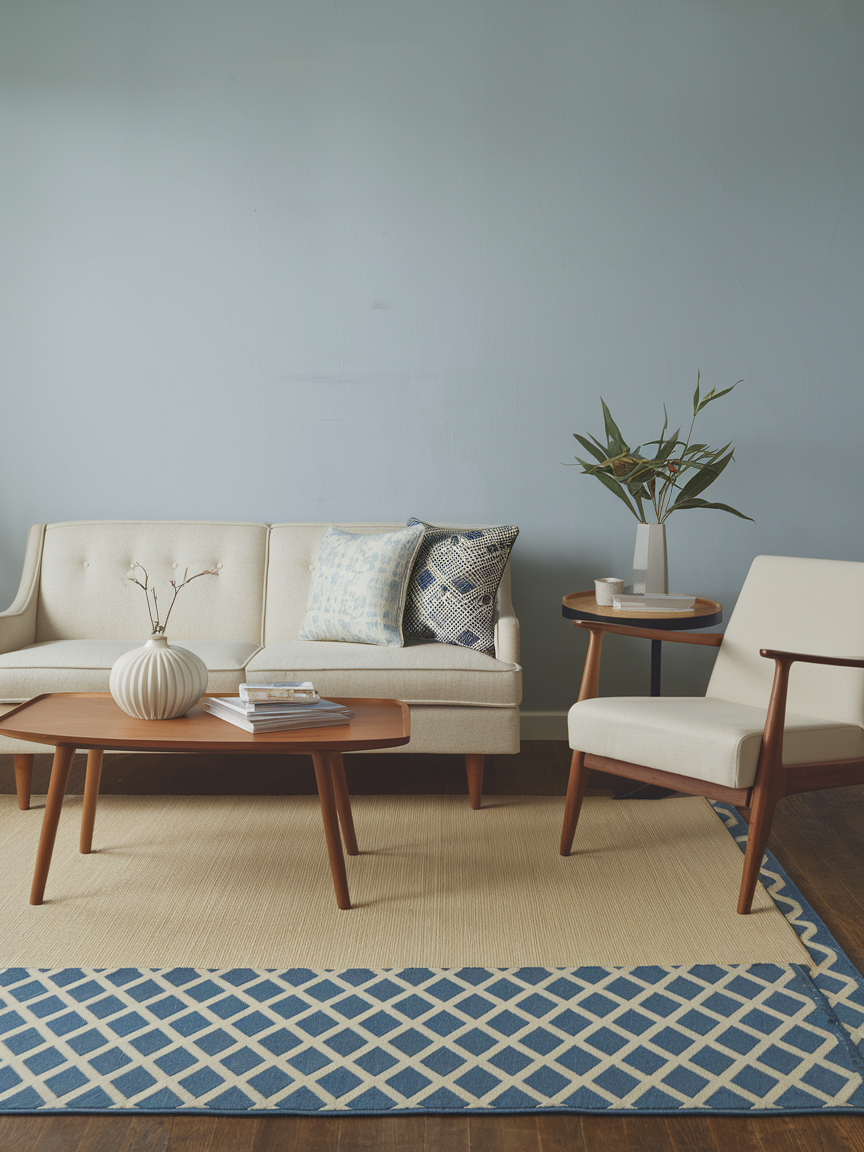
Layering rugs is an effective way to add texture, dimension, and visual interest to a small living room. Starting with a larger neutral base rug and layering a smaller patterned or textured rug on top creates contrast and depth. This technique helps define specific areas within the room, such as seating zones, while adding a sense of warmth and coziness. Layered rugs also allow you to experiment with patterns and materials without overwhelming the space. When done correctly, this approach enhances the overall design and makes the room feel more styled, cohesive, and thoughtfully arranged.
11. Opt for Multi-Functional Furniture
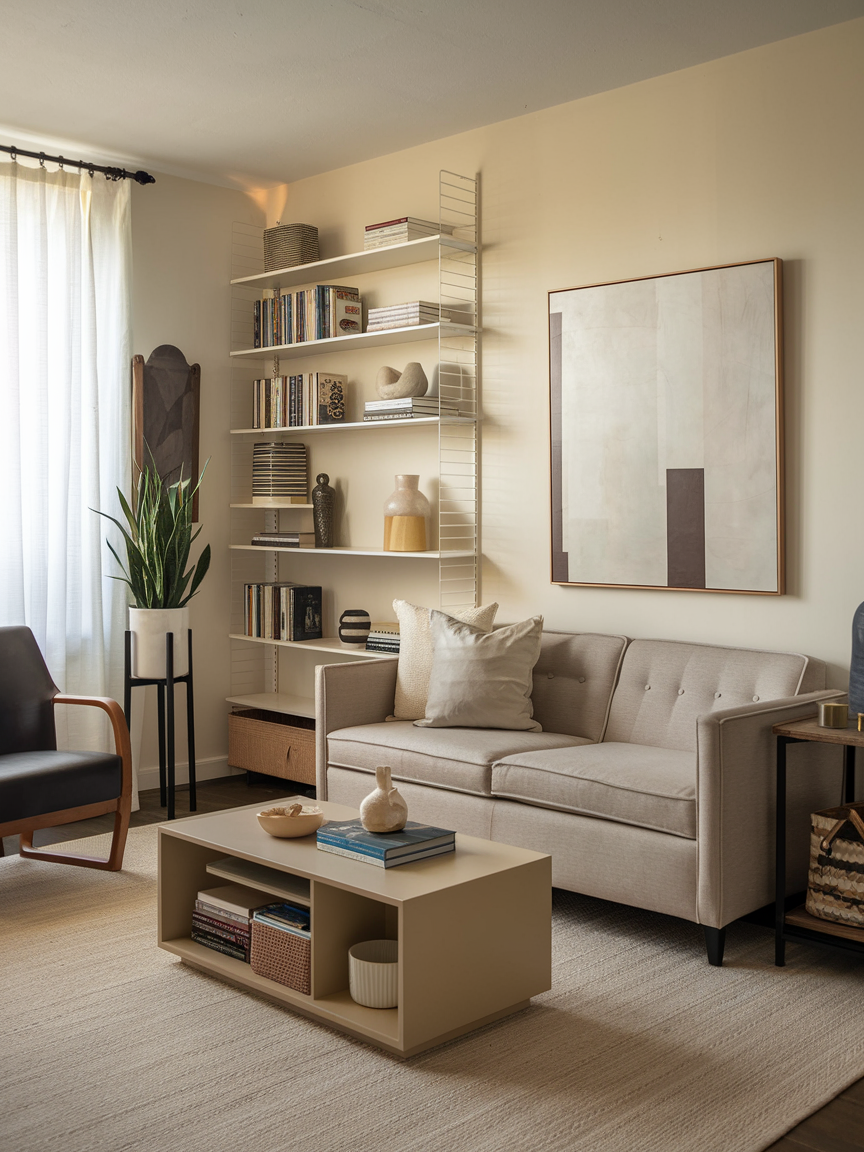
In small living rooms, every piece of furniture should serve more than one purpose to truly maximize efficiency. Multi-functional furniture, such as storage ottomans, sleeper sofas, lift-top coffee tables, or nesting tables, helps you reduce clutter while increasing usability. These pieces allow you to store everyday essentials like blankets, remotes, books, and electronics in hidden compartments, keeping surfaces clean and organized. For example, a coffee table with a lift-top can double as a workspace or dining surface, making it incredibly versatile in compact homes. By carefully selecting adaptable furniture, you not only save space but also create a more flexible, practical, and visually streamlined living environment that supports multiple daily activities without feeling overcrowded.
12. Choose a Light and Airy Color Palette
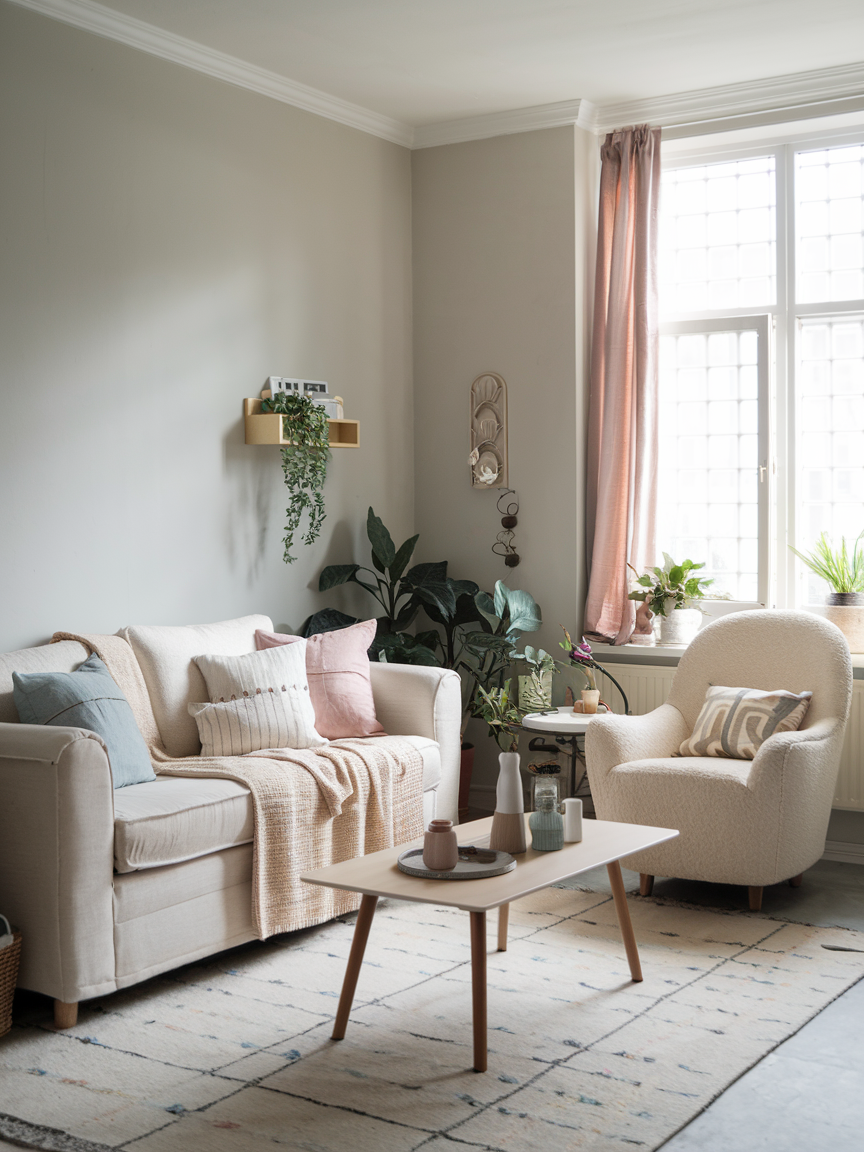
A light and airy color palette is one of the most effective ways to visually expand a small living room. Shades such as soft whites, warm creams, pale grays, and muted pastels help reflect both natural and artificial light, creating a brighter and more open atmosphere. These tones make walls appear farther apart and ceilings feel higher, which enhances the sense of space. You can still introduce personality through accent pieces like cushions, throws, rugs, or artwork in bolder hues, but keeping the dominant palette light ensures balance. Additionally, using similar tones across walls, furniture, and decor creates a cohesive look that avoids visual fragmentation, helping the room feel calm, unified, and more spacious overall.
13. Wall-Mount Your Television
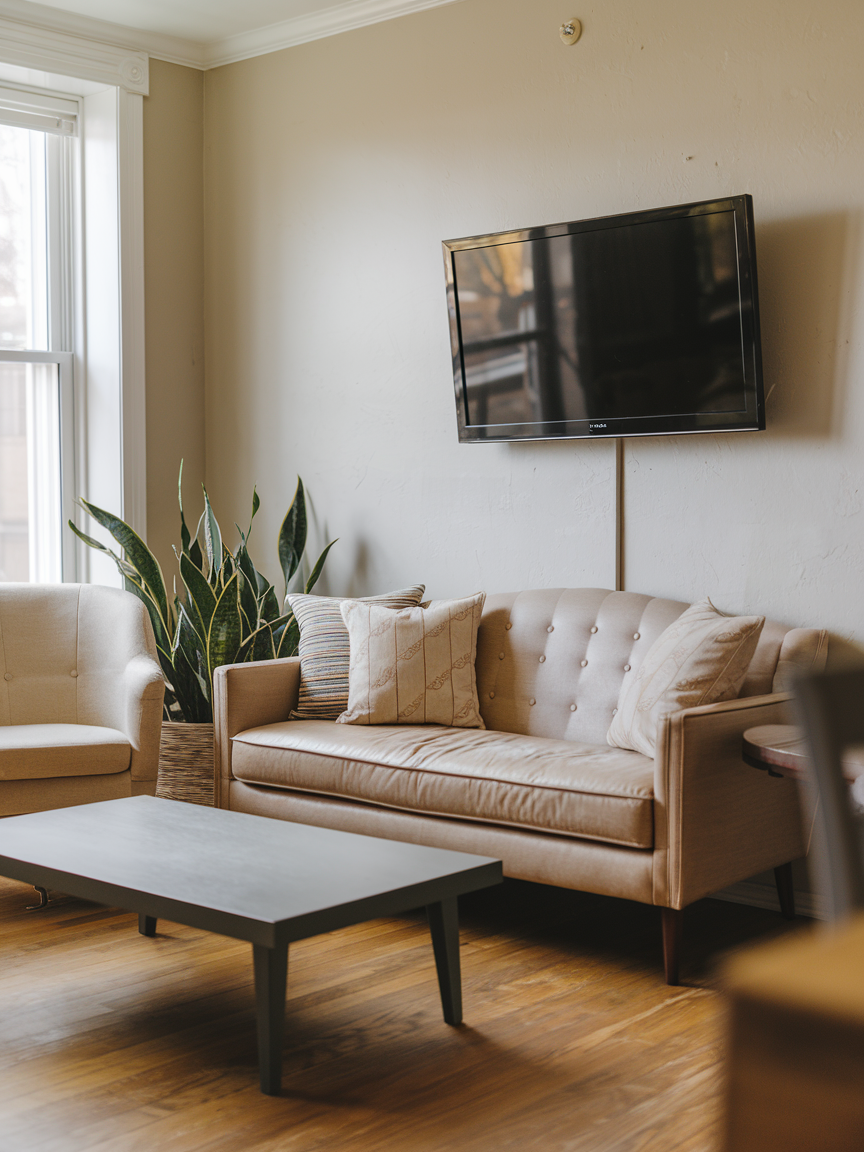
Wall-mounting your television is a simple yet highly effective way to free up valuable floor space in a small living room. Instead of relying on bulky TV stands or entertainment units, a mounted TV creates a cleaner and more streamlined visual layout. This approach opens up space underneath for floating shelves, slim consoles, or decorative storage solutions. It also helps reduce clutter by eliminating the need for large furniture pieces dedicated solely to holding your TV. Beyond functionality, wall-mounted TVs contribute to a modern and minimalist aesthetic that enhances the overall openness of the room. The result is a more organized, efficient, and visually balanced space that feels less crowded and more contemporary.
14. Incorporate Mirror
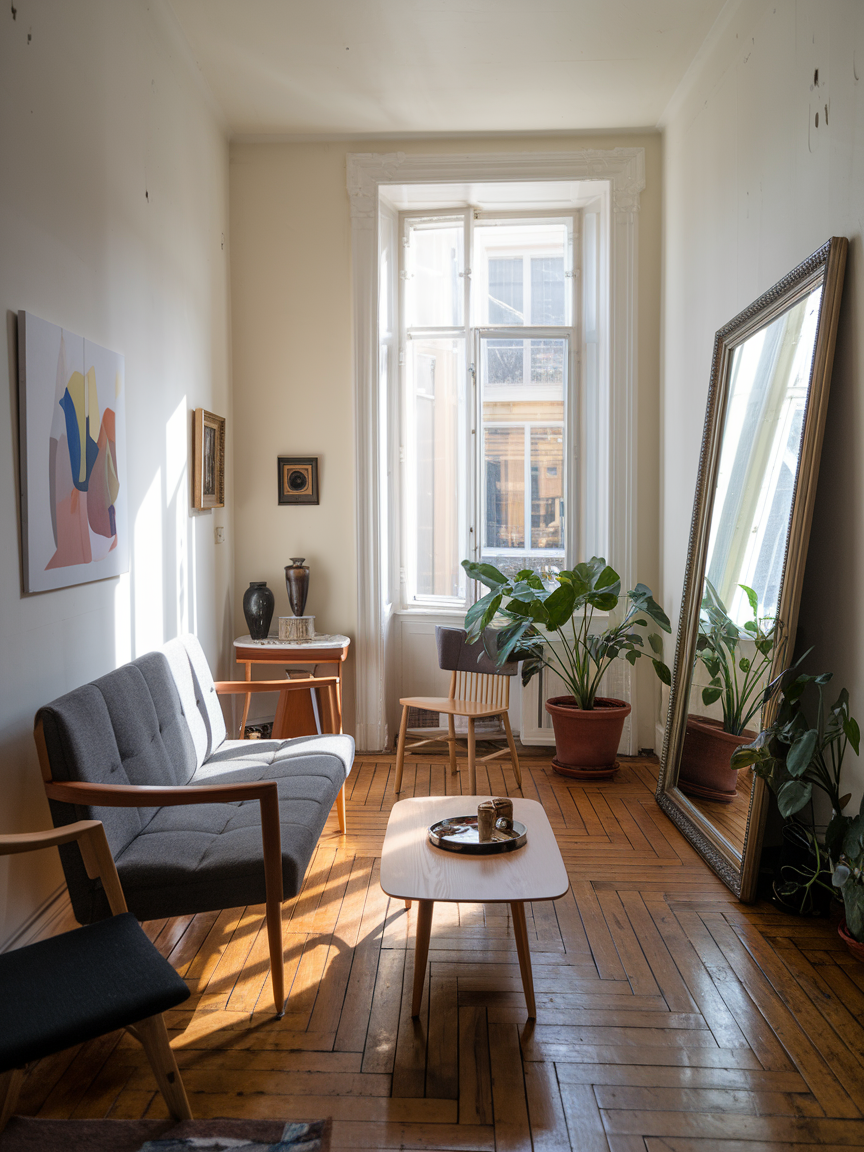
Mirrors are a powerful design tool that can instantly transform the perception of space in a small living room. When strategically placed, especially opposite windows or light sources, mirrors reflect natural light throughout the room, making it feel brighter and more expansive. Large mirrors can create the illusion of depth, effectively doubling the visual size of the space. Alternatively, a collection of smaller mirrors arranged as a gallery wall can add decorative interest while still serving the same functional purpose. Mirrors also help break up solid wall surfaces, adding dimension without introducing clutter. By incorporating mirrors thoughtfully, you enhance both the brightness and openness of the room while adding a touch of elegance.
15. Maximize Vertical Storage Solutions
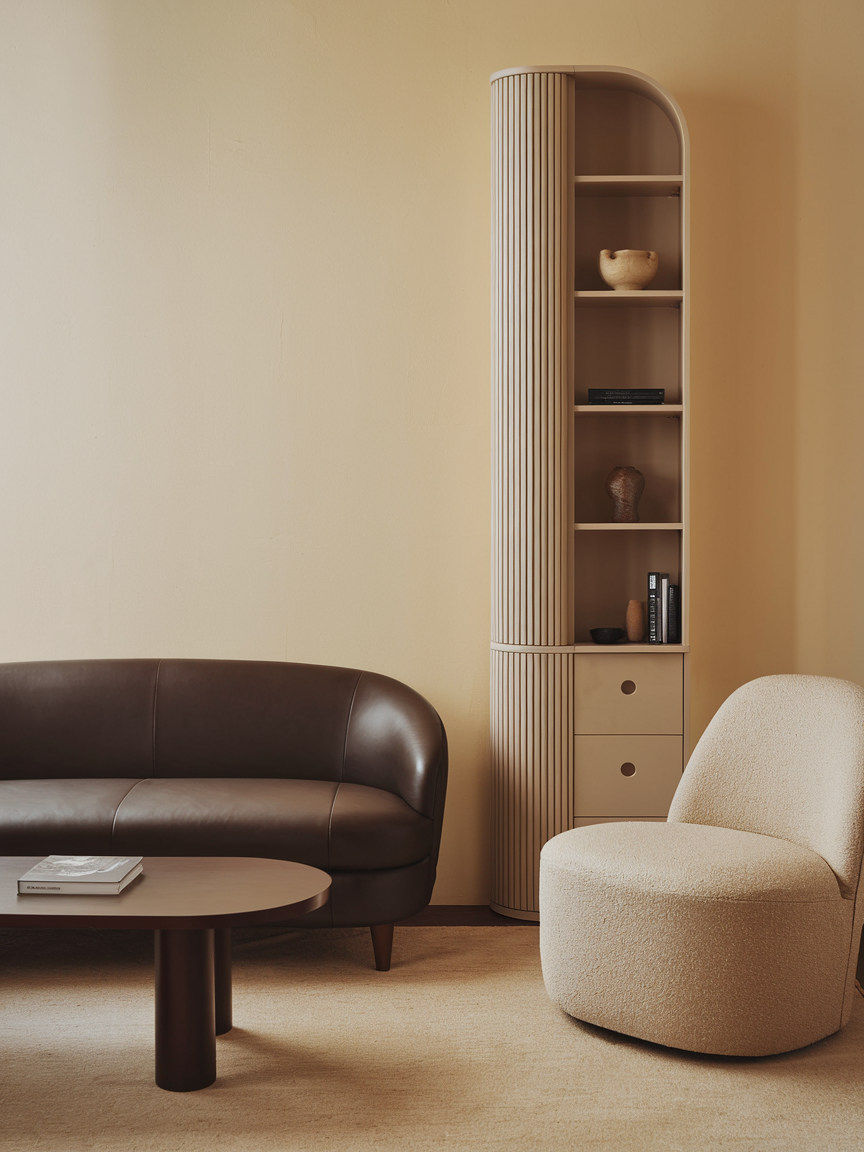
Maximizing vertical space is essential when floor area is limited. Tall bookcases, wall-mounted shelves, and vertical cabinets allow you to store items efficiently without consuming valuable ground space. This approach not only improves organization but also draws the eye upward, creating the illusion of higher ceilings and a more spacious environment. Vertical storage can be used to display books, decor pieces, plants, and personal collections in an aesthetically pleasing way. In addition, stacking storage upward keeps everyday items accessible while maintaining a clean and uncluttered floor. By thinking vertically, you unlock unused space and make your living room feel taller, more structured, and significantly more functional.
16. A Statement Piece
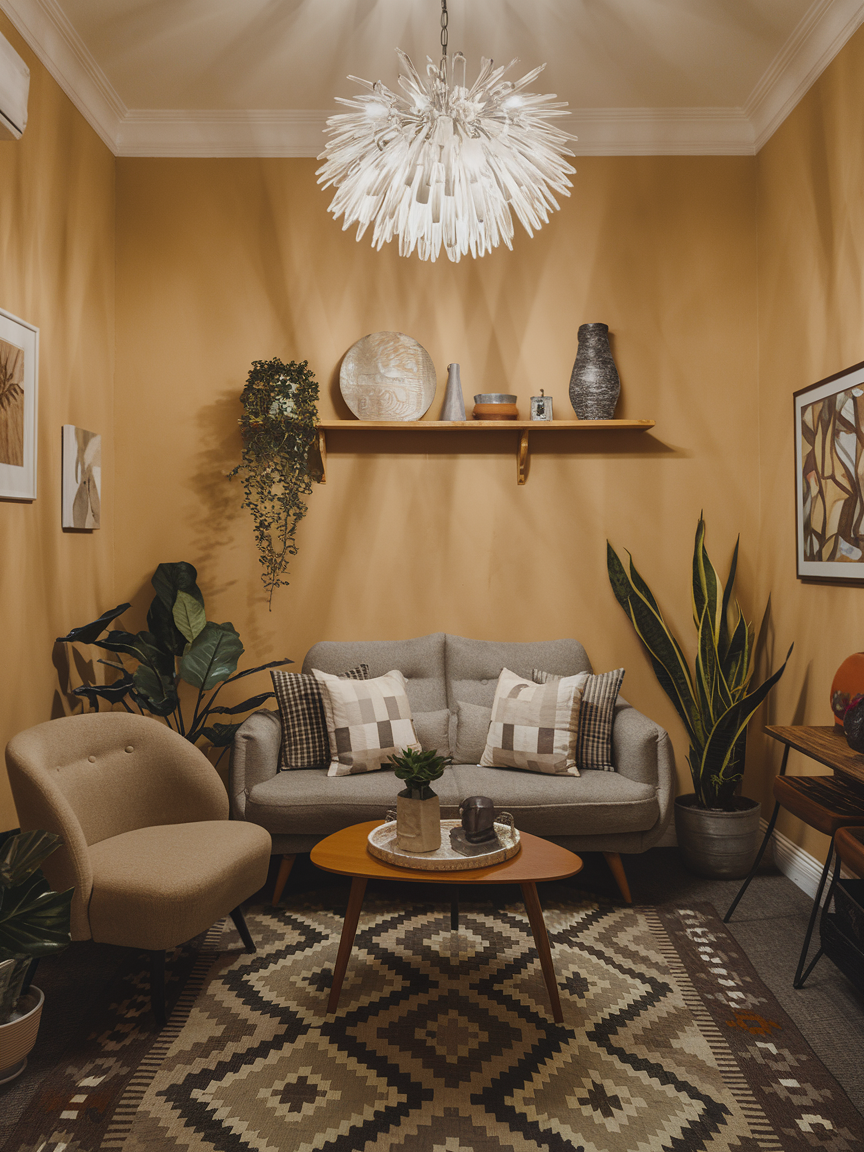
In small living rooms, incorporating one large statement piece can be more effective than multiple smaller items. A bold artwork, oversized mirror, dramatic light fixture, or standout furniture piece can serve as a focal point that anchors the room. This approach reduces visual clutter while drawing the eye to a central feature, creating a sense of balance and proportion. A single statement element helps organize the visual layout and adds personality without overwhelming the space. It’s a strategic way to introduce style and impact while maintaining simplicity and openness.
17. Keep Floor Space Open and Uncluttered
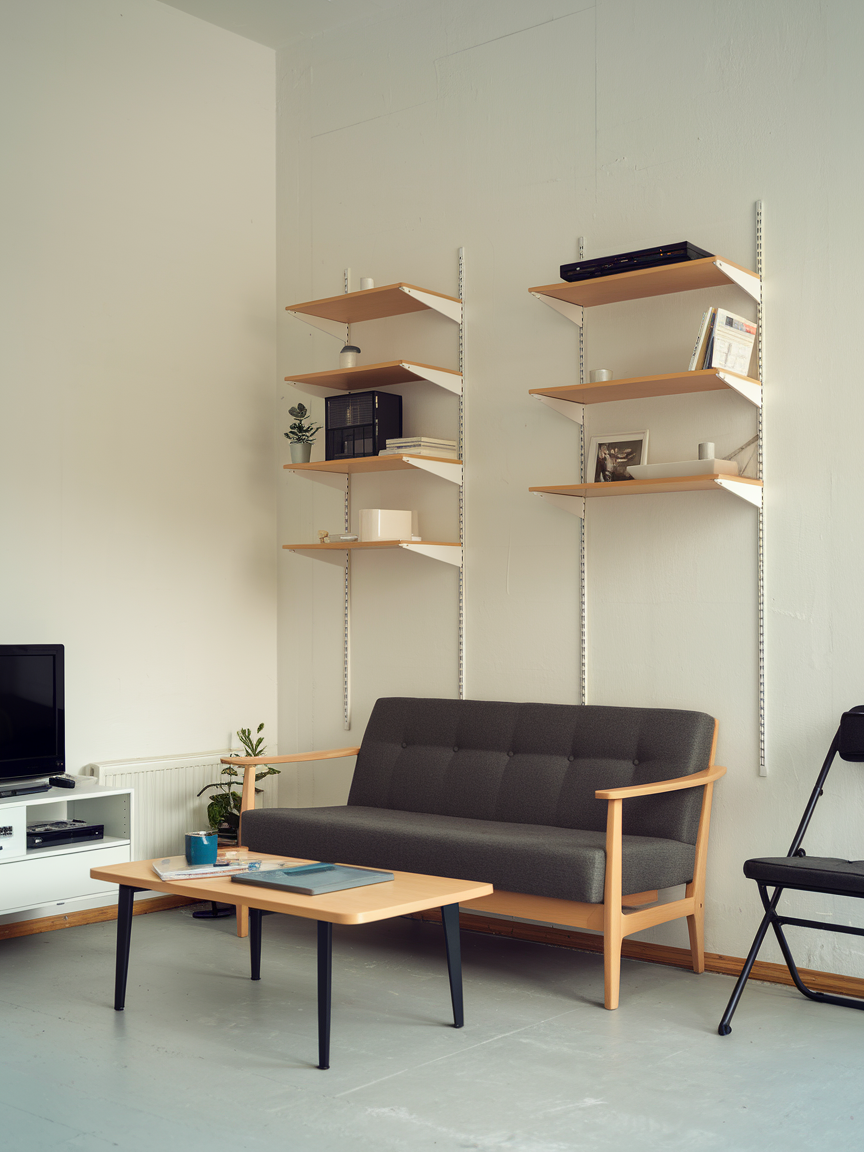
Maintaining visible floor space is key to making a small living room feel larger. Avoid overcrowding the area with too many furniture pieces or decor items that sit directly on the ground. Instead, opt for wall-mounted solutions or compact furnishings that leave more floor space visible. Floating consoles, wall shelves, and elevated furniture contribute to a lighter visual footprint. The more uninterrupted floor space you can see, the more open and breathable the room will feel. This simple principle plays a significant role in enhancing spatial perception and improving overall flow.
18. Choose Glass or Acrylic Furniture
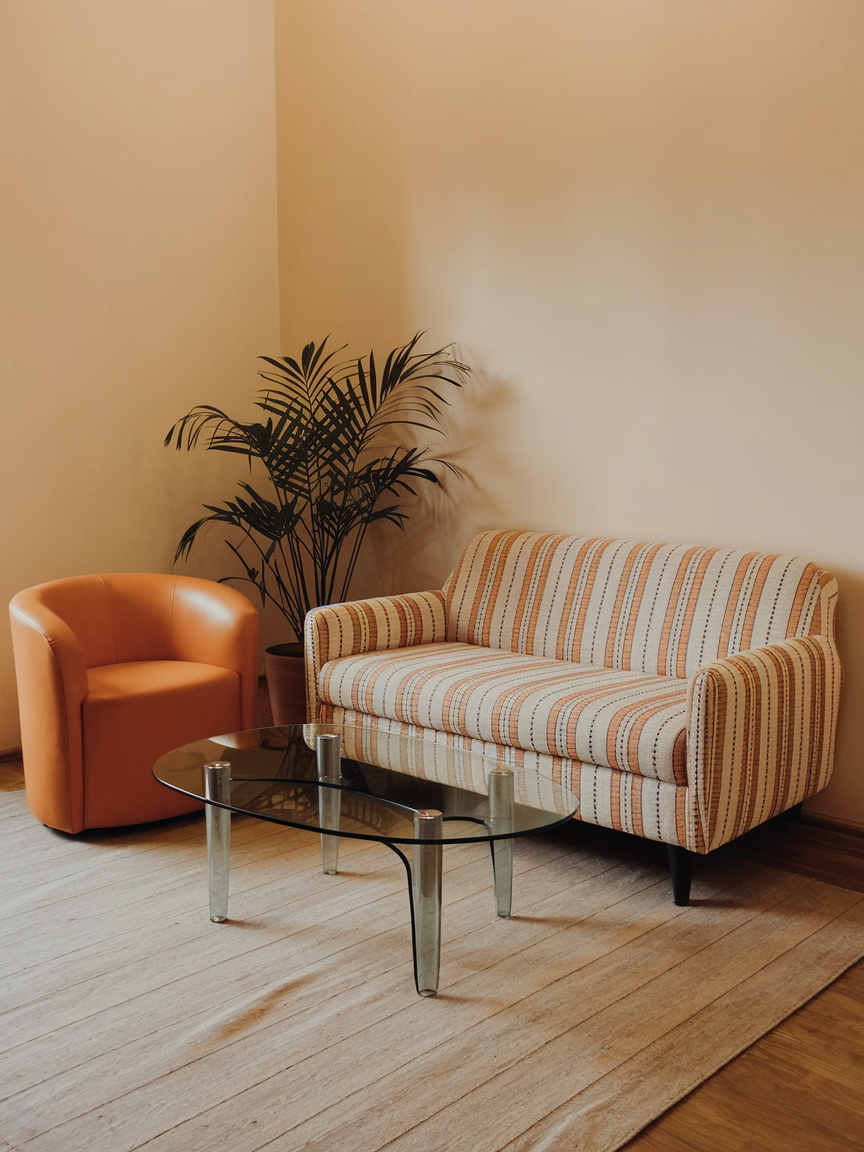
Transparent furniture made from glass or acrylic is ideal for small living rooms because it provides functionality without adding visual weight. Pieces like glass coffee tables or acrylic chairs allow light to pass through, reducing visual obstruction and maintaining a sense of openness. These materials blend seamlessly into any design style, making them highly versatile. Despite their minimal appearance, they remain fully functional and durable. By incorporating transparent furniture, you maintain usability while preserving the illusion of a larger, less cluttered space.
19. Select Low-Profile Furniture
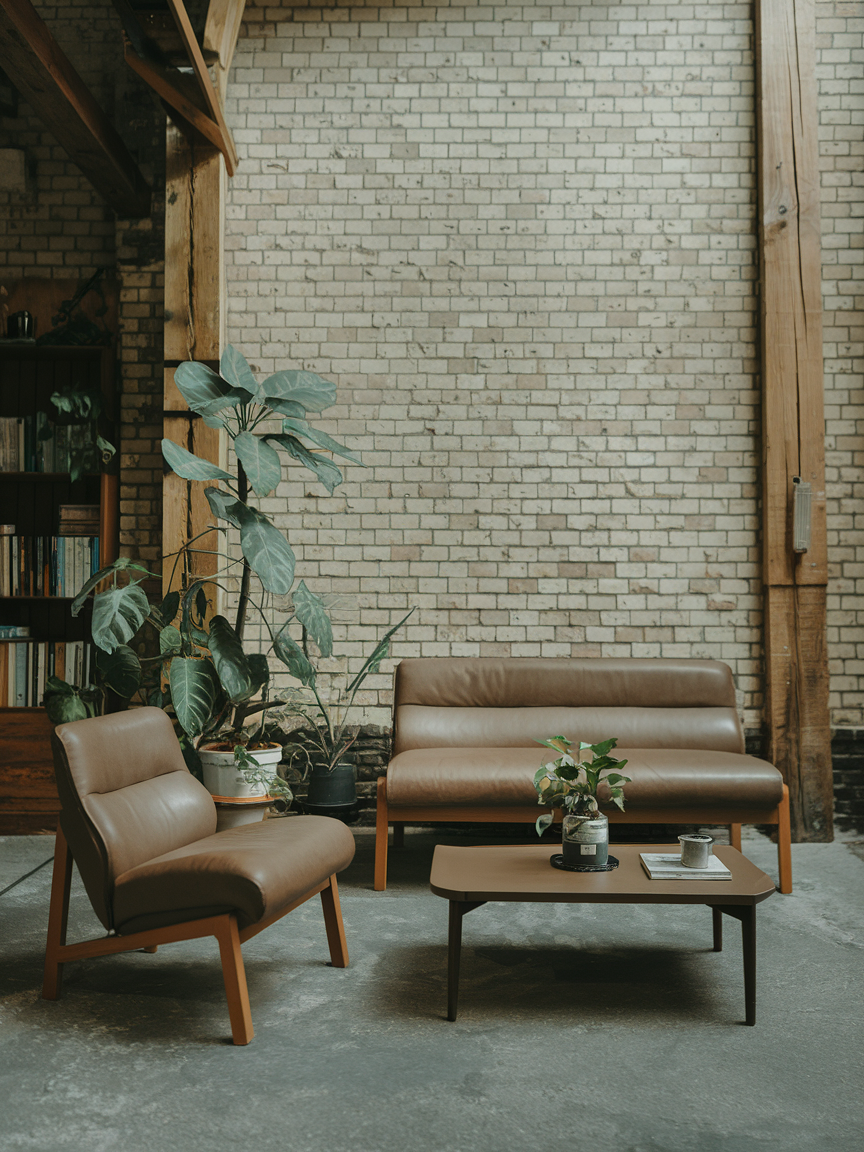
Low-profile furniture sits closer to the ground, which helps create the illusion of taller ceilings and a more spacious environment. Sofas, coffee tables, and media units with lower heights reduce visual obstruction and make the room feel more open. This design choice allows more wall space to remain visible, contributing to a lighter overall appearance. Low-profile pieces are especially effective in modern and minimalist interiors where simplicity and openness are key design goals.
20. Decorative Storage Baskets
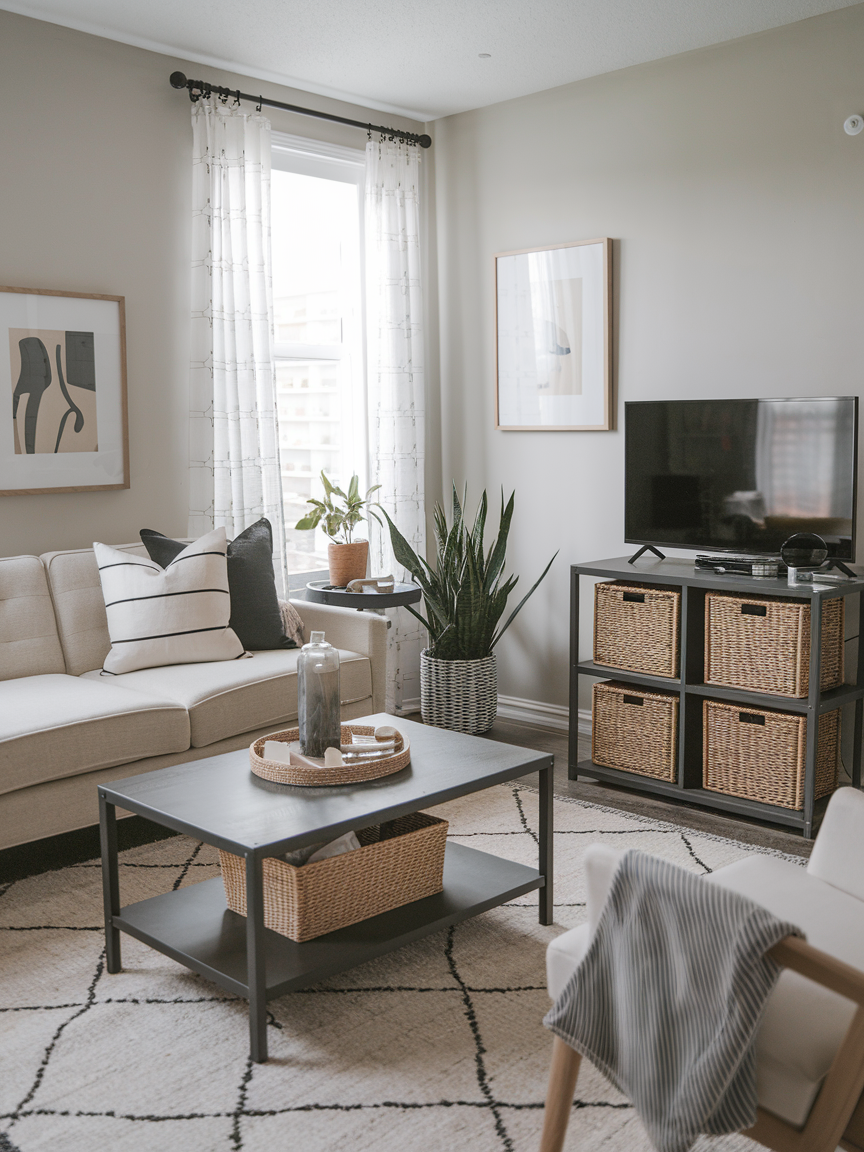
Storage baskets are a practical and aesthetically pleasing way to manage clutter in a small living room. They can hold items such as blankets, magazines, toys, or miscellaneous objects that might otherwise create a visual mess. Placing baskets under tables, beside sofas, or in corners helps keep the space tidy without sacrificing accessibility. Woven or decorative baskets also contribute to the room’s overall decor, blending functionality with style and helping maintain a clean and organized environment.
21. Use a Large Area Rug
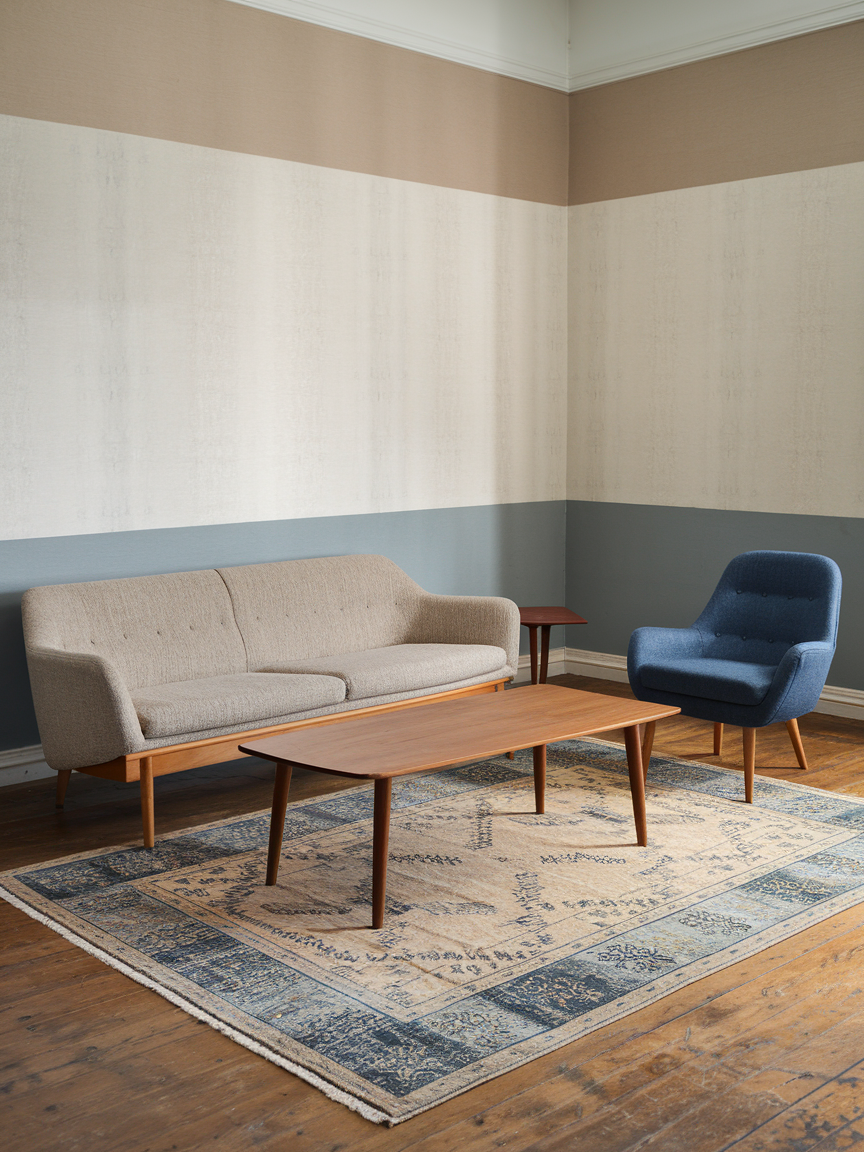
A large area rug helps anchor the furniture and unify the layout of a small living room. When all major furniture pieces sit on or partially on the rug, the space feels more cohesive and visually connected. Smaller rugs, on the other hand, can make the room feel fragmented and disjointed. A properly sized rug defines the seating area while adding warmth, texture, and comfort. It also contributes to the illusion of a larger space by expanding the visual boundaries of the room.
* These 21 clever small living room decor ideas show how thoughtful layouts, space-saving furniture, and intentional styling can transform even the most compact areas into functional and visually appealing spaces. Let these ideas inspire you to design a space that maximizes every inch while maintaining a cohesive and inviting atmosphere.