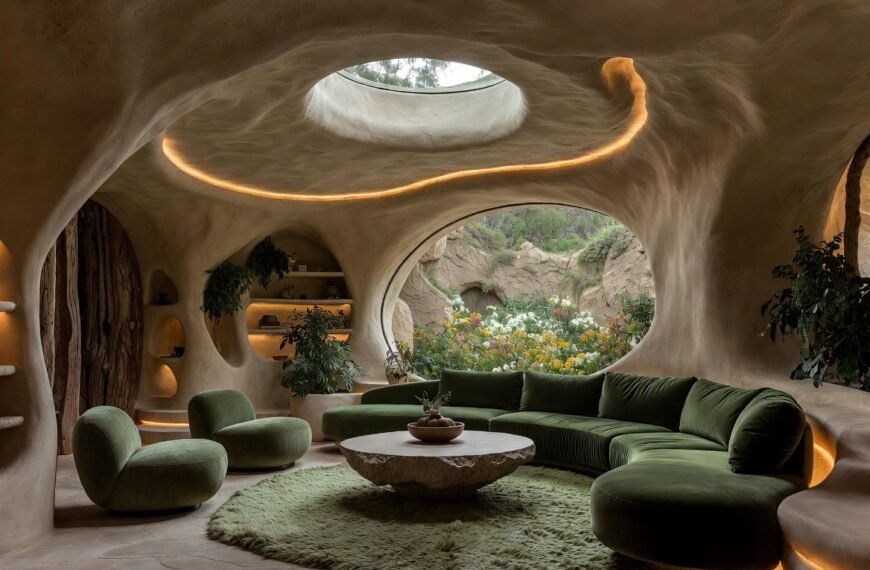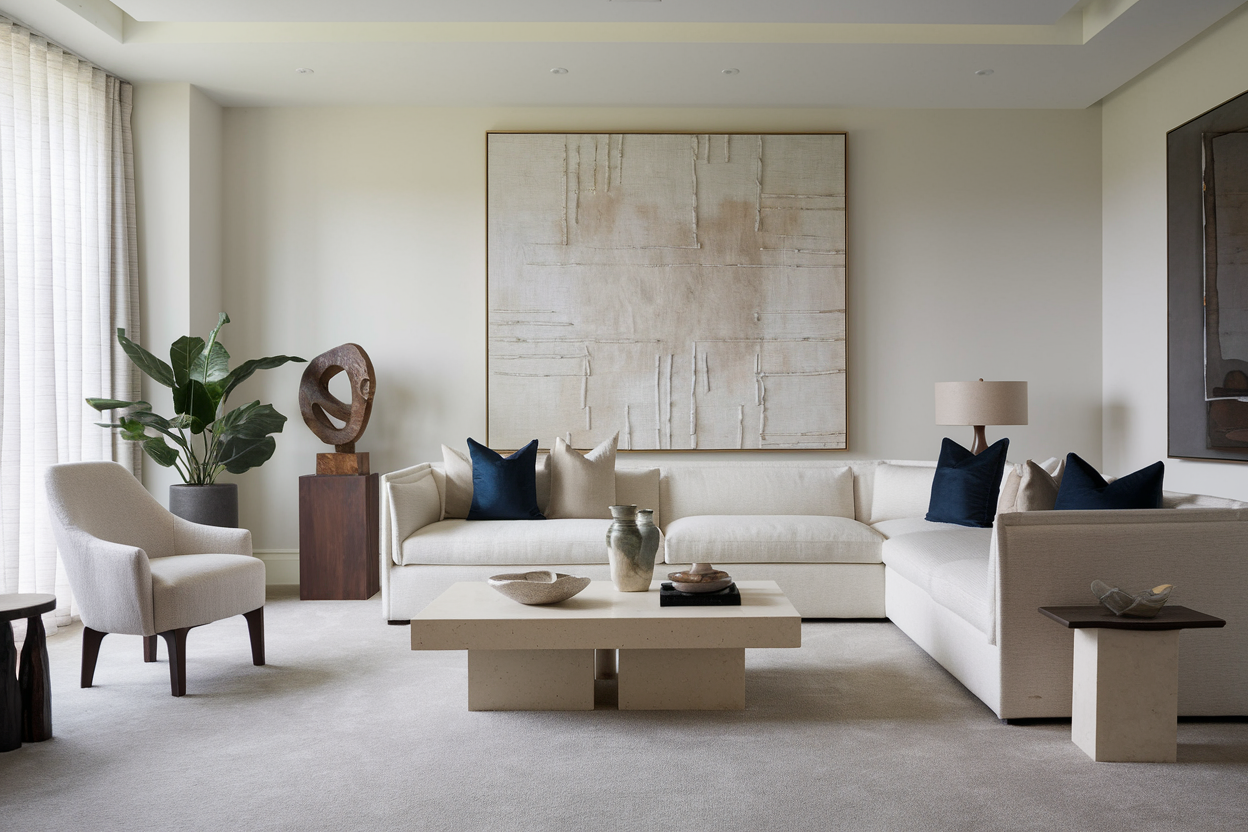
Contemporary living rooms are all about redefining how comfort and style come together in a modern home. Clean lines, open layouts, and a thoughtful mix of materials create spaces that feel both sophisticated and easy to live in. Instead of following rigid rules, contemporary design embraces flexibility, allowing each room to reflect a unique blend of function and personality.
A well-designed contemporary space focuses on balance. Neutral color palettes often set the foundation, while bold accents, sculptural furniture, or statement lighting introduce visual interest. Texture plays a key role in keeping the room from feeling flat—think soft upholstery, sleek metals, natural wood, and subtle layered textiles working together to create depth. Every element is chosen with intention, resulting in a space that feels cohesive without being overly styled.
Let’s discover inspiring ways to create a modern living room that truly redefines comfort and design!
1. Statement Rug
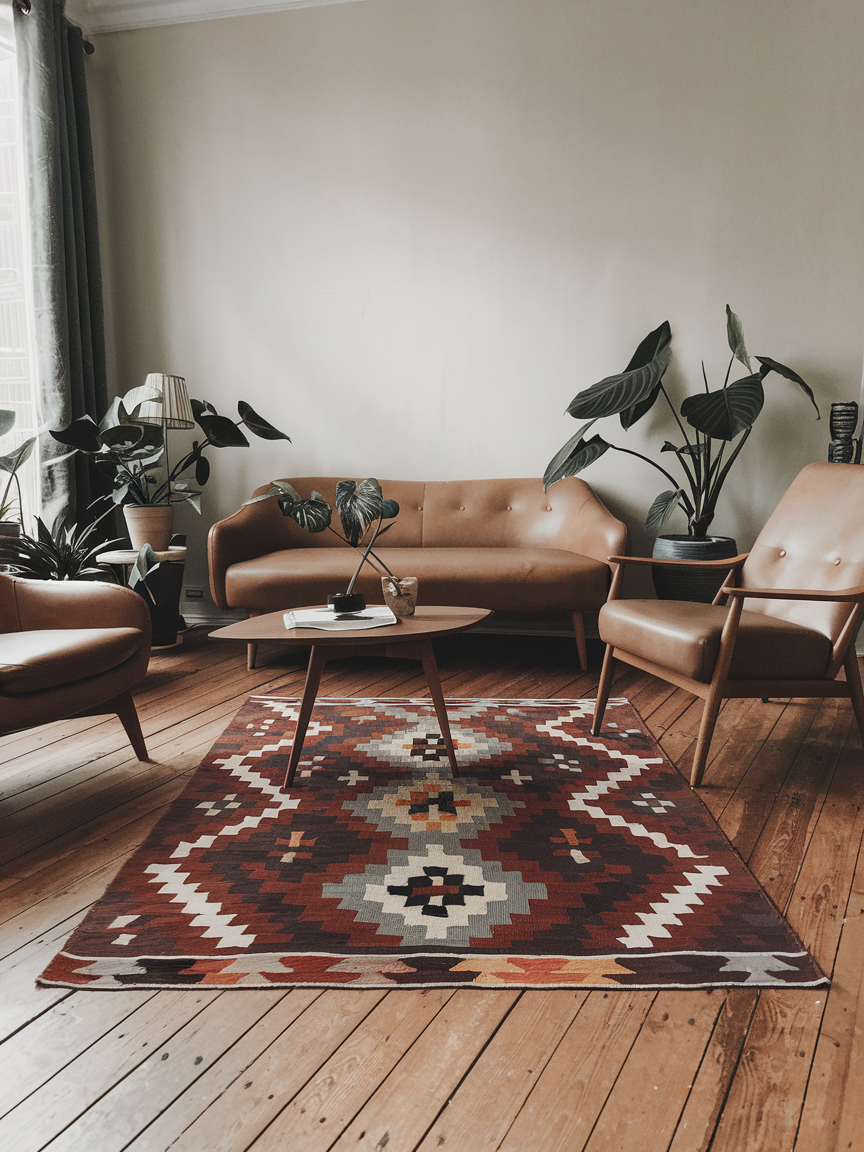
A well-chosen rug has the power to transform a living room by grounding the furniture and defining the overall layout. In contemporary design, rugs are often used to introduce texture, pattern, or subtle color variations that enhance the room’s aesthetic. A bold geometric design can add energy, while a neutral textured rug provides warmth and softness underfoot. Beyond its visual impact, a rug also creates a sense of cohesion, tying together different elements such as seating, tables, and accessories. This makes the space feel complete and thoughtfully designed, while also improving comfort and functionality.
2. Geometric Patterns
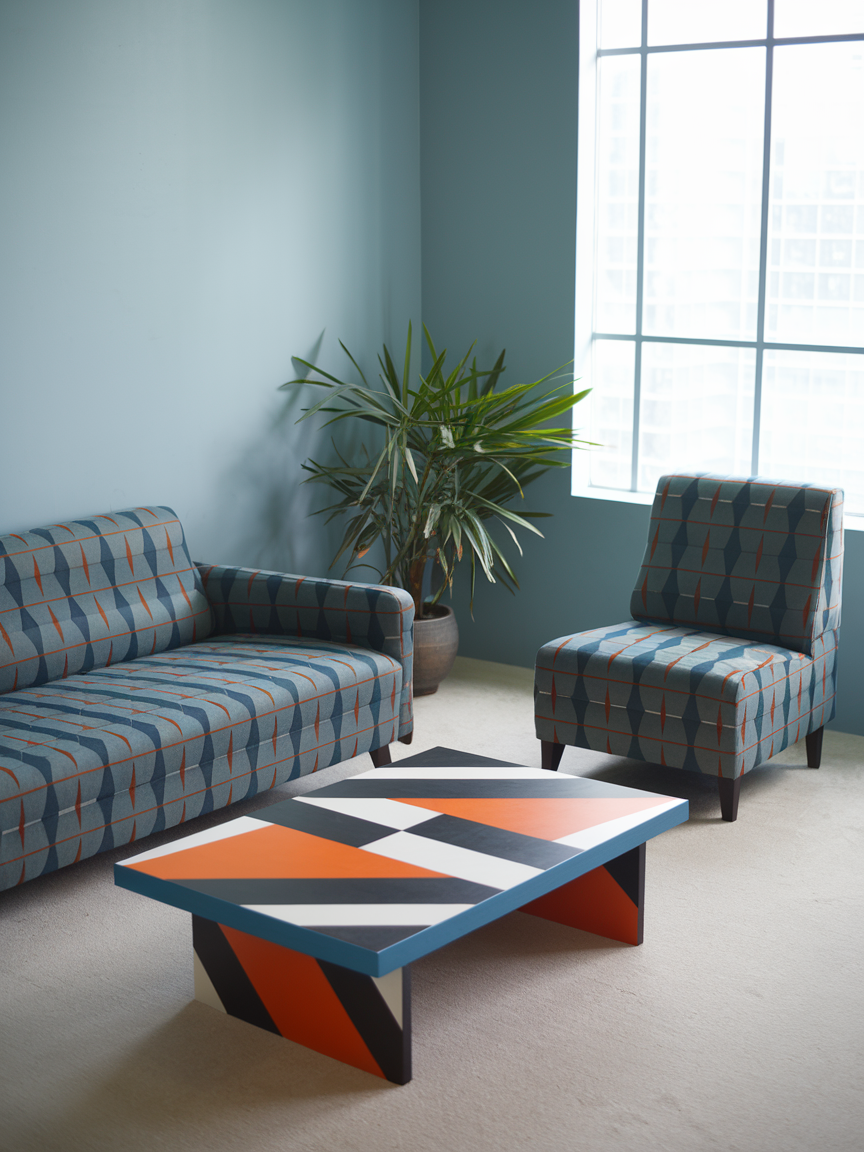
Geometric patterns are a hallmark of contemporary design, bringing structure, rhythm, and modern appeal to a living room. These patterns can be incorporated through textiles, artwork, or decorative accents, adding visual interest without overwhelming the space. The clean lines and repeating shapes create a sense of order and harmony, reinforcing the overall aesthetic. Even small touches, such as patterned cushions or a geometric rug, can make a noticeable difference. When used thoughtfully, these patterns enhance the design by adding movement and energy while maintaining a cohesive and polished look.
3. Glass and Metal for a Sleek Finish
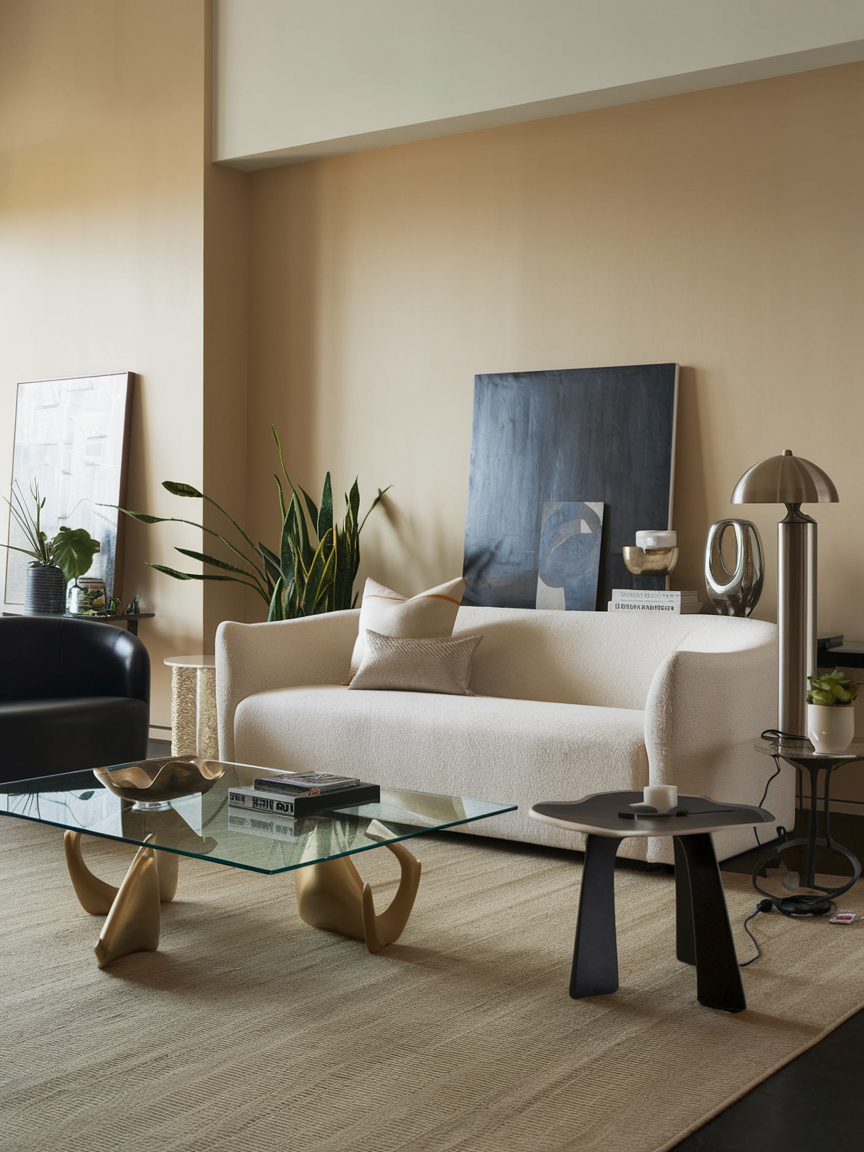
Glass and metal elements introduce a sleek, polished quality that defines contemporary interiors. Glass surfaces, such as coffee tables or shelving, help reflect light and create the illusion of more space, making the room feel brighter and more open. Metal accents, whether in chrome, brass, or matte black finishes, add contrast and a touch of sophistication. These materials pair effortlessly with softer textures like fabric and wood, creating a balanced composition that feels both modern and inviting. Their reflective qualities also enhance the overall lighting, contributing to a more dynamic and visually engaging environment.
4. Bold Artwork
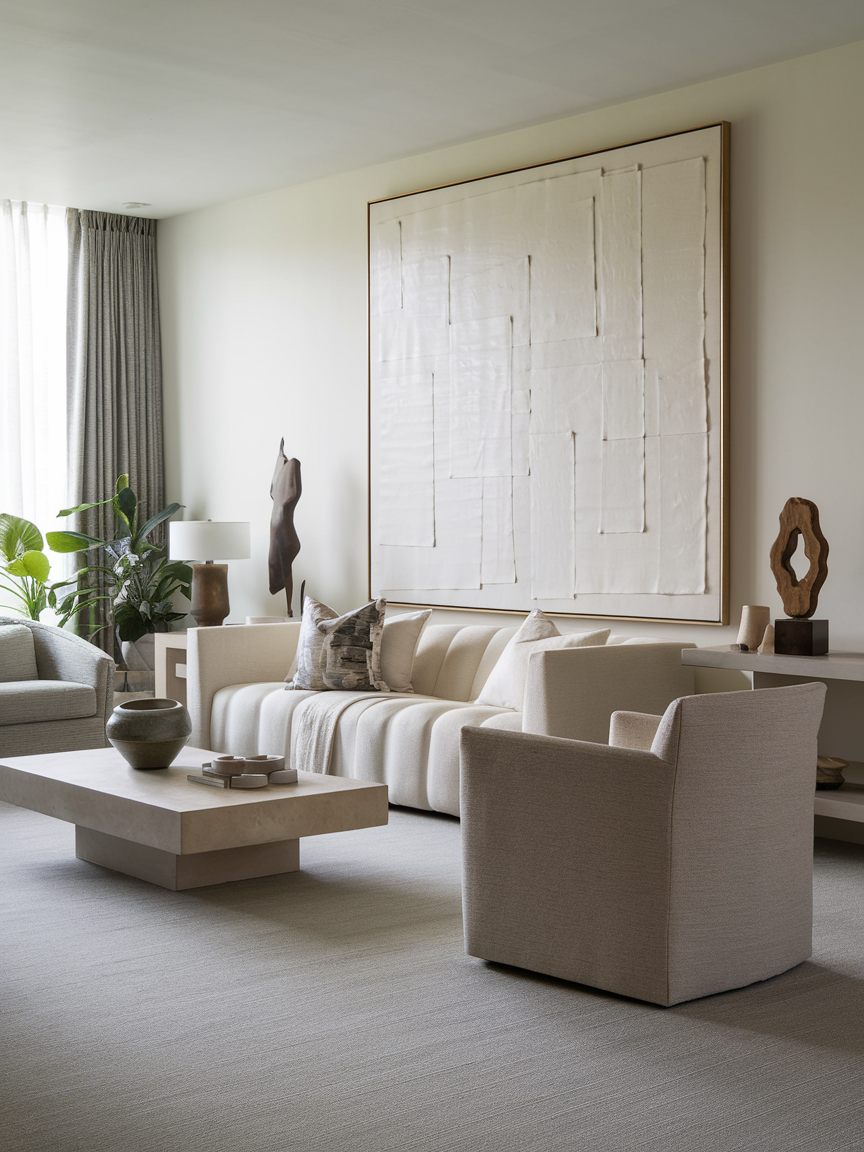
Artwork serves as a powerful focal point in a contemporary living room, offering an opportunity to express personality and creativity. Large-scale pieces or curated gallery walls can instantly draw attention and set the tone for the entire space. Whether you prefer abstract compositions, photography, or graphic prints, the right artwork adds depth and character while complementing the overall design. It also helps break up neutral palettes, introducing color and visual interest in a controlled and intentional way. Thoughtfully chosen art transforms the living room into a space that feels curated, expressive, and uniquely yours.
5. Mirrors to Enhance Light and Space
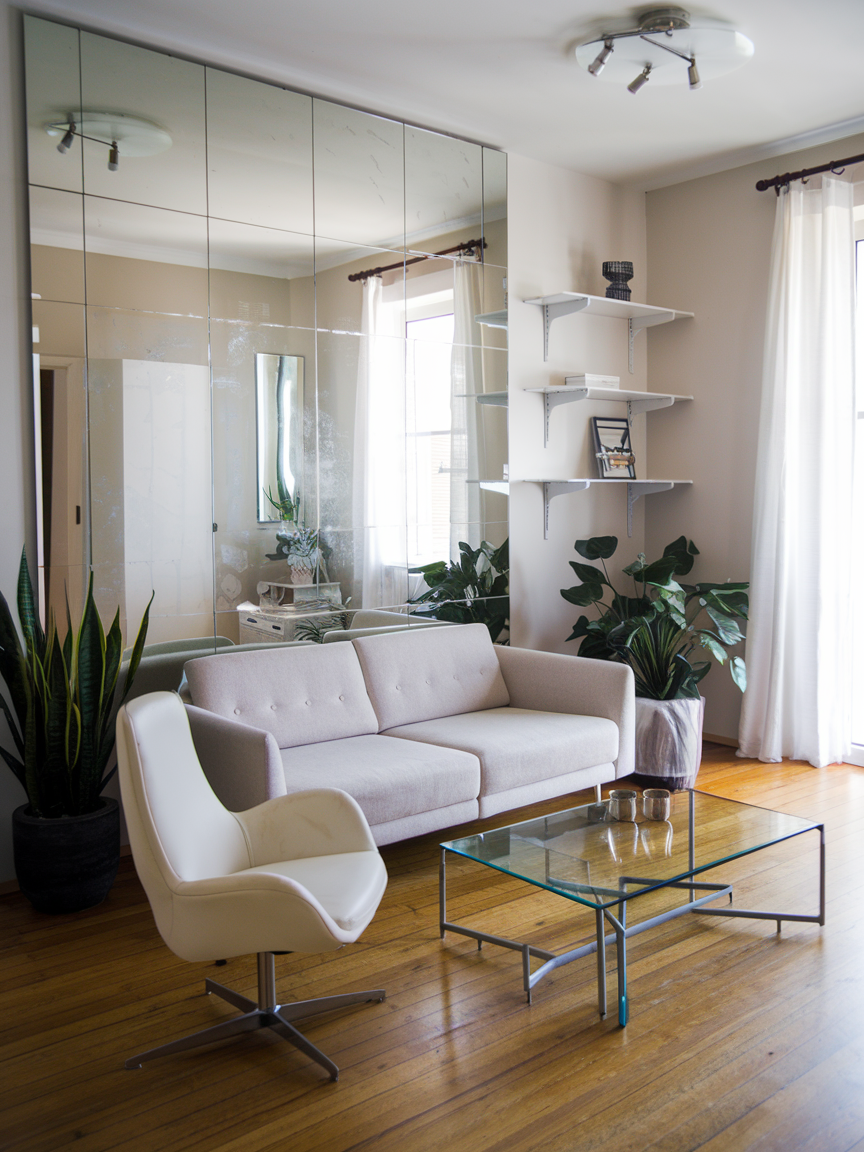
Mirrors are a versatile design element that can significantly improve both the functionality and appearance of a living room. By reflecting natural and artificial light, they brighten the space and create a sense of openness. Strategically placing mirrors across from windows or light sources maximizes their impact, making the room feel larger and more inviting. In contemporary design, mirrors often feature simple frames or unique shapes that blend seamlessly with the décor while adding a subtle decorative touch.
6. Neutral Foundation
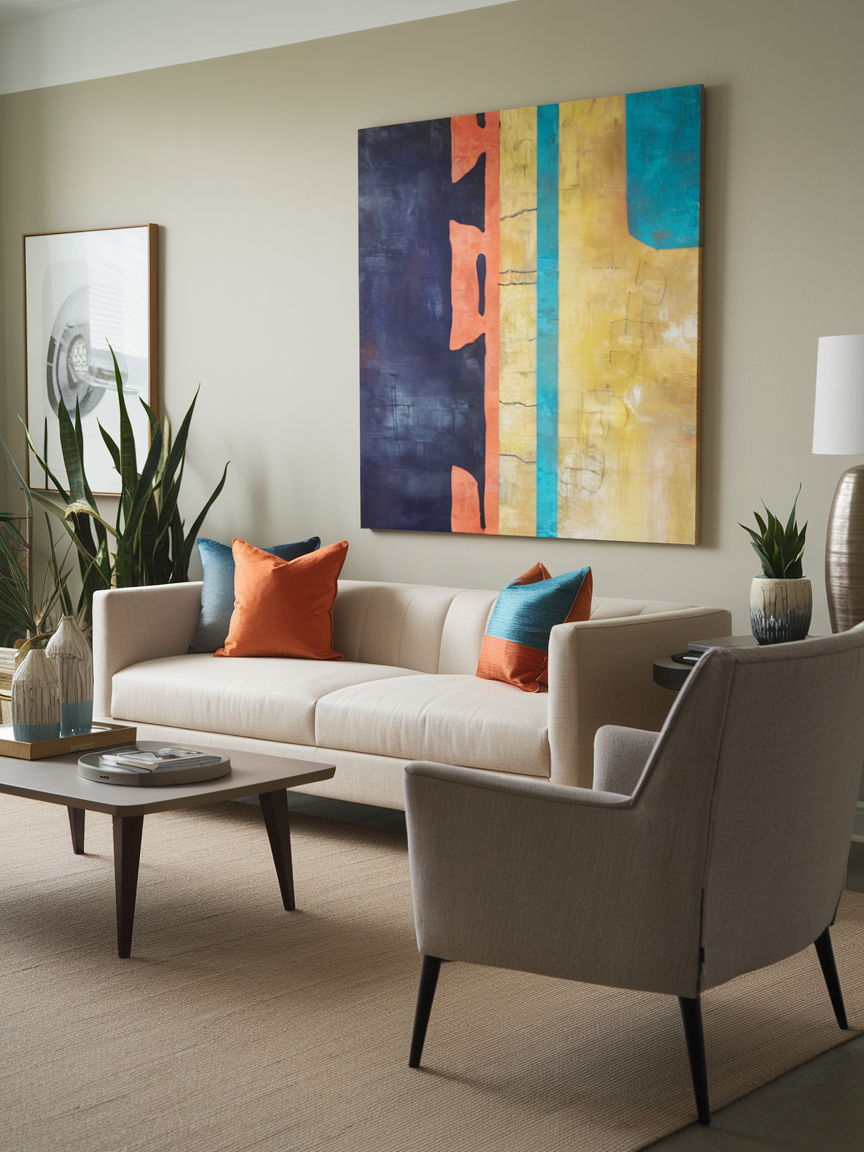
A neutral foundation is the backbone of contemporary living room design, offering a calm and sophisticated canvas that allows every other element to stand out beautifully. Shades like warm beige, soft white, taupe, and gentle gray create an open and airy atmosphere that instantly makes the room feel more spacious and refined. What makes this approach truly effective is the ability to layer in pops of color through accessories such as cushions, throws, artwork, or decorative objects. These accents can be easily updated over time, allowing your space to evolve with trends or seasons without requiring a complete redesign. The contrast between a serene base and vibrant highlights adds depth, personality, and visual balance, ensuring the room feels both timeless and dynamic rather than flat or uninspired.
7. Layer Textures
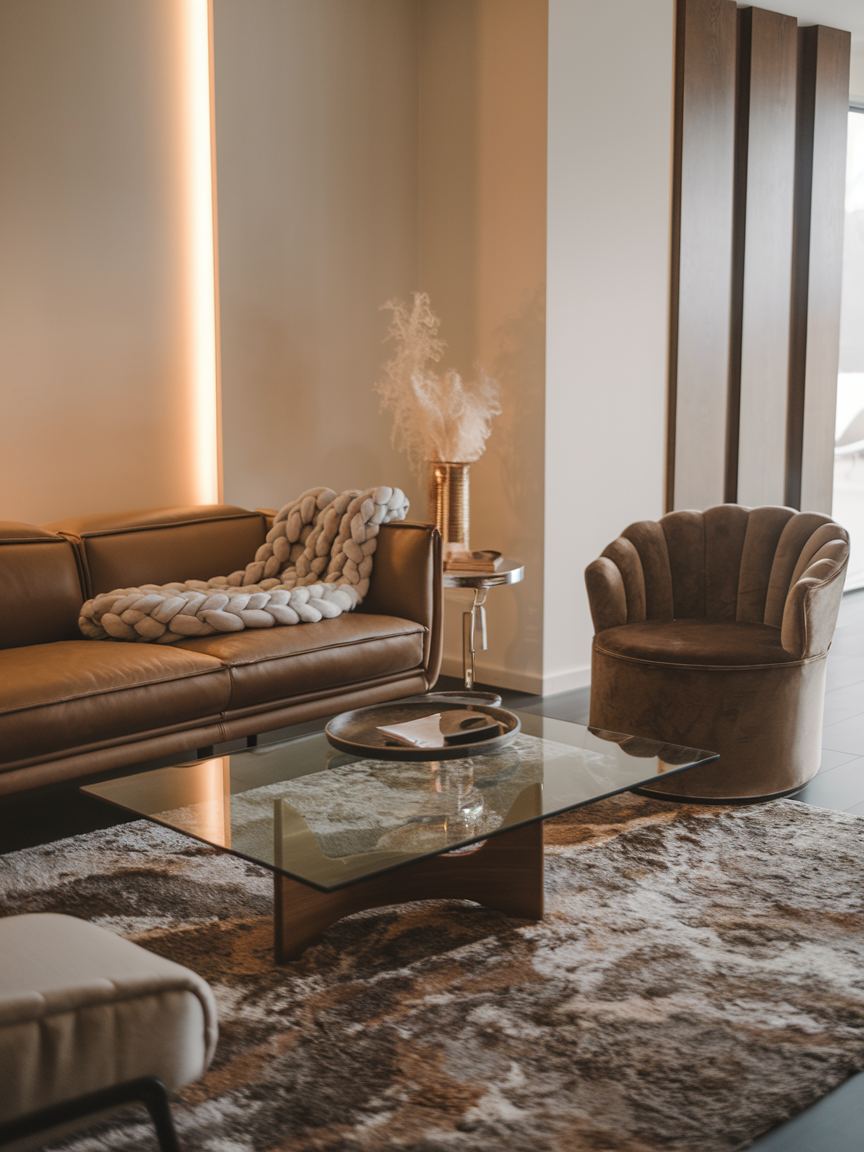
Texture is essential in contemporary interiors, especially when working with a restrained color palette. Without it, even the most beautifully designed room can feel flat or lifeless. By combining materials such as soft wool rugs, smooth leather upholstery, plush velvet cushions, and sleek glass or metal surfaces, you introduce a sense of dimension that makes the space feel rich and engaging. Each texture interacts differently with light, adding subtle variation and visual interest throughout the room. Beyond aesthetics, layering textures also enhances comfort, making the living room feel more inviting and lived-in. This thoughtful mix ensures that the space remains modern and clean while still offering the warmth and coziness needed for everyday relaxation.
8. Floating Shelves
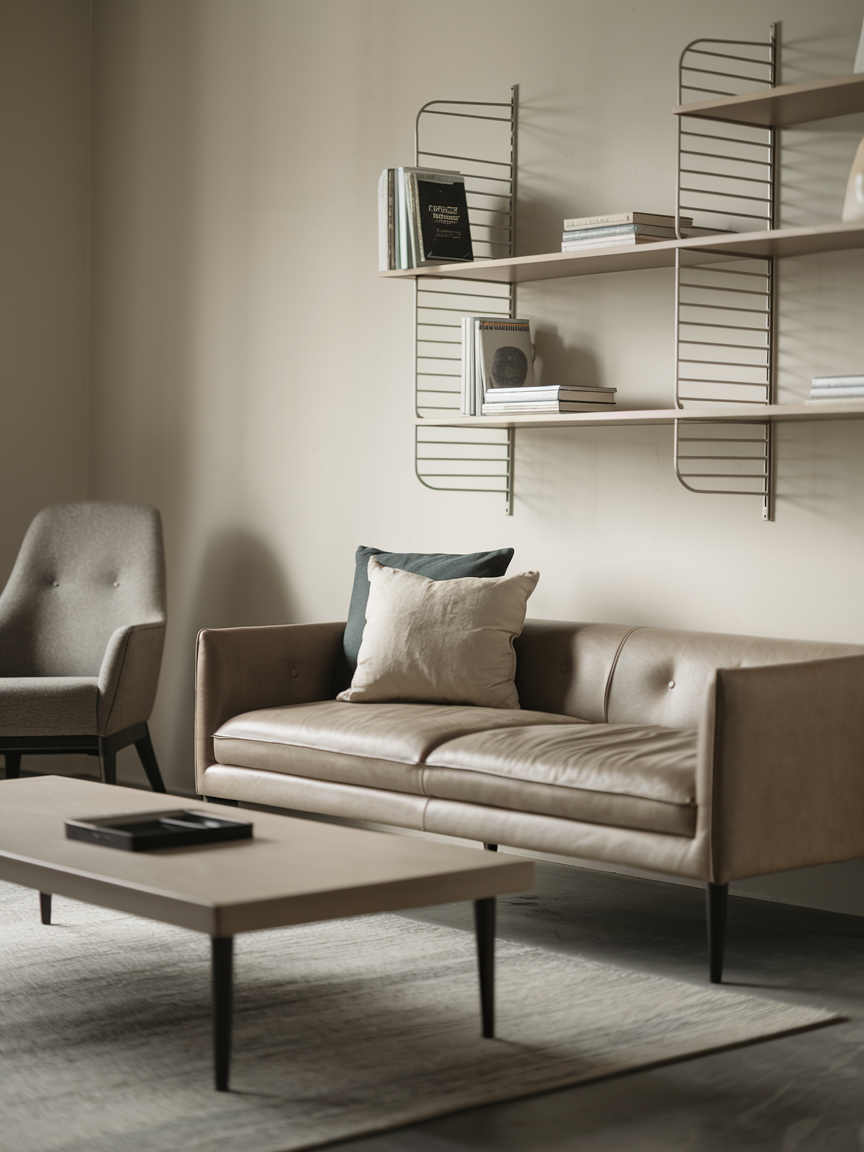
Floating shelves offer a sleek and space-saving solution for displaying décor without adding visual weight. Unlike bulky cabinets, they keep the room feeling open and airy while still providing functional storage. These shelves can be styled with a curated selection of books, plants, and decorative objects, allowing you to showcase personality without overwhelming the space. The key is to keep the arrangement intentional and uncluttered, focusing on quality over quantity. When done well, floating shelves become a subtle yet impactful design feature that enhances both organization and style.
9. Natural Light for an Airy Feel
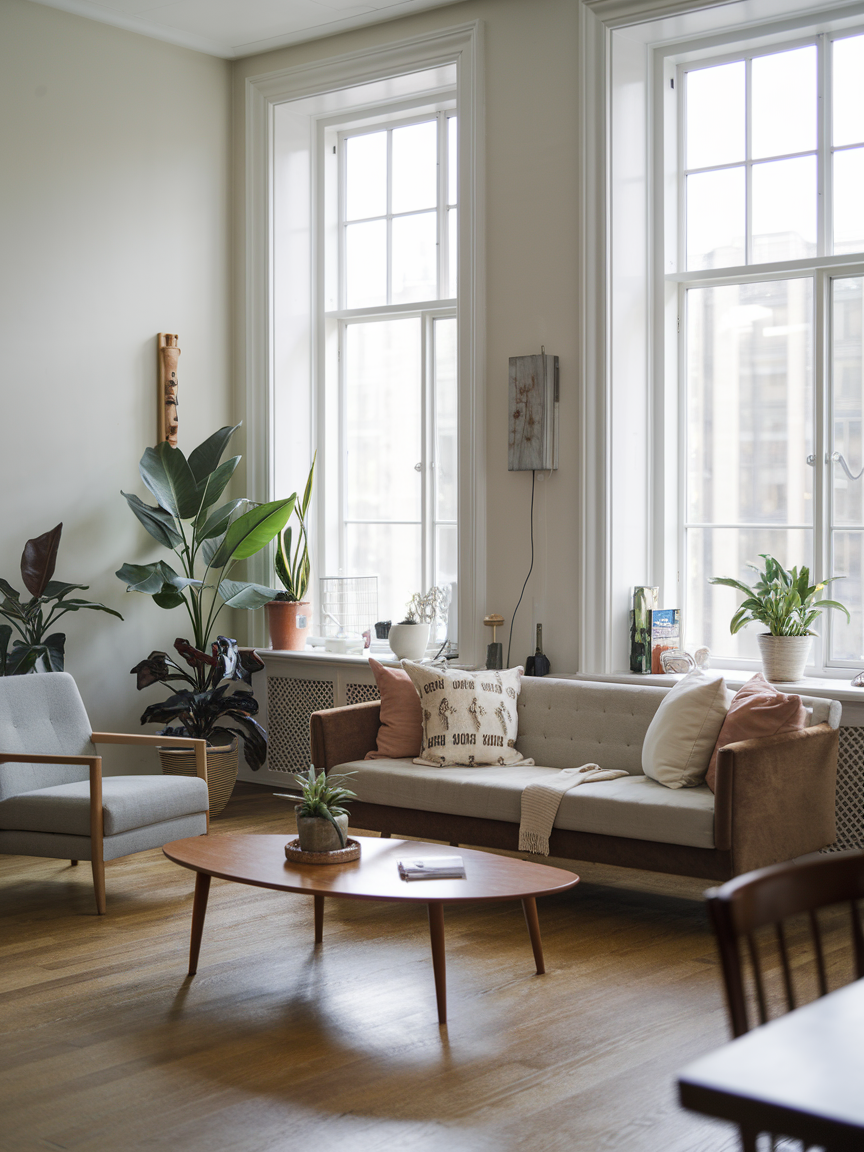
Natural light is one of the most powerful elements in contemporary living room design, instantly making a space feel brighter, larger, and more inviting. Large windows, glass doors, or minimal window treatments allow sunlight to flow freely, highlighting textures and enhancing colors throughout the room. Even in smaller spaces, maximizing natural light can transform the atmosphere, creating a fresh and uplifting environment. Pairing this with reflective surfaces such as mirrors or glass furniture further amplifies the effect, resulting in a living room that feels open, vibrant, and full of life.
10. A Sleek Media Wall
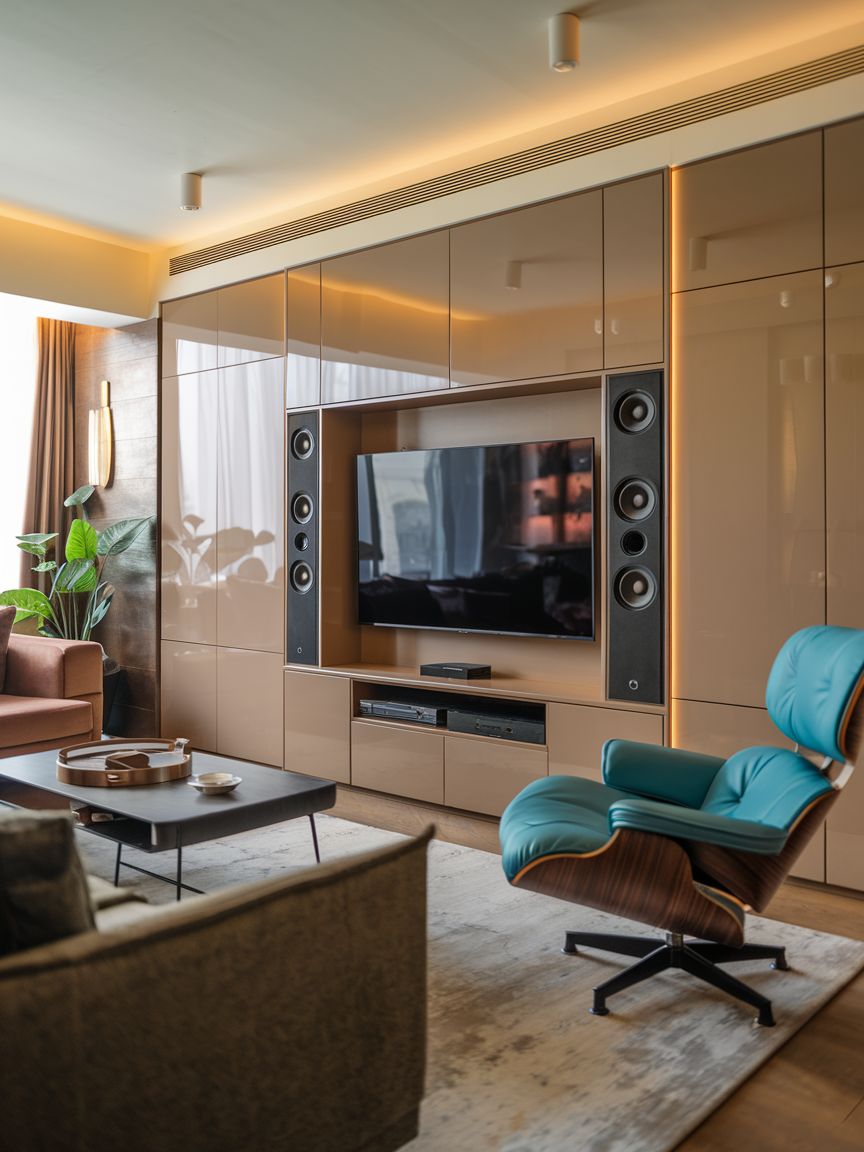
A media wall can seamlessly integrate technology into your living room while maintaining a clean and stylish appearance. Built-in units with streamlined designs provide storage for electronics, books, and decorative items while concealing cables and clutter. Materials such as wood, lacquer, or metal can be used to complement the overall design. A well-designed media wall not only enhances functionality but also serves as a focal point, adding structure and sophistication to the space.
11. Bold Artistic Elements
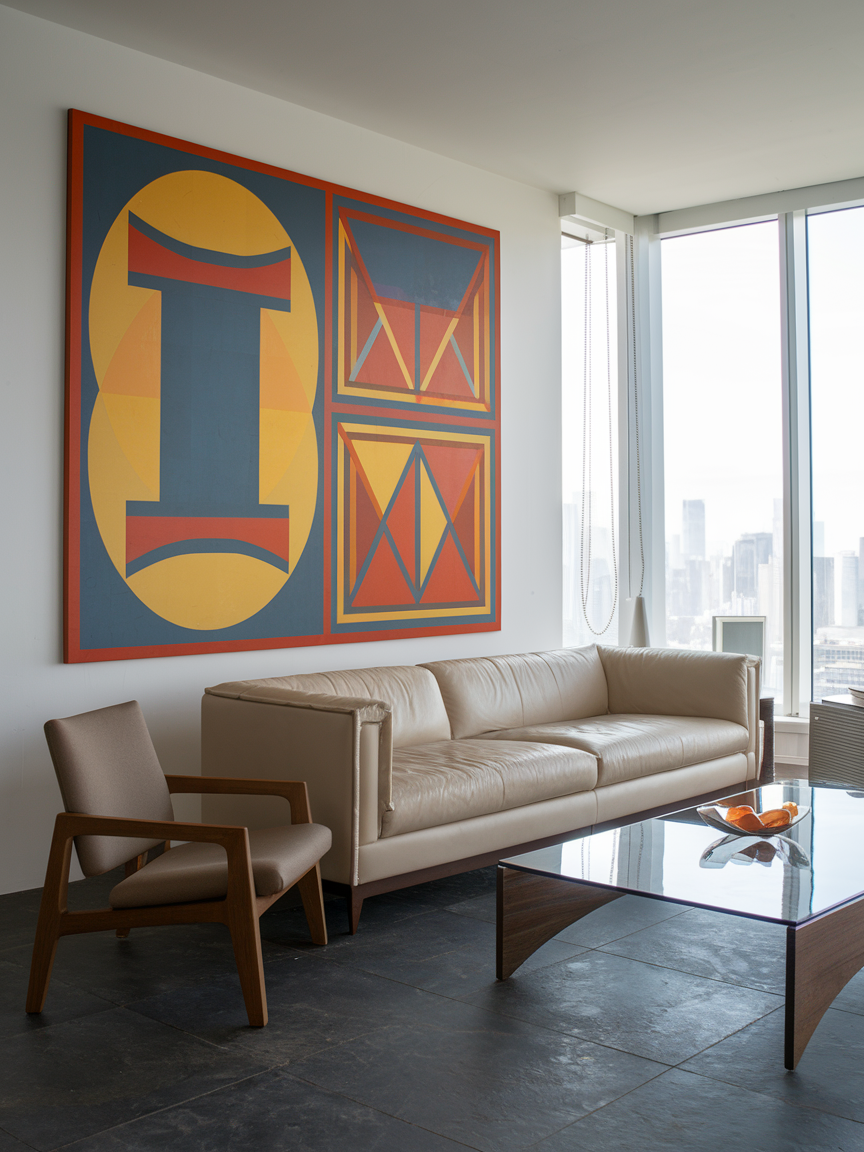
Bold artistic elements bring energy and creativity into a contemporary living room. Large-scale artwork, graphic prints, or sculptural décor pieces can create contrast and draw attention, especially in neutral spaces. These elements add personality and prevent the design from feeling too restrained. By incorporating art that reflects your taste, you create a dynamic and engaging environment that feels both modern and expressive.
12. Low-Profile Furniture
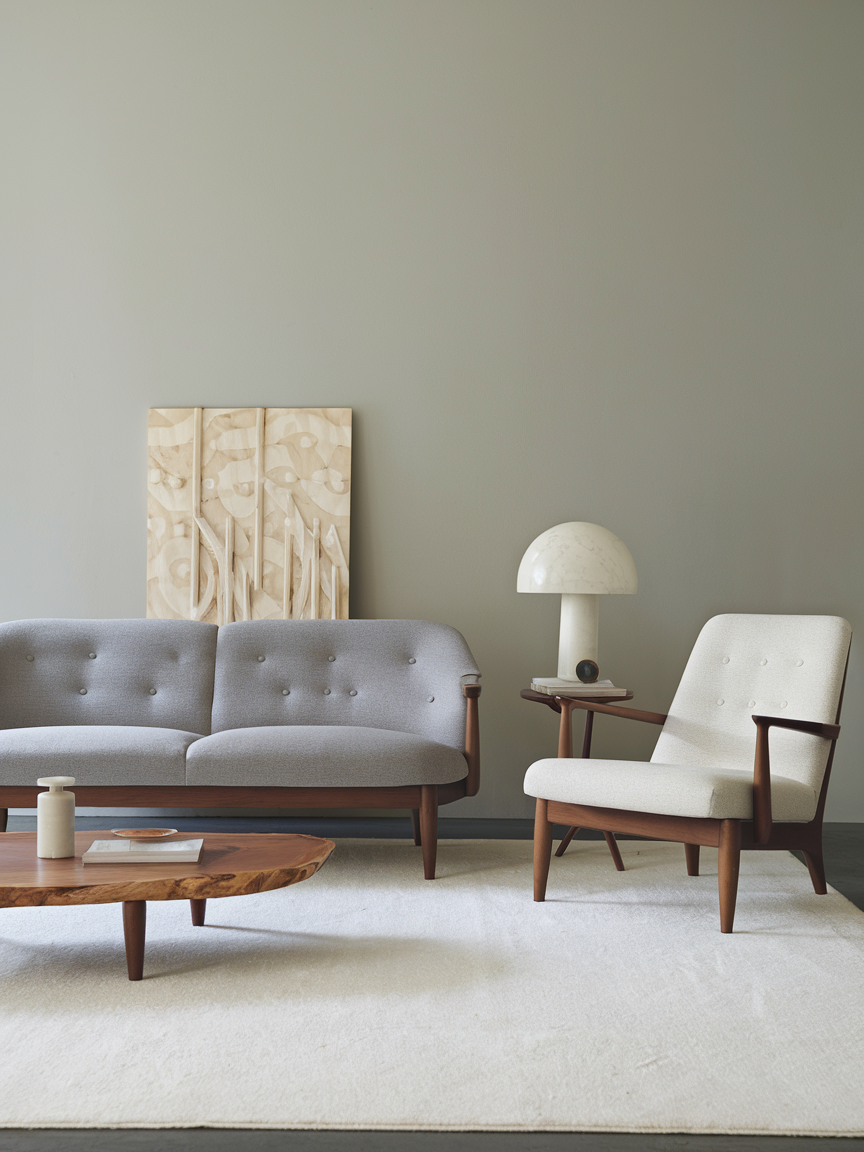
Low-profile furniture plays a key role in achieving a contemporary aesthetic that feels light and uncluttered. Sofas and chairs with lower backs and streamlined silhouettes create more visual space above them, which helps ceilings appear higher, and the entire room feels more expansive. This design choice is particularly beneficial in smaller living rooms, where maximizing the sense of openness is essential. In addition to their visual appeal, low-profile pieces often feature deep seating and generous proportions, making them just as comfortable as they are stylish. When paired with minimalist tables and subtle décor, they create a balanced environment that feels modern, relaxed, and effortlessly elegant.
13. Statement Lighting
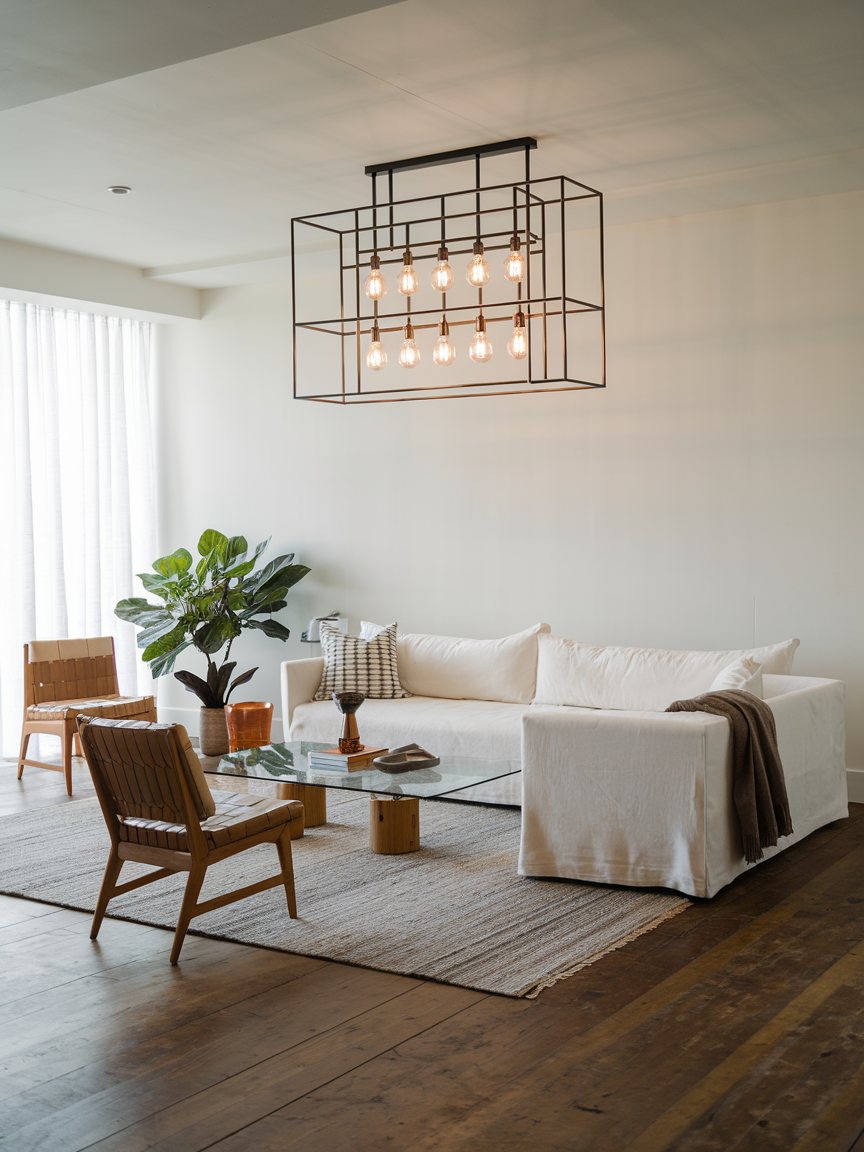
Lighting in a contemporary living room is not just functional, it is an opportunity to introduce sculptural beauty and artistic expression. A bold chandelier, an oversized pendant, or a uniquely designed floor lamp can instantly become the centerpiece of the room, drawing the eye and adding a sense of drama. Statement lighting helps define the character of the space while also influencing its mood, whether you want a bright, energetic atmosphere or a soft, intimate glow. Carefully chosen fixtures enhance the overall design by complementing the room’s materials, colors, and layout. In many cases, lighting becomes the finishing touch that elevates a space from simple to truly striking.
14. Open and Uncluttered Layout
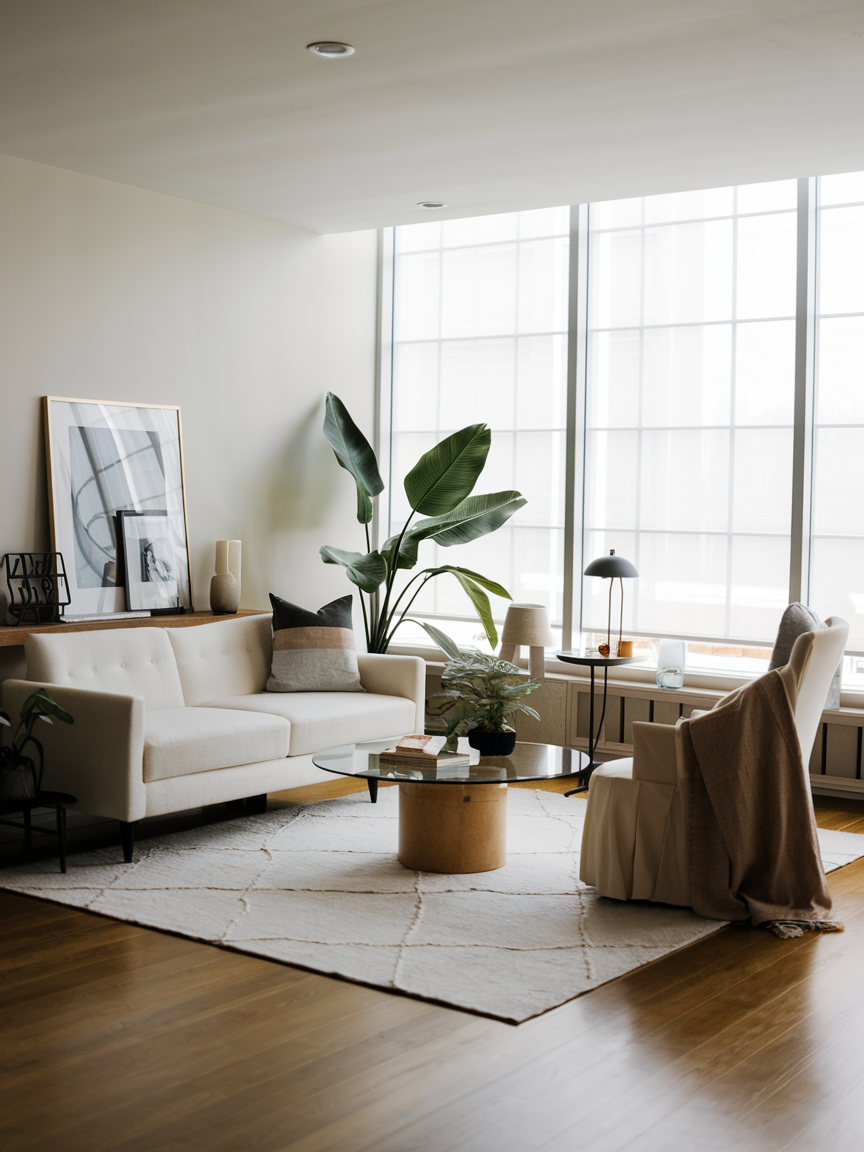
An open and uncluttered layout is one of the defining principles of contemporary design, emphasizing simplicity, clarity, and intentionality. Instead of filling the room with excess furniture or décor, focus on selecting pieces that serve both functional and aesthetic purposes. Allowing space between furniture creates a better flow and makes the room feel more breathable and comfortable. This approach also highlights key design elements, ensuring they stand out rather than getting lost in visual noise. By prioritizing quality over quantity, you create a living room that feels calm, organized, and effortlessly stylish, making it a more enjoyable place to spend time.
15. Natural Materials for Warmth
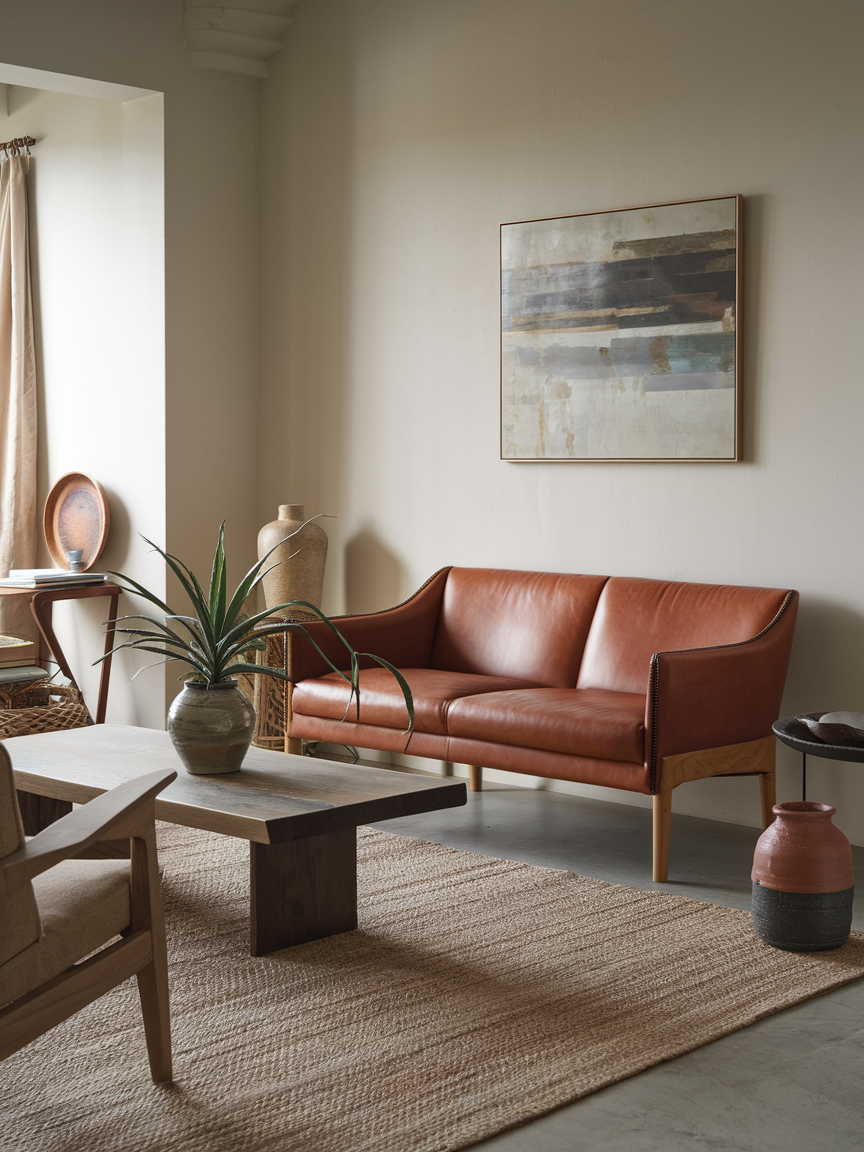
Incorporating natural materials is one of the most effective ways to soften the clean lines of contemporary design and create a space that feels warm and inviting. Elements such as wood, stone, linen, and woven fibers introduce organic texture and subtle variation, preventing the room from feeling too polished or sterile. A wooden coffee table, a stone accent piece, or a jute rug can ground the design and bring a sense of balance to sleeker finishes like metal or glass. These materials also age beautifully over time, adding character and authenticity to the space. By blending natural elements with modern forms, you create a living room that feels both refined and comfortably lived-in.
16. Monochrome Color Scheme
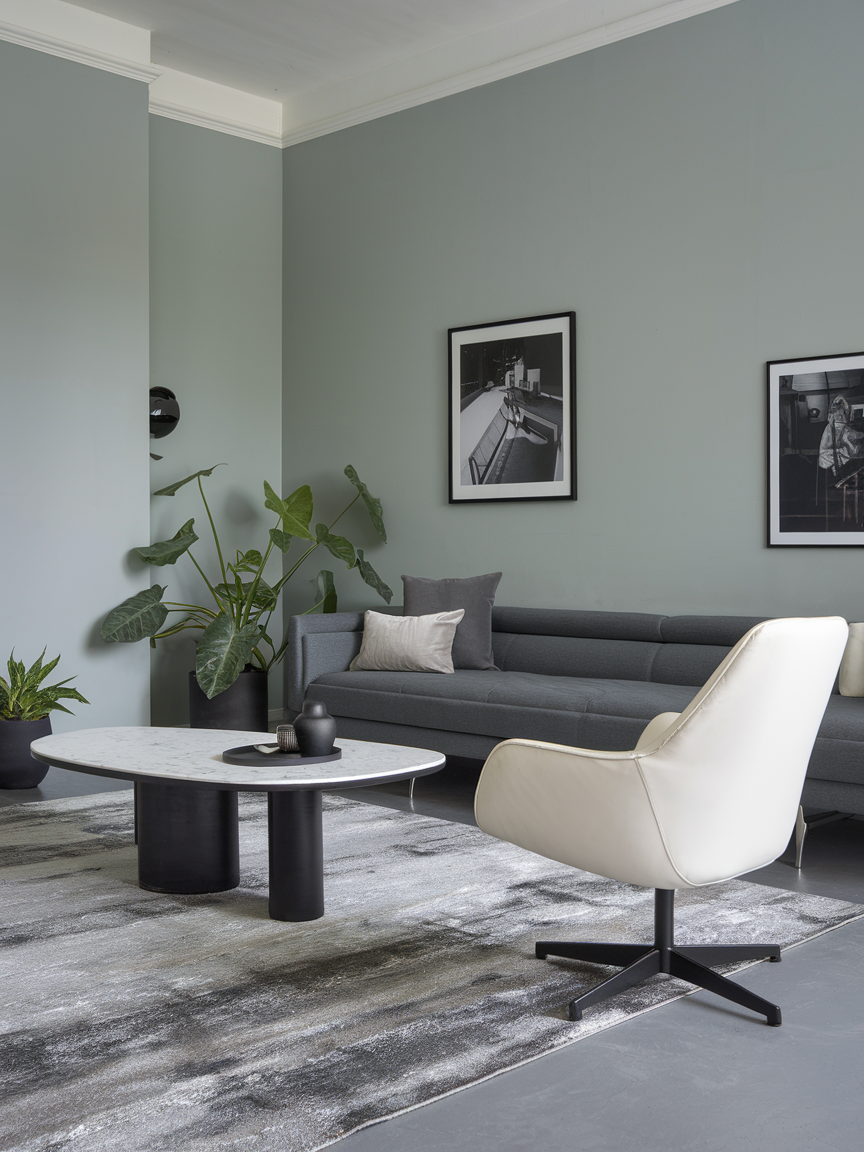
A monochrome color palette offers a sophisticated and cohesive approach to contemporary living room design. By working within a single color family, such as varying shades of gray, beige, or soft white, you create a harmonious environment that feels calm and visually unified. The key to making monochrome work is layering different tones, textures, and finishes to avoid a flat or one-dimensional look. For example, pairing a light gray sofa with darker accents, metallic details, and textured fabrics adds depth while maintaining consistency. This approach results in a space that feels effortlessly elegant, timeless, and thoughtfully curated.
17. Versatile Modular Sofa
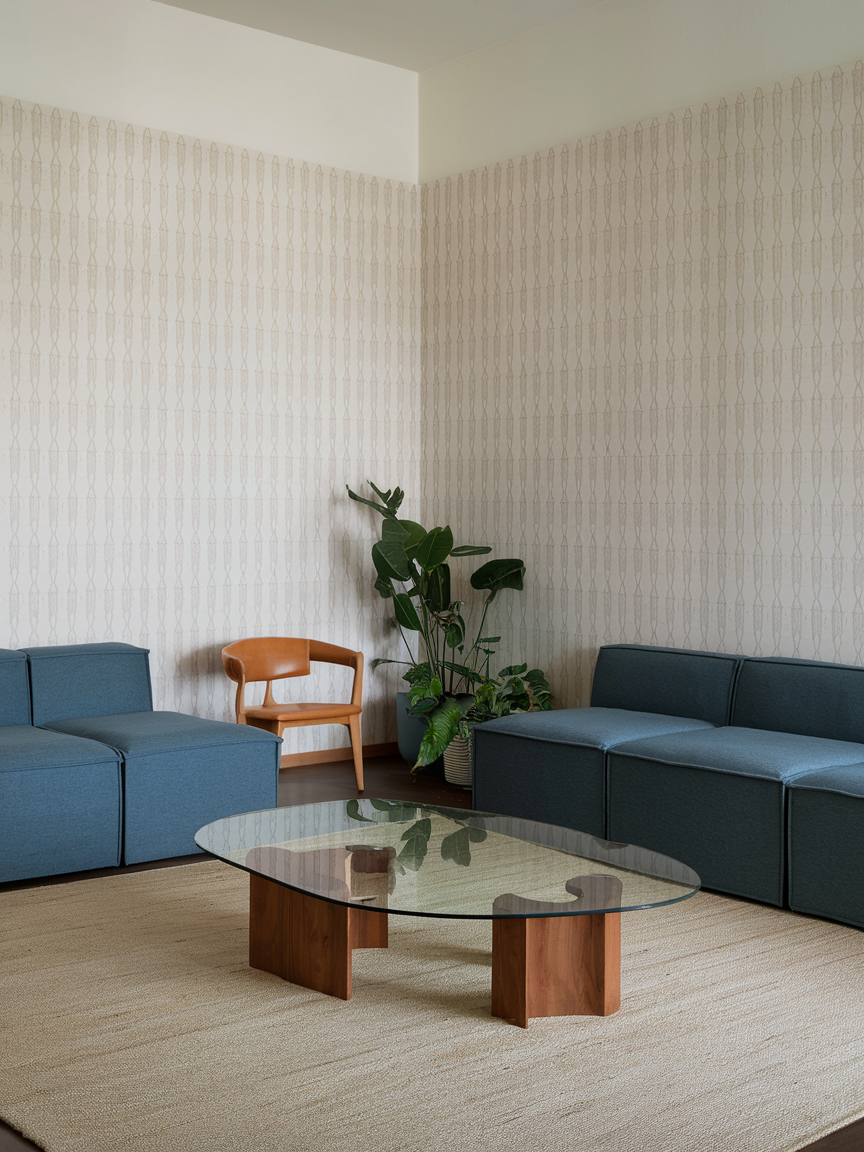
A modular sofa is both a practical and stylish investment for a contemporary living room. Its flexible design allows you to rearrange sections to suit different needs, whether you’re hosting guests, relaxing with family, or creating a more open layout. Beyond functionality, modular sofas often feature clean lines and low profiles that align perfectly with contemporary aesthetics. They also provide generous seating and comfort, making them ideal for everyday use. This adaptability ensures your living room remains dynamic and responsive to your lifestyle, while still maintaining a polished and cohesive look.
18. Layer Lighting
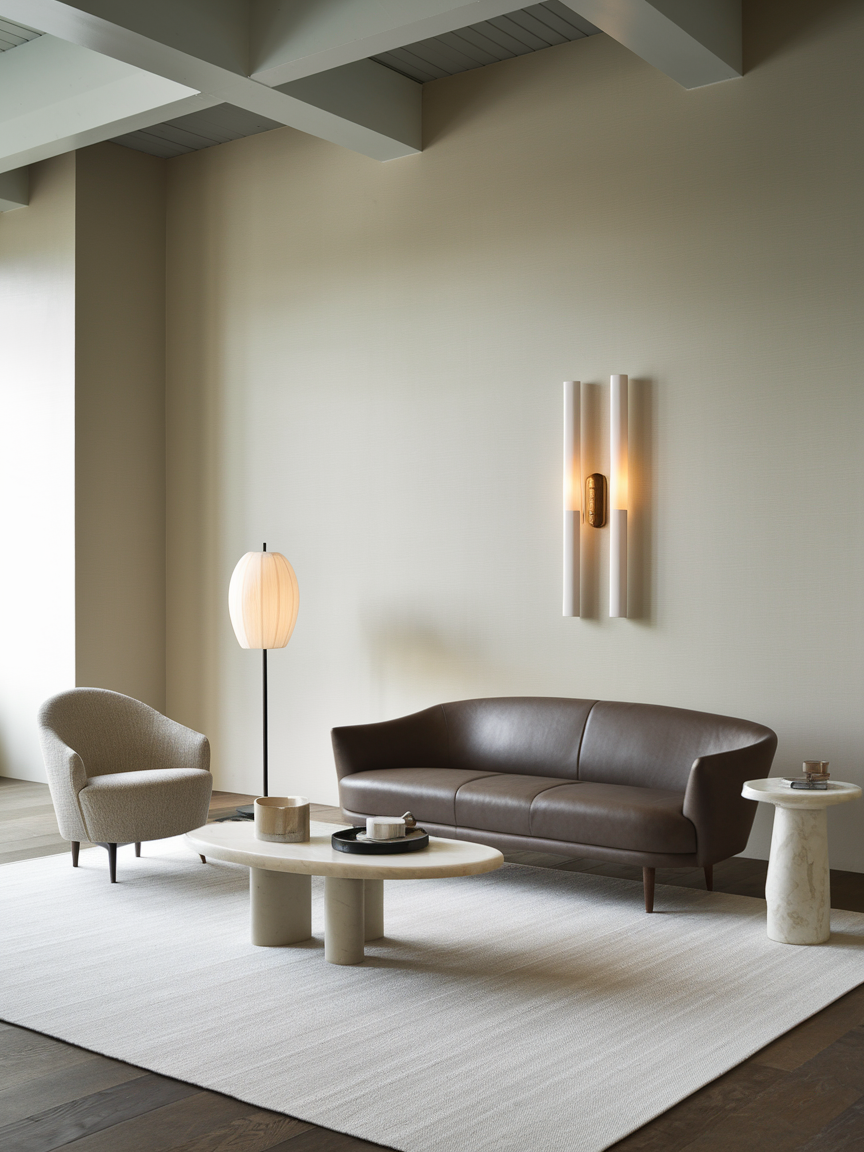
Layered lighting is essential for creating a versatile and comfortable living room. Combining overhead lighting with floor lamps, table lamps, and wall sconces allows you to adjust the ambiance depending on the time of day or activity. This approach not only improves functionality but also highlights textures, colors, and architectural features. A well-lit room feels more inviting and balanced, ensuring every corner is both practical and visually appealing.
19. Keep Technology Sleek and Integrated
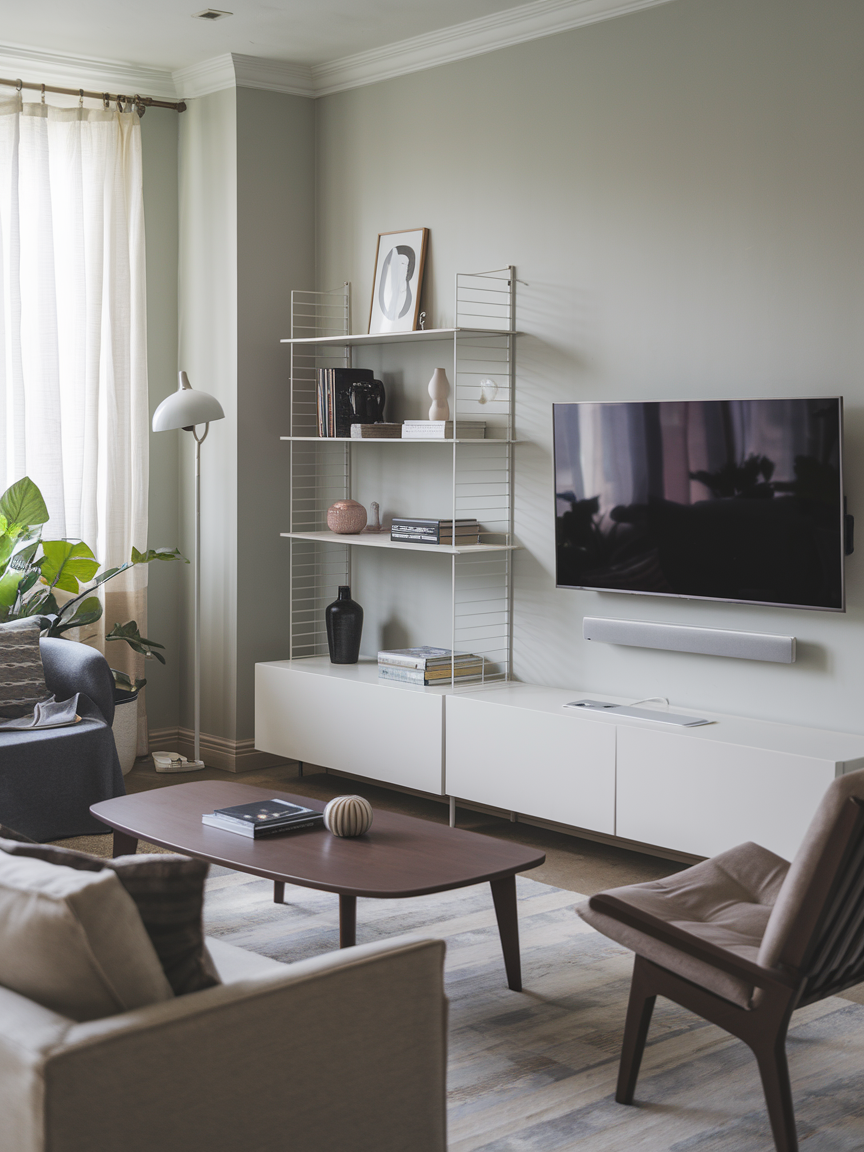
Modern living requires technology, but in a contemporary design, it should blend seamlessly into the space rather than dominate it. Wall-mounted televisions, concealed wiring, and integrated storage solutions help maintain a clean and uncluttered look. Choosing devices with minimalist designs or finishes that match your décor further enhances this effect. The goal is to ensure technology supports your lifestyle while remaining visually subtle and cohesive with the overall design.
20. Sculptural Furniture Pieces
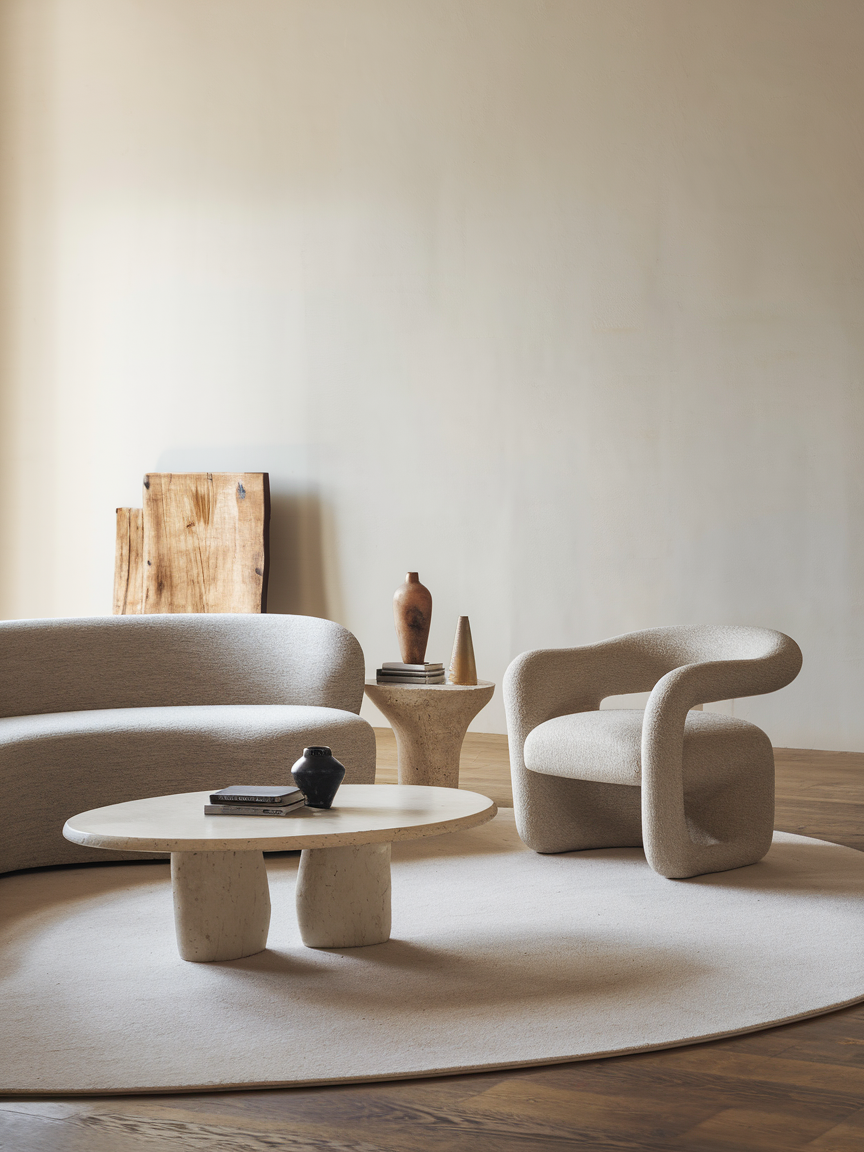
Sculptural furniture introduces an artistic element that elevates the entire living room. Pieces with unique shapes, curves, or unexpected forms act as both functional items and visual statements. A curved sofa, an abstract coffee table, or a bold accent chair can instantly draw attention and add personality to the space. These designs break away from traditional forms, making the room feel more dynamic and creative. When balanced with simpler elements, sculptural furniture becomes a focal point that enhances the contemporary aesthetic without overwhelming it.
21. Greenery for a Fresh and Lively Touch
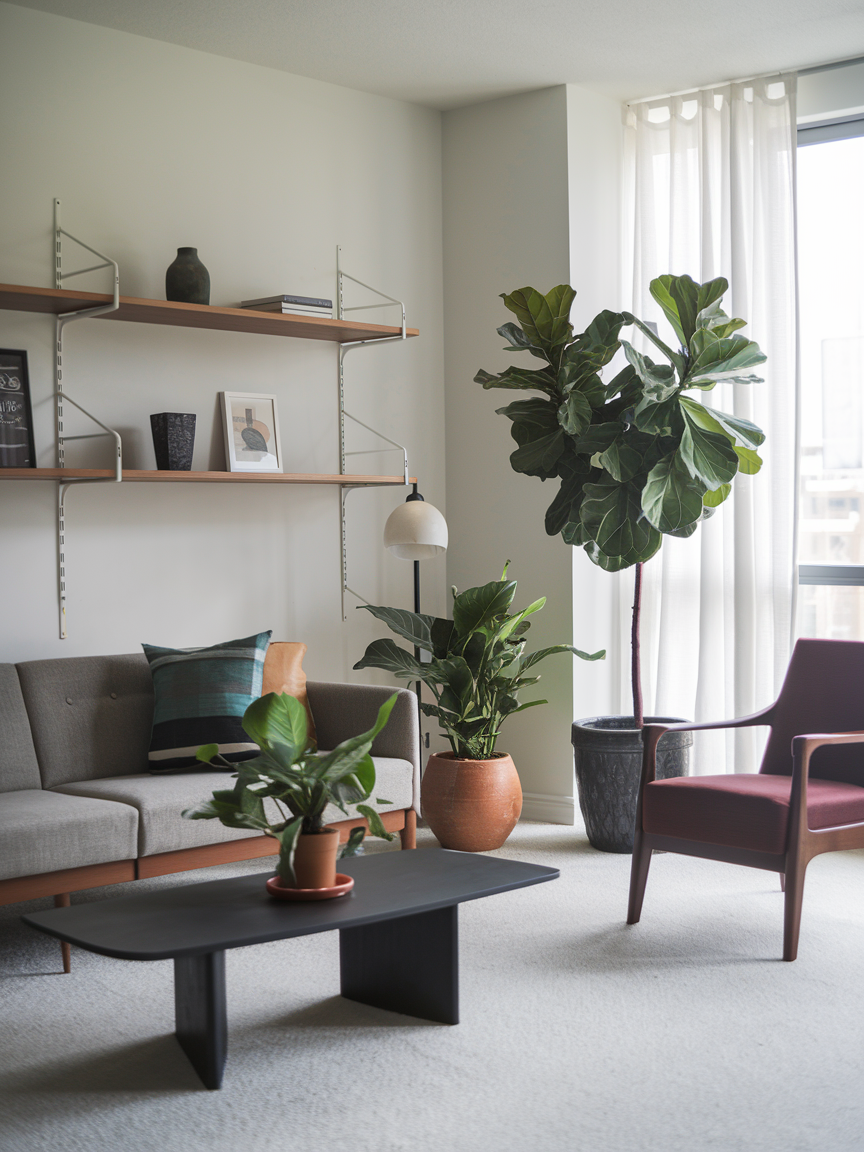
Plants bring a sense of vitality and freshness that complements contemporary interiors beautifully. Their organic shapes and natural colors provide a soft contrast to structured furniture and clean lines. Whether you choose a large statement plant like a fiddle-leaf fig or smaller accents like succulents and ferns, greenery adds depth and life to the room. Beyond aesthetics, plants also improve air quality and create a more relaxing environment. Incorporating greenery ensures the space feels balanced, welcoming, and connected to nature.
22. A Feature Wall for Visual Impact
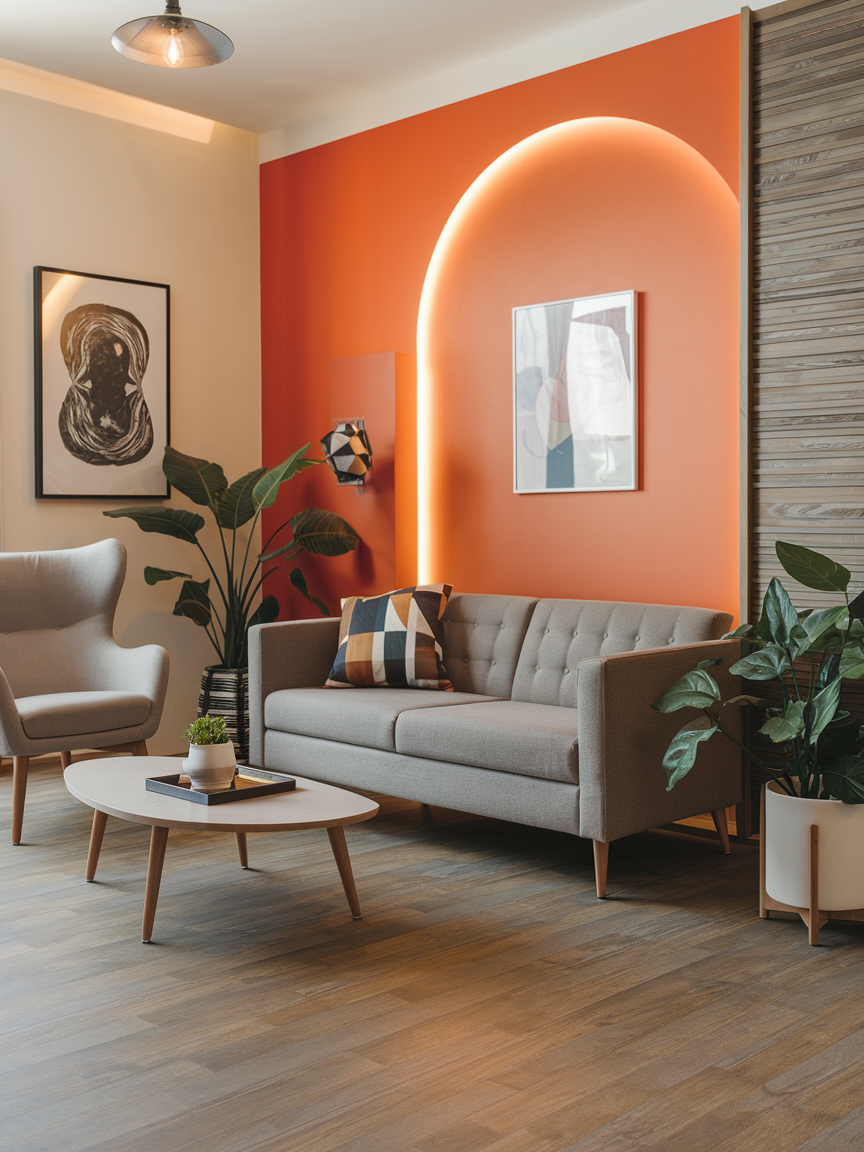
A feature wall is an excellent way to introduce personality and depth without overwhelming the entire living room. This could be achieved through bold paint, textured wallpaper, wood paneling, or even stone finishes. By focusing attention on one wall, you create a focal point that anchors the space and enhances the overall design. Feature walls also provide a backdrop for key elements such as sofas, artwork, or media units, making them stand out more effectively. This approach allows for creativity while maintaining a cohesive and balanced aesthetic.
23. Minimalist Window Treatments
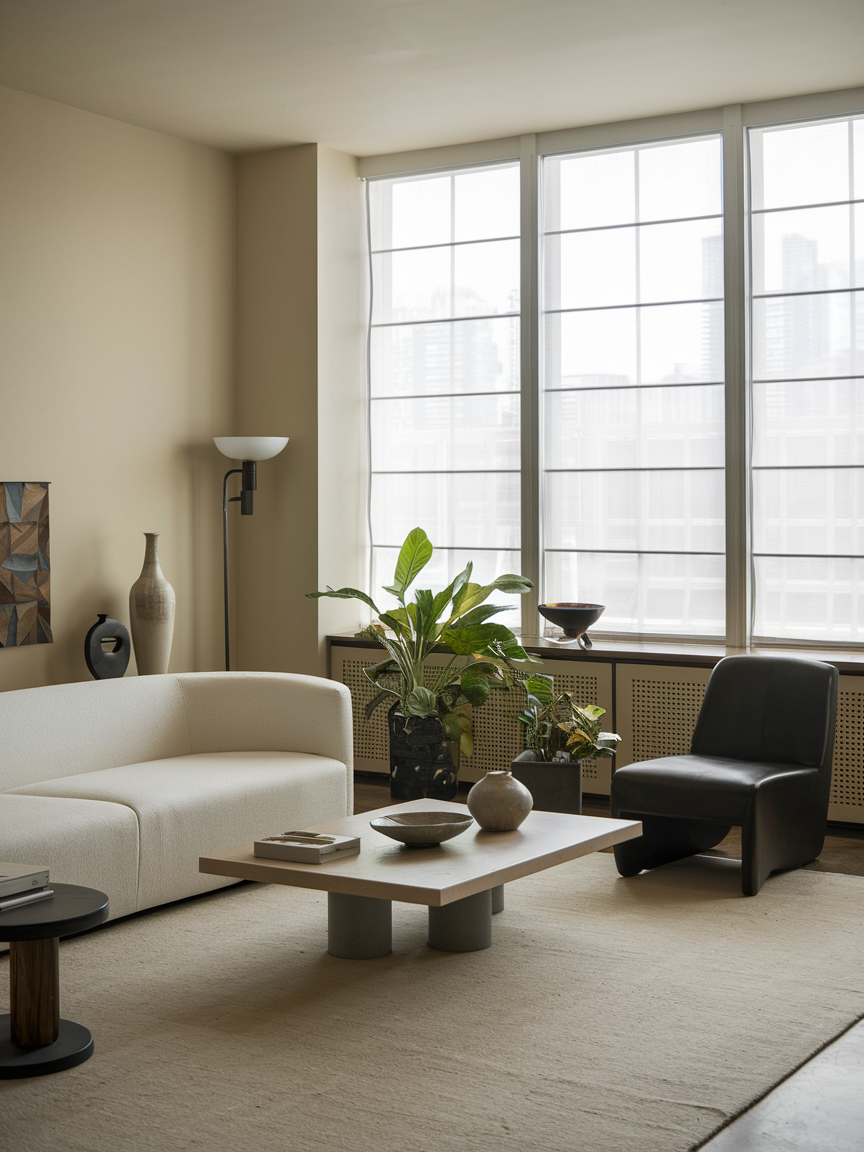
Window treatments in contemporary living rooms should enhance the space without drawing too much attention. Simple options like sheer curtains, roller blinds, or clean-lined drapes allow natural light to filter through while maintaining privacy. These treatments contribute to the overall sense of openness and simplicity, reinforcing the clean aesthetic of the design. Choosing light, neutral fabrics ensures the room remains bright and airy, while also complementing the color palette and textures used throughout the space.
24. Thoughtful Accessories
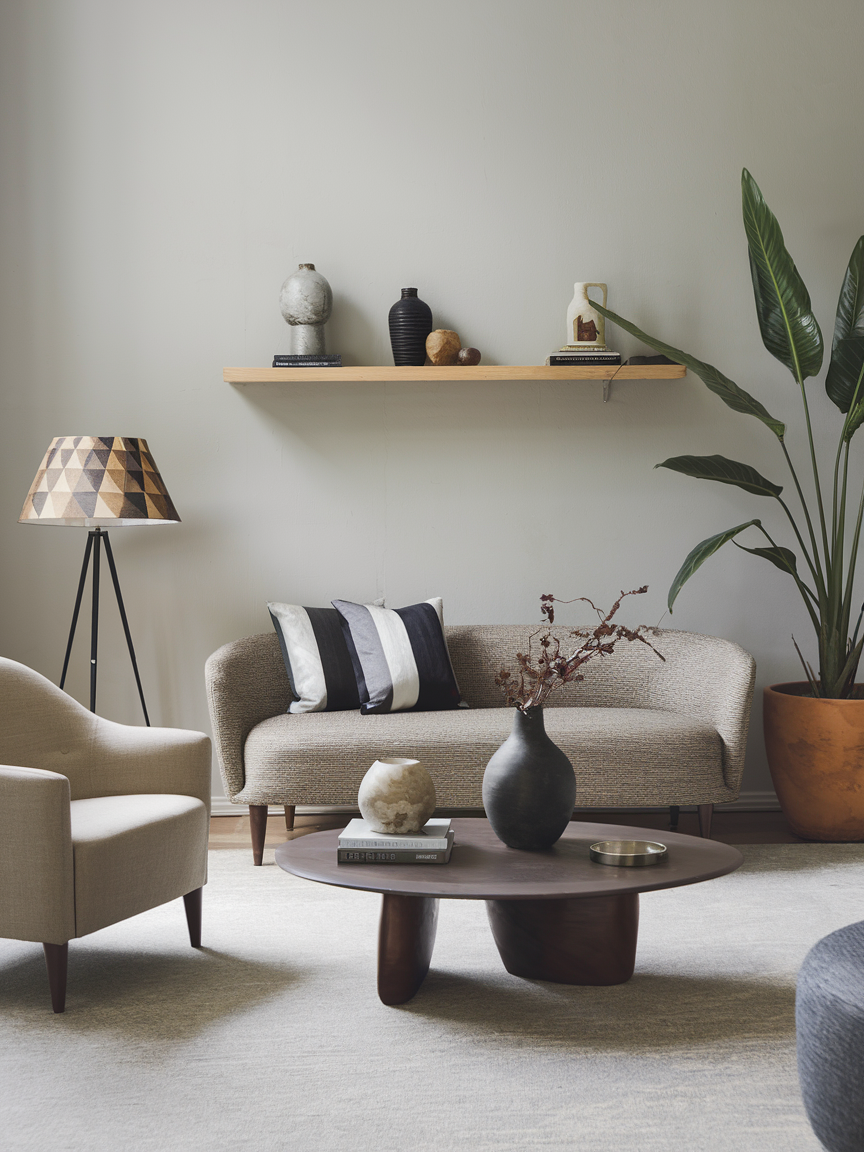
Accessories are what transform a living room from a styled space into a personal sanctuary. Carefully chosen items such as decorative vases, books, sculptures, or travel finds add character and tell a story about who you are. In contemporary design, accessories should feel intentional rather than excessive, contributing to the overall harmony of the room. By selecting pieces that resonate with your style and complement the design, you create a space that feels authentic, inviting, and uniquely yours.
* In the end, a contemporary living room should reflect how you live while offering a sense of calm and effortless style. By focusing on comfort, simplicity, and intentional design choices, you can create a space that not only looks beautiful but also feels inviting every day.