
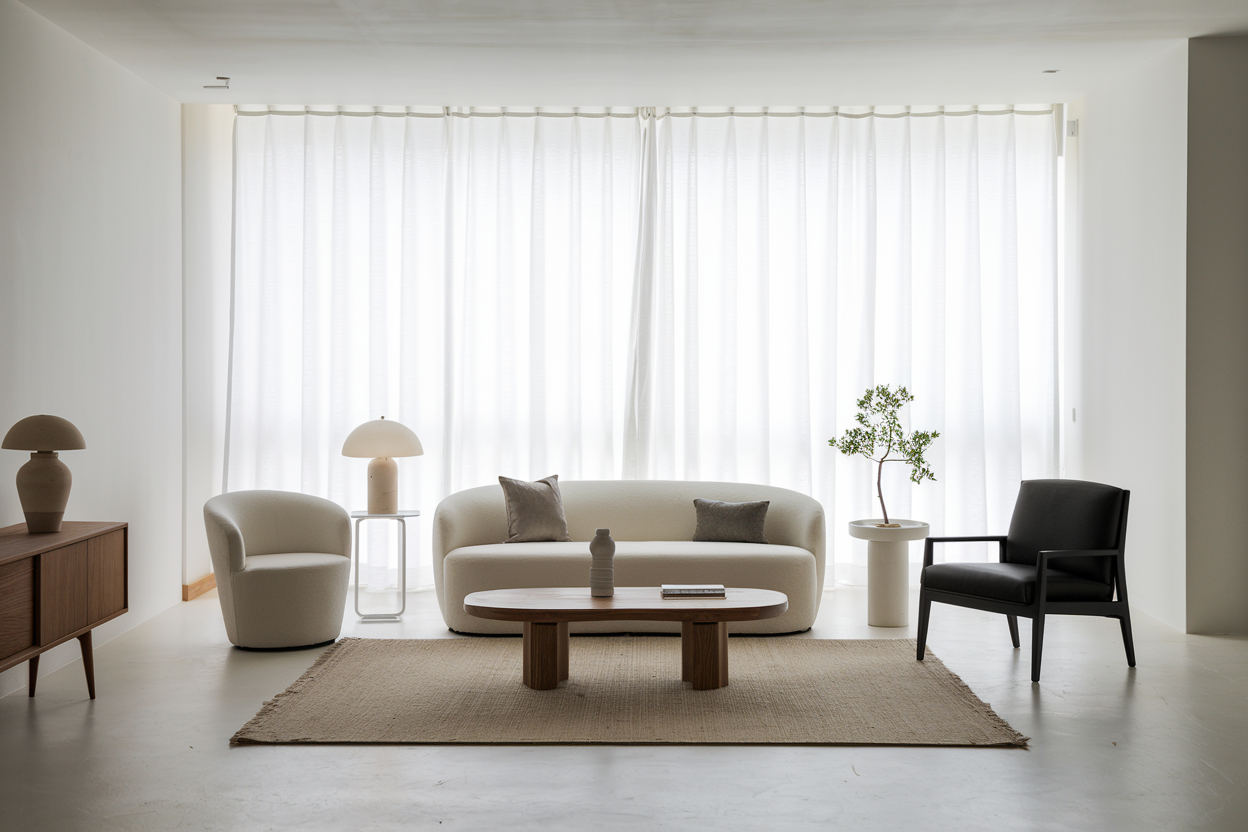
Creating a living room that feels both simple and welcoming can be trickier than it looks. Minimalist spaces aren’t about stripping away personality, they’re about curating a room that feels calm, uncluttered, and effortlessly stylish. Clean lines, neutral palettes, and thoughtful furniture choices all work together to create a space that’s peaceful without feeling cold or sterile.
Minimalism is more than just a design trend, it’s a lifestyle approach that emphasizes quality over quantity, function over excess, and intentionality in every detail. Imagine a living room where every piece serves a purpose, every surface feels open, and every corner invites relaxation. That’s the magic of minimalist design, it balances beauty and practicality in a way that suits both daily life and special moments.
Ready to transform your living space into a haven of simplicity and comfort? Let’s explore 23 minimalist living room ideas that combine serene aesthetics, smart functionality, and cozy touches to make your home feel effortlessly inviting.
1. Choose a Neutral Color Palette
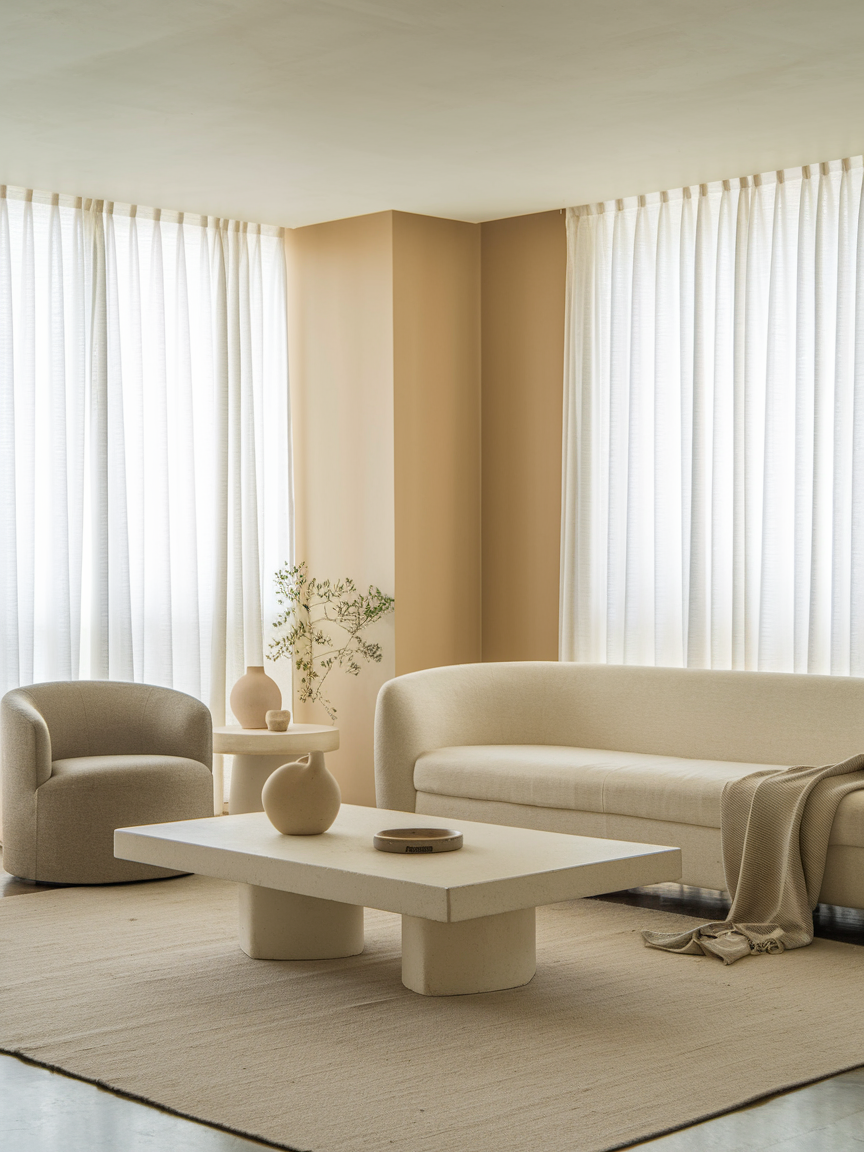
A neutral color palette is the backbone of a minimalist living room. Think soft whites, warm beiges, light greys, and earthy tones that feel inviting rather than cold. These colors create a calm foundation, letting you focus on textures, lighting, and the few statement pieces you choose to display. By sticking with a cohesive palette, your space feels larger and more open. Plus, neutrals are timeless—you won’t wake up one day and realize that your “trendy” wall color went out of style five years ago.
2. Keep Furniture Low and Streamlined
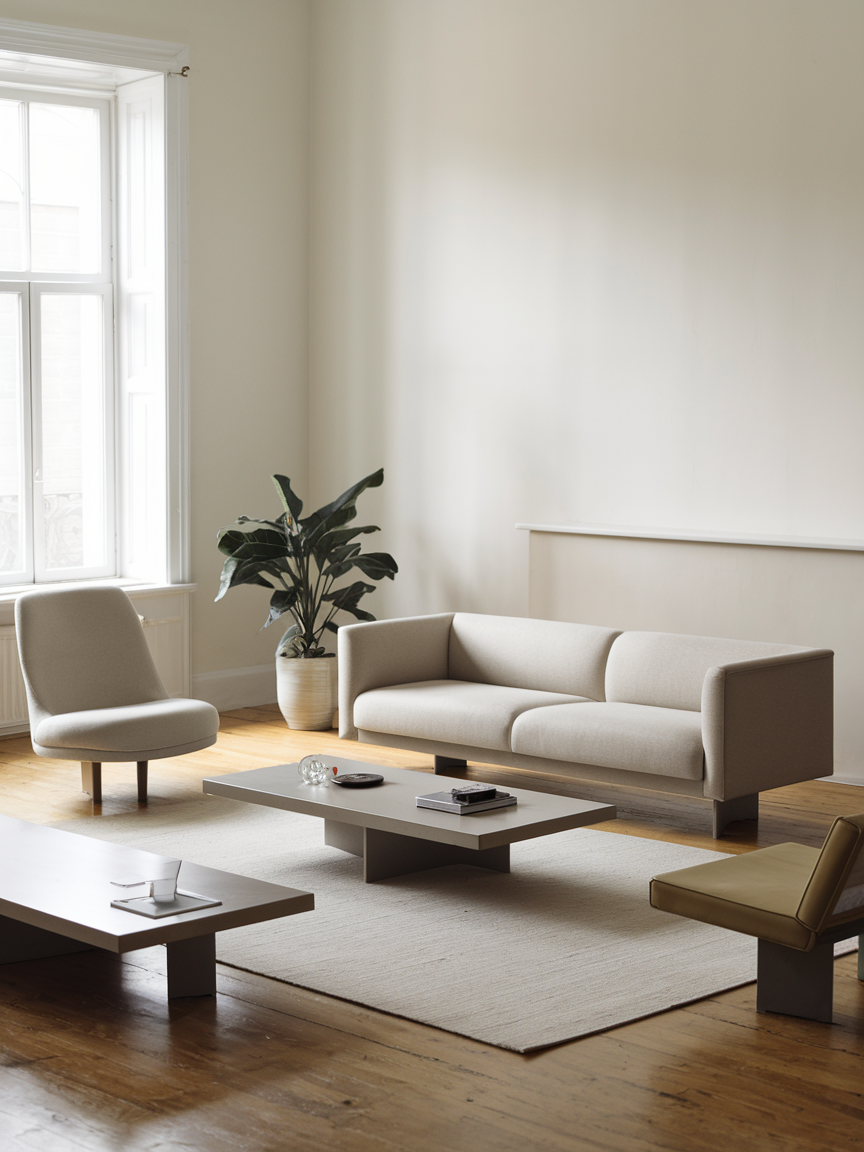
Low, streamlined furniture works wonders in minimalist spaces because it keeps the sightlines open and creates an airy, uncluttered vibe. Bulky, overstuffed pieces can make a room feel heavy, so instead opt for clean lines and simple silhouettes. This style not only looks more modern but also makes the space more functional, as you can move around without bumping into things. A low-profile sofa paired with a sleek coffee table can make the whole room feel intentional, without trying too hard.
3. Invest in Quality Over Quantity
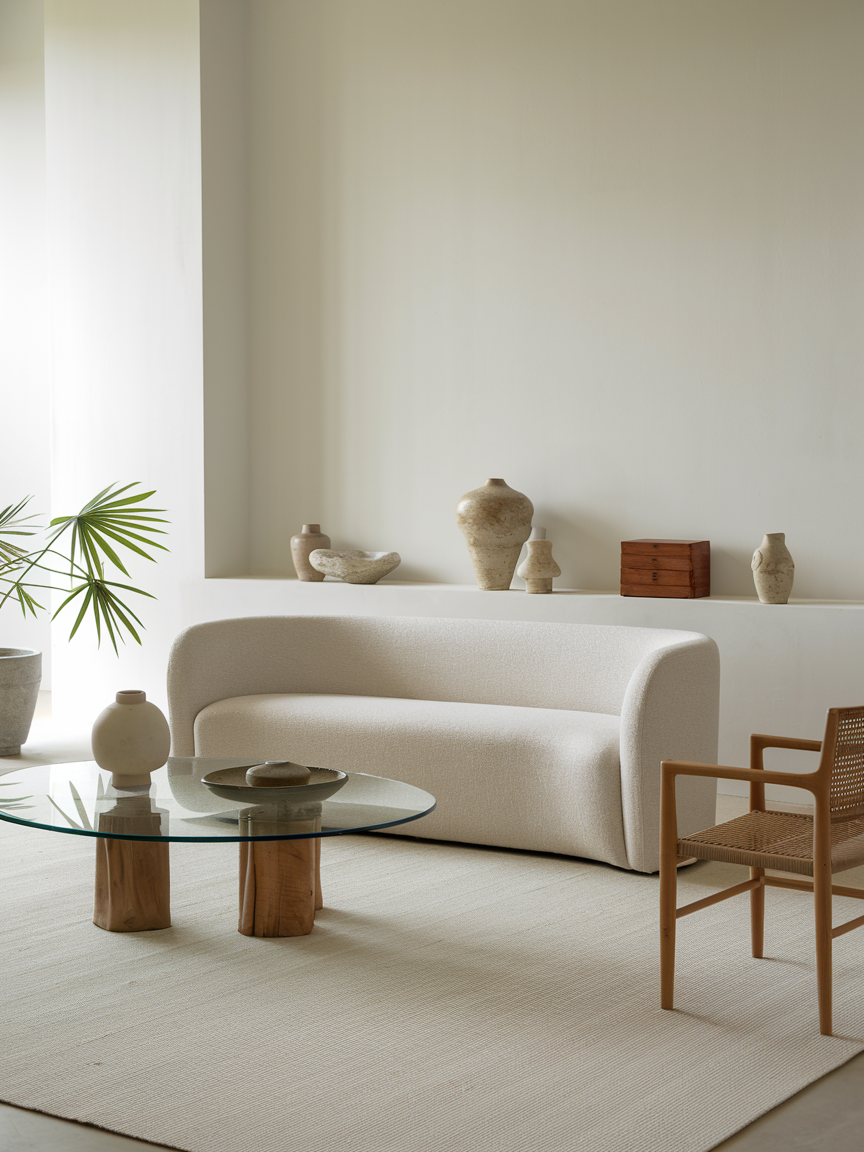
One of the main rules of minimalism is to buy less, but better. That means skipping the “filler” furniture or cheap décor that you’ll replace in a year. Instead, invest in well-made pieces that will last and still look good years down the line. This approach saves money in the long run and creates a space that feels curated instead of cluttered. And let’s be honest, it’s way more satisfying to own one gorgeous armchair than five that you kind of like.
4. Embrace Open Space

Empty space is just as important as the furniture in a minimalist living room. Instead of cramming in more pieces to fill gaps, let the room breathe. This open space gives your eyes somewhere to rest, making the whole environment feel calmer and more spacious. Plus, it makes cleaning so much easier—less stuff to move around means more time enjoying your space rather than dusting every corner. Think of open space as part of your design, not a sign that something’s “missing.”
5. Use Natural Light to Your Advantage

Natural light can completely transform a minimalist living room. It enhances the airy vibe, makes colors look richer, and generally boosts your mood. Keep window treatments simple so you can let in as much light as possible. If you’re in a darker space, use mirrors strategically to bounce light around and make the room feel bigger. Seriously, sunlight is the cheapest and most flattering design element you can get—so why block it out?
6. Add Greenery for Warmth
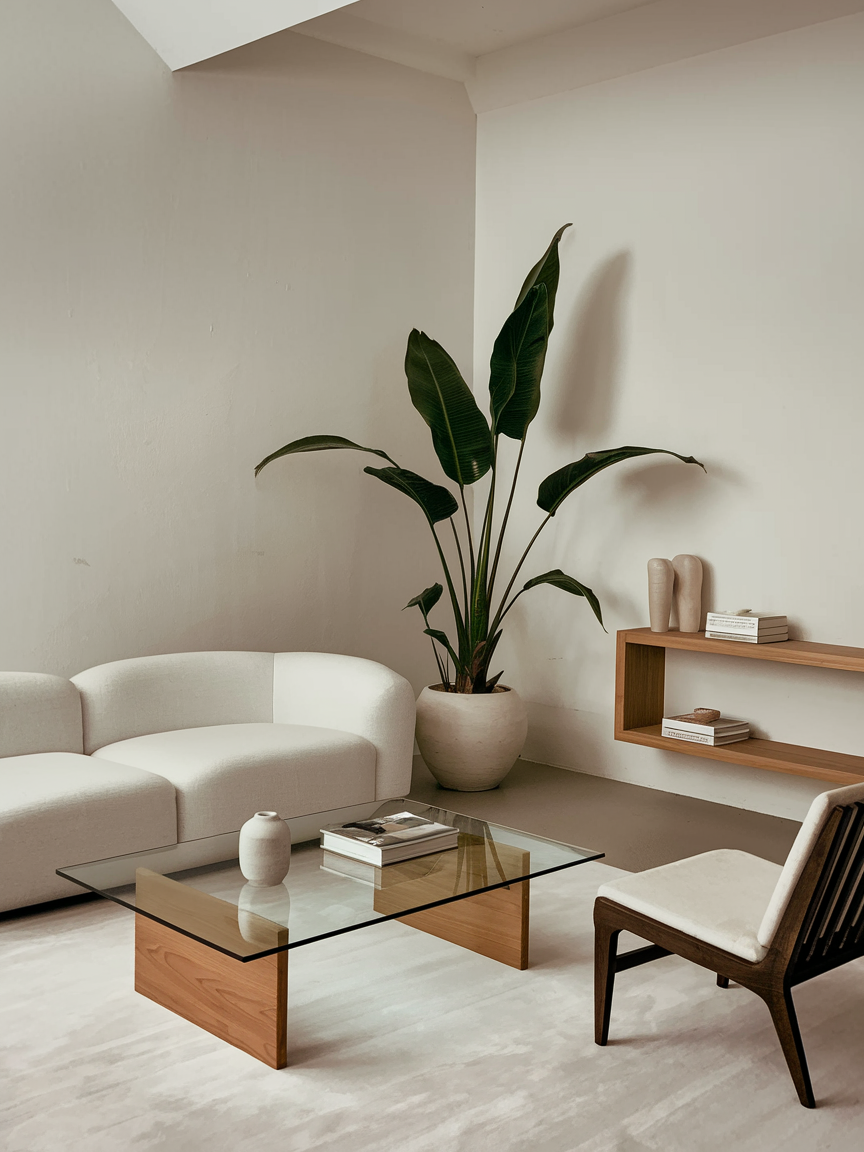
Plants are a minimalist’s best friend when it comes to adding life without adding clutter. A single tall plant in the corner or a couple of smaller ones on shelves can make a huge difference. They bring in a natural element, soften the clean lines, and literally freshen the air. Plus, taking care of them can be surprisingly relaxing. Just make sure you choose low-maintenance varieties if you’re not exactly a plant whisperer.
7. Hide the Clutter with Smart Storage
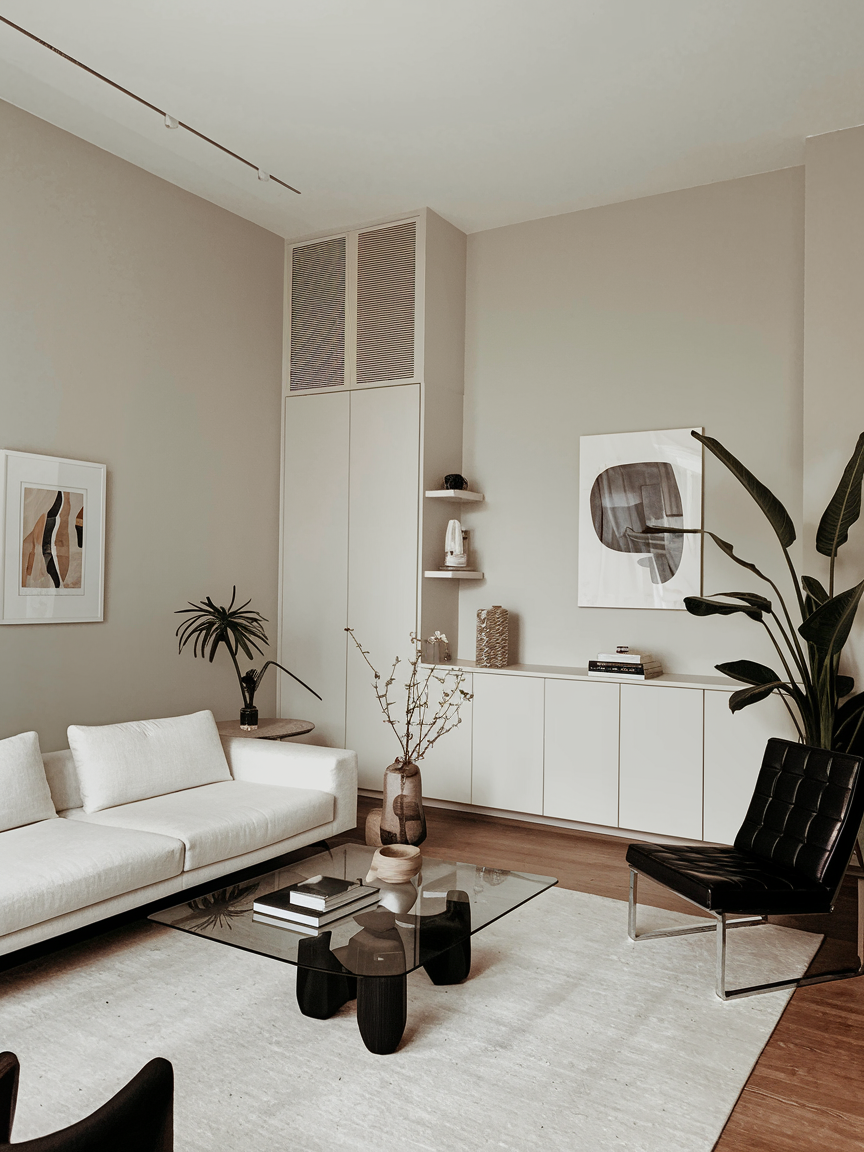
Nothing ruins a minimalist vibe faster than random piles of stuff lying around. Smart storage solutions, like closed cabinets, hidden compartments in furniture, and sleek shelving, keep everything organized and out of sight. This way, you can have a functional, lived-in space without it looking messy. Trust me, once you get used to having a clutter-free surface, you’ll never want to go back. And yes, this means finding a permanent home for that stack of magazines you’ve been meaning to read.
8. Choose Functional Decor

Minimalism doesn’t mean “no décor”, it just means being intentional. Pick décor pieces that are both beautiful and useful, like a stylish lamp, a cozy throw, or an artful vase that doubles as a centerpiece. Every item should earn its place in your living room, so you don’t end up with shelves full of things that look nice but do nothing. This keeps your space feeling personal without sacrificing function.
9. Incorporate Warm Lighting
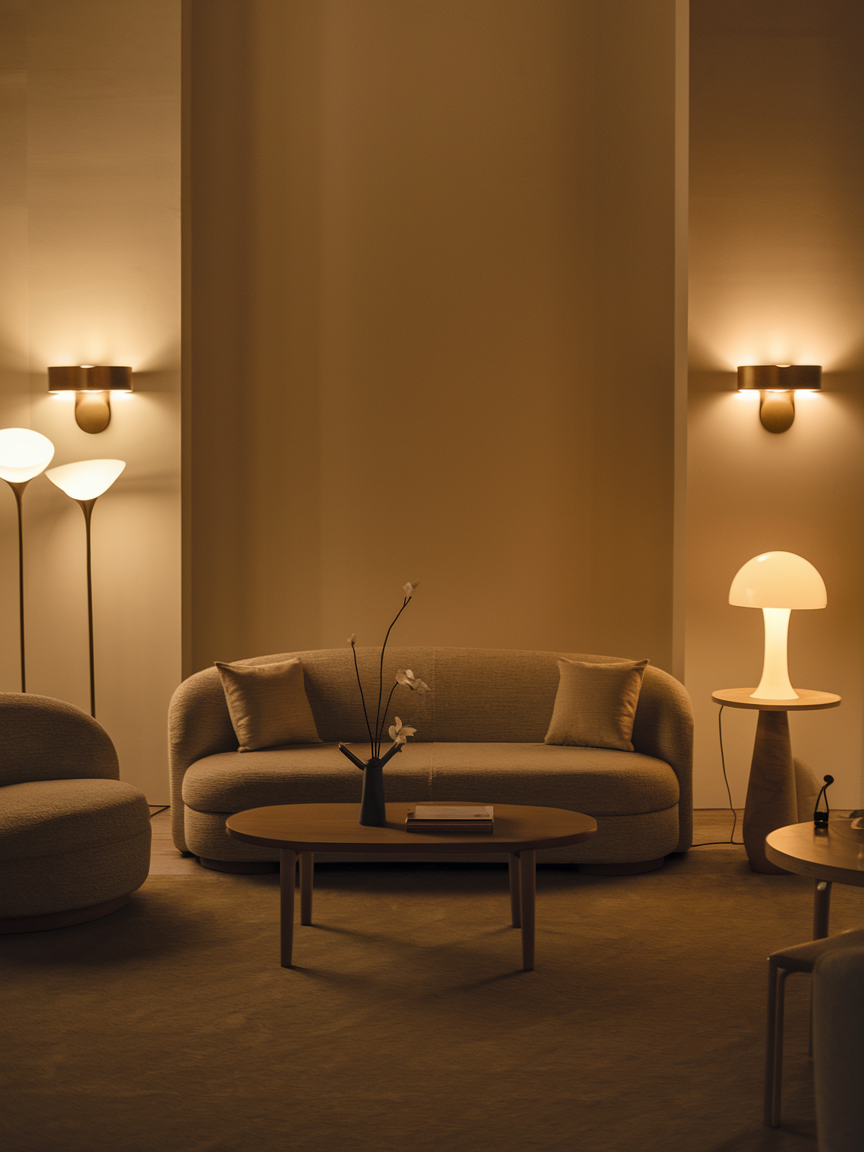
Lighting can make or break the mood of your living room. In a minimalist space, aim for warm, layered lighting rather than a single harsh overhead light. Floor lamps, table lamps, and even dimmable sconces can help you adjust the ambiance depending on the time of day. Soft lighting also plays beautifully with neutral tones, making the room feel cozy rather than stark.
10. Limit the Color Accents
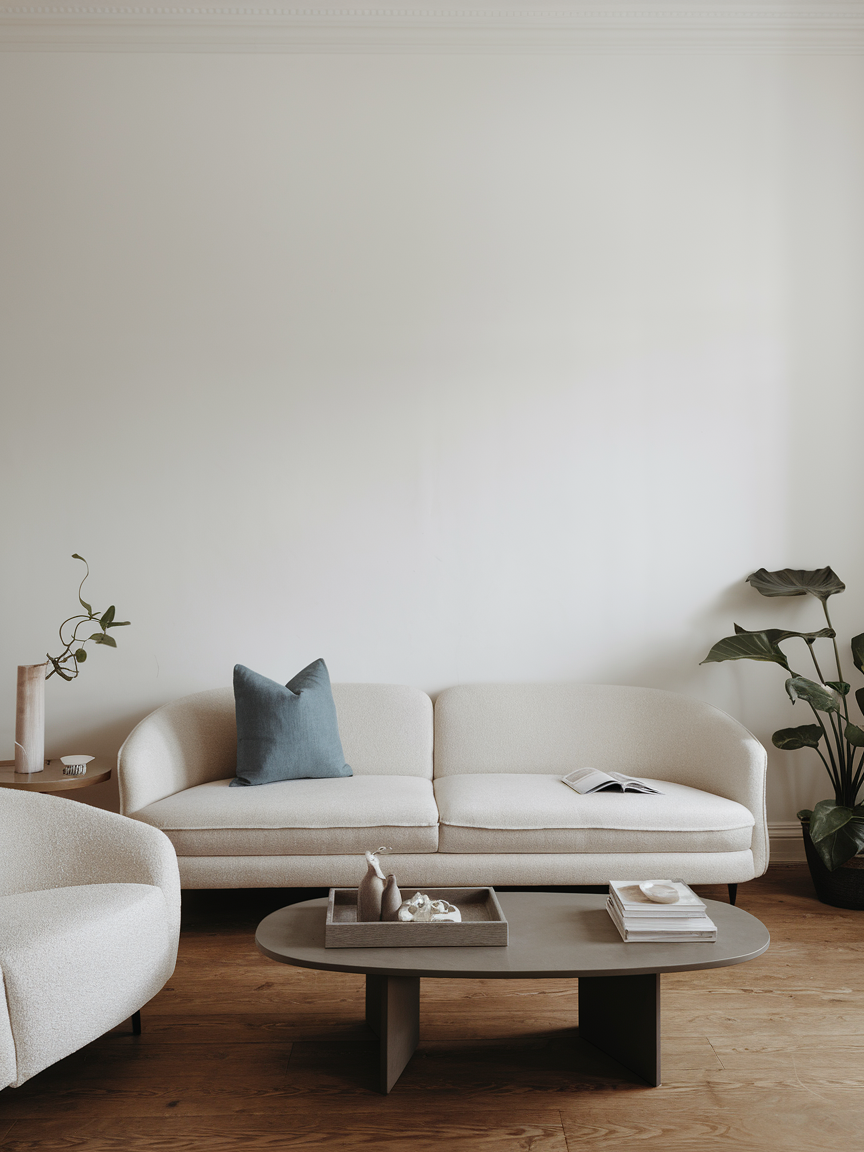
A minimalist living room usually sticks to one or two accent colors to keep the look cohesive. Too many colors can make things feel busy, which is the opposite of what you want. Instead, choose one tone—like muted blues or earthy greens—and sprinkle it throughout the room in pillows, rugs, or small décor items. This subtle repetition creates a pulled-together look without overwhelming the eye.
11. Layer Textures for Visual Interest
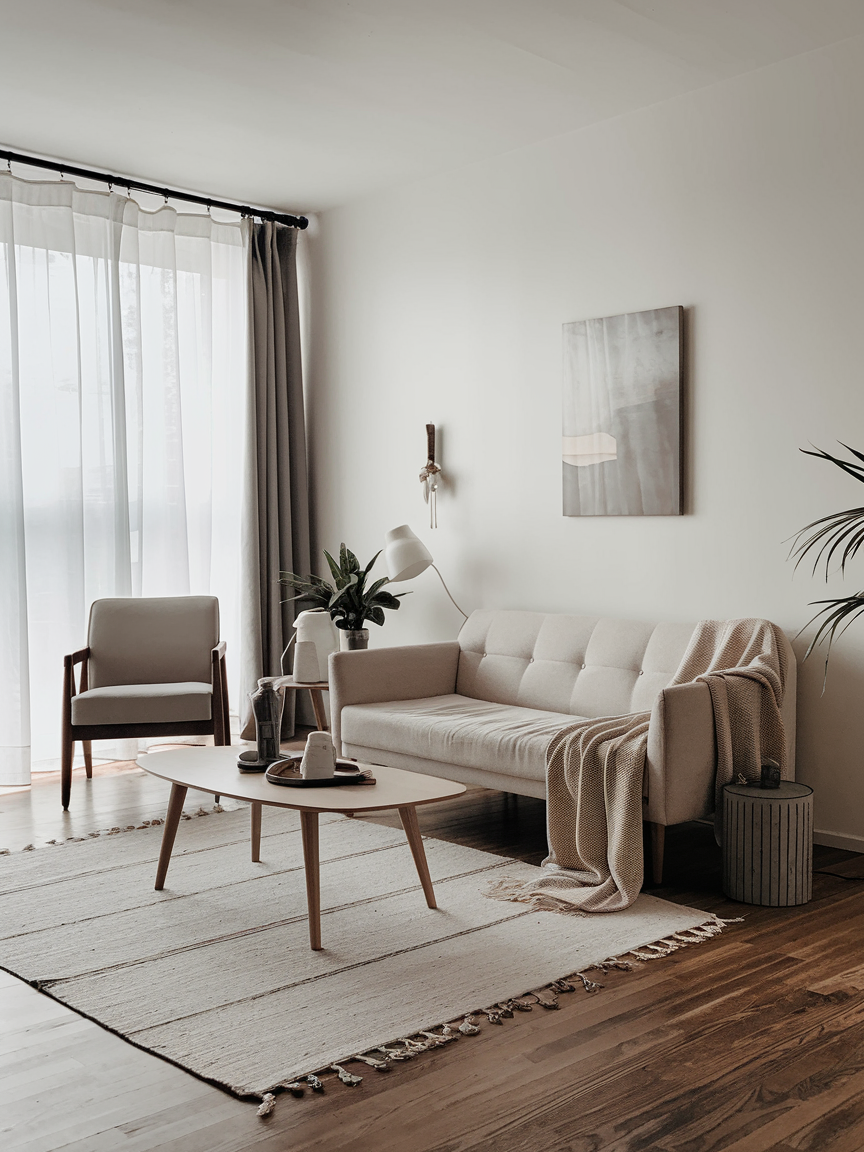
Minimalism doesn’t have to be flat or boring. Layering different textures adds depth and character to a simple living room without cluttering it. Think of a soft wool rug under a sleek leather sofa, paired with a knitted throw and linen cushions. Each texture interacts with light differently, creating visual richness while staying understated. This approach makes your space feel cozy and lived-in. It’s a clever way to keep a minimalist aesthetic while making sure your room never feels cold or sterile.
12. Keep Walls Mostly Bare
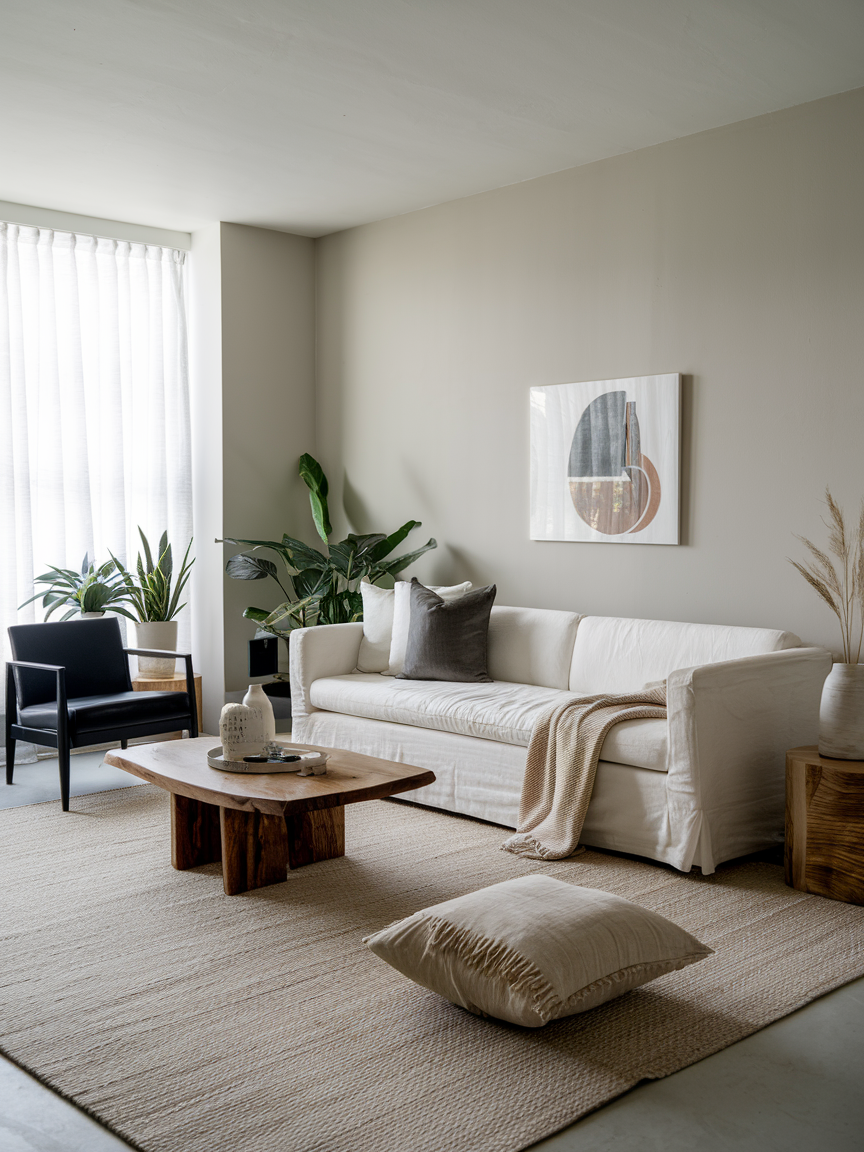
In minimalist design, walls are your secret weapon. Leaving them mostly empty allows the room to breathe and draws attention to the pieces you actually love. One or two meaningful pieces of art or photographs can serve as focal points without overwhelming the space. You can also use mirrors or subtle wall-mounted shelving to create interest. By resisting the urge to cover every inch, you maintain a calm, airy feeling while making your chosen decorations really stand out and feel intentional.
13. Keep Adapting Your Space
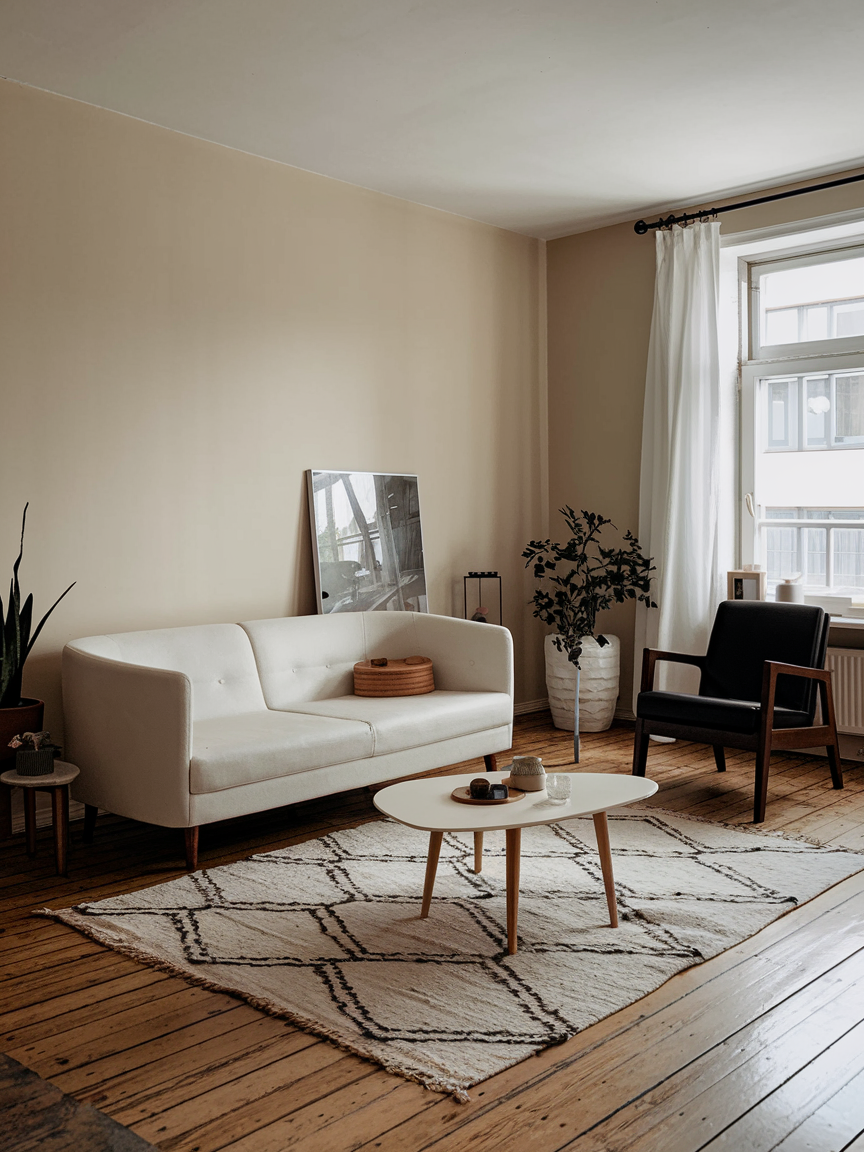
A minimalist living room is never truly finished. Your needs, lifestyle, and tastes will evolve, so the space should be flexible. You can switch out art, add new textures, or rotate accessories without breaking the clean aesthetic. Minimalism is about intentional living, not rigidity. By staying adaptable, your room remains functional, stylish, and uniquely yours over time. This approach encourages thoughtful choices and ensures the living room continues to reflect your personality while maintaining the serene, uncluttered look you love.
14. Use Glass and Transparent Surfaces

Glass or acrylic furniture is perfect for minimalist living rooms because it keeps spaces feeling open and airy. A glass coffee table or acrylic chair doesn’t visually take up much space but still provides functionality. It allows the eye to travel through the room without obstruction, making even smaller spaces feel larger. Transparent surfaces also work well with natural light, letting it bounce around the room for a bright and welcoming atmosphere. They are practical, stylish, and make minimalist décor feel effortlessly chic.
15. Simple Window Treatments
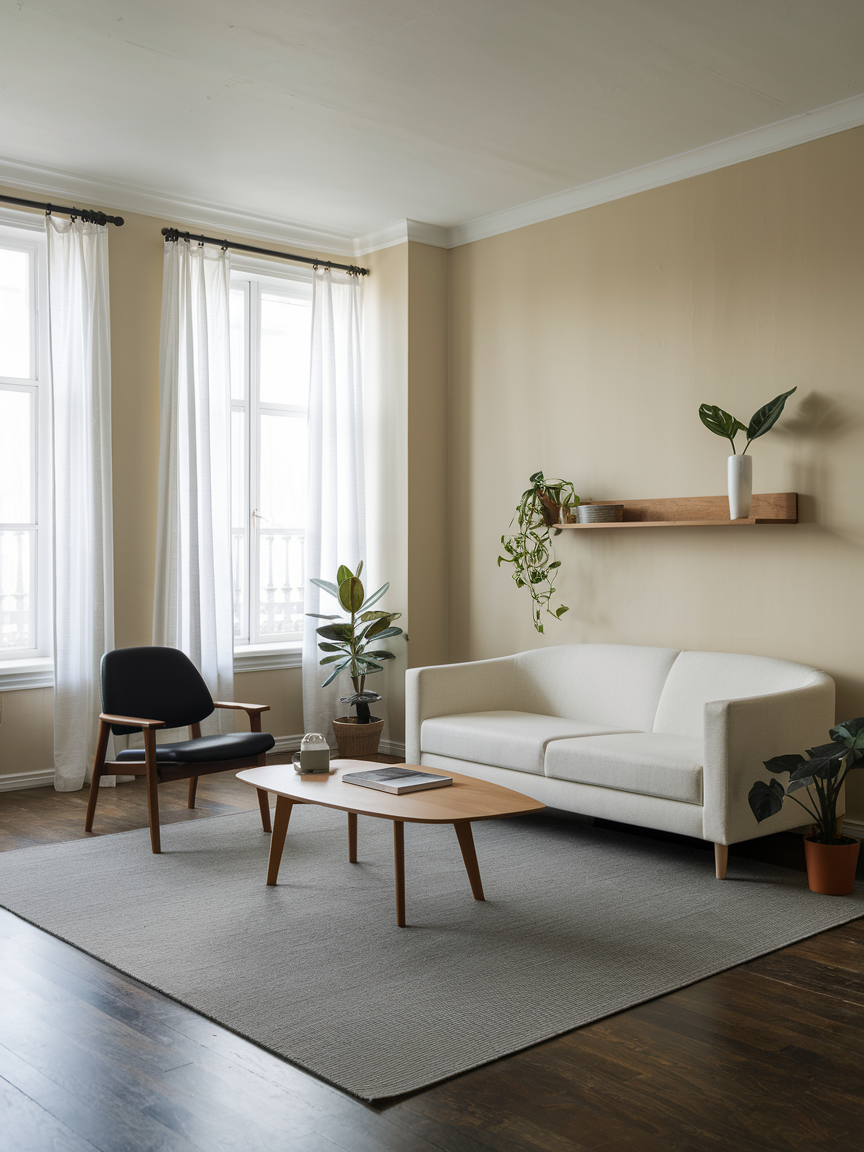
Heavy curtains can weigh down a minimalist space, so opt for light, airy materials or sleek blinds. Simple window treatments allow more natural light to enter, making your living room feel spacious and serene. You can also choose neutral colors to maintain a cohesive look with your walls and furniture. Minimalist window coverings enhance the room’s openness and highlight the architecture or views outside. By keeping it simple, you make a big visual impact without adding unnecessary decoration, which is the essence of minimalist design.
16. Prioritize Comfort
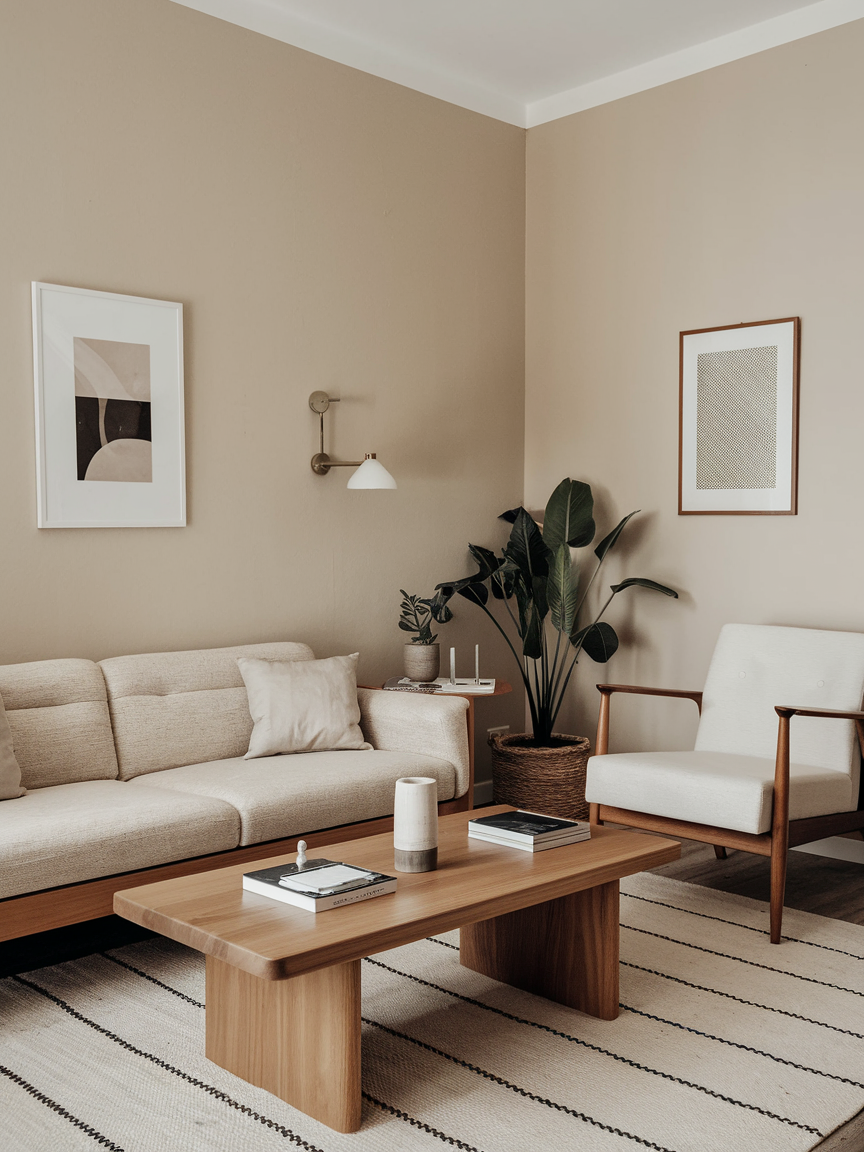
Minimalism does not mean sacrificing comfort. Cozy throws, soft cushions, and inviting seating are crucial for making the space livable. Avoid furniture that looks perfect but is uncomfortable. Instead, choose pieces that you actually want to use and interact with daily. A minimalist living room should feel warm and welcoming, not like a sterile showroom. Comfort combined with simplicity ensures the space remains both functional and enjoyable while staying true to the minimalist aesthetic, encouraging relaxation and a sense of calm.
17. Anchor the Room with a Statement Rug
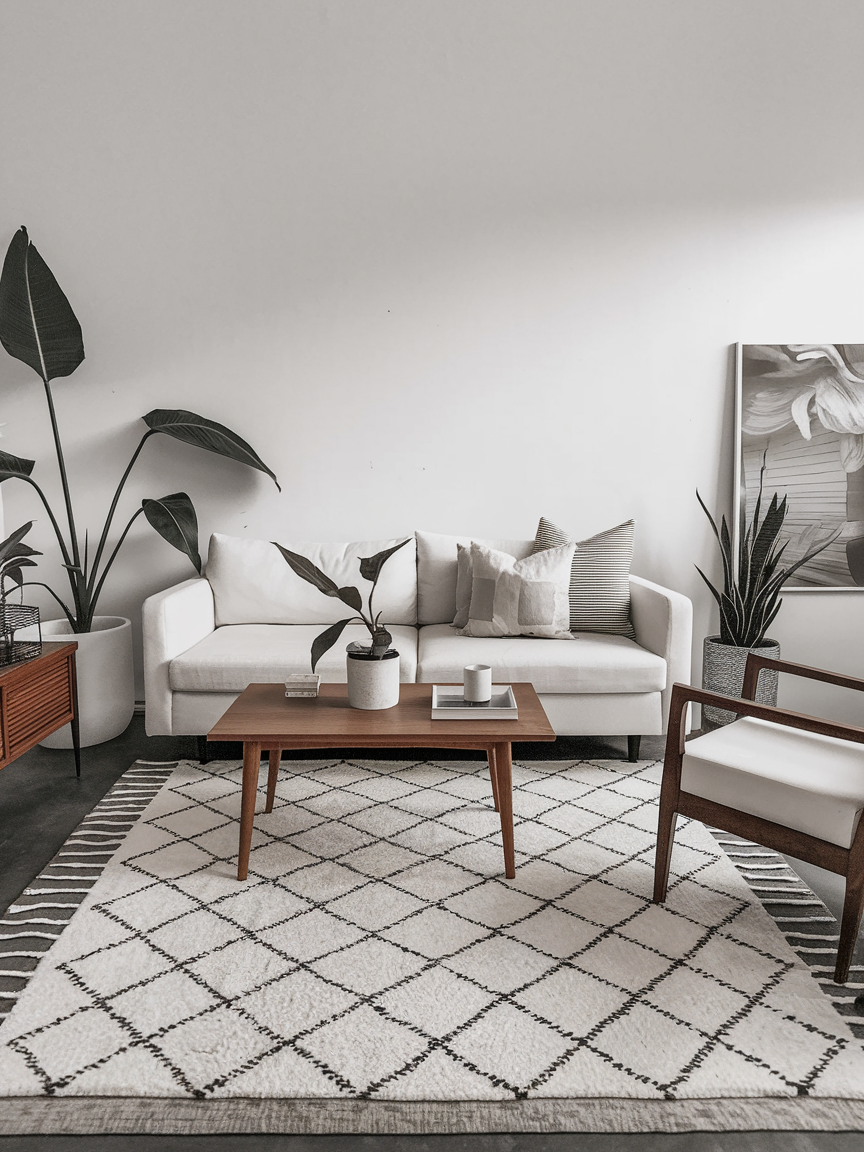
A well-chosen rug can unify the entire living room without adding clutter. In a minimalist space, pick a rug with subtle textures, muted tones, or a minimal pattern that complements your color palette. It defines seating areas, adds warmth underfoot, and softens hard surfaces like hardwood or tile. Rugs also help the furniture feel intentionally arranged. By keeping it simple but carefully chosen, your rug becomes a quiet hero in the room, tying all elements together while maintaining the uncluttered, serene minimalist aesthetic.
18. Let One Piece Be the Focal Point
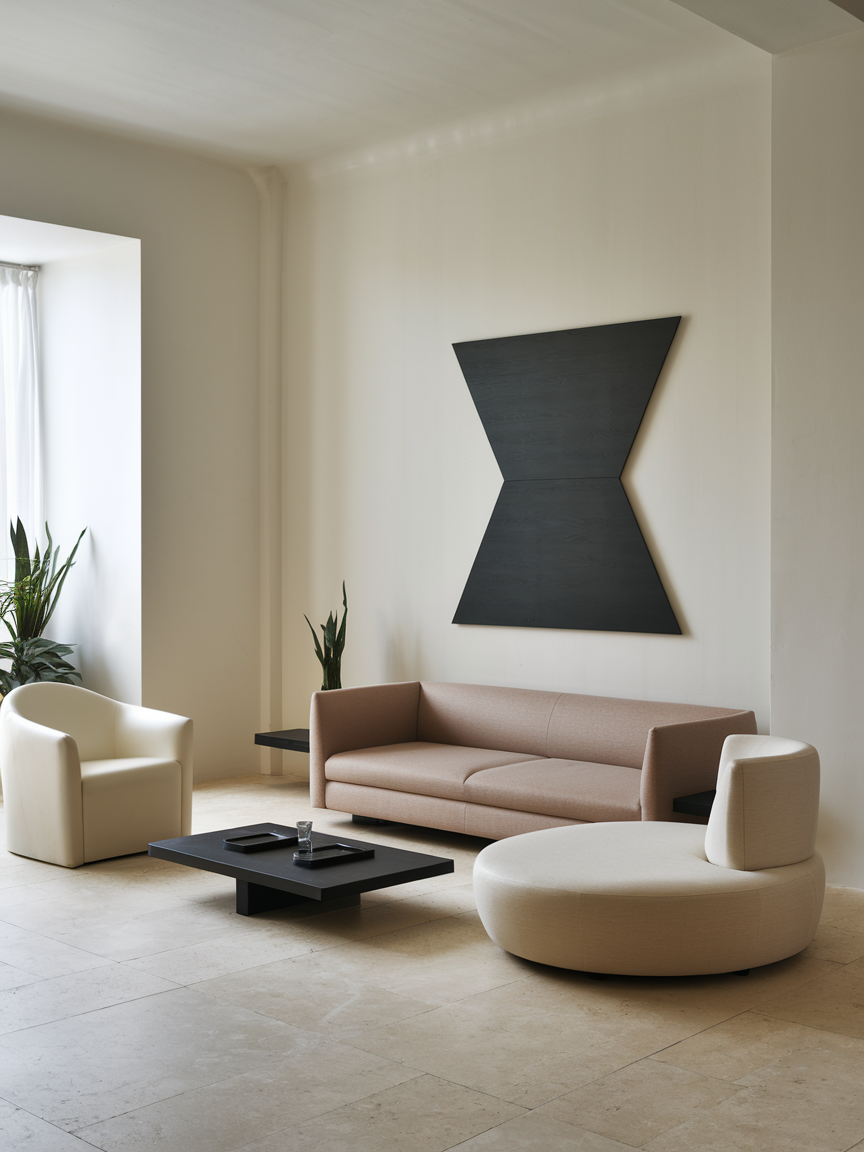
In minimalism, one standout piece can make a huge difference. It could be a large piece of artwork, an eye-catching armchair, or a uniquely designed coffee table. By letting this one item shine, you create a focal point without crowding the space with multiple competing elements. Everything else should be understated to emphasize that centerpiece. This approach makes your room feel intentional, curated, and visually pleasing while keeping the calming simplicity that defines minimalist interiors.
19. Balance Symmetry and Asymmetry
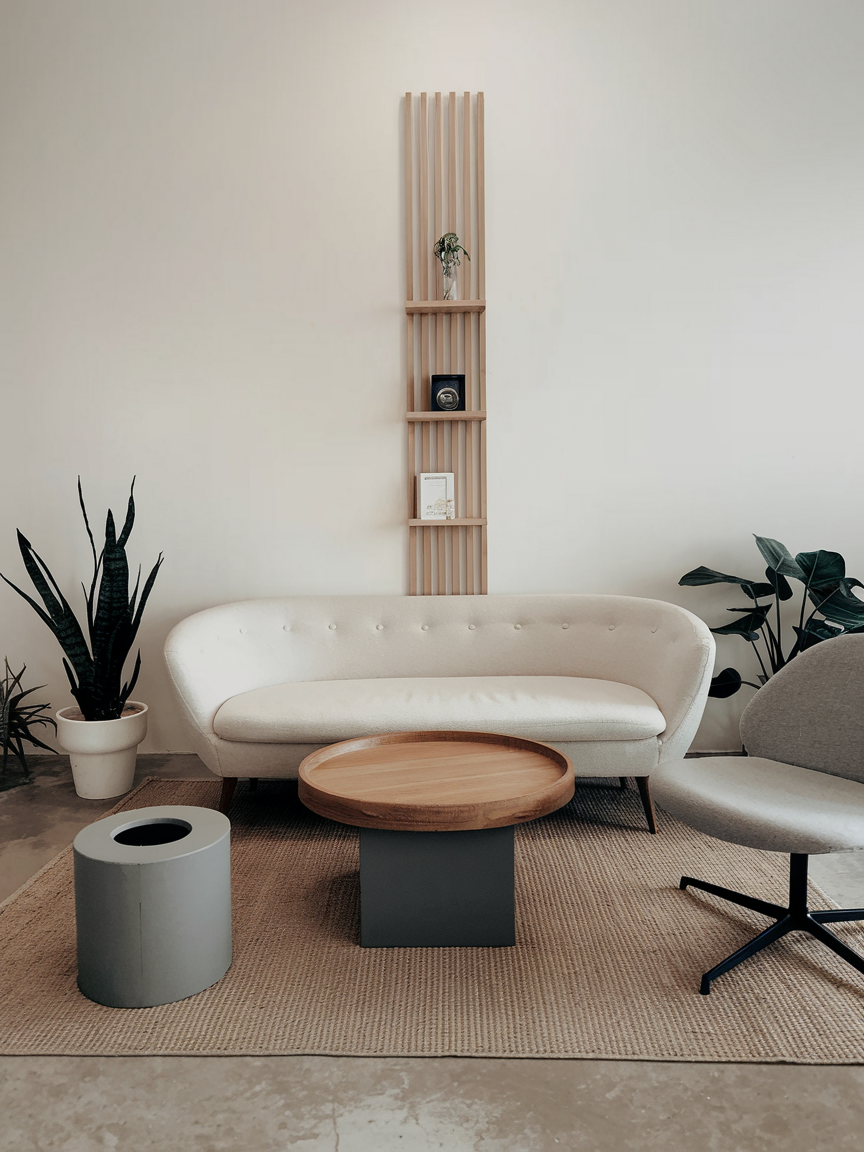
Finding the right balance between symmetry and asymmetry keeps a minimalist living room visually engaging. Perfect symmetry can feel rigid, while extreme asymmetry may look chaotic. Mix it up by pairing matching lamps with slightly different side tables or arranging decorative objects of varying heights on a shelf. This creates a natural flow without clutter or distraction. Subtle asymmetry adds personality while maintaining order, which is exactly what minimalism is about: clean, thoughtful, and intentionally designed spaces that feel harmonious.
20. Hide Cables and Electronics
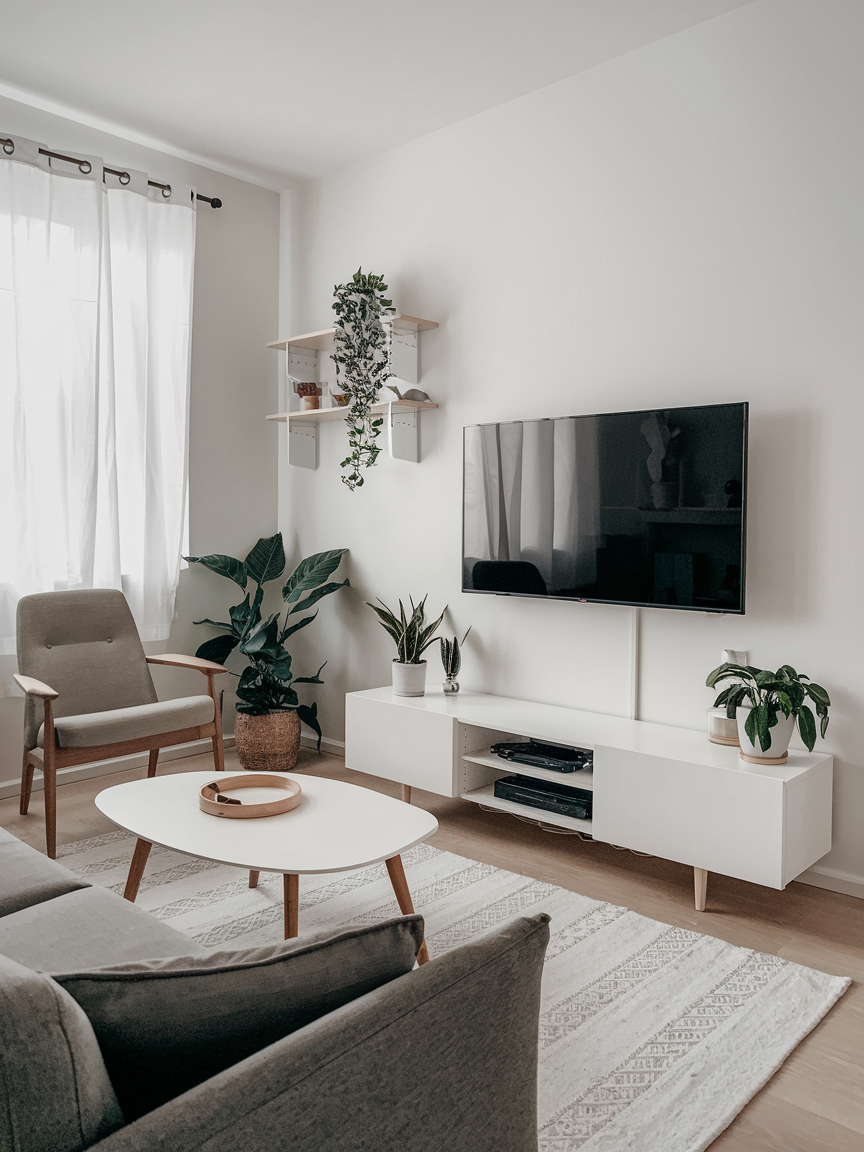
Technology can easily disrupt a minimalist aesthetic. Use cable management solutions to hide cords, mount your TV on the wall, and choose sleek, unobtrusive electronics. Even small details like wireless chargers instead of tangled cords can make a huge difference. The goal is to enjoy your gadgets without them taking over the space visually. When everything looks intentional and organized, your minimalist living room feels peaceful, open, and clutter-free, letting you relax rather than constantly noticing the mess of modern electronics.
21. Incorporate Mirrors

Mirrors are an essential minimalist tool because they reflect light, create a sense of space, and double as decorative pieces. A single large mirror or a thoughtfully placed framed mirror can make your living room feel brighter and bigger instantly. Position it to reflect natural light, a beautiful view, or an art piece for added depth. Mirrors are functional yet stylish, helping to maintain minimalism while adding dimension and interest without clutter. They are practical décor that truly elevate the room.
22. Use Multipurpose Furniture
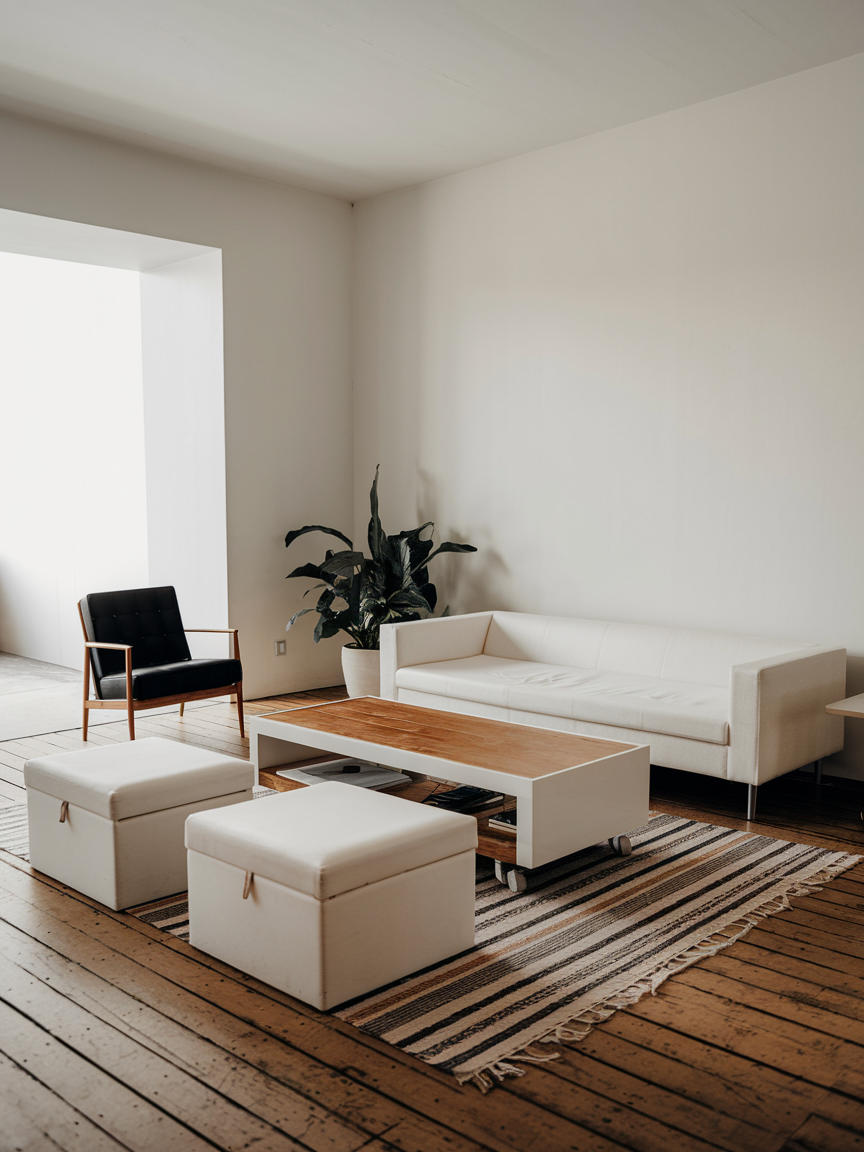
Multipurpose furniture is a lifesaver for minimalist living rooms, especially in smaller spaces. Think ottomans with hidden storage, coffee tables that double as seating, or shelving units with multiple uses. This allows you to keep fewer pieces in the room without sacrificing comfort or function. Each item earns its place, contributing to both aesthetics and practicality. Multipurpose furniture keeps the space clean and organized while offering the flexibility to adapt to different activities or occasions without adding unnecessary clutter.
23. Add Subtle Metallic Accents

A touch of metal adds sophistication and visual interest without overwhelming a minimalist living room. Brushed brass, matte black, or stainless steel fixtures work beautifully in lighting, furniture legs, or frames. Subtle metallic accents can catch light and create a polished feel, keeping the design elevated while remaining simple. The key is consistency—use similar finishes throughout the room to maintain cohesion. Metallic touches provide dimension and shine, complementing neutral tones and textures in a minimalist space without cluttering or overpowering the design.
* Minimalist living rooms are about more than aesthetics, they are a lifestyle choice that prioritizes simplicity, comfort, and intention. By thoughtfully selecting furniture, colors, textures, and accessories, you create a space that feels serene, inviting, and entirely yours. The beauty of minimalism is that it is flexible, timeless, and endlessly adaptable to your life. With these 23 ideas, your living room can be both elegant and practical, making every moment spent there feel calm, organized, and refreshingly uncluttered.



Way cool, some valid points! I appreciate you making this article available, the rest of the site is also high quality. Have a fun.