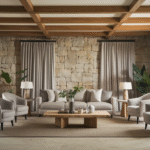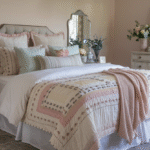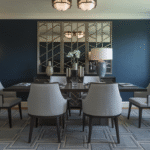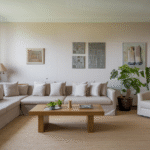
Hey friend, let’s talk about bedrooms. You know that magical feeling when you walk into a space and instantly feel your stress melt away? That’s exactly what a minimalist bedroom can do. Instead of overwhelming you with clutter or too many distractions, this style focuses on what really matters—peace, balance, and comfort. Minimalist design isn’t about emptiness or looking boring, it’s about creating a room that breathes, feels open, and blends simplicity with warmth so you feel instantly at ease.
Clean lines, calming colors, and thoughtful details all work together to make the space both practical and inviting. Every piece of furniture has a purpose, every texture adds comfort, and every choice contributes to an atmosphere of serenity. A minimalist bedroom is less about what you remove and more about what you keep—those essentials that truly make your space feel like a restful sanctuary.
Today, I’m sharing 24 minimalist bedroom ideas that merge elegance, practicality, and coziness. Let’s explore how you can create a space where you can relax, recharge, and enjoy the calm you deserve after a long day.
1. Neutral Color Palette

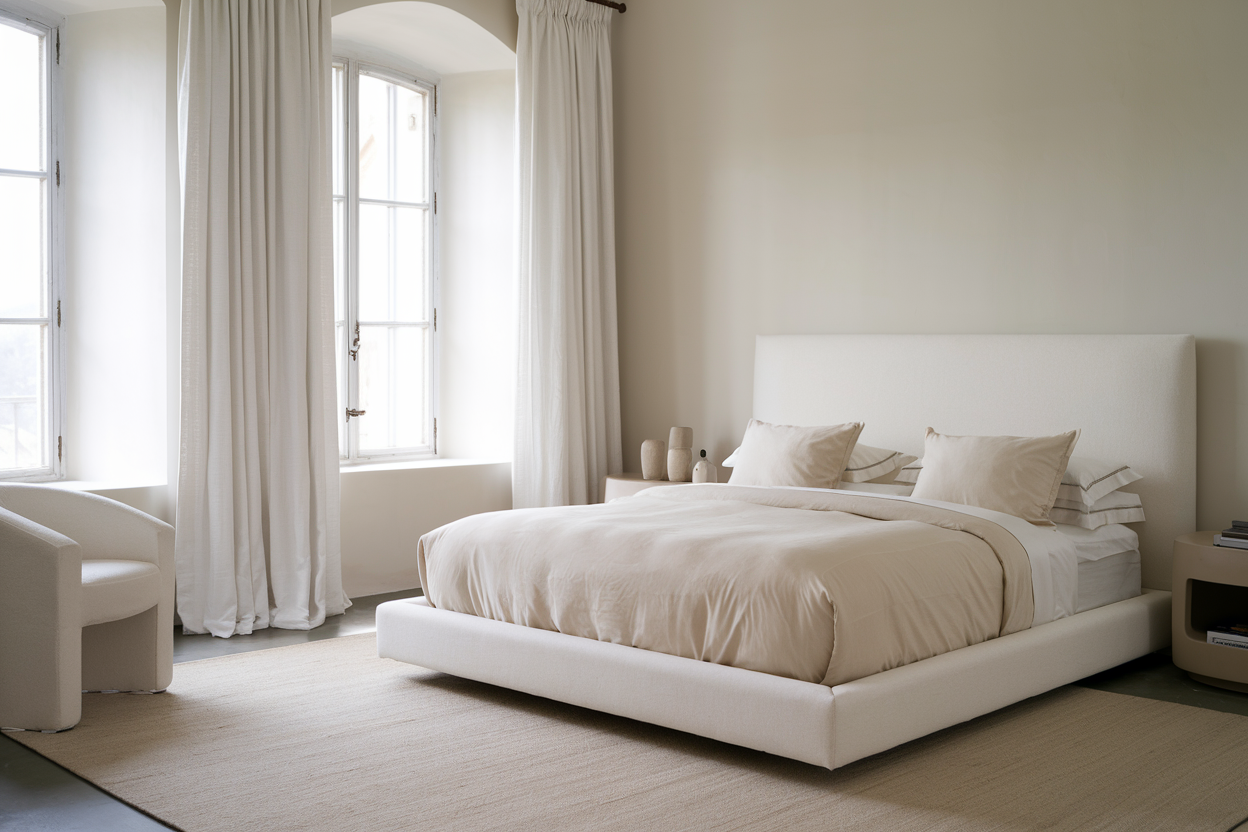
Neutral colors are the backbone of any minimalist bedroom. Shades like soft beige, ivory, pale gray, or muted taupe instantly make the room feel airy and serene while providing a clean, calm backdrop. A neutral palette allows textures, furniture, and carefully chosen accents to stand out without overwhelming the senses. I personally love pairing a creamy wall color with natural wood furniture and subtle metallic accents to create a tranquil atmosphere. Neutral tones also make it easier to refresh the room in the future because they blend effortlessly with almost any accent or decor style.
2. Platform Bed with Clean Lines

A low-profile platform bed with clean, simple lines is perfect for a minimalist bedroom. It visually opens up the space and prevents a cluttered look by eliminating bulky frames or excessive detailing. Pair it with soft, high-quality bedding to ensure the room still feels cozy and inviting rather than cold. I’ve tried this in my own bedroom, and the difference is night and day. A platform bed simplifies the room visually, makes daily cleaning easier, and serves as a subtle focal point that anchors the entire design without drawing too much attention away from other details.
3. Floating Nightstands

Floating nightstands are a genius way to maintain open floor space and reduce visual clutter. They give your bedroom a clean, modern feel while still providing practical storage for nighttime essentials like books, lamps, or small plants. By keeping the floor beneath them empty, the room feels larger and more open. I like placing a minimal lamp or a scented candle on mine to add both style and functionality. The simplicity of floating nightstands helps maintain the calm, airy vibe that is essential in a minimalist retreat, making the space feel thoughtfully designed.
4. Monochromatic Bedding

Monochromatic bedding is one of the easiest ways to reinforce a minimalist theme while keeping your bedroom cozy. Using different shades of the same color in sheets, blankets, and pillows creates cohesion and eliminates visual clutter. This approach allows textures to shine, adding subtle depth and interest without overwhelming the room. Personally, I mix linen sheets with a soft cotton duvet and a couple of textured throw pillows to balance sleek minimalism with inviting warmth. The monochromatic palette naturally draws the eye, making your bed feel like a serene centerpiece that instantly promotes relaxation.
5. Minimal Wall Art

Minimal wall art can make a huge difference in a calm and inviting bedroom. Instead of crowding your walls with multiple small prints, choose one large piece or a few carefully curated artworks that convey personality and style without overwhelming the space. Abstract designs, black-and-white photography, or serene landscapes work beautifully in minimalist rooms. I always recommend hanging art at eye level to naturally draw attention while maintaining balance. Minimal wall art provides a focal point and personality without clutter, allowing your bedroom to feel open, intentional, and perfectly tranquil, creating a space you actually want to spend time in.
6. Hidden Storage Solutions

Clutter is the biggest enemy of minimalism. Hidden storage solutions like under-bed drawers, built-in cabinets, or storage benches are essential to maintaining a clean, calm space. These solutions keep everyday items out of sight while keeping them easily accessible. I always feel more relaxed when everything has a designated place, from extra blankets to books or electronics. Using hidden storage allows you to enjoy a minimalist aesthetic without sacrificing functionality. It keeps surfaces free of distractions, reinforces the calm atmosphere, and helps your bedroom maintain that serene retreat-like vibe that encourages rest and relaxation every single day.
7. Soft Area Rugs

A soft, neutral rug is an excellent way to add comfort, warmth, and texture to a minimalist bedroom. Rugs help define spaces like the bed area or a seating corner while softening hard flooring. Natural fibers like wool, jute, or cotton feel inviting underfoot and complement the minimalist aesthetic. I personally love layering rugs with slightly different textures to make the room feel cozy without cluttering it visually. The right rug not only grounds the furniture but also adds a tactile element that encourages relaxation, making your minimalist bedroom feel like a complete sanctuary you want to linger in.
8. Statement Lighting

Minimalist bedrooms don’t have to be boring when it comes to lighting. A statement pendant, sculptural floor lamp, or sleek table lamp can act as functional art that enhances the overall design. Warm LED lighting or dimmable bulbs create a cozy glow that instantly makes the space inviting. I love using a combination of overhead and ambient lighting to highlight furniture and accent pieces without overwhelming the eye. Well-chosen lighting brings warmth, personality, and functionality to a minimalist room, transforming it into a peaceful retreat that feels sophisticated and relaxing at the same time.
9. Simple Window Treatments

Minimalist bedroom window treatments focus on simplicity and function. Sheer curtains, light drapes, or sleek blinds maintain privacy while letting natural light gently fill the room. The key is to avoid heavy patterns or excessive layering that can clutter the space. I personally prefer linen curtains in soft neutral shades because they diffuse sunlight beautifully, creating a warm and calming glow. Minimalist window treatments contribute to an airy atmosphere, help regulate natural light, and enhance the overall serenity of the bedroom, allowing it to feel spacious, bright, and restful throughout the day.
10. Minimal Decorative Objects

In minimalist bedrooms, less is definitely more when it comes to decor. Choose a few meaningful or striking items rather than filling shelves with trinkets. A small plant, a vase with fresh flowers, or a single sculpture can add character while keeping the room calm and uncluttered. I’ve found that one impactful piece always draws more attention than multiple items crowded together. Keeping decorative objects minimal helps maintain a serene, organized feel, encourages focus on the room’s simplicity, and ensures the bedroom feels inviting without visual chaos or unnecessary distractions.
11. Clear Pathways and Open Space

Open pathways and uncluttered floors are critical for a minimalist bedroom. Furniture should be arranged to allow easy movement and maintain a sense of spaciousness. I’ve found that simply clearing the floor and allowing visual breathing room makes the bedroom feel more relaxing and less stressful. Open space promotes calm, facilitates daily routines, and reinforces the retreat-like atmosphere. Minimalism thrives on simplicity, balance, and thoughtful design, and keeping pathways clear is one of the most effective ways to create a serene, inviting bedroom.
12. Floating Shelves

Floating shelves are a perfect minimalist solution for storage and display. They keep the floor clear and allow you to showcase select items without overcrowding. I like using floating shelves for books, plants, or a few personal mementos that add personality while maintaining a tidy look. The key is restraint—avoid overloading them with unnecessary items. Floating shelves combine functionality with elegance, giving the room a curated feel that maintains openness. They help reinforce a clean, airy atmosphere while providing subtle visual interest and utility in a minimalist bedroom retreat.
13. Low Furniture Profile

Maintaining a low furniture profile preserves openness and flow in a minimalist bedroom. Low dressers, chairs, or tables create a horizontal emphasis that draws the eye across the room, making it feel more spacious. I’ve noticed that rooms with lower furniture feel less cluttered and more inviting. Low furniture encourages movement and interaction within the space while keeping visual weight minimal. This approach allows the bedroom to feel serene, balanced, and thoughtfully designed, which is essential for anyone who wants a calm, minimalist retreat for relaxing or sleeping comfortably.
14. Natural Elements

Incorporating natural materials such as wood, stone, or woven fibers adds warmth and texture to a minimalist bedroom. These elements prevent the space from feeling cold or sterile and create a connection to nature. I love wooden bed frames, rattan chairs, or stone accents because they introduce subtle organic beauty without overwhelming the clean lines of minimalism. Natural textures also add depth and dimension, making the room feel welcoming and balanced. Bringing in nature-inspired materials enhances comfort, visual interest, and the overall calming energy of your bedroom, making it a true retreat from the outside world.
15. Minimal Mirrors

Mirrors are an excellent tool in minimalist design because they enhance natural light and create a sense of space. Choose simple, unframed mirrors or sleek frames that complement your bedroom decor without adding visual clutter. I like placing a tall mirror near a window to reflect sunlight and give the illusion of more space. Minimal mirrors serve both functional and aesthetic purposes, allowing your bedroom to feel brighter, more open, and serene. They contribute to the overall balance of the room while supporting a calm, inviting retreat atmosphere that encourages relaxation.
16. Soft Throw Blankets

Adding a few soft throw blankets instantly increases comfort in a minimalist bedroom. Use muted colors or subtle textures to maintain harmony with the rest of the design. Throws can be casually draped over the bed or a chair to create a cozy, lived-in feel. I personally love layering linen and knit blankets for warmth and texture. Well-chosen throws invite relaxation, add tactile comfort, and make the bedroom feel less stark while still preserving the clean, uncluttered look of minimalist design. They are a simple yet effective way to enhance coziness.
17. Integrated Nightstands

Integrated or built-in nightstands provide seamless bedside storage while maintaining clean lines. They keep surfaces clear of clutter while giving you a practical place for lamps, books, or personal items. I find that built-in nightstands make the room feel polished and intentional, reinforcing a minimalist aesthetic. They combine functionality and style, ensuring the bedroom remains organized and visually calm. With integrated storage, you can enjoy the simplicity and serenity of minimalism without sacrificing the convenience of accessible bedside essentials.
18. Minimal Headboards

Minimal headboards, such as simple upholstered panels or sleek wooden frames, create a subtle focal point without overwhelming the space. They anchor the bed and provide comfort while enhancing the overall clean look of the room. I personally prefer understated designs that complement neutral tones and natural textures. Minimal headboards add elegance and coziness without clutter, contributing to a bedroom that feels calm, inviting, and perfectly balanced. They help maintain a harmonious, retreat-like atmosphere while keeping the focus on rest and relaxation.
19. Organized Closet Space

A tidy, organized closet is essential in a minimalist bedroom. Grouping clothes by type or color and using matching storage solutions prevents visual chaos. I always notice that a clean, organized closet makes getting ready smoother and reduces stress. Minimalism is not just about surfaces but about the entire environment, and a well-organized closet reinforces the calm and airy feeling throughout the room. Functionality and simplicity in storage keep your bedroom retreat-like and serene, ensuring that your morning routine doesn’t compromise the peaceful atmosphere you’ve created.
20. Calming Scents

Adding calming scents through candles, essential oils, or diffusers enhances the bedroom’s relaxing atmosphere. Lavender, eucalyptus, or vanilla are excellent choices to encourage restfulness and reduce stress. I like using a sleek diffuser that matches the minimalist design of my bedroom while adding a subtle aromatic touch. The right scent complements visual calm with sensory relaxation, creating a multi-sensory retreat. Calming aromas enhance mood, promote better sleep, and make the bedroom a true sanctuary where every detail contributes to peace and tranquility.
21. Minimal Desk or Vanity

If your bedroom doubles as a workspace or vanity, keep it simple and uncluttered. A sleek desk with drawers allows you to hide essentials while maintaining a clean surface. I personally find that having a minimalist workspace in the bedroom allows focus without distraction. Minimal desks or vanities keep the room functional yet visually calm, supporting productivity and relaxation simultaneously. Thoughtful design ensures the bedroom remains a peaceful retreat even when serving multiple purposes.
22. Textured Accent Pillows

Textured pillows add comfort and visual interest without breaking the minimalist aesthetic. Linen, velvet, or woven fabrics create depth while maintaining a neutral color palette. I often layer a few pillows of different textures on my bed to make it look inviting without adding clutter. Textured pillows enhance tactile appeal, encourage relaxation, and contribute to the bedroom’s cozy and serene feel. They are a subtle yet impactful way to bring warmth, softness, and personal style into a calm, minimalist retreat space.
23. Subtle Art Installations

Minimalist art installations like small sculptural pieces or wall-mounted decor can create visual interest without cluttering the room. I love incorporating subtle wooden or metal pieces that add dimension and personality. These installations make the bedroom feel intentional and curated while preserving open space. Subtle art enriches the room’s character and keeps it from feeling sterile. By choosing minimal yet meaningful pieces, you create a space that is calming, sophisticated, and aesthetically balanced, perfect for unwinding at the end of the day.
24. Minimal Tech Integration

Keeping electronics out of sight preserves the calming atmosphere of a minimalist bedroom. TVs, chargers, and speakers can be stored in cabinets or drawers to reduce visual clutter. I personally notice a huge difference in relaxation when tech doesn’t dominate the space. Minimal tech integration allows your bedroom to remain a peaceful retreat while maintaining function. It encourages mindfulness and focus on rest, sleep, or reading, keeping the environment serene and visually clean without sacrificing convenience or connectivity.
* Minimalism doesn’t have to be cold or boring, it’s intentional, balanced, and soothing. Implement these ideas, and you’ll have a space that invites rest, reduces stress, and looks effortlessly stylish all at once.