Designing a kids’ bedroom is one of the most exciting and meaningful projects you can take on as a parent or decorator. Unlike other spaces in the home, this room is deeply personal, it’s where imagination grows, personalities develop, and daily routines take shape. A well-designed kids’ bedroom should evolve with your child while offering a perfect balance between comfort, functionality, and creativity.
The challenge lies in creating a space that serves multiple purposes at once. It needs to be cozy enough for restful sleep, practical enough to stay organized, and playful enough to inspire curiosity and joy. When thoughtfully designed, a child’s bedroom becomes more than just a place to sleep, it transforms into a personal sanctuary where they can learn, explore, play, and dream freely.
What makes kids’ bedroom design especially rewarding is the opportunity to blend personality with practicality. From vibrant color palettes and themed decor to clever storage solutions and interactive features, every detail contributes to a space that feels both fun and functional. The goal is to create an environment that children love spending time in, while also making life easier for parents to maintain.
In this article, we explore 26 inspiring kids’ bedroom design ideas that strike the perfect balance between playfulness and comfort. Let’s dive in and discover how to create a space that grows with your child and reflects their unique world!
1. Cozy and Inviting Reading Nook Corner
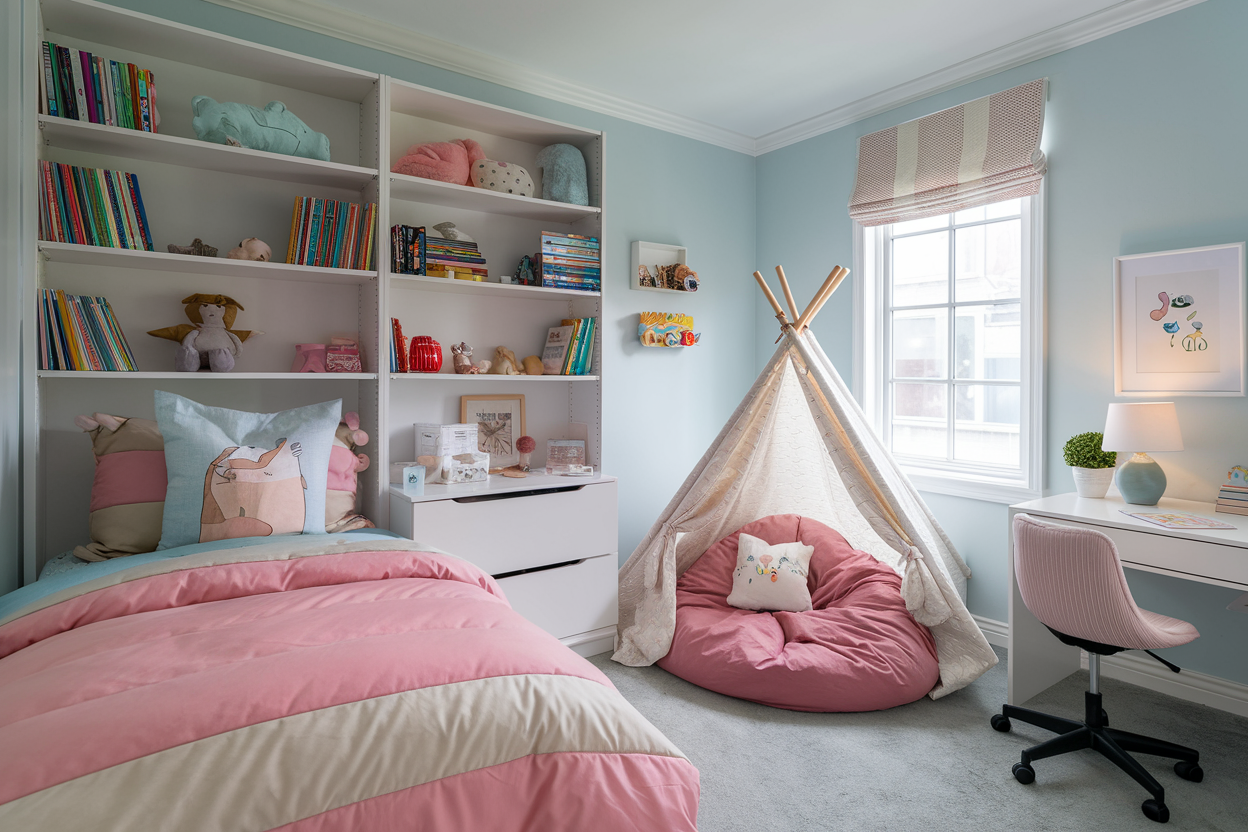
A dedicated reading nook creates a quiet, inviting corner where children can relax and develop a love for books. This space can be designed with a small tent, cushioned seating, bean bags, or a soft chair paired with good lighting. Adding shelves filled with colorful books and soft toys enhances the warmth and appeal of the nook. It provides children with a sense of independence, allowing them to retreat into their own little world. A reading nook not only supports literacy and learning but also adds charm and functionality to the room, making it a multifunctional space that goes beyond just sleeping and playing.
2. Comfortable and Colorful Bedding Choices
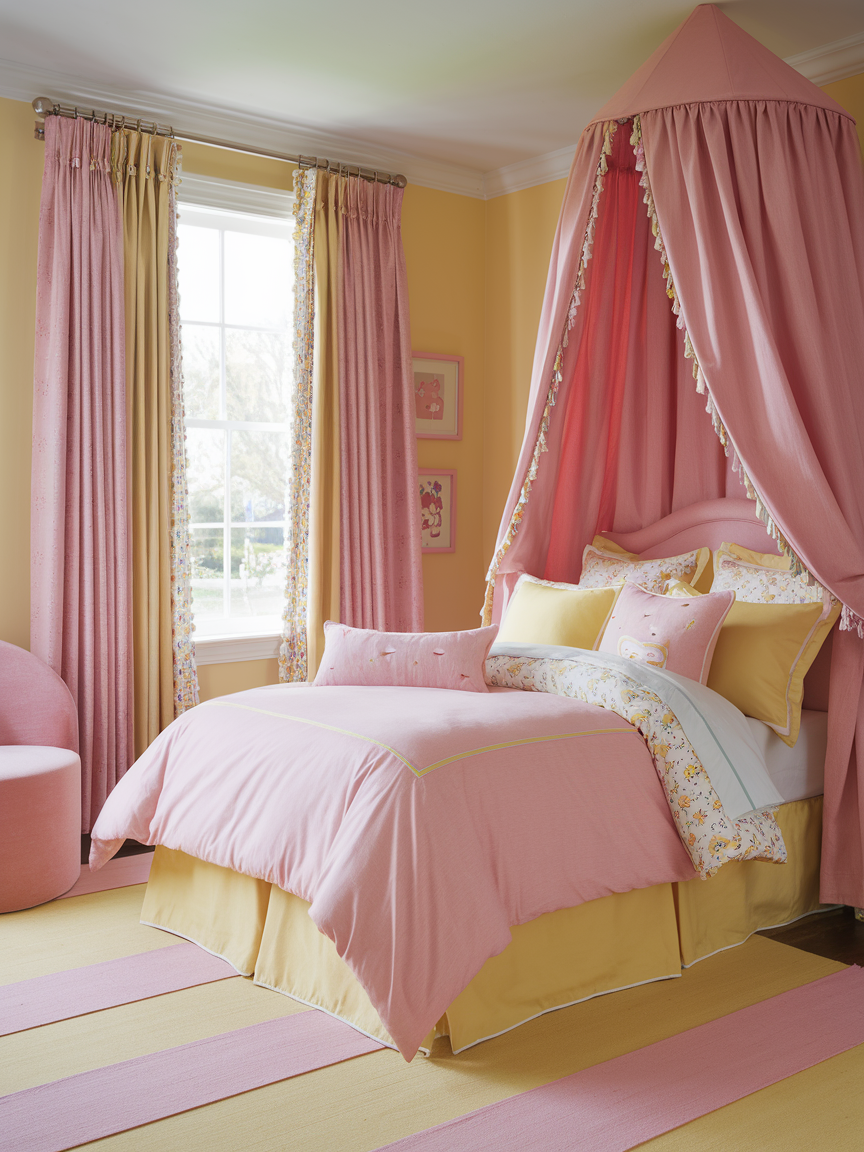
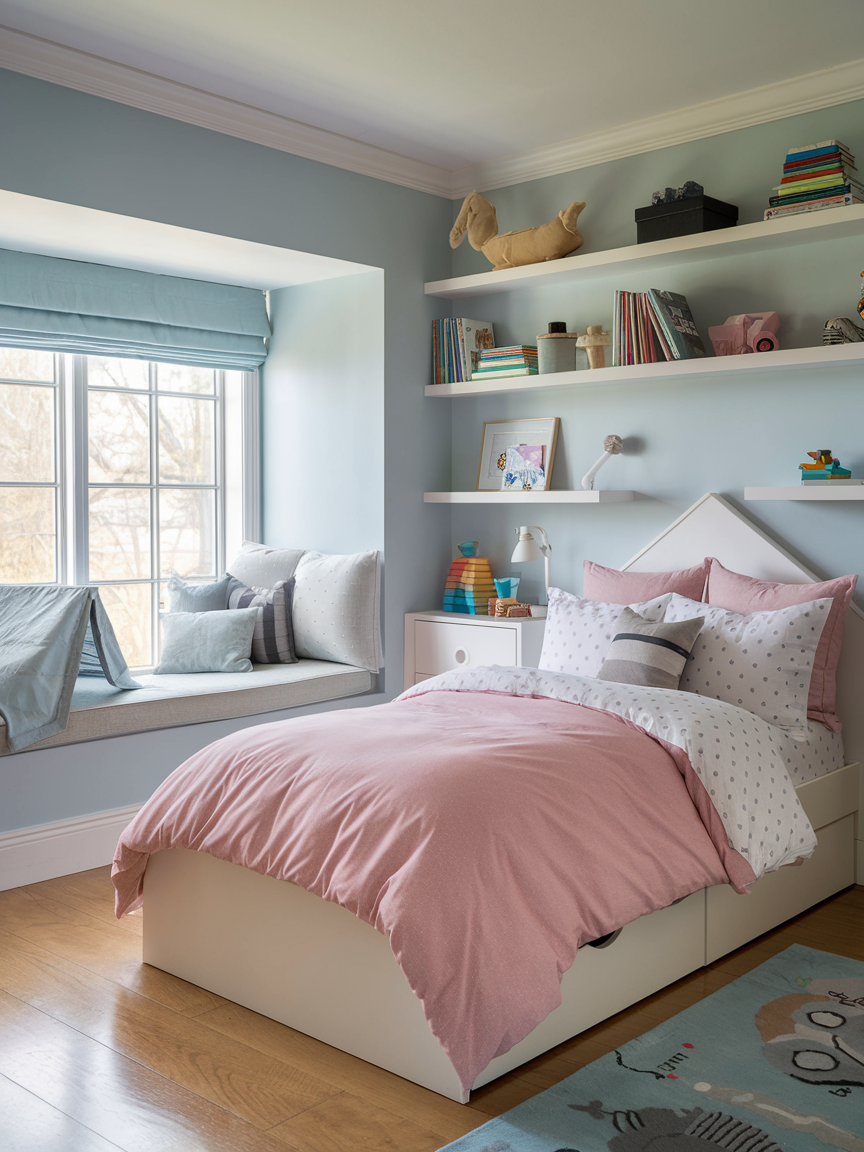
Bedding plays a major role in both the comfort and visual appeal of a child’s bedroom. Choosing soft, high-quality materials ensures a cozy sleeping experience, while playful patterns and vibrant colors add personality to the space. Bedding can reflect a theme, favorite characters, or simply coordinate with the room’s overall color scheme. Layering blankets, pillows, and textured fabrics enhances comfort and creates a welcoming bed that children look forward to using. A well-styled bed not only elevates the room’s design but also helps establish a calming bedtime routine.
3. Interactive and Imaginative Play Mats
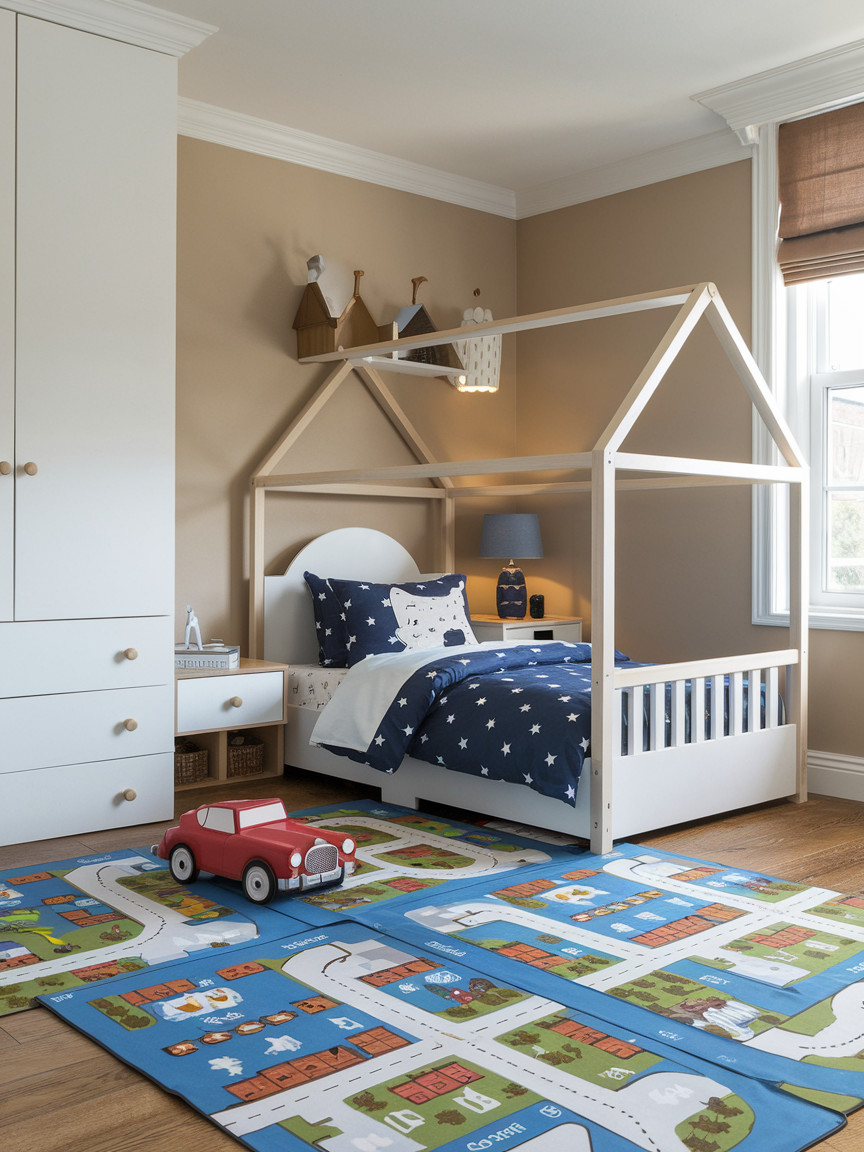
Interactive play mats transform the floor into an engaging and functional play area. Designs featuring roads, cities, games, or educational patterns encourage imaginative play and storytelling. These mats are typically soft, portable, and easy to clean, making them practical for everyday use. They also help define a designated play zone within the room while protecting flooring. Interactive mats combine entertainment with functionality, providing a simple yet effective way to enhance playtime while keeping the space organized and comfortable.
4. Interactive Wall Designs for Creativity
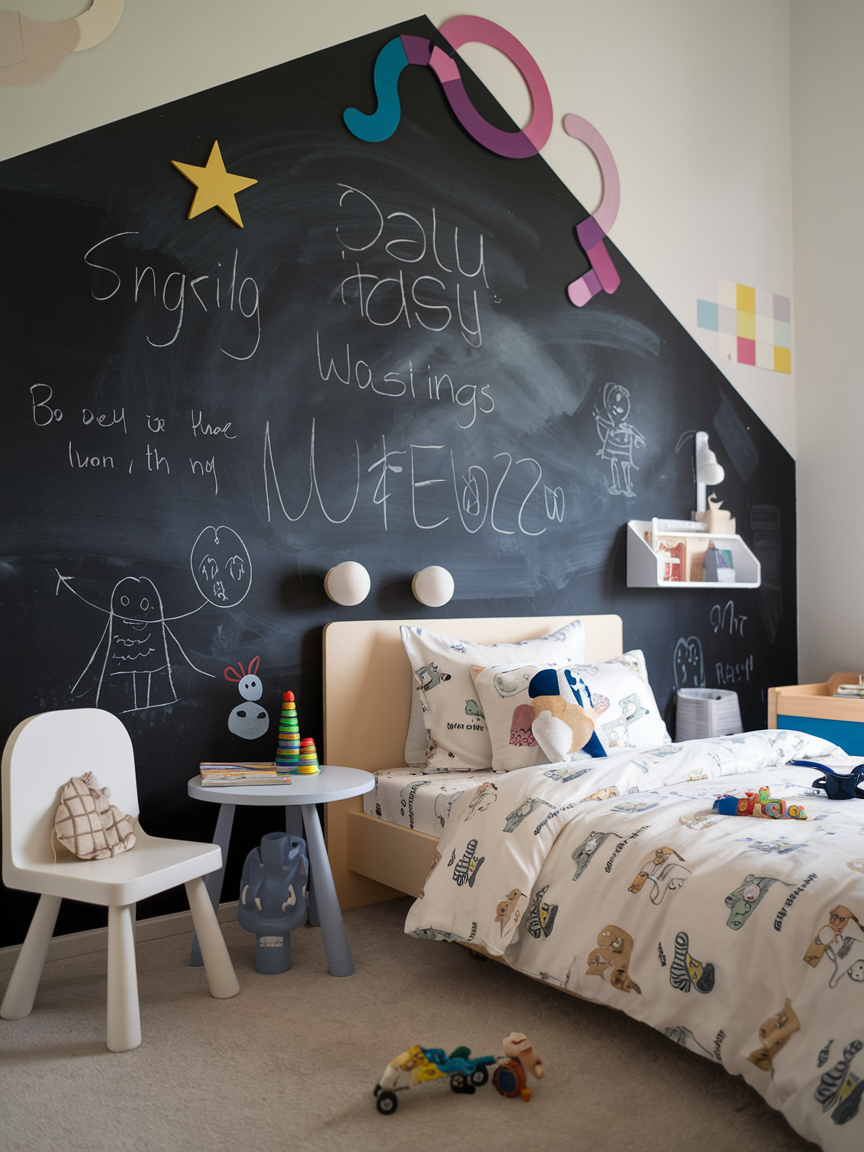
Walls can become an interactive and creative part of the room rather than just a backdrop. Chalkboard walls, whiteboard panels, or magnetic surfaces allow children to draw, write, and express themselves freely. These features encourage creativity while keeping the floor space clear of clutter. Interactive walls also provide an ever-changing canvas that can evolve with your child’s interests. By incorporating such elements, you transform vertical surfaces into functional play areas that inspire imagination, learning, and artistic expression in a fun and engaging way.
5. Flexible Open-Ended Toys and Modular Furniture
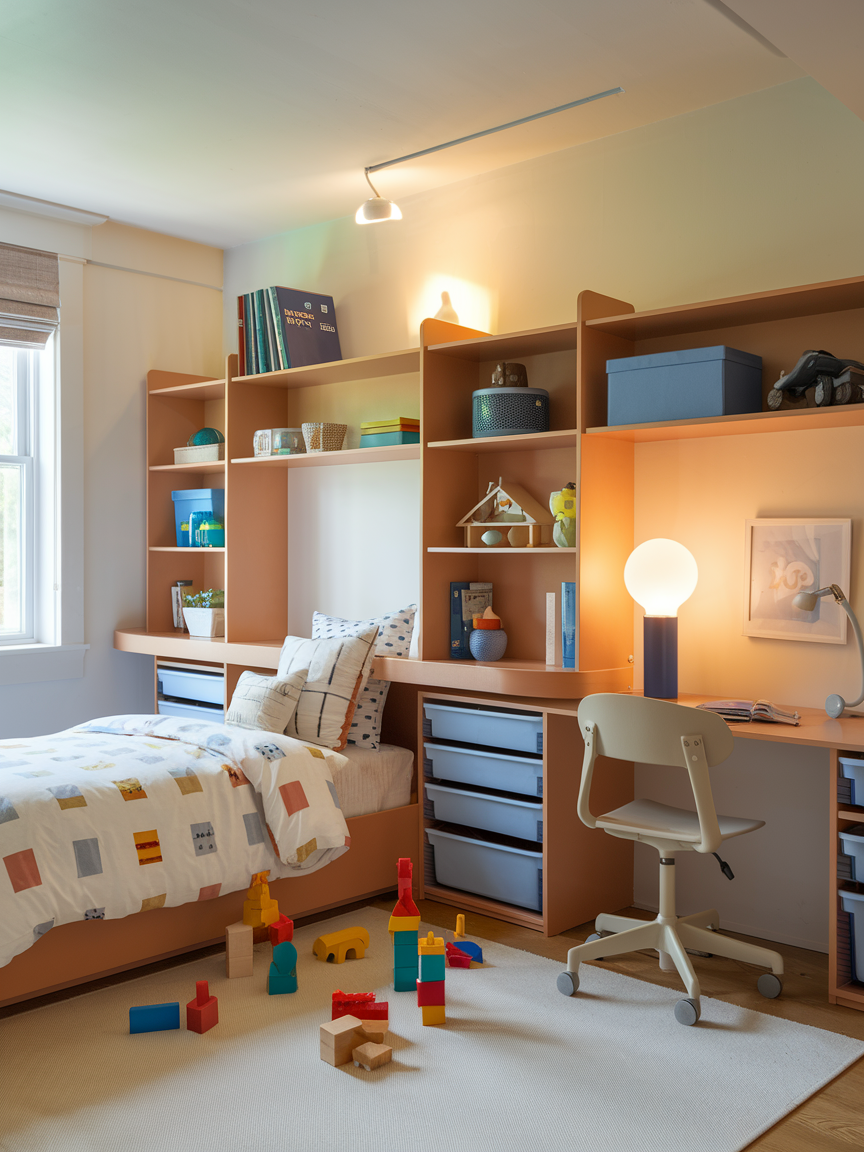
Open-ended toys and modular furniture support creativity, flexibility, and long-term usability. Items like building blocks, adjustable shelves, and multi-purpose furniture pieces allow children to rearrange and use them in different ways as their needs change. This adaptability encourages problem-solving, imagination, and independent thinking. Modular designs also ensure that the room can evolve alongside the child, reducing the need for frequent redesigns. By incorporating versatile elements, the bedroom remains functional, engaging, and future-proof while supporting both play and growth.
6. Multi-Level Beds
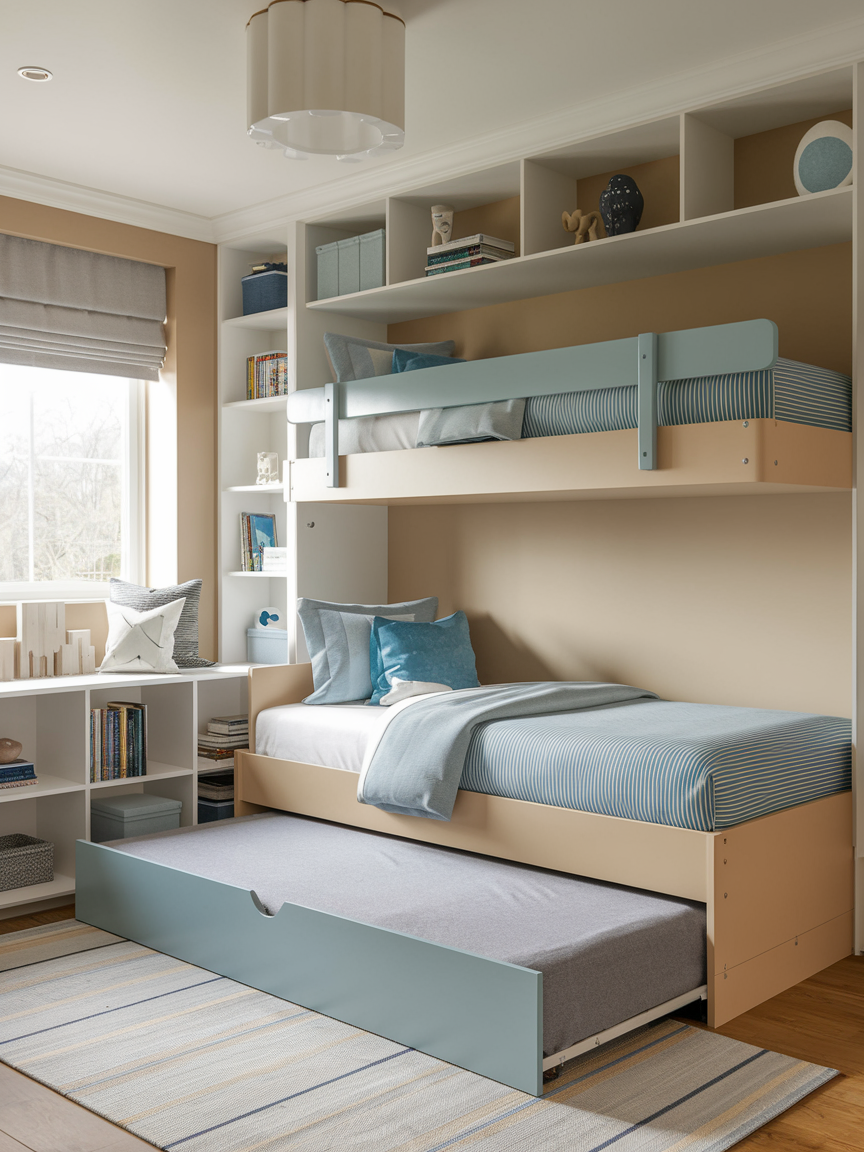
Multi-level bedding options such as bunk beds or trundle beds are ideal for shared rooms or sleepovers. These designs maximize floor space while adding a fun and adventurous element to the room. Children often enjoy the experience of climbing up to their bed or having a special elevated sleeping area. At the same time, these beds allow for efficient use of space by freeing up areas for play, study, or storage. With proper safety features and sturdy construction, multi-level bedding provides both excitement and practicality, making it a smart choice for growing families.
7. Open Display Shelving
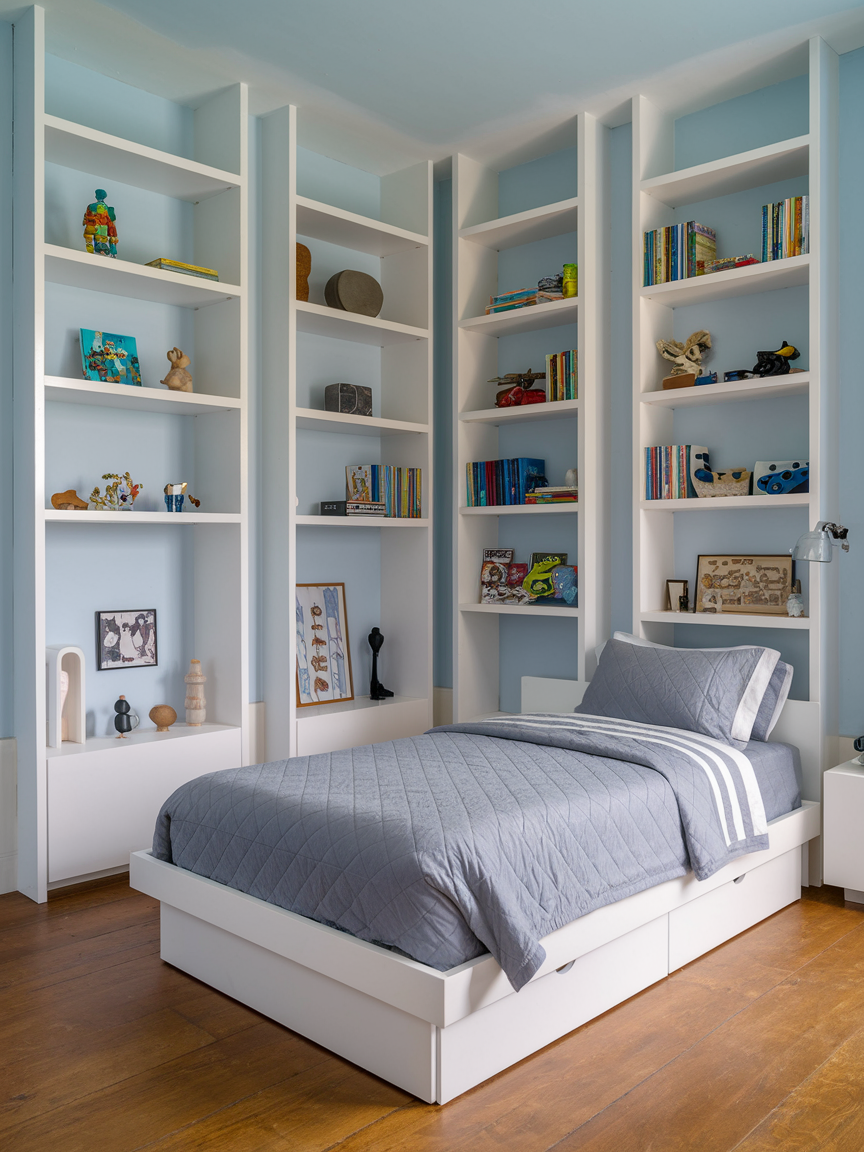
Display shelves are perfect for showcasing books, toys, collectibles, and personal treasures. Open shelving encourages organization while allowing children to see and access their favorite items easily. Arranging items neatly on shelves also helps develop a sense of responsibility and pride in maintaining their belongings. Shelves can be styled at different heights and combined with decorative elements to create a visually appealing arrangement. In addition to their practical function, display shelves contribute to the room’s personality, turning everyday objects into part of the decor.
8. Expressive and Playful Wall Art Displays
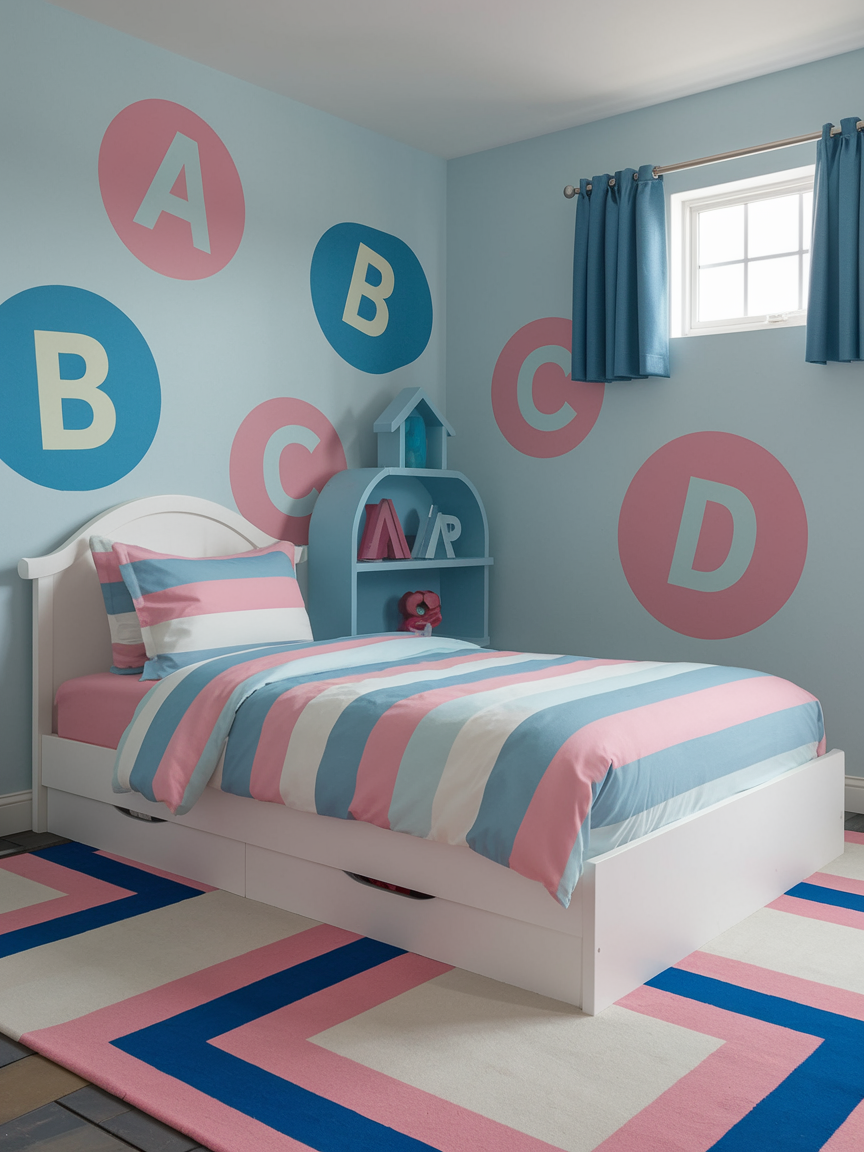
Wall art adds personality, color, and character to a child’s bedroom. Whether it’s framed prints, posters, illustrations, or murals, artwork can reflect your child’s interests, hobbies, or favorite themes. Rotating wall art over time allows the room to evolve as your child grows and their preferences change. Art can also serve as a source of inspiration, creativity, and visual stimulation. When thoughtfully chosen, wall art enhances the overall design of the room while making it feel lively, engaging, and uniquely tailored to the child’s personality.
9. Fun and Decorative Play Rugs
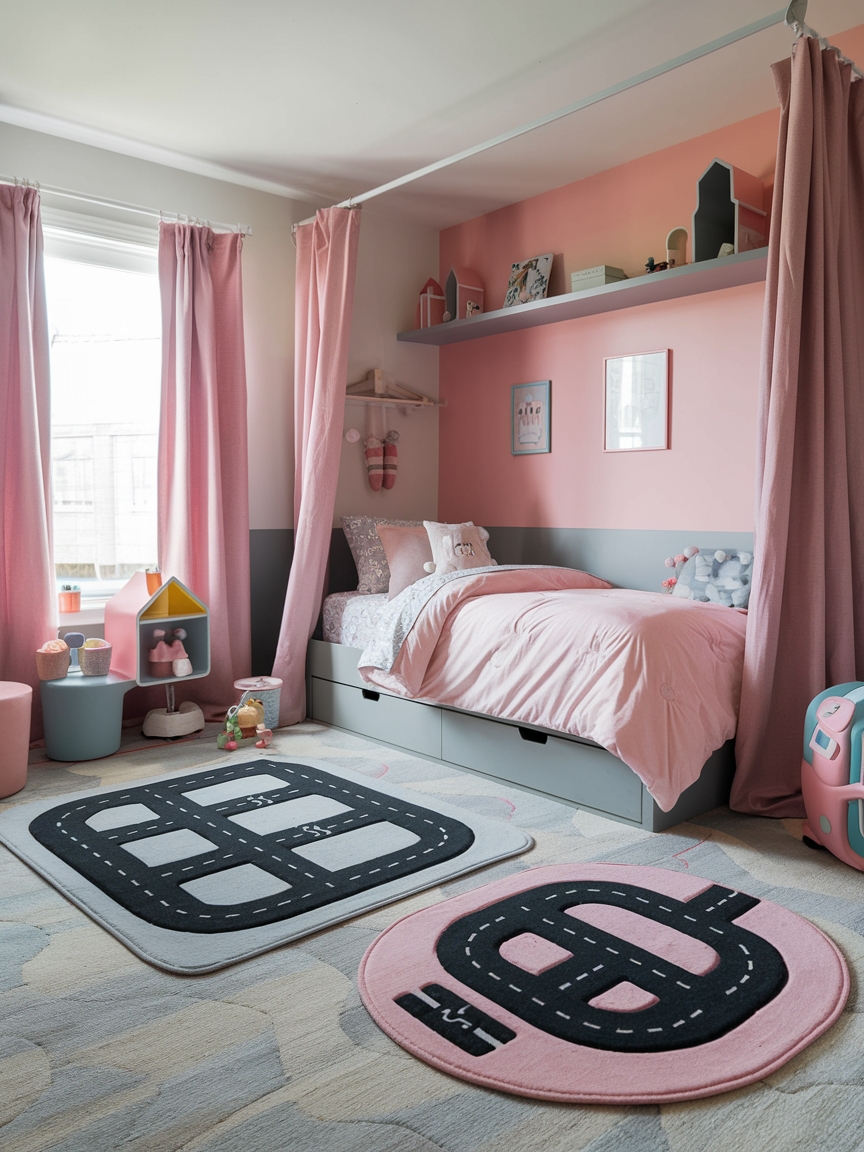
Rugs help define spaces within the bedroom while adding warmth, softness, and visual interest. For kids’ rooms, playful designs such as roads, animals, or abstract patterns can make the floor more engaging for playtime. Rugs also provide a comfortable surface for sitting, crawling, or lying down during activities. Beyond their functional benefits, they contribute to the overall aesthetic by tying together colors and furniture elements. A thoughtfully chosen rug enhances both the style and usability of the room, making it a cozy and inviting space for children.
10. Removable Wall Decals and Stickers
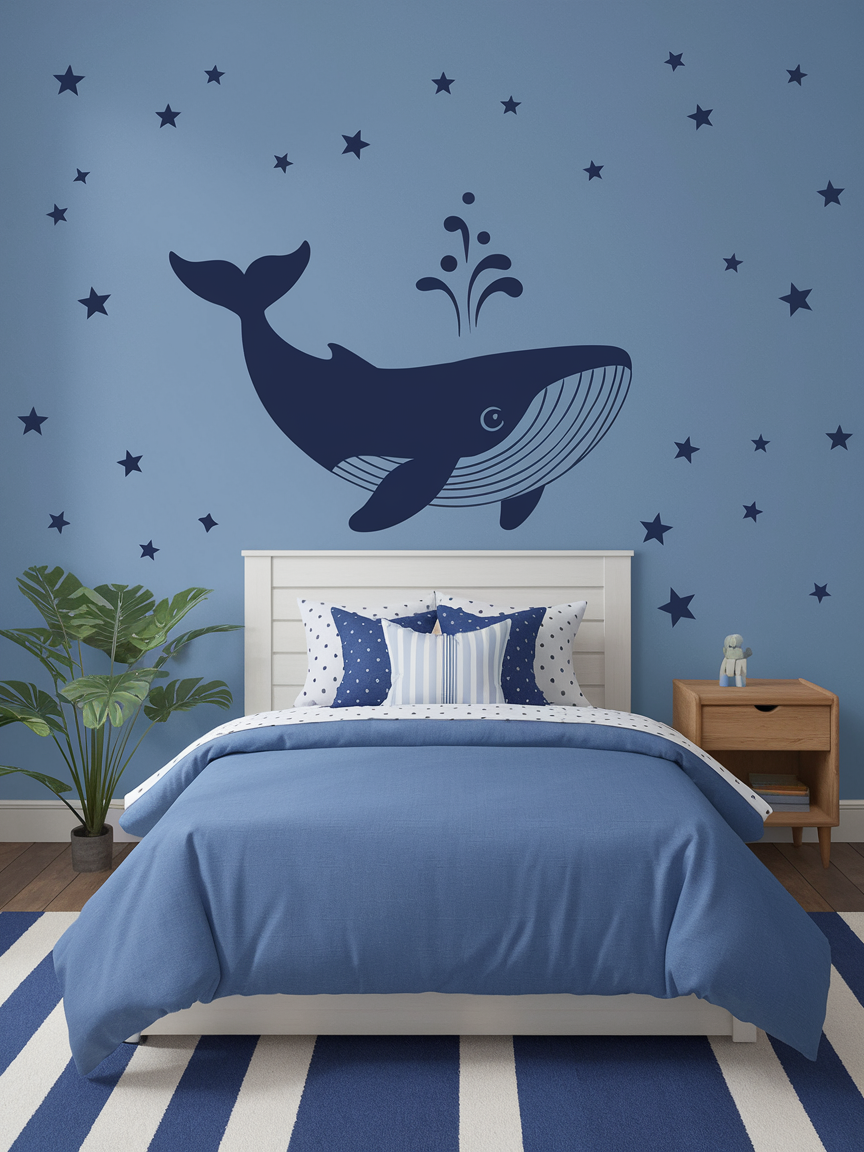
Wall decals and stickers offer a flexible and non-permanent way to decorate a child’s bedroom. They are easy to apply, reposition, and remove, making them ideal as your child’s interests evolve. From animals and stars to educational maps and favorite characters, decals add personality without requiring permanent changes. They are a great option for renters or for parents who want to refresh the room’s look over time. Wall decals bring color, charm, and creativity into the space while allowing for quick and affordable updates.
11. Dedicated Study and Homework Space
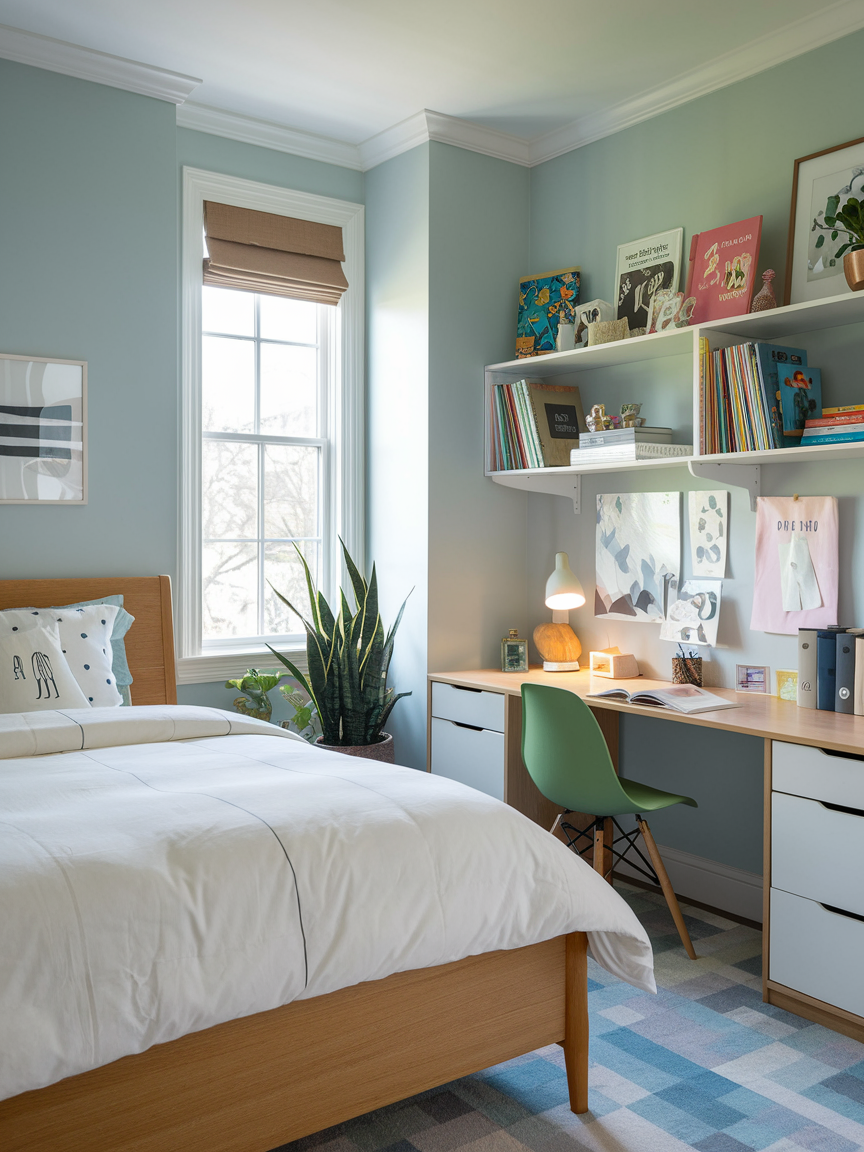
A designated study area helps children focus on schoolwork and develop productive habits. A simple desk paired with a comfortable chair and proper lighting creates a functional workspace within the bedroom. Organizing supplies with shelves, drawers, or containers keeps the area tidy and efficient. This dedicated zone helps separate study time from playtime, promoting discipline and balance. A well-designed study area supports learning while blending seamlessly into the playful atmosphere of the room, ensuring that functionality and comfort go hand in hand.
12. Themed Bedroom Decor That Sparks Imagination
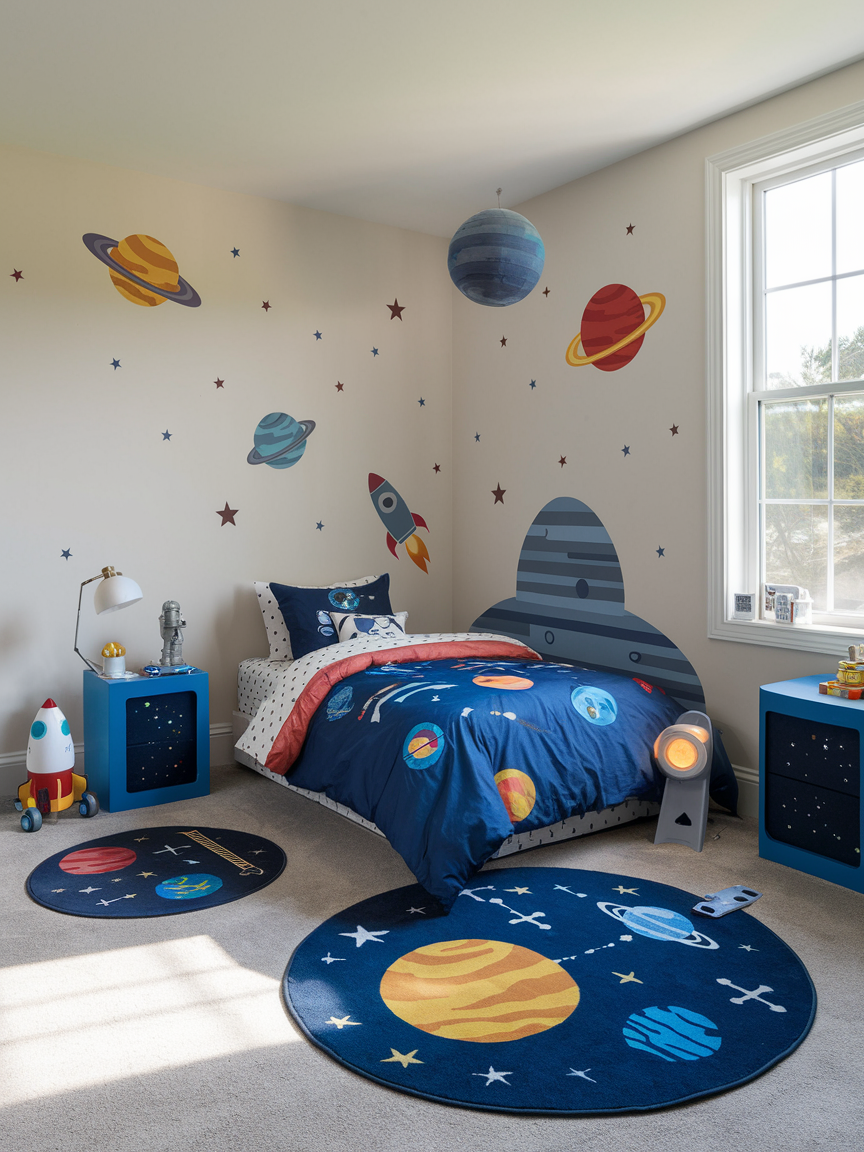
Themed bedrooms are a wonderful way to spark a child’s imagination and bring their interests to life. Whether it’s a space adventure, jungle safari, underwater world, or fairy tale setting, themed decor transforms the room into an immersive experience. You can incorporate the theme through wall decals, bedding, rugs, and decorative accessories that tie the concept together. Adding elements like tents, play props, or themed lighting enhances the storytelling aspect of the space. A cohesive theme not only makes the room visually engaging but also helps children feel a stronger connection to their environment, encouraging creativity and imaginative play on a daily basis.
13. Space-Saving Loft Beds with a Fun Twist
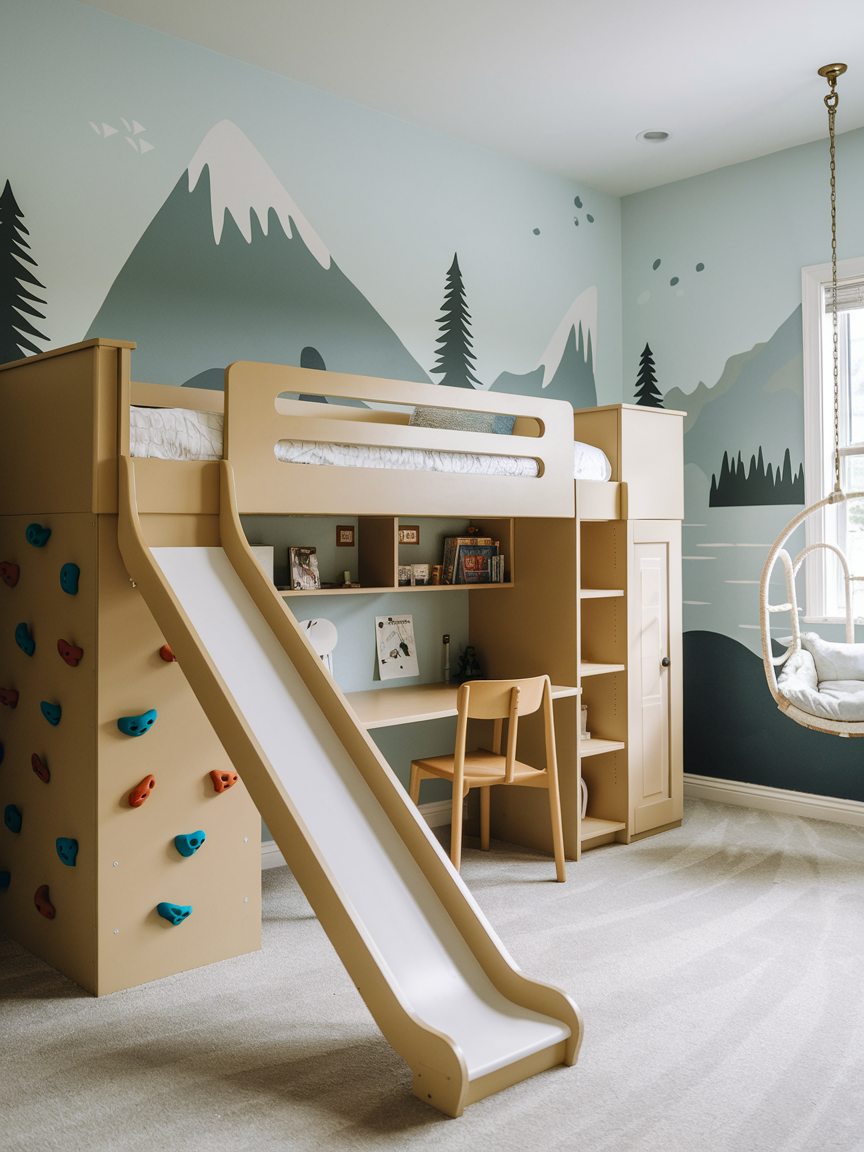
Loft beds are an excellent solution for maximizing vertical space while adding a sense of adventure to the room. By elevating the sleeping area, you free up valuable floor space underneath that can be used for a study desk, play zone, or additional storage. Some loft beds even include slides, ladders, or built-in shelving, making them both practical and exciting. This type of setup is especially beneficial for smaller bedrooms, where efficient use of space is essential. Loft beds combine functionality with playfulness, offering children a fun sleeping experience while helping parents maintain an organized and versatile layout.
14. Smart and Playful Storage Solutions
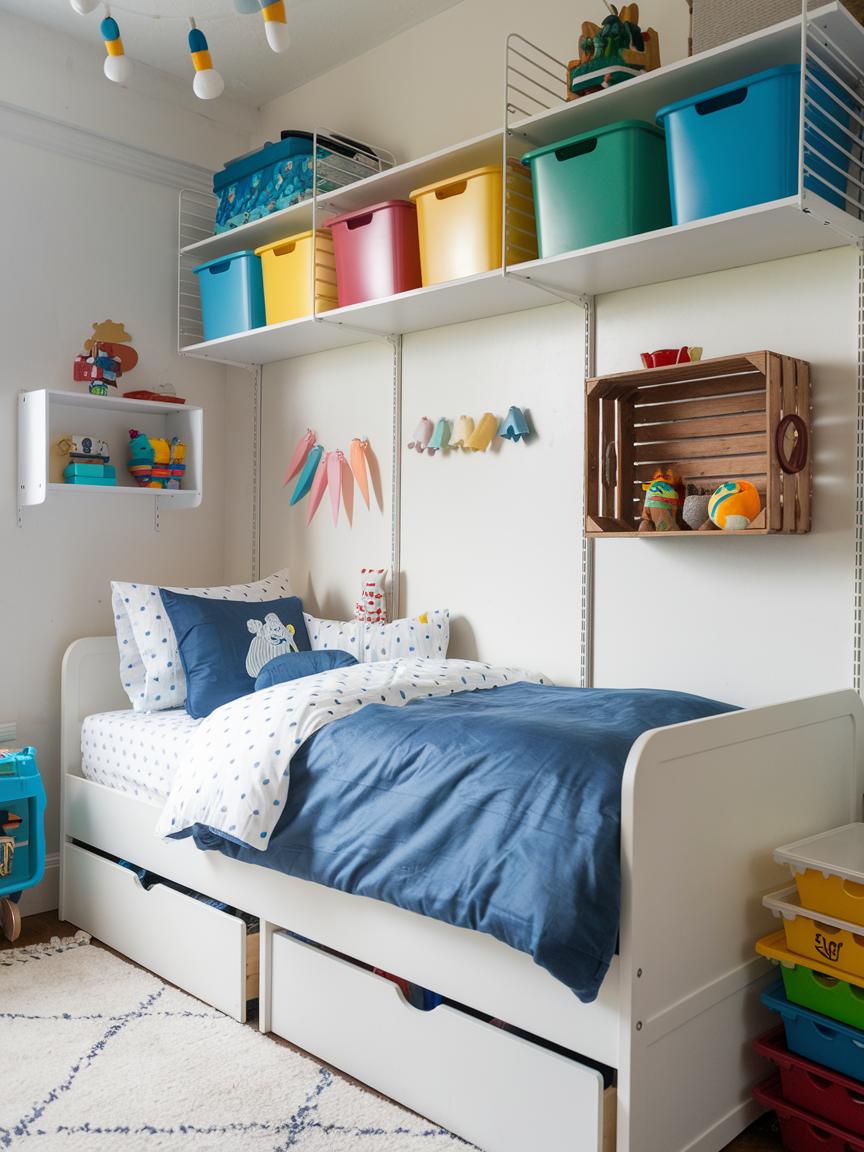
Effective storage is essential in a kids’ bedroom to keep clutter under control while maintaining a playful atmosphere. Options like toy bins, open shelves, under-bed drawers, and storage benches make organization simple and accessible. Color-coded containers or labeled baskets can help children learn where everything belongs, encouraging responsibility and independence. Multi-functional furniture that combines storage with seating or play surfaces is particularly useful in maximizing space. Thoughtful storage solutions ensure the room remains tidy and easy to navigate, while still supporting a lively and engaging environment where kids can play freely.
15. Personalized Decor
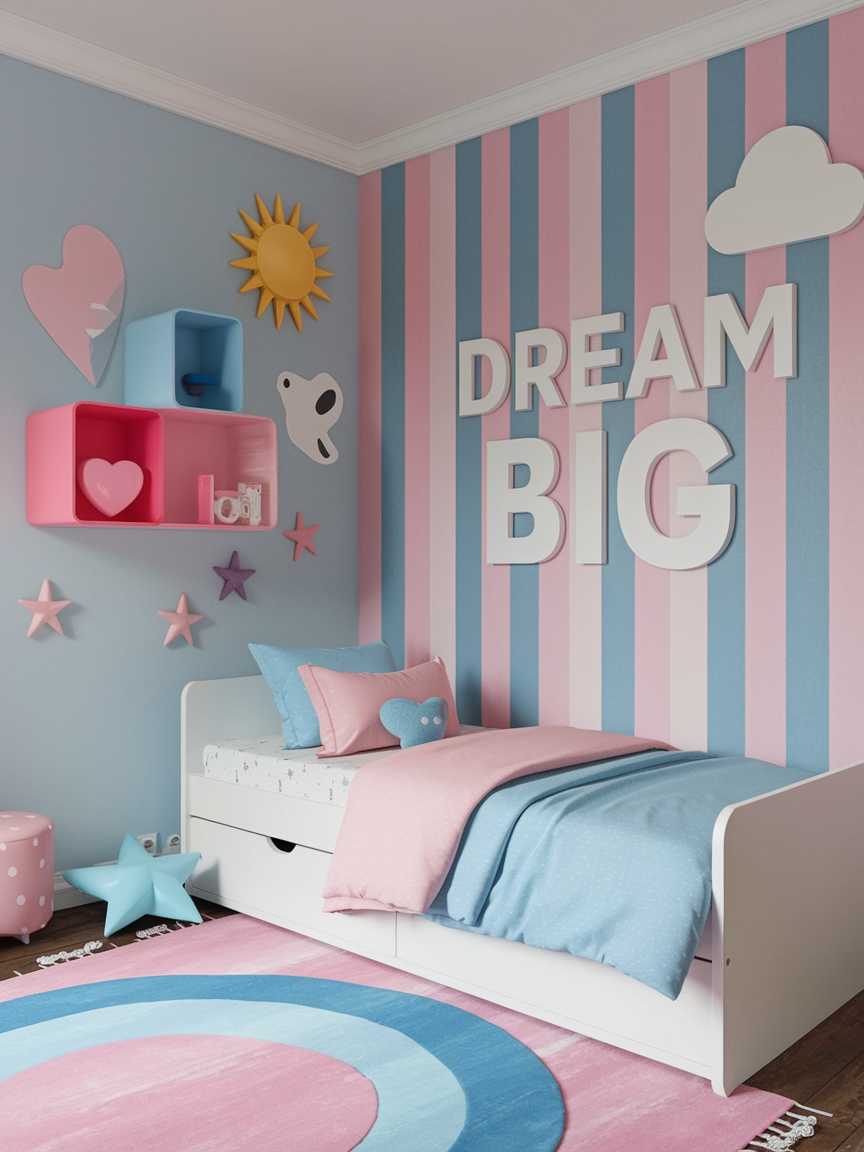
Personalized decor helps transform a child’s bedroom into a truly meaningful and unique space. Adding elements such as their name on the wall, custom artwork, monogrammed bedding, or framed photos creates a sense of ownership and identity. These personal touches make the room feel special and tailored specifically to the child’s personality and preferences. Beyond aesthetics, personalization also fosters emotional connection and pride in their space, encouraging children to take better care of their belongings. When a room reflects who they are, it becomes more than just a bedroom, it becomes a comforting environment where they feel recognized, valued, and at home.
16. Soft and Layered Lighting Options
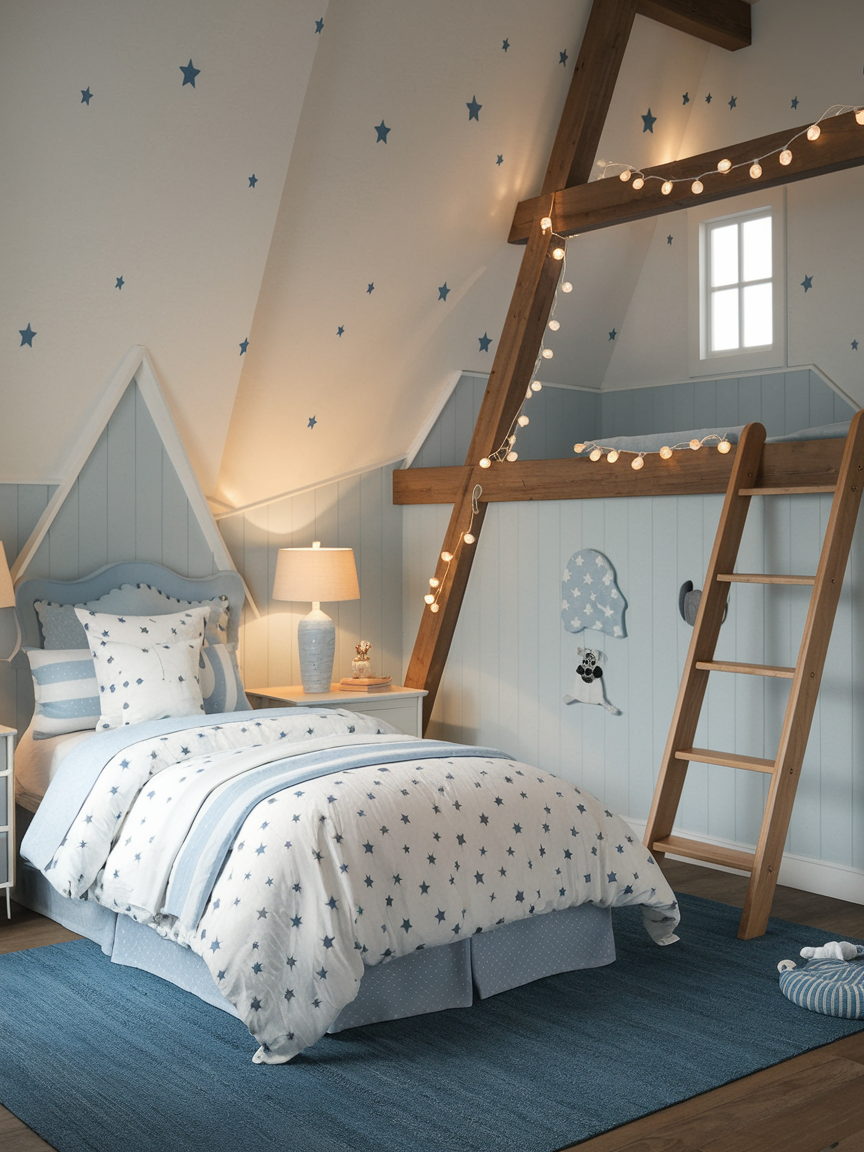
Lighting plays a crucial role in setting the mood of a kids’ bedroom, and soft, adjustable lighting creates a comfortable and calming atmosphere. Options such as bedside lamps, dimmable ceiling lights, fairy lights, or wall sconces allow flexibility depending on the time of day and activity. Bright lighting is useful for studying or playing, while softer lighting helps signal bedtime and relaxation. Warm-toned bulbs are especially effective in creating a cozy ambiance. Thoughtfully layered lighting not only enhances the functionality of the space but also adds a gentle, soothing quality that helps children feel safe and comfortable in their room.
17. Multi-Functional Storage Seating Ideas
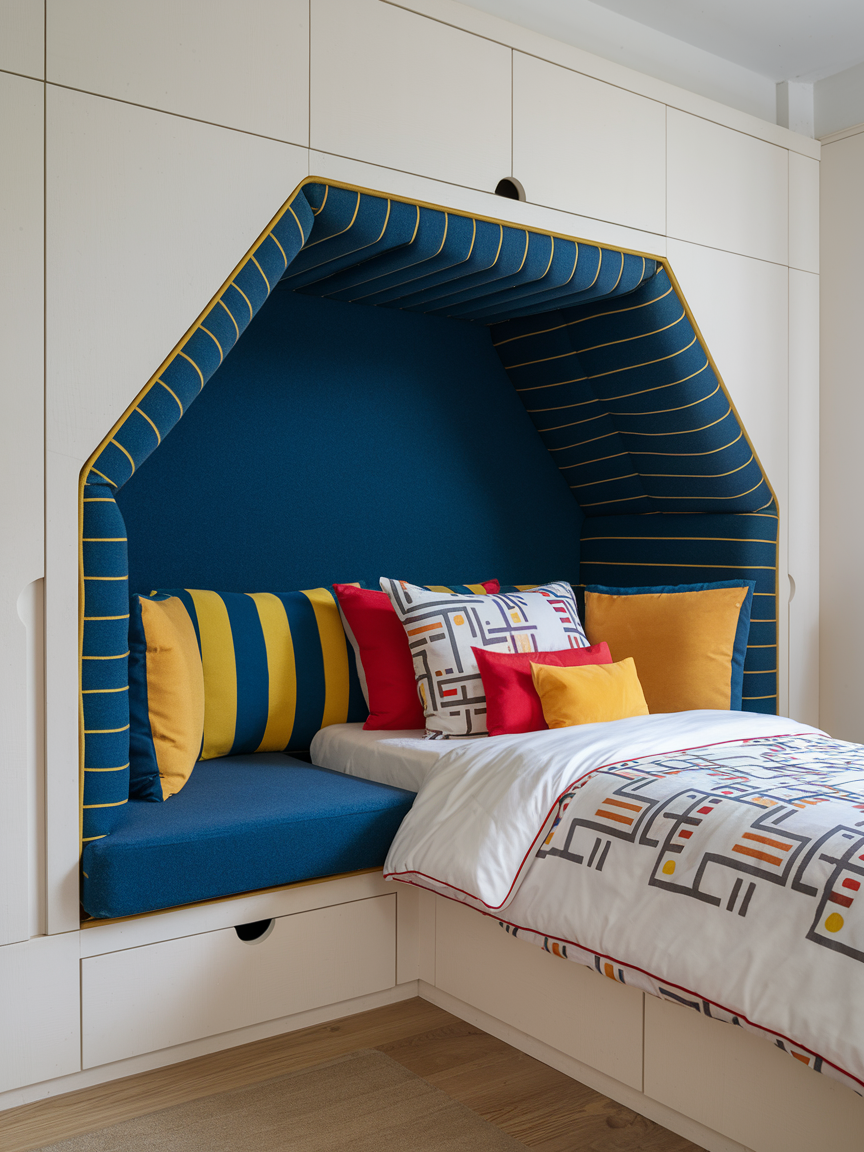
Storage seating is a smart and stylish solution that combines functionality with comfort. Items like benches, ottomans, or window seats with hidden compartments provide extra storage space for toys, books, or blankets while also serving as seating areas. This dual-purpose furniture helps reduce clutter and makes the room more organized without sacrificing usable space. Children can easily access their belongings, encouraging independence and tidiness. At the same time, these pieces add to the overall design of the room, blending seamlessly with the decor while offering practical everyday use.
18. Defined and Engaging Play Zones
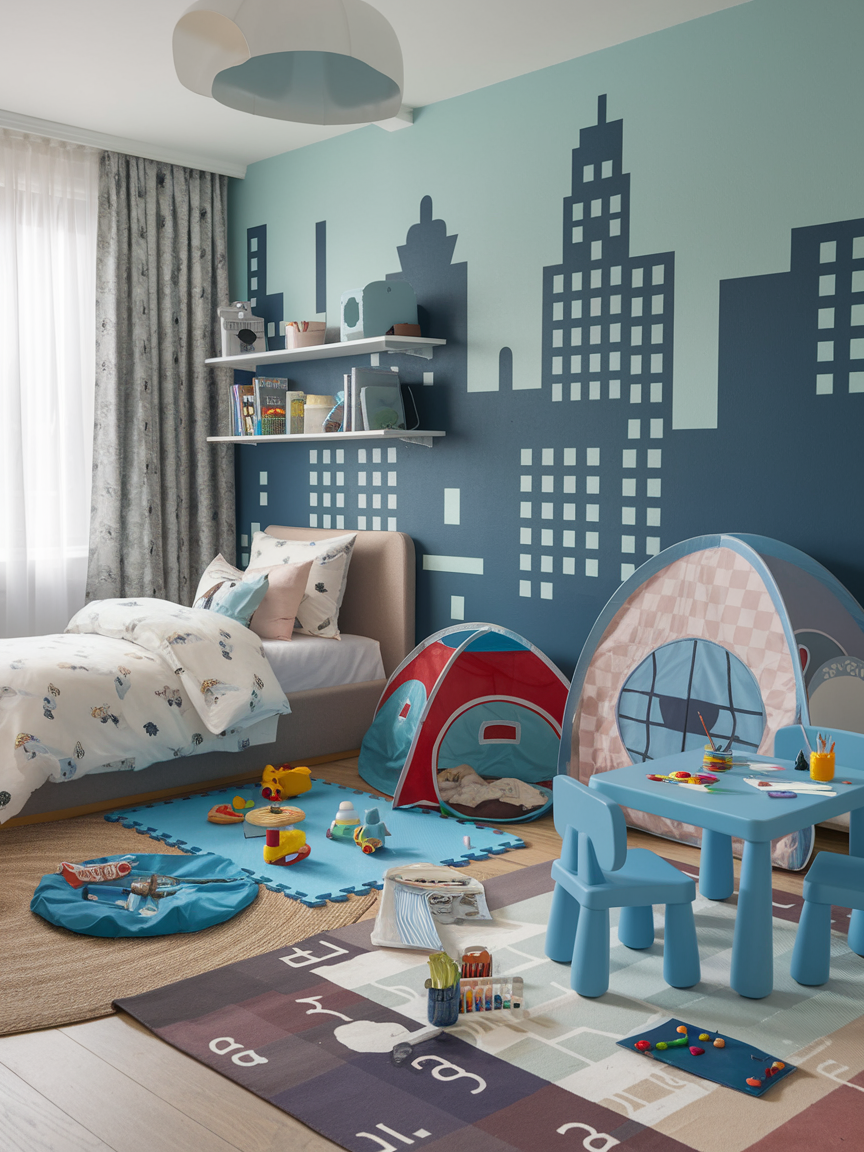
Creating a dedicated play zone within the bedroom helps organize activities and keeps the space structured. This area can include soft mats, small tables, tents, or play furniture where children can engage in imaginative games, crafts, or building activities. Clearly defined zones help separate play from rest, making the room feel more organized and purposeful. A well-designed play area also encourages creativity and focus, giving children a space where they can fully immerse themselves in their activities. It enhances both functionality and enjoyment while keeping the rest of the room neat and balanced.
19. Vertical Hanging Storage Solutions
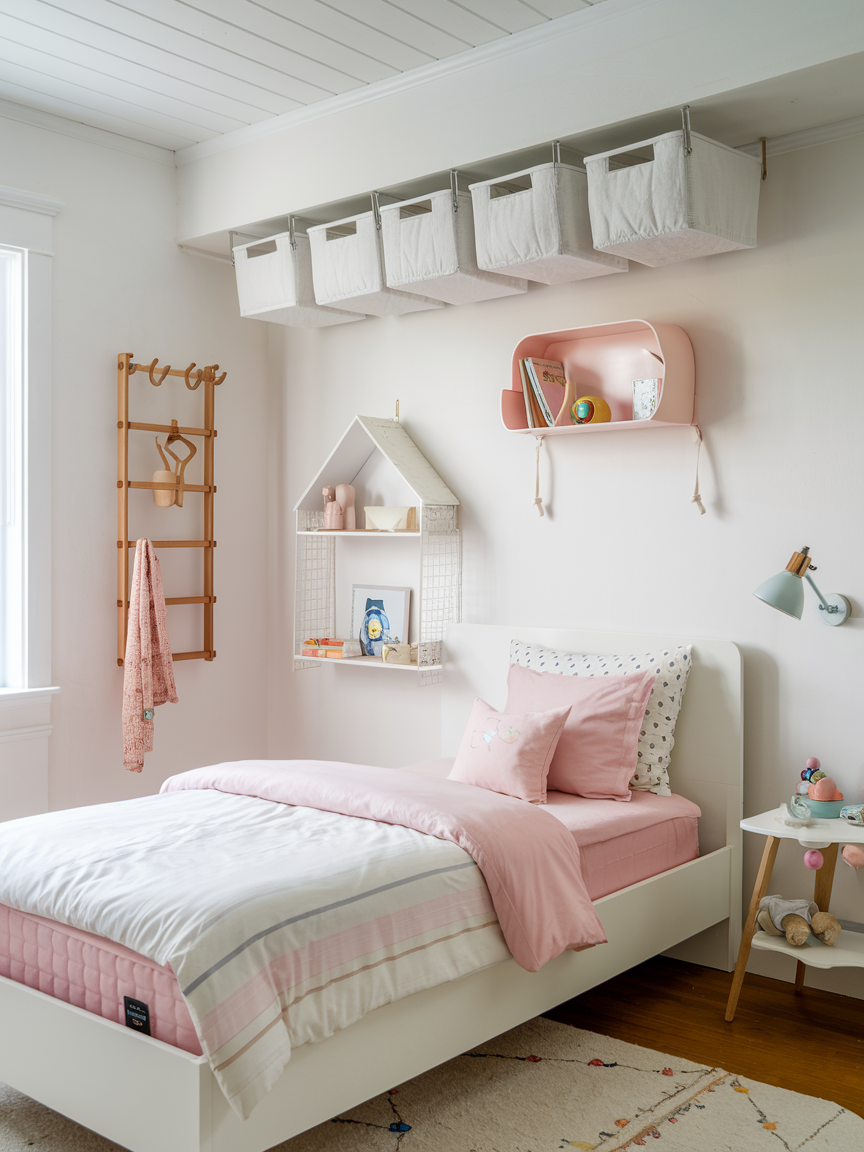
Hanging storage is an excellent way to maximize vertical space while keeping items accessible and organized. Wall-mounted shelves, hooks, baskets, and pegboards can be used to store toys, books, clothing, or accessories. These solutions free up floor space, making the room feel more open and less cluttered. Colorful or uniquely shaped storage pieces can also contribute to the room’s playful aesthetic. Hanging storage encourages children to keep their belongings in order while adding visual interest to the walls, making the bedroom both practical and visually engaging.
20. Decorative and Whimsical Lighting Fixtures
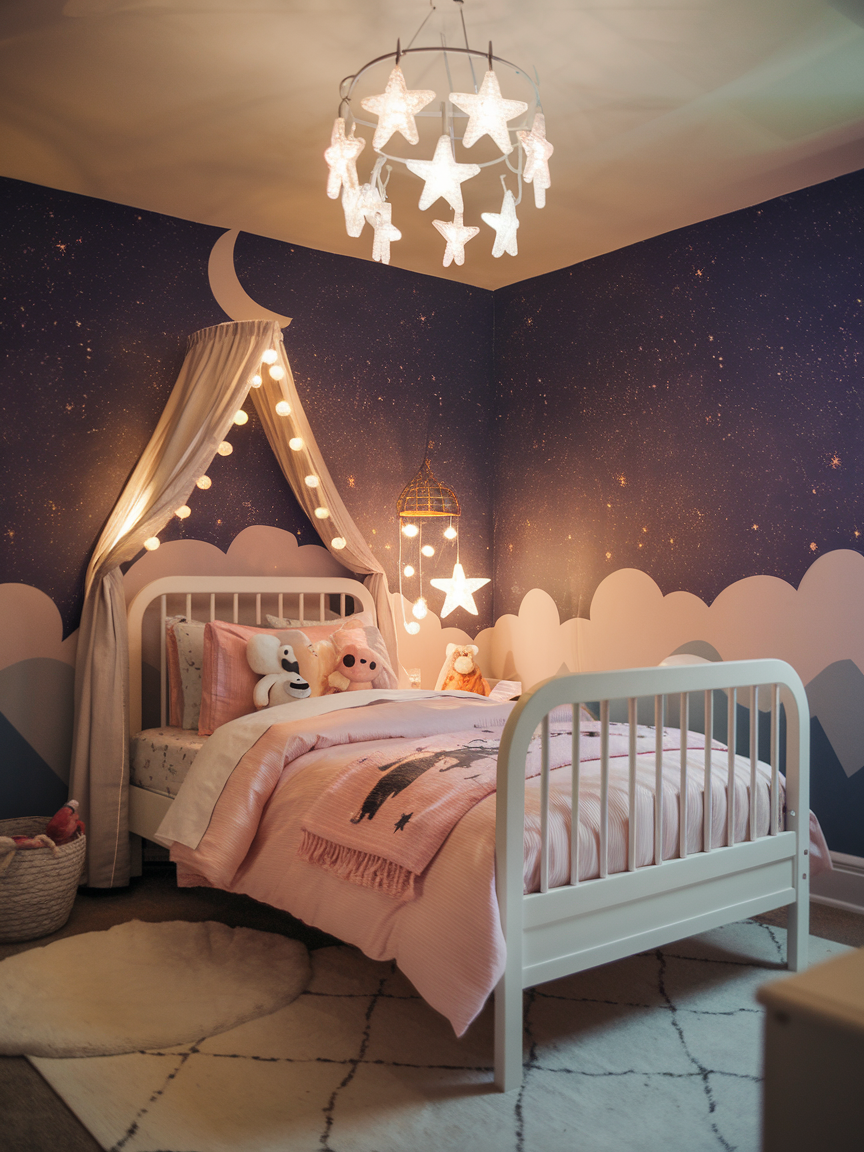
Lighting fixtures can be both functional and decorative, adding personality and charm to a child’s bedroom. Unique designs such as cloud-shaped lights, star-themed fixtures, or colorful pendants can enhance the playful atmosphere of the room. These elements serve as visual focal points while providing necessary illumination. Fun lighting fixtures contribute to the overall theme and mood of the space, making it more engaging and visually appealing. By combining creativity with practicality, lighting becomes an integral part of the room’s design rather than just a utility.
21. Safe and Interactive Indoor Play Equipment
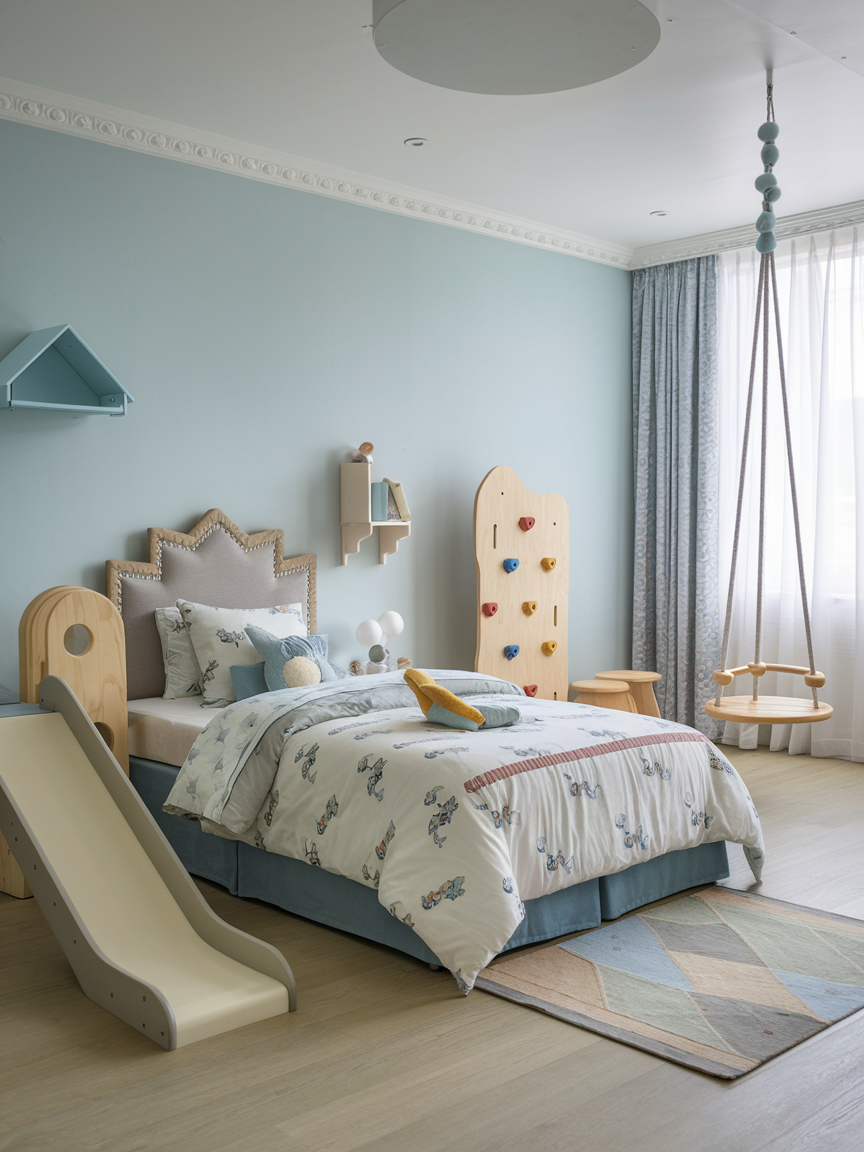
Incorporating safe play equipment such as climbing walls, slides, or swing chairs can turn a bedroom into an active and exciting environment. These features encourage physical activity, coordination, and imaginative play while staying within a controlled indoor setting. Safety should always be a priority, with sturdy materials, proper installation, and age-appropriate designs. Play equipment adds an adventurous element to the room, making it more interactive and enjoyable while supporting a child’s physical and creative development.
22. Dedicated Artwork Display and Gallery Area
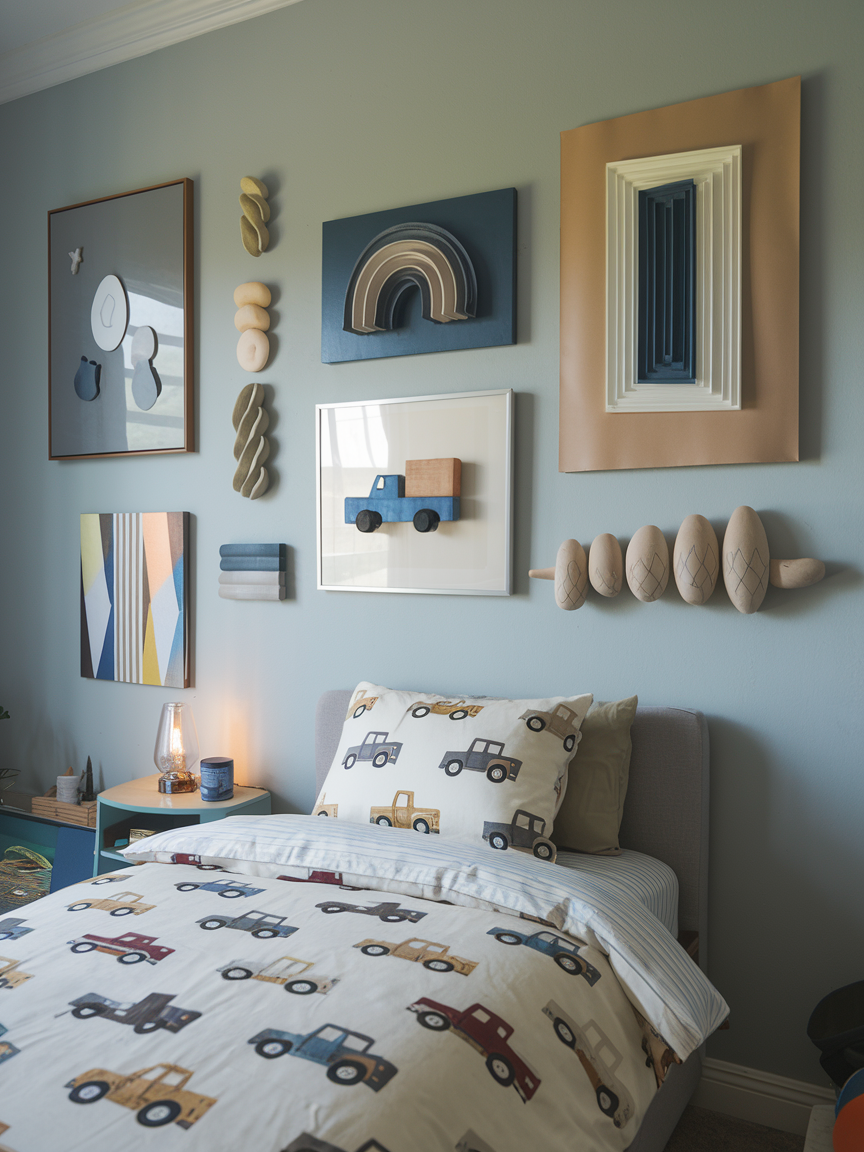
Creating a dedicated display for your child’s artwork is a meaningful way to celebrate their creativity. Whether through a gallery wall, clipboards, frames, or hanging systems, showcasing their creations adds a personal and evolving element to the room. Rotating artwork regularly keeps the display fresh and allows new pieces to be featured over time. This not only personalizes the space but also encourages children to continue expressing themselves artistically. Displaying their work fosters confidence and pride while adding color and individuality to the bedroom.
23. Layered Textures with Soft Furnishings
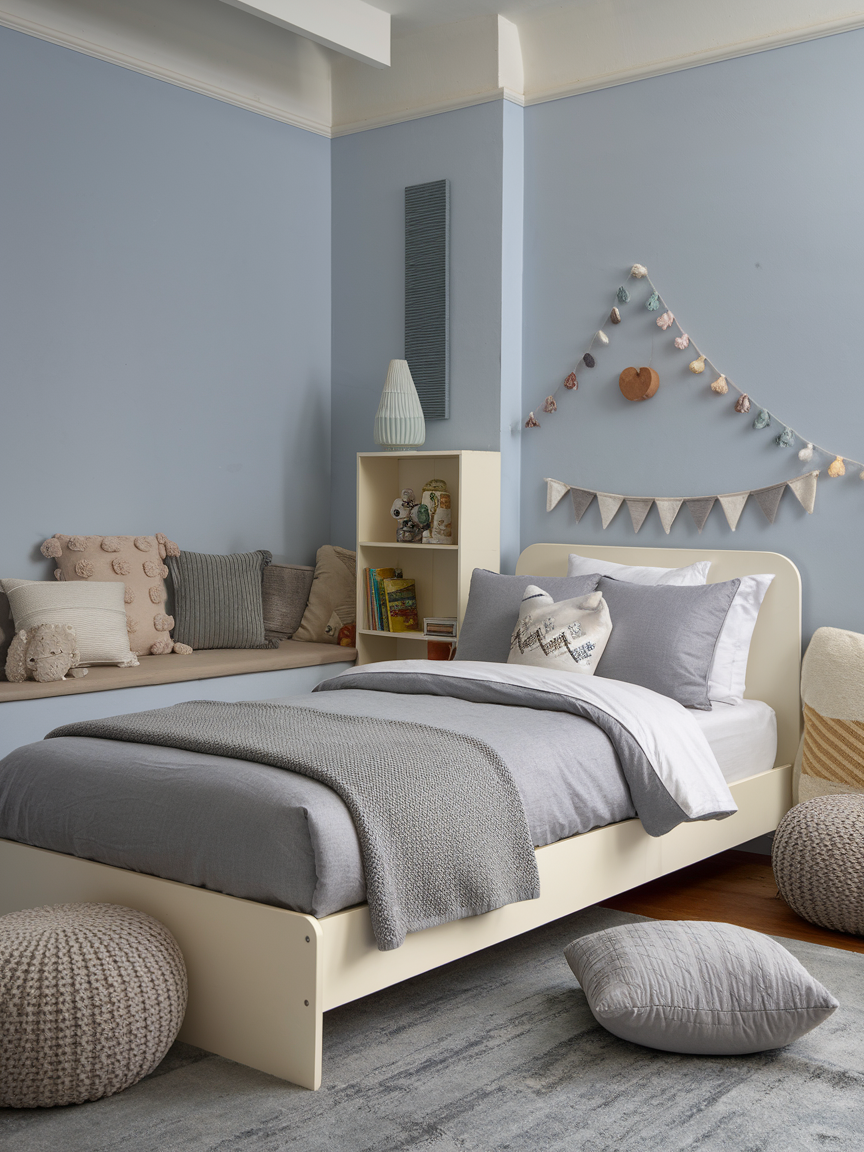
Incorporating a variety of textures through fabrics and soft furnishings adds depth, comfort, and warmth to the room. Items such as rugs, cushions, blankets, curtains, and upholstered furniture contribute to a cozy and inviting atmosphere. Mixing materials like cotton, wool, knit, and linen creates tactile interest while maintaining visual harmony. Soft furnishings also allow for easy updates to the room’s look through simple swaps of colors or patterns. This layering of textures enhances both the aesthetic appeal and comfort level of the space, making it feel more engaging and relaxing for children.
24. Immersive and Creative Wall Murals
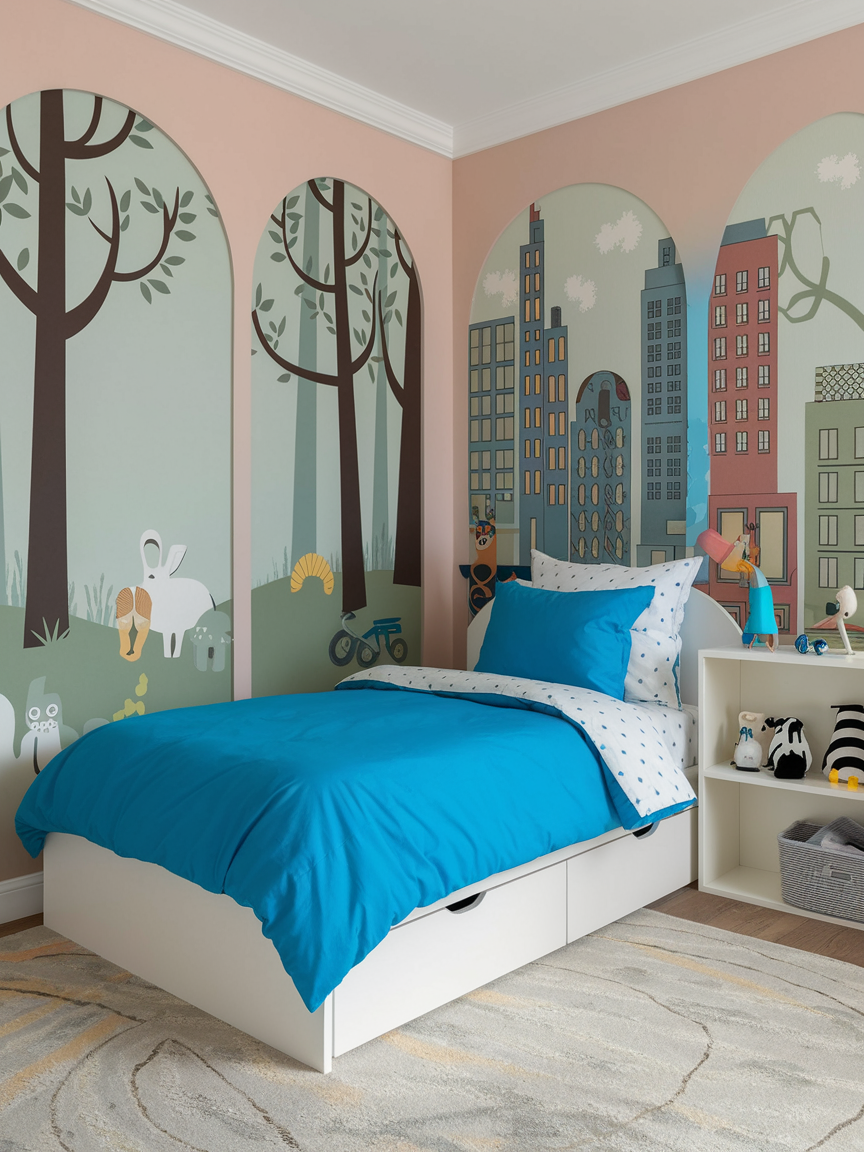
Wall murals are a bold and imaginative way to transform a child’s bedroom into an immersive environment. Whether depicting nature scenes, outer space, fantasy worlds, or abstract designs, murals bring walls to life and create a strong visual focal point. They can stimulate creativity and storytelling while eliminating the need for excessive decor. Murals also help define the room’s theme and atmosphere, making the space feel cohesive and thoughtfully designed. By incorporating large-scale artwork directly onto the walls, you create a unique and memorable environment that encourages imagination and exploration.
25. Durable and Easy-to-Clean Room Surfaces
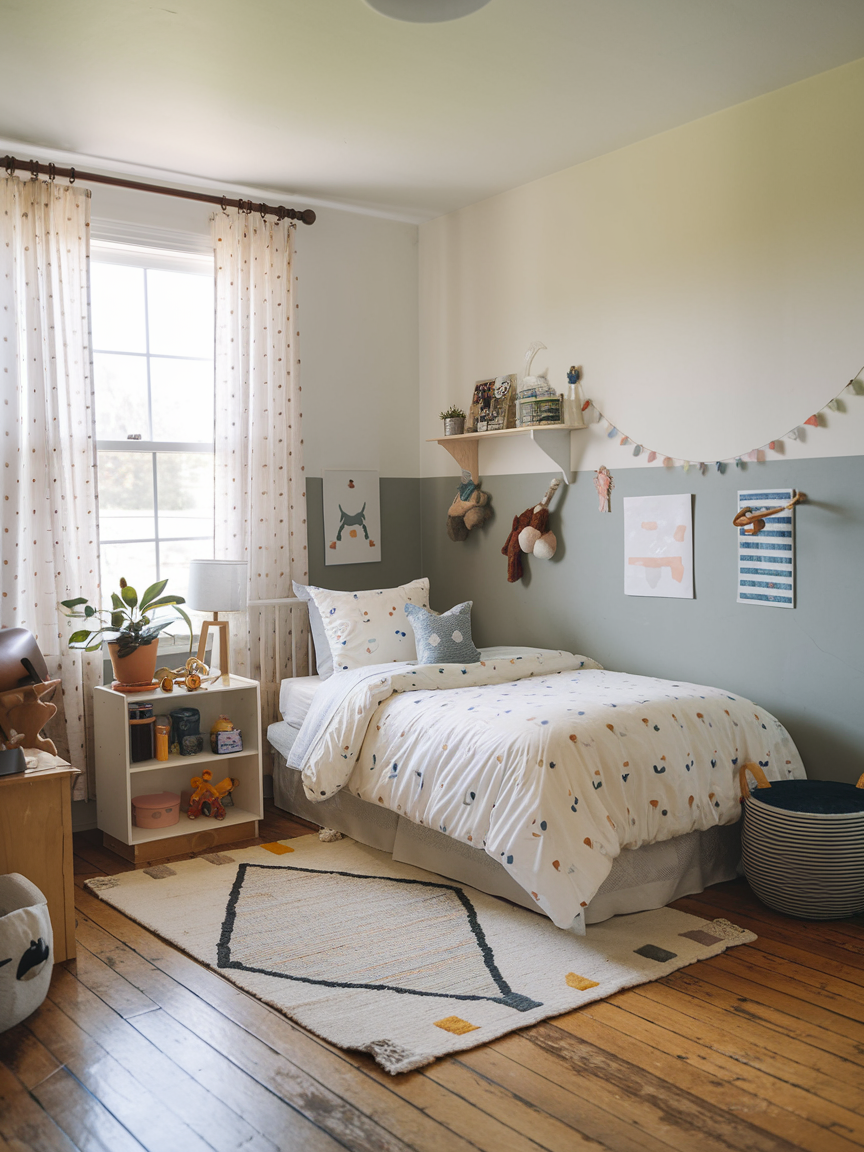
Kids’ bedrooms benefit greatly from surfaces that are easy to clean and maintain. Durable flooring options like hardwood, laminate, or vinyl, along with washable wall paint and stain-resistant fabrics, help manage everyday messes. Incorporating rugs or mats that can be cleaned easily adds another layer of practicality. These choices ensure that spills, dirt, and wear and tear can be handled without stress. By prioritizing easy-to-clean materials, you create a space that remains fresh and tidy while still allowing children the freedom to play and explore comfortably.
26. Spaces Designed for Personal Growth and Hobbies
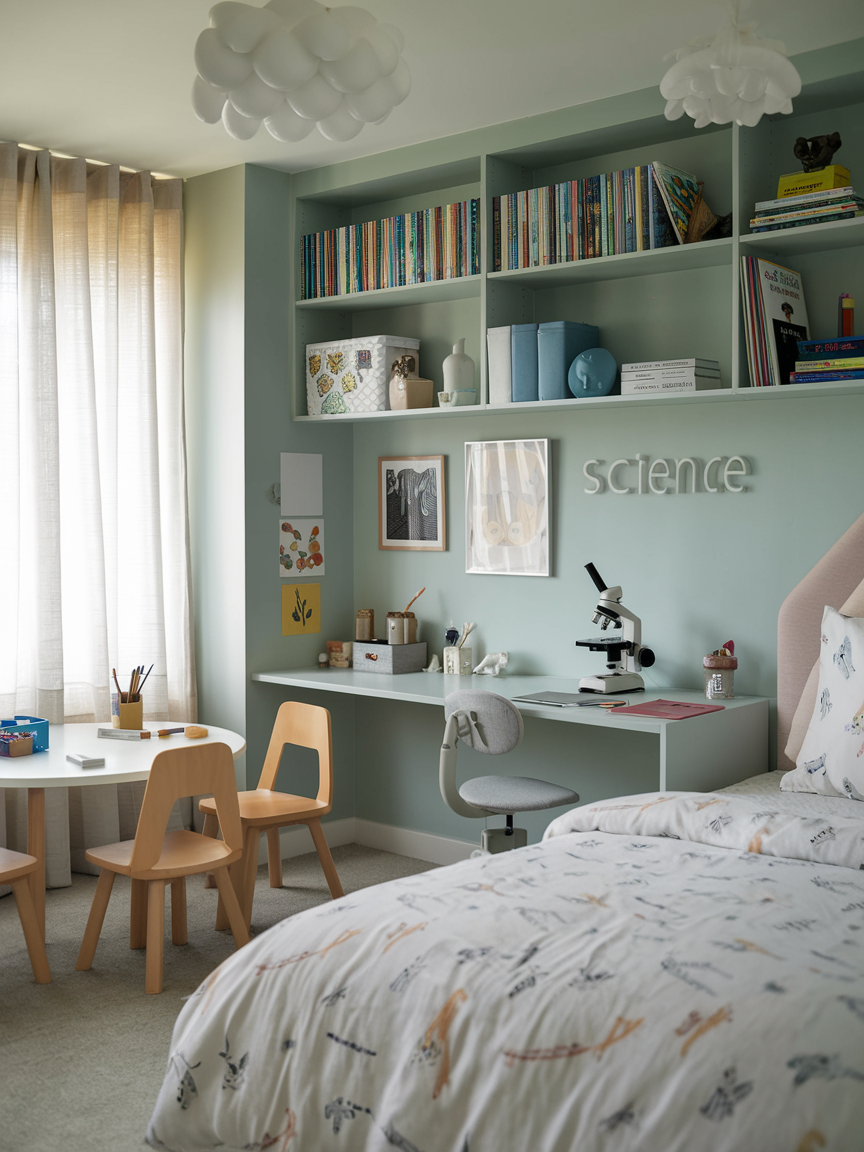
Designing areas that support personal growth helps children develop skills and explore new interests. This could include a craft station, music corner, reading area, or small hobby desk. These dedicated zones encourage creativity, learning, and independence within the comfort of their bedroom. Providing space for growth-oriented activities helps children build confidence and discover their passions. At the same time, these areas integrate seamlessly into the overall room design, ensuring that the bedroom remains both functional and inspiring as the child matures.
* These 26 kids’ bedroom design ideas demonstrate how to thoughtfully combine playfulness with comfort, creating a space that supports both imagination and everyday living. By balancing creative elements with practical solutions, you can design a room that feels joyful, functional, and enduring—an environment where children can rest, learn, and play with ease for years to come.