Designing a living room that feels like a calm oasis can sometimes feel like a challenge. You want a space that’s stylish, functional, and inviting, yet uncluttered and soothing at the same time. Japandi design offers the perfect solution. This beautiful fusion of Japanese minimalism and Scandinavian warmth creates spaces that are clean, balanced, and effortlessly serene. Every element is intentional, from natural materials and muted tones to simple furniture and thoughtful decor, resulting in a living room that encourages relaxation and mindfulness.
The beauty of Japandi lies in its focus on simplicity and harmony. Soft textures, subtle color palettes, and carefully chosen accents transform the living room into a space that feels warm without feeling busy. Natural woods, stone surfaces, and cozy textiles work together to create an environment that’s both functional and calming. This style encourages you to clear out the unnecessary, highlight what truly matters, and create a room that feels open, airy, and restorative.
In this post, I’m sharing 26 Japandi living room design ideas that will help you craft a tranquil retreat in your home. Let’s explore these tips together so you can create a space that is both beautiful and practical, allowing you to relax, recharge, and enjoy a serene atmosphere every day.
1. Neutral Color Palette

Japandi style thrives on soft, neutral tones like beige, taupe, cream, and muted grays. These colors form a calming backdrop, allowing natural textures and minimalist furniture to shine. Instead of vibrant hues, consider subtle pops of muted greens or deep blues for accent pieces. A neutral palette instantly makes the room feel open, airy, and serene, while giving you the flexibility to layer textures and patterns without overwhelming the senses. Choosing natural materials like linen, cotton, and wood enhances the soothing vibe, creating a space where every corner feels thoughtfully curated yet effortlessly comfortable.
2. Natural Wood Furniture

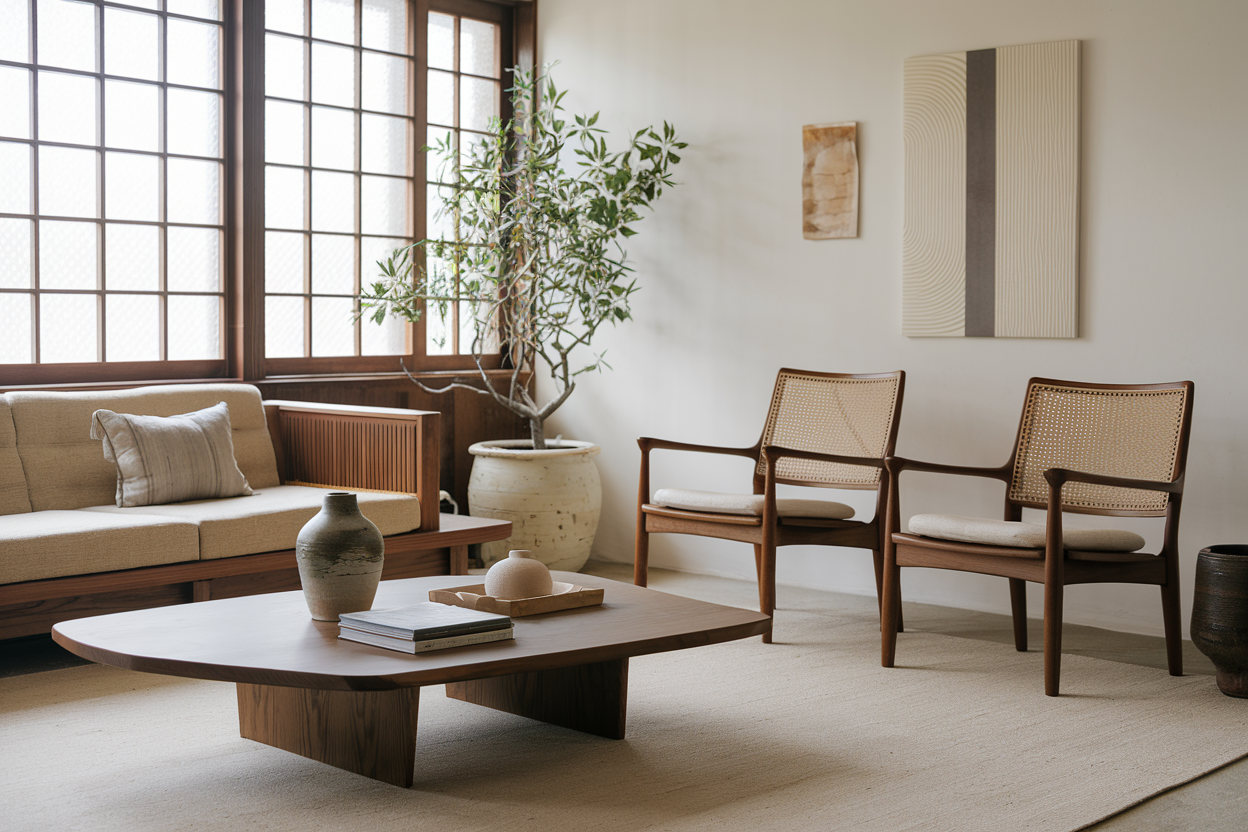
Wood is a cornerstone of Japandi living rooms, bringing warmth and grounding the space. Opt for light Scandinavian woods like oak or ash, paired with darker Japanese-inspired accents such as walnut or teak. Low-profile furniture, including sofas, coffee tables, and media units, emphasizes simplicity and functionality. The natural grain and imperfections in the wood add texture and visual interest without cluttering the room. Investing in high-quality, timeless pieces ensures your living room remains stylish for years to come while keeping the calm, minimalist aesthetic intact.
3. Minimalist Sofas

Select a sofa with clean lines, subtle curves, and neutral upholstery. Avoid overly ornate designs or bulky forms that take over the space. Low-profile seating is typical in Japandi design, promoting a sense of openness and tranquility. You can layer the sofa with soft, textured cushions in muted tones to create comfort without clutter. The right minimalist sofa serves as a centerpiece while allowing other natural elements like wooden tables or woven rugs to complement the design seamlessly.
4. Low Coffee Tables

Low wooden coffee tables are both functional and visually light, keeping the room grounded and airy. Consider rectangular, round, or organically shaped tables in natural finishes that highlight the grain. A low table encourages a relaxed, communal seating arrangement and mirrors Japanese floor-level aesthetics. Decorate minimally with a small ceramic vase, a candle, or a stack of books to maintain a sense of calm. This subtle approach keeps surfaces uncluttered, reinforcing the serene, uncluttered ambiance that Japandi spaces are known for.
5. Woven Textiles

Incorporate woven rugs, throws, or cushions to add tactile warmth and texture. Materials like wool, jute, or linen fit seamlessly into Japandi interiors. Natural patterns, subtle stripes, or geometric shapes can complement the minimalist vibe without drawing too much attention. Layering textiles adds visual depth and comfort, creating a cozy atmosphere perfect for relaxing with family or enjoying a quiet moment alone. These soft textures balance the clean lines of furniture, preventing the room from feeling too stark or impersonal.
6. Indoor Greenery

Plants bring life and freshness into a Japandi living room, grounding the natural aesthetic. Select low-maintenance options like ficus, rubber plants, or bonsai trees to avoid clutter. Simple ceramic or clay pots in neutral tones keep the look clean and cohesive. Position greenery strategically near seating areas or windows to add height, softness, and a sense of tranquility. The right plants contribute to both aesthetics and air quality, reinforcing the connection to nature that is central to Japandi design.
7. Shoji Screens

Traditional Japanese shoji screens make stylish partitions that diffuse light and add privacy. Their delicate wooden lattice and paper panels introduce subtle texture and architectural interest. Use them to divide a living area from a dining nook or to create a cozy corner for reading or meditation. Shoji screens maintain an open, airy feel while contributing to the minimalist aesthetic. They offer functionality without bulk, aligning perfectly with Japandi’s emphasis on simplicity, balance, and calm.
8. Personal Yet Minimal Decor

Personal touches bring warmth and character to a Japandi living room without disrupting its minimalist ethos. Carefully select a few meaningful objects, framed photos, or handmade ceramics to display sparingly on shelves or tables. The key is intentionality—each item should have purpose, significance, or aesthetic appeal. This subtle personalization adds charm and a sense of home while keeping the room calm and uncluttered. By balancing personal items with clean lines and natural materials, your living room becomes a cozy, reflective space that harmoniously blends Japanese minimalism with Scandinavian comfort.
9. Ceramic Decor Pieces

Handcrafted ceramic vases, bowls, and trays add subtle beauty and texture. Their organic forms and muted glazes complement both Japanese and Scandinavian elements. Place a small cluster of ceramics on a coffee table, shelf, or media unit to create focal points without overwhelming the space. The natural imperfections in ceramics evoke a sense of authenticity, craftsmanship, and harmony. Using ceramics in neutral tones or soft earthy colors ties the room together, maintaining the calm, minimal, and nature-inspired ethos of Japandi design.
10. Low Wooden Shelves

Minimalist wooden shelving allows for functional storage and decor display while keeping surfaces uncluttered. Choose wall-mounted or freestanding units in natural wood to hold books, ceramics, or greenery. Avoid overcrowding the shelves; Japandi design emphasizes simplicity and intentionality. A few carefully curated objects on open shelving create a sense of balance, allowing each piece to stand out. Low wooden shelves blend seamlessly into the living room, enhancing the natural, calming, and harmonious feel without interrupting sightlines.
11. Neutral Curtains

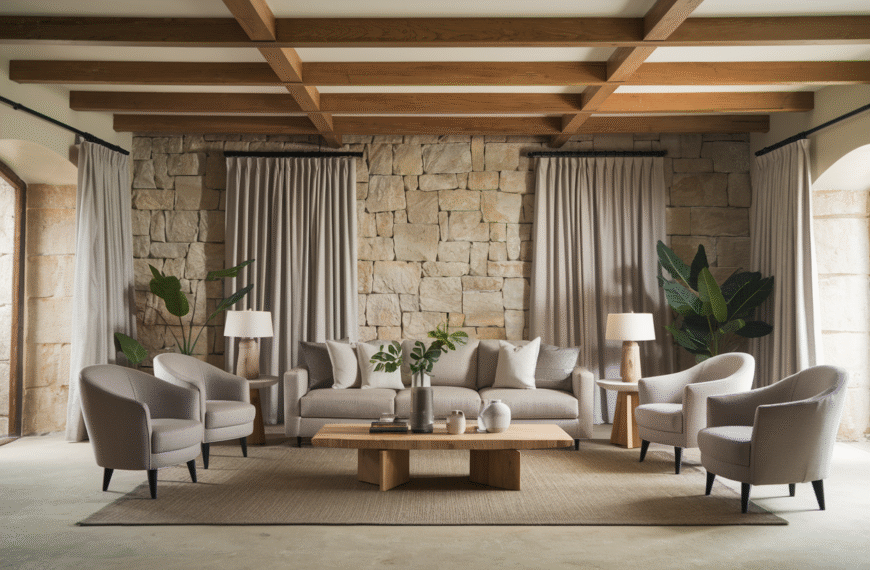
Choose light, neutral-colored curtains in materials like linen or cotton to softly filter daylight. Avoid heavy drapes that overwhelm the space. Soft window treatments allow natural light to fill the room, emphasizing openness and calm. Floor-length curtains in muted tones elongate the space visually while maintaining a minimalist and refined aesthetic. Their understated elegance harmonizes with wooden furniture, textiles, and greenery, completing the serene Japandi look effortlessly.
12. Tatami Mats

Incorporating tatami mats or a tatami-inspired area rug can add authentic Japanese texture to the room. The woven natural fiber creates warmth and comfort, while also grounding seating areas. Tatami mats can be layered under coffee tables or reading nooks, enhancing the minimalist aesthetic and connecting the space to nature. Their subtle scent and tactile quality contribute to the room’s sensory calm, blending beautifully with wooden furniture, textiles, and neutral tones.
13. Low Wooden Bench Seating

A low wooden bench can serve as extra seating or a display surface for textiles and decor. Its simple lines and natural finish integrate seamlessly into a Japandi living room. Add a few neutral cushions or a soft throw for comfort. The bench’s functionality and minimalist design support a clutter-free environment while providing flexibility for entertaining or relaxing. Its presence enhances visual balance, complementing other low-profile furniture and keeping the overall vibe grounded, harmonious, and serene.
14. Wabi-Sabi Accents

Japandi design often embraces wabi-sabi, the beauty of imperfection. Choose decor with organic shapes, uneven surfaces, or handcrafted qualities. This philosophy celebrates natural materials and irregular forms, adding character without clutter. Think of handmade pottery, driftwood, or slightly asymmetrical textiles. Wabi-sabi accents encourage mindfulness and appreciation of simplicity, reinforcing the calm and meditative atmosphere that makes a Japandi living room feel like a personal oasis.
15. Simple Wall Art
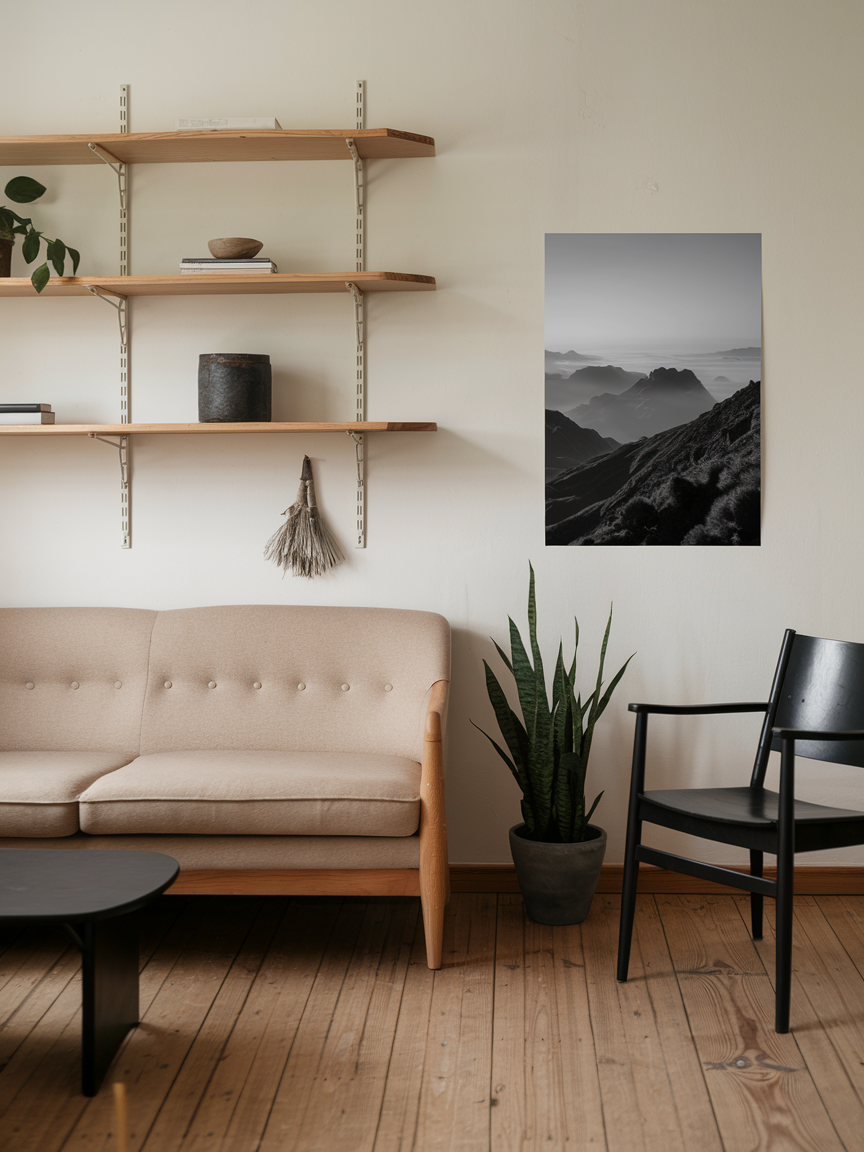
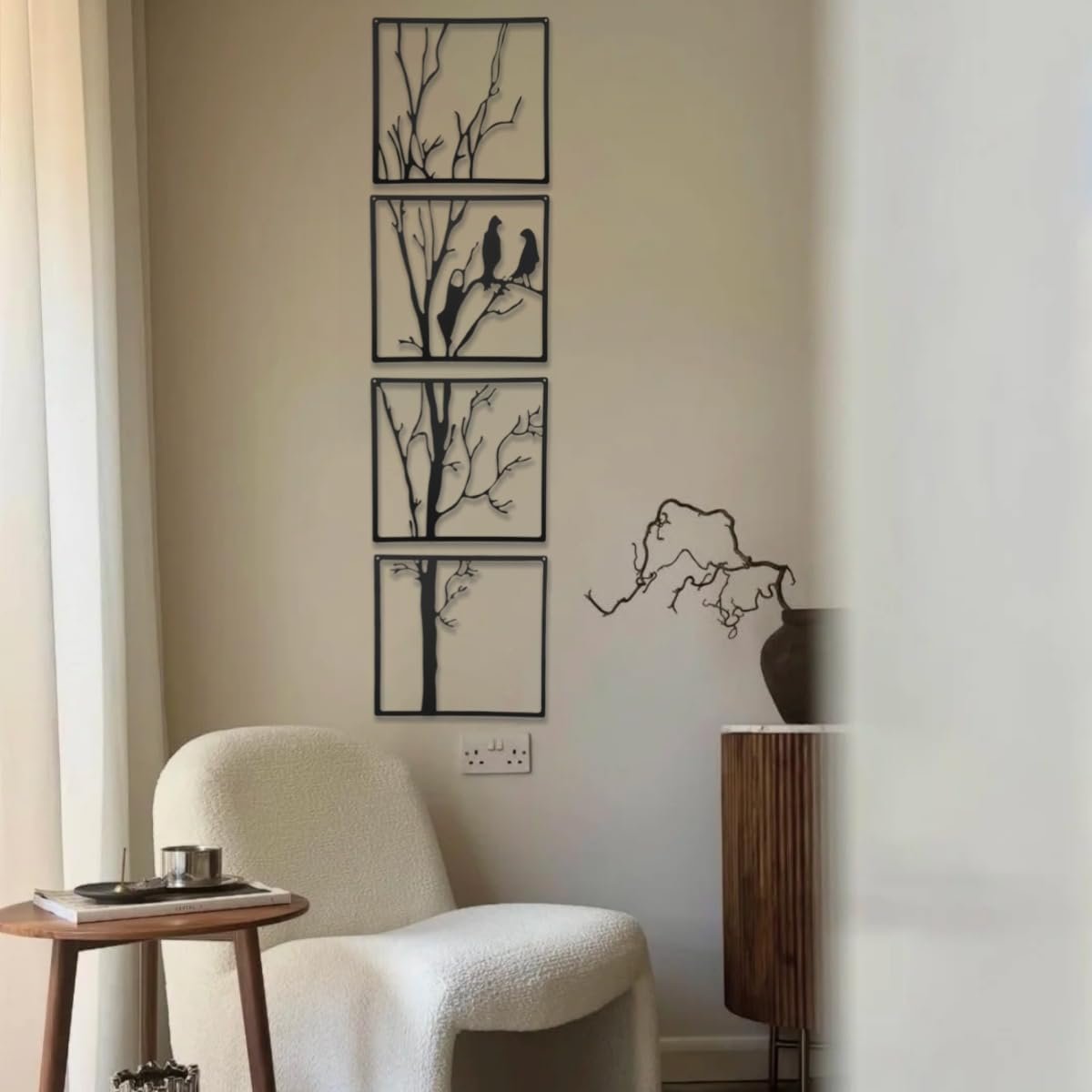
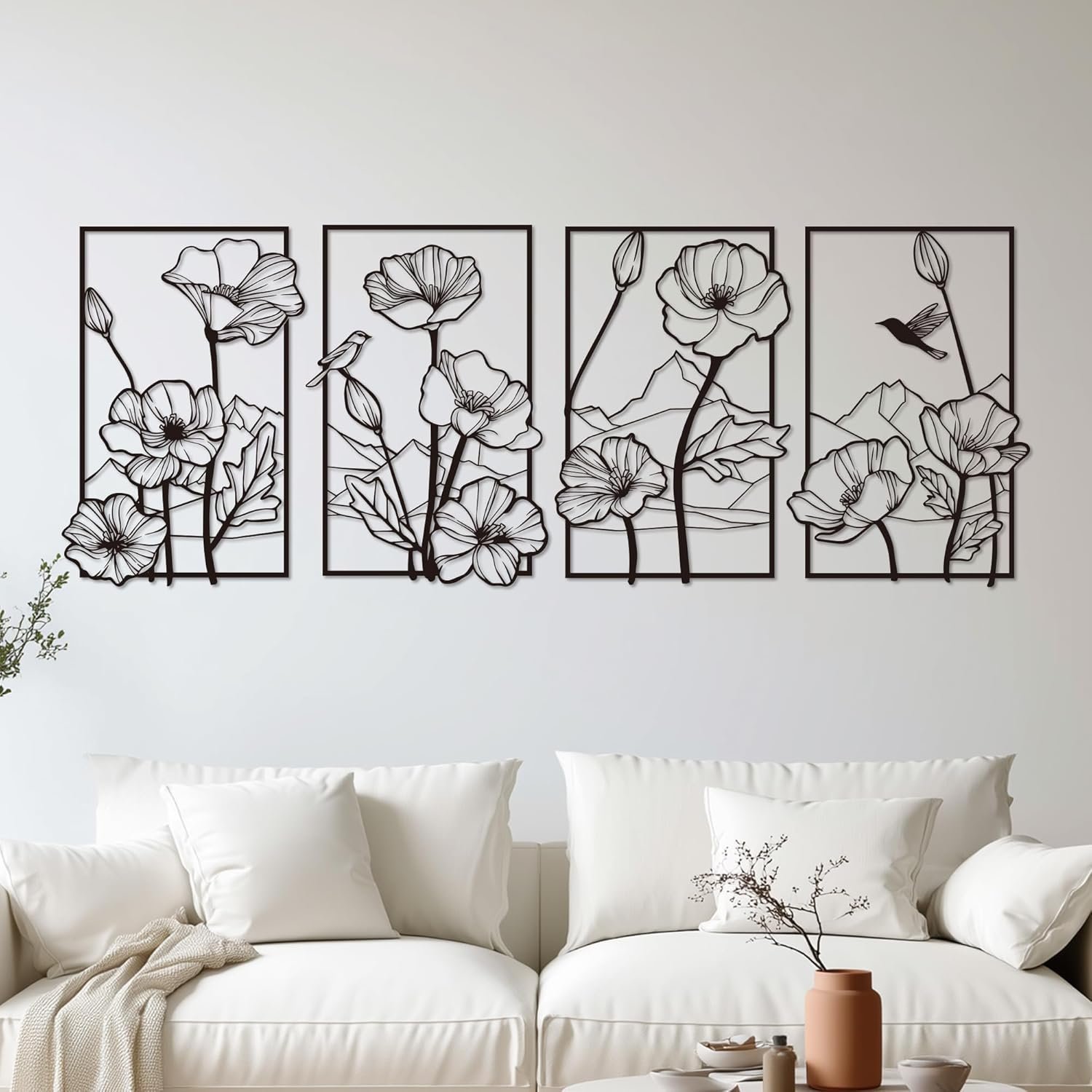
Select minimal wall art that complements the neutral color palette and natural textures. Black-and-white photography, muted abstract pieces, or traditional Japanese prints work well. Avoid overly busy or bright artwork that disrupts serenity. Art should enhance the space, not dominate it. Hang pieces with intentional spacing, allowing walls to breathe. The right wall art introduces personality and visual interest while maintaining a calm, cohesive, and sophisticated atmosphere in your Japandi-inspired living room.
16. Layered Rugs

Layering rugs in soft textures and neutral tones adds warmth and depth. Combine natural fibers like jute, wool, or cotton with minimalist patterns to define seating areas. Layering creates a cozy, inviting feel without breaking the minimalist aesthetic. Choose rugs with subtle variations in color to add visual interest while keeping the space grounded and serene. This technique emphasizes comfort, enhances tactile appeal, and aligns perfectly with Japandi’s focus on functional beauty.
17. Multi-Functional Furniture

Japandi living rooms often thrive on practicality, making multi-functional furniture a must. Storage benches, ottomans with hidden compartments, and extendable tables offer both style and utility. This approach minimizes clutter, maintains clean lines, and maximizes the room’s usability without compromising its serene aesthetic. Choosing pieces that blend form and function allows your living room to feel organized, airy, and welcoming. Multi-functional furniture supports everyday living while adhering to minimalist principles, ensuring the space remains calm, efficient, and visually appealing. It is the perfect way to merge practicality with design elegance.
18. Floor Cushions

Incorporate floor cushions in muted fabrics for casual seating and additional comfort. They bring a Japanese-style influence while promoting a relaxed, grounded atmosphere. Layer cushions of different textures and subtle patterns to enhance coziness without clutter. Floor cushions are perfect for meditation, lounging, or extra seating during gatherings. Their simplicity complements low-profile furniture and natural materials, contributing to a harmonious, functional, and aesthetically pleasing living space.
19. Neutral Storage Solutions

Use minimalist storage options like wooden cabinets, woven baskets, or hidden compartments to keep the living room clutter-free. Neutral tones maintain the calming aesthetic, while thoughtful organization enhances functionality. Open shelving with select decor items or closed storage for essentials helps preserve the serene environment central to Japandi design. Storage solutions that blend seamlessly into the design allow the room to feel spacious, balanced, and intentional without sacrificing practicality.
20. Minimalist Coffee Table Decor

Keep coffee tables simple with a few curated pieces like a small plant, ceramic vase, or stack of books. Avoid overcrowding surfaces, as Japandi design values open, uncluttered spaces. Thoughtful placement enhances visual balance while encouraging relaxation. Minimalist table decor supports the overall aesthetic, reinforcing calmness and harmony. This approach ensures your living room remains functional, visually appealing, and aligned with Japandi’s philosophy of intentional design and mindful simplicity.
21. Black Accents

Introducing subtle black accents can add sophistication and depth to a Japandi living room without overpowering the calm aesthetic. Think of matte black lamp bases, picture frames, or small decorative objects. These touches create visual contrast, emphasizing the clean lines and neutral tones elsewhere in the room. The key is moderation—using black sparingly keeps the space balanced and elegant while highlighting other natural materials like wood, ceramics, and textiles. This approach gives the living room a contemporary edge while remaining grounded, serene, and cohesive with the minimalist Japandi philosophy.
22. Organic Shapes

Incorporating furniture and decor with soft, organic shapes enhances the natural and soothing atmosphere of a Japandi living room. Rounded coffee tables, curved vases, or asymmetrical décor elements bring a sense of flow and calmness. Organic forms contrast beautifully with straight lines in shelving and seating, adding visual interest without clutter. These shapes feel more natural and less rigid, creating a harmonious environment. By blending soft curves with minimalist design, you achieve a space that feels both sophisticated and relaxed, inviting you to unwind and enjoy every corner of your living room.
23. Layered Lighting

Layering different types of lighting is essential for creating warmth and depth. Combine floor lamps, pendant lights, and subtle table lamps to produce soft, ambient illumination. Adjustable lighting allows you to set the perfect mood for relaxation or socializing. Using warm-toned bulbs enhances natural wood and neutral textures, reinforcing the serene Japandi vibe. Thoughtful lighting placement also highlights decor and furniture details without overwhelming the space. A layered lighting scheme ensures your living room feels welcoming at all times of day, balancing functionality with aesthetics and maintaining that calm, cohesive ambiance.
24. Minimalist Media Unit

A low-profile, minimalist media unit maintains a clean, uncluttered appearance while providing practical storage for electronics. Choose natural wood finishes or muted tones to integrate seamlessly with the rest of the room. Closed storage options keep cables and devices out of sight, preserving the serene aesthetic. A simple design without ornate handles or embellishments complements other minimalist furniture. The unit becomes a functional centerpiece, supporting both technology and Japandi principles of calm, balanced living. It ensures that entertainment needs are met without disrupting the cohesive, tranquil atmosphere.
25. Subtle Patterned Textiles

Introduce subtle patterns in cushions, throws, or rugs to add texture without overwhelming the space. Geometric designs, stripes, or delicate motifs in muted shades enhance visual interest while maintaining harmony. Textiles with gentle patterns create a sense of coziness and layered depth, preventing the living room from feeling flat or sterile. This approach maintains the minimalist aesthetic, allowing natural materials and neutral colors to remain the focal point. Carefully selected patterns contribute to a calm and inviting environment that aligns perfectly with Japandi design principles.
26. Natural Stone Elements

Integrating natural stone into your Japandi living room adds a sense of grounded elegance. Think of a marble coffee table, stone vases, or small decorative bowls. Stone contrasts beautifully with wood and textiles, introducing a tactile richness that enhances the room’s depth. It also subtly connects the interior to nature, reinforcing the calm and serene atmosphere central to Japandi design. Even minimal stone accents can elevate the space, giving it understated luxury without overwhelming the simplicity. The combination of natural textures creates a balanced, cohesive, and timeless living area that exudes tranquility and style.
* Now it’s your turn. Let’s bring these Japandi ideas to life and craft a living room that serves as a personal oasis where you can relax, recharge, and truly feel at peace every day.