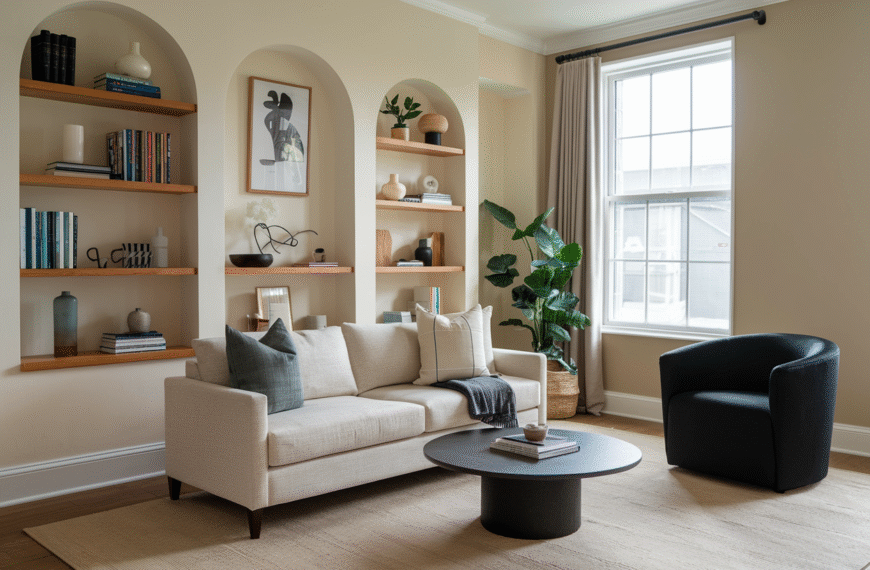
A beautifully decorated living room can instantly make a home feel more welcoming, comfortable, and stylish. Thoughtful furniture arrangements, layered textures, fresh colors, and carefully chosen accessories can transform an ordinary space into a room that feels polished and inviting. Small decorating changes can also make a noticeable difference without requiring a complete makeover.
Creating a fresh living room look is all about combining comfort with visual interest. A cozy sofa, stylish coffee table, area rug, artwork, greenery, decorative lighting, and accent pieces can work together to give the space personality. Mixing materials such as wood, linen, woven textures, glass, metal, and soft fabrics can add depth while keeping the room feeling relaxed and balanced.
Let’s discover these inspiring spaces and discover simple ways to create a living room that feels fresh, comfortable, stylish, and uniquely yours!
1. Use a Decorative Mirror
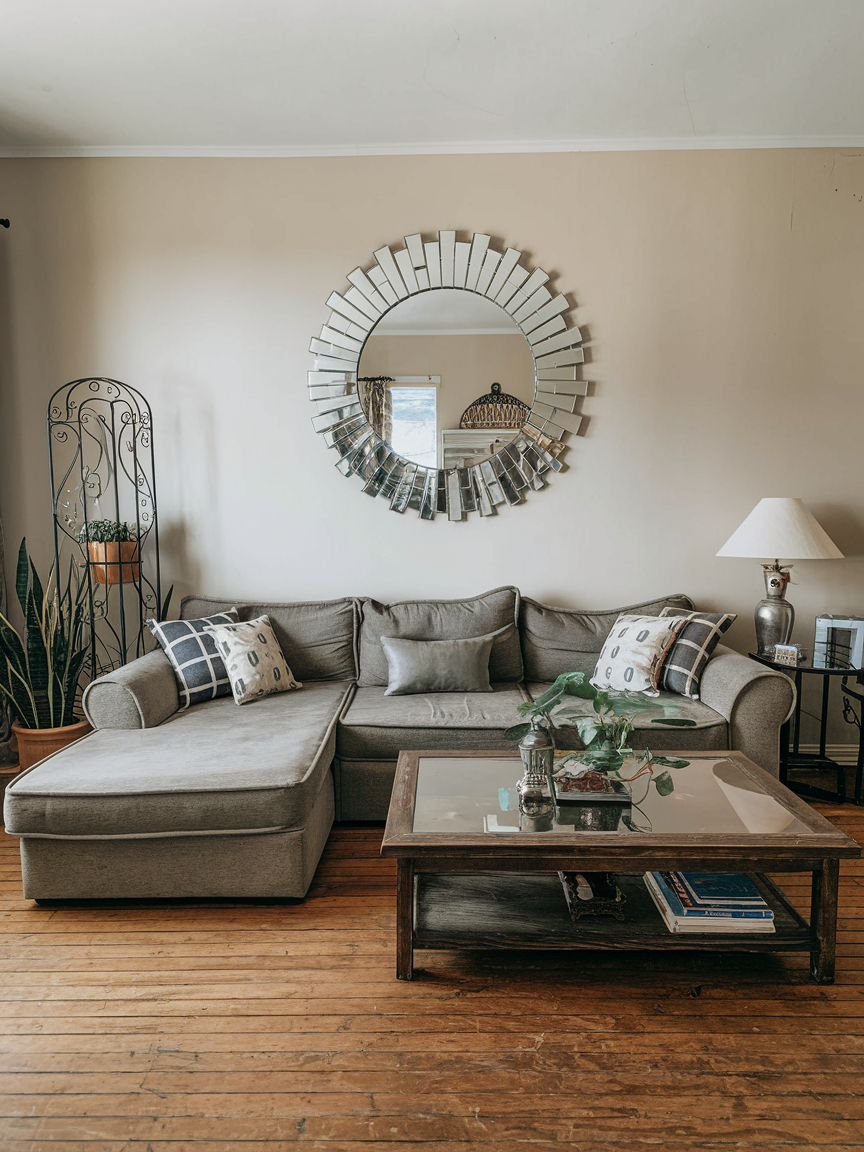
A well-placed mirror can make a living room feel brighter and more spacious while also functioning as an attractive decorative feature. A large round mirror above the sofa creates a soft focal point, while a tall leaning mirror can add height to an unused corner. Pay attention to what the mirror reflects, since positioning it opposite a window or another light source can help distribute brightness throughout the room. The frame provides another opportunity to express your style, with options ranging from natural wood and antique finishes to sleek metal and sculptural designs.
2. Upgrade Your Lighting
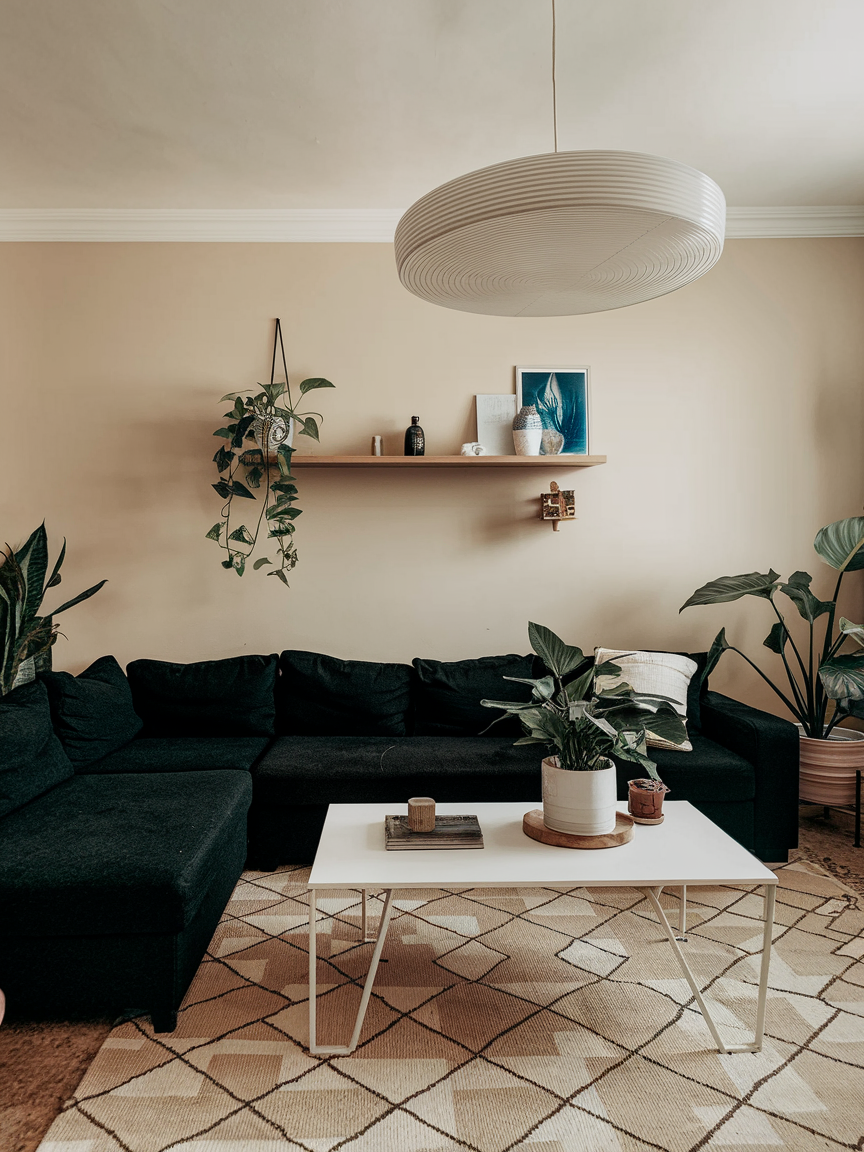
Good lighting can completely change the atmosphere of a living room. Instead of relying on a single overhead fixture, create layers using floor lamps, table lamps, wall sconces, pendants, and accent lighting. Different sources allow you to adjust the room for different activities and times of day. A stylish fixture can also function as a decorative statement, particularly when it features an interesting shape or material. Adding dimmers gives you even more flexibility, allowing bright illumination for everyday tasks and a softer glow for relaxing evenings.
3. Add a Cozy Throw Blanket
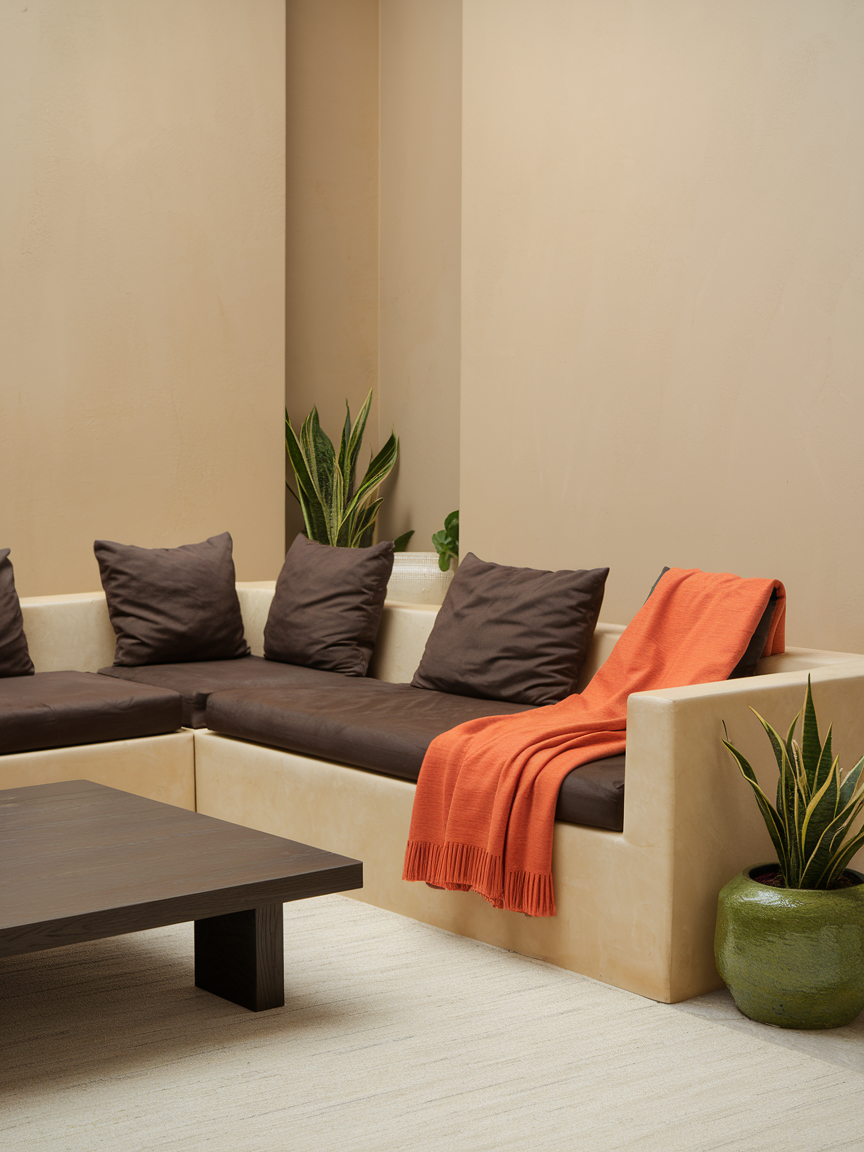
A beautifully draped throw blanket can make a sofa or armchair look instantly more inviting. Choose a chunky knit or heavier woven blanket for a warm winter atmosphere, or use lightweight cotton and linen during warmer months. Throws are also an easy way to introduce a new color or pattern without committing to a major decorating change. Place one casually over the arm or back of the sofa, or fold it neatly in a nearby basket. Besides adding texture, it gives everyone an extra layer of comfort during cool evenings.
4. Play with Texture
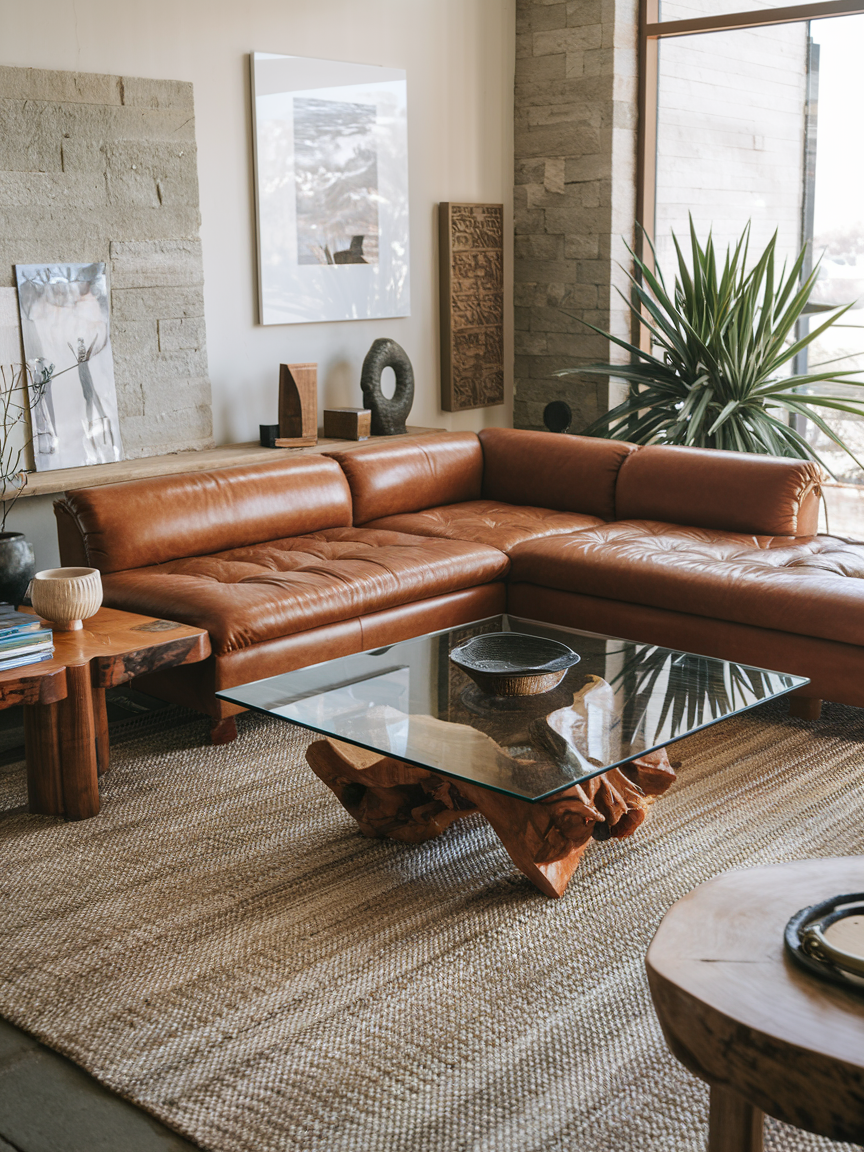
Mixing different textures is one of the easiest ways to make a living room feel richer and more visually interesting. Combine smooth leather with soft velvet, natural wood with metal, woven baskets with glass, or chunky textiles with sleek surfaces. The contrast between materials creates depth even when the color palette remains relatively simple. You can introduce texture through pillows, throws, rugs, curtains, furniture, artwork, and decorative accessories. A room does not need lots of color to feel dynamic. Sometimes a thoughtful combination of materials is enough to give the space plenty of character.
5. Curate a Corner Reading Nook
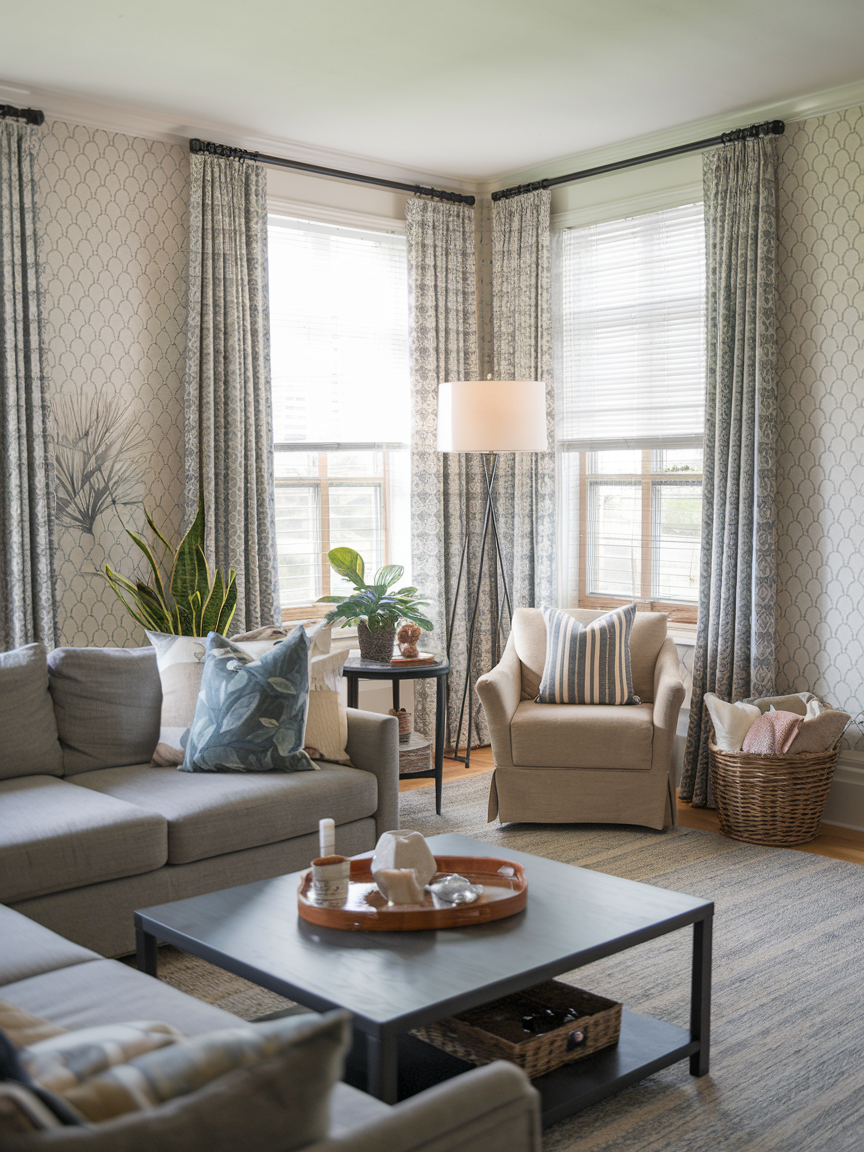
An unused corner can become one of the most inviting parts of the living room when given a clear purpose. Start with a comfortable armchair and add a small side table for books or drinks. A floor lamp provides practical lighting, while a nearby basket can hold blankets or magazines. Keep the styling simple so the nook feels like a peaceful escape rather than another cluttered area. Even a small corner can become a dedicated place for reading, relaxing, or enjoying a quiet moment away from the main seating area.
6. Swap Out Your Area Rug Seasonally
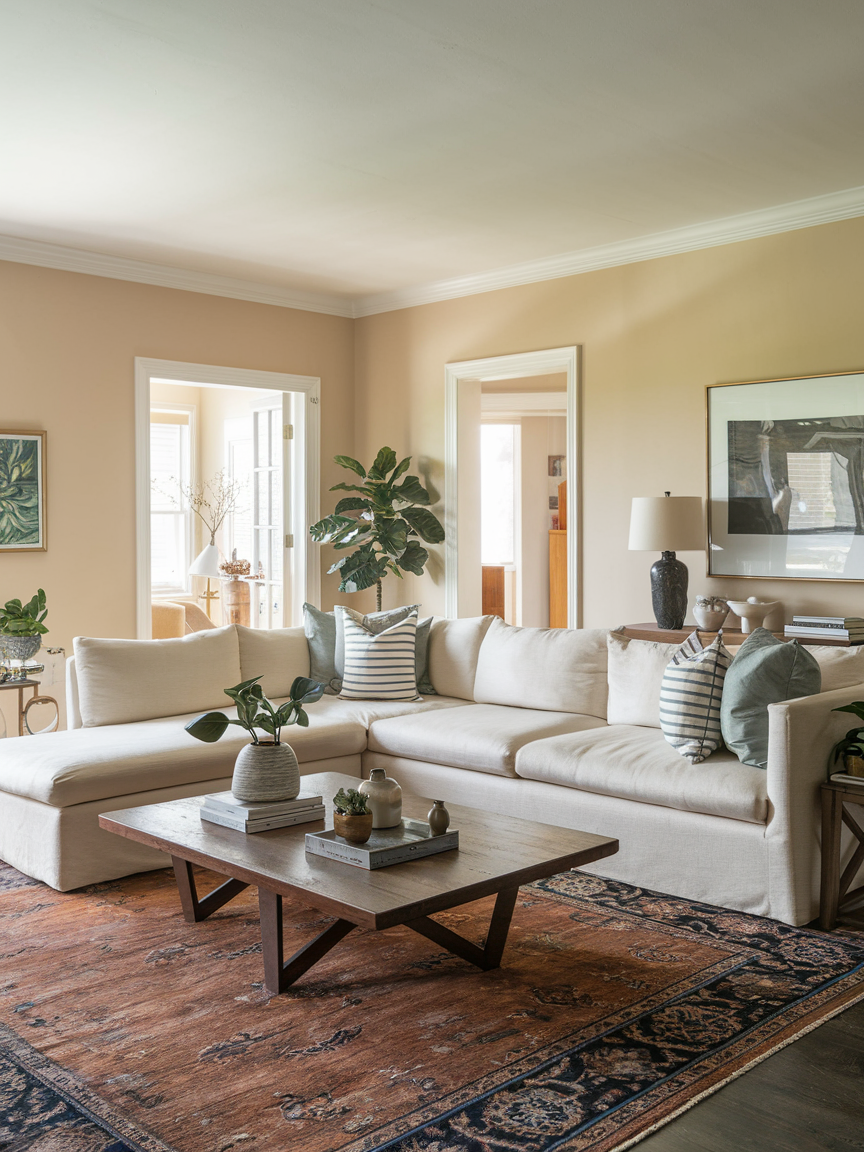
Changing your area rug with the seasons can refresh the entire living room without requiring a complete makeover. Lightweight rugs in lighter tones can create a breezier atmosphere during warmer months, while thicker textures and deeper colors bring additional warmth during cooler seasons. You can also use seasonal rug changes as an opportunity to experiment with patterns and colors that would feel too dramatic as permanent choices. Since the rug anchors much of the furniture arrangement, even this single swap can make the room feel noticeably different and newly styled.
7. Rearrange Your Furniture
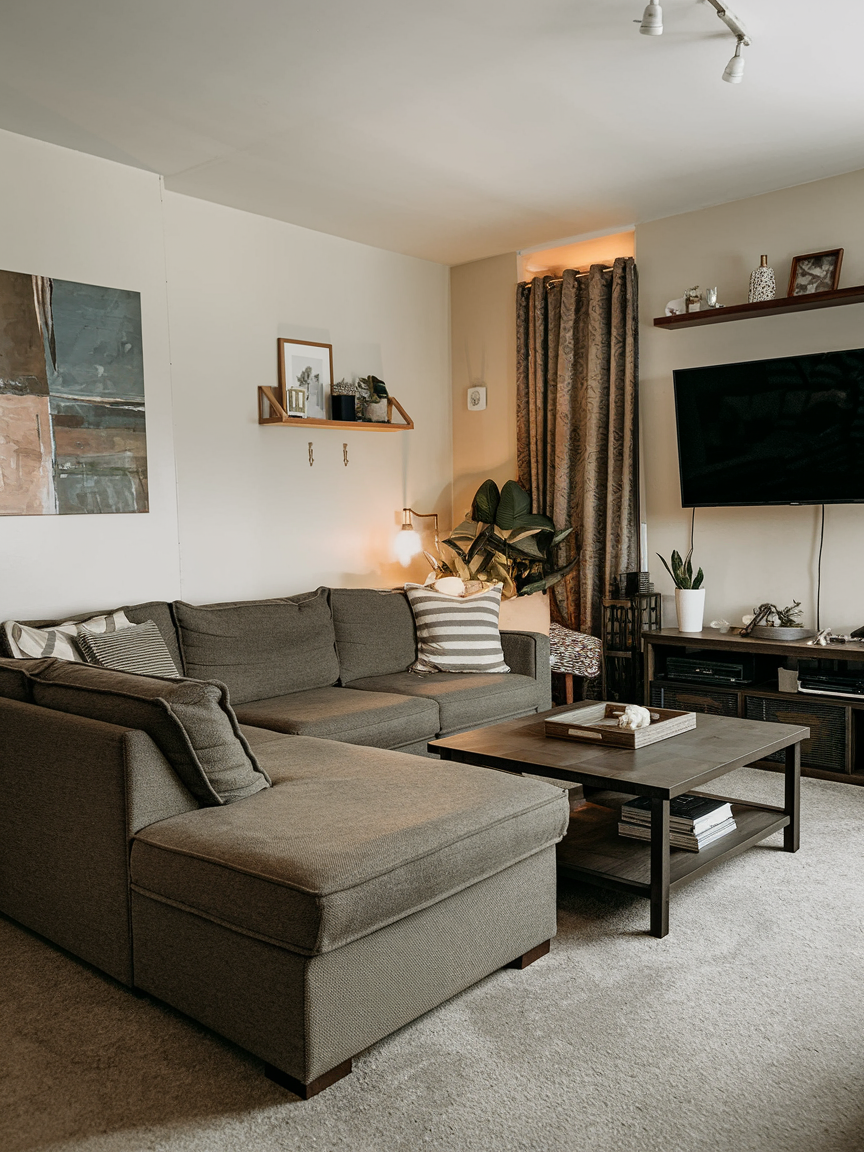
You do not always need to buy something new to give your living room a completely different feel. Experimenting with the furniture layout can change how the room functions and how spacious it appears. Try moving the sofa to another wall, changing the angle of your chairs, or repositioning the coffee table to improve circulation. Consider creating a more intimate conversation area instead of pushing every piece against the walls. Rearranging also gives you a chance to rethink unused areas and discover a layout that better suits the way you actually use the room.
8. Create a Gallery Wall
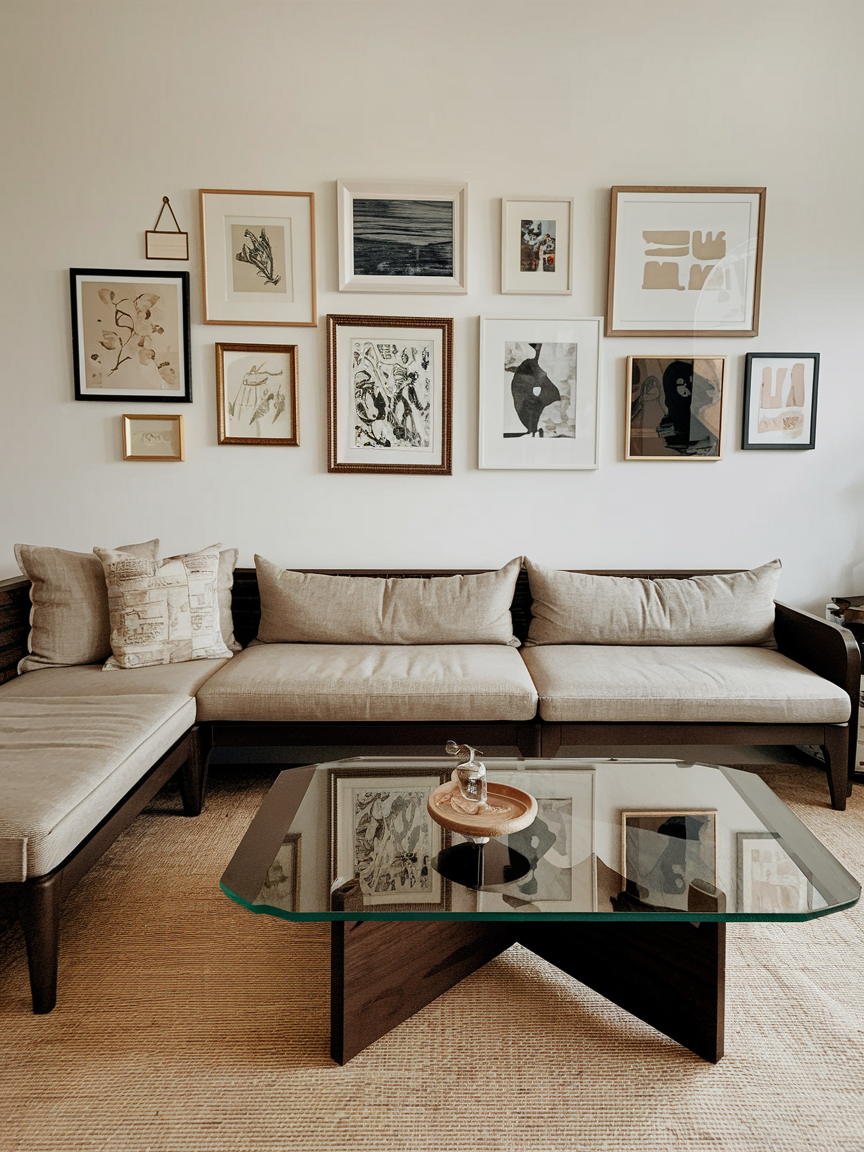
A gallery wall offers a creative way to display several favorite pieces in one cohesive arrangement. Combine photographs, artwork, illustrations, typography, or small decorative objects to create a collection that feels personal. Matching frames can give the wall a polished appearance, while different frame styles create a more relaxed, collected effect. Before hanging everything, arrange the pieces on the floor to experiment with spacing and composition. A thoughtfully planned gallery wall can fill a large blank wall while telling a visual story about your interests, memories, and style.
9. Keep It Personal and Lived-In
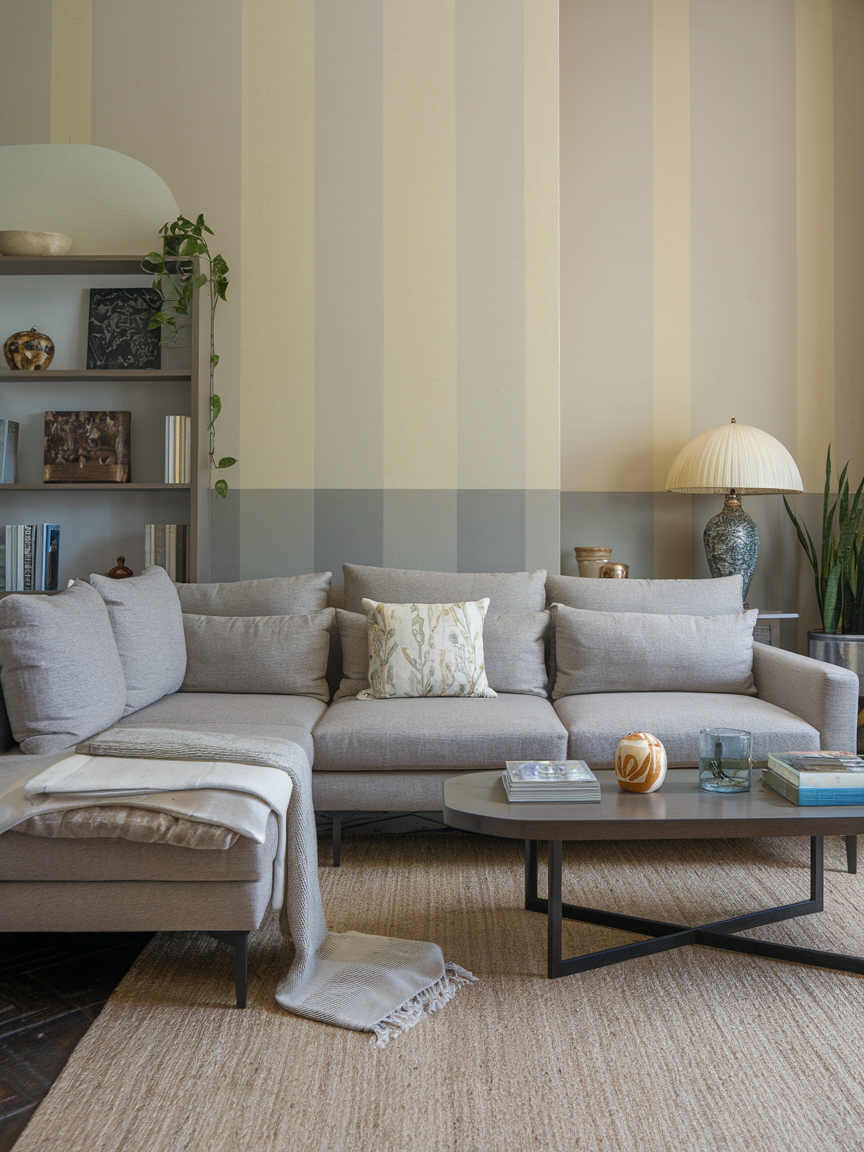
A beautiful living room does not need to look perfectly staged at all times. The spaces that feel most welcoming usually include personal belongings, favorite books, sentimental objects, and signs of everyday life. Keep the items that genuinely mean something to you, even if they do not perfectly match the rest of your decor. A well-loved blanket, a stack of books, a vintage lamp, or an unusual flea-market find can give the room character that perfectly coordinated accessories often lack. A few imperfections can make the space feel authentic, comfortable, and truly yours.
10. Add a Statement Rug
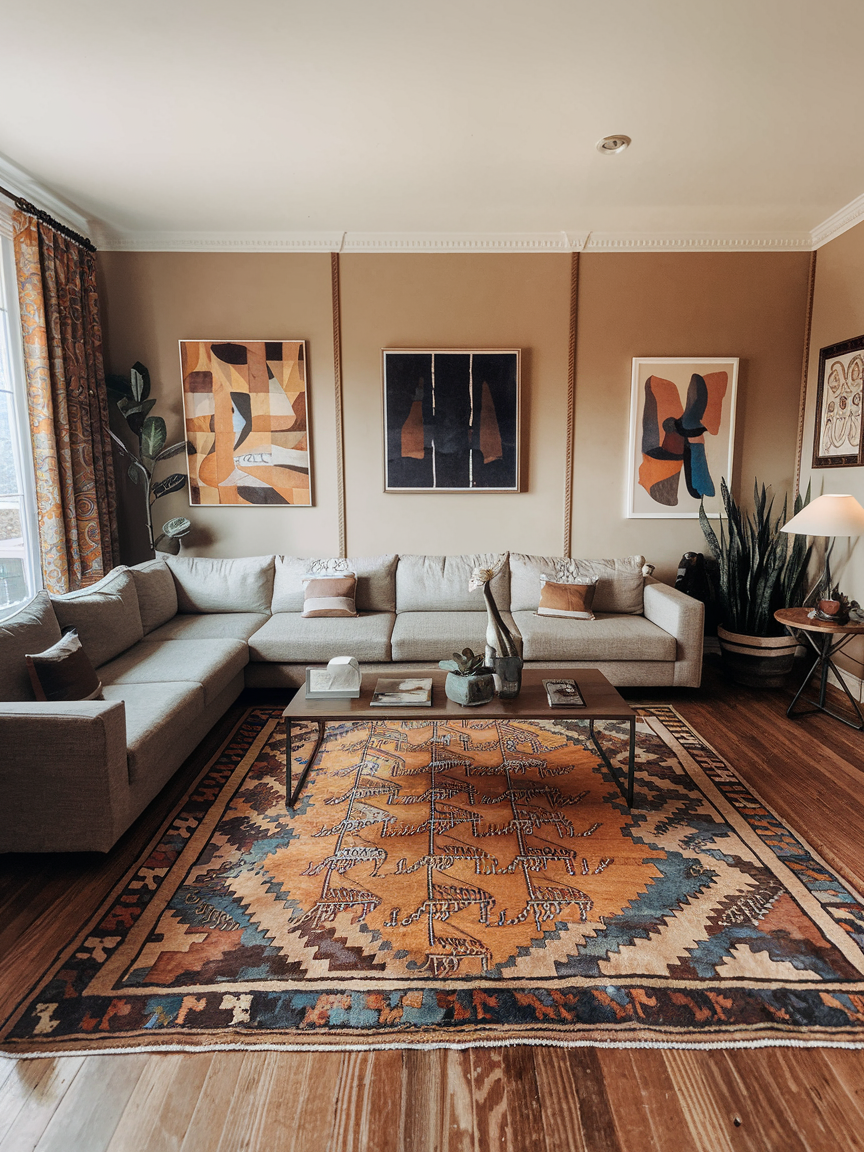
A statement rug can instantly pull a living room together by anchoring the furniture and giving the seating area a defined sense of place. Choose a bold pattern or rich color if you want the rug to become a focal point, or opt for a neutral woven design for a softer effect. Texture matters, too, especially in rooms filled with sleek furniture. Layering two rugs can add even more dimension and help create a collected, comfortable look. Since rugs are relatively easy to replace, they are also an excellent way to refresh your decor without making major changes to the room.
11. Style Your Coffee Table
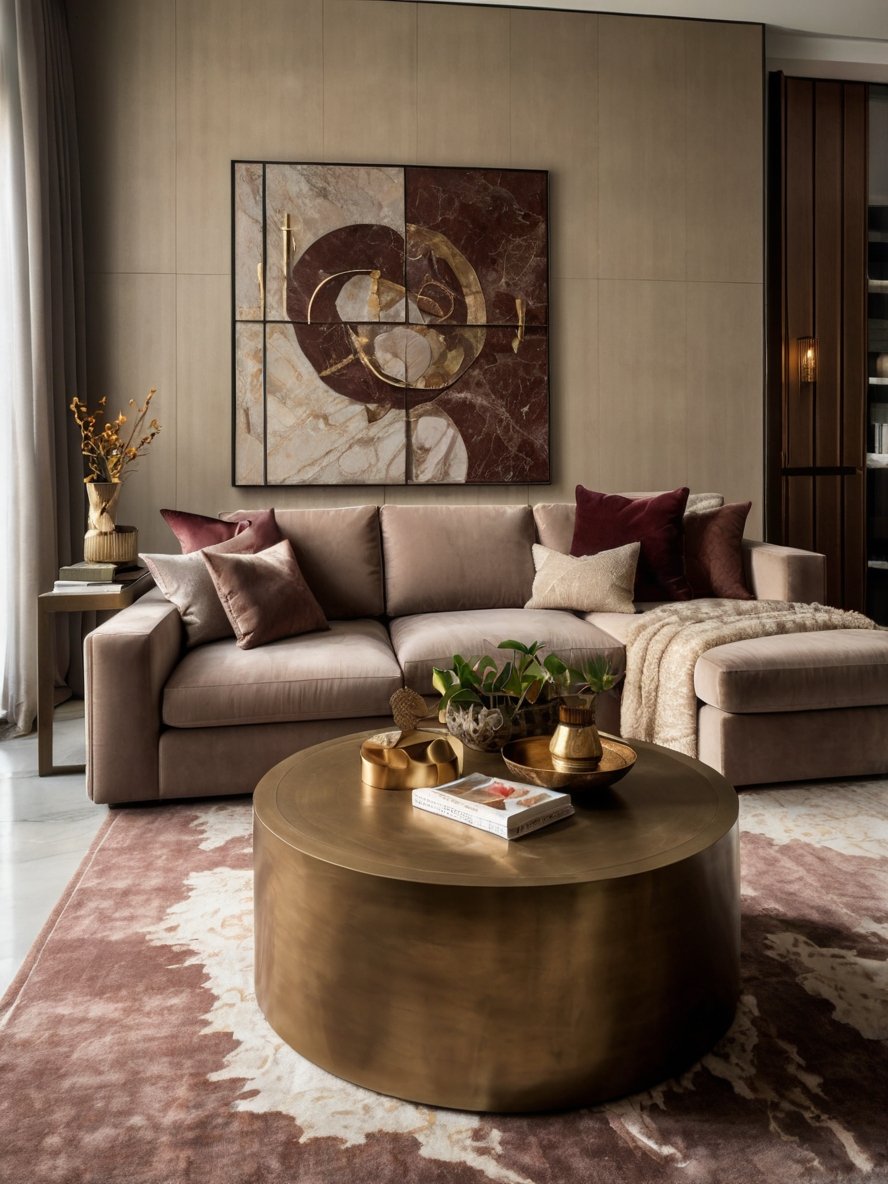
The coffee table deserves more attention than simply holding remotes, cups, and everyday clutter. Think of it as a small styling surface where you can introduce personality and visual balance. A stack of attractive books, a low vase, a candle, or an interesting sculptural object can create an effortless arrangement. Keep the display relatively simple, so there is still plenty of room to use the table. Varying the height of your accessories also makes the composition more interesting. The goal is a space that feels thoughtfully decorated while remaining practical enough for everyday living.
12. Bring in Indoor Plants
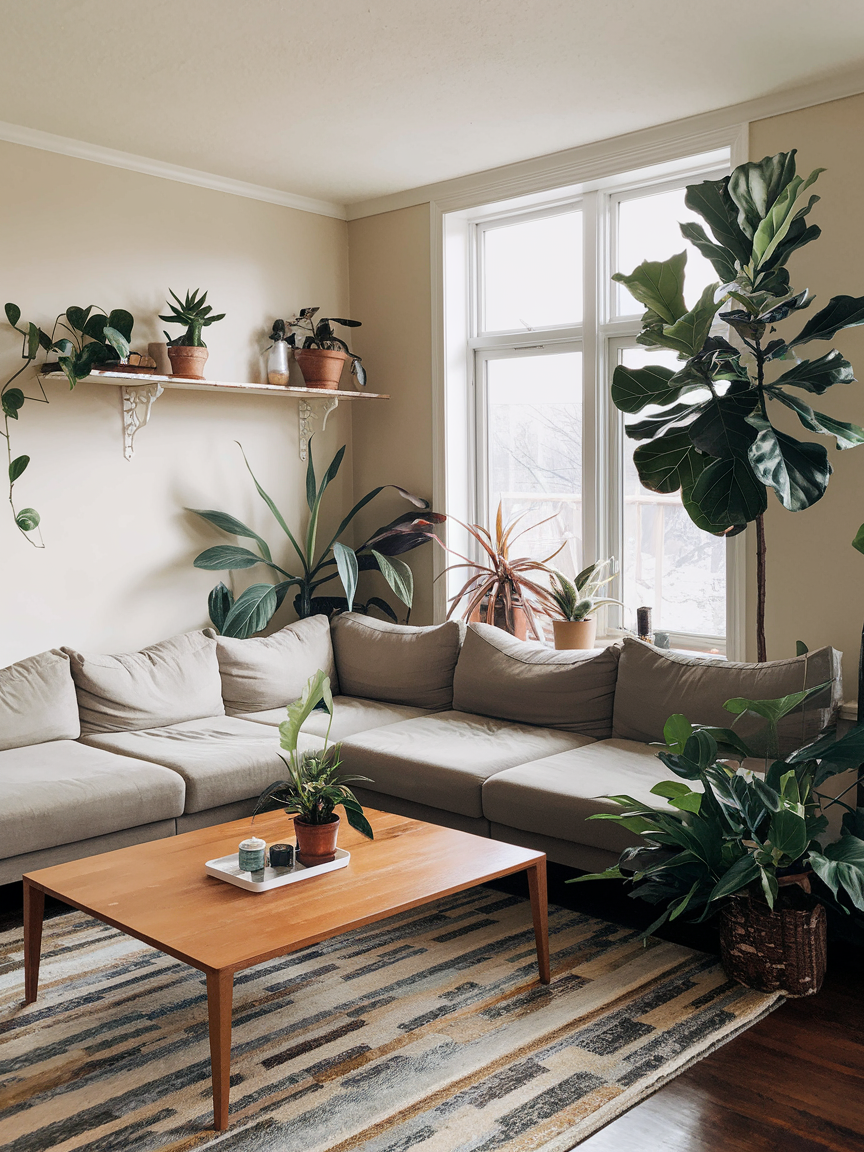
Indoor plants can make a living room feel fresher, softer, and more connected to nature. A tall leafy plant can fill an empty corner beautifully, while smaller varieties work well on shelves, side tables, or windowsills. Consider mixing different heights and leaf shapes to create a more natural arrangement. Plants can also complement almost any decorating style, from minimalist and contemporary to rustic and bohemian. For rooms with limited natural light or for anyone who struggles with plant care, realistic faux greenery can provide a similar decorative effect with much less maintenance.
13. Update Your Throw Pillows
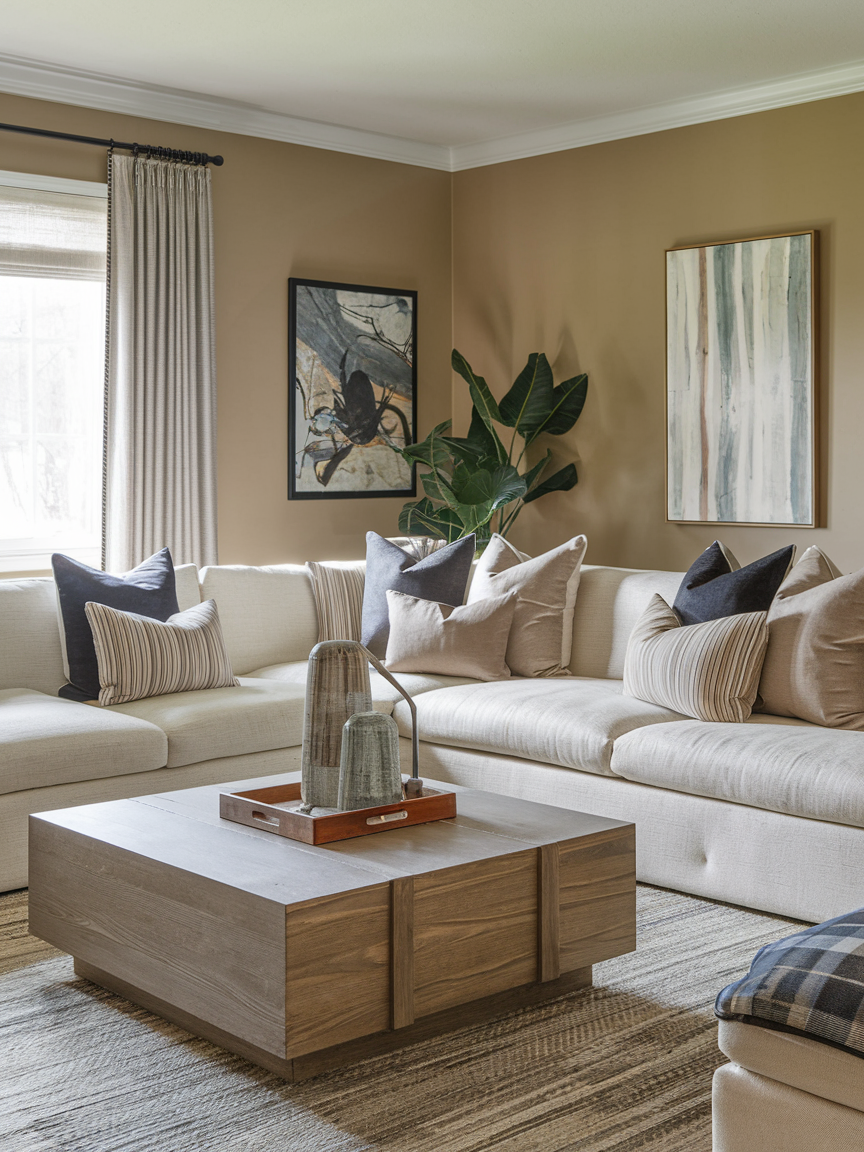
Changing your throw pillows is one of the simplest ways to give a sofa an entirely new personality. Experiment with a combination of velvet, linen, cotton, boucle, or knitted fabrics to bring more texture into the room. Patterns can add energy, while solid colors help create a calmer appearance. Try choosing shades that connect with your rug, artwork, curtains, or other accessories so the arrangement feels cohesive. Pillow covers are especially useful because you can switch them throughout the year without replacing the inserts or buying an entirely new collection.
14. Hang Statement Art
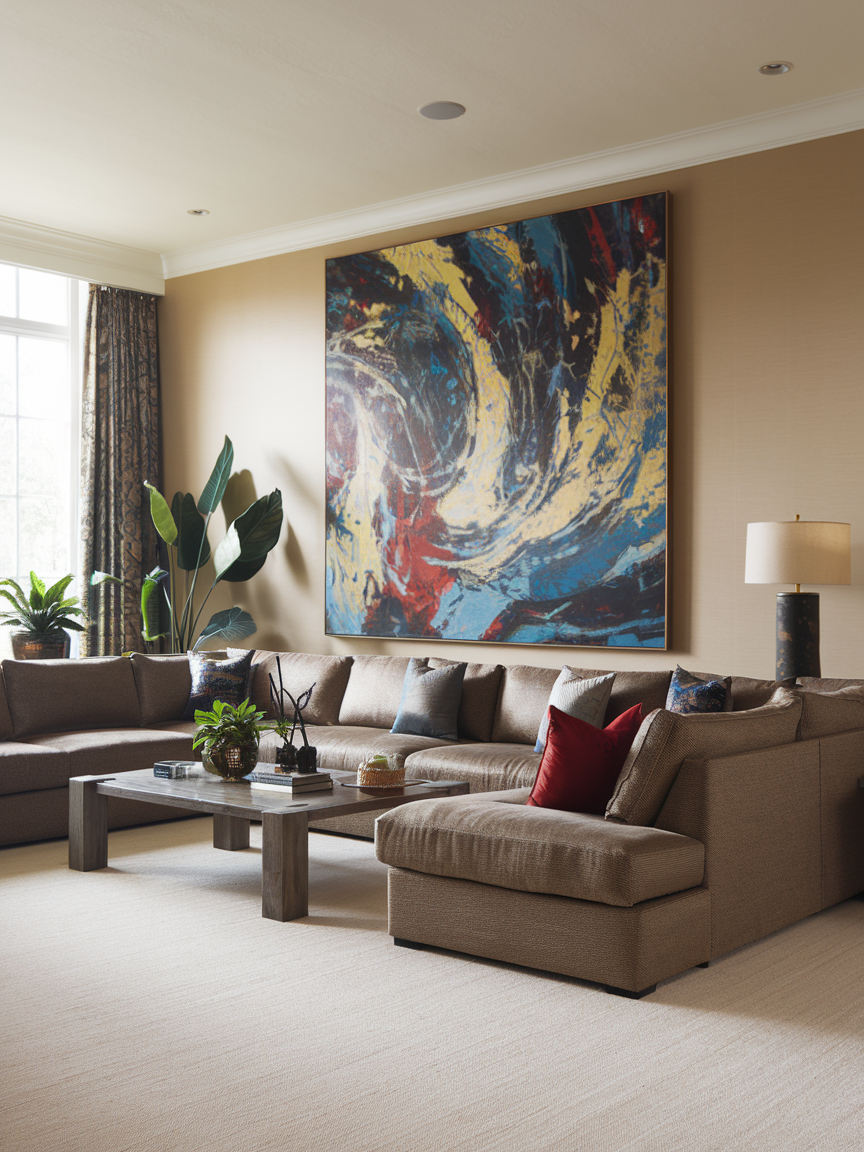
Large-scale artwork can turn an ordinary living room wall into a memorable focal point. Look for a piece that reflects your taste, whether that means an expressive abstract painting, a calming landscape, a colorful modern print, or a dramatic black-and-white photograph. Oversized artworks particularly well above a sofa or console because it fills the wall without requiring a collection of smaller pieces. You do not need an expensive original, either. Affordable prints, vintage finds, or even a handmade canvas can bring plenty of character and make the room feel distinctly personal.
15. Introduce a Bold Accent Chair
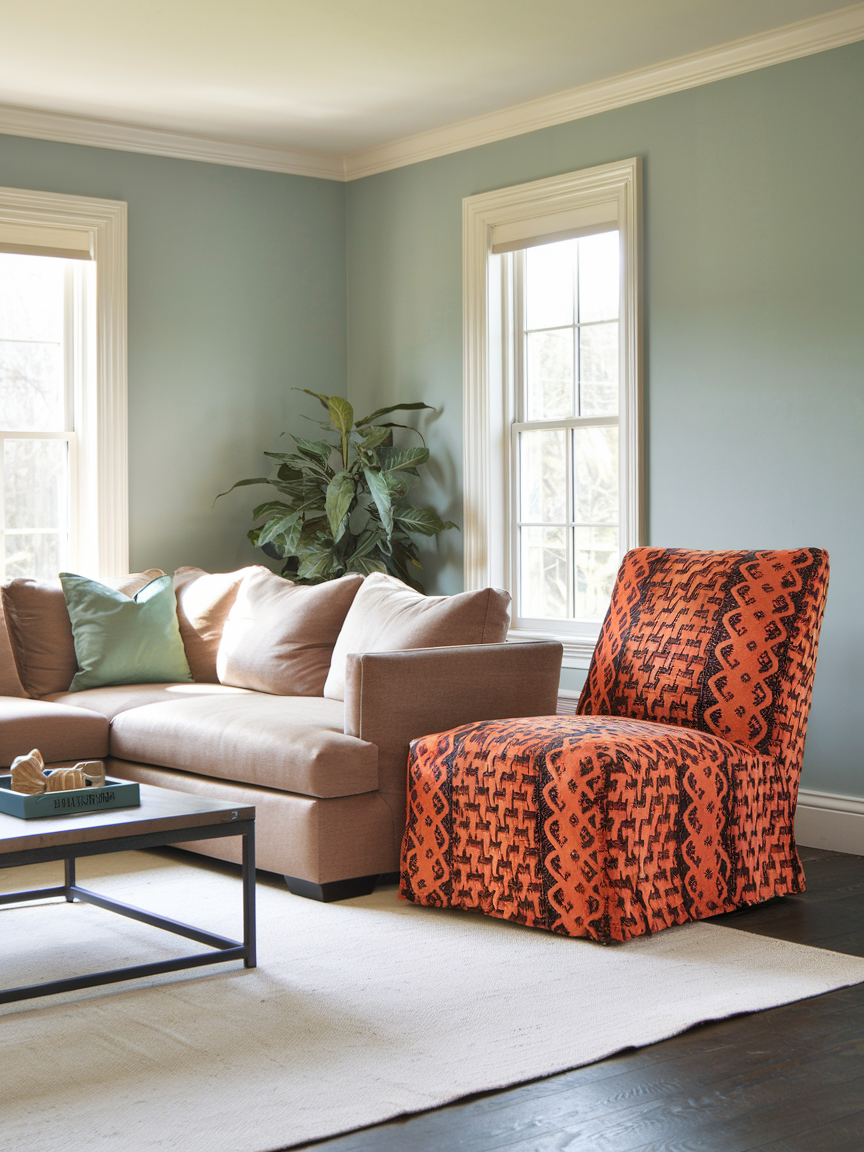
A bold accent chair can provide an instant focal point while adding useful seating to the living room. Choose a color, fabric, or silhouette that contrasts with the main sofa without feeling disconnected from the overall palette. A velvet chair in a rich jewel tone can create a luxurious atmosphere, while a streamlined leather design brings a more contemporary edge. Complete the setup with a small side table and a lamp to create a comfortable reading or conversation corner. Even a single distinctive chair can give the room a noticeably more layered appearance.
16. Use Floating Shelves
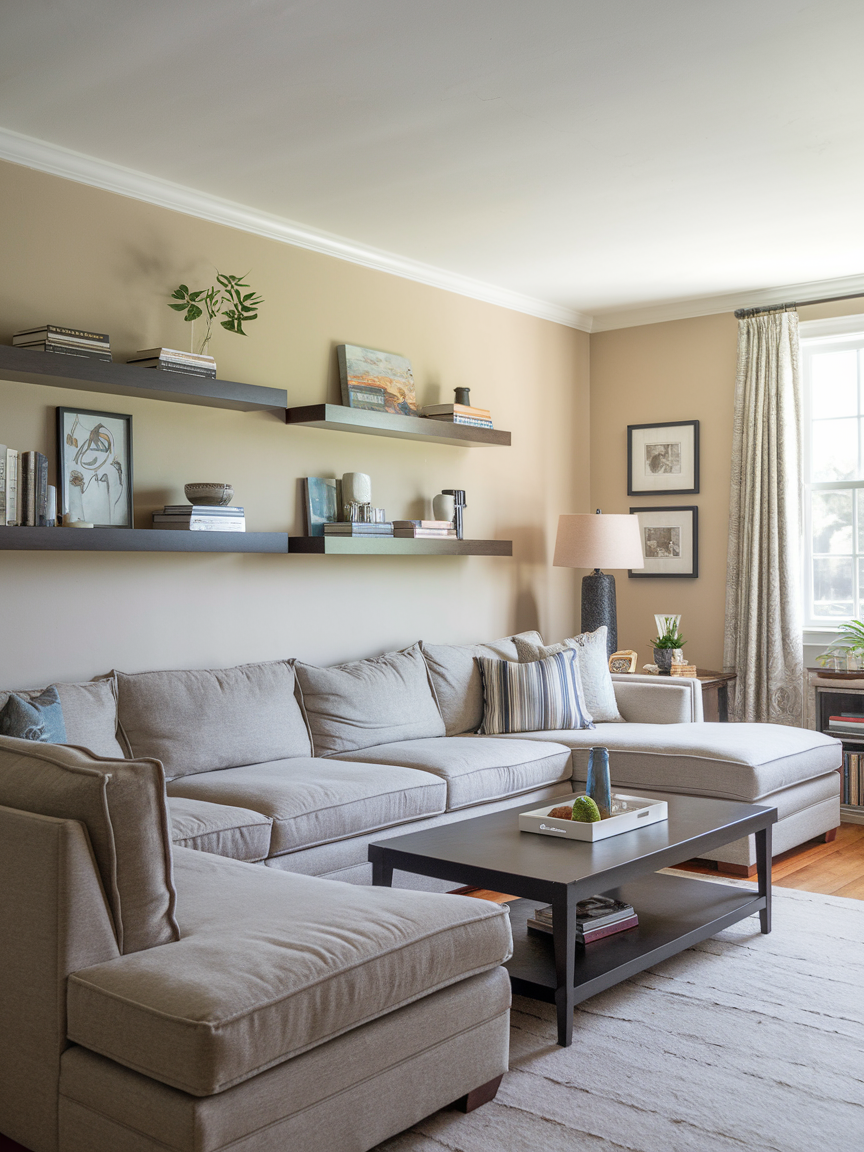
Floating shelves provide valuable display space while keeping the floor visually open. They are ideal for showcasing books, framed artwork, small plants, ceramics, candles, and other decorative pieces. Arrange a few larger objects alongside smaller accessories to avoid creating a cluttered appearance. You can keep the styling minimal or build a more layered collection depending on your decorating style. Floating shelves are particularly useful in smaller living rooms because they offer storage and display opportunities without the visual weight of a large freestanding cabinet.
17. Refresh Your Curtains
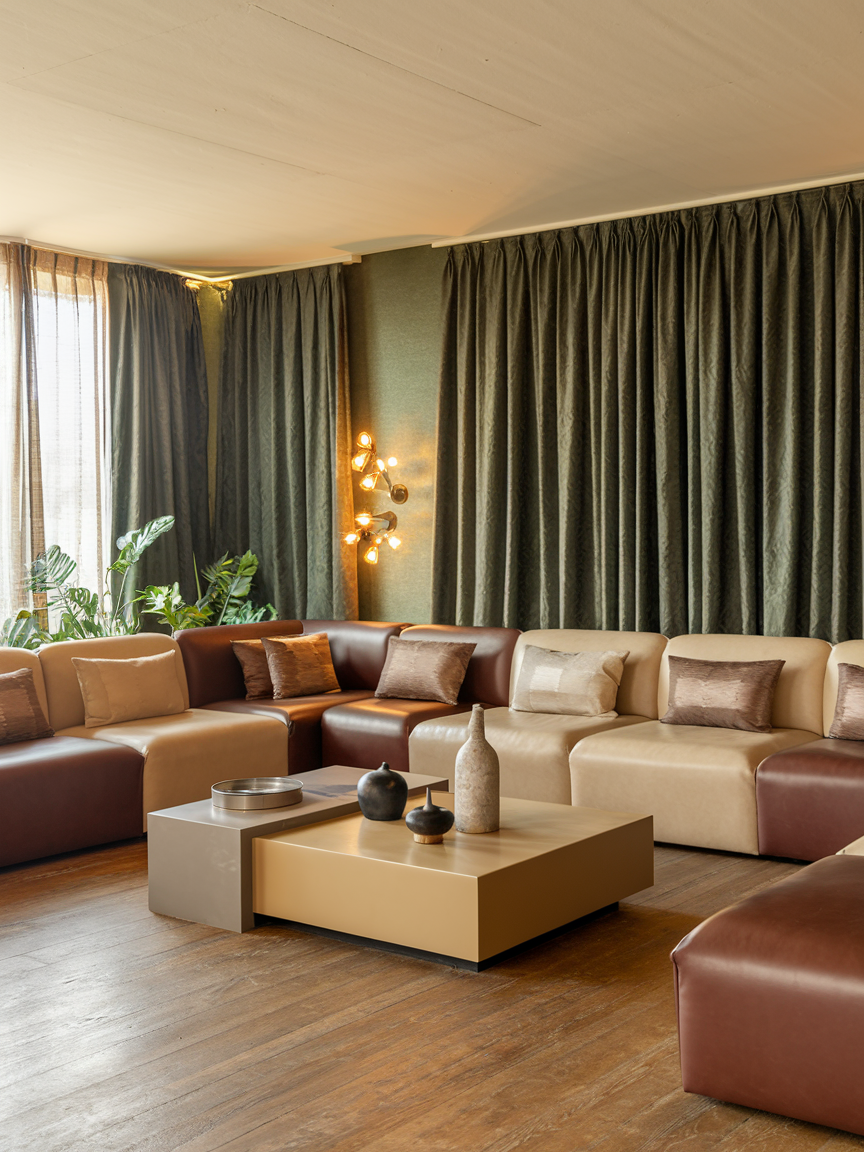
New curtains can dramatically alter the proportions and atmosphere of a living room. Floor-length drapes can emphasize ceiling height and add softness, while sheer panels create a lighter, more relaxed feel. Rich colors or patterned fabrics can introduce drama, whereas neutral curtains blend easily with a variety of decorating schemes. For a more spacious appearance, mount the curtain rod several inches above the window frame and extend it beyond the sides. This simple adjustment can make the windows appear larger while allowing more natural light into the room.
18. Layer Your Lighting with Candles
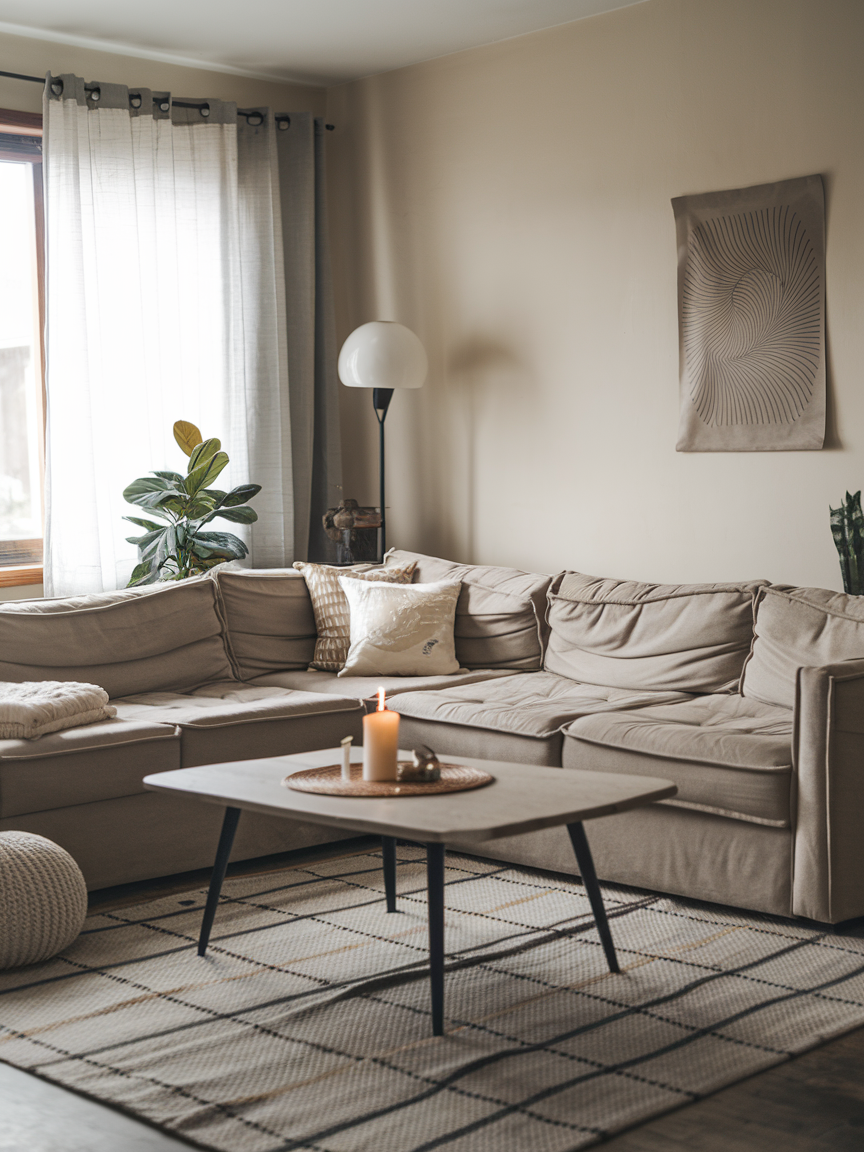
Candles bring a warm, intimate glow that complements the main lighting in a living room beautifully. Place several candles in holders of different heights on a coffee table, mantel, console, or shelf to create a relaxed layered arrangement. Unscented candles are ideal for everyday ambiance, while subtle seasonal fragrances can add another sensory element when appropriate. Even when they are not lit, attractive candleholders can serve as decorative accessories. The gentle flicker of candlelight is particularly effective in the evening, creating an atmosphere that feels calm and comfortable.
19. Add a Decorative Ladder
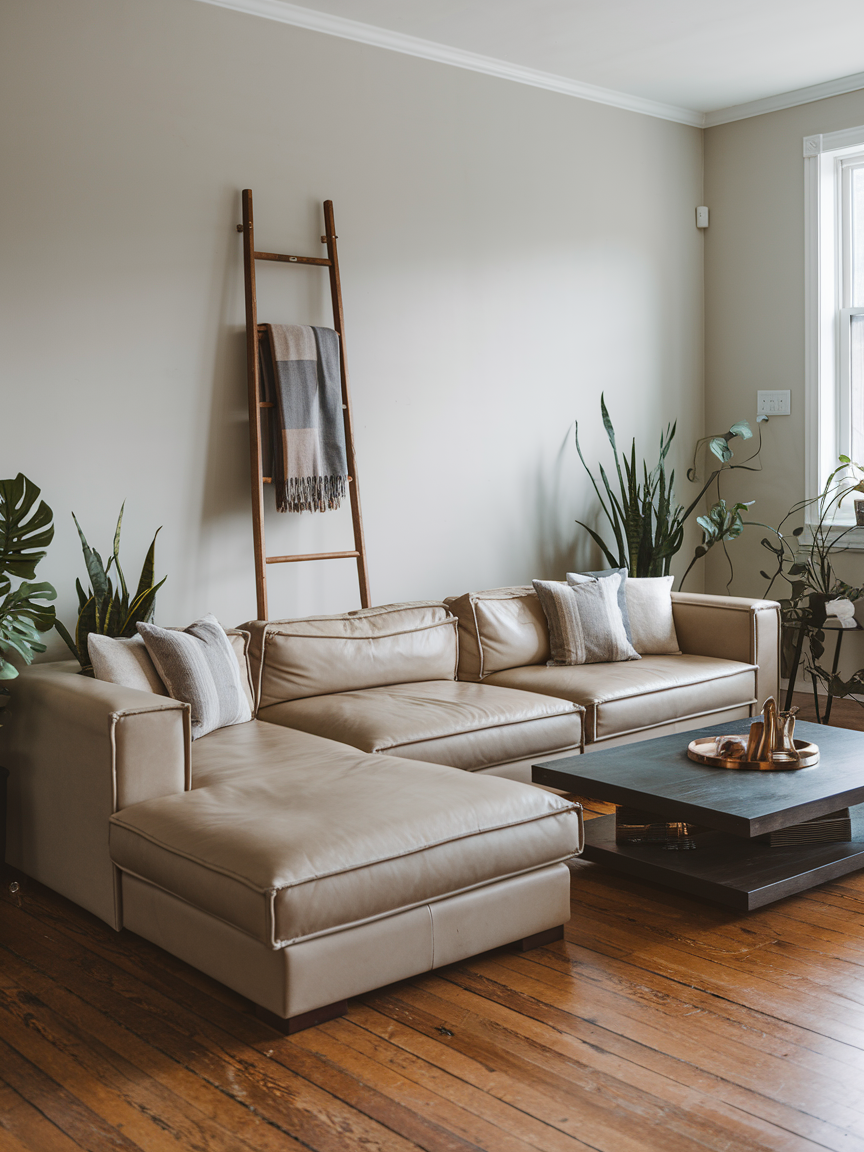
A decorative ladder can add height, texture, and functionality without requiring much space. Lean a wooden or metal ladder against an empty wall and use the rungs to display folded throws, lightweight blankets, or magazines. Natural wood works beautifully in rustic, farmhouse, and Scandinavian-inspired rooms, while a simple metal design can complement modern interiors. Since the ladder is easy to move, it can also be repositioned whenever you want to refresh the layout. It is a small addition that combines practical storage with an effortlessly casual decorative touch.
20. Introduce a Statement Clock
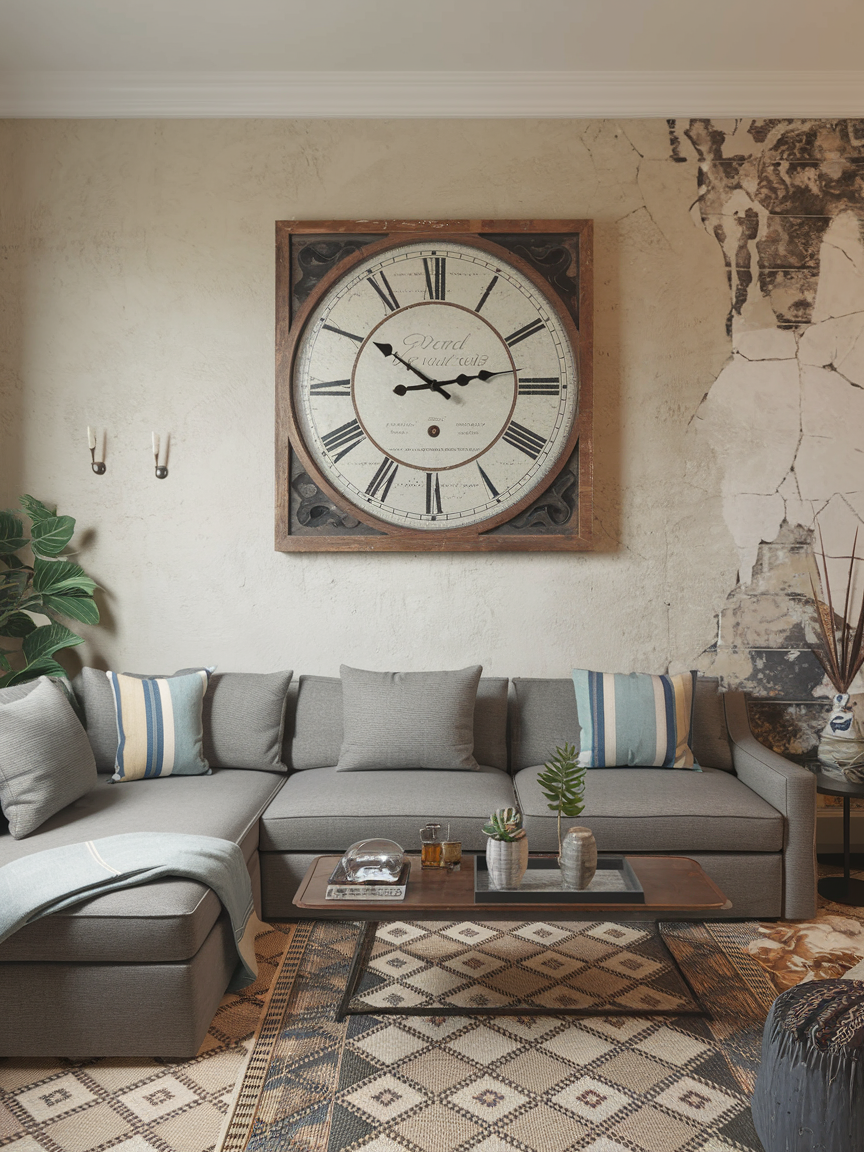
A large decorative clock can fill an empty wall while providing a practical element for the living room. Choose a design that complements your existing style, such as a minimalist clock for a contemporary space, a weathered finish for a rustic interior, or an ornate design for a traditional room. Position it above a console, near a gallery wall, or on another prominent wall where its scale can be appreciated. A statement clock works particularly well when you want a strong decorative feature that also serves a useful everyday purpose.
21. Layer Rugs for Visual Interest
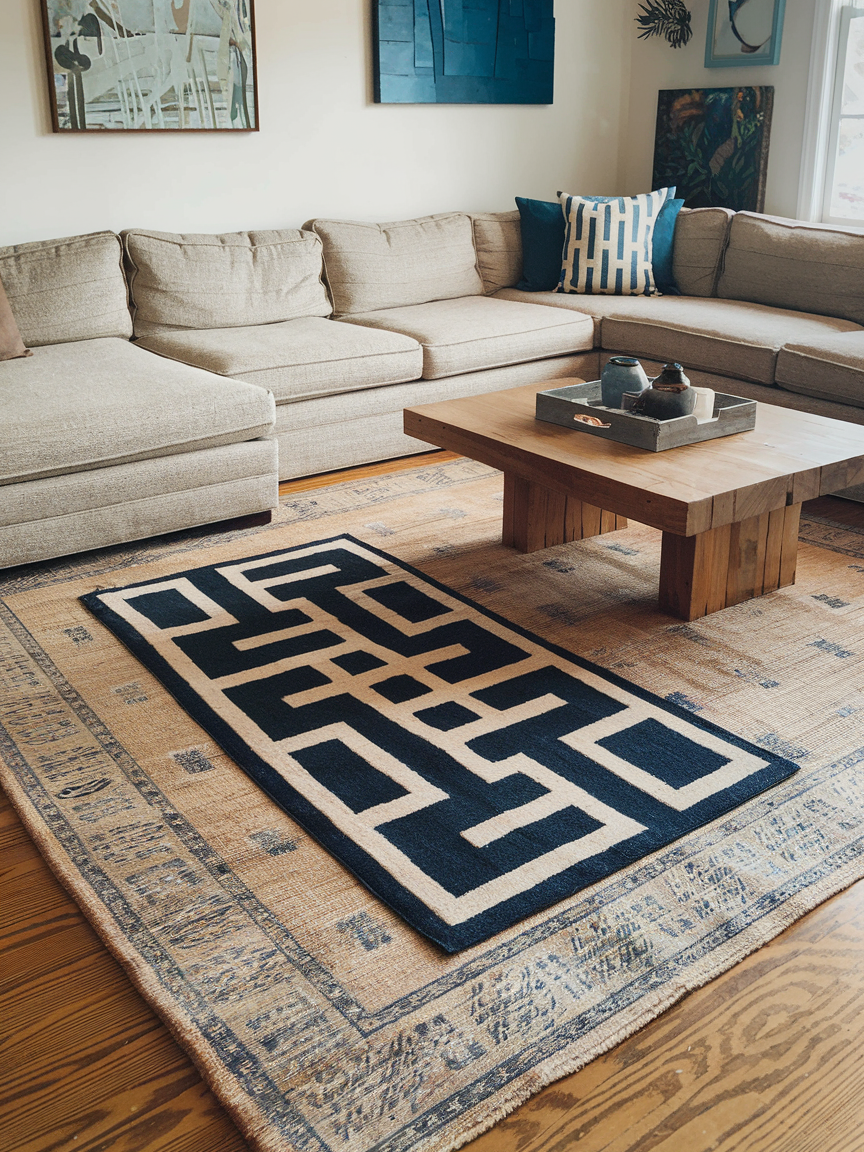
Layering rugs can give a living room extra dimension while allowing you to combine different colors, patterns, and textures. Begin with a larger, relatively neutral rug to anchor the furniture, then place a smaller patterned or textured rug over it to create contrast. This technique works especially well in larger rooms where a single rug may not provide enough visual weight. Keep the patterns connected through a shared color or complementary tones so the combination feels intentional rather than chaotic. The result is a cozy, collected look with plenty of personality.
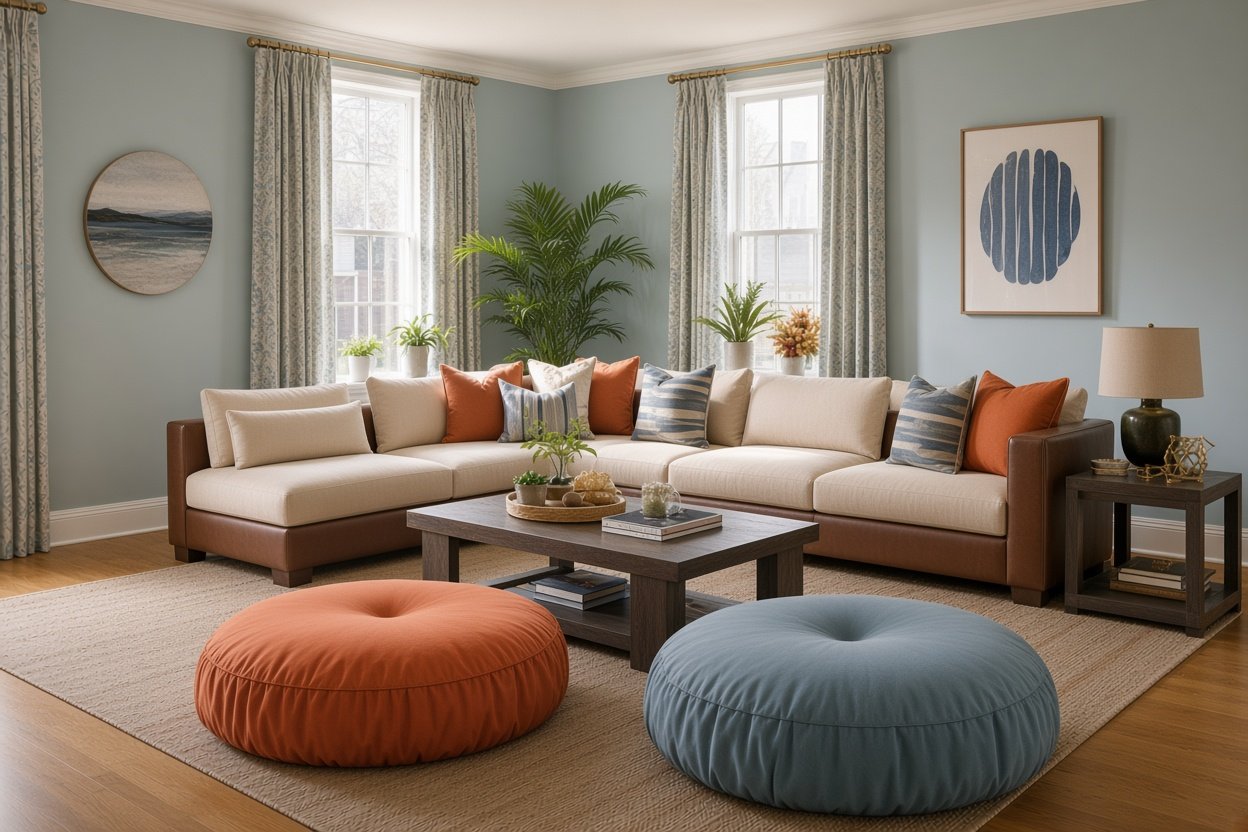
22. Use Oversized Floor Cushions
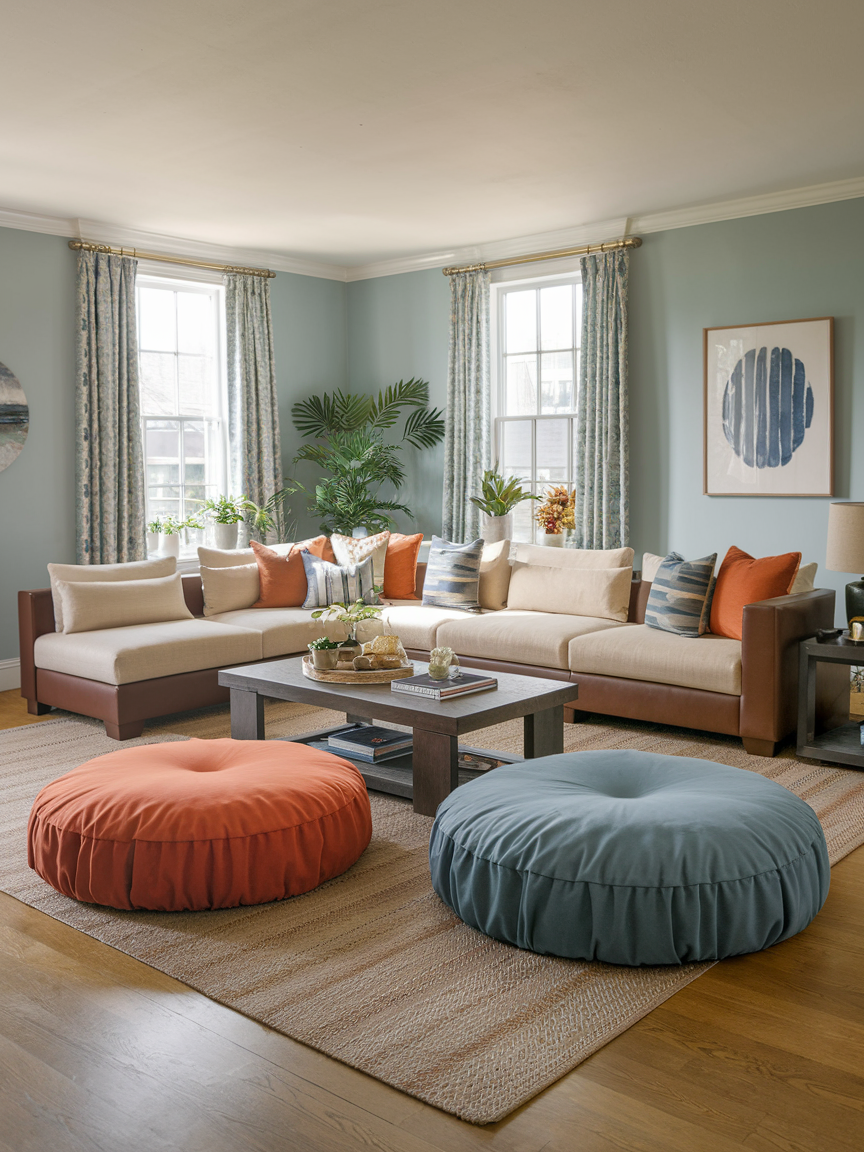
Oversized floor cushions are an easy way to add relaxed seating without making the room feel overly formal. They can be arranged around a low table, placed near the sofa, or brought out when guests need additional seating. Choose richly patterned fabrics for a bohemian atmosphere or soft neutral covers for a minimalist space. When they are not needed, many cushions can be stacked neatly in a corner or stored in a basket. They are especially useful for casual gatherings, movie nights, game sessions, or simply stretching out comfortably on the floor.
23. Create a Focal Fireplace Mantel
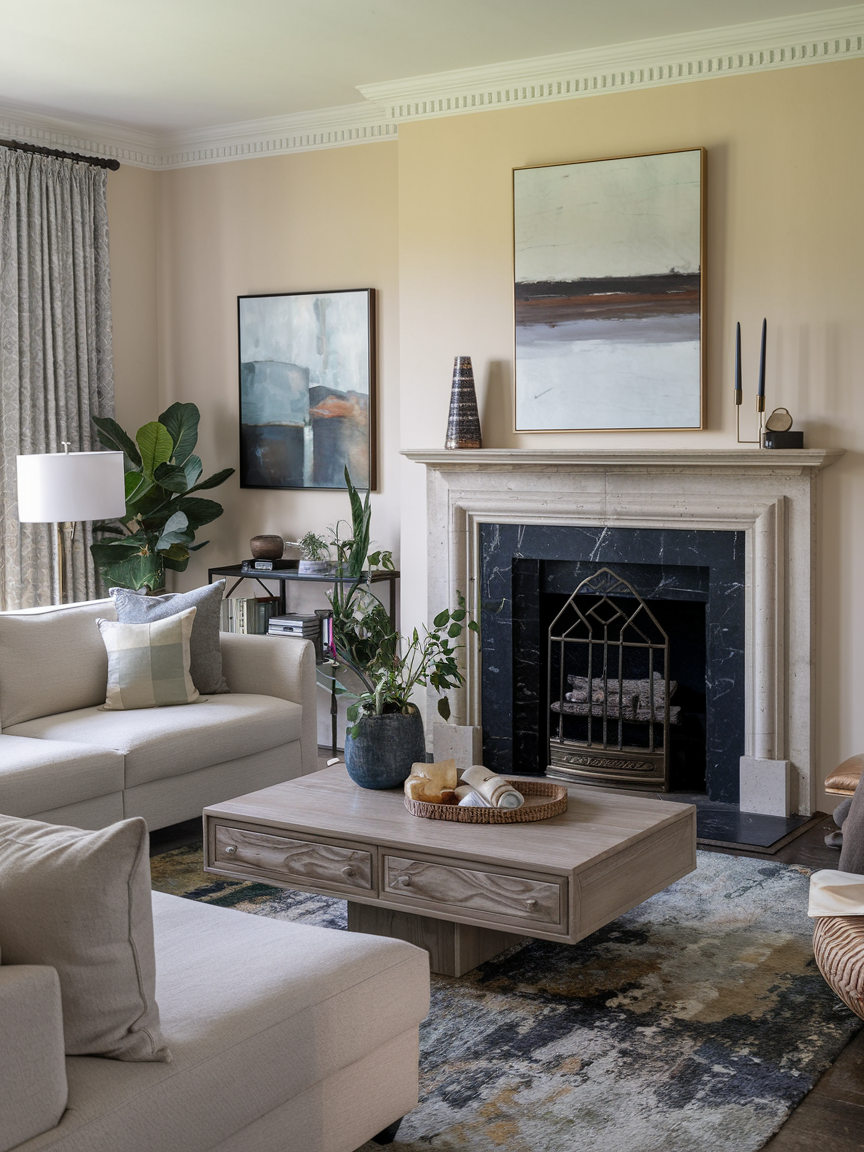
A fireplace naturally draws attention, so the mantel provides an ideal surface for creating a strong decorative focal point. Layer artwork, mirrors, candles, ceramics, greenery, or seasonal accents to give the area personality. For a more balanced arrangement, combine pieces of different heights while keeping the overall display visually cohesive. You can also change the mantel throughout the year to introduce fresh colors and textures. Even a nonworking fireplace can serve as an architectural anchor, giving the living room a clear centerpiece and a natural place to focus your decorating efforts.
24. Display Personal Mementos
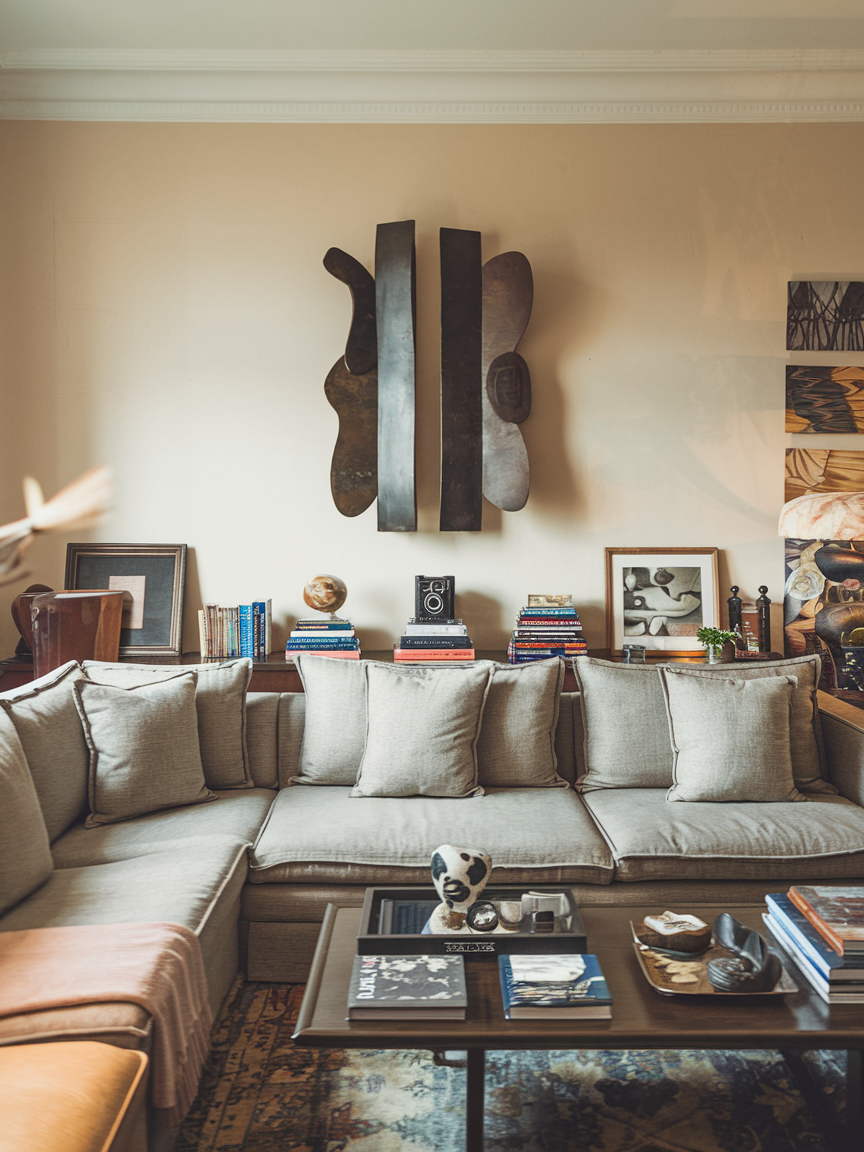
Personal mementos can give a living room a sense of history and individuality. Travel souvenirs, inherited objects, handmade pieces, photographs, and vintage finds all have the potential to become meaningful decorative elements. Instead of scattering them randomly around the room, group related items together on a shelf, console, or display cabinet. This creates a more intentional arrangement while allowing the objects themselves to remain the focus. These personal details often become conversation starters and help transform a beautifully decorated living room into a space that actually reflects the people who live there.
25. Update Your TV Stand
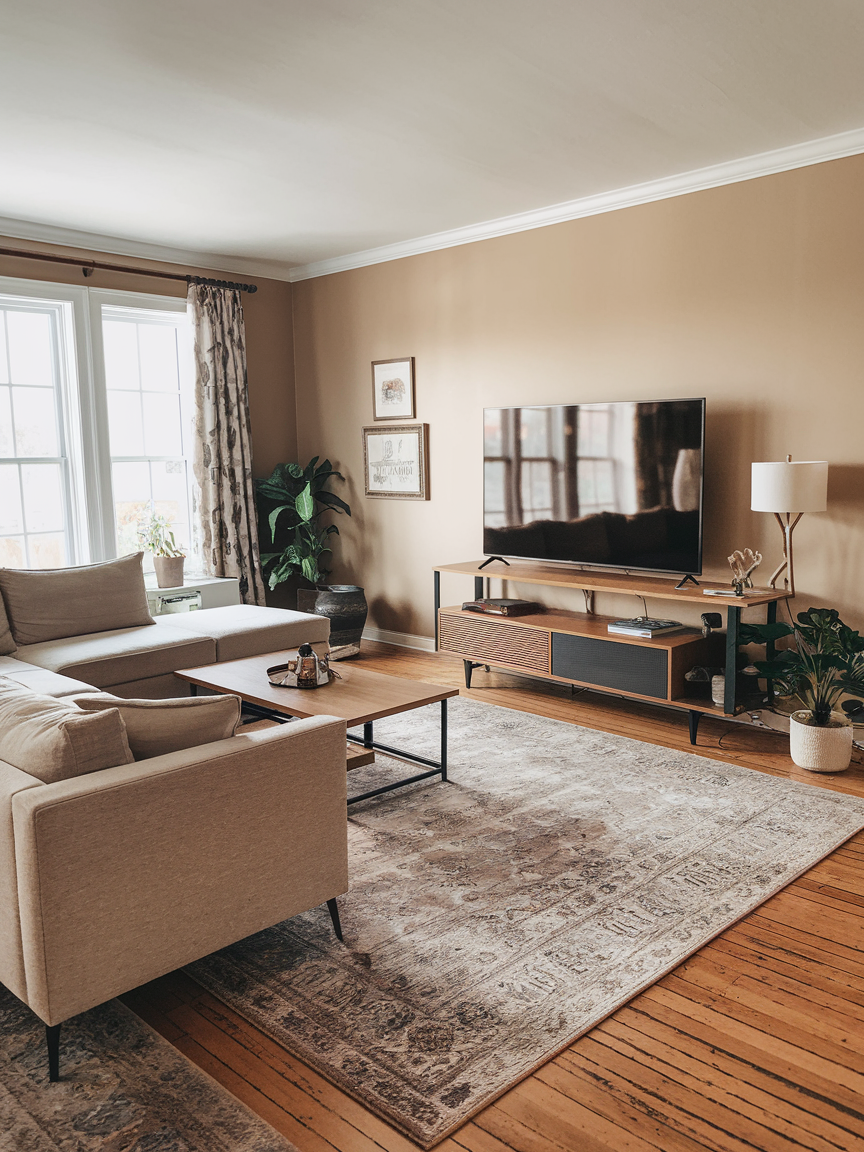
The television can easily become the most visually dominant feature in a living room, so choosing the right TV stand can help integrate it into the design. Look for a console with clean lines, attractive materials, and enough storage to hide cables, electronics, and everyday clutter. Wood brings warmth, while sleek painted finishes can create a more contemporary appearance. Style the surface with a few carefully chosen accessories, such as a plant, ceramic object, or stack of books. A thoughtfully designed media area can make the television feel like part of the room rather than an isolated black screen.
26. Try a Pop of Wallpaper
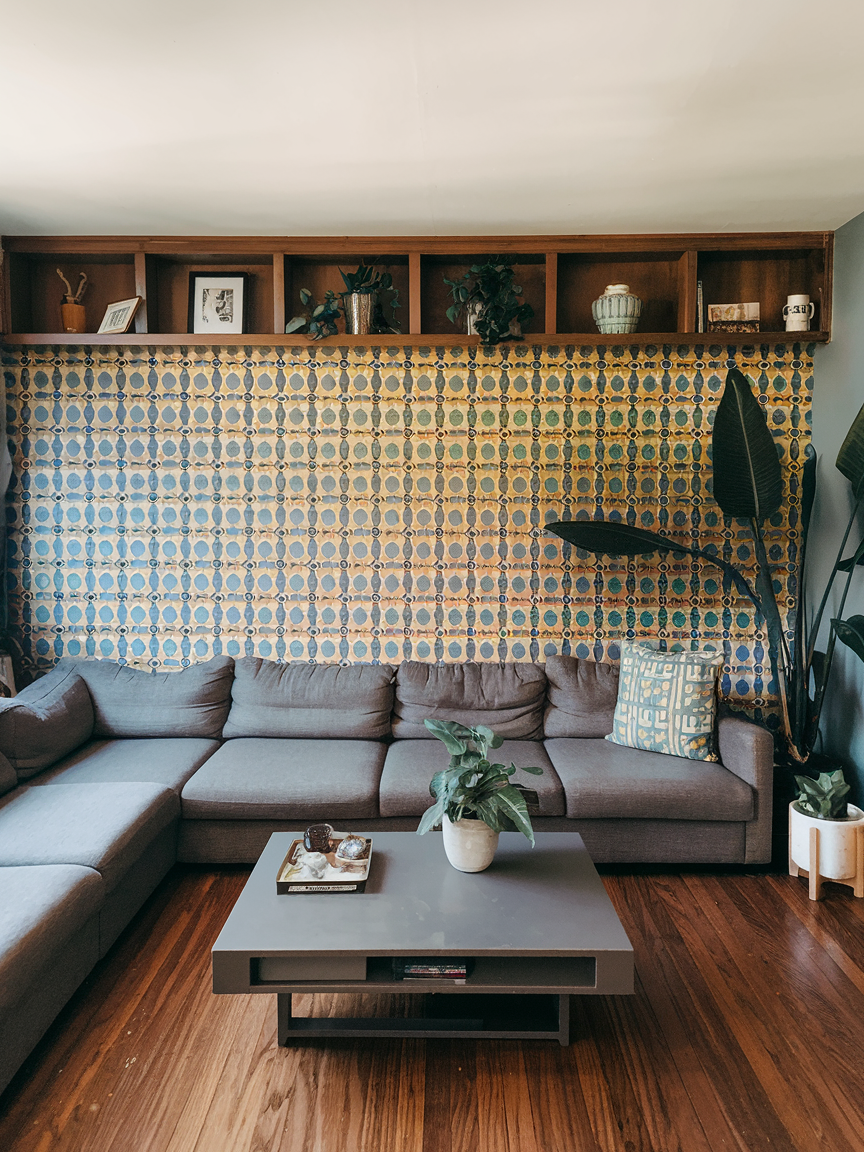
Wallpaper is an easy way to introduce color, pattern, and personality to a living room. Instead of covering every wall, consider using it on one feature wall to create a strong focal point. Wallpaper can also be applied inside built-in shelving or behind a console for a more subtle effect. Choose geometric patterns for a modern room, florals for a softer atmosphere, or textured designs for added depth. Peel-and-stick options make experimenting easier, especially if you want to refresh the space without making a permanent commitment.
27. Add a Chic Ottoman
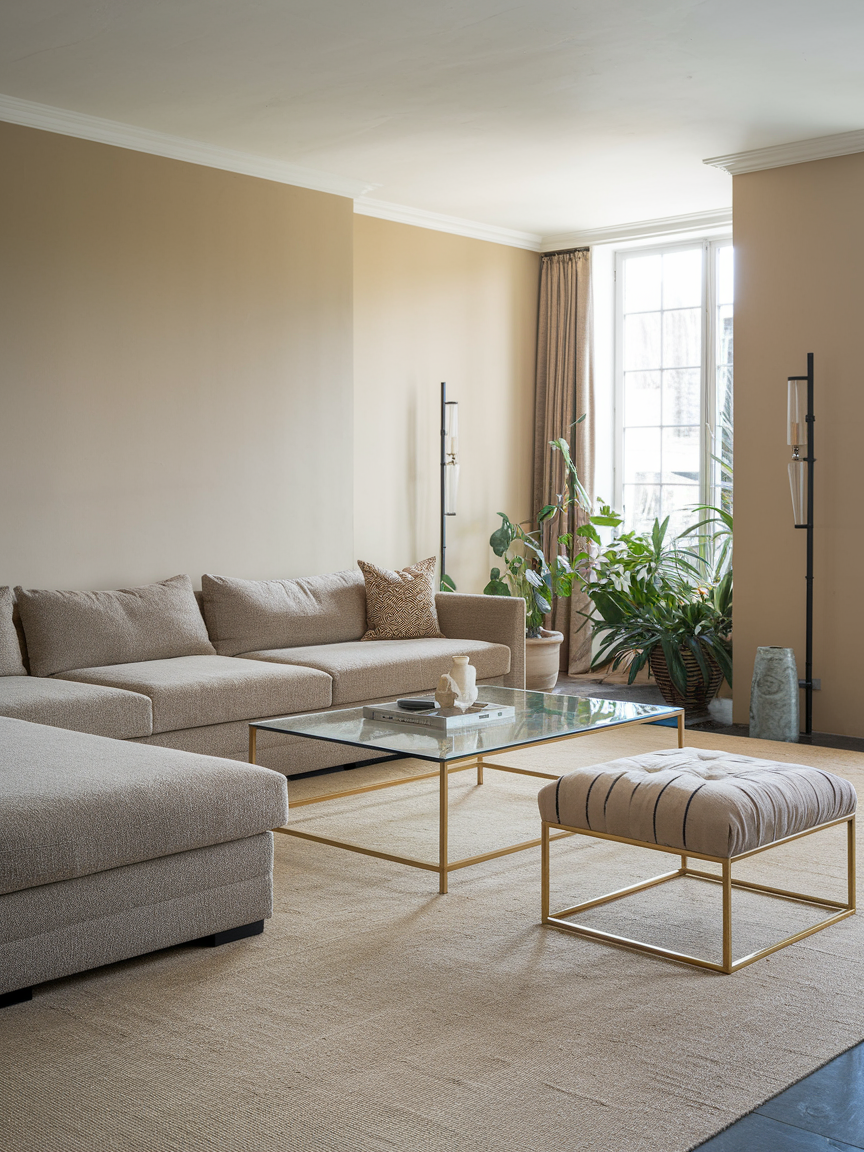
An ottoman can serve several purposes while adding softness and style to the seating arrangement. Use it as a footrest when relaxing, extra seating when guests arrive, or pair it with a tray to create an alternative coffee table. Upholstered designs in velvet, boucle, or patterned fabric can make a strong decorative statement, while neutral versions offer greater flexibility. Place the ottoman near the sofa or use two smaller pieces to create a more adaptable arrangement. Its versatility makes it particularly useful in living rooms that need to accommodate different activities.
* These living room decorating ideas offer many ways to create a space that feels fresh without losing its sense of comfort. Use your favorite design as inspiration, make changes at your own pace, and create a living room that feels beautiful, welcoming, and personal.