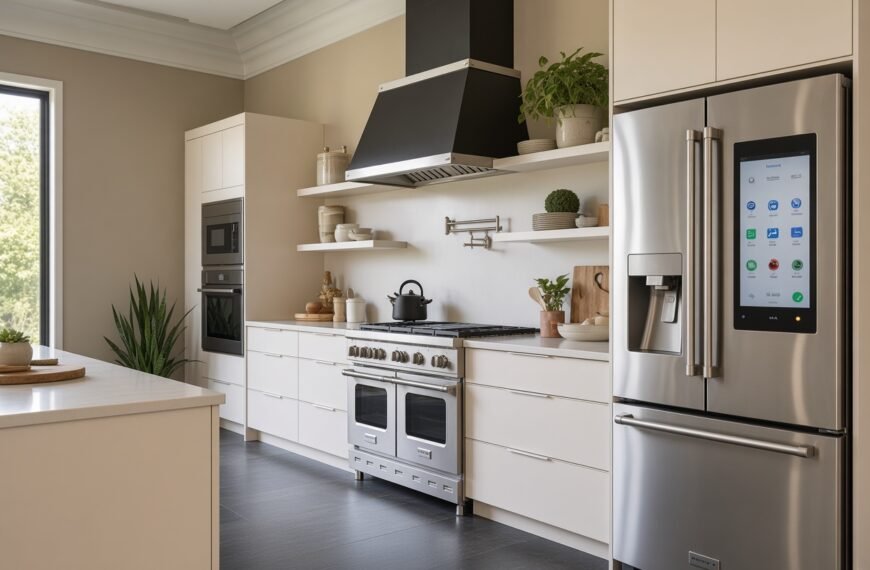
Modern minimalist kitchens focus on simplicity, clean lines, and thoughtful design that enhances both beauty and efficiency. A well-planned layout, streamlined cabinetry, and clutter-free surfaces create a calm environment that makes everyday cooking and gathering more enjoyable. The minimalist approach is not about removing personality, but about highlighting quality materials, smart storage, and purposeful details.
Neutral color palettes, natural textures, and subtle contrasts help maintain a refined and timeless look. Integrated appliances, hidden storage solutions, and sleek lighting keep the space functional while preserving a seamless appearance. Small design choices such as matte finishes, warm wood accents, or stone countertops add depth without overwhelming the clean aesthetic.
This curated collection showcases inspiring ways to create kitchens that feel modern, organized, and effortlessly elegant. Let’s explore these modern minimalist kitchens and discover how to design a space that balances beauty, comfort, and everyday function!
1. Clean White Cabinet Design
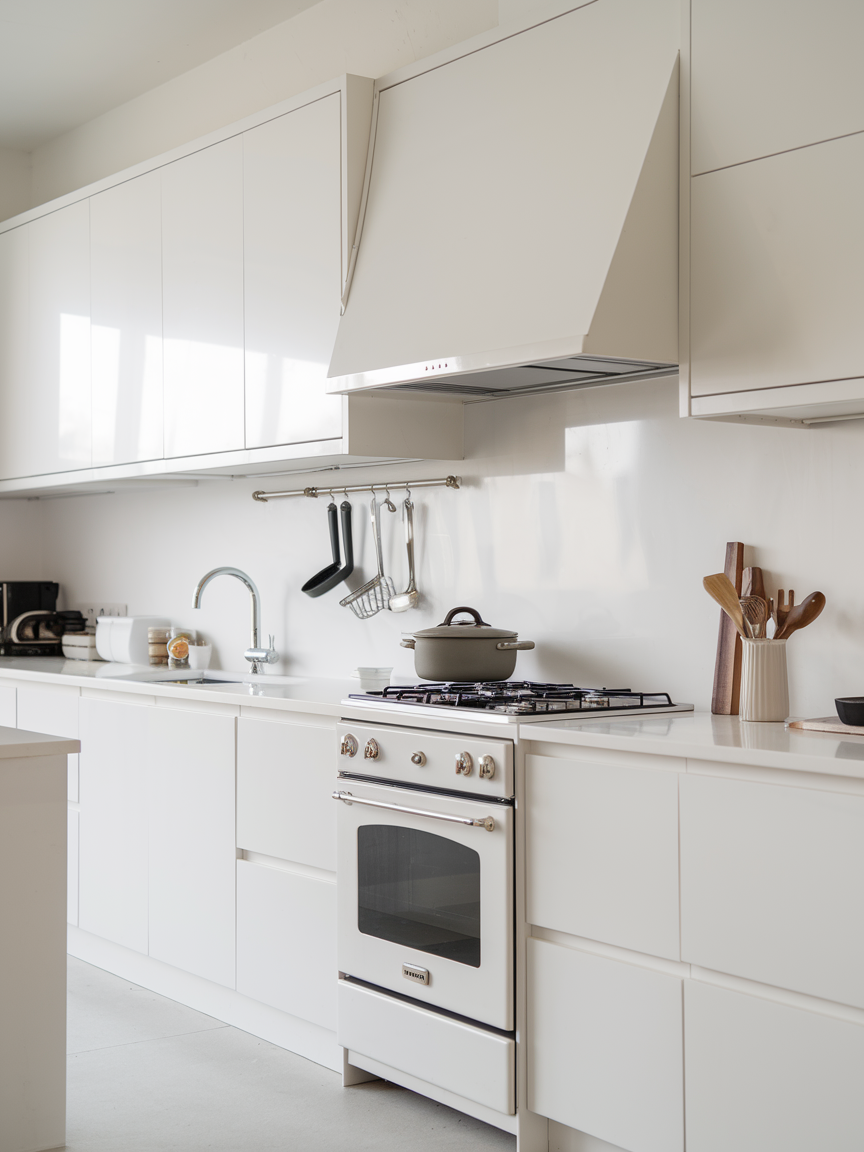
White cabinetry remains one of the most timeless choices for a minimalist kitchen. Flat-panel doors without visible hardware create a smooth, uninterrupted surface that enhances the clean aesthetic. The light color reflects natural and artificial light, making the space feel brighter and more open. Pair white cabinets with subtle texture through matte finishes, light stone countertops, or warm wood accents to prevent the design from feeling sterile. Integrated storage solutions help maintain a clutter-free environment, allowing countertops to remain clear and functional. This approach creates a calm and airy kitchen that feels spacious, organized, and visually balanced for everyday use.
2. Handleless Cabinetry for a Seamless Look
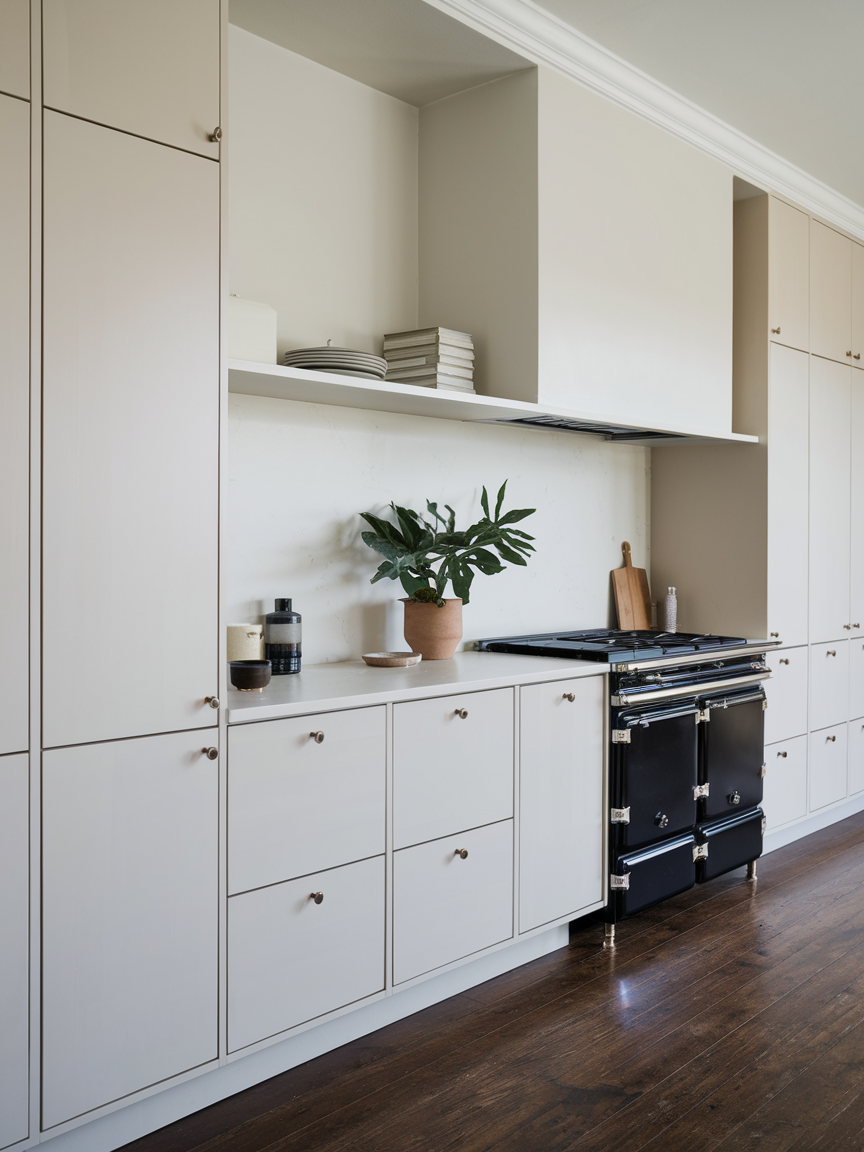
Handleless cabinets enhance the sleek appearance of a modern minimalist kitchen. Push-to-open systems or recessed finger pulls eliminate visual interruptions, creating a streamlined wall of cabinetry. This design works especially well in small kitchens where reducing visual clutter helps the space feel larger. Choose durable finishes such as matte laminate, lacquer, or wood veneer to maintain both beauty and practicality. The absence of hardware not only improves aesthetics but also simplifies cleaning and maintenance. A handleless design reinforces the minimalist principle of simplicity while ensuring the kitchen remains efficient and easy to use.
3. Warm Wood Minimalist Kitchen
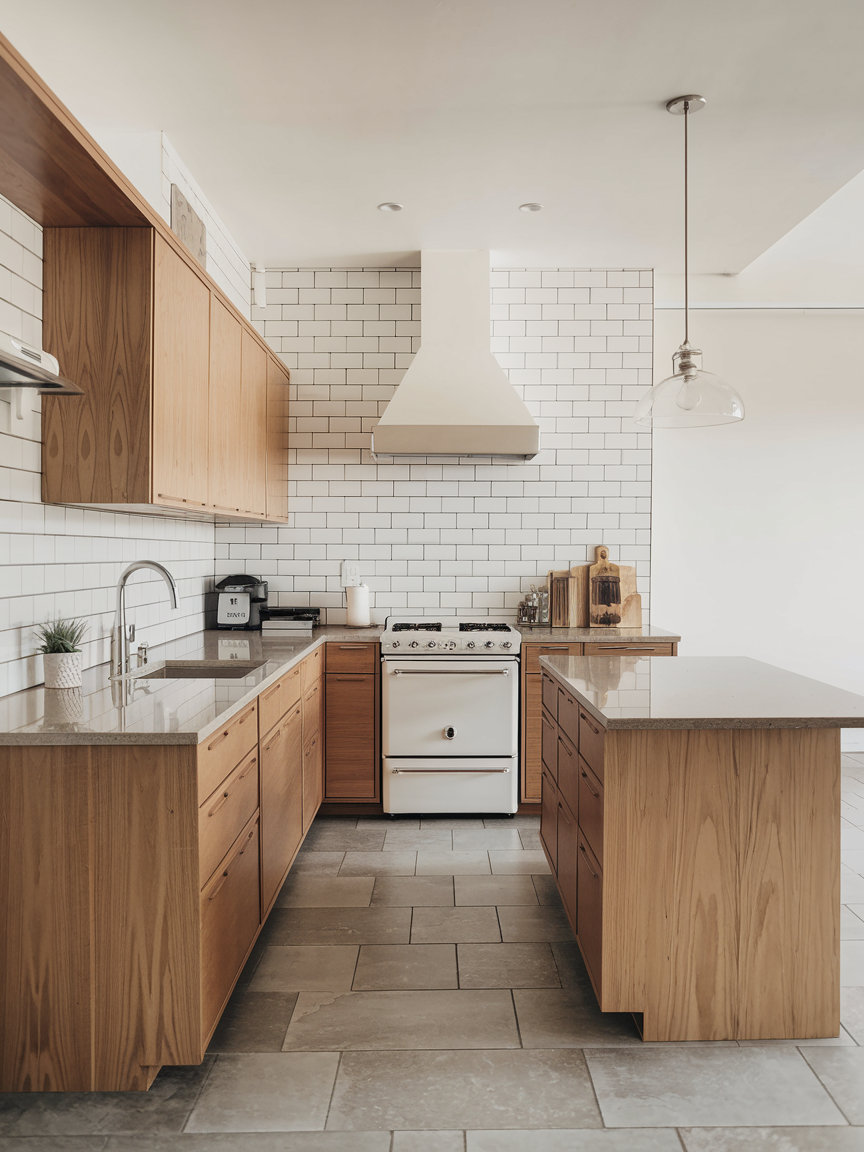
Natural wood brings warmth and texture to a minimalist space without overwhelming its simplicity. Light oak, walnut, or ash cabinetry adds organic character while maintaining clean lines. Pair wood cabinets with neutral stone countertops and simple backsplashes to keep the overall look balanced. Limiting decorative elements allows the natural grain to become the visual focal point. Wood tones soften the modern aesthetic, creating a kitchen that feels welcoming and comfortable while still maintaining a clean and uncluttered appearance.
4. Neutral Color Palette Harmony
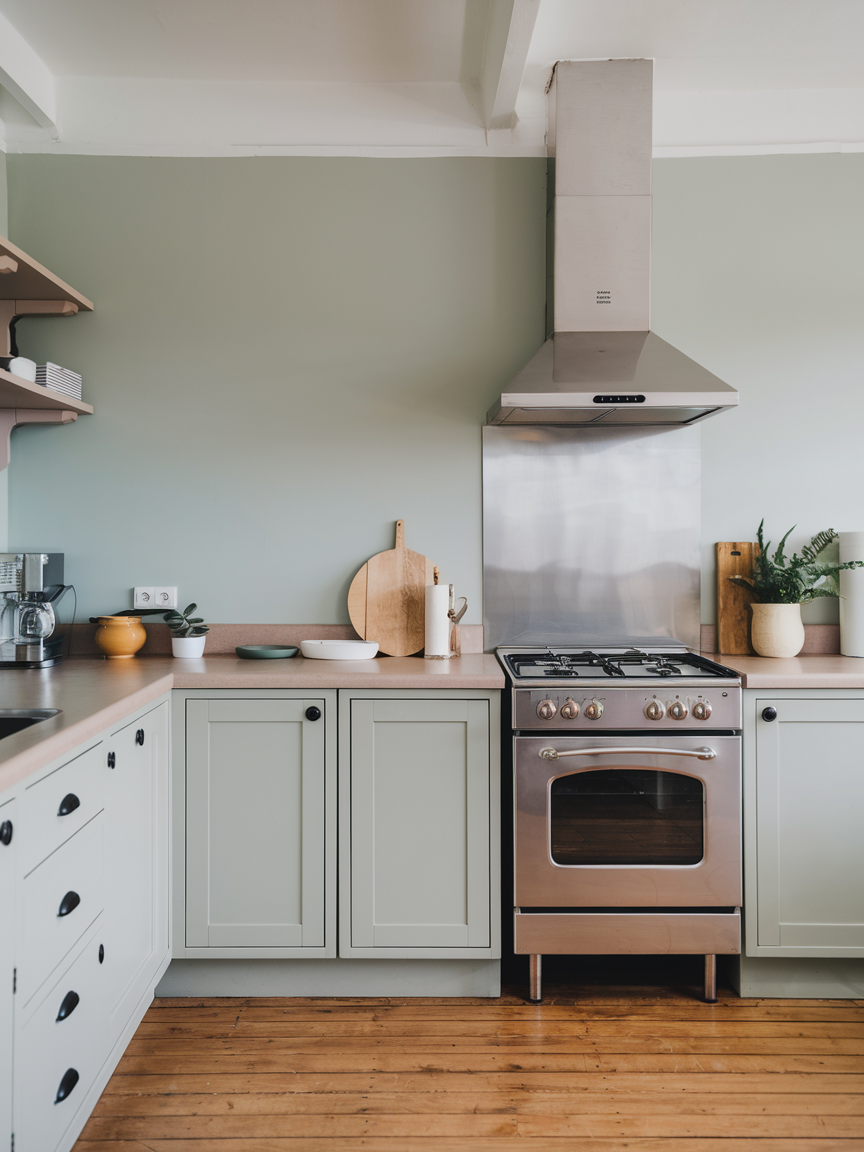
A cohesive neutral palette helps create a calm and timeless kitchen environment. Shades such as white, beige, taupe, soft gray, and warm stone tones work together to produce a balanced and sophisticated look. Keeping the color range limited prevents visual distraction and supports the minimalist philosophy. Texture variation—matte cabinetry, stone surfaces, and subtle wood details—adds depth without introducing bold colors. This approach ensures the kitchen feels peaceful and elegant while remaining adaptable to changing décor preferences over time.
5. Integrated Appliances for a Unified Design
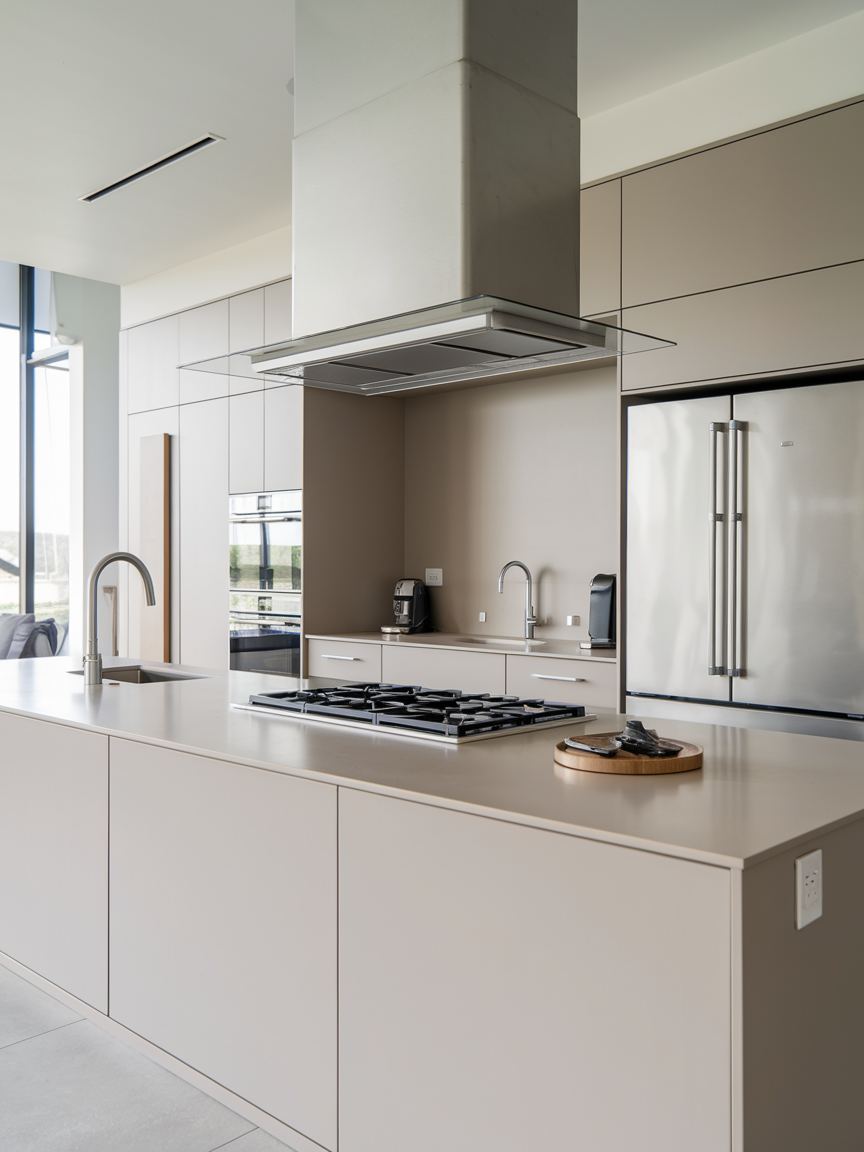
Panel-ready refrigerators, dishwashers, and other appliances allow them to blend seamlessly with cabinetry. This creates a continuous surface that reduces visual clutter and enhances the minimalist aesthetic. Built-in ovens and microwaves positioned at ergonomic heights improve workflow while maintaining clean lines. Integrated appliances not only improve the appearance of the kitchen but also maximize space efficiency, making daily tasks more comfortable and organized.
6. Minimal Open Shelving Accents
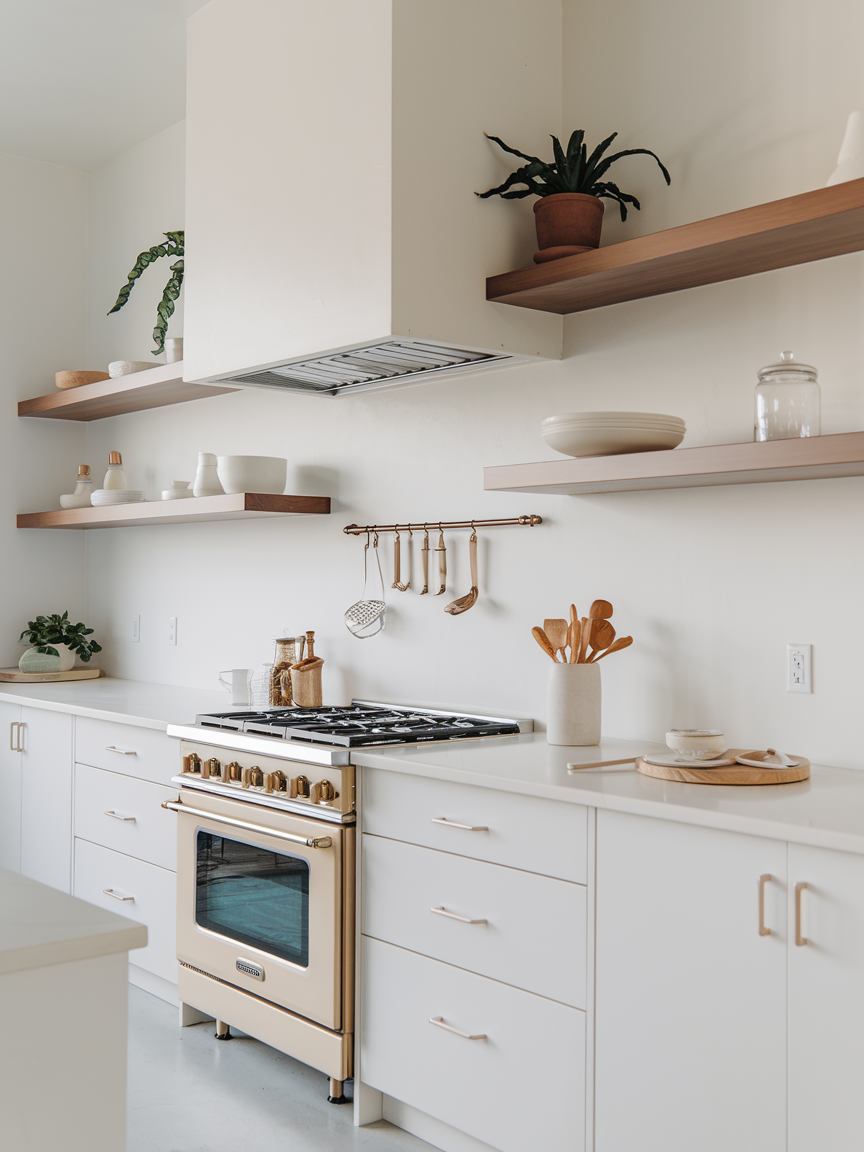
While minimalist kitchens typically favor closed storage, a small section of open shelving can add personality without creating clutter. Display only essential or visually pleasing items such as neutral dishware, glass jars, or a few plants. Keeping the shelf styling simple and intentional prevents the space from feeling busy. Open shelving works best when balanced with plenty of concealed storage elsewhere.
7. Balanced Everyday Minimalism
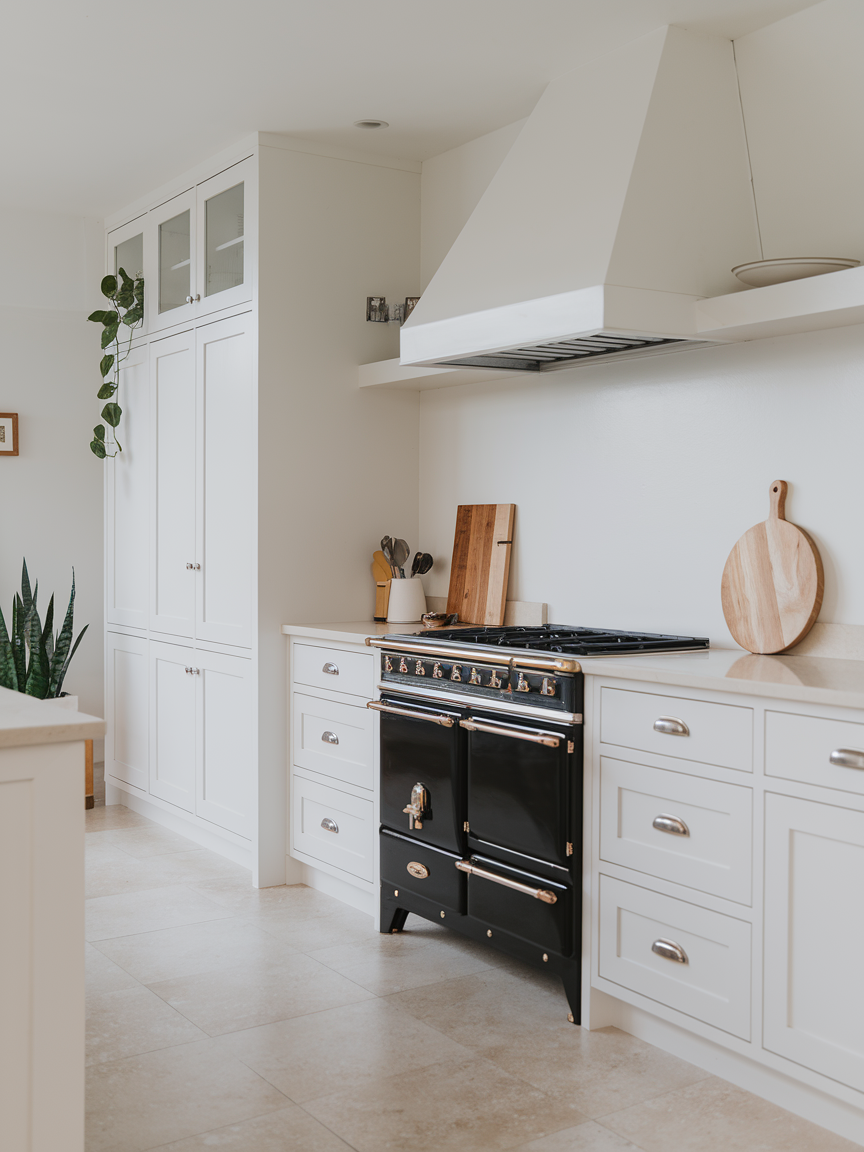
The most successful minimalist kitchens are designed around real daily routines. Clear countertops, efficient storage systems, durable materials, and comfortable lighting work together to create a space that feels calm yet highly functional. Instead of focusing only on appearance, balanced minimalism prioritizes ease of use, organization, and long-term comfort. When every item has a designated place, and every design choice serves a purpose, the kitchen becomes a peaceful environment that supports cooking, gathering, and everyday life. This thoughtful balance between beauty and practicality is what makes modern minimalist kitchens truly timeless.
8. Waterfall Edge Kitchen Island
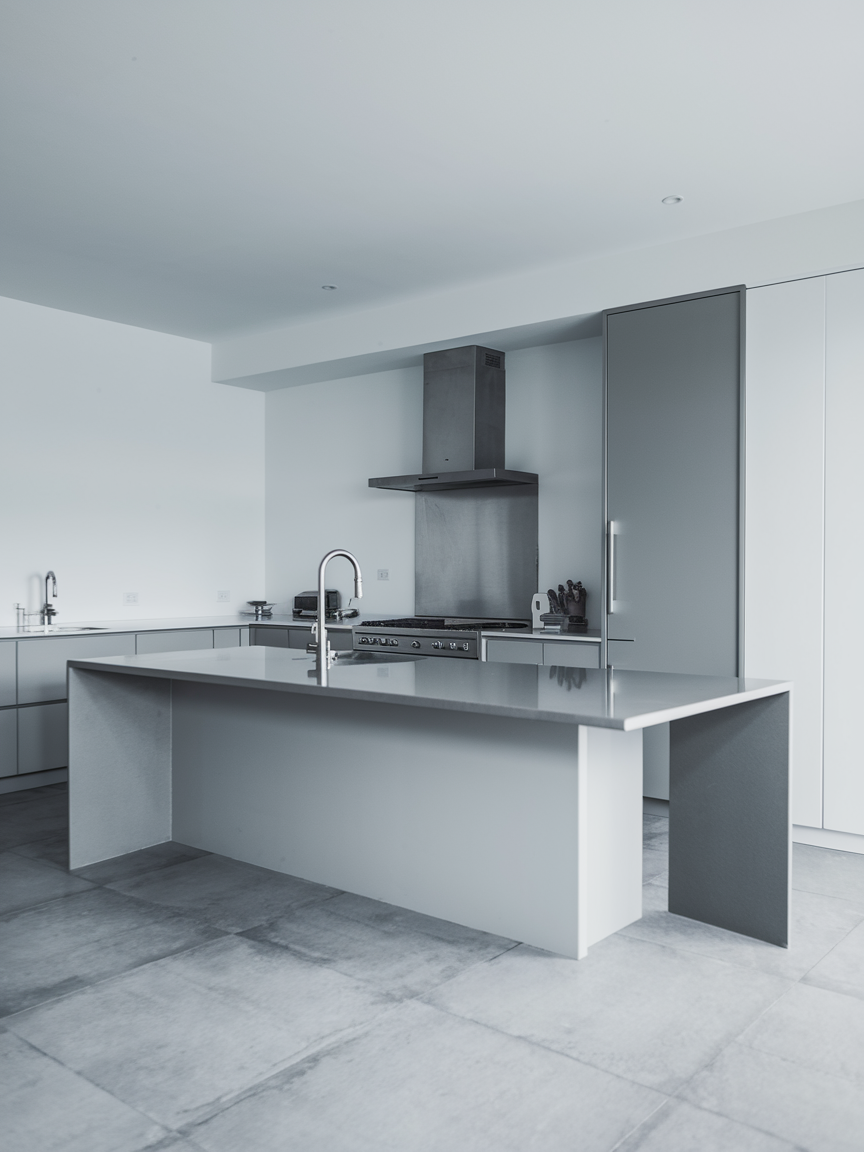
A waterfall countertop creates a sleek and sculptural focal point. Extending the countertop material down the sides of the island emphasizes clean lines and high-quality materials. Choose quartz, marble, or solid surface materials in neutral tones for a refined appearance. This design adds subtle visual drama while maintaining the simplicity essential to minimalist kitchens.
9. Matte Finish Surfaces
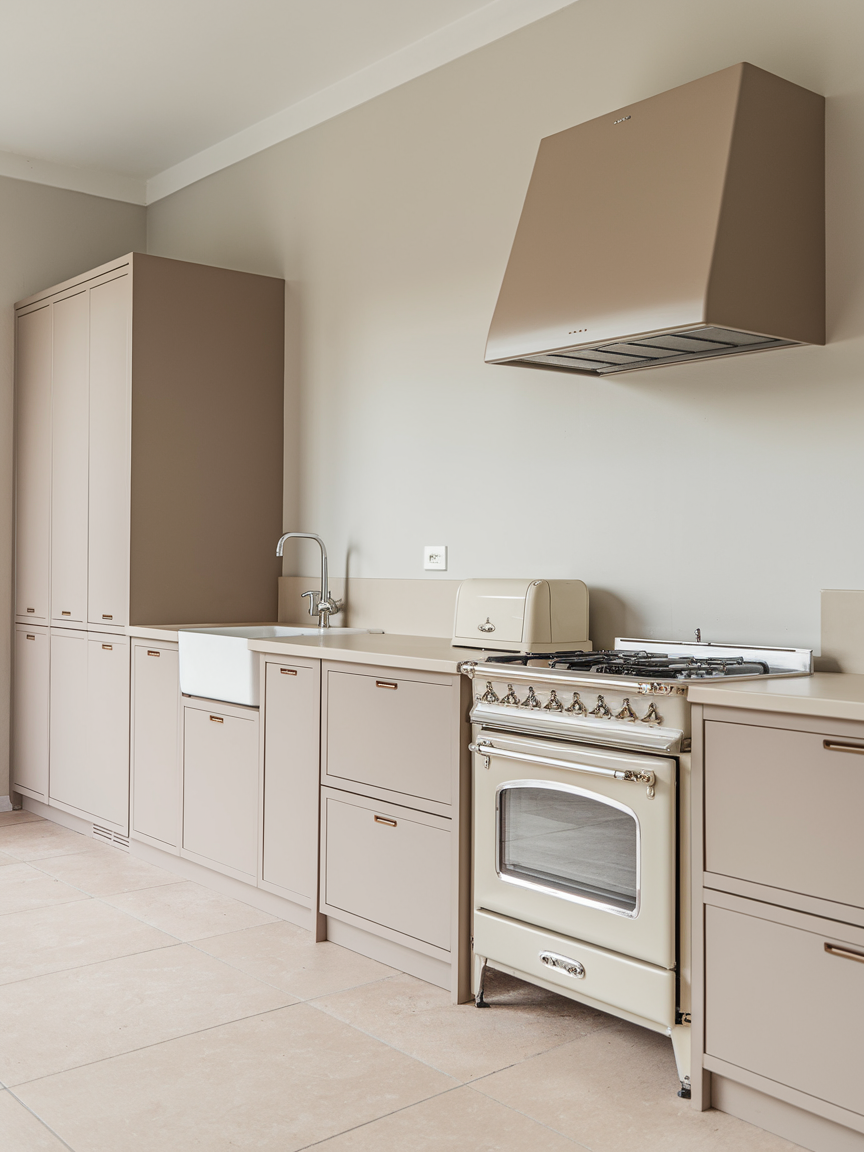
Matte finishes reduce glare and create a soft, modern look. Matte cabinetry, countertops, and fixtures feel understated yet sophisticated. They also hide fingerprints and smudges better than glossy surfaces, making them practical for busy households. Combining matte textures with subtle natural materials enhances the calm and balanced atmosphere.
10. Minimalist Lighting Design
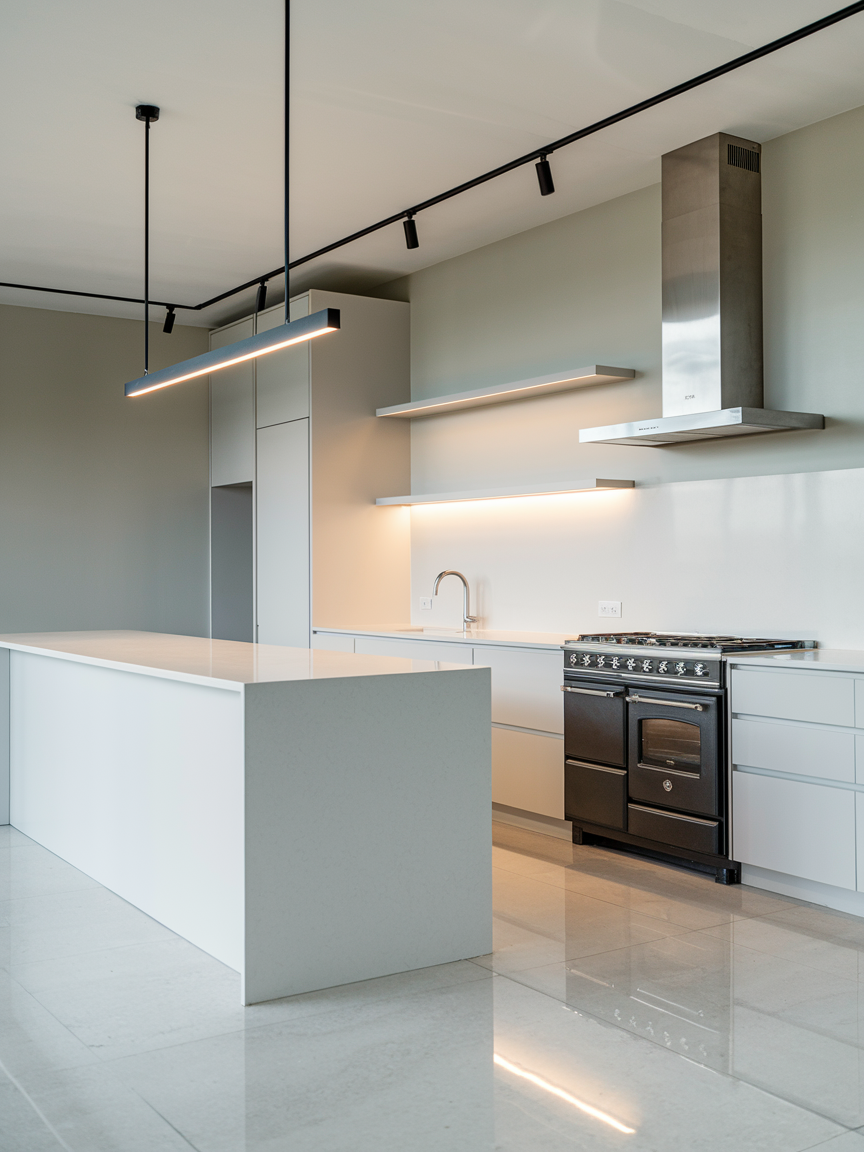
Simple lighting fixtures with clean shapes complement the overall aesthetic. Linear pendants, recessed lights, or slim under-cabinet lighting provide both function and style. Warm lighting enhances the natural tones of wood and stone, creating a welcoming environment while maintaining a streamlined look.
11. Compact Layout Efficiency
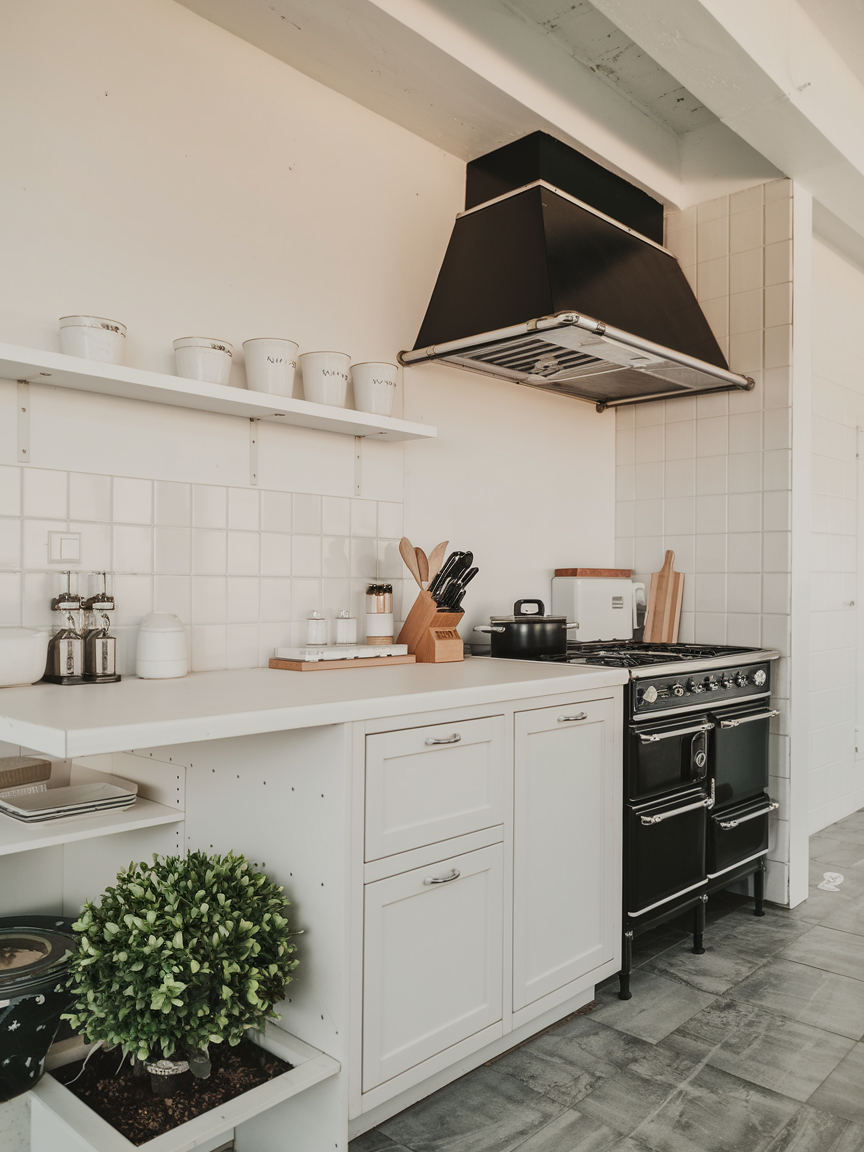
A minimalist kitchen thrives on efficient space planning, especially in smaller homes or apartments. Designing a compact layout with a clear work triangle between the sink, stove, and refrigerator helps streamline daily tasks and reduce unnecessary movement. Slim cabinetry, built-in appliances, and vertical storage maximize functionality without overcrowding the space. Keeping pathways open and surfaces uncluttered allows the kitchen to feel larger than its actual size. Light colors, reflective materials, and thoughtful lighting further enhance the sense of openness. A compact minimalist layout proves that even small kitchens can feel spacious, practical, and visually calm when every element is intentionally planned.
12. Floor-to-Ceiling Cabinet Storage
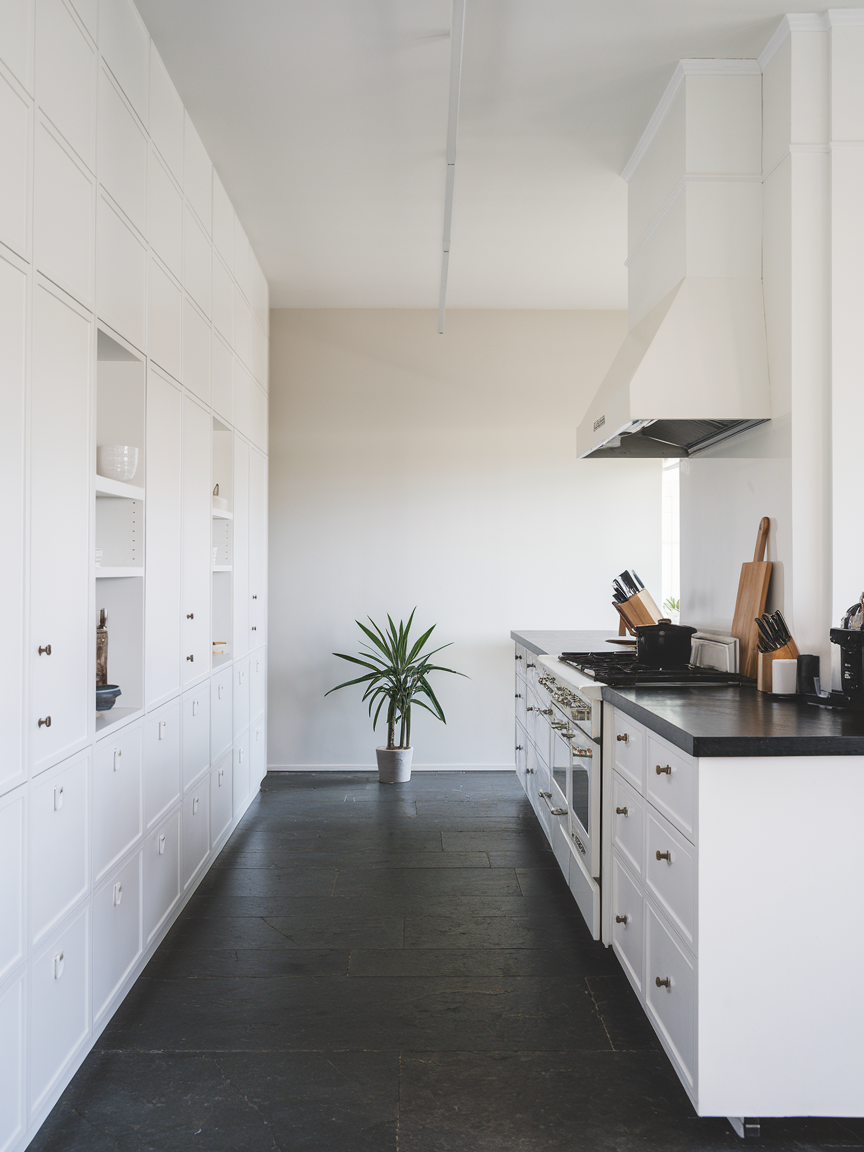
Extending cabinetry to the ceiling creates a clean, uninterrupted wall while maximizing storage capacity. This approach eliminates visual gaps where dust and clutter often collect, helping maintain a tidy appearance. Upper cabinets can store seasonal or less frequently used items, while everyday essentials remain easily accessible at lower levels. Choosing flat-panel doors in a consistent finish keeps the design sleek and cohesive. Floor-to-ceiling storage also enhances the sense of height in the kitchen, making the room feel more structured and architectural while supporting long-term organization.
13. Minimal Backsplash Design
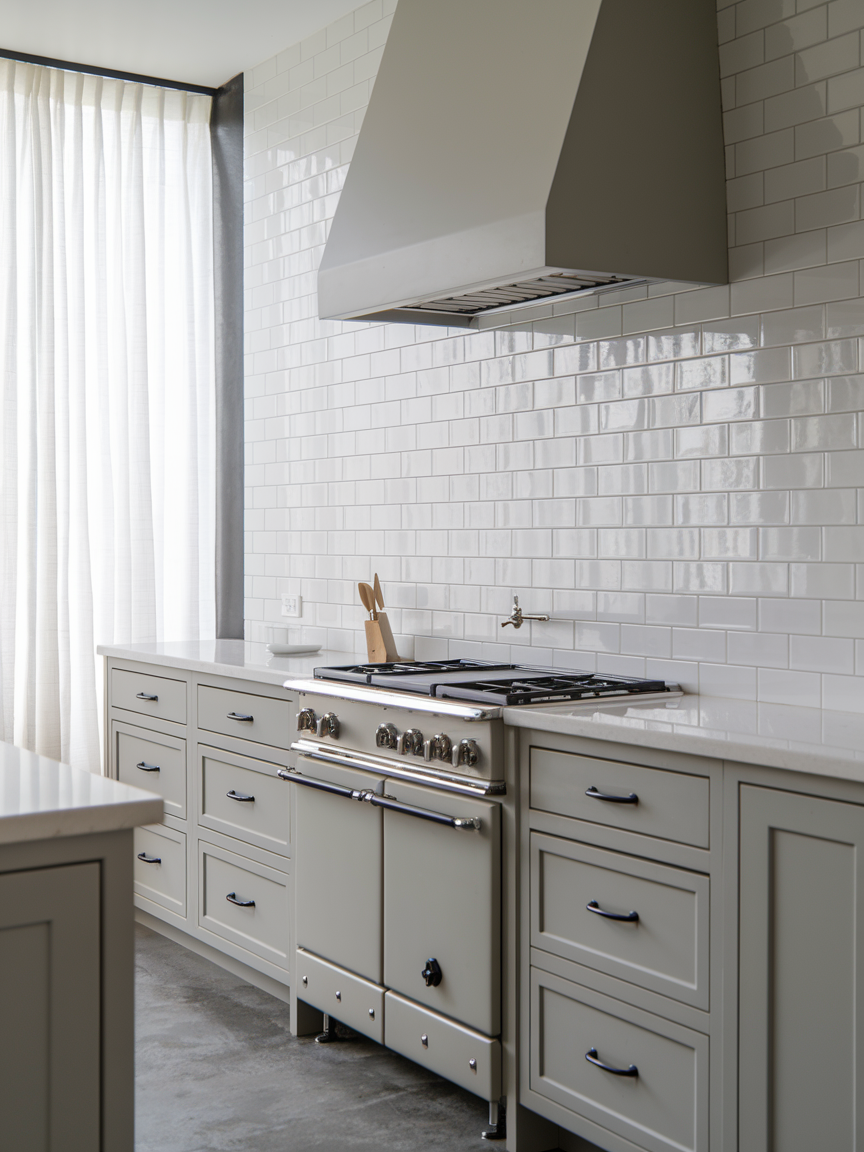
A simple backsplash keeps the focus on clean lines and high-quality materials. Large-format tiles, seamless stone slabs, or subtly textured surfaces work well in minimalist kitchens. Neutral colors such as white, soft gray, or warm beige maintain visual harmony with cabinetry and countertops. Avoid busy patterns or high contrast, as simplicity is key to achieving a calm atmosphere. A minimal backsplash is also easier to clean and maintain, making it both a practical and aesthetic choice for everyday cooking environments.
14. Monochrome Kitchen Concept
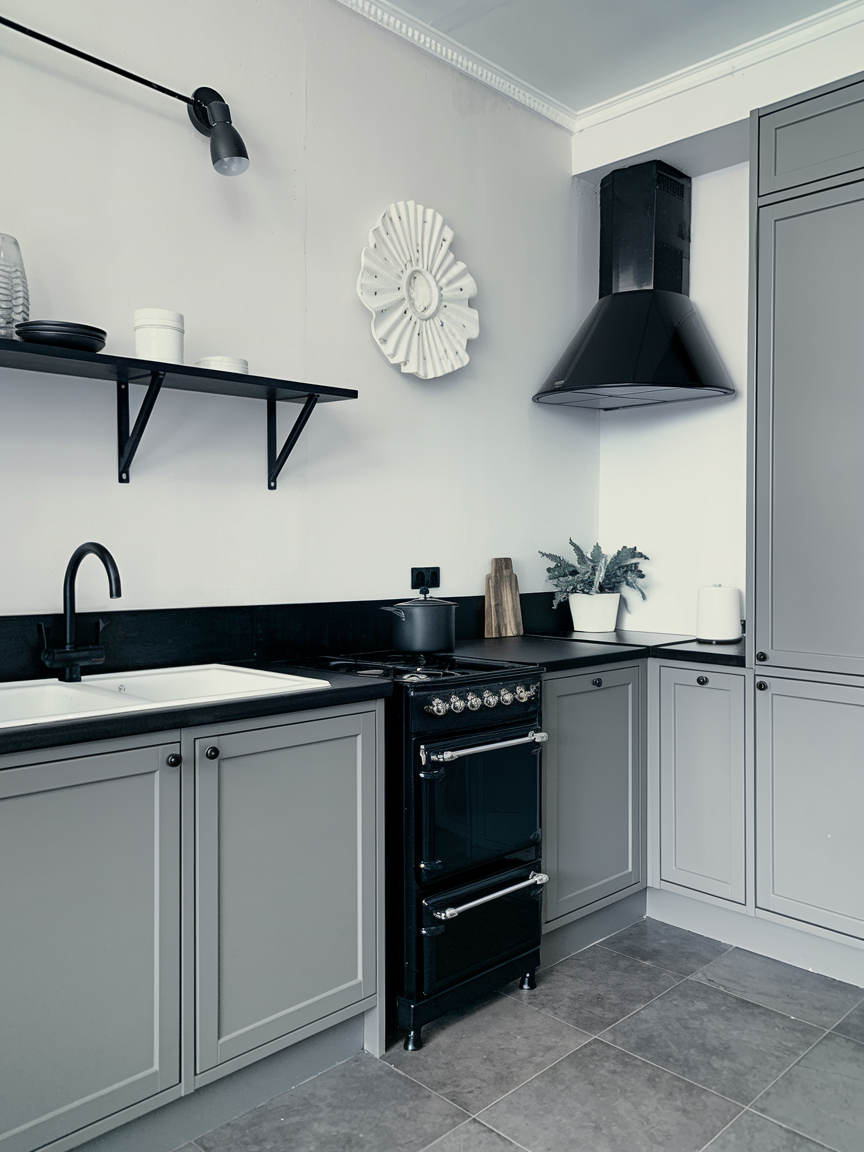
A monochrome color scheme creates a sophisticated and cohesive look. Using varying shades of a single color, such as all-white, soft gray, or warm taupe, adds depth without visual clutter. Mixing textures within the same tone, like matte cabinets with polished stone or brushed metal accents, prevents the design from feeling flat. This approach reinforces the minimalist principle of simplicity while allowing subtle variations to add interest. A monochrome kitchen feels timeless, elegant, and easy to maintain.
15. Minimal Hardware Accents
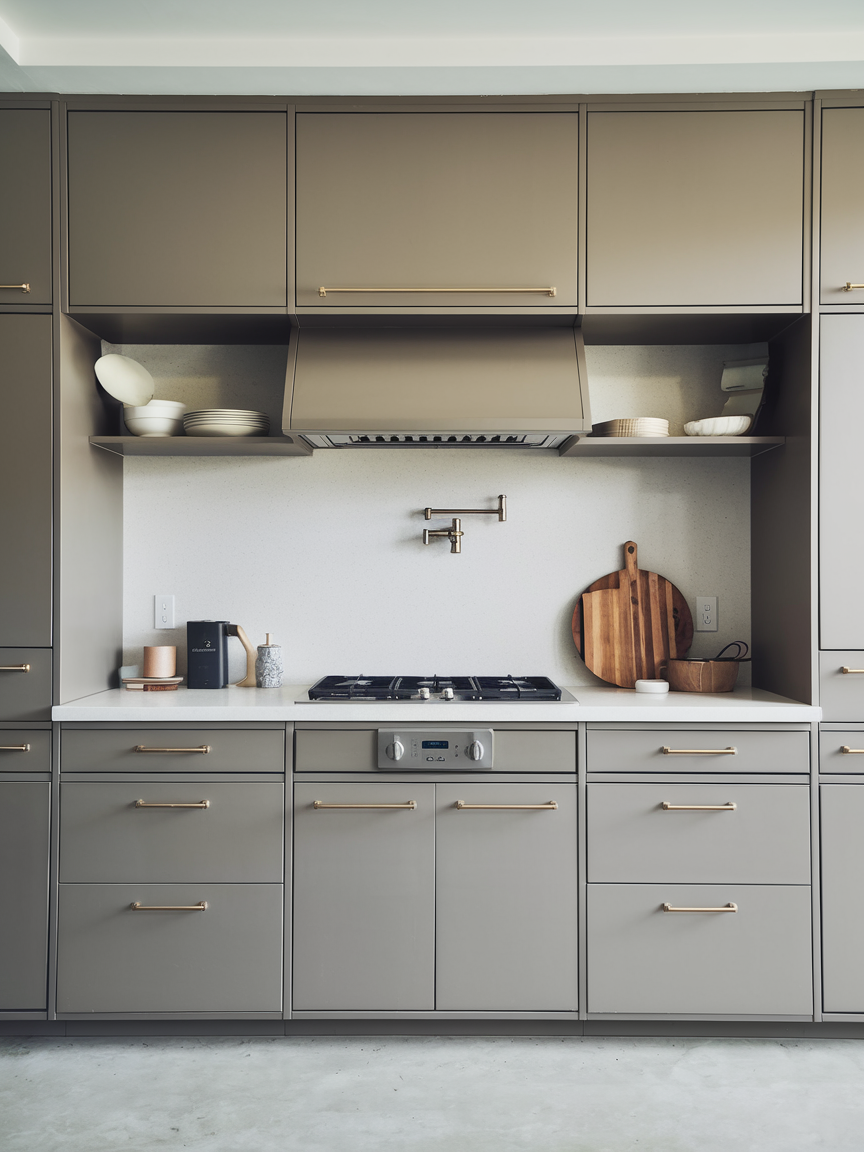
If handleless cabinets are not preferred, choose slim and understated hardware. Linear bar pulls or small edge handles in matte black, brushed nickel, or soft brass add functionality without distracting from the clean design. Keeping hardware consistent throughout the kitchen maintains visual harmony and supports the minimalist aesthetic.
16. Natural Light Focus
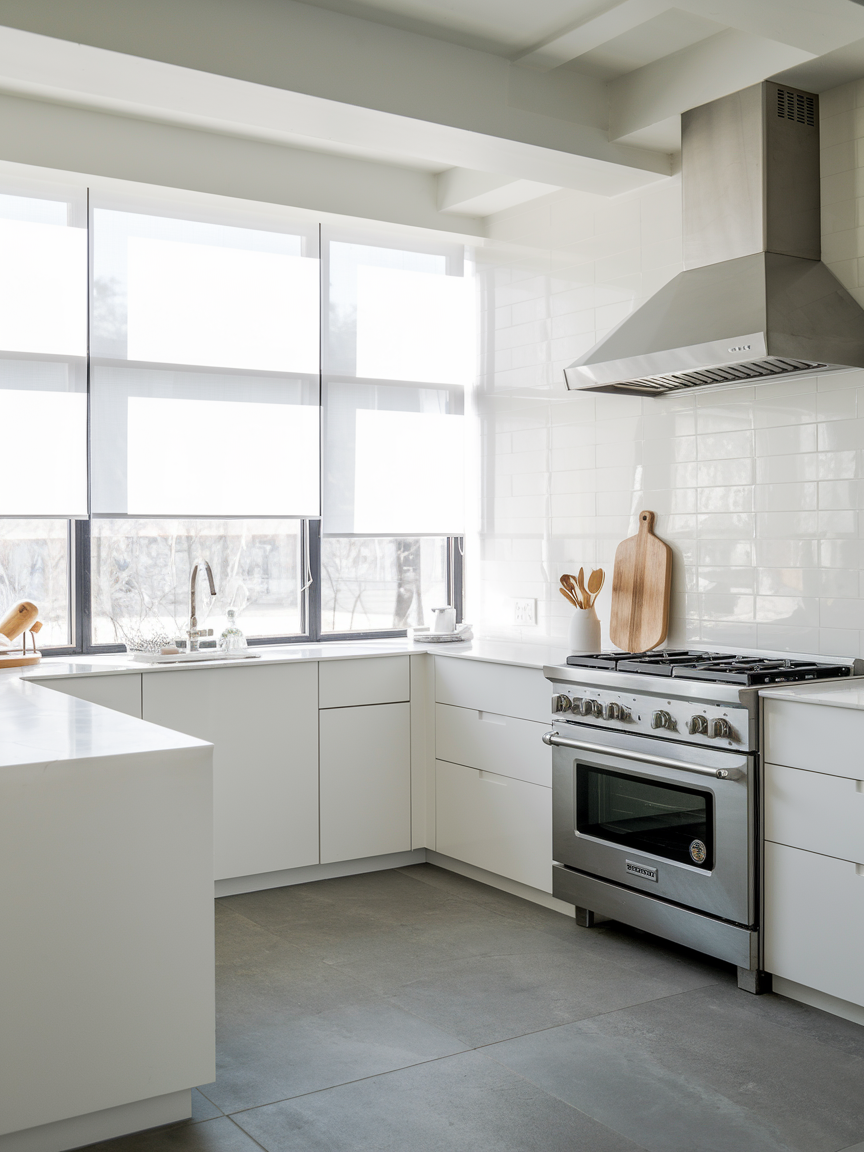
Maximizing natural light is one of the most effective ways to enhance a modern minimalist kitchen. Large windows, glass doors, or skylights allow sunlight to fill the space, highlighting clean lines and the natural beauty of materials such as wood, stone, and matte cabinetry. Bright daylight reduces the need for excessive artificial lighting and helps the kitchen feel open, fresh, and inviting throughout the day. To maintain the minimalist aesthetic, avoid heavy curtains or layered window treatments. Instead, choose simple roller shades, sheer panels, or leave windows uncovered when privacy allows. Reflective surfaces like light countertops or subtle backsplashes can help bounce light around the room. A well-lit kitchen not only feels more spacious but also creates a calm and uplifting atmosphere that supports comfortable everyday living.
17. Minimal Decor Styling
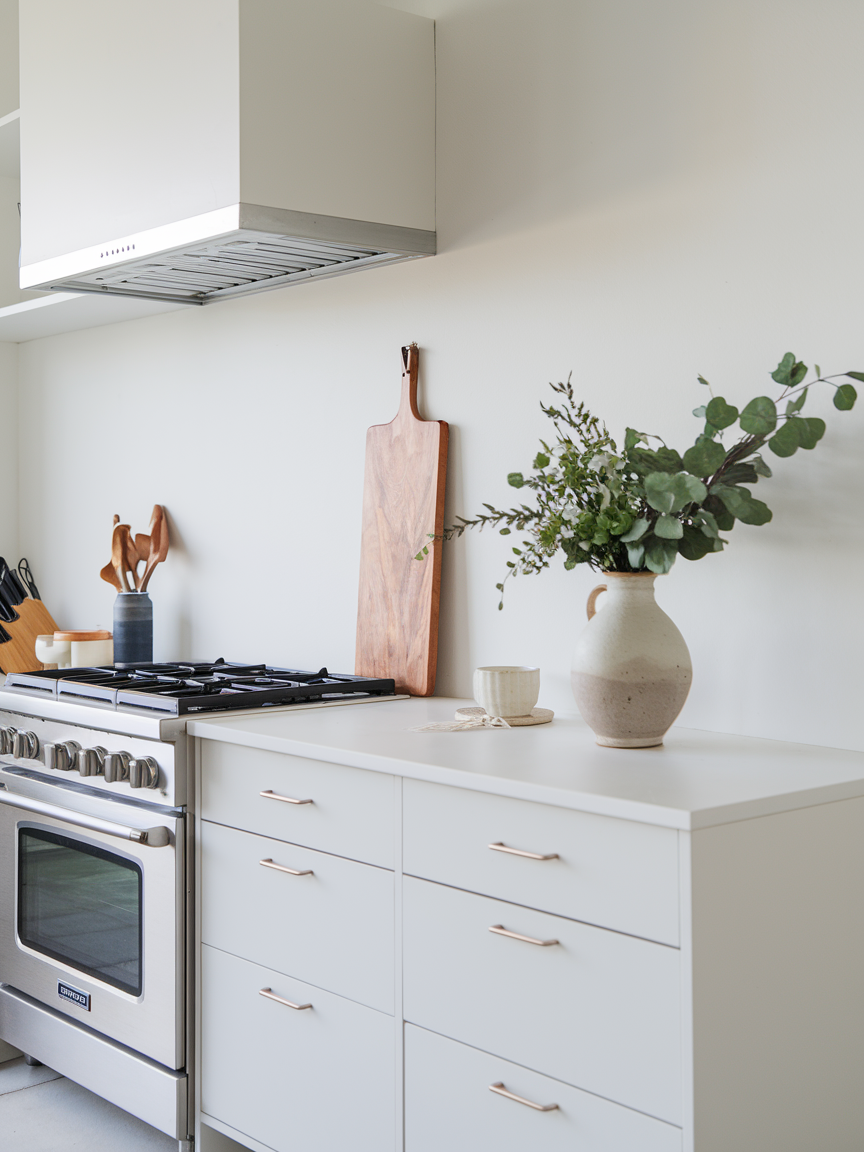
In a minimalist kitchen, decor should be intentional, meaningful, and carefully limited. Instead of filling countertops with decorative items, focus on a few pieces that add warmth without creating visual clutter. A ceramic vase with fresh greenery, a wooden cutting board leaning against the backsplash, or a bowl of seasonal fruit can provide a natural and welcoming touch. Keeping the color palette consistent with the kitchen’s overall design ensures the styling feels cohesive and balanced. Functional items that double as decor, such as glass storage jars or beautiful cookware, work especially well in minimalist spaces. The goal is to create a kitchen that feels lived-in yet calm, where each item has a purpose and contributes to the overall aesthetic without overwhelming the clean design.
18. Eco-Friendly Minimalist Materials
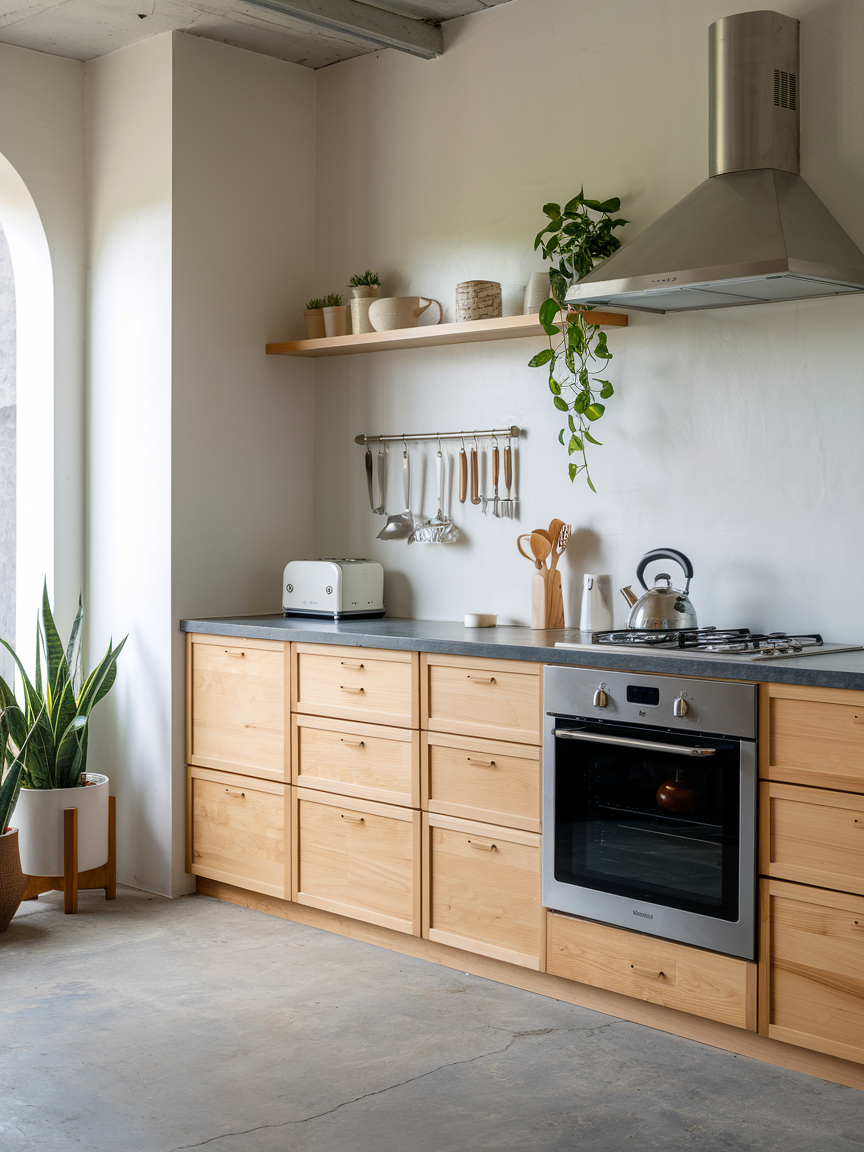
Sustainability aligns naturally with minimalist design, which emphasizes quality and longevity over excess. Choosing eco-friendly materials such as bamboo cabinetry, recycled countertops, low-VOC finishes, and energy-efficient appliances reduces environmental impact while supporting long-term durability. Natural materials also add warmth and texture that enhance the overall aesthetic. A sustainable minimalist kitchen focuses on thoughtful choices that benefit both the home and the environment, creating a space that feels responsible, timeless, and practical for everyday living.
19. Concrete and Industrial Minimalism
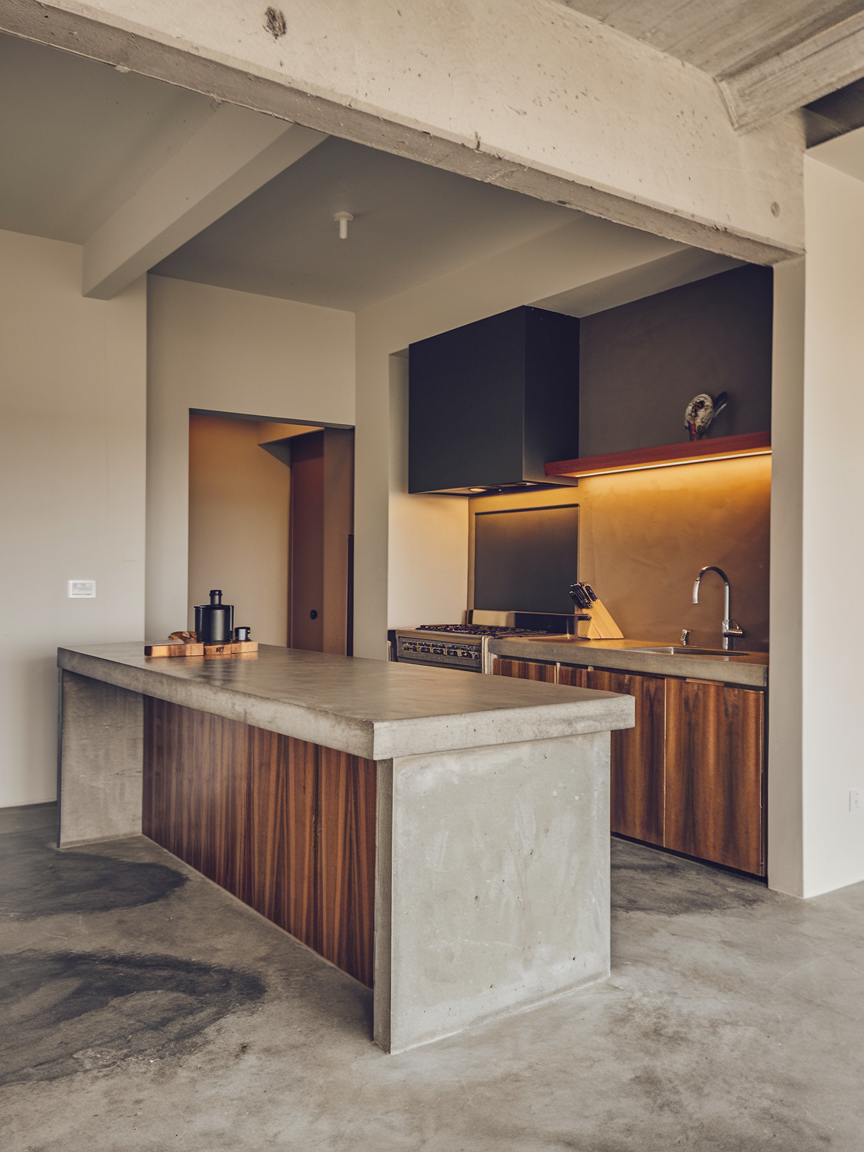
Concrete surfaces introduce subtle texture and durability while maintaining the understated look of minimalist design. Concrete countertops, flooring, or even feature walls add a modern industrial touch without overwhelming the space. The soft gray tone works beautifully with neutral palettes and pairs well with warm wood cabinetry or matte black accents to create visual balance. When finished properly, concrete is highly durable, heat-resistant, and easy to maintain, making it a practical choice for busy kitchens. To prevent the space from feeling too cold or heavy, combine concrete elements with warm lighting, natural materials, and simple styling. This blend of industrial strength and minimalist simplicity creates a kitchen that feels modern, grounded, and visually sophisticated.
20. Open Concept Minimalist Kitchen
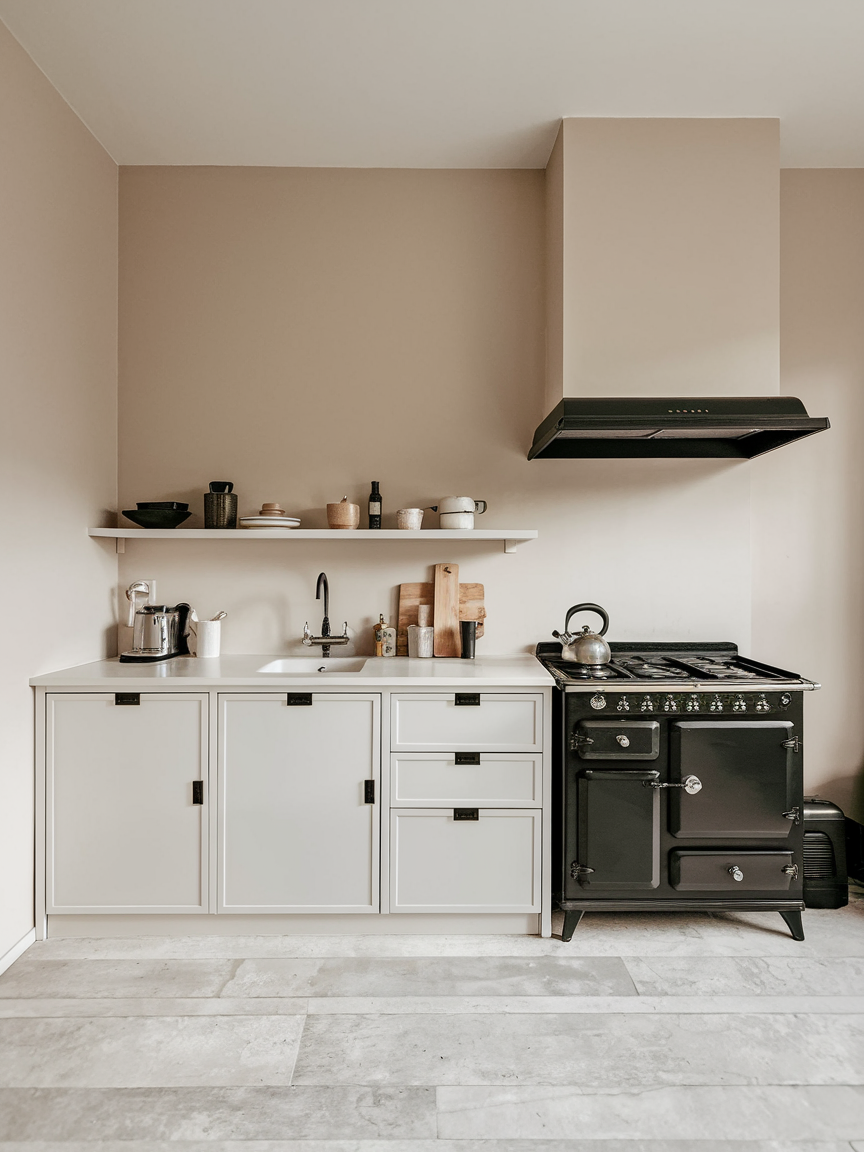
A minimalist kitchen is especially effective in open-concept homes where the space connects to dining and living areas. Clean cabinetry, hidden storage, and a consistent color palette allow the kitchen to blend seamlessly with surrounding spaces rather than standing out as a busy work zone. Using similar materials for flooring, countertops, and finishes throughout the open layout helps create visual flow and harmony. Keeping countertops clear and appliances integrated ensures the kitchen maintains a calm appearance even when viewed from other rooms. This approach makes the entire home feel more spacious and cohesive while supporting modern lifestyles that value connection, simplicity, and functional beauty.
21. Slim Profile Appliances
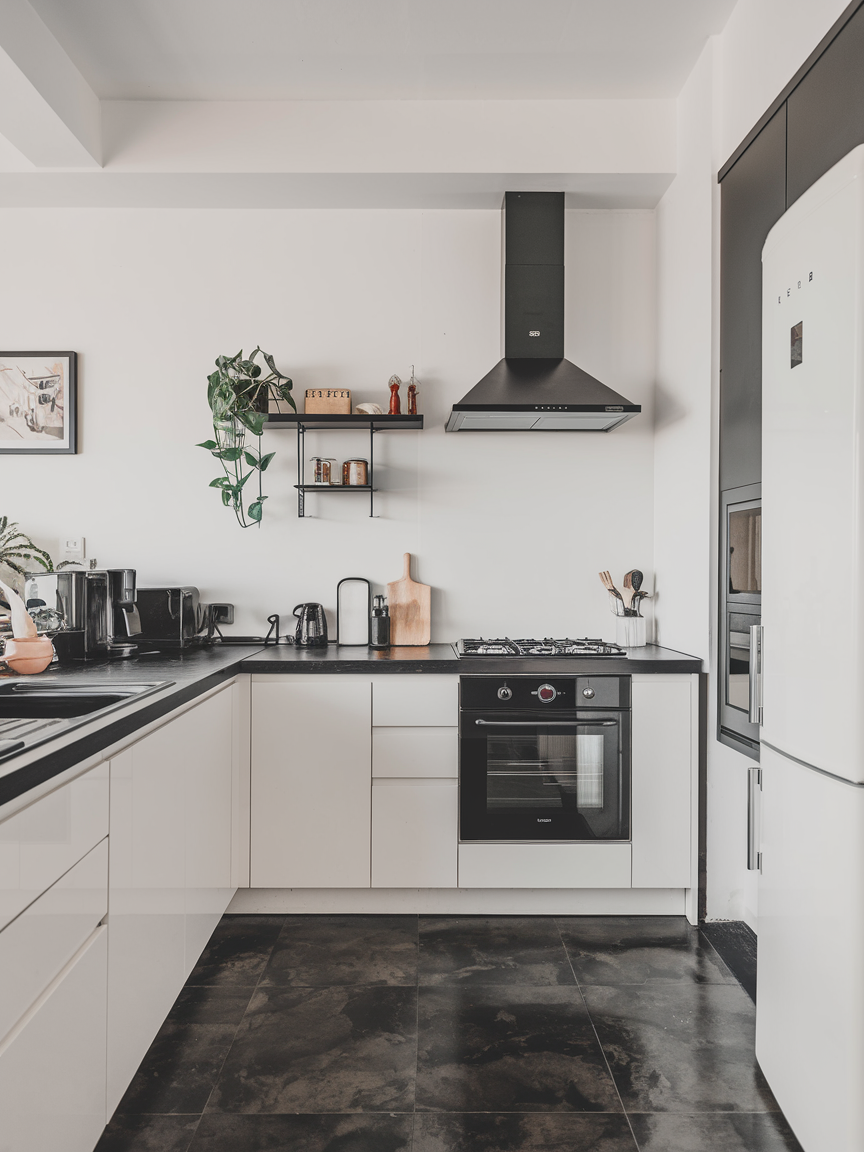
Slim and streamlined appliances help maintain the clean visual structure of a minimalist kitchen. Choosing models with simple controls, smooth surfaces, and minimal branding prevents unnecessary visual distraction. Compact or counter-depth refrigerators, narrow dishwashers, and built-in ovens allow the kitchen layout to feel balanced without bulky interruptions. Stainless steel, matte black, or panel-ready finishes work well within neutral design schemes. These appliances not only support the minimalist aesthetic but also improve workflow by fitting neatly into the cabinetry plan. By selecting appliances that prioritize both performance and subtle design, the kitchen remains efficient while preserving its calm, uncluttered appearance.
22. Under-Cabinet Lighting Layers
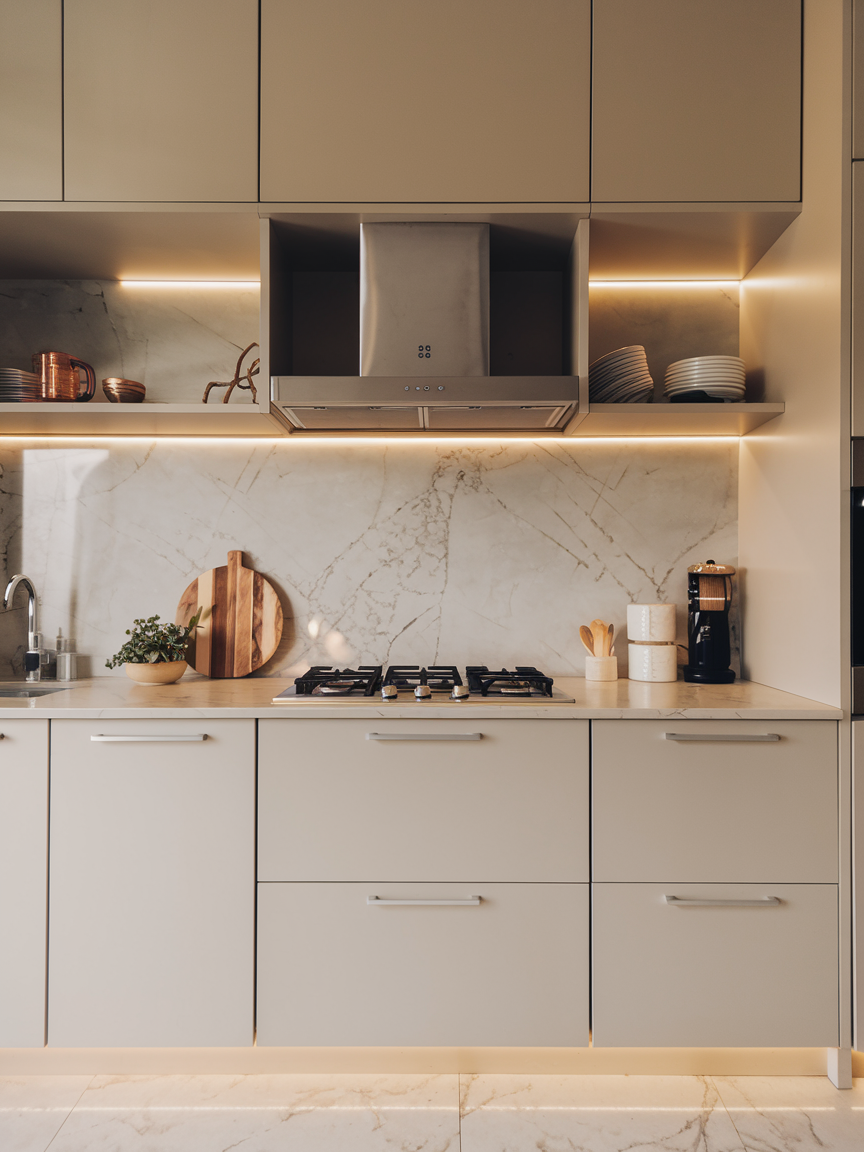
Layered lighting is essential for both functionality and ambiance in a minimalist kitchen. Under-cabinet LED lighting provides focused illumination for food preparation while keeping the overall design clean and unobtrusive. The soft glow highlights the texture of countertops and backsplashes, adding depth without introducing decorative fixtures. Warm white lighting creates a cozy and welcoming atmosphere, especially during evening hours. Because the fixtures remain hidden, the visual simplicity of the kitchen is preserved. Combining under-cabinet lighting with ceiling lights or pendant fixtures ensures the space is well-lit for every task. This subtle lighting strategy enhances both the practicality and the modern elegance of the kitchen.
23. Minimalist Kitchen Island Storage
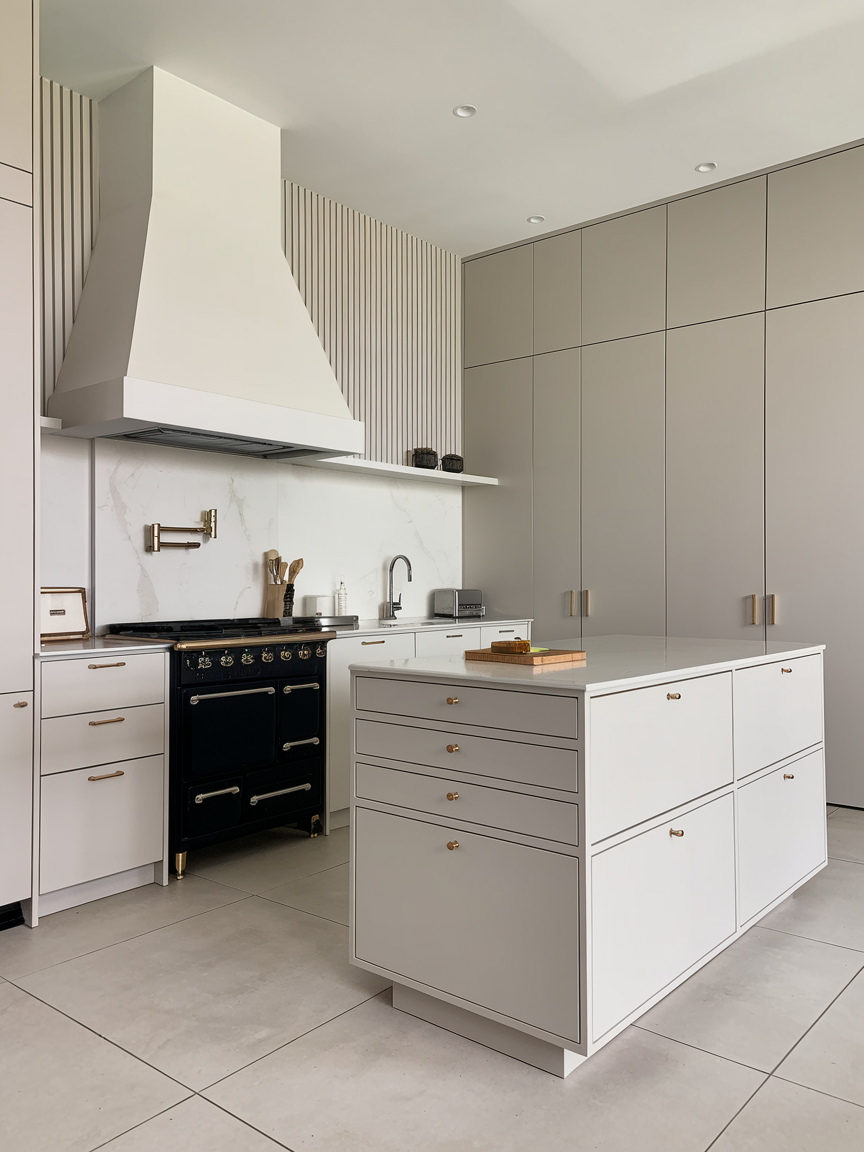
A well-designed island can provide significant storage while maintaining a clean and simple appearance. Hidden drawers, deep cabinets, and internal organizers allow cookware, utensils, and pantry items to stay neatly tucked away. Keeping the island exterior free of open shelving or decorative elements helps preserve its streamlined look. Choosing flat-panel doors and matching finishes ensures the island blends seamlessly with the rest of the kitchen. This approach allows the island to function as a central workspace, prep area, and storage hub without creating visual clutter. A minimalist island supports efficiency and organization while reinforcing the calm, balanced design of the space.
24. Soft Contrast Color Pairing
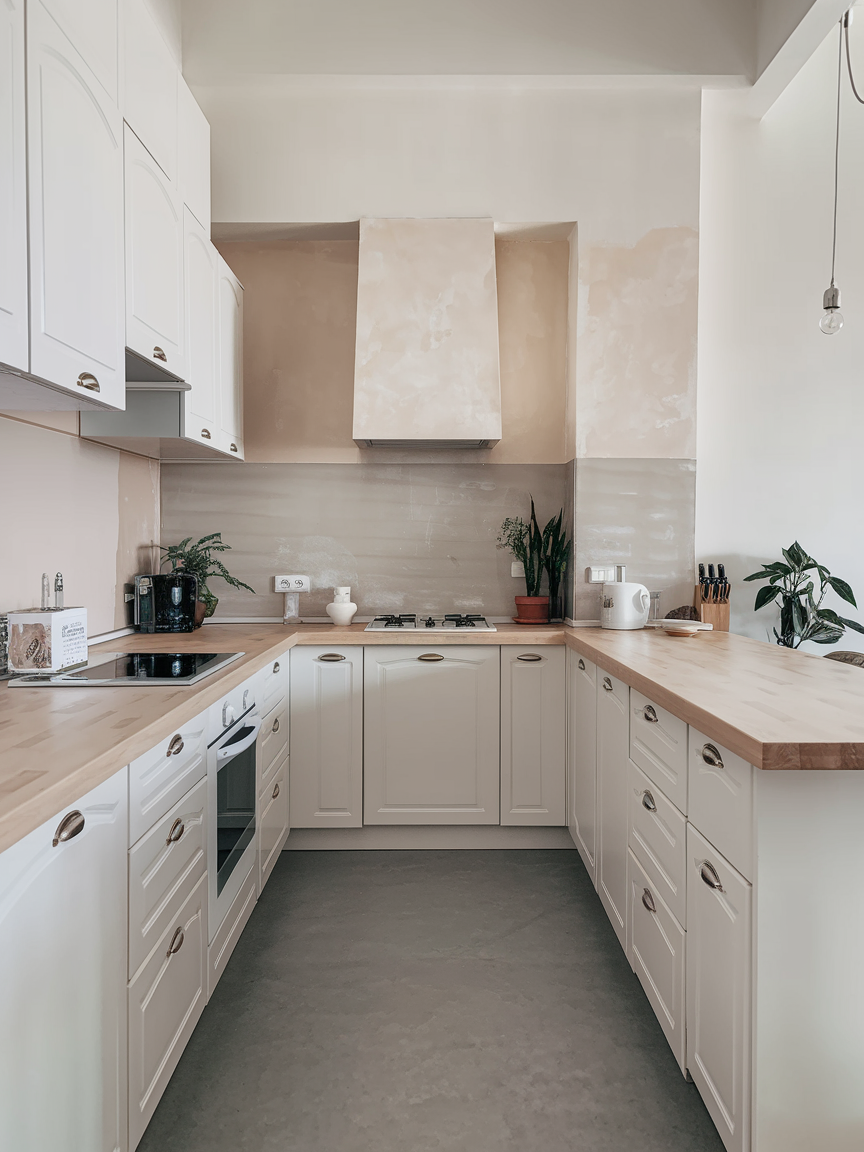
Introducing gentle contrast within a neutral palette adds depth without disrupting the minimalist aesthetic. Pairing white cabinetry with light wood, combining warm beige with soft gray, or mixing matte and natural textures creates visual interest while maintaining harmony. The contrast should feel subtle and intentional rather than bold or dramatic. This layered approach prevents the kitchen from appearing flat or sterile while preserving its calm and cohesive character. Using only two or three complementary tones keeps the design balanced and timeless. Soft contrast allows the space to feel warm, inviting, and visually refined without compromising simplicity.
25. Seamless Flooring Continuity
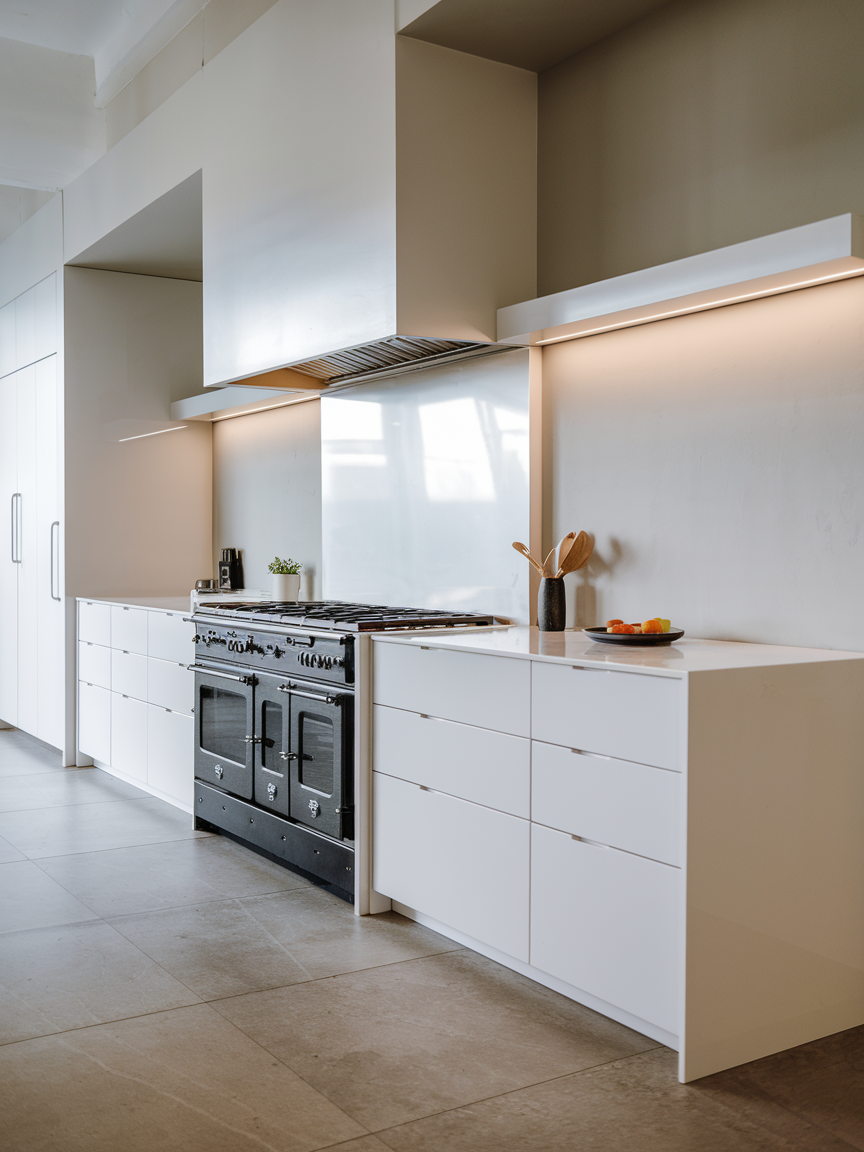
Using consistent flooring throughout the kitchen and adjacent living areas helps create a smooth visual flow. Large-format tiles, polished concrete, or continuous wood flooring reduce visual breaks and make the space feel larger and more cohesive. Neutral flooring colors support the minimalist palette and allow cabinetry and countertops to stand out without competition. Durable, easy-to-clean materials are especially important in high-traffic kitchen areas. Seamless flooring not only enhances the overall aesthetic but also improves practicality by creating a unified surface that supports everyday movement and maintenance.
26. Black Accent Minimalism
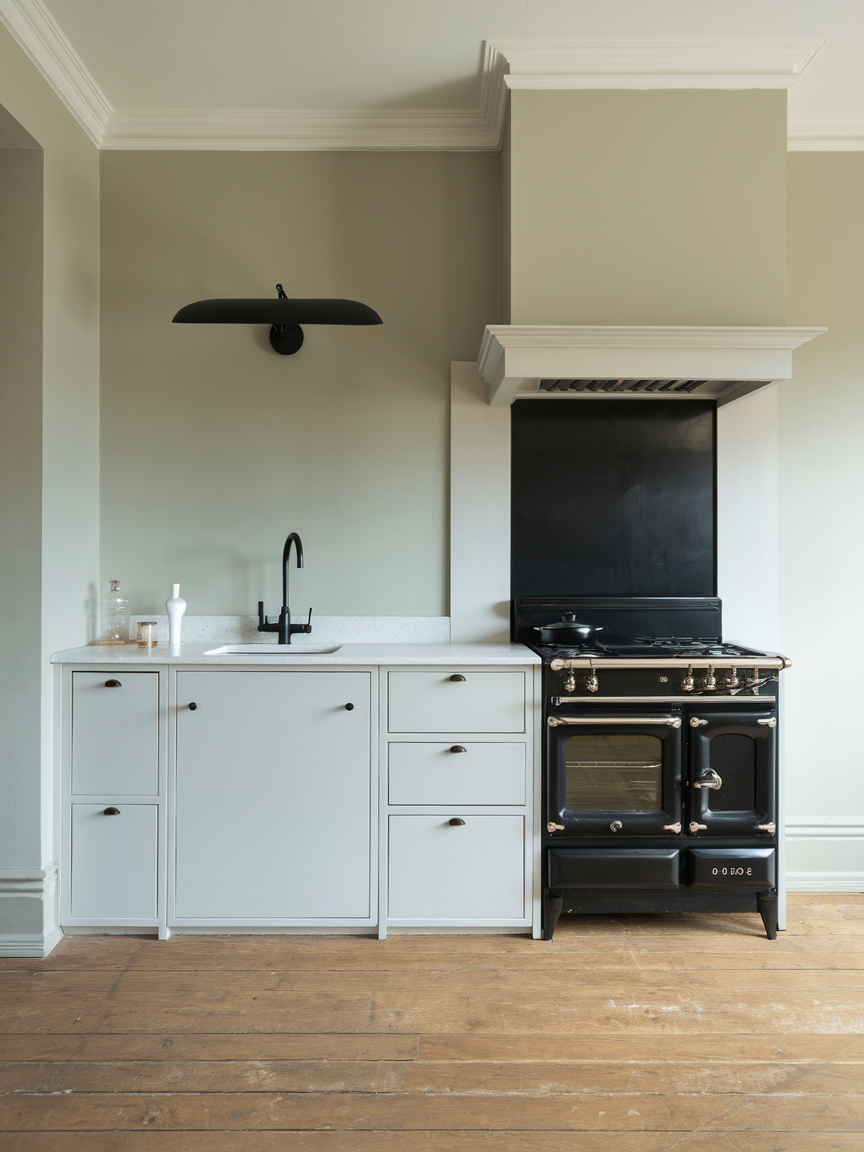
Small black accents add definition and modern contrast to a neutral kitchen without overwhelming the design. Matte black faucets, cabinet hardware, lighting fixtures, or window frames create clean visual lines that anchor the space. Because the accents are limited and intentional, they enhance the overall aesthetic rather than competing with it. Black works especially well alongside white, wood, or soft gray tones, adding depth and a contemporary edge while maintaining the minimalist philosophy.
27. Minimal Open Pantry Concept
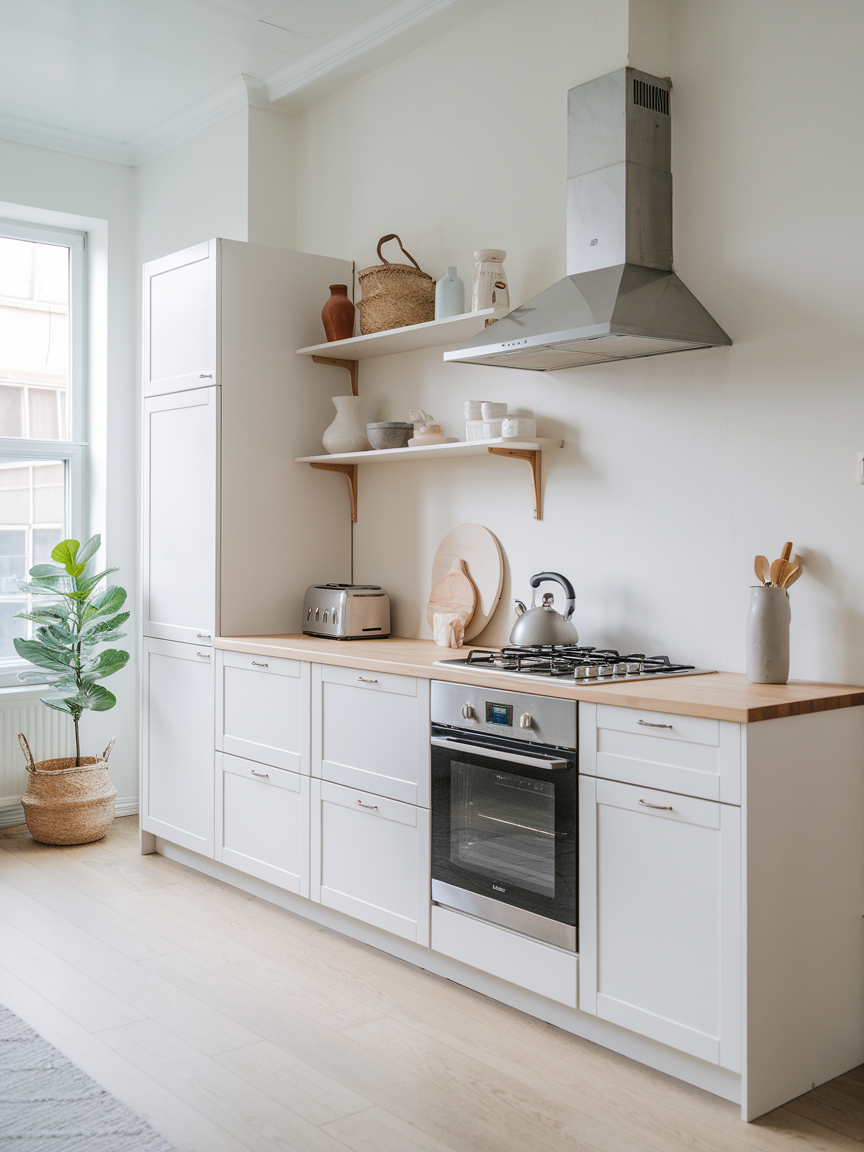
An open pantry can work beautifully in a minimalist kitchen when it is thoughtfully organized. Use matching containers, labeled jars, and a consistent color scheme to create a clean and orderly display. Neutral shelving materials such as wood or matte metal help maintain visual harmony. Limiting items to everyday essentials prevents the space from feeling crowded or busy. When styled with intention, an open pantry becomes both functional storage and a subtle design feature that reflects simplicity and organization.
* These 27 modern minimalist kitchen ideas show how simplicity and thoughtful design can create a space that feels both beautiful and highly functional. Let these ideas inspire you to create a kitchen that balances style and practicality, offering a timeless space that feels organized, welcoming, and perfectly suited for modern living.