Placing a bed against the wall can be a smart solution for bedrooms of all sizes, especially when floor space is limited. Instead of making the arrangement feel awkward or unfinished, the right styling can turn it into a cozy and intentional focal point. Thoughtful bedding, attractive wall decor, layered textures, and well-placed furniture can make the entire room feel balanced and inviting.
The wall behind the bed offers plenty of opportunities to add personality and visual interest. A painted accent wall, statement artwork, decorative panels, floating shelves, sconces, or even a creative faux headboard can help define the sleeping area. Small bedrooms can benefit from a streamlined arrangement, while larger spaces can use rugs, benches, nightstands, and lighting to make the bed feel naturally integrated into the room.
This collection of inspiring ideas shows how to make a bed against the wall look stylish, comfortable, and completely intentional. Let’s explore these bedroom ideas and find clever ways to turn a wall-positioned bed into a beautiful part of your space!
1. Install Wall Paneling
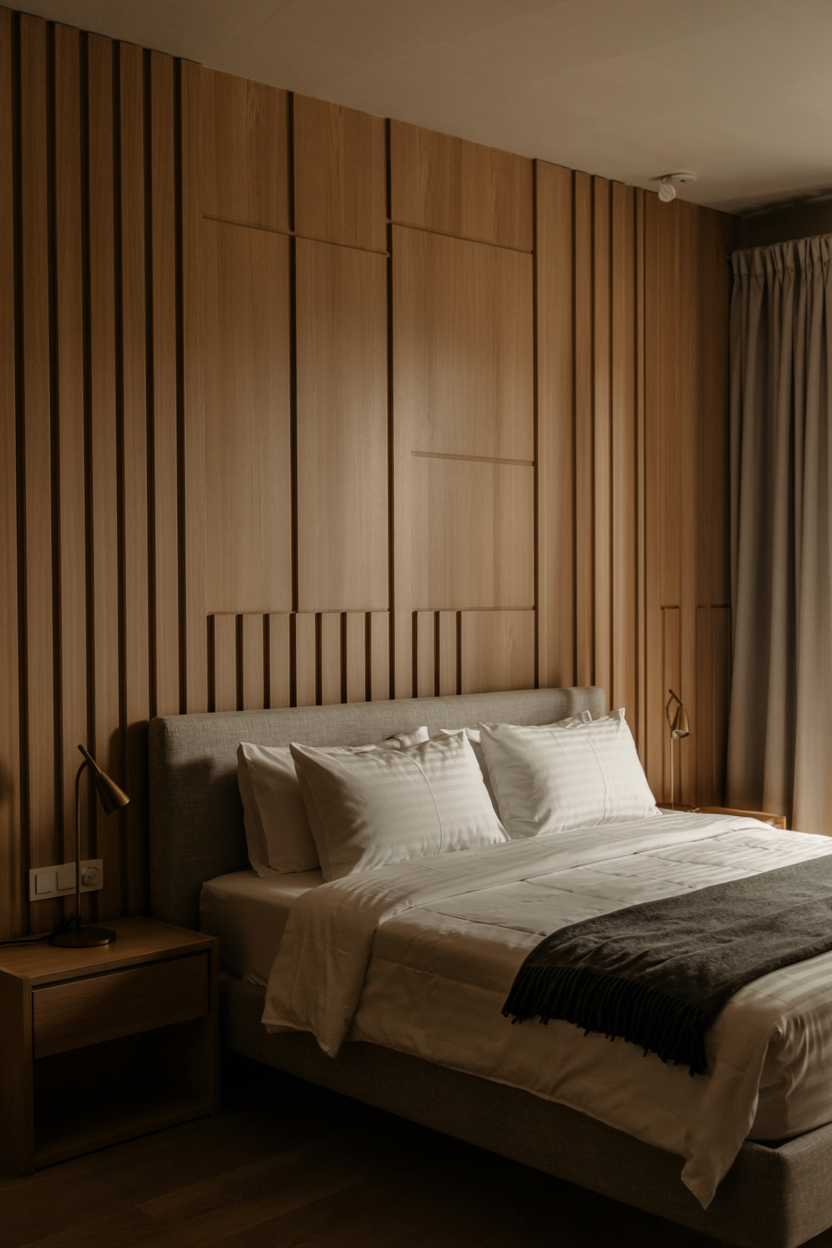
Wall paneling can give the bed wall architectural character without requiring major changes to the furniture. Slatted wood, board-and-batten, fluted panels, or simple molding can create depth and texture. Paint the panels in a bold shade for a dramatic effect or keep natural wood tones for a warmer, organic appearance. Matching the paneling with nearby furniture can help create a cohesive, custom-designed bedroom.
2. Incorporate Built-In Shelves
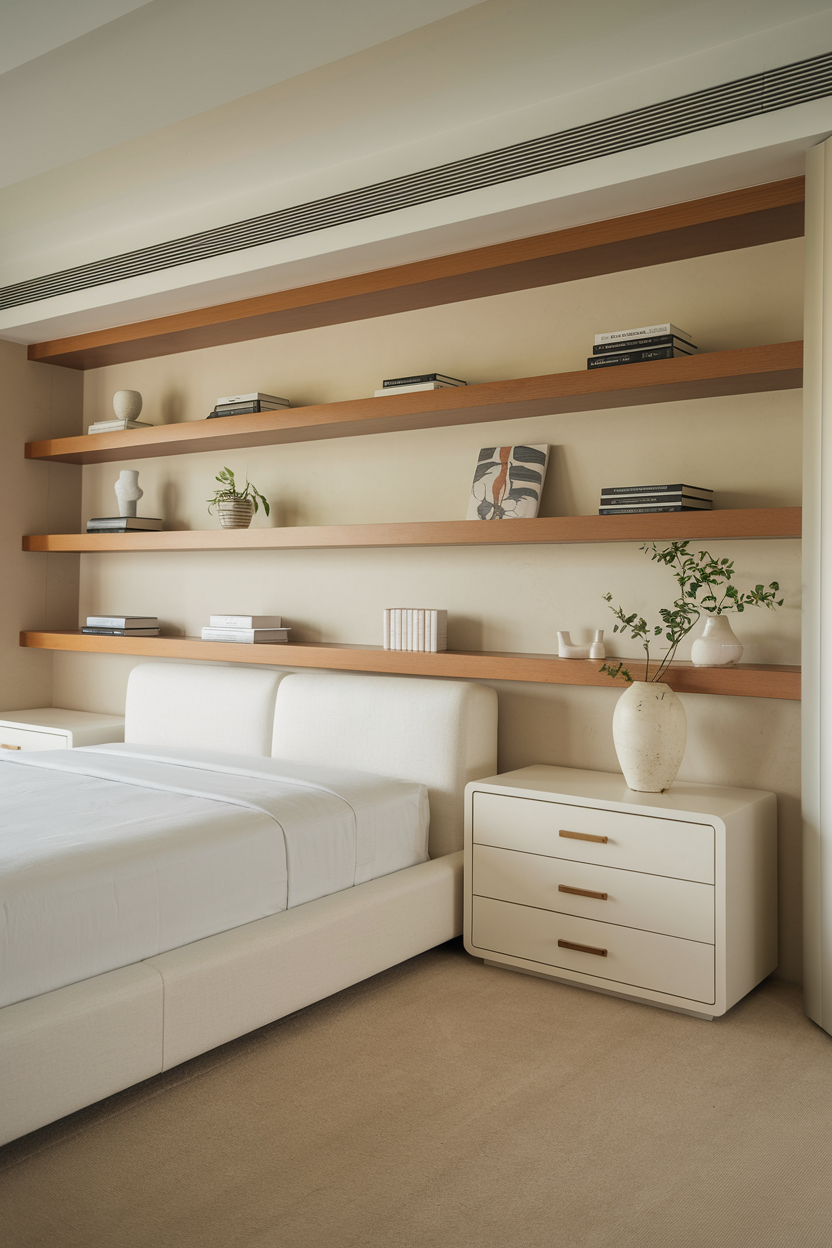
Built-in shelving can frame the bed while providing valuable storage and display space. Floor-to-ceiling shelves on either side can create a custom architectural look, while a single shelf above the bed offers a simpler solution. Style the shelves with books, artwork, ceramics, plants, and decorative objects. Integrated lighting can take the design a step further, giving the bedroom a sophisticated, custom-built appearance.
3. Try a Corner Layout
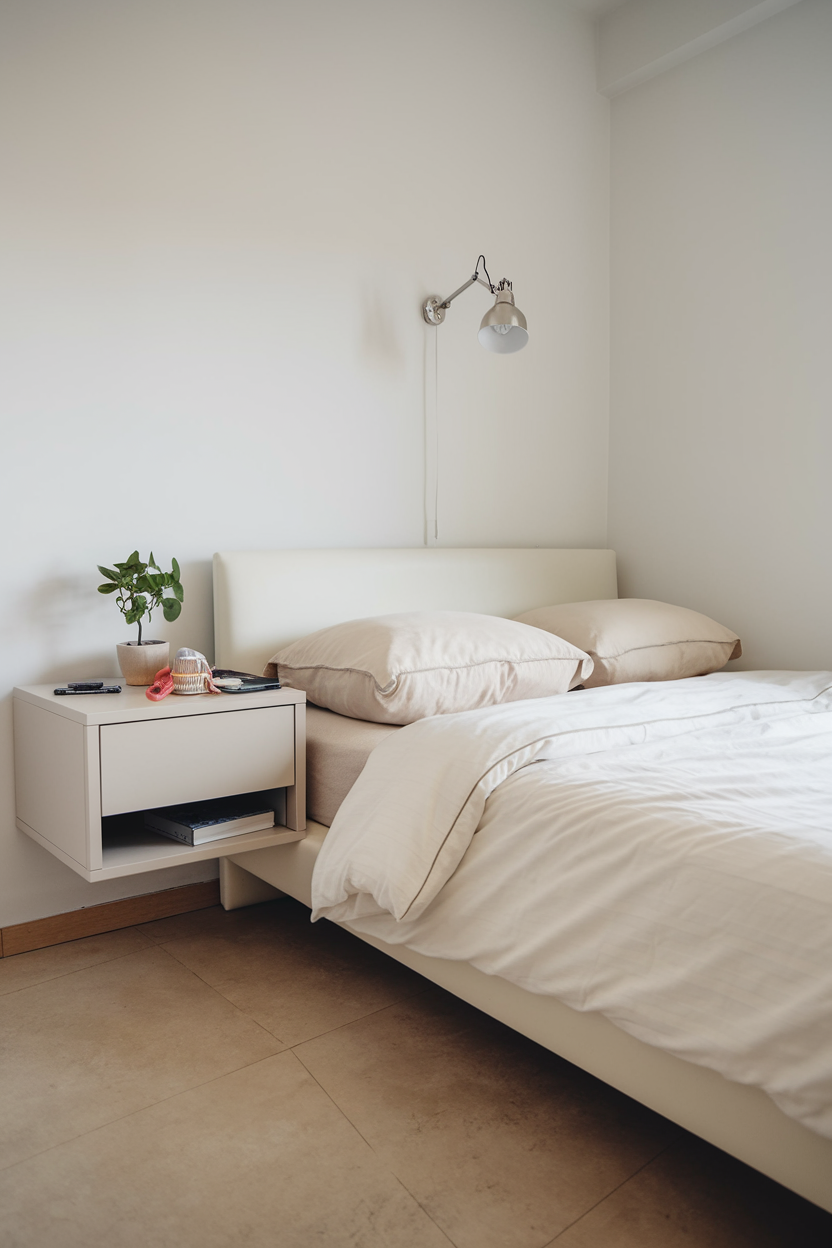
Positioning the bed in a corner can make a small bedroom feel cozy and intentional. With the headboard and one side of the bed against the walls, you can create a snug sleeping nook that works especially well in compact spaces. Layer the bed with oversized pillows and soft throws to make it feel inviting rather than cramped. Artwork on the adjoining walls can help visually connect the two surfaces.
4. Hang Oversized Art
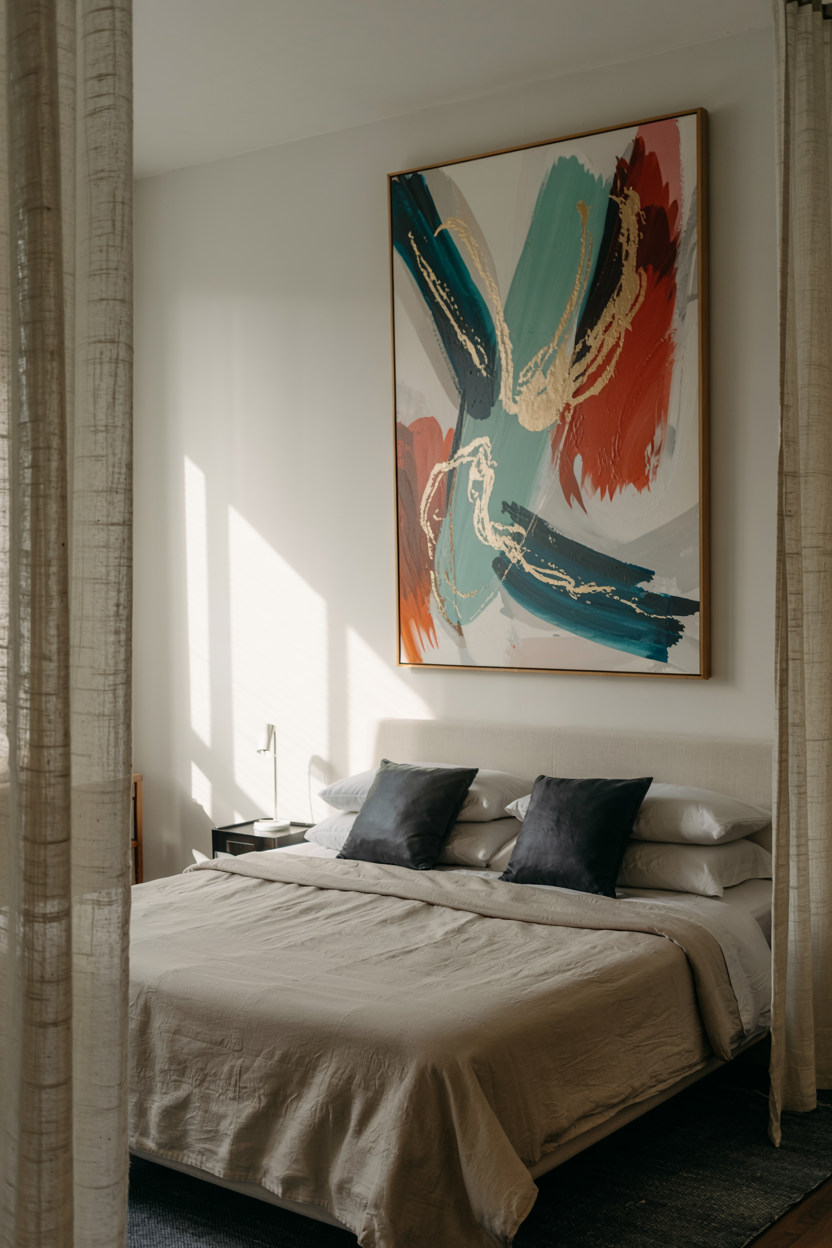
A single oversized artwork can create a strong focal point without filling the wall with multiple decorations. Choose an abstract painting, landscape, botanical composition, or graphic piece that complements the bedroom’s palette. A simple frame keeps the attention on the artwork, while a more decorative frame can add another layer of character. Make sure the artwork is securely mounted and positioned at a comfortable visual height above the bed.
5. Add an Upholstered Headboard Wall
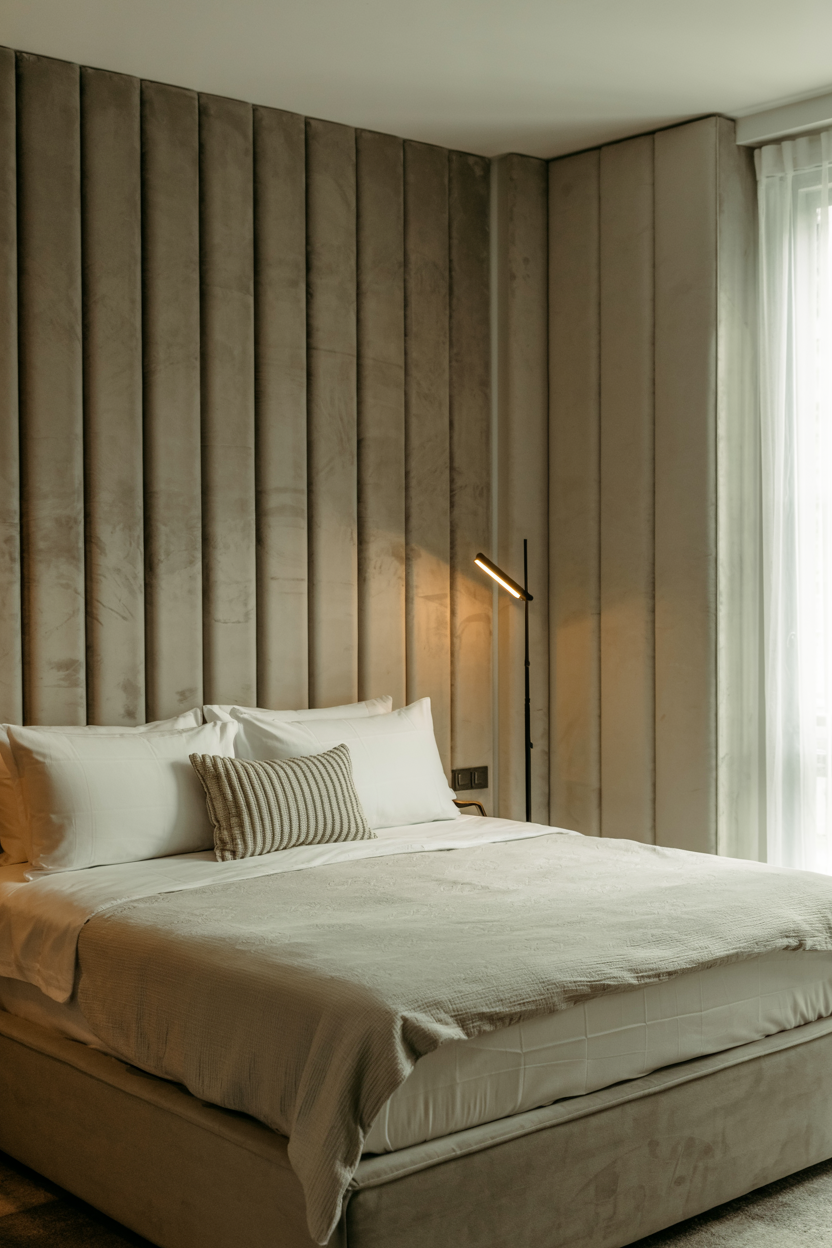
For a luxurious effect, extend upholstery beyond the bed and across the entire wall behind it. Large upholstered panels can create a soft, hotel-inspired backdrop while adding warmth and visual depth. Velvet gives the room a more glamorous appearance, while linen or textured fabric creates a relaxed feel. Paneling the wall also provides an opportunity to incorporate subtle seams, tufting, or integrated lighting.
6. Use Wallpaper as a Backdrop
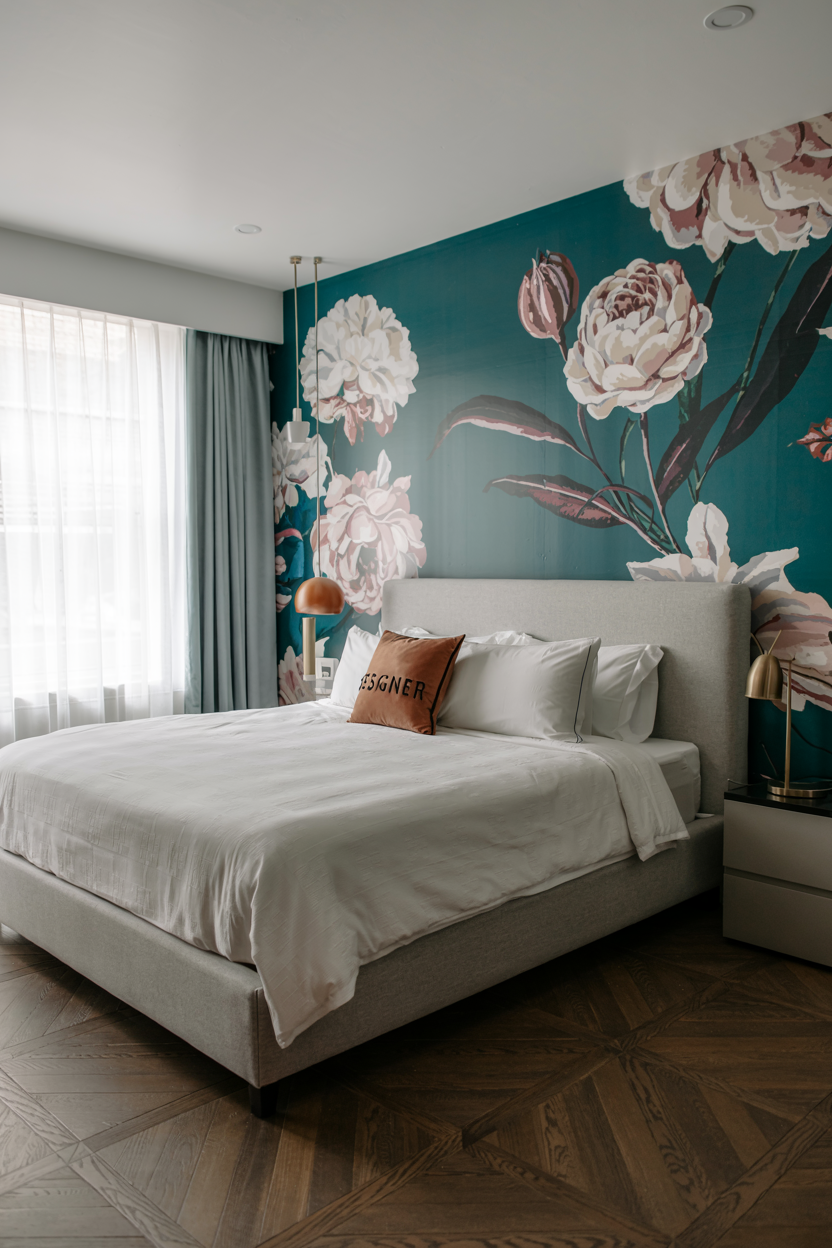
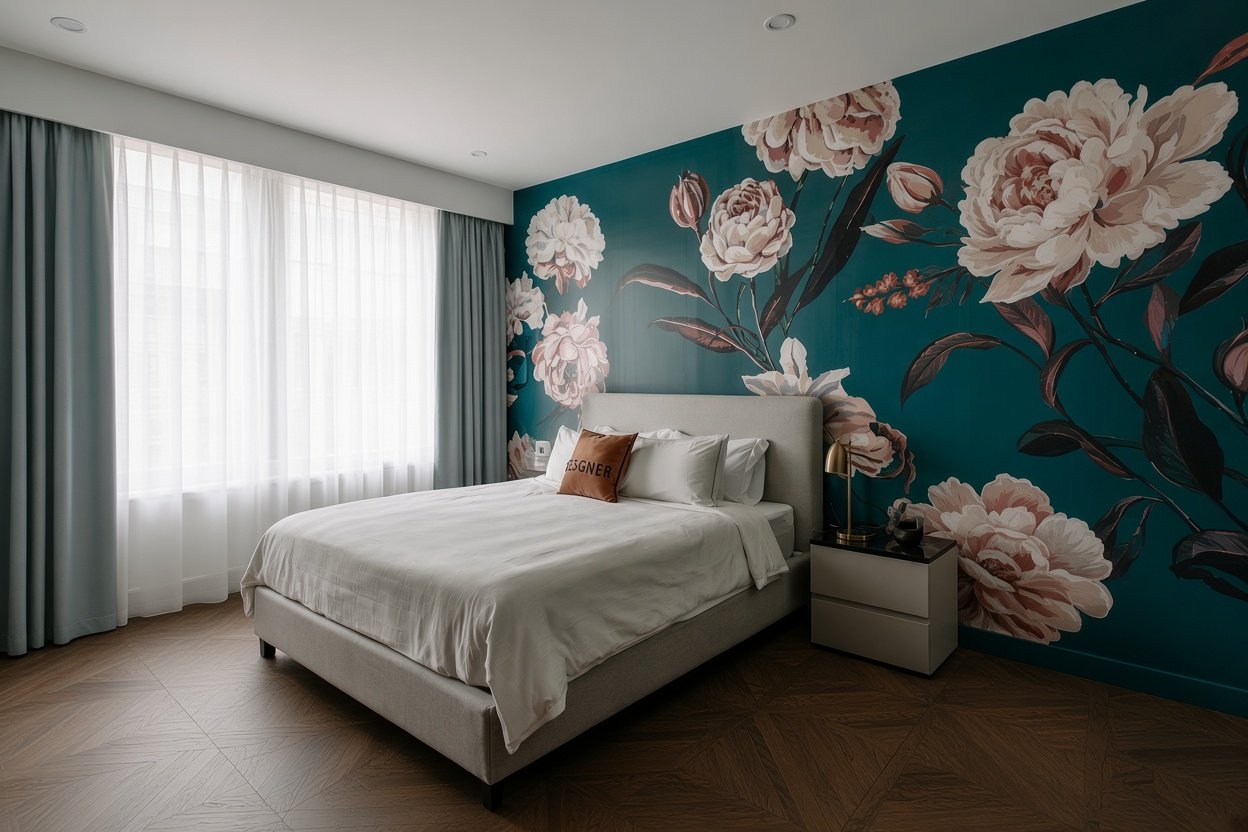
Wallpaper can instantly define the sleeping area and give the wall behind the bed a finished appearance. Choose from botanical prints, geometric patterns, subtle textures, abstract designs, or atmospheric landscapes depending on your decorating style. A bold pattern can become the centerpiece of the room, while a muted design creates a quieter backdrop. Peel-and-stick wallpaper is an especially convenient option for renters and frequent redecorators.
7. Install a Canopy Frame
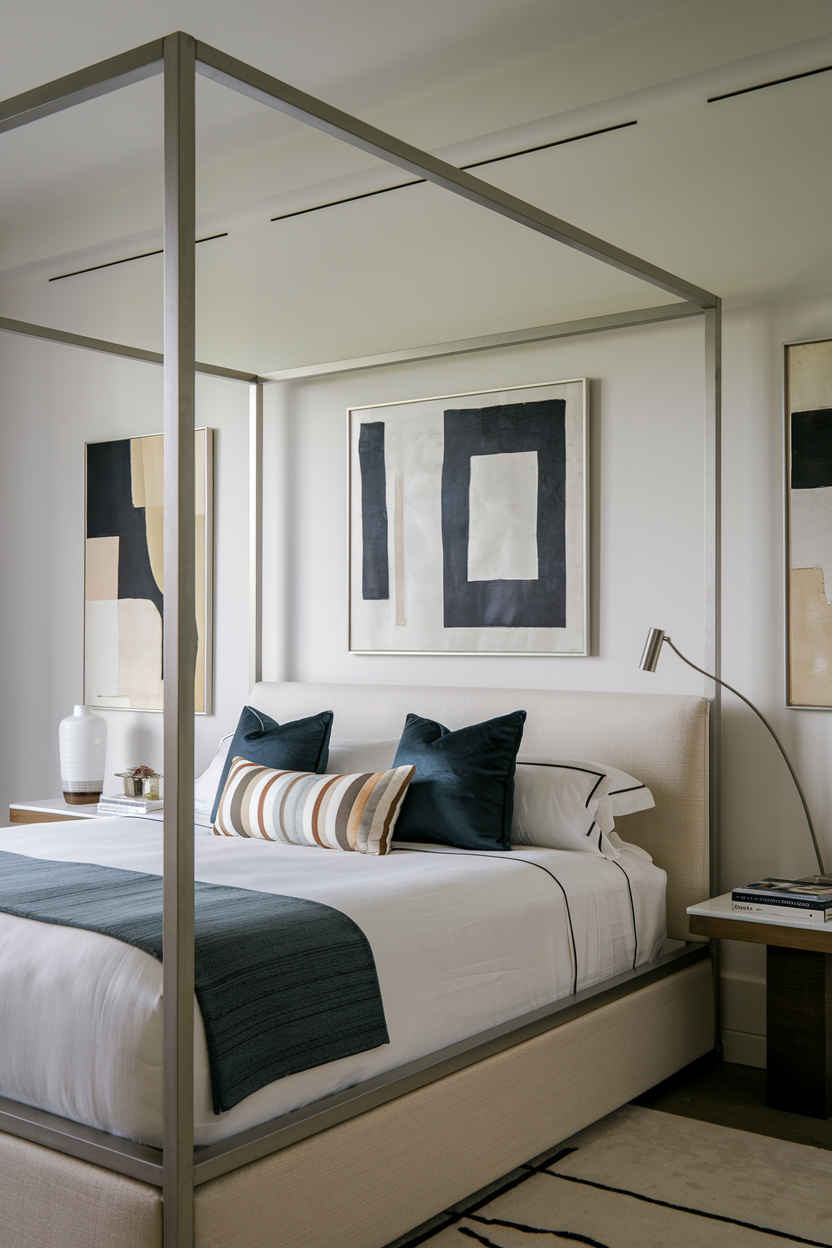
A minimalist canopy frame can give the bed a dramatic architectural presence without requiring a traditional four-poster design. Leave the frame bare for a clean contemporary look or drape lightweight fabric around it for a softer atmosphere. The vertical structure draws the eye upward and can make the room feel taller. Soft lighting or delicate fabric can add an especially dreamy touch.
8. Hang Curtains Behind the Bed
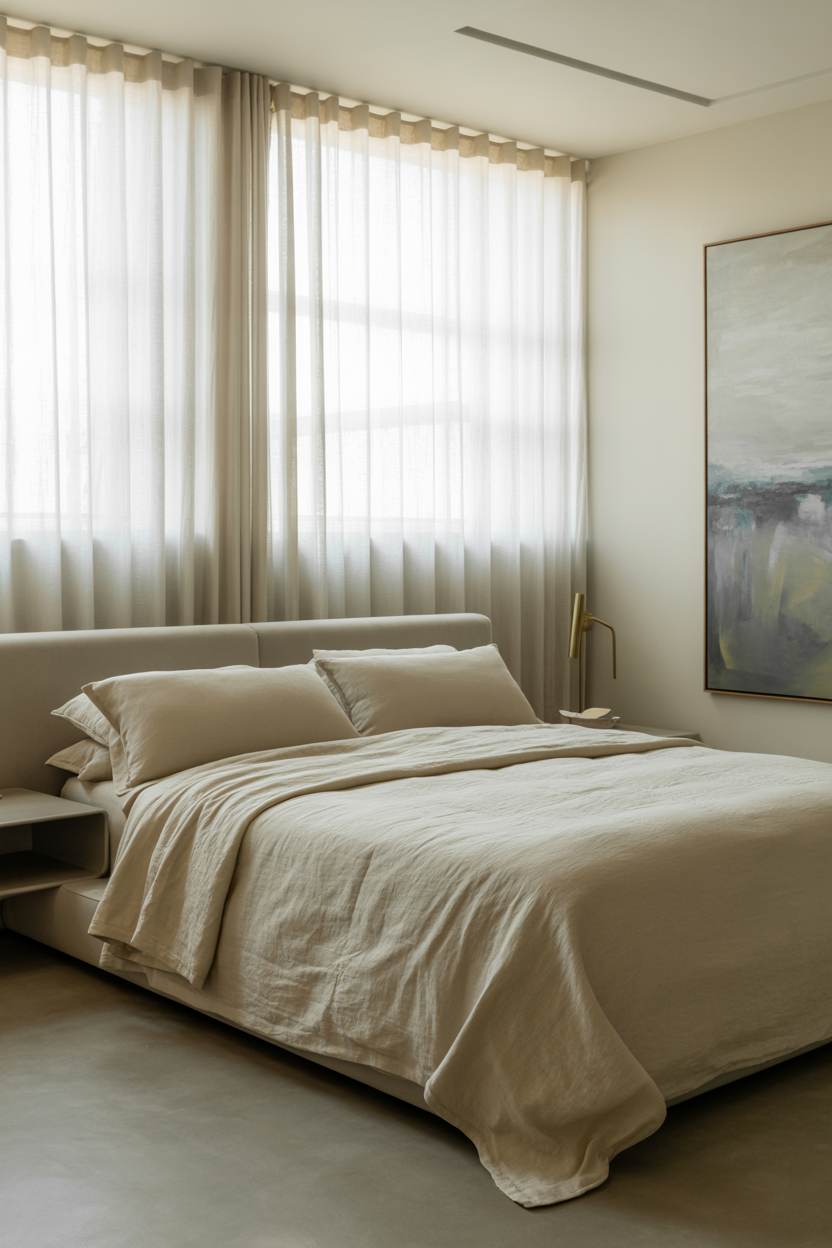
Floor-to-ceiling curtains can create an elegant and surprisingly simple backdrop for a wall-positioned bed. Sheer curtains provide a light, airy effect, while linen or velvet panels create a richer and more intimate atmosphere. Hanging the curtains from near the ceiling emphasizes the room’s height and softens the hard surface behind the bed. This technique is also useful for visually defining a sleeping zone in a studio apartment.
9. Create a Faux Headboard
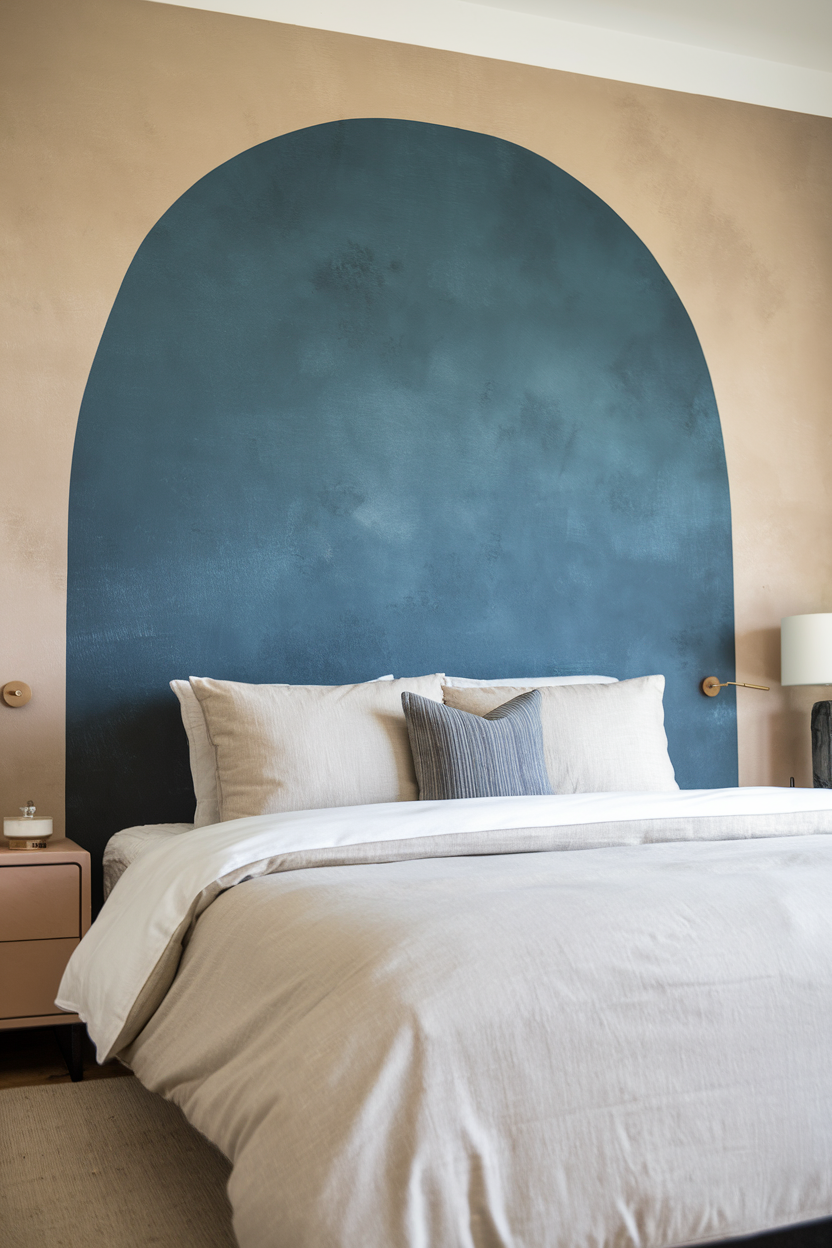
You don’t need a traditional headboard to give your bed a finished appearance. Use paint to create a faux headboard in the shape of an arch, rectangle, scallop, or geometric design directly on the wall. Choose a color that complements your bedding and repeat the shade in nearby accessories for a cohesive effect. This simple project is affordable, customizable, and especially useful for renters or anyone who wants to refresh the bedroom without buying new furniture.
10. Float the Bed Slightly Away from the Wall
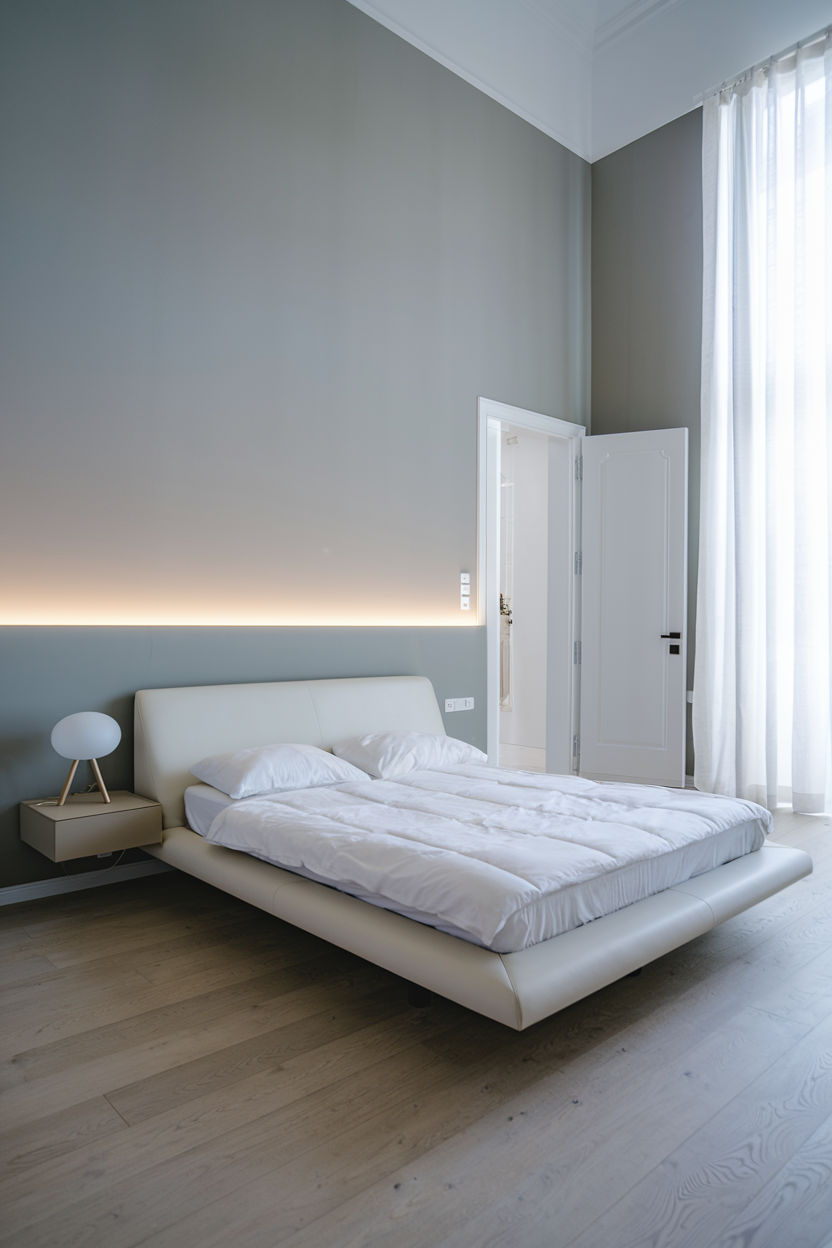
Pulling the bed a few inches away from the wall can create an unexpected sense of depth. The small gap provides room for subtle backlighting, decorative fabric, or even additional visual interest behind the bed. The arrangement can make the bed feel more like a standalone feature rather than furniture pushed against a wall. Pair it with wall-mounted nightstands or floating shelves to maintain the airy, contemporary appearance.
11. Opt for Symmetrical Artwork
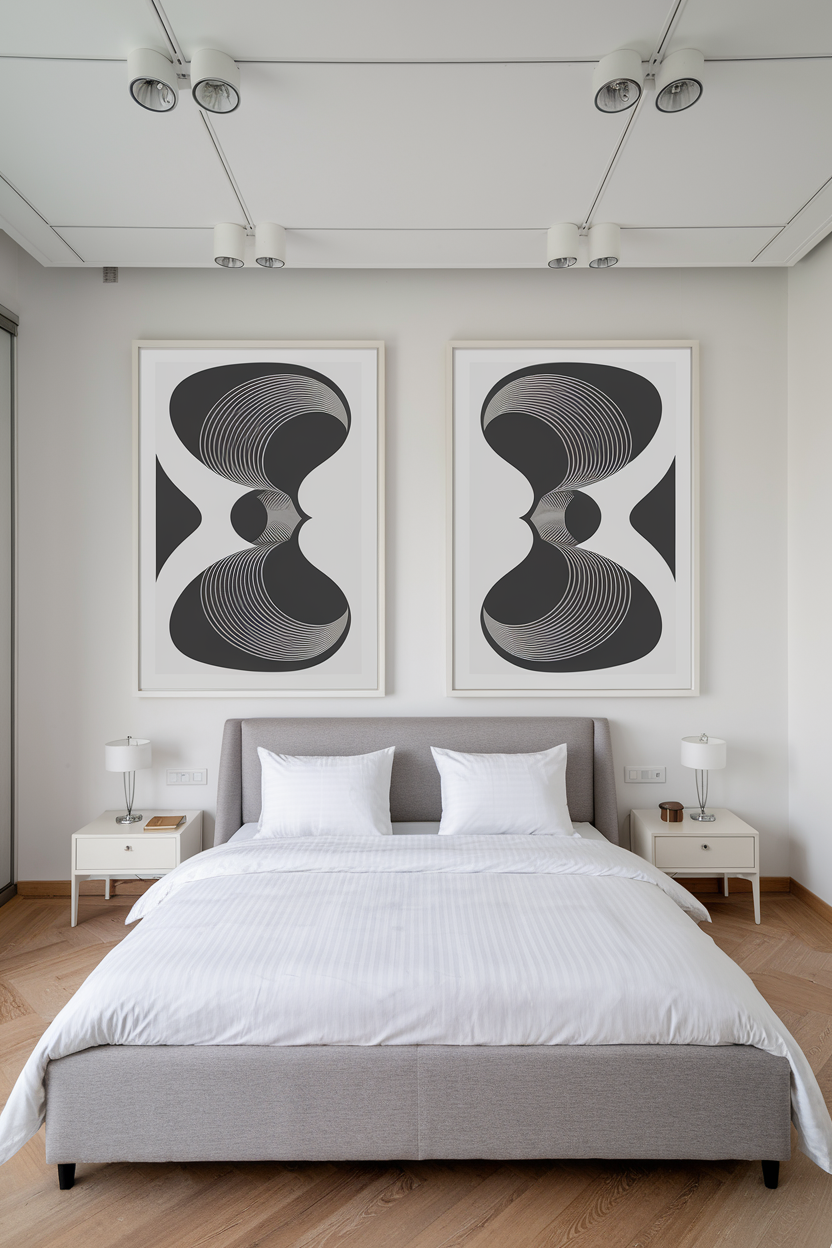
For a more traditional and balanced arrangement, place two matching pieces of artwork on either side of the bed. This creates a visual frame without requiring a large headboard. Match the artwork with evenly positioned sconces or nightstands to reinforce the symmetry. Coordinating the artwork with the bedding and wall colors helps the entire arrangement feel calm and cohesive.
12. Add a Wall-Mounted Headboard
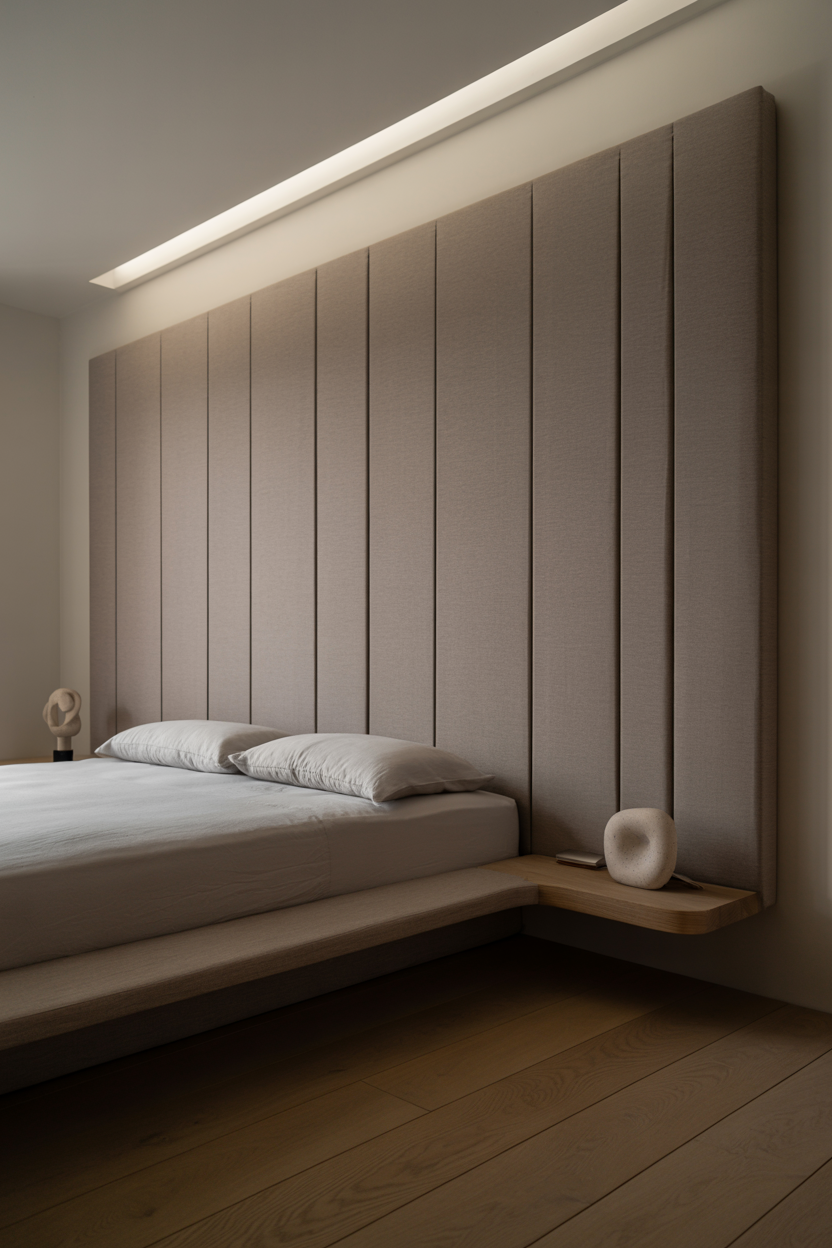
A wall-mounted headboard can provide more design flexibility than a standard bed frame. It can extend wider than the mattress, reach higher up the wall, or even span much of the wall behind the bed. Upholstered versions add softness and comfort, while wood, rattan, or woven designs introduce natural texture. Choose a shape and material that complements the proportions of the room.
13. Use a Bench or Trunk
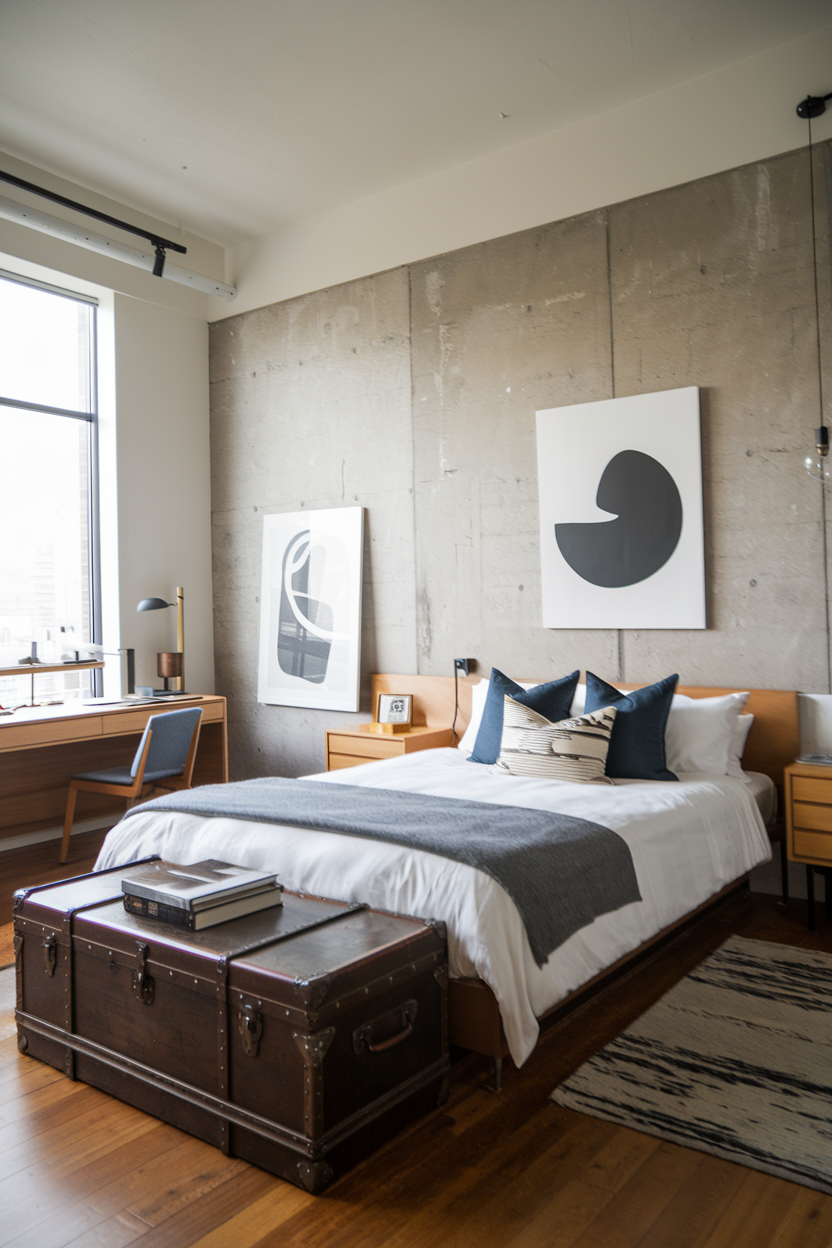
A bench or storage trunk at the foot of the bed can help visually anchor the entire arrangement. It provides a convenient place to sit, arrange clothing, or store extra blankets while adding another layer of texture to the room. Choose a piece that complements the wall treatment behind the bed, whether that’s upholstered, wooden, woven, or painted. A practical piece can easily become part of the overall design.
14. Hang Pendant Lights
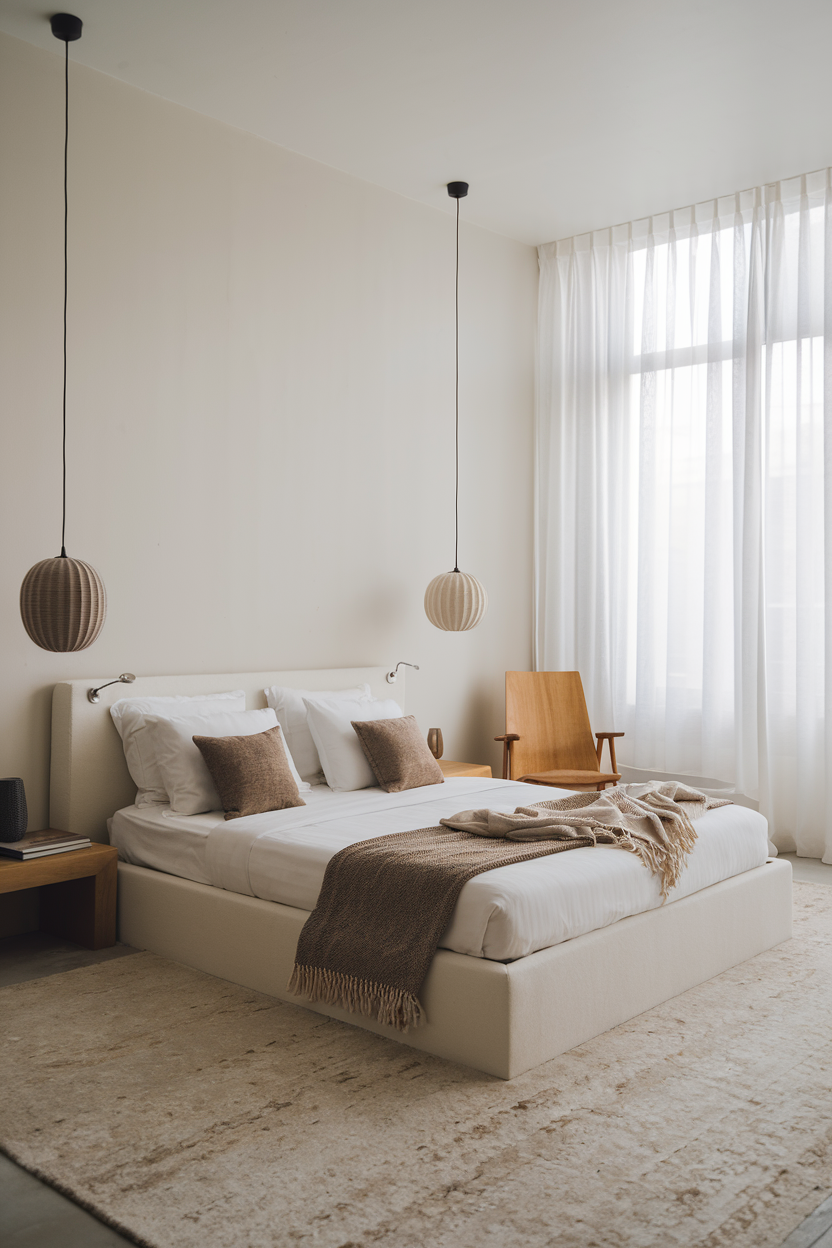
Pendant lights suspended on either side of the bed offer a stylish alternative to traditional lamps. They free up valuable nightstand space while creating a strong vertical element. Choose sculptural pendants for a statement look or simple glass fixtures for a lighter appearance. Installing dimmable lighting allows the pendants to work for both practical tasks and relaxing evenings.
15. Use a Decorative Folding Screen
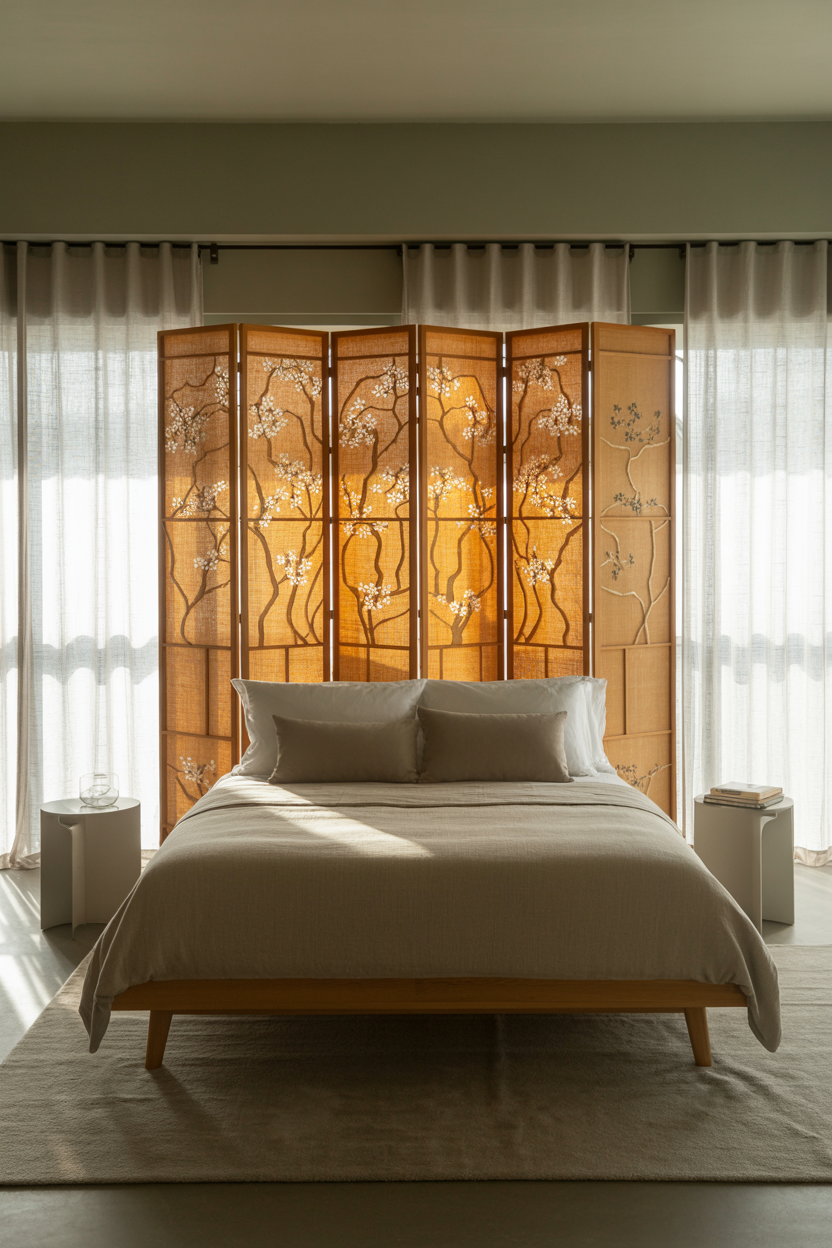
A folding screen can function as an instant decorative backdrop when you don’t want to install a permanent headboard. Place it directly behind the bed to introduce height, texture, and pattern. Options range from carved wood and woven rattan to upholstered or painted panels. Because screens can be moved easily, they’re particularly useful for renters or anyone who enjoys changing their bedroom layout.
16. Add a Statement Tapestry
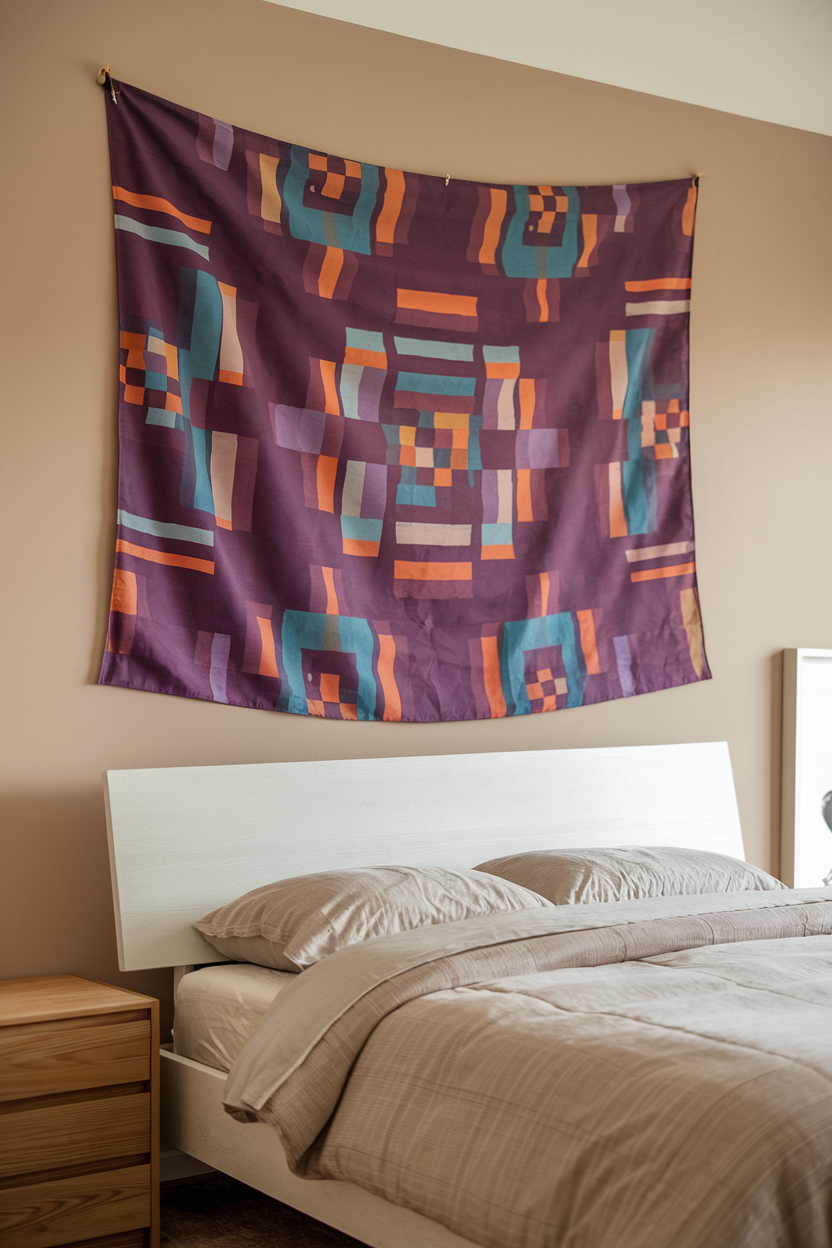
A large tapestry can transform the wall behind your bed into an artistic focal point. Choose a design that suits your style, from abstract artwork and global-inspired patterns to soft woven neutrals. The fabric adds warmth and texture while making the sleeping area feel more finished. Because tapestries are relatively easy to change, they are also a practical option when you want to update the bedroom without making a permanent alteration.
17. Go Full Gallery Wall
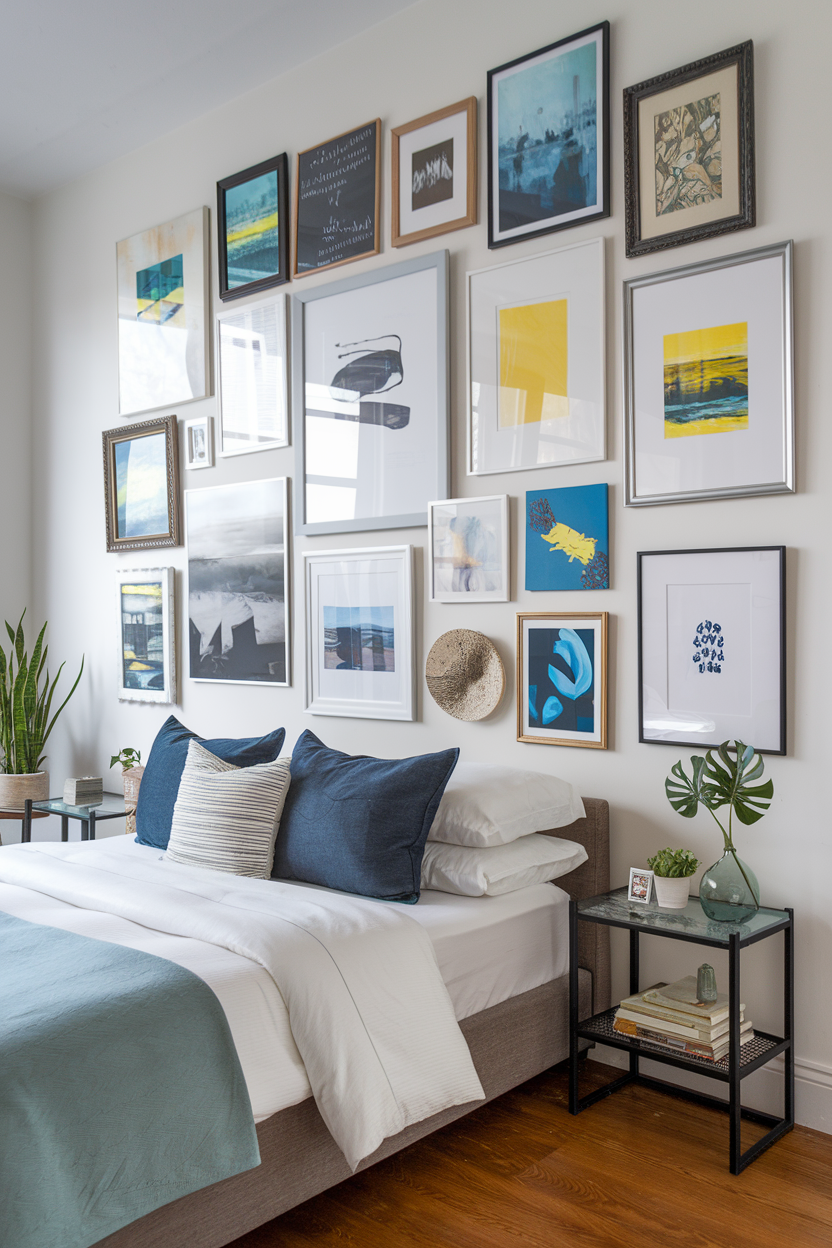
Turn the entire wall behind your bed into a personalized gallery. Combine paintings, photographs, prints, illustrations, or meaningful keepsakes in a carefully arranged composition. A consistent frame finish or shared color palette can make a large collection feel cohesive, while mixed frames create a more eclectic character. Leave enough breathing room around the bed so the display feels curated rather than crowded.
18. Create a Wall Niche
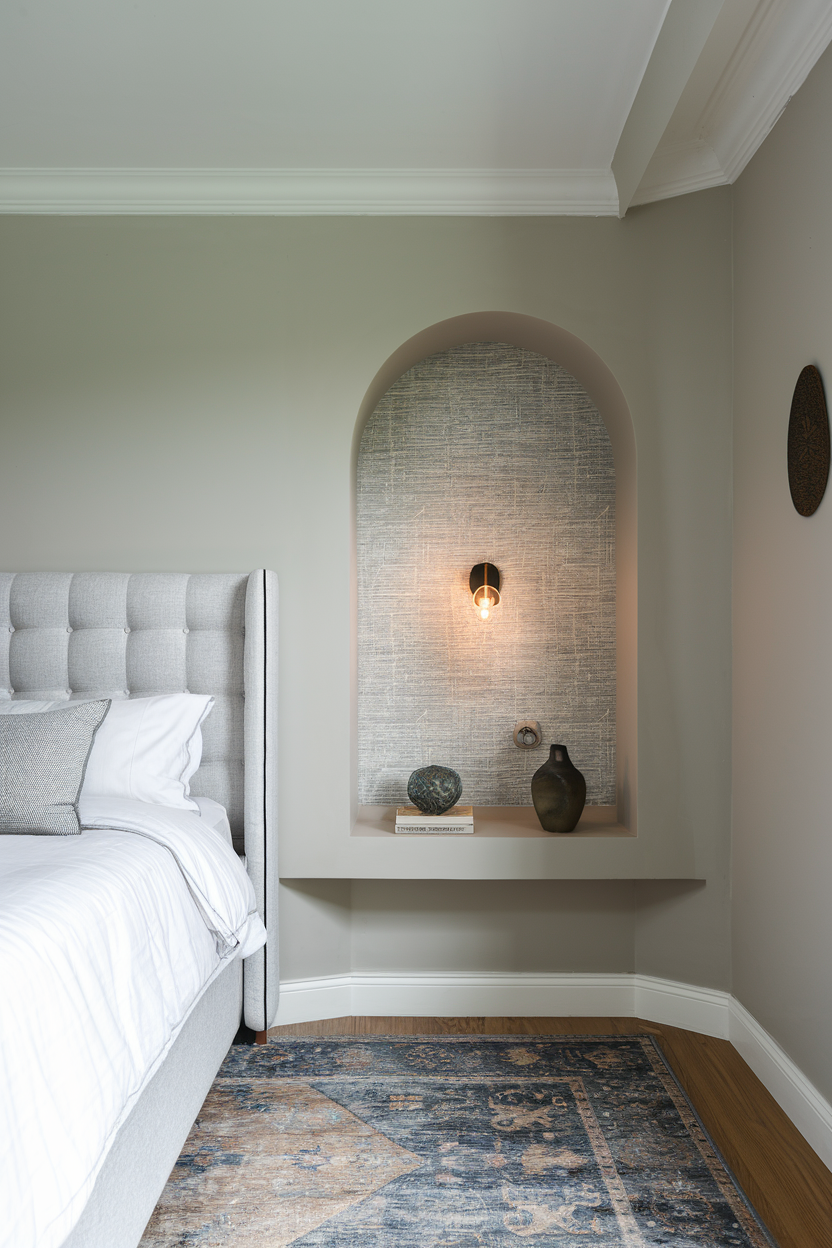
A recessed niche can give the wall behind the bed a custom architectural appearance. If you’re renovating or building, consider creating a niche that frames the bed and provides space for lighting, artwork, or decorative objects. Add wallpaper, wood, tile, or a contrasting paint color inside the niche to emphasize its depth. It’s an effective way to add character without taking up additional floor space.
19. Add a Statement Mirror
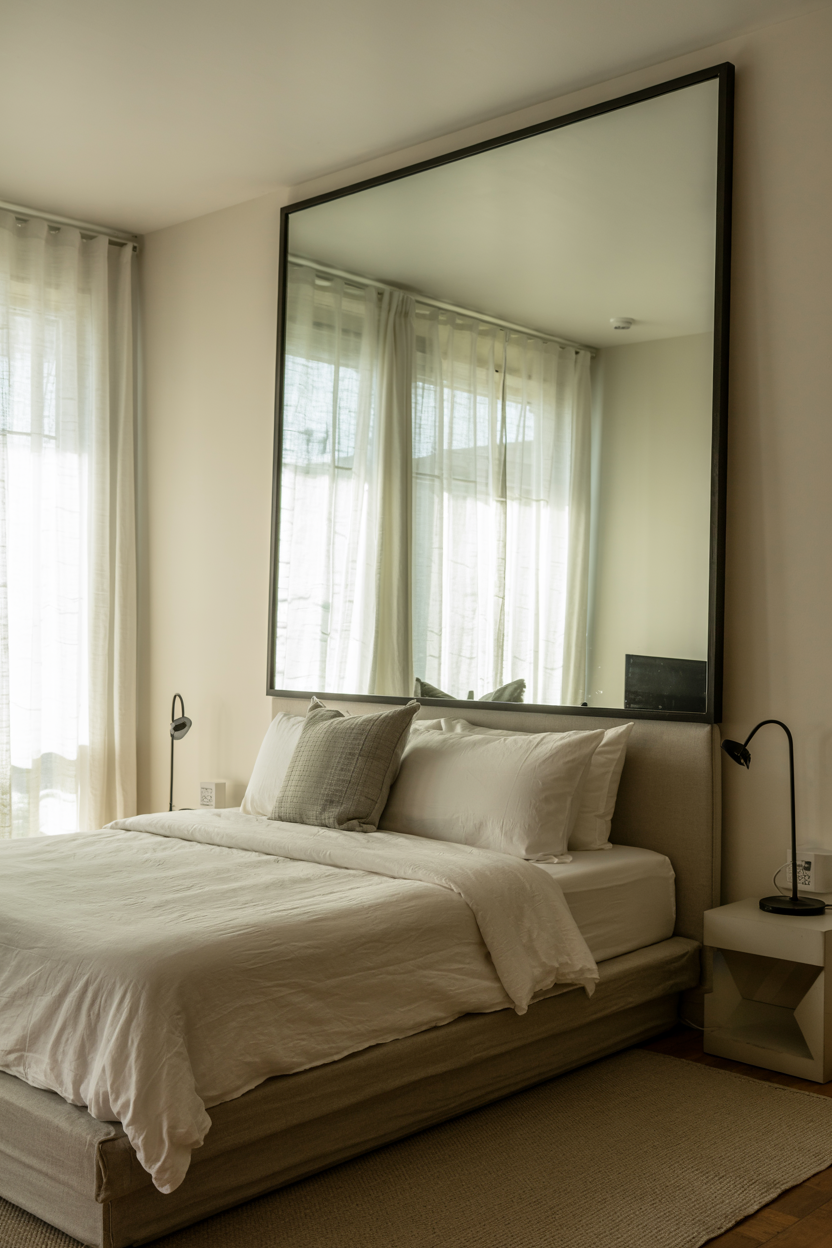
A large mirror can serve as an elegant focal point while reflecting light throughout the bedroom. Choose an oversized framed design for a traditional or luxurious atmosphere, or opt for a frameless mirror for a cleaner contemporary look. An unusually shaped or vintage-inspired mirror can also introduce personality. Be mindful of what the mirror reflects so it enhances rather than visually complicates the room.
20. Use a Room Divider
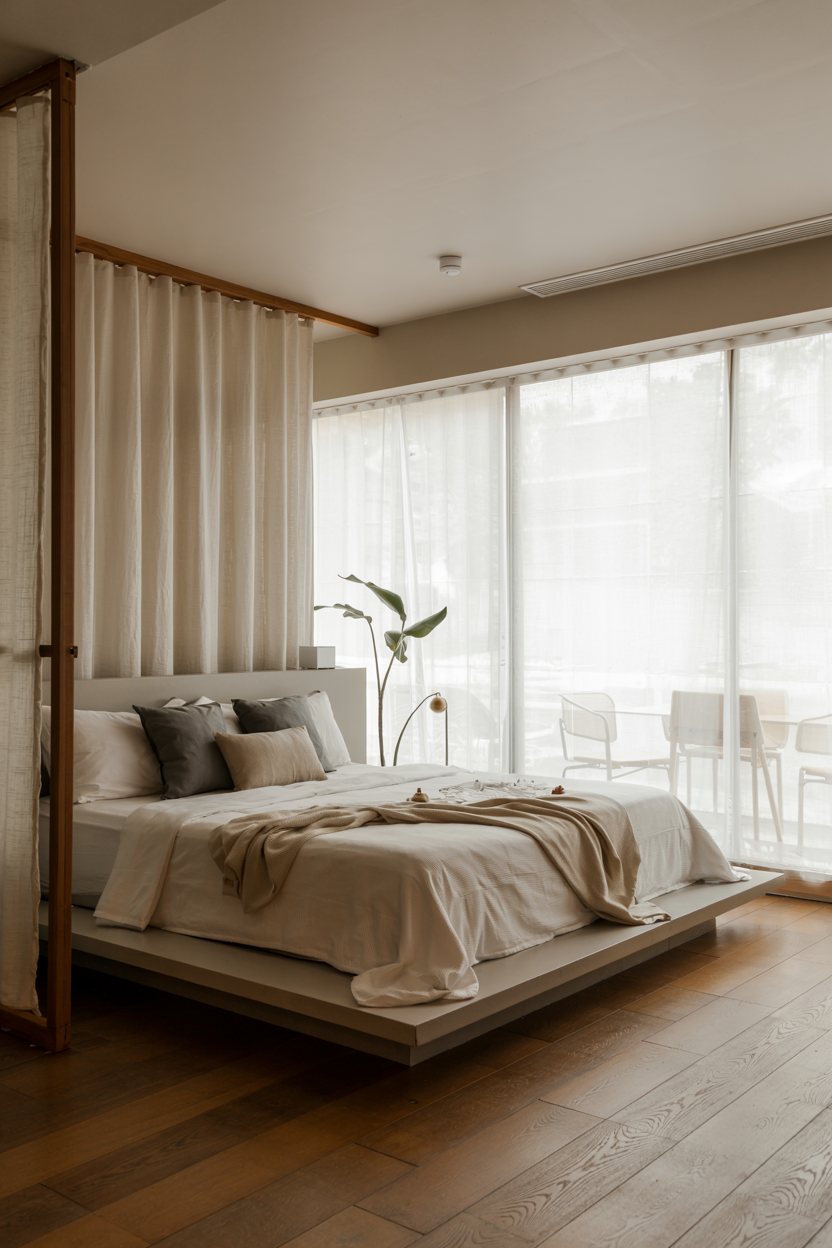
A decorative room divider can help define the sleeping area when the bed is positioned against a wall in a multifunctional space. An open bookcase, rattan screen, wood slat divider, or metal-framed partition can create visual separation while still allowing light to pass through. This is especially useful in studio apartments or bedrooms that share space with a home office or dressing area.
21. Incorporate Accent Lighting
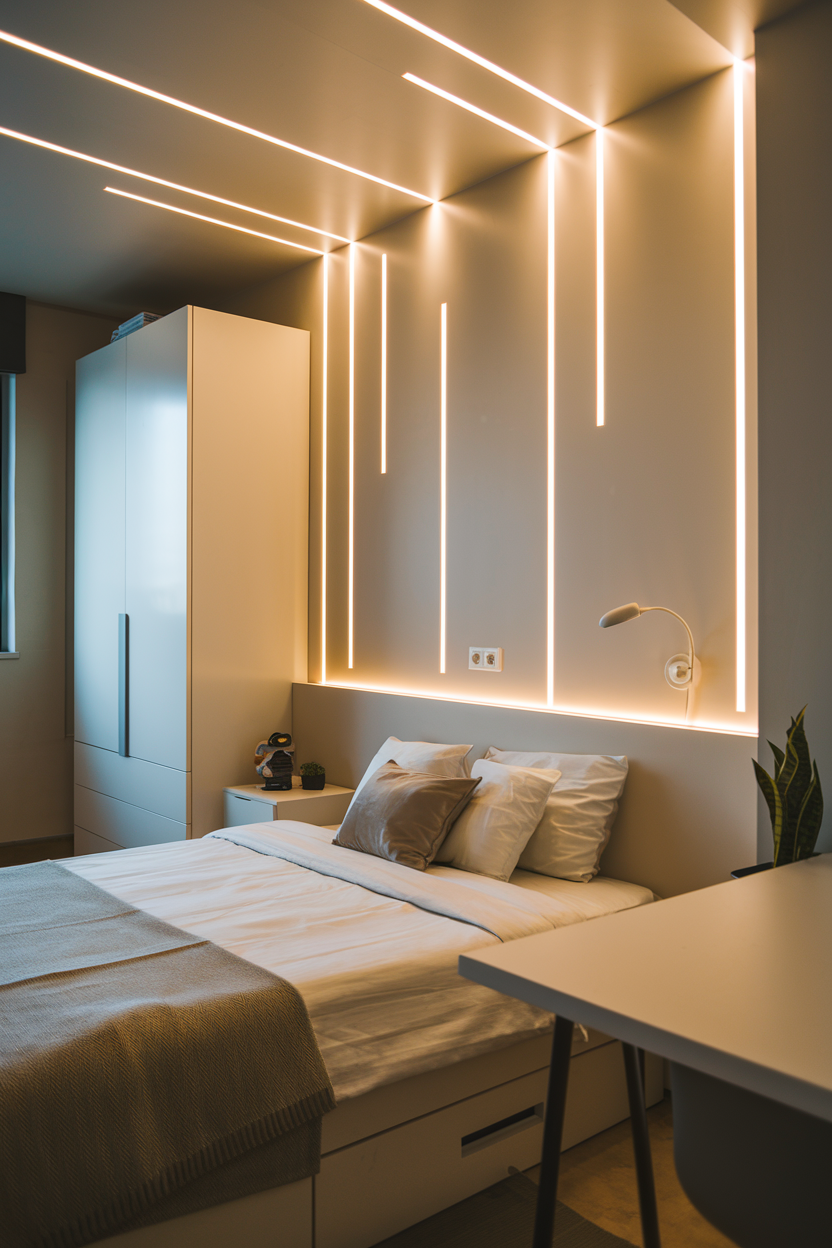
Accent lighting can turn an ordinary bed wall into a warm nighttime feature. Add LED strips behind the bed, discreet spotlights above artwork, or small recessed lights around shelving. Warm white lighting works particularly well for creating a relaxing bedroom atmosphere. Concealing the light source can produce a soft glow that highlights the bed without making the lighting itself the main attraction.
22. Create a Mural or Wall Art Feature
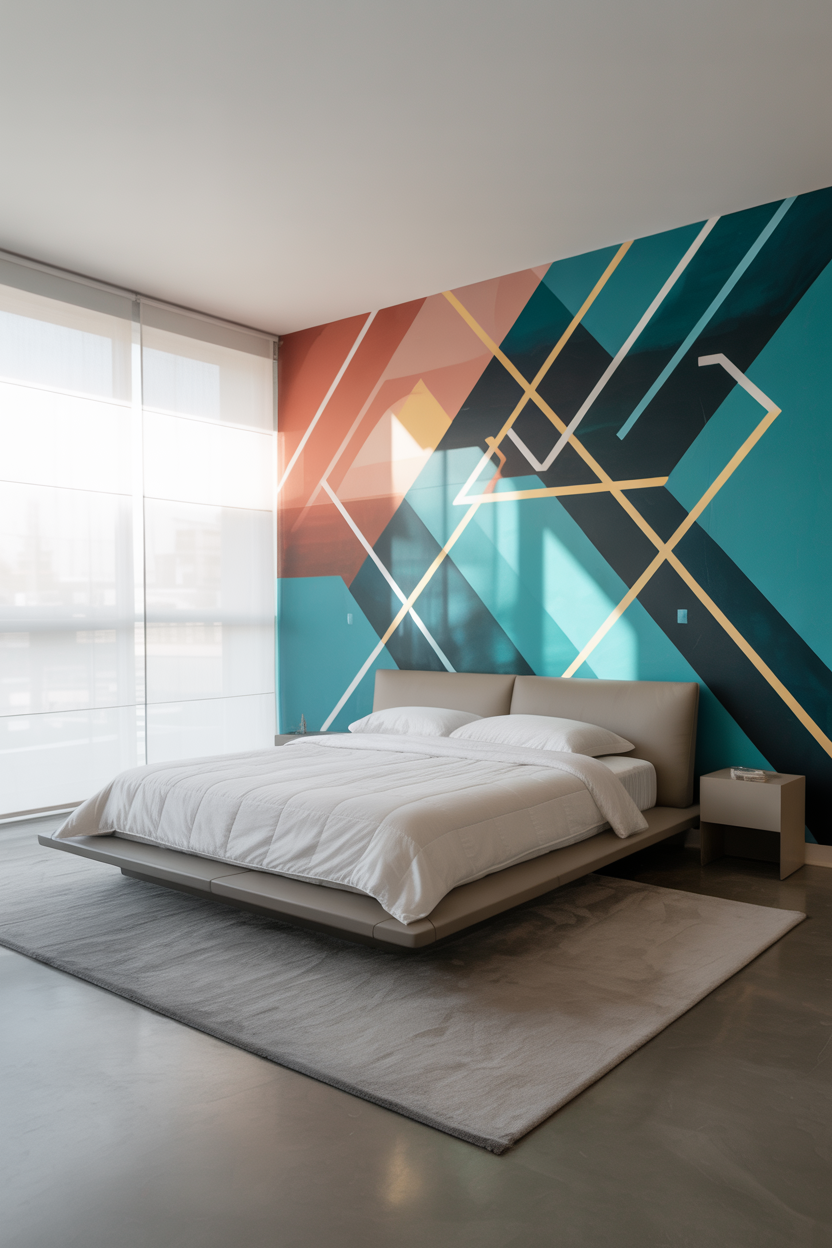
Make the wall behind your bed the centerpiece of the bedroom with a painted mural or large-scale wall art feature. Abstract brushstrokes, oversized botanical designs, scenic landscapes, and geometric compositions can all create dramatic results. A mural gives you the opportunity to customize the room around a design that feels personal. Keep the bedding relatively simple if you want the wall to remain the star.
23. Incorporate Picture Ledges
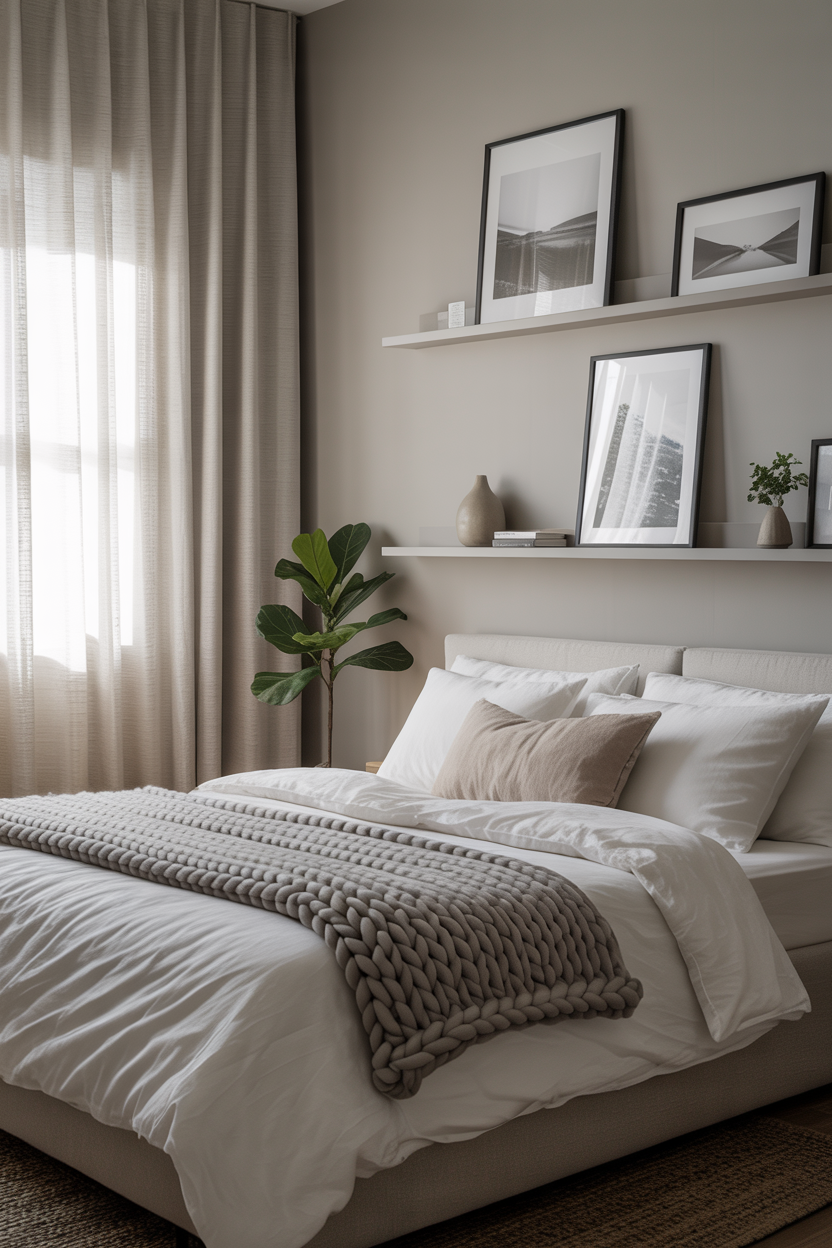
Picture ledges provide a flexible way to display artwork without committing to a permanent gallery wall arrangement. Layer framed prints, photographs, small plants, candles, and decorative objects along the ledges to create a relaxed display. Because the pieces aren’t permanently fixed to the wall, you can easily switch them around whenever your style changes. Two or three ledges stacked vertically can create an especially attractive layered effect.
24. Use a Slatted Wood Backdrop
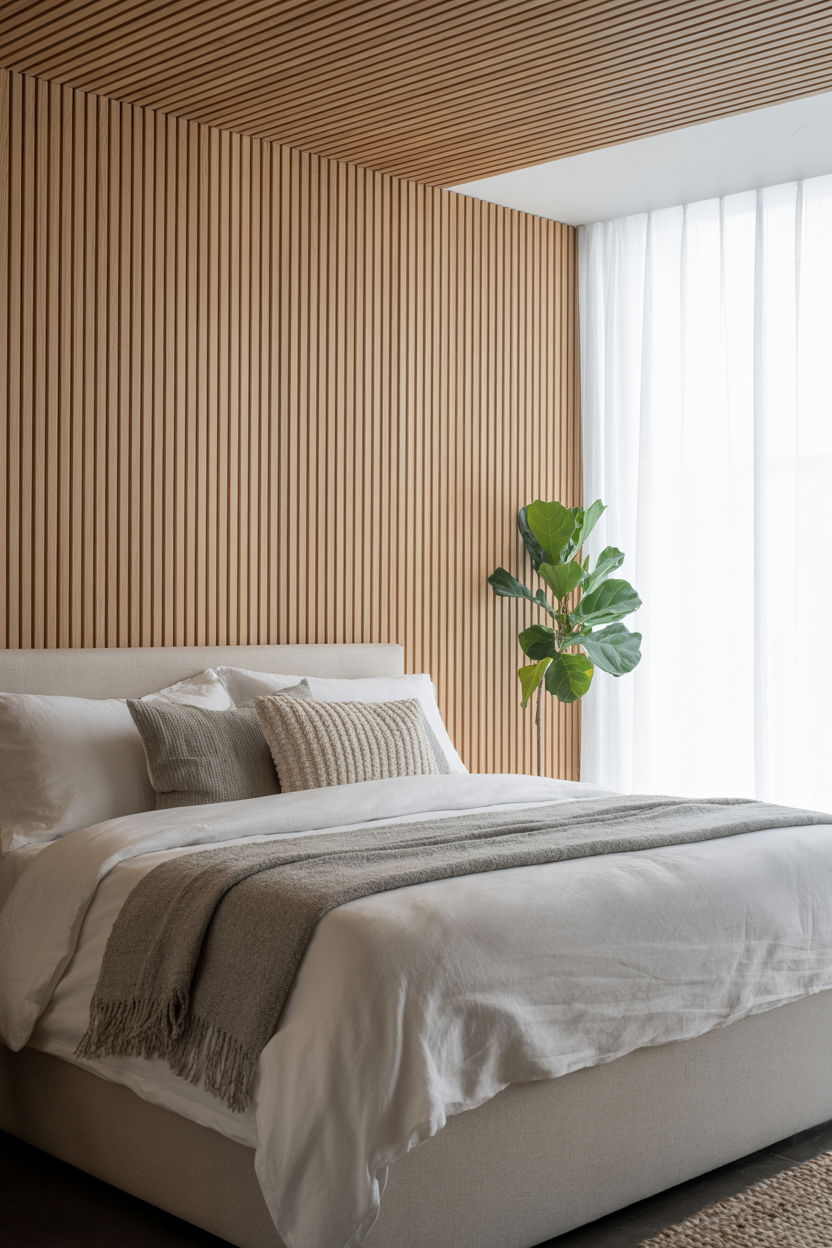
A slatted wood wall adds warmth, texture, and architectural interest behind the bed. Install the slats vertically to emphasize ceiling height or horizontally to create a wider visual effect. Pale oak and ash can produce a bright Scandinavian-inspired atmosphere, while walnut and darker finishes create a moodier, more intimate bedroom. Keep the surrounding furniture relatively simple so the natural texture remains the focus.
25. Highlight with a Bold Paint Color
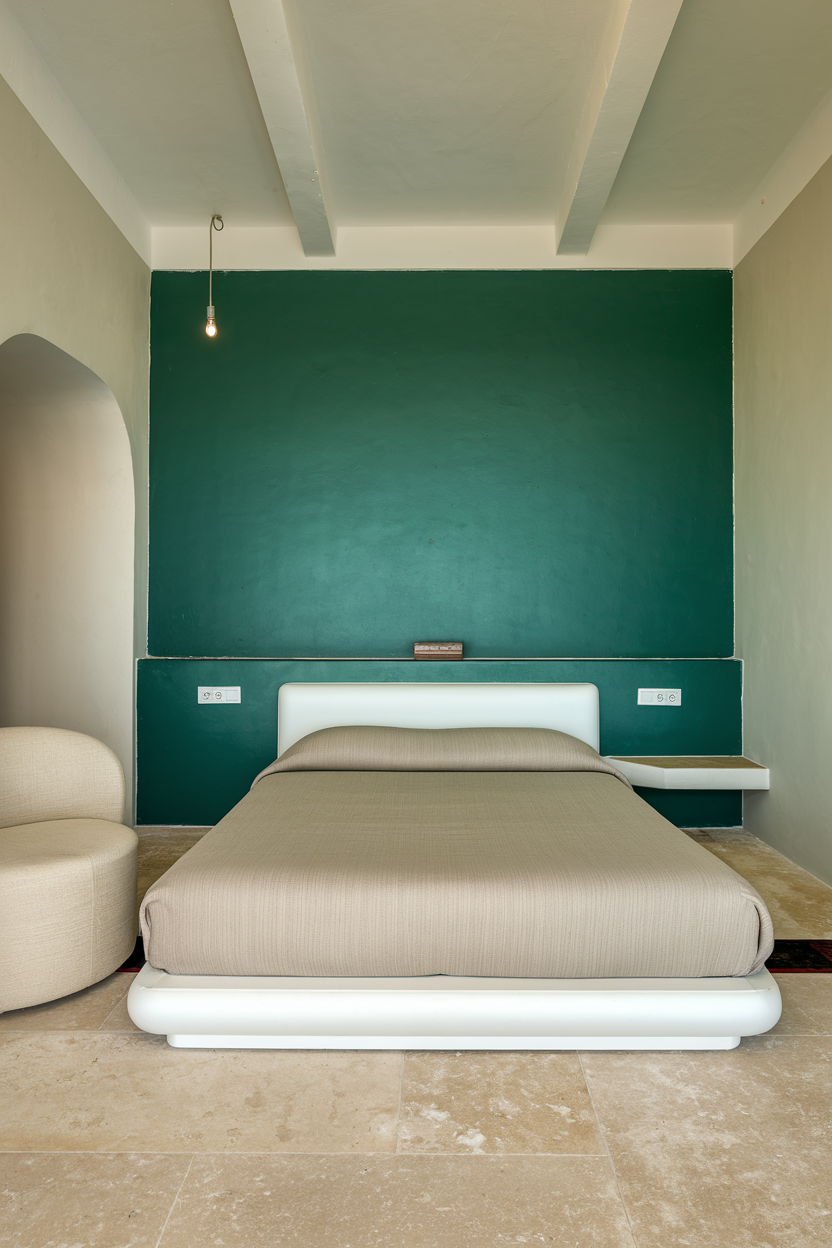
Sometimes a single coat of paint is all you need to transform the wall behind your bed. Deep green, navy, terracotta, charcoal, or another saturated shade can instantly establish a strong focal point. Balance the dramatic backdrop with neutral bedding and understated accessories so the room doesn’t feel overwhelming. For a more subtle effect, choose a muted version of the same color family used elsewhere in the bedroom.
26. Make It a Full Wall Feature
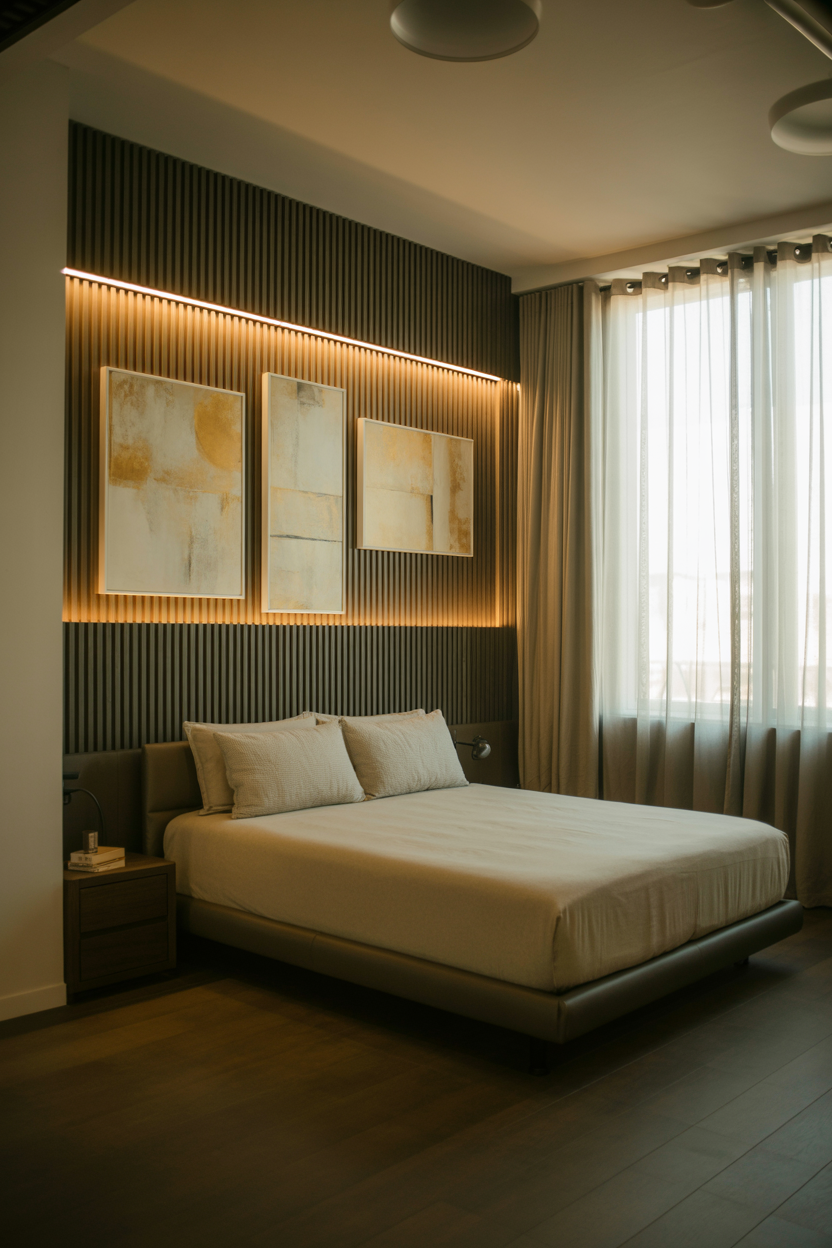
If you want the bed to become the undeniable centerpiece of the bedroom, combine several design techniques on the same wall. Paneling, integrated lighting, shelving, wallpaper, artwork, and decorative finishes can be layered together to create a custom feature wall. The goal is to make the different elements feel connected rather than competing for attention. A carefully planned combination can turn an otherwise ordinary wall into the defining feature of the entire bedroom.
27. Lean Into an Asymmetrical Look
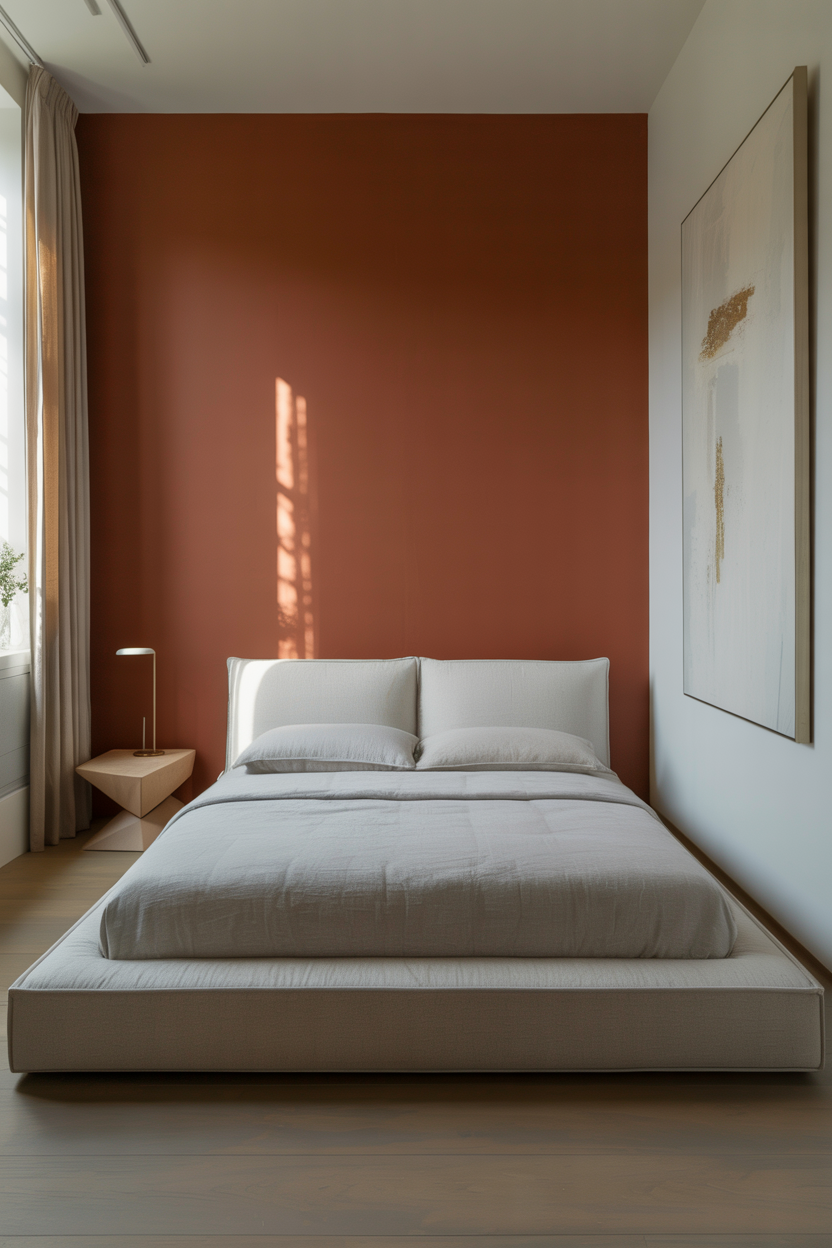
A bedroom doesn’t always need perfect symmetry to look polished. Place the bed slightly off-center and balance the composition with a tall plant, statement artwork, floor lamp, or single oversized nightstand. The uneven arrangement creates movement and gives the room a more relaxed, designer-inspired appearance. The key is to balance visual weight rather than making both sides identical.
28. Layer Textures
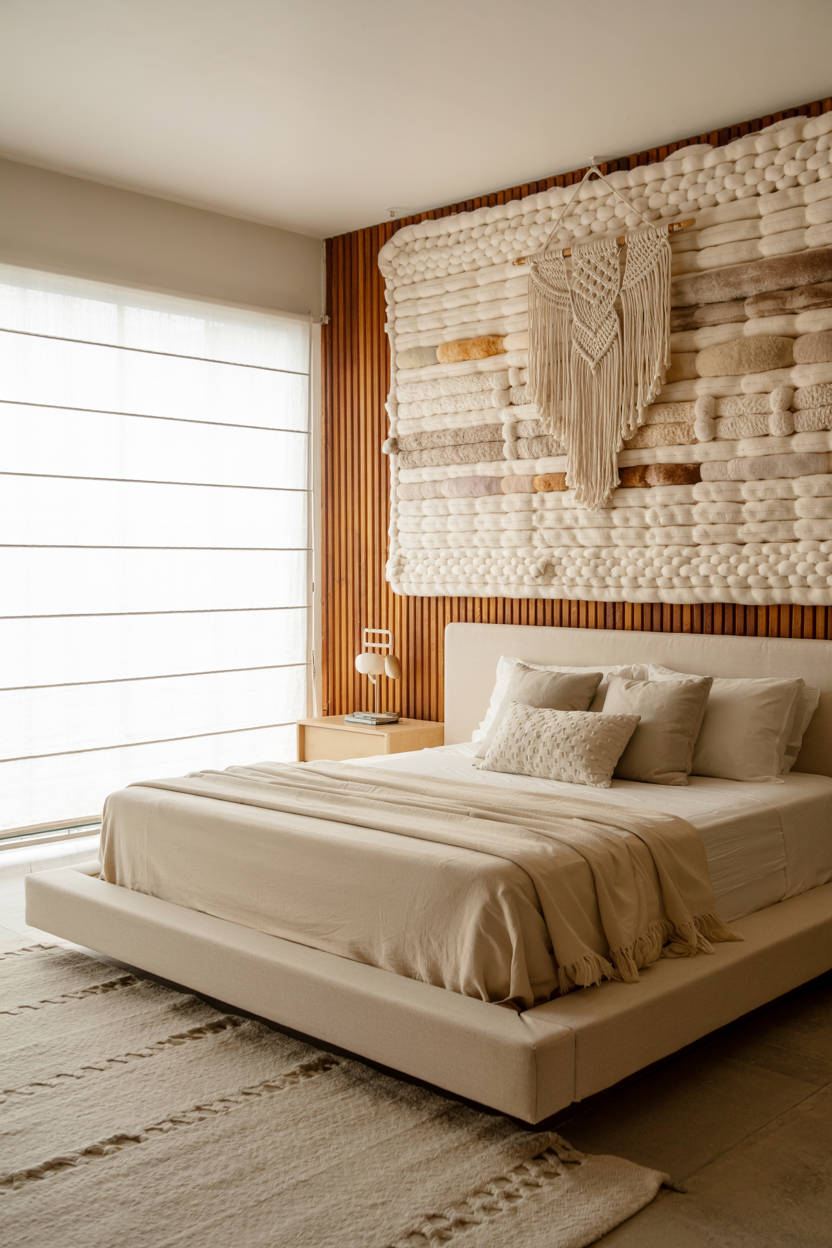
Give the wall behind the bed more dimension by combining tactile materials. A woven wall hanging, fabric panel, decorative rug, wood treatment, or macramé piece can soften the surface and create visual depth. Layering textures is particularly effective in bedrooms with neutral color schemes because the materials provide interest without relying on strong colors. The result feels warmer, richer, and more inviting.
29. Frame the Bed with Curtains
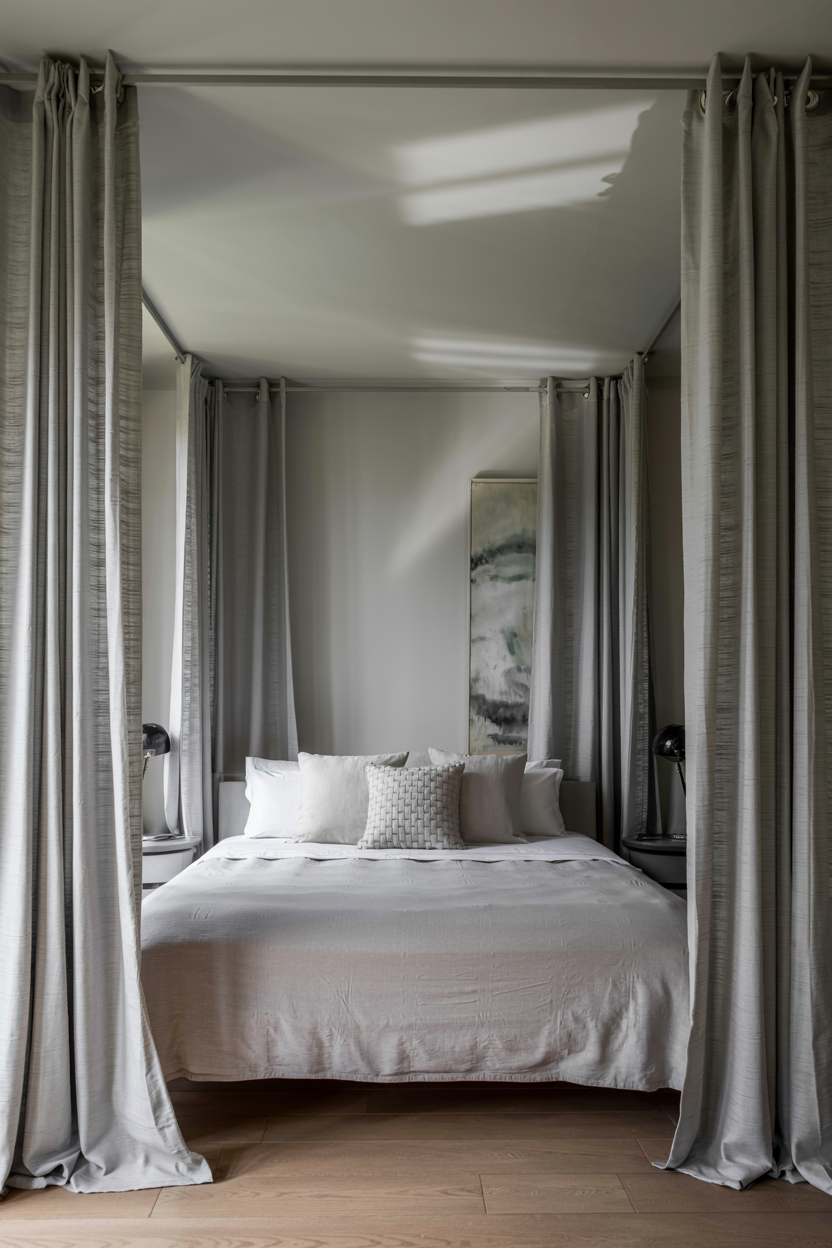
Create a soft, canopy-inspired effect by installing curtain rods or tracks above the bed and allowing long panels to fall on either side. The curtains visually frame the sleeping area while adding softness to the room. Floor-length fabric creates the most elegant effect, particularly when the panels are slightly gathered. This approach can also help disguise uneven walls or other architectural imperfections.
30. Incorporate a Floating Nightstand
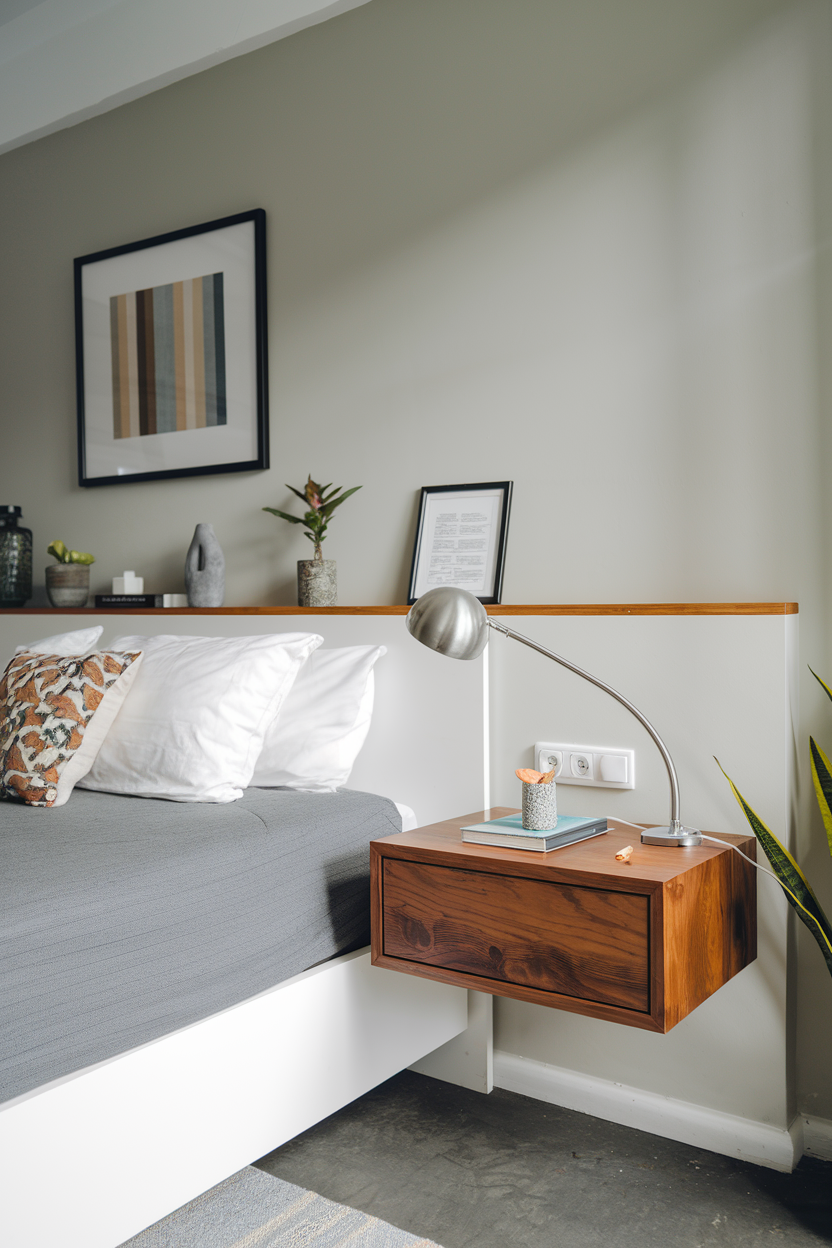
A floating nightstand keeps the floor beneath it visible, helping the bedroom feel more open. Wall-mounted designs can include drawers, shelves, or compact compartments for keeping essentials within reach. They work particularly well in modern and minimalist bedrooms where clean lines are important. Pairing a floating nightstand with wall-mounted lighting creates an especially streamlined arrangement.
* The beauty of styling a bed against the wall lies in turning a practical layout into a design opportunity. Use these inspirations as inspiration, experiment with colors and textures, and create a bedroom where your bed feels like it belongs exactly where it is.