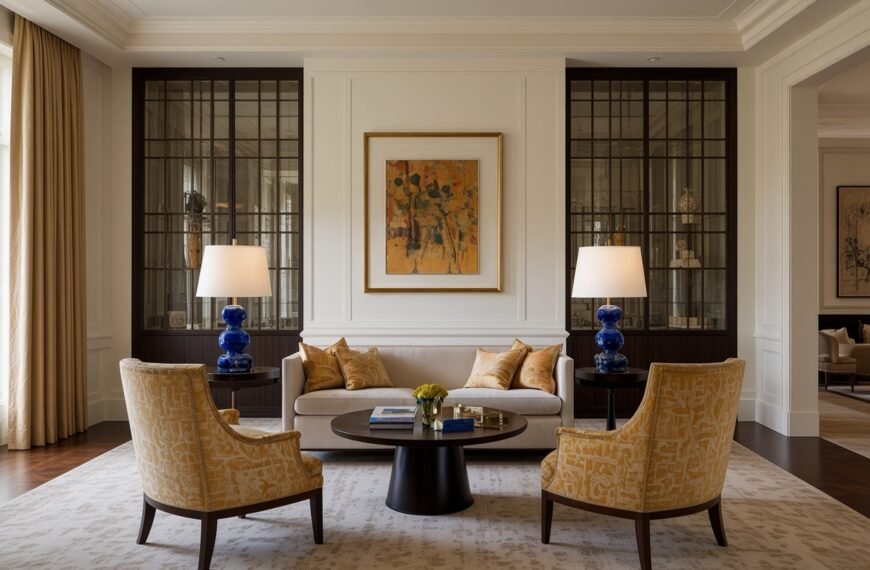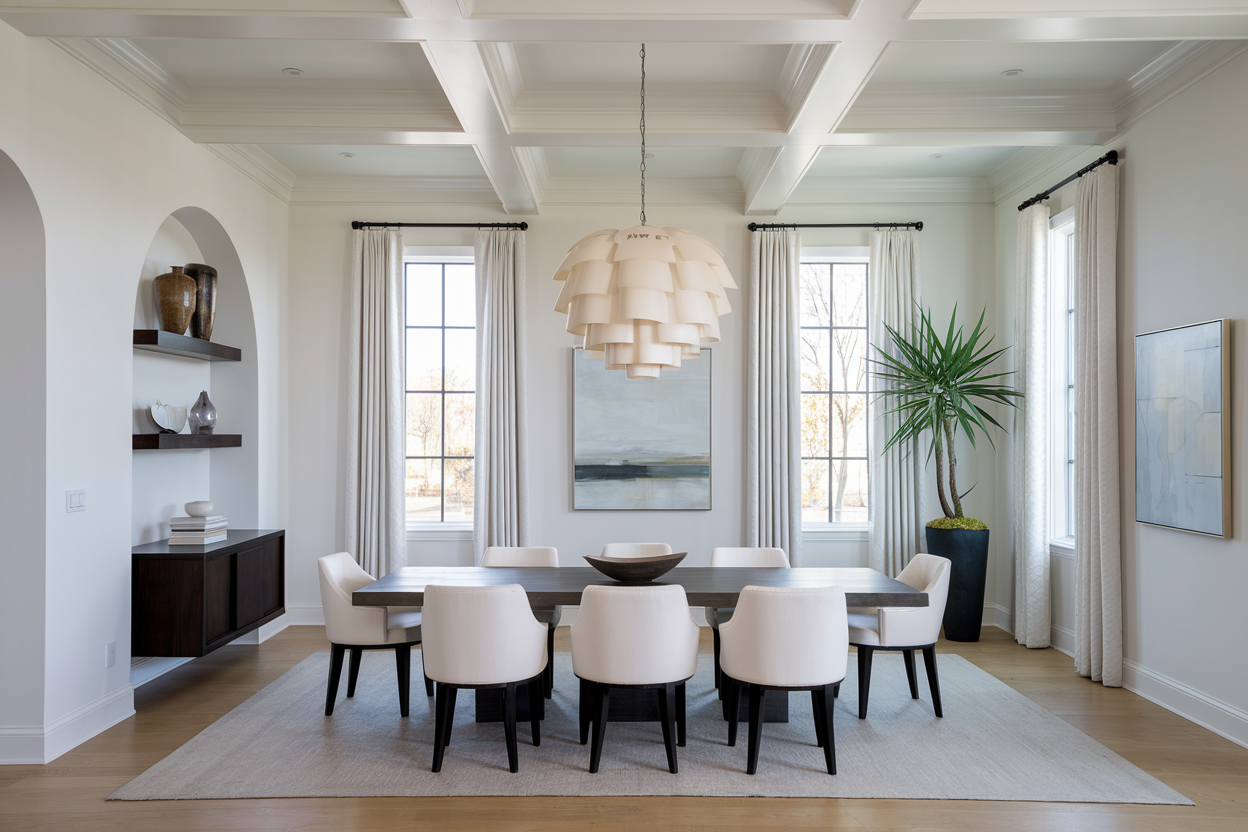
White dining rooms have a unique way of feeling both timeless and inviting, creating a space that looks refined while still remaining comfortable for everyday use. Soft white walls, light-toned furniture, and gentle contrasts allow the room to feel open and airy without appearing sterile. Thoughtful details like layered textures, subtle patterns, and natural materials help white dining spaces feel warm, balanced, and visually engaging rather than overly minimal.
This curated collection of 29 white dining room ideas showcases how white can be styled in creative and elevated ways. Each idea demonstrates how finishes, lighting, and décor choices can add depth and personality while maintaining a clean, cohesive look. These ideas are meant to inspire dining spaces that feel calm, polished, and easy to live with over time. White offers a versatile foundation that adapts to changing styles, seasonal décor, and personal tastes without losing its elegance. By blending simplicity with thoughtful design, a white dining room can become a timeless centerpiece of your home that always feels fresh, graceful, and effortlessly stylish.
Let’s read on and discover how white dining rooms can feel luxurious, welcoming, and beautifully tailored to both formal gatherings and casual family meals!
1. Layered Whites for Depth and Visual Sophistication
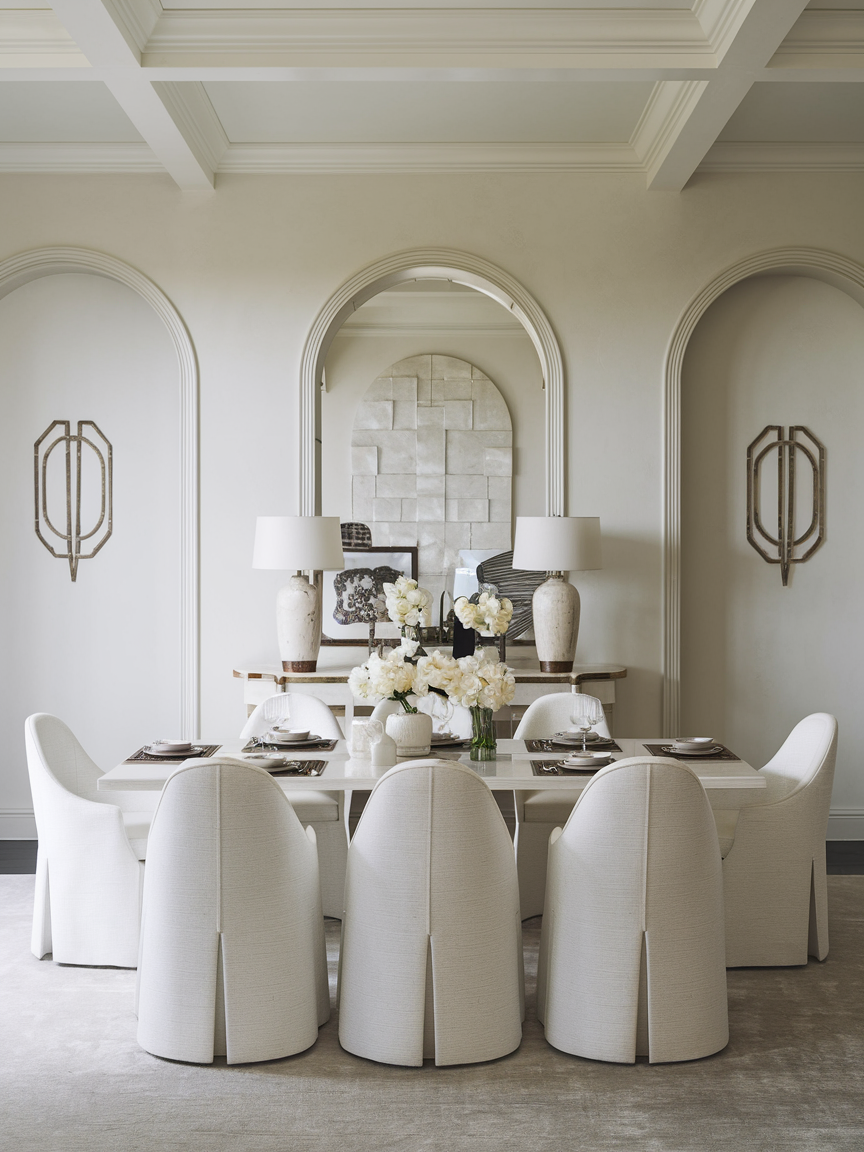
A truly elegant white dining room rarely relies on a single shade of white. Instead, sophistication emerges from layering multiple white tones such as ivory, soft cream, eggshell, and warm alabaster. These subtle variations prevent the space from appearing flat or sterile while maintaining a cohesive and serene aesthetic. Walls, furniture, textiles, and décor elements can each introduce a slightly different hue, creating a gentle contrast that feels intentional rather than stark. This approach allows light to interact beautifully with surfaces, enhancing shadows and depth throughout the room. Layered whites are especially effective in both natural and artificial lighting, as they reflect light softly without overwhelming the senses. The result is a dining room that feels calm, luxurious, and visually rich while remaining effortlessly elegant and timeless.
2. White Dining Rooms Enhanced by Natural Wood Accents
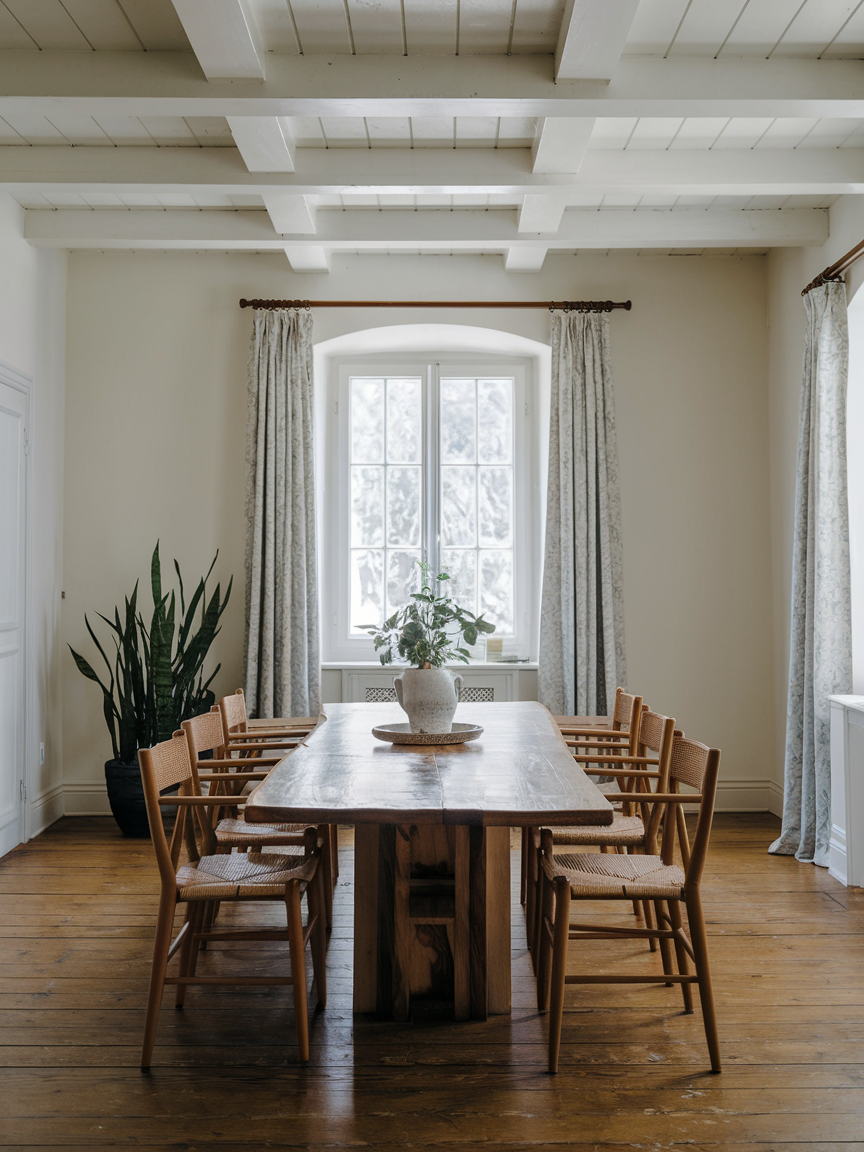
Incorporating natural wood elements into a white dining room adds warmth, balance, and organic beauty. Wood tones—whether light oak, ash, maple, or even deeper walnut—introduce texture and contrast that soften the crispness of white surfaces. A solid wood dining table, exposed ceiling beams, or wooden dining chairs can anchor the space while preserving its refined character. The combination of white and wood feels inherently sophisticated because it mirrors nature’s palette, creating an environment that feels welcoming and grounded. This pairing works seamlessly across design styles, from Scandinavian and modern farmhouse to contemporary luxury interiors. The key lies in choosing wood finishes that complement the white tones rather than overpower them, ensuring the dining room remains cohesive, elegant, and effortlessly inviting.
3. Sculptural White Dining Chairs

White dining chairs with sculptural forms can instantly elevate the sophistication of a dining room. Instead of traditional silhouettes, consider chairs with curved backs, fluid lines, or architectural shapes that function as both seating and art. These sculptural pieces add visual interest without disrupting the calmness of a white palette. Upholstered white chairs in boucle, linen, or leather further enhance the refined atmosphere while providing comfort and tactile richness. The sculptural quality draws attention subtly, creating a focal point that feels intentional rather than decorative. In minimalist or contemporary spaces, these chairs become a defining element that embodies effortless elegance. Their clean forms and refined materials ensure the dining room feels curated, modern, and undeniably sophisticated.
4. White Marble Dining Tables
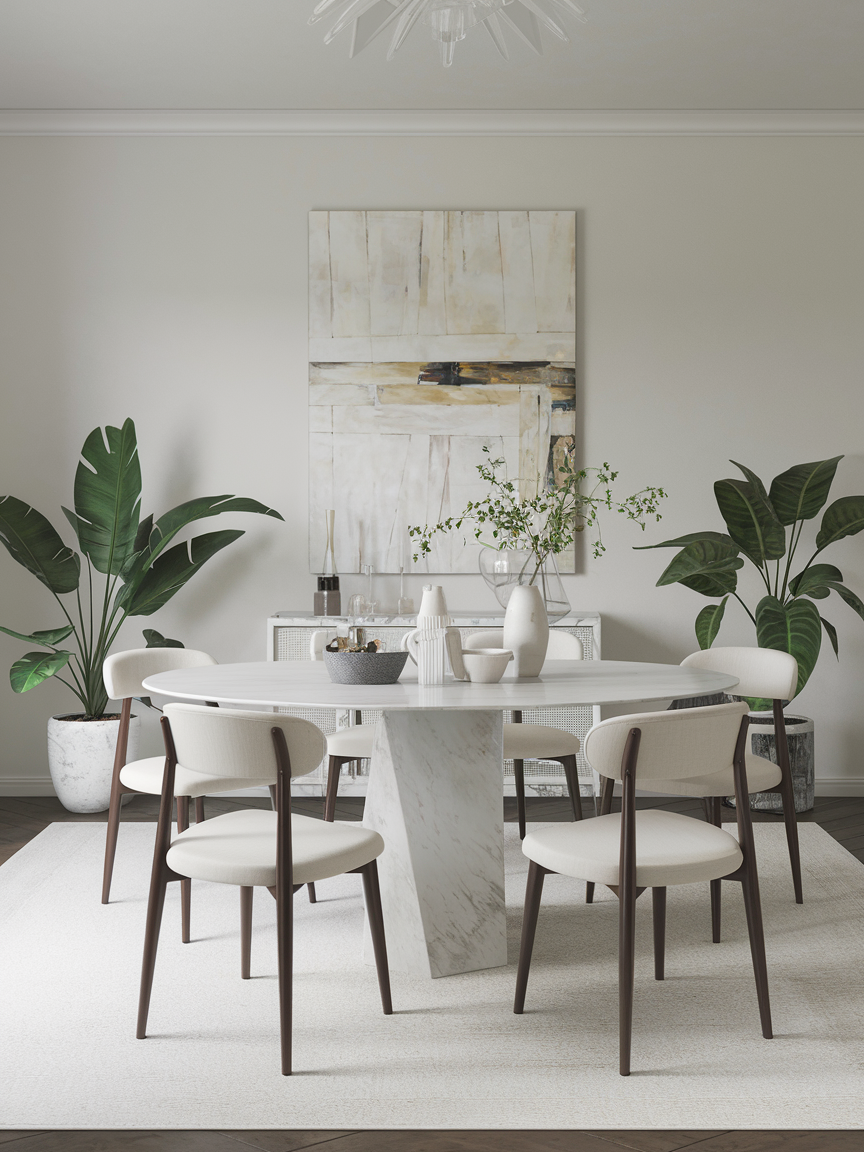
A white marble dining table is a hallmark of sophisticated interior design. Its natural veining introduces organic movement and texture, ensuring the space never feels plain or overly minimal. Marble’s reflective surface enhances light, contributing to the airy and elegant ambiance that white dining rooms are known for. Beyond aesthetics, marble symbolizes timeless luxury and craftsmanship, making it an enduring choice for refined interiors. Whether paired with minimalist chairs or upholstered seating, a marble table becomes the centerpiece of the room. The key to maintaining effortless elegance lies in styling it simply—allowing the material itself to speak. When thoughtfully integrated, a white marble dining table transforms the dining space into a serene yet luxurious environment perfect for both everyday meals and formal gatherings.
5. Statement Lighting
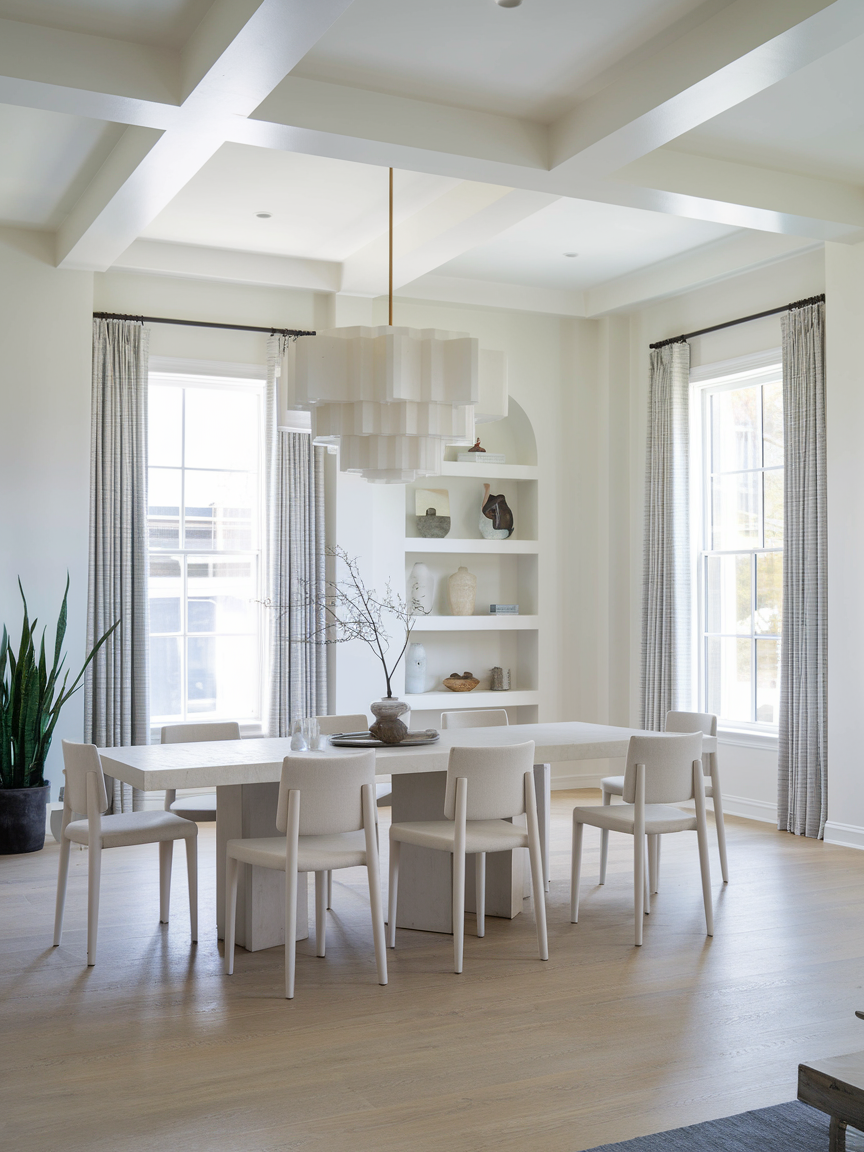
Lighting plays a crucial role in defining the sophistication of a white dining room. Statement lighting fixtures—such as sculptural chandeliers, modern pendants, or minimalist linear lights—create visual drama without overwhelming the space. Against a white backdrop, lighting becomes a focal point, enhancing the room’s architectural presence. Metallic finishes like brushed brass, champagne gold, or matte black introduce subtle contrast while maintaining refinement. Properly positioned lighting not only illuminates the dining area but also enhances textures, shadows, and depth. Dimmable lighting adds versatility, allowing the space to transition effortlessly from casual dining to formal entertaining. When thoughtfully chosen, statement lighting elevates the dining room into a space that feels polished, intentional, and undeniably elegant.
6. Minimalist White Dining Rooms
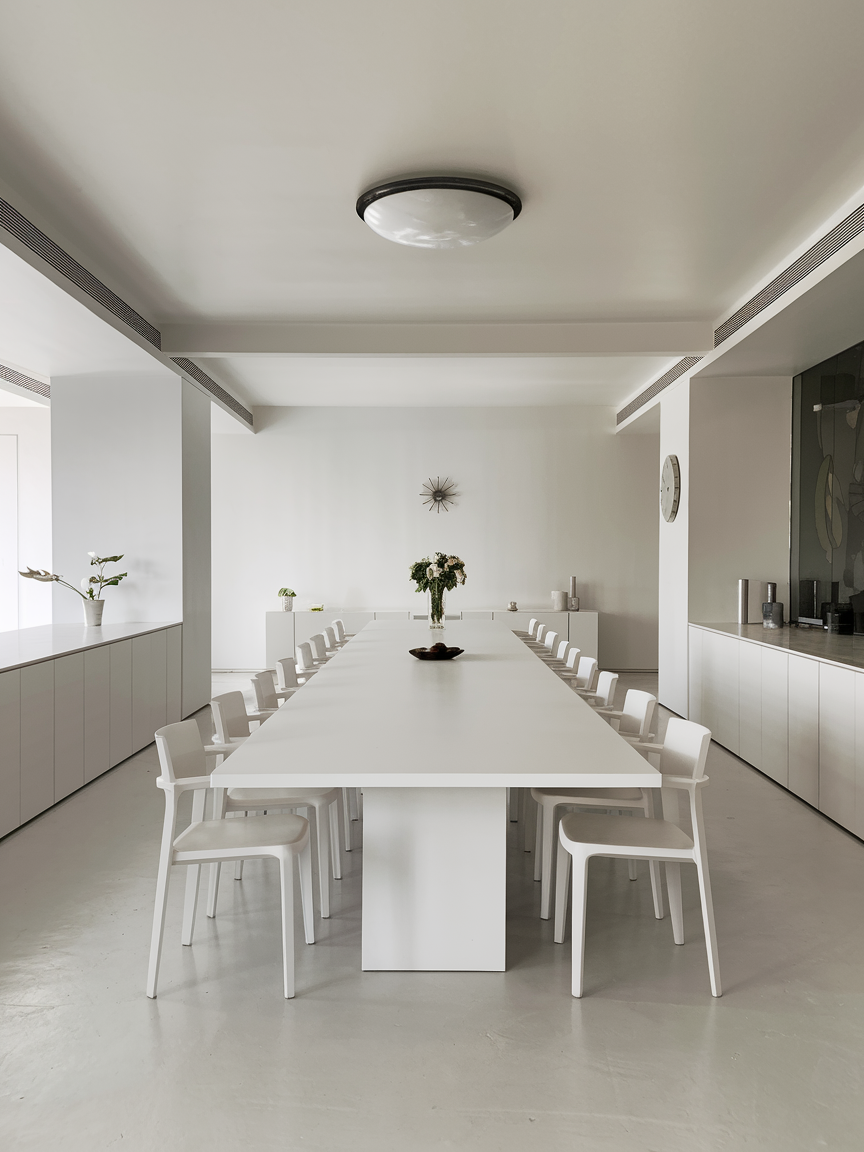
Minimalist white dining rooms embody the philosophy that less is more. Clean lines, uncluttered surfaces, and intentional spacing create an atmosphere of calm sophistication. In these spaces, every element serves a purpose, from the dining table and chairs to lighting and décor. The absence of excess allows craftsmanship, material quality, and proportion to take center stage. White enhances this aesthetic by reflecting light and emphasizing simplicity. Minimalist dining rooms often feel serene yet powerful, offering a refined environment free from visual noise. The elegance lies in restraint—choosing fewer but higher-quality pieces that contribute to a cohesive design. This approach results in a dining room that feels effortlessly stylish, timeless, and thoughtfully curated.
7. Textured White Walls

White walls do not have to be plain to be elegant. Introducing texture through finishes like plaster, limewash, shiplap, or paneling adds depth and character while preserving the refined white aesthetic. Textured walls interact beautifully with light, creating soft shadows and tonal variation throughout the day. This subtle complexity enhances the dining room’s sophistication without relying on bold colors or patterns. Textured white walls also provide a perfect backdrop for minimalist décor, allowing furniture and lighting to stand out. The result is a dining space that feels layered, intentional, and visually rich. Texture brings warmth and personality, ensuring the white dining room feels inviting rather than cold or sterile.
8. Upholstered Seating for Comfort
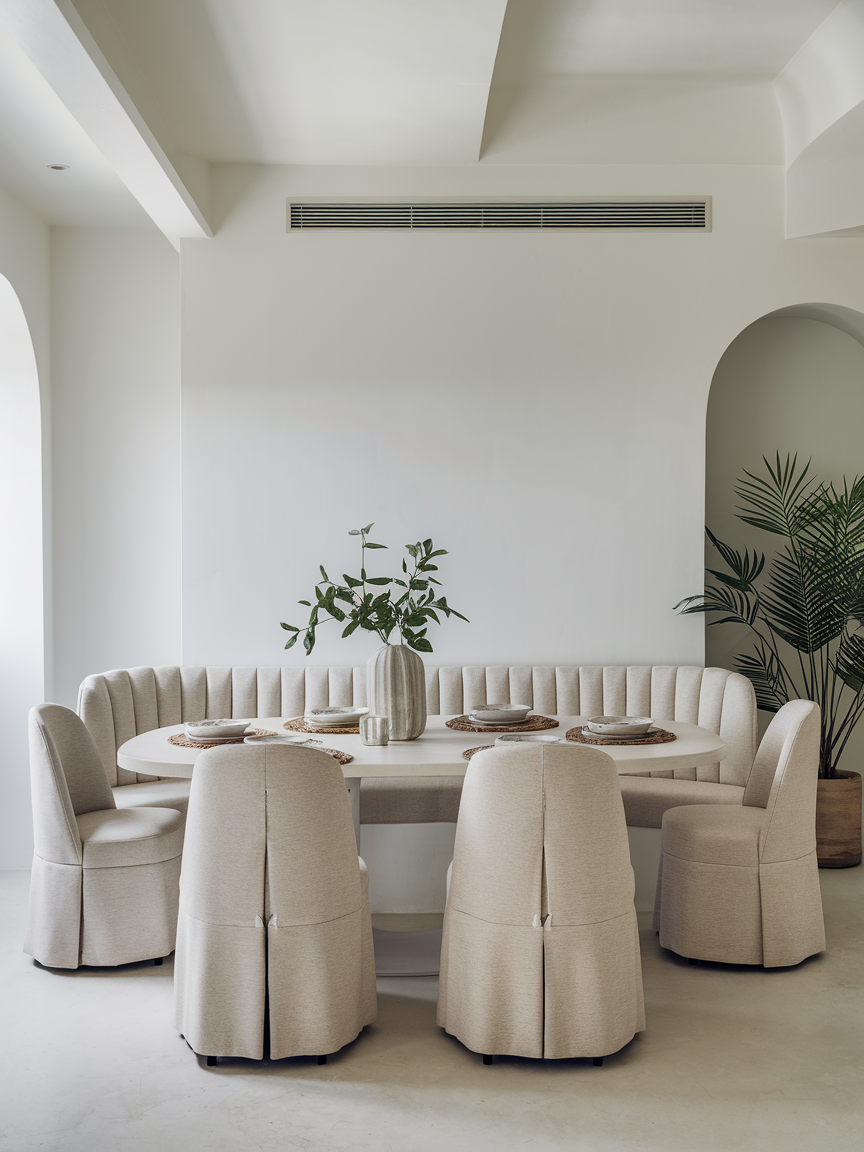
Upholstered seating introduces softness and luxury into a white dining room. Chairs covered in linen, velvet, boucle, or performance fabrics add tactile richness that enhances the overall elegance of the space. Upholstery also improves comfort, making the dining area more inviting for long meals and gatherings. Choosing white or soft neutral fabrics ensures the room remains cohesive and serene. Subtle details like tailored seams, curved backs, or refined legs elevate the chairs into design features rather than purely functional pieces. Upholstered seating balances the crispness of white surfaces, creating a harmonious blend of comfort and sophistication that feels both luxurious and livable.
9. White Dining Rooms with Black Accent Details
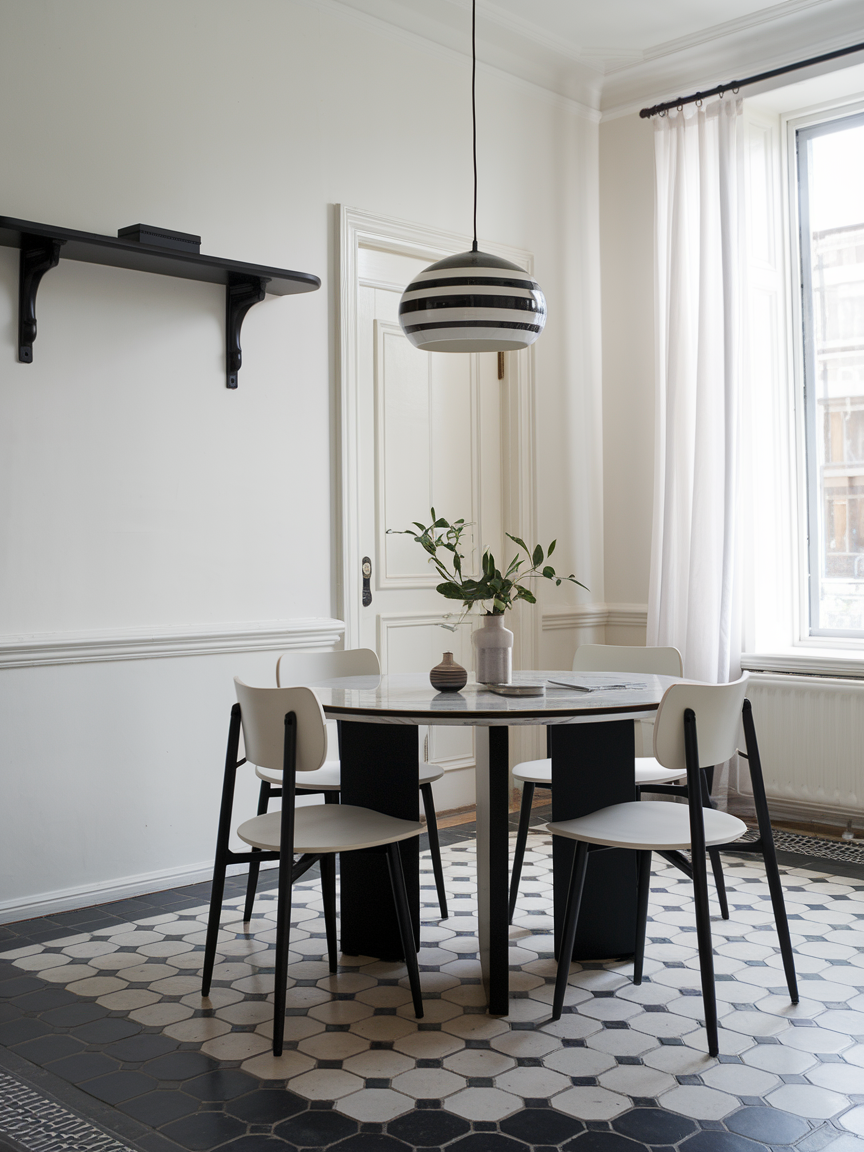
The contrast between white and black is a timeless design combination that exudes sophistication. In white dining rooms, black accents introduce structure, depth, and a modern edge without overpowering the space. Black elements can appear in chair frames, table bases, lighting fixtures, or window trims. These accents ground the room visually, preventing it from feeling overly delicate or washed out. When used sparingly, black details enhance the elegance of white interiors by creating balance and definition. This contrast works particularly well in contemporary and modern dining rooms, where clean lines and bold simplicity are key. The result is a dining space that feels striking, refined, and effortlessly stylish.
10. Classic White Dining Rooms
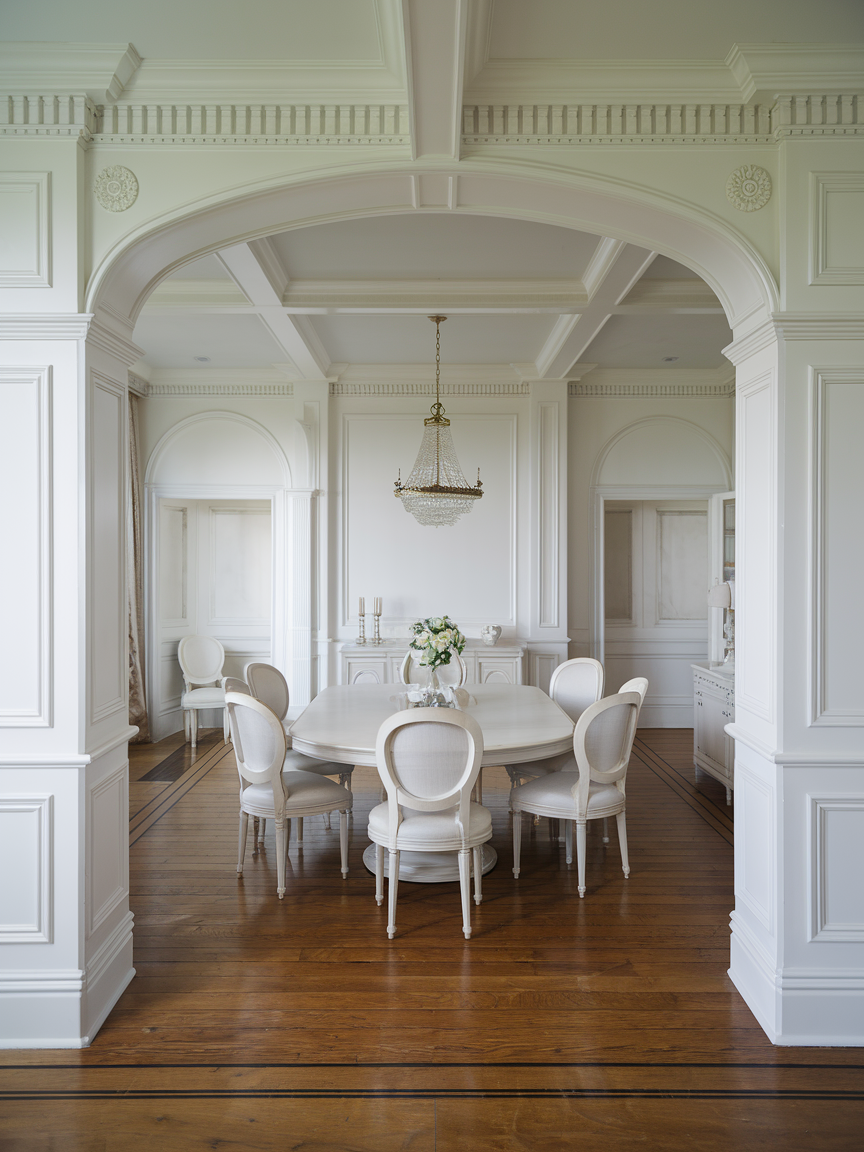
Architectural elements such as crown molding, wainscoting, coffered ceilings, or decorative trim elevate white dining rooms into timeless, classic spaces. These details add depth and refinement while maintaining a cohesive white palette. When painted white, architectural features enhance the room’s elegance without overwhelming it. They create visual interest through form and shadow rather than color. Classic white dining rooms often feel stately yet welcoming, blending traditional charm with modern simplicity. Architectural details also provide a sense of craftsmanship and permanence, ensuring the space feels thoughtfully designed. This approach results in a dining room that remains elegant and relevant for years to come.
11. Glass Elements for an Airy White Dining Room
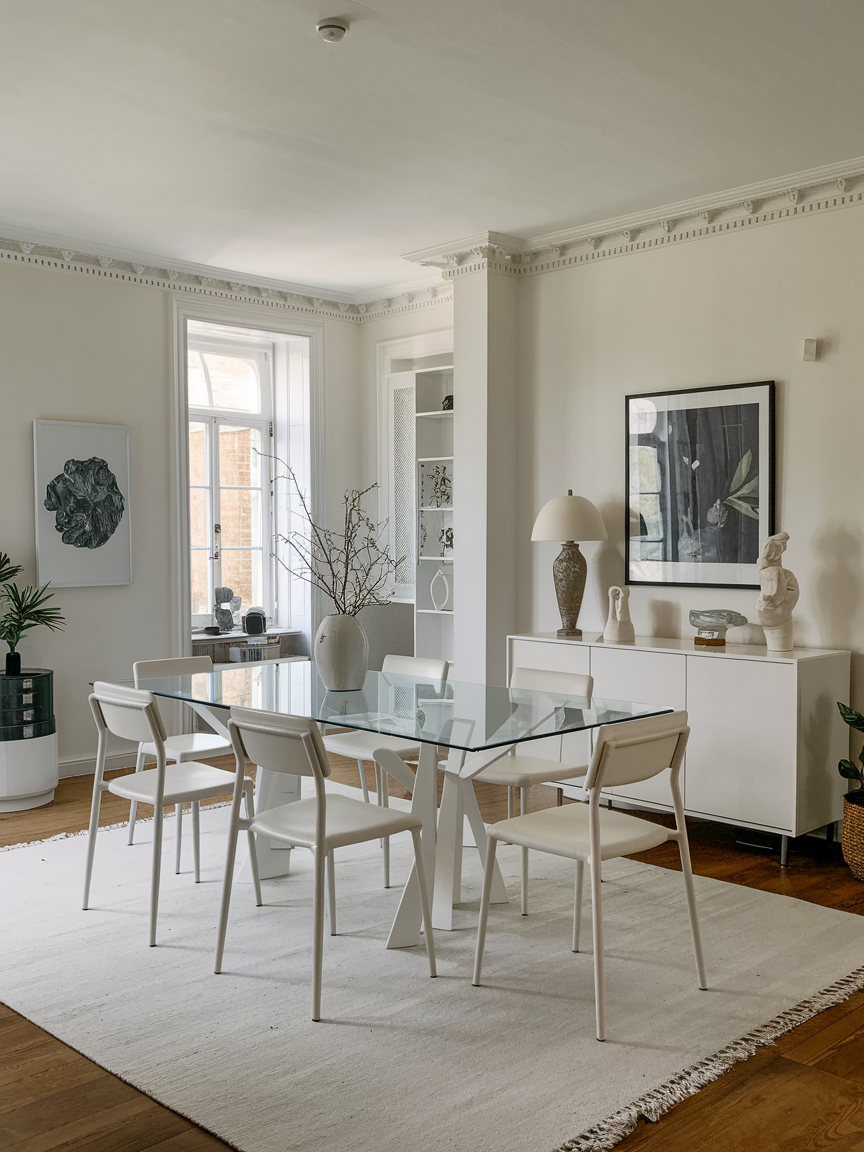
Glass elements contribute to the lightness and sophistication of a white dining room. Glass dining tables, cabinets, or display shelves reflect light and enhance the room’s open, airy feel. These elements prevent the space from appearing heavy or crowded, especially in smaller dining areas. Glass pairs beautifully with white by maintaining visual continuity and transparency. When combined with white walls and furnishings, glass enhances elegance while preserving functionality. It also allows decorative items or table settings to shine subtly. The use of glass ensures the dining room feels refined, modern, and effortlessly elegant without sacrificing warmth or character.
12. Neutral Textiles for Soft Elegance
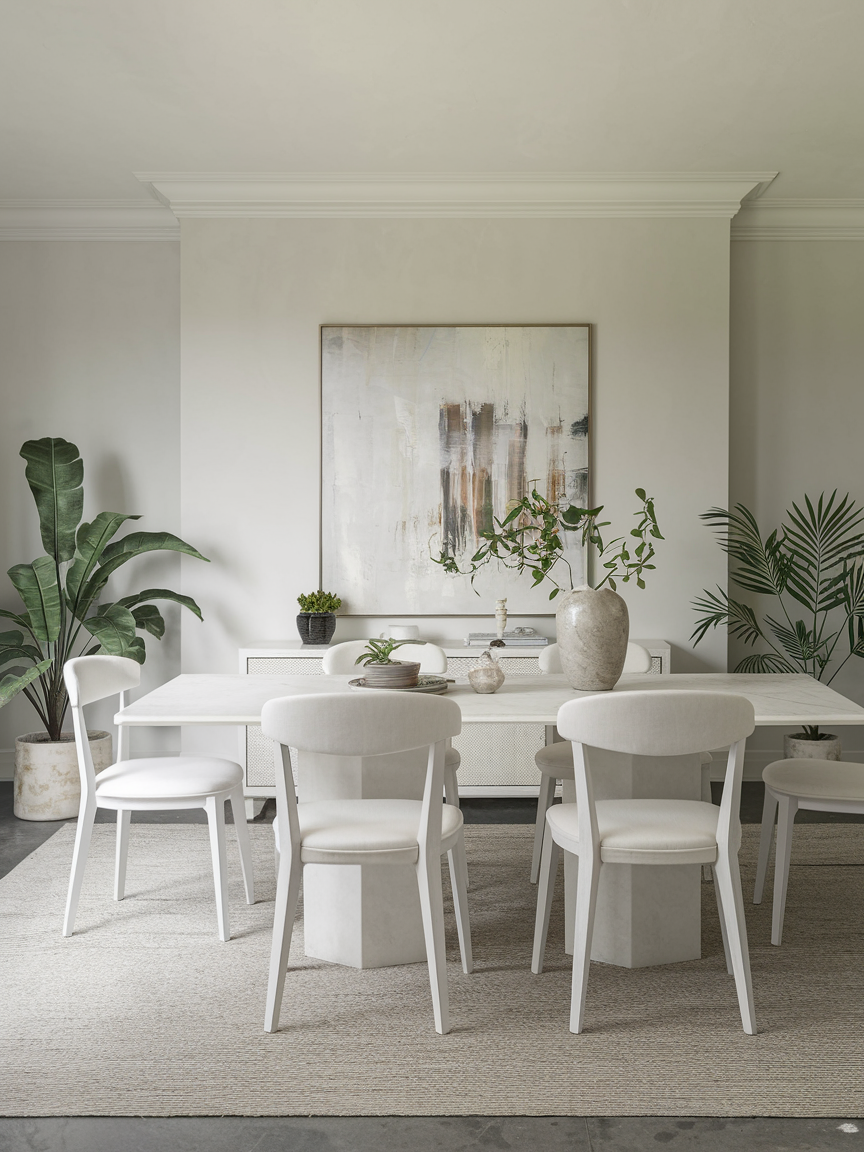
Neutral textiles play a vital role in softening white dining rooms. Rugs, curtains, table linens, and seat cushions in warm neutral tones add comfort and visual balance. These textiles introduce subtle contrast while maintaining a cohesive and elegant aesthetic. Linen, wool, or cotton fabrics enhance the tactile experience of the space. Layering textiles thoughtfully ensures the dining room feels inviting rather than stark. Neutral textiles also help define the dining area, especially in open-concept layouts. Their understated presence enhances sophistication by adding warmth, texture, and refinement without drawing attention away from the overall design.
13. Scandinavian-Inspired White Dining Rooms
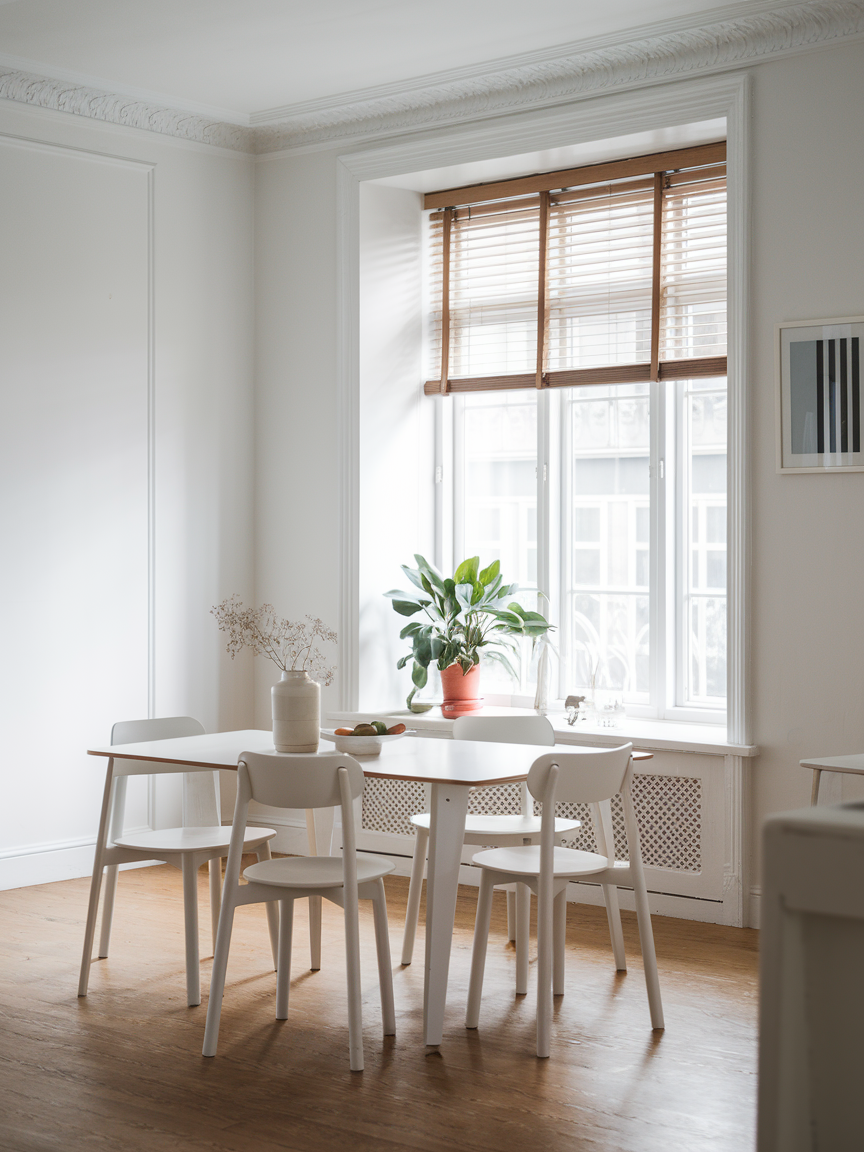
Scandinavian white dining rooms focus on simplicity, functionality, and natural beauty. Light-filled spaces, clean lines, and natural materials define this style. White serves as the foundation, enhancing brightness and creating a calm atmosphere. Wooden furniture, minimalist lighting, and subtle textures add warmth and balance. Scandinavian design emphasizes comfort and livability, ensuring the dining room feels welcoming and practical. The elegance lies in thoughtful restraint—every element is intentional and purposeful. This approach results in a dining room that feels effortlessly stylish, serene, and timeless, perfectly embodying the concept of sophisticated simplicity.
14. Artful Wall Décor in White Dining Rooms
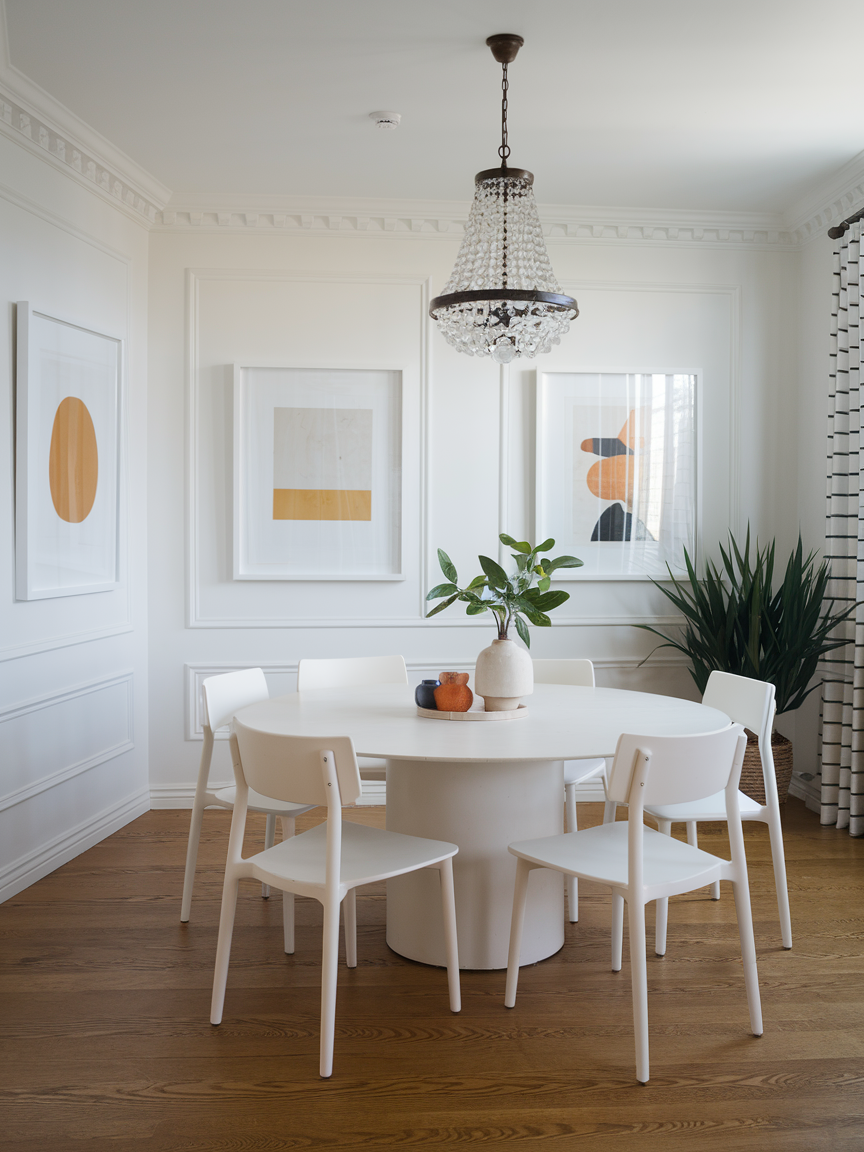
Art adds personality and refinement to white dining rooms. Minimalist artwork, monochrome photography, or abstract pieces enhance white walls without overwhelming them. Art introduces visual interest while maintaining a sophisticated tone. Carefully chosen pieces complement the room’s scale and palette, creating a harmonious composition. Framing artwork in simple or metallic frames further elevates the design. Artful wall décor transforms a white dining room from purely functional to thoughtfully curated. It allows homeowners to express individuality while preserving elegance. The result is a dining space that feels personal, refined, and visually engaging.
15. Built-In Storage for Seamless Elegance
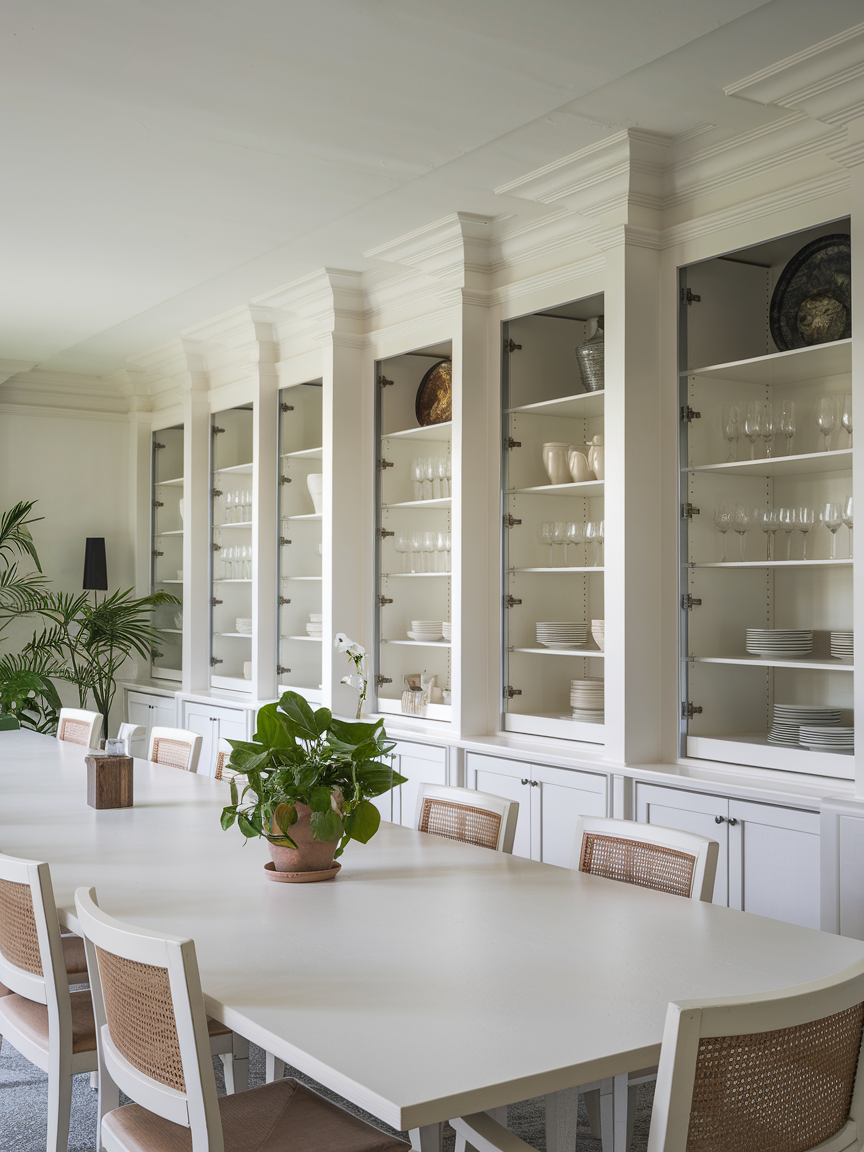
Built-in storage solutions painted in white blend seamlessly into dining room interiors. Sideboards, cabinets, or shelving provide practical storage while maintaining a clean, streamlined look. These elements reduce clutter, enhancing the room’s refined appearance. Built-ins also add architectural interest, contributing to the overall sophistication of the space. When styled thoughtfully, they become an extension of the design rather than purely functional pieces. White built-in storage ensures the dining room feels organized, intentional, and elegant, supporting both everyday living and formal entertaining.
16. Metallic Accents for Subtle Glamour
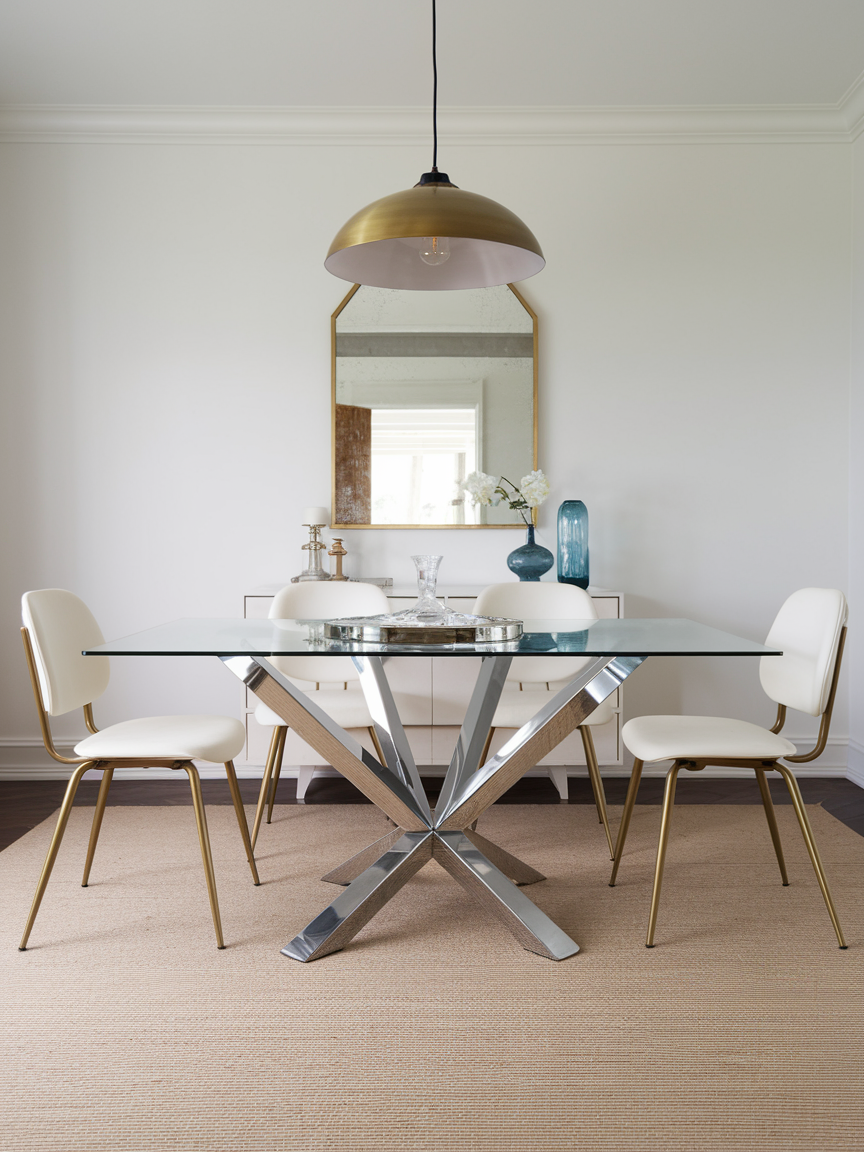
Metallic accents introduce understated glamour to white dining rooms. Gold, brass, chrome, or champagne finishes reflect light beautifully, enhancing the room’s luminosity. When used sparingly, metallics add sophistication without overpowering the minimalist aesthetic. Lighting fixtures, chair legs, decorative objects, or table accessories can incorporate metallic finishes. These details elevate the dining room’s elegance, creating a sense of luxury and refinement. Metallic accents work particularly well in modern and contemporary white dining rooms, where subtle contrast and shine enhance visual interest while preserving simplicity.
17. Statement Rugs for Grounded Elegance
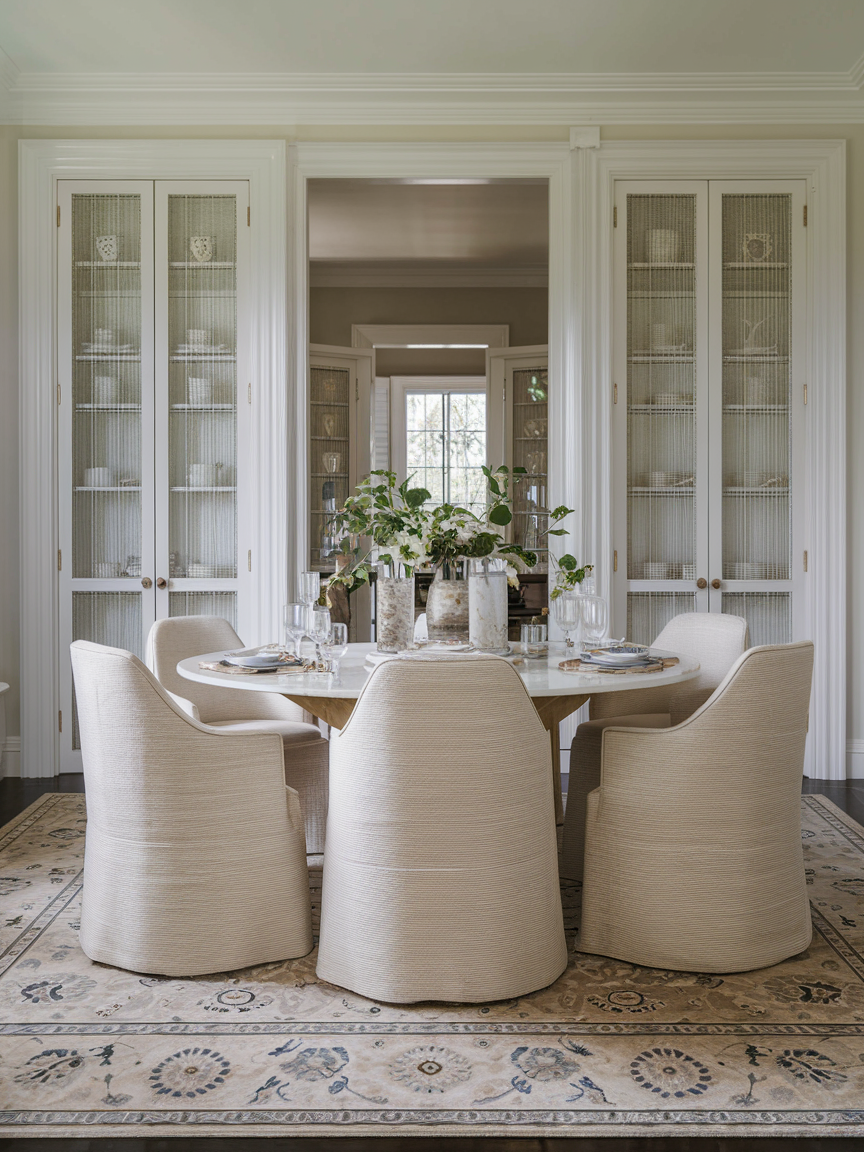
A statement rug anchors the dining area and adds texture to a white dining room. Rugs in soft neutral tones or subtle patterns provide warmth and comfort while defining the space. They prevent the room from feeling overly stark and introduce visual interest beneath the dining table. Choosing high-quality materials ensures durability and elegance. A well-chosen rug enhances the overall design, complementing furniture and lighting. It contributes to a cohesive and refined atmosphere that feels both luxurious and inviting.
18. Monochrome All-White Dining Rooms
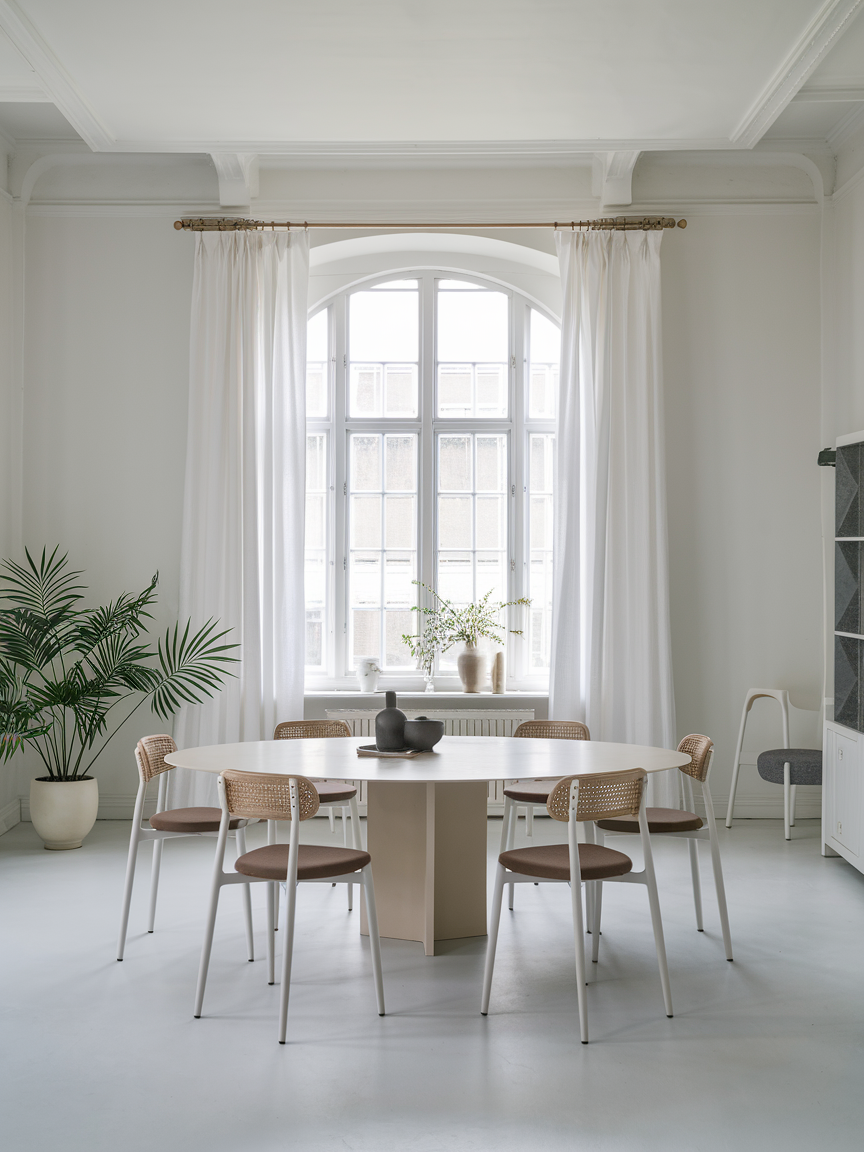
An all-white dining room can be exceptionally sophisticated when executed thoughtfully. Varying textures, finishes, and materials prevent the space from feeling flat. Matte and glossy surfaces, soft fabrics, and natural elements add dimension. This monochrome approach creates a serene and cohesive environment that feels elevated and intentional. Light becomes a key design element, enhancing shadows and highlights. An all-white dining room embodies modern luxury and timeless elegance, proving that simplicity can be incredibly powerful.
19. High Ceilings in White Dining Spaces
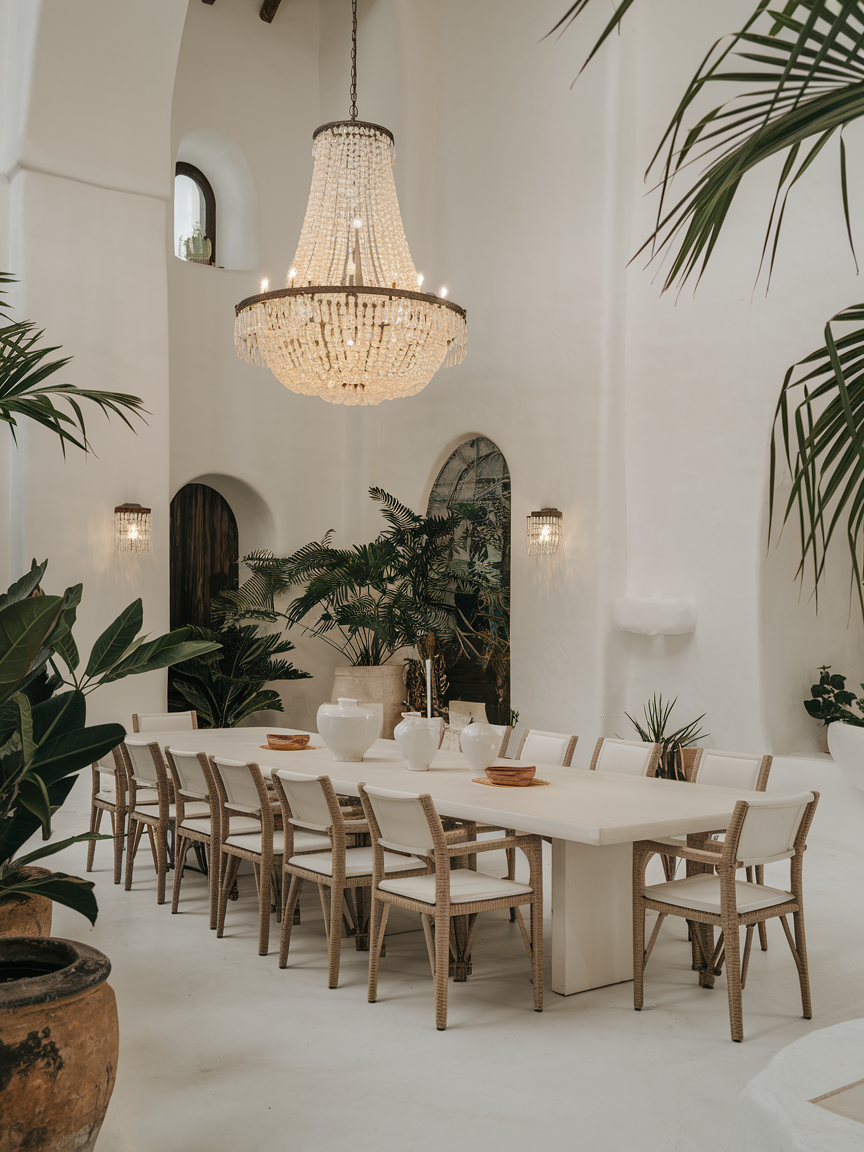
High ceilings amplify the elegance of white dining rooms by enhancing openness and light. White walls and ceilings emphasize verticality, making the space feel grand and airy. Tall windows, statement lighting, or vertical paneling further enhance the effect. High ceilings allow the dining room to feel luxurious without excessive decoration. The sense of scale contributes to a refined and sophisticated atmosphere that feels both impressive and welcoming.
20. Contemporary Art Lighting
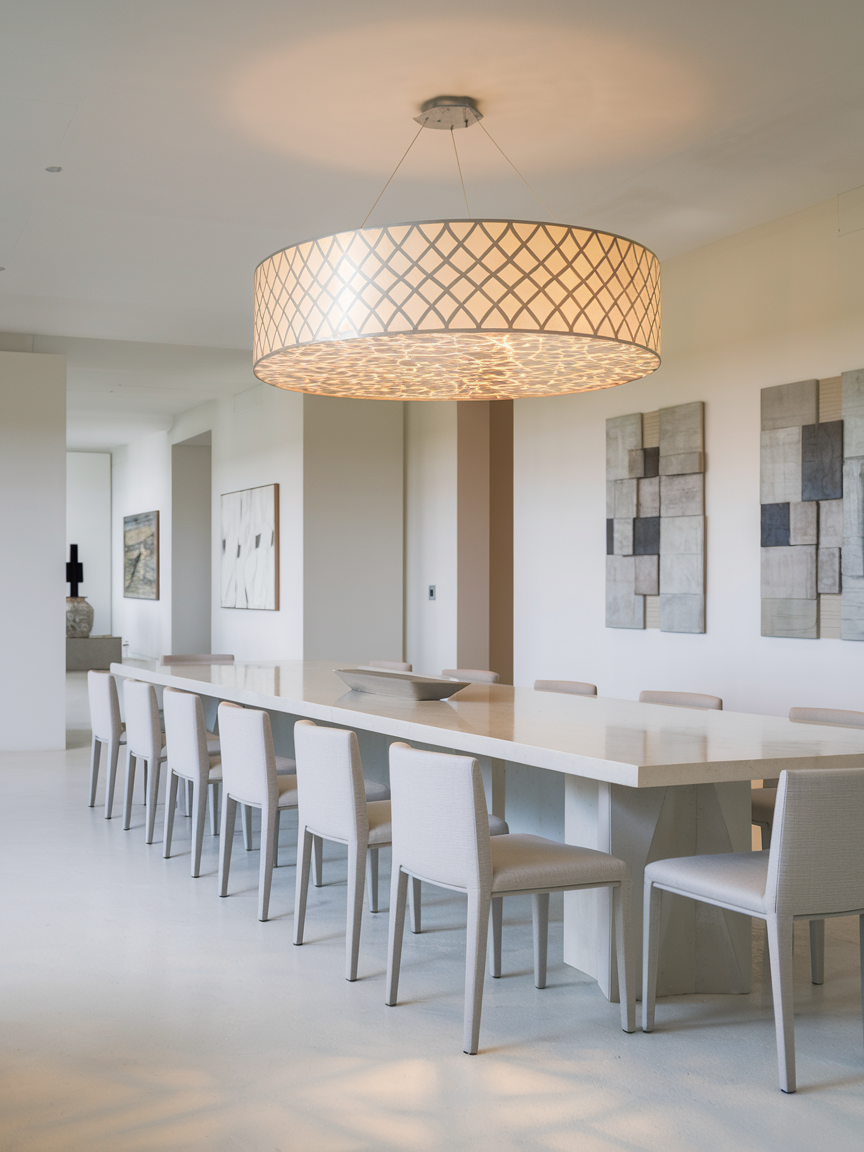
Artistic lighting fixtures transform white dining rooms into design-forward spaces. Sculptural pendants or modern chandeliers serve as functional art, adding character and elegance. Against a white backdrop, these fixtures stand out beautifully. Contemporary art lighting enhances the room’s sophistication by blending creativity with functionality. The result is a dining room that feels curated, modern, and visually compelling.
21. Curved Furniture for Soft Sophistication
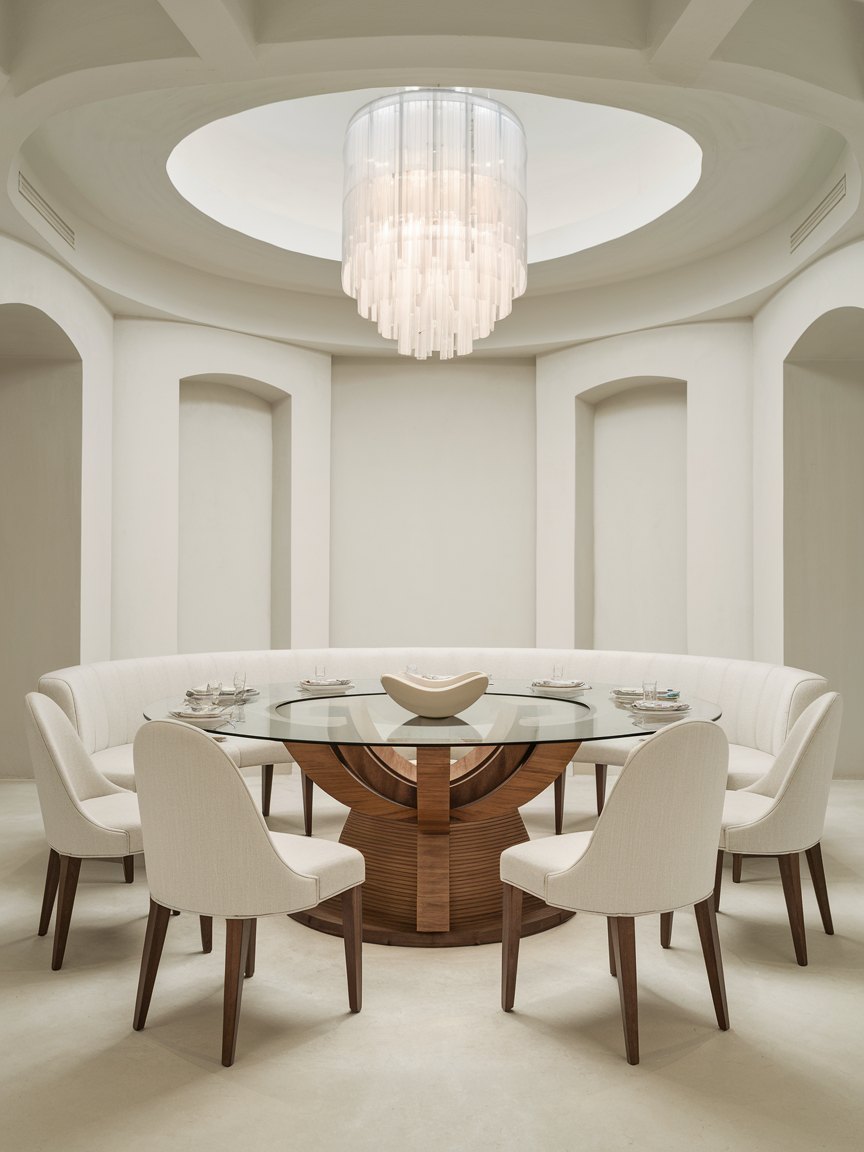
Curved furniture plays an essential role in softening the visual language of a white dining room, which often relies on straight architectural lines, sharp corners, and clean geometry. Rounded dining tables, curved-back chairs, and organically shaped benches introduce fluidity and movement, preventing the space from feeling rigid or overly formal. These gentle forms naturally guide the eye through the room, creating a sense of balance and harmony that feels both modern and timeless. In white interiors, curved furniture becomes especially impactful because the absence of bold color allows shape and silhouette to take center stage. The softness of curves adds warmth and approachability, making the dining area feel welcoming rather than austere. This design choice subtly elevates sophistication by blending comfort with elegance, proving that refined spaces can also feel relaxed and inviting.
22. Refined Centerpieces for Subtle Impact
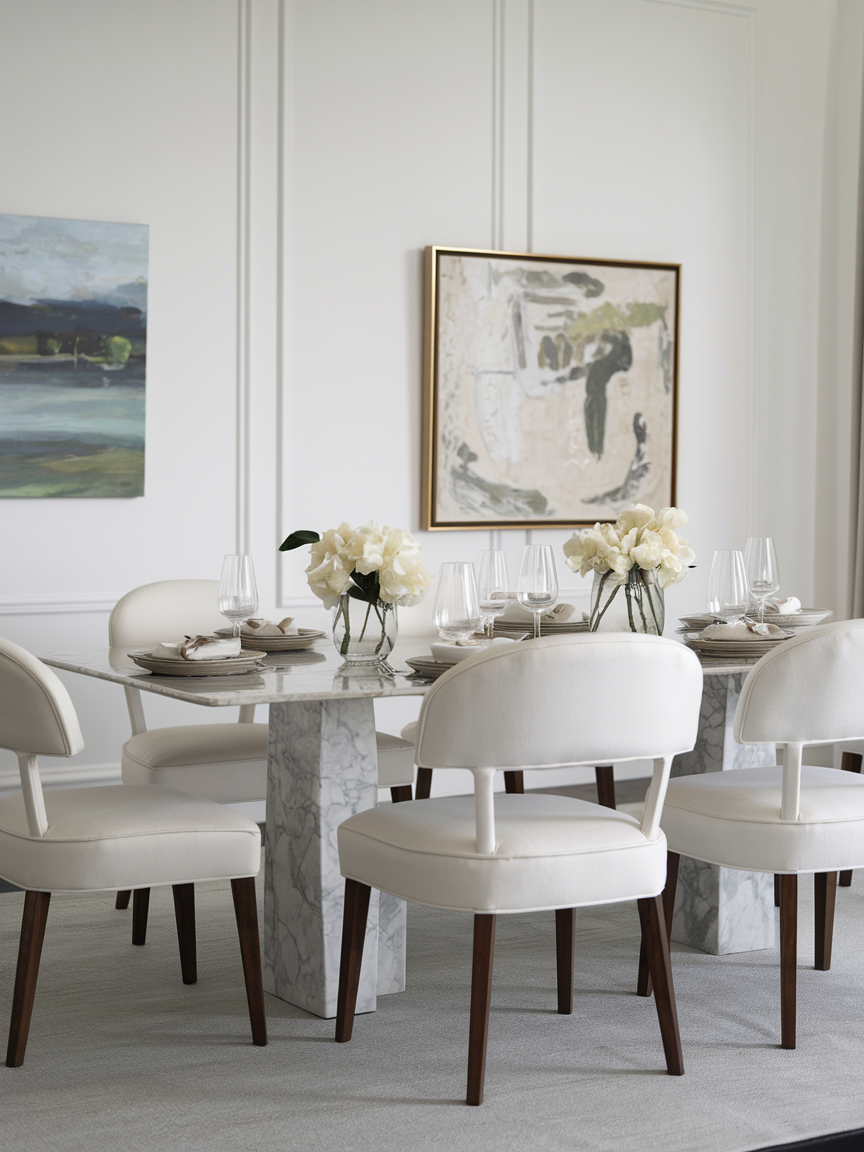
A refined centerpiece serves as the quiet focal point of a white dining room, enhancing the table without distracting from the overall design. Rather than oversized or overly decorative arrangements, sophisticated white dining spaces benefit from intentional simplicity. A low floral arrangement in neutral tones, a sculptural ceramic vase, or a thoughtfully chosen stone or glass object adds visual interest while maintaining balance. Against a white backdrop, even the smallest detail feels elevated and purposeful. Refined centerpieces also allow the dining table’s material—whether marble, wood, or glass—to remain visible and appreciated. This restrained approach ensures the table remains functional while still feeling styled. The result is a dining room that feels curated and polished, where elegance comes from thoughtful selection rather than excess decoration.
23. Transitional White Dining Room Styles
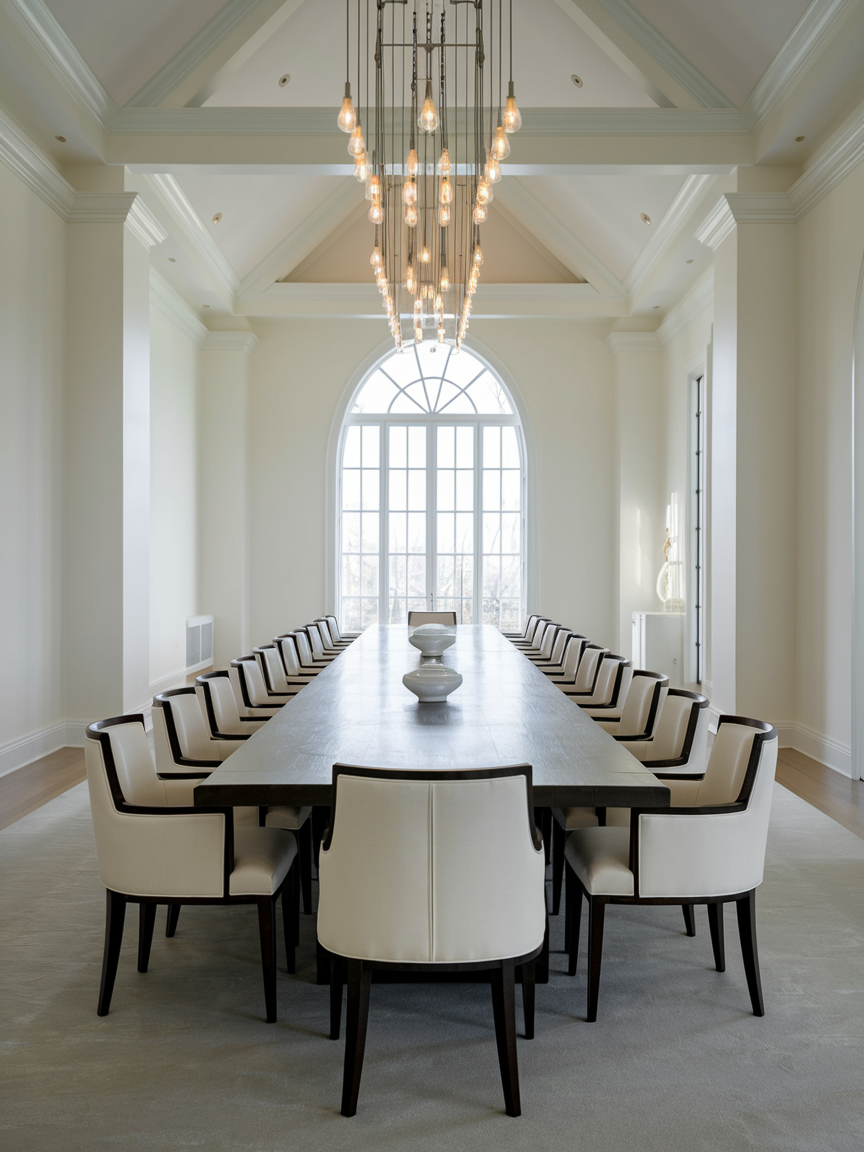
Transitional white dining rooms masterfully blend classic elegance with modern simplicity, creating spaces that feel timeless yet current. This style balances traditional elements—such as refined moldings, classic chair silhouettes, or elegant lighting—with contemporary features like clean lines, minimal ornamentation, and neutral finishes. White acts as the unifying foundation that allows these contrasting elements to coexist seamlessly. The beauty of transitional design lies in its versatility; it appeals to a wide range of tastes and adapts easily to evolving décor trends. In a white dining room, transitional styling ensures the space feels sophisticated without appearing formal or dated. It creates an atmosphere that is both polished and approachable, making it ideal for everyday dining as well as special occasions.
24. Floor-to-Ceiling Curtains
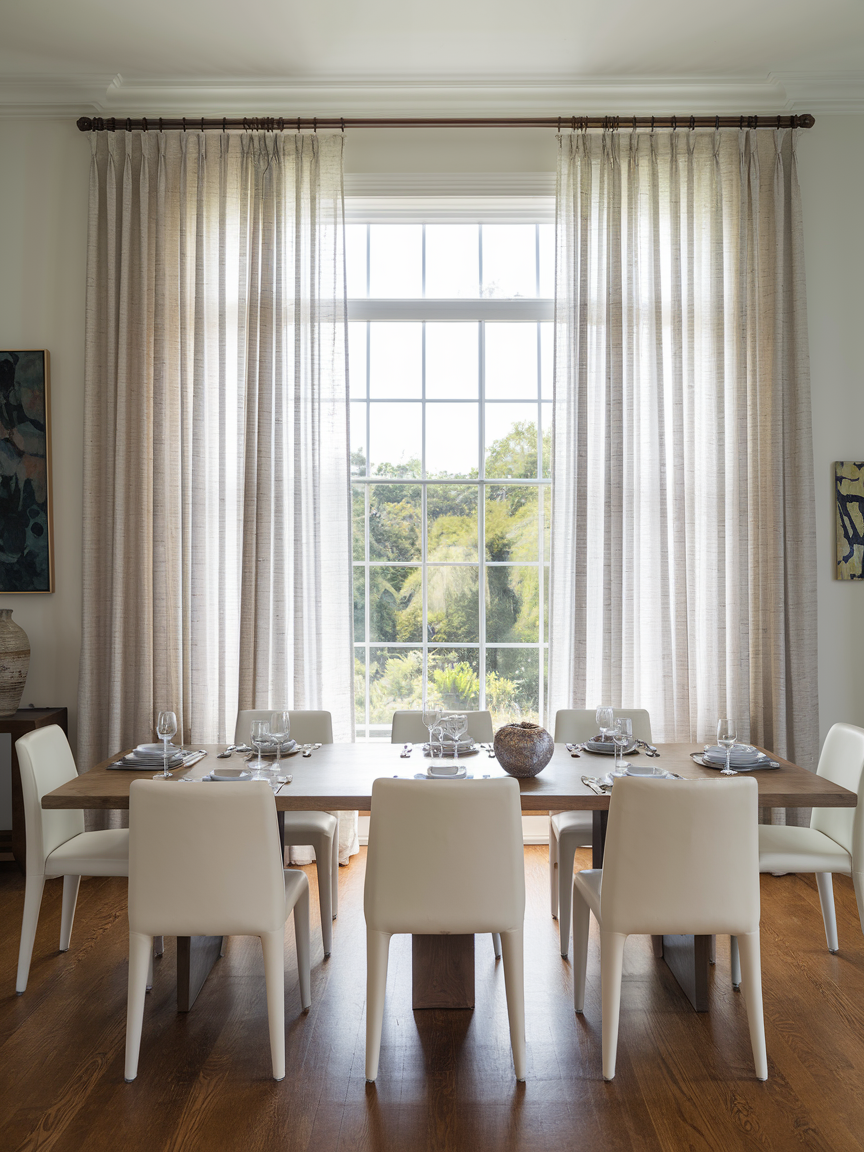
Floor-to-ceiling curtains add an immediate sense of softness, height, and understated luxury to white dining rooms. By drawing the eye upward, they enhance vertical space and make the room feel more expansive and refined. Sheer, linen, or lightweight woven fabrics are especially effective in white interiors, as they diffuse natural light gently rather than blocking it. This creates a luminous, airy atmosphere that enhances the room’s elegance throughout the day. Curtains also frame windows gracefully, adding architectural interest without the need for heavy detailing. Beyond aesthetics, they contribute to comfort by improving acoustics and privacy. When thoughtfully chosen, floor-to-ceiling curtains elevate the dining room into a space that feels serene, elegant, and intentionally designed.
25. Open-Concept White Dining Rooms
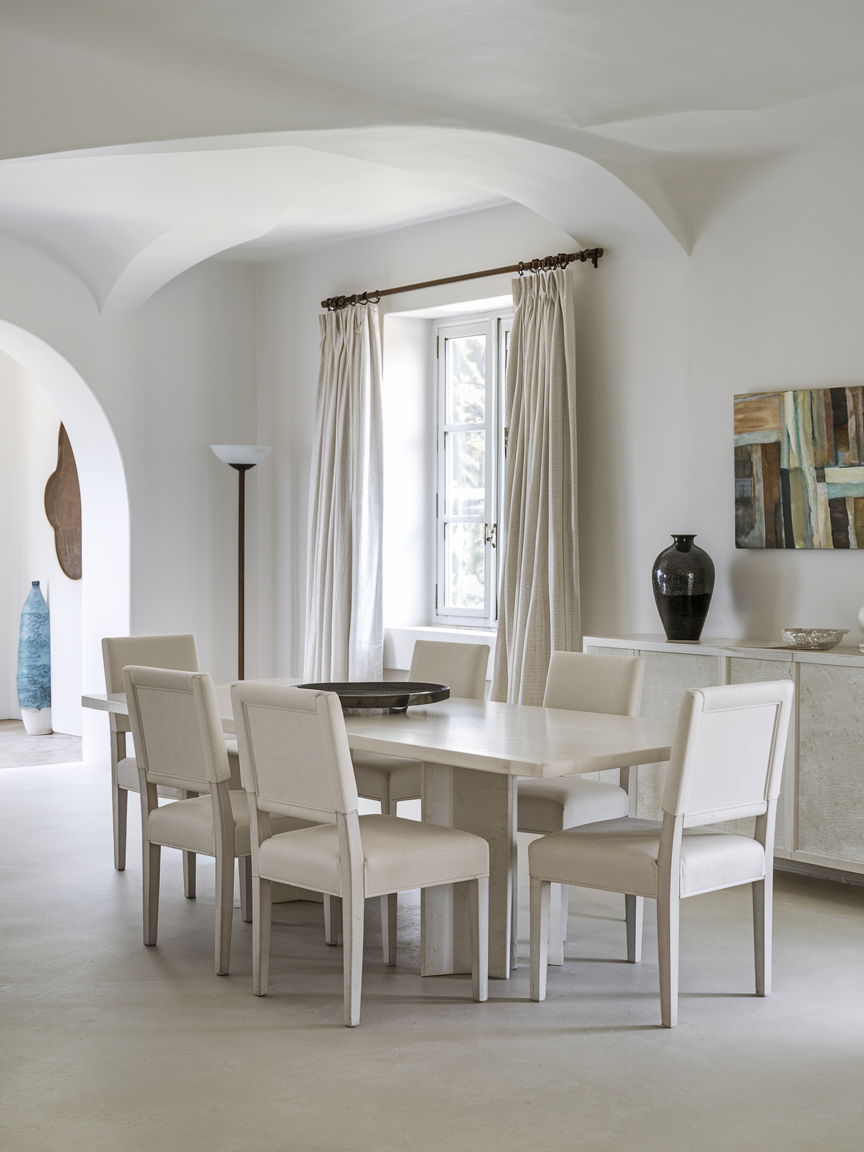
In open-concept homes, white dining rooms play a vital role in creating visual continuity and cohesion. White naturally reflects light, allowing it to flow freely between connected spaces such as the kitchen, living room, and dining area. This seamless transition enhances the sense of openness while maintaining a refined atmosphere. Despite the lack of walls, a white dining room can still feel defined through thoughtful furniture placement, area rugs, lighting, or ceiling treatments. The simplicity of white ensures the dining area does not compete with surrounding spaces but instead complements them. This approach results in a harmonious layout that feels elegant, spacious, and intentionally designed—ideal for modern living and entertaining.
26. Mixed Materials for Depth and Refinement
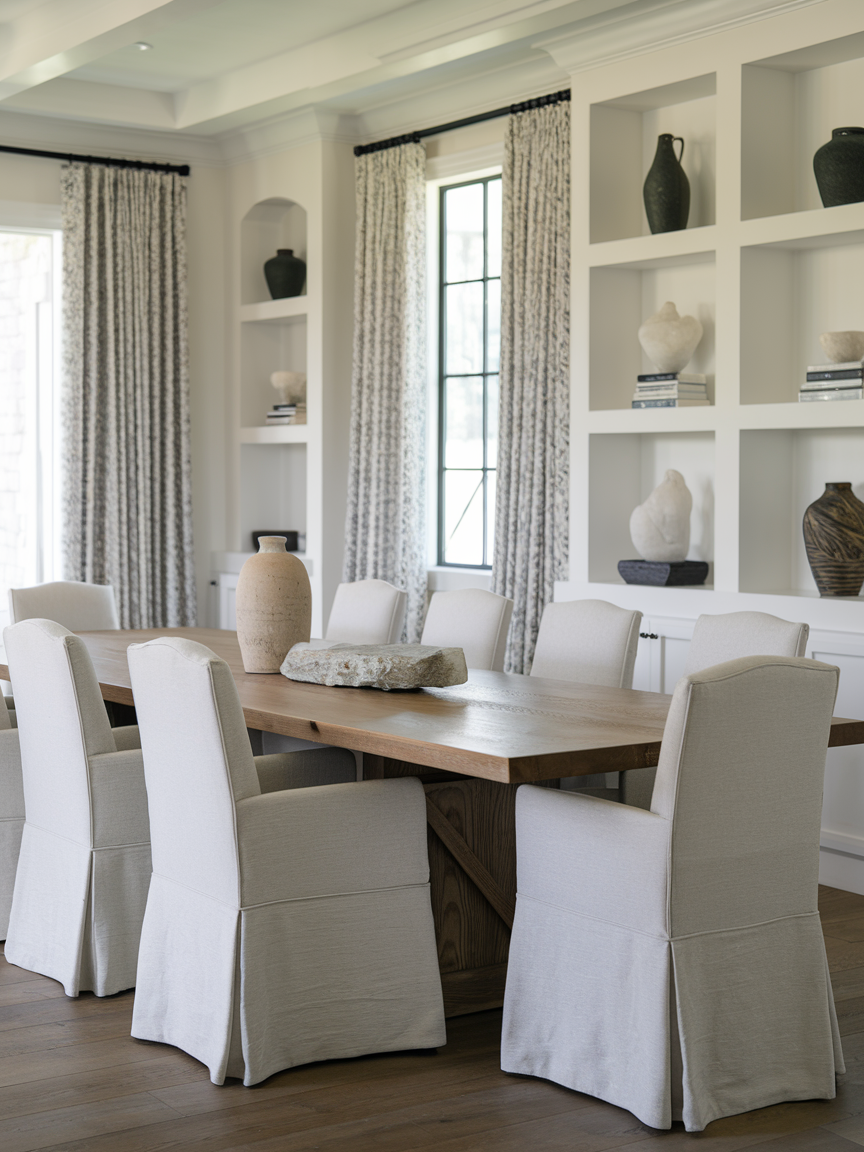
A white dining room truly comes alive when multiple materials are layered thoughtfully within the space. Combining wood, stone, metal, glass, and soft textiles introduces depth, texture, and visual richness without disrupting the calm aesthetic of white. A wooden dining table paired with upholstered chairs, a stone tabletop accented by metal lighting, or linen curtains combined with ceramic décor all contribute to a balanced and sophisticated design. These material contrasts prevent the room from feeling flat or monotonous. Instead, they create subtle complexity that rewards closer attention. In white interiors, mixed materials provide warmth and character, ensuring the dining room feels curated, dynamic, and refined rather than overly minimal or sterile.
27. Subtle Pattern Play in White Dining Rooms
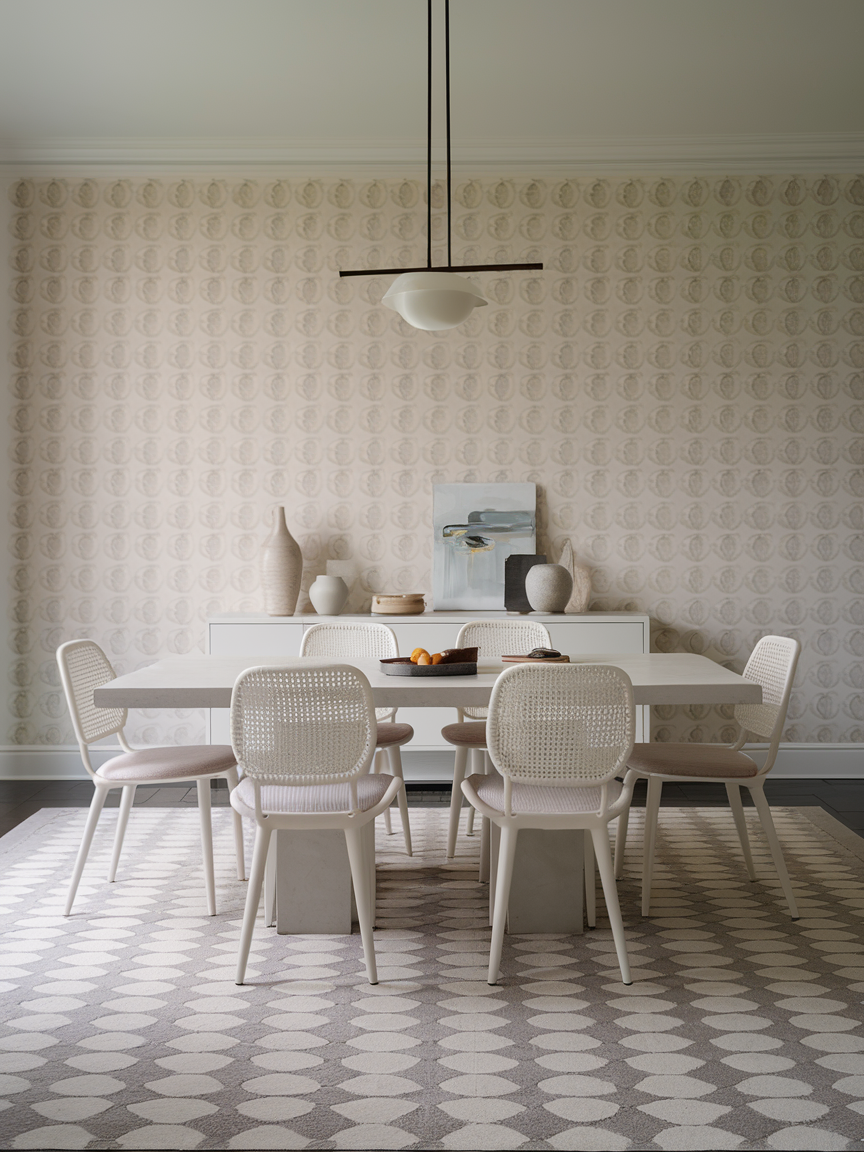
Subtle pattern play adds personality and depth to white dining rooms without compromising their elegant simplicity. Gentle patterns, such as soft geometric rugs, lightly textured wallpaper, or delicate tile designs, introduce visual interest while maintaining a cohesive palette. The key lies in restraint: patterns should complement the space rather than dominate it. In white interiors, even understated patterns become noticeable, allowing designers to enhance the room without bold colors. Patterned elements also help define specific areas, such as anchoring the dining table or highlighting an accent wall. When applied thoughtfully, subtle patterns enrich the dining room’s design, adding charm, sophistication, and a sense of intentional detail.
28. Modern Farmhouse White Dining Rooms

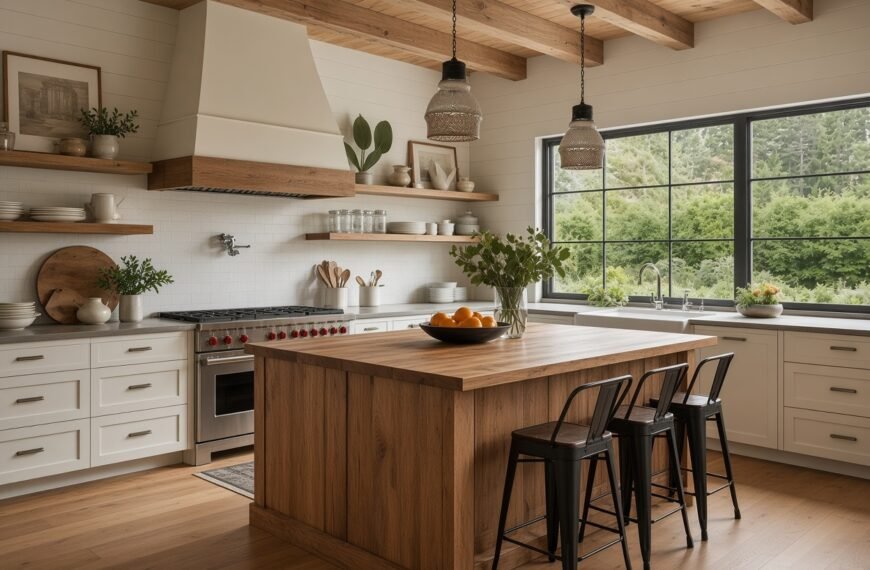
Modern farmhouse white dining rooms strike a beautiful balance between rustic warmth and refined elegance. White walls create a clean, airy foundation, while natural wood tables, vintage-inspired lighting, and subtle architectural details add character and authenticity. This style feels comfortable and inviting yet polished, making it ideal for both casual family meals and entertaining guests. The contrast between crisp white surfaces and weathered or natural textures creates visual depth without overwhelming the space. Modern farmhouse design emphasizes simplicity, craftsmanship, and warmth, resulting in dining rooms that feel timeless rather than trend-driven. The overall effect is effortless elegance with a relaxed, welcoming spirit.
29. Timeless White Dining Rooms for Everyday Living
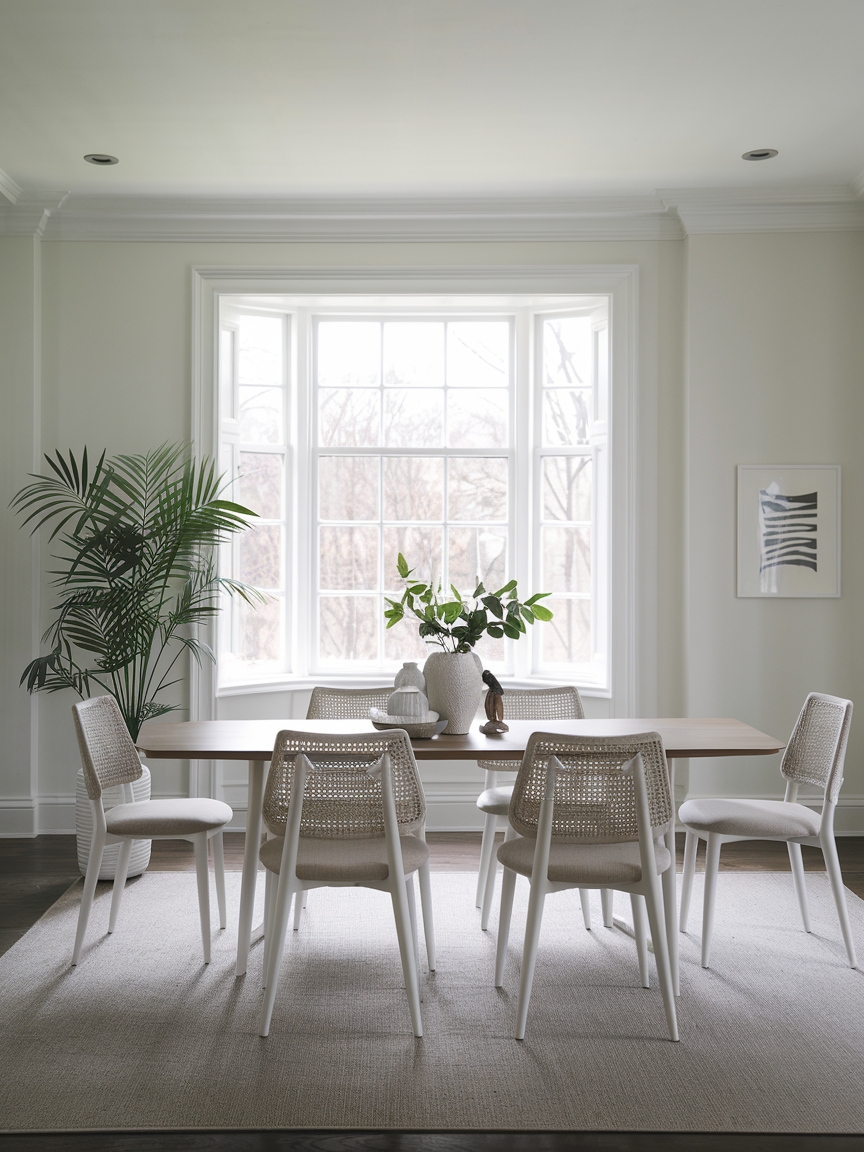
The most successful white dining rooms are those that balance aesthetic beauty with everyday practicality. Timeless design considers durability, comfort, and functionality alongside visual elegance. Choosing high-quality materials, comfortable seating, and layouts that encourage easy movement ensures the space remains enjoyable over time. White dining rooms designed for everyday living feel refined yet approachable, avoiding overly delicate finishes that limit usability. Thoughtful storage, adaptable lighting, and versatile furniture allow the room to evolve with changing needs. This balance ensures the dining room remains a central gathering space—one that feels elegant on special occasions and effortless during daily life, proving that sophistication and livability can coexist beautifully.
* This collection of 29 sophisticated white dining room ideas is all about creating a space that feels elegant without being intimidating, refined without feeling cold, and timeless without looking dated. Start by embracing the elements that resonate most—soft white palettes, layered textures, warm lighting, or subtle accents—and let them work together naturally. Over time, your dining room will evolve into a space that feels calm, welcoming, and beautifully balanced, offering effortless elegance that enhances every meal, gathering, and everyday moment.