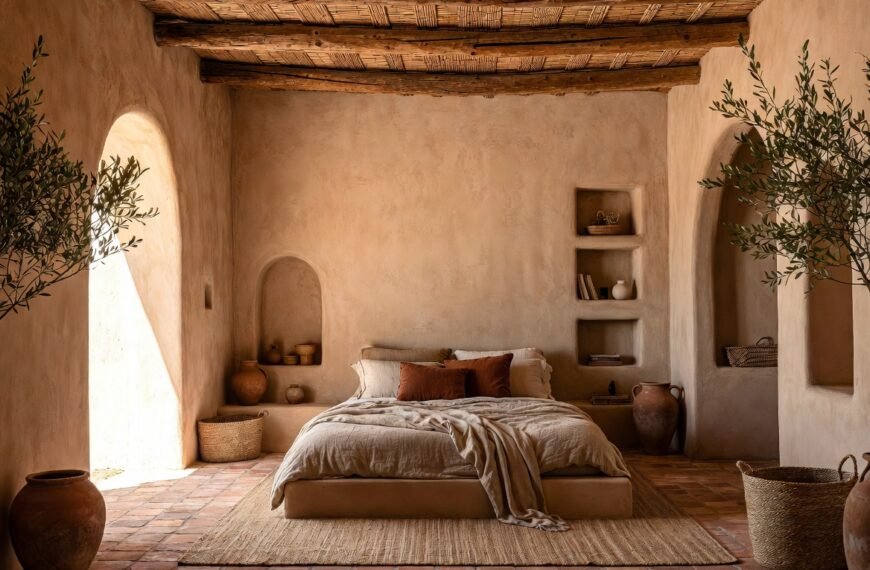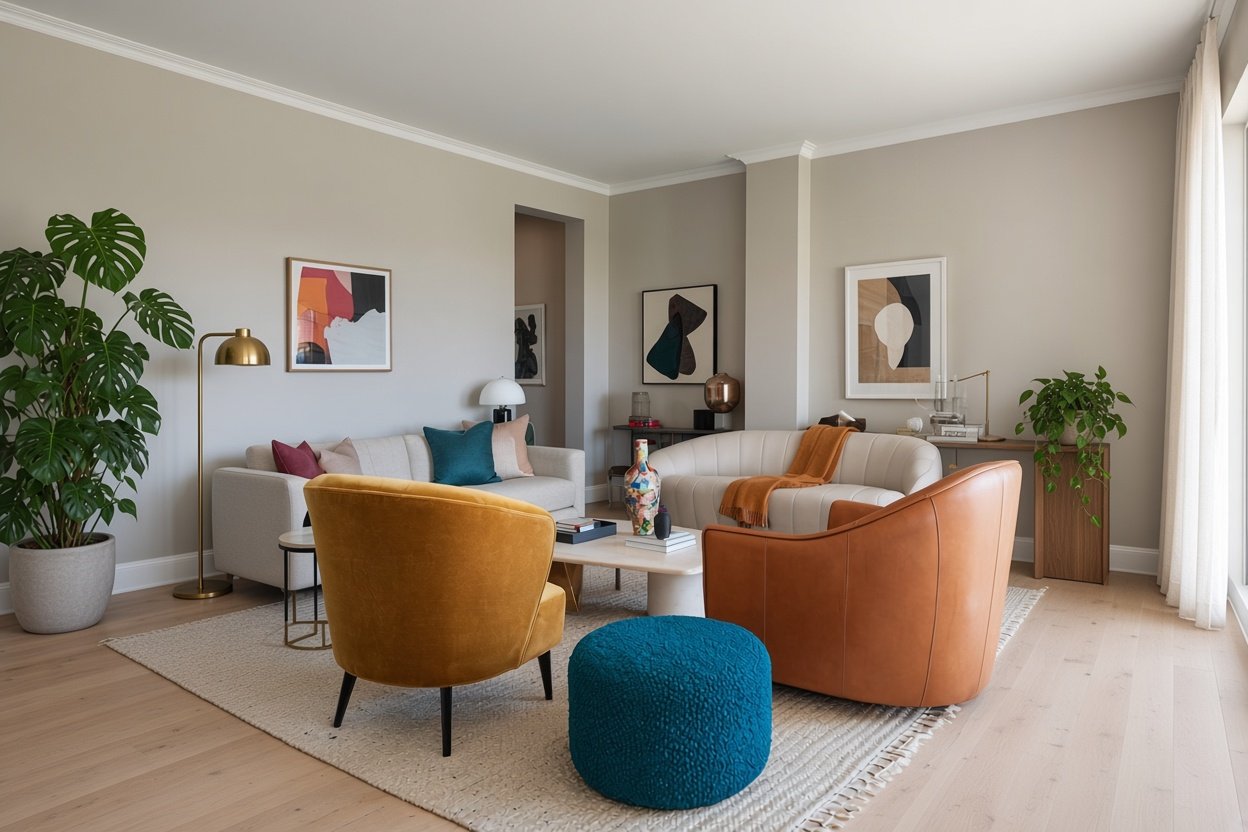
An aesthetic living room can bring together beautiful design, cozy comfort, and personal character to create a space that feels inviting the moment you walk in. Thoughtful color palettes, stylish furniture, layered textures, and carefully chosen décor can give the room a polished appearance without making it feel too formal. The best designs create a balance between looking beautiful and feeling genuinely comfortable.
Creating an aesthetic living room is not about following every trend or filling the space with decorative pieces. Soft neutral tones can create a calming foundation, while warm wood, plush fabrics, greenery, artwork, and statement accents can add depth and personality. Simple styling choices, such as layering cushions and throws or combining different textures, can also make the room feel more relaxed and visually interesting.
This collection of aesthetic living room ideas showcases inspiring ways to create a space that feels stylish, cozy, and uniquely yours. Let’s explore these aesthetic living room design ideas and discover how beautiful colors, inviting textures, thoughtful styling, and personal details can help you create a living space you’ll love spending time in every day!
1. Sculptural Lighting
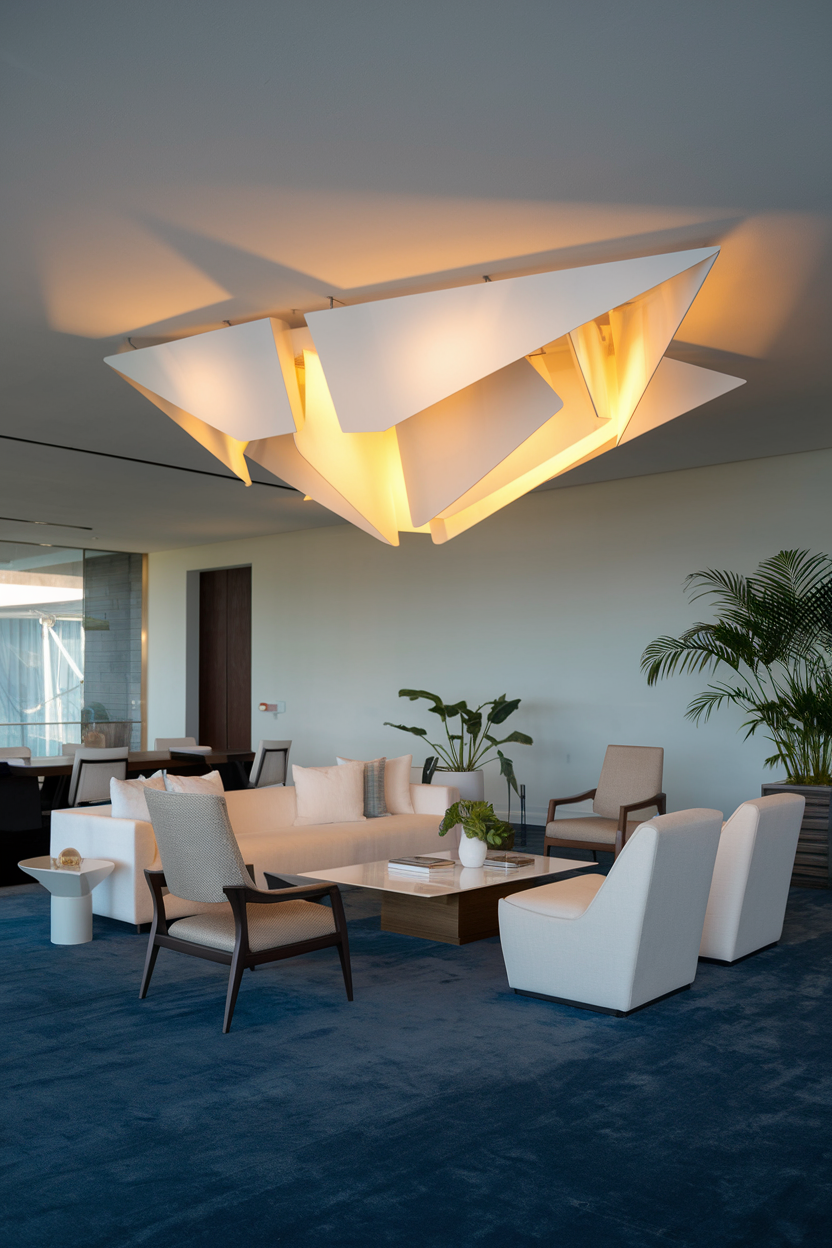
Choose lighting fixtures that look like works of art as well as practical sources of illumination. Sculptural chandeliers, geometric pendants, and artistic floor lamps can become striking focal points. Brass, matte black, and marble finishes add sophistication while complementing a variety of color schemes. One dramatic fixture can often make a bigger impact than several ordinary lighting pieces.
2. Mix Textures
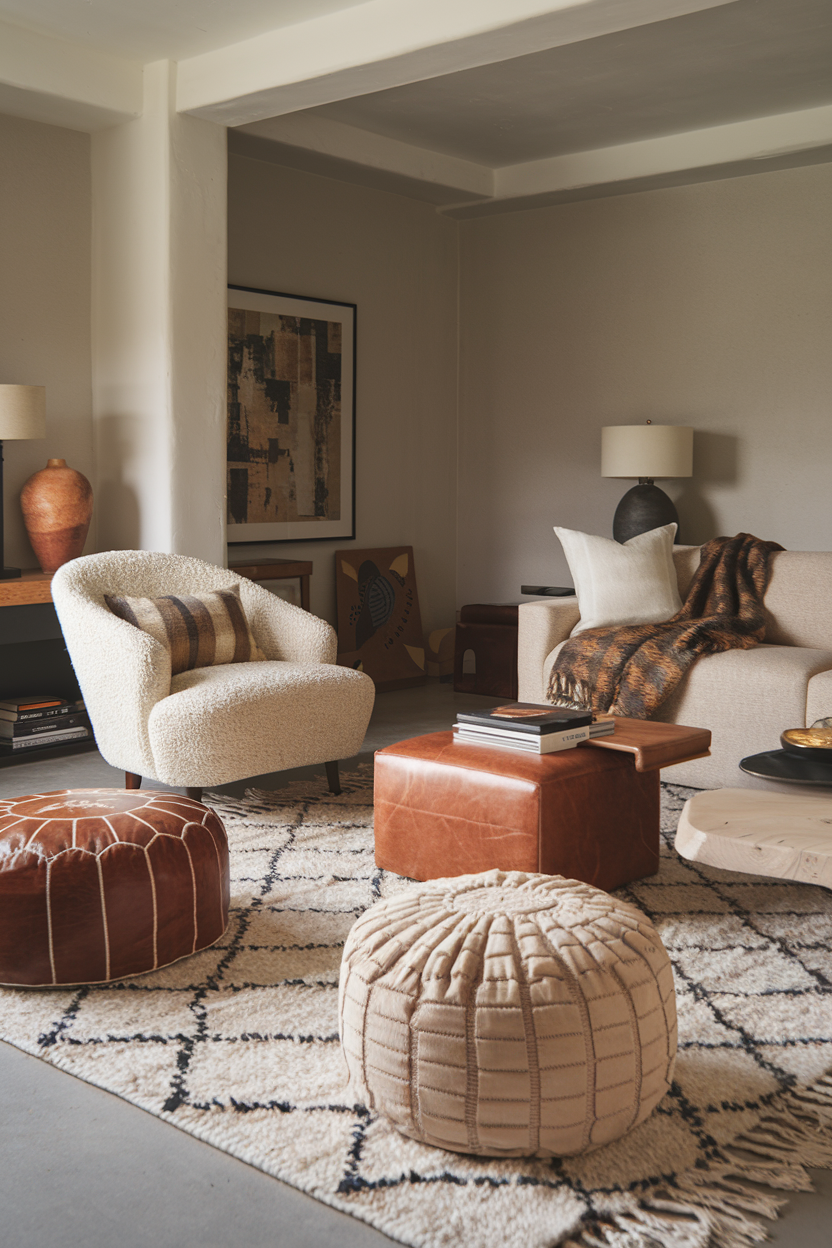
Combining different textures gives a living room more depth and visual warmth. Pair soft boucle with smooth leather, raw linen with warm wood, or chenille with woven accessories. Layer these materials through sofas, pillows, blankets, rugs, and furniture. The contrast makes the space more interesting while creating a comfortable atmosphere that feels both sophisticated and naturally lived-in.
3. Display Unique Coffee Table Decor
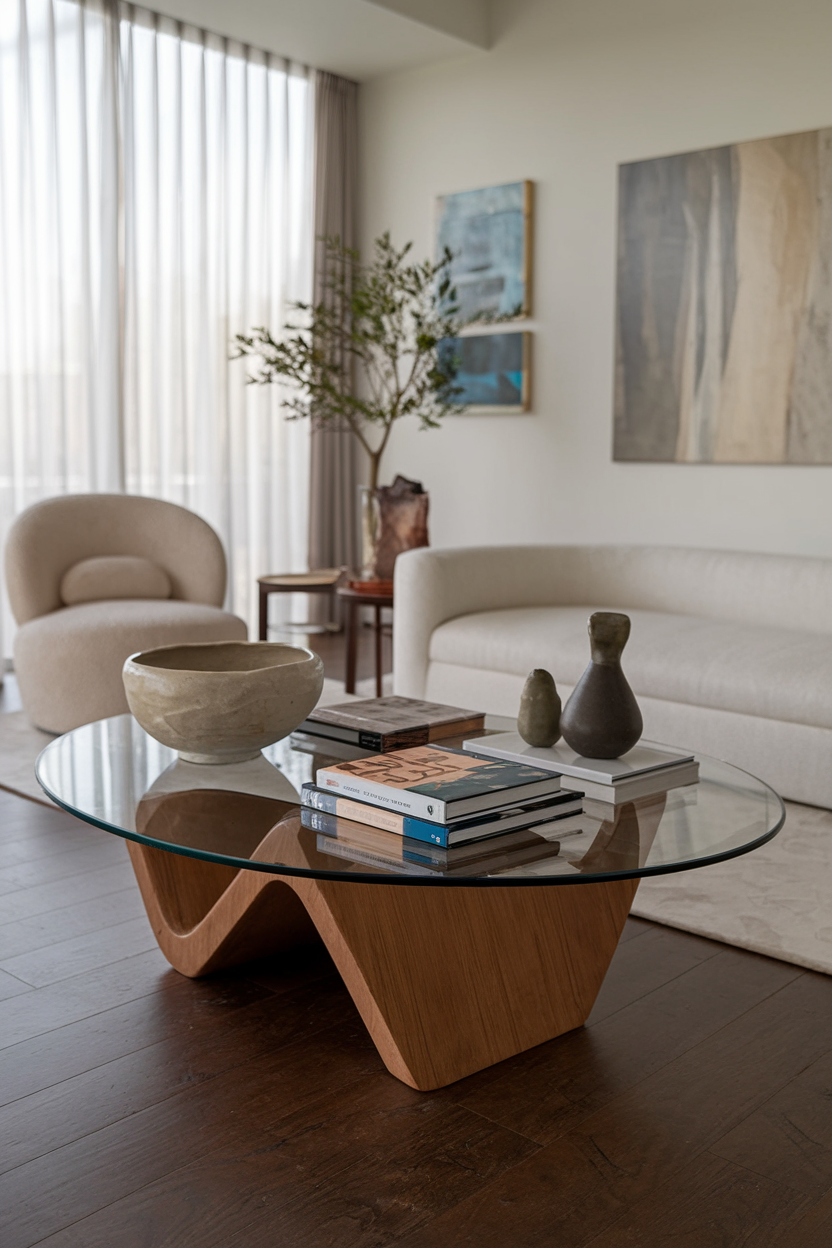
Your coffee table is the perfect place to showcase your personality. Create a simple arrangement using decorative books, sculptural candles, ceramic bowls, small plants, or flowers. Varying the height and texture of each item keeps the display interesting. A decorative tray can organize smaller pieces, while vintage finds, handmade pottery, or travel souvenirs can give the arrangement a more personal character.
4. Go Minimal
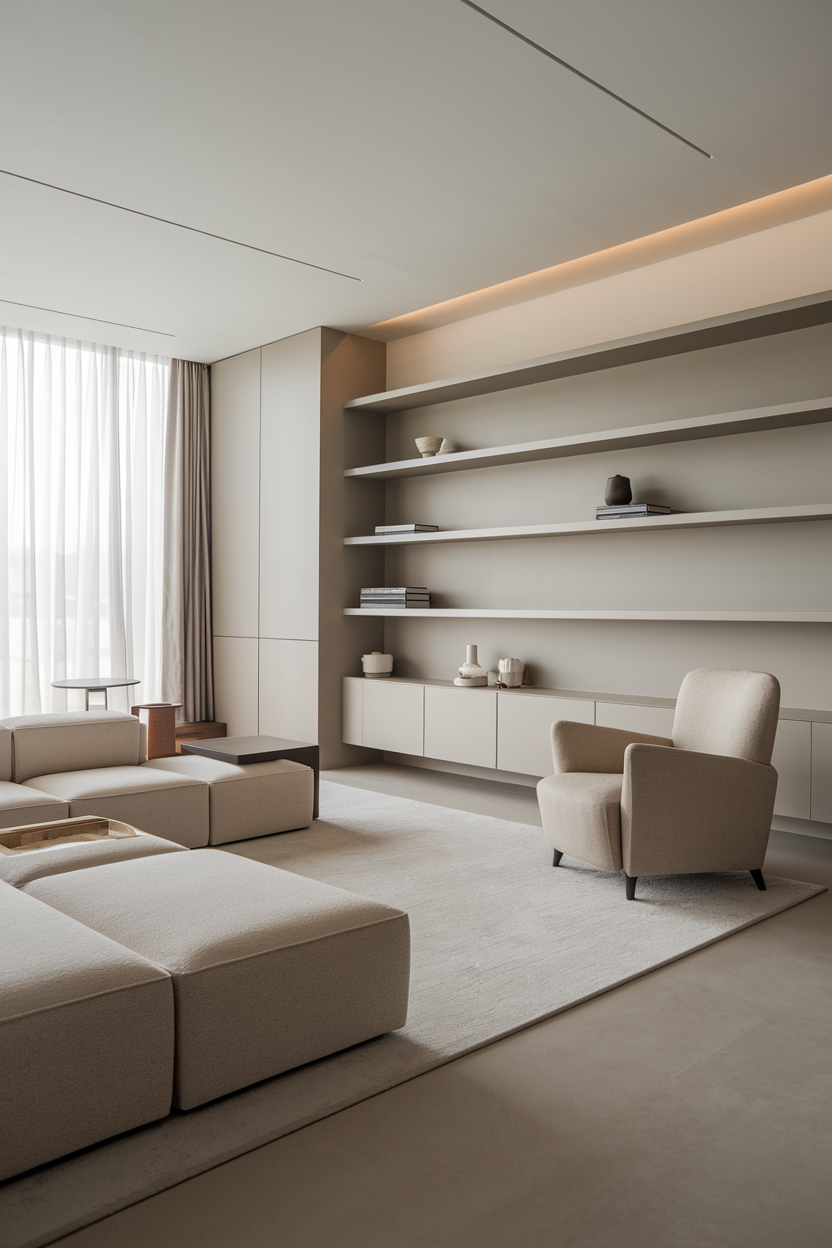
Minimalism is about choosing carefully rather than leaving the room completely empty. Focus on a few beautiful and functional furniture pieces, clean lines, and uncluttered surfaces. A neutral palette can further enhance the sense of calm. Give each piece enough breathing room and pay attention to scale and proportion. The result is a living room that feels open, balanced, and intentionally designed.
5. Gallery Wall
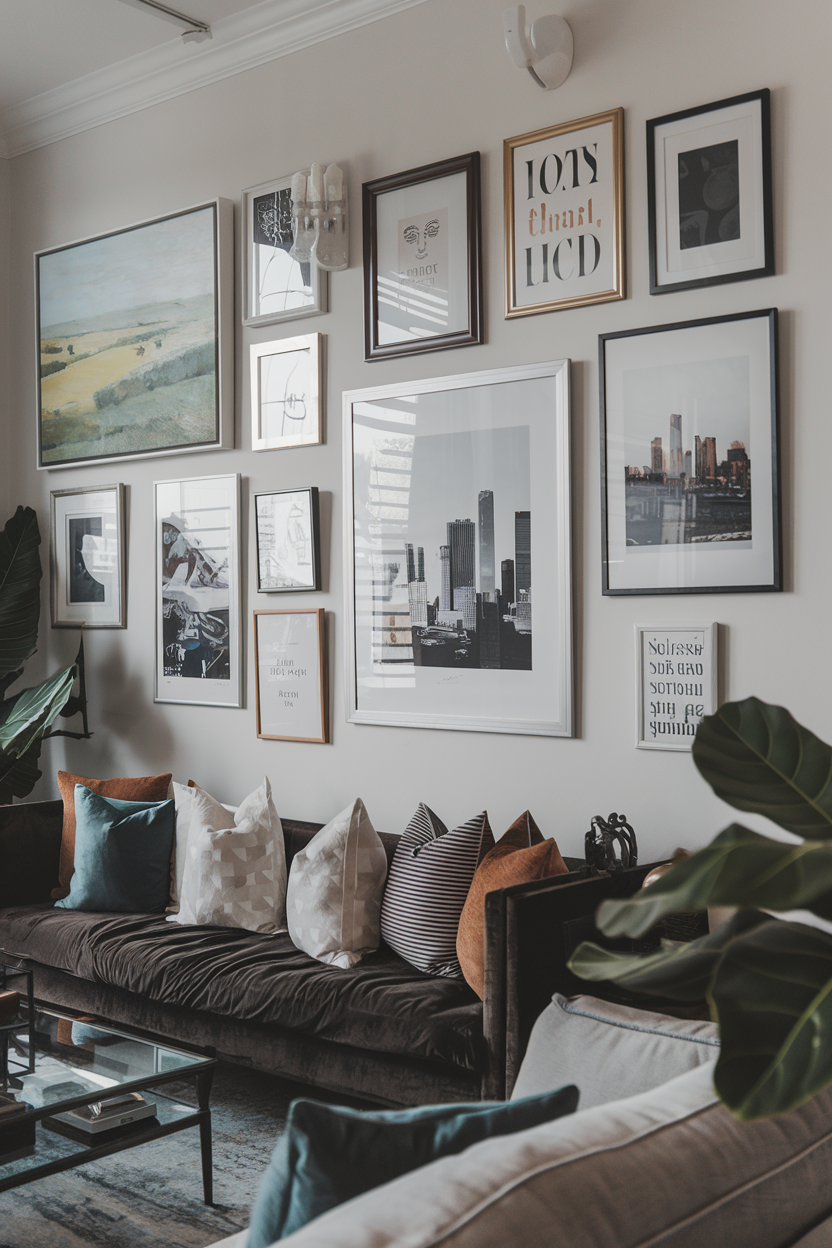
A gallery wall turns an empty wall into a personalized display. Mix artwork, photography, typography, prints, and other decorative pieces to create a collection that reflects your personality. Use matching frames for a polished appearance or combine different styles for a more eclectic look. Varying the sizes and shapes can create rhythm while giving the room a creative and curated focal point.
6. Curate Minimalist Decor
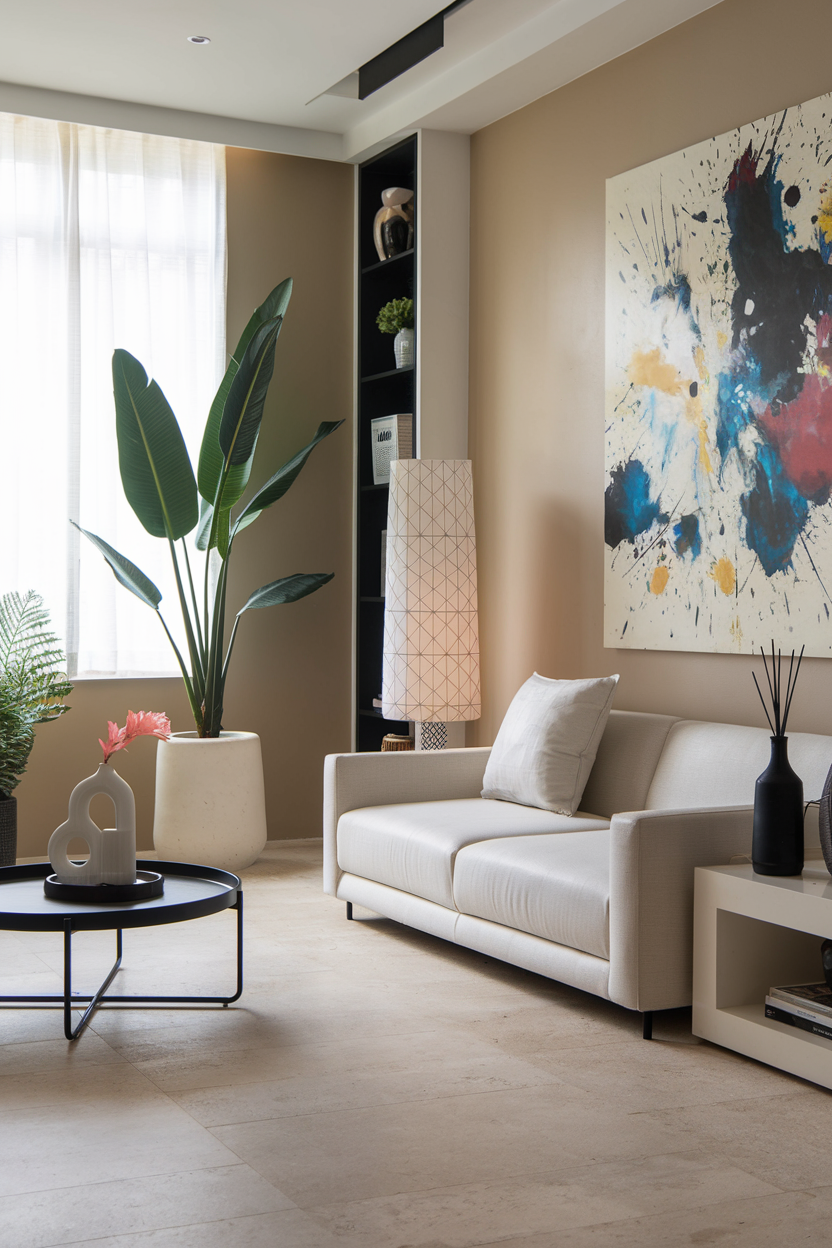
Minimalist decor works best when every piece has a purpose. Instead of filling the room with accessories, choose a few meaningful items such as striking artwork, a sculptural lamp, or a beautiful vintage chair. Keep surfaces clean and allow plenty of open space around each feature. This approach creates visual clarity while making the selected pieces feel more important.
7. Coffee Table Books
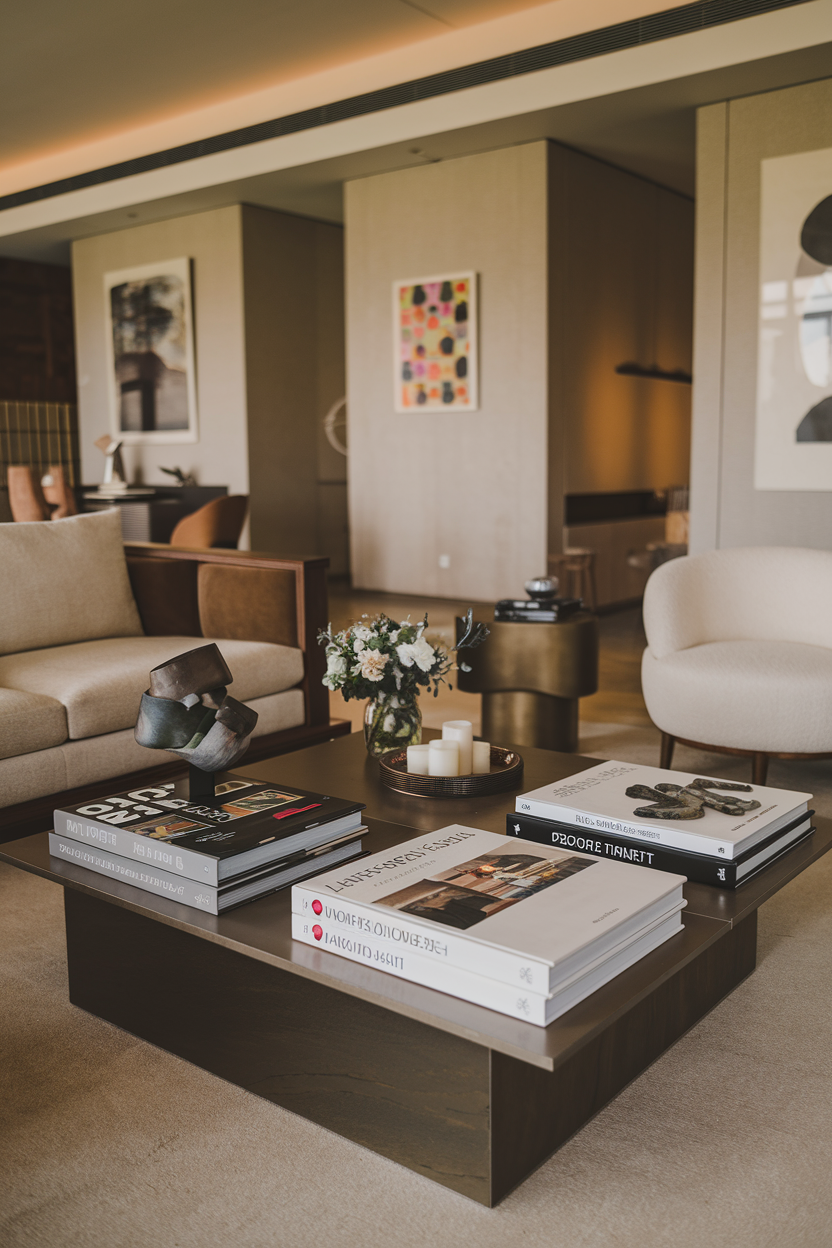
A stack of beautiful coffee table books can add personality and sophistication to your living room. Choose books about design, travel, art, fashion, or other interests that reflect your taste. Place them beneath a sculptural object, small vase, or decorative tray for a balanced arrangement. This simple styling detail makes the space feel more curated while giving guests something interesting to browse.
8. Create an Inviting Conversation Layout
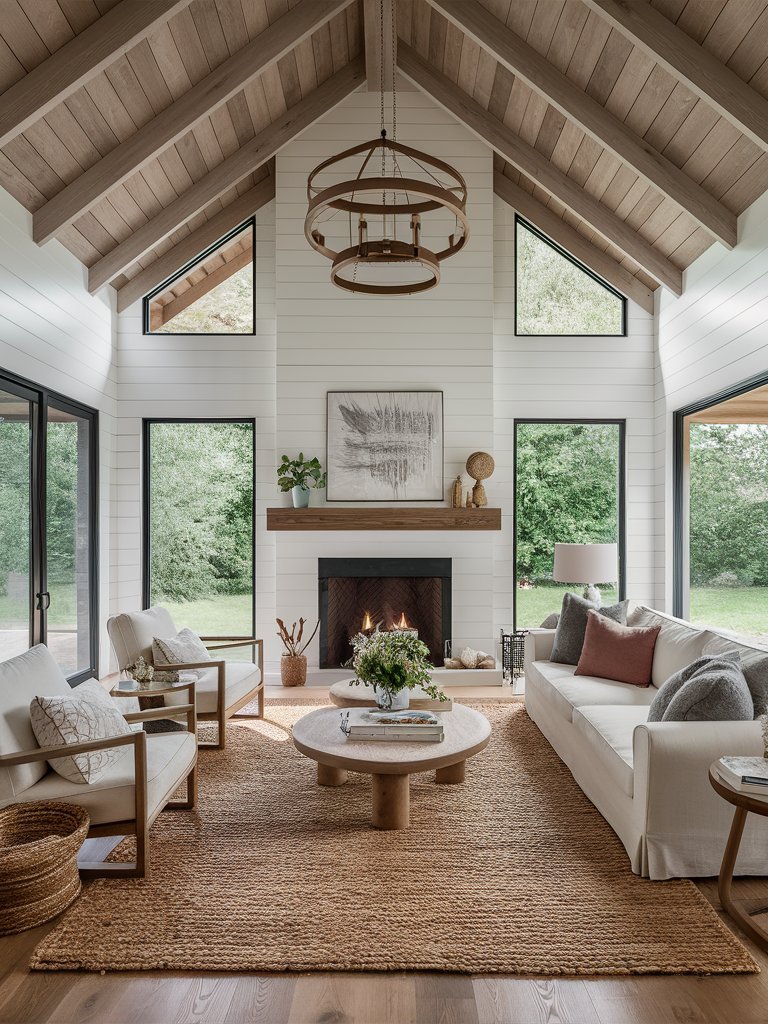
Furniture placement plays a major role in how welcoming a living room feels. Arrange sofas and chairs in an L-shape, U-shape, or conversational grouping so people can easily interact. Floating furniture away from the walls can make the layout feel more intentional, while an area rug helps define the seating zone. A thoughtful arrangement encourages guests to relax and stay longer.
9. Natural Wood Accents
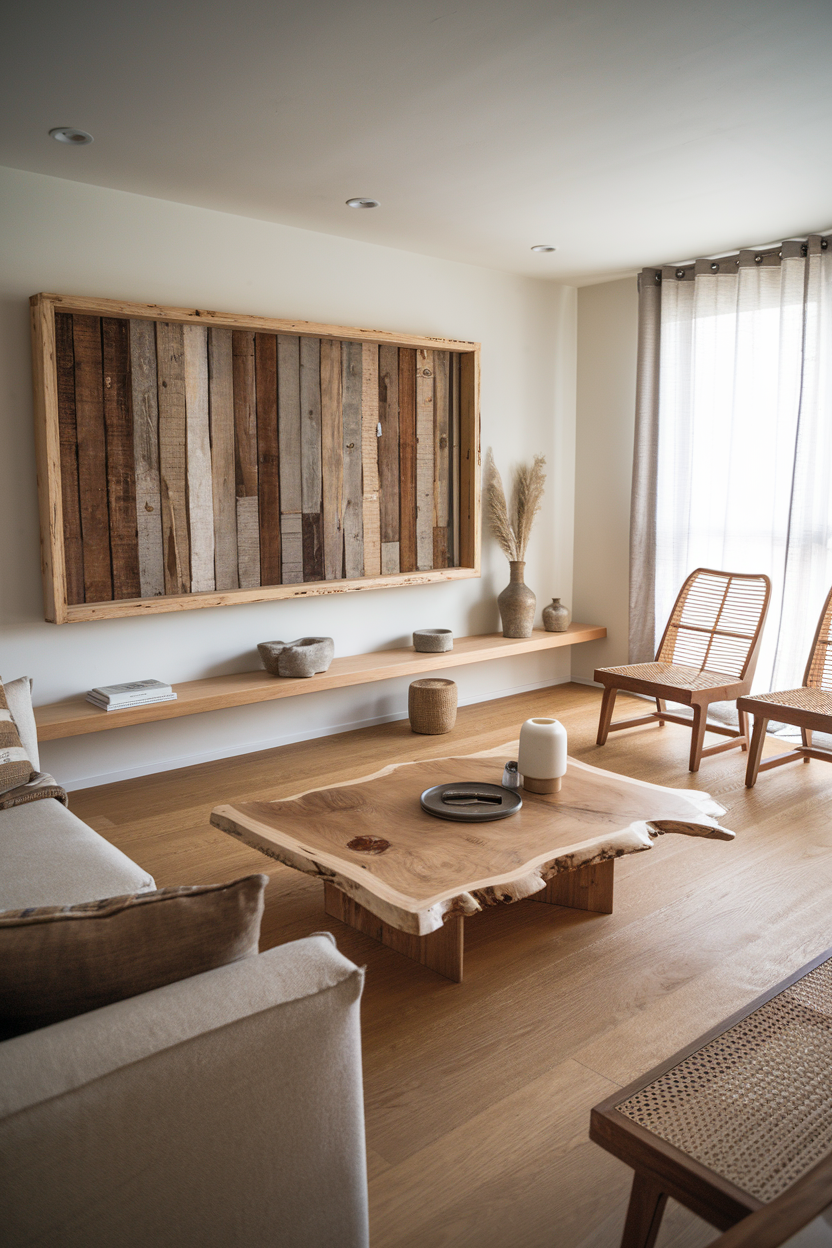
Natural wood instantly adds warmth and organic character to a living room. Consider a wooden coffee table, reclaimed shelving, rattan furniture, or exposed wood details. Light oak works beautifully in Scandinavian and coastal interiors, while walnut and darker finishes suit traditional or industrial spaces. Mixing wood tones carefully can create a collected appearance while keeping the room grounded and inviting.
10. Cozy Reading Corner
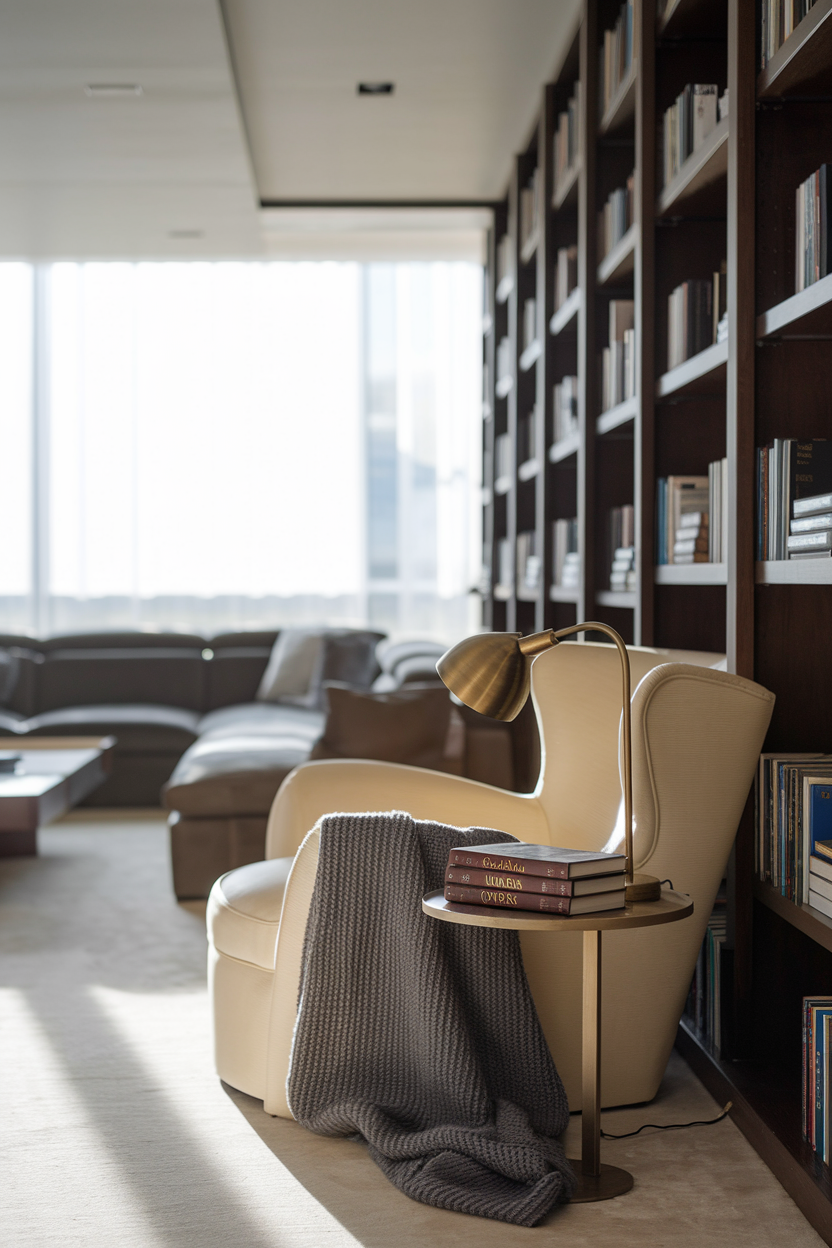
Turn an unused corner into a comfortable reading retreat with a cozy armchair, soft throw, small side table, and warm reading lamp. Add a rug underneath to visually define the area and bring in extra texture. A nearby bookshelf or a few favorite books can personalize the space. This small nook adds both functionality and charm while creating a peaceful spot to unwind.
11. Embrace Soft Neutrals
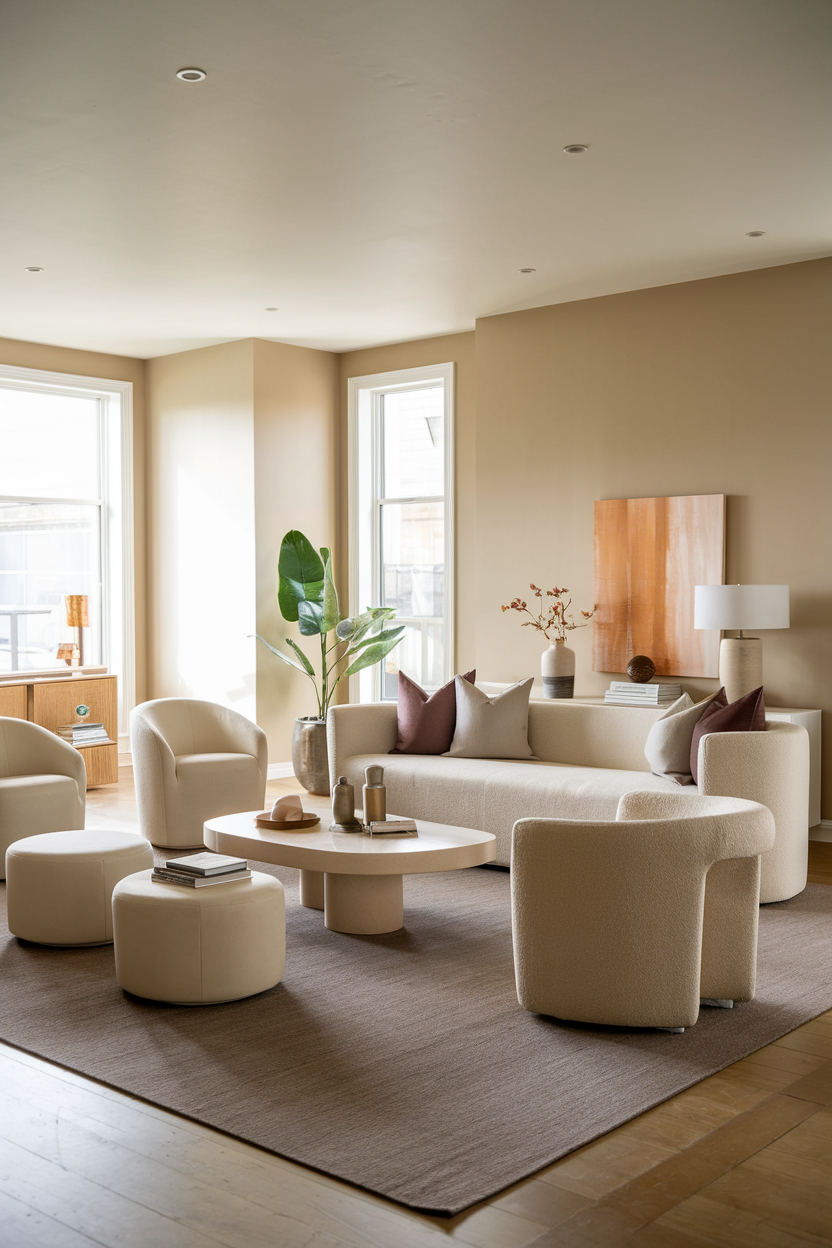
Soft shades like beige, ivory, warm white, and taupe create a calm and timeless foundation for your living room. Layer these colors through furniture, curtains, rugs, and cushions to add depth without making the space feel busy. Materials such as linen, boucle, wool, and woven fabrics can bring extra warmth and texture. Natural wood accents also pair beautifully with neutral tones, while subtle blush or muted green can add a gentle touch of color.
12. Statement Mirror
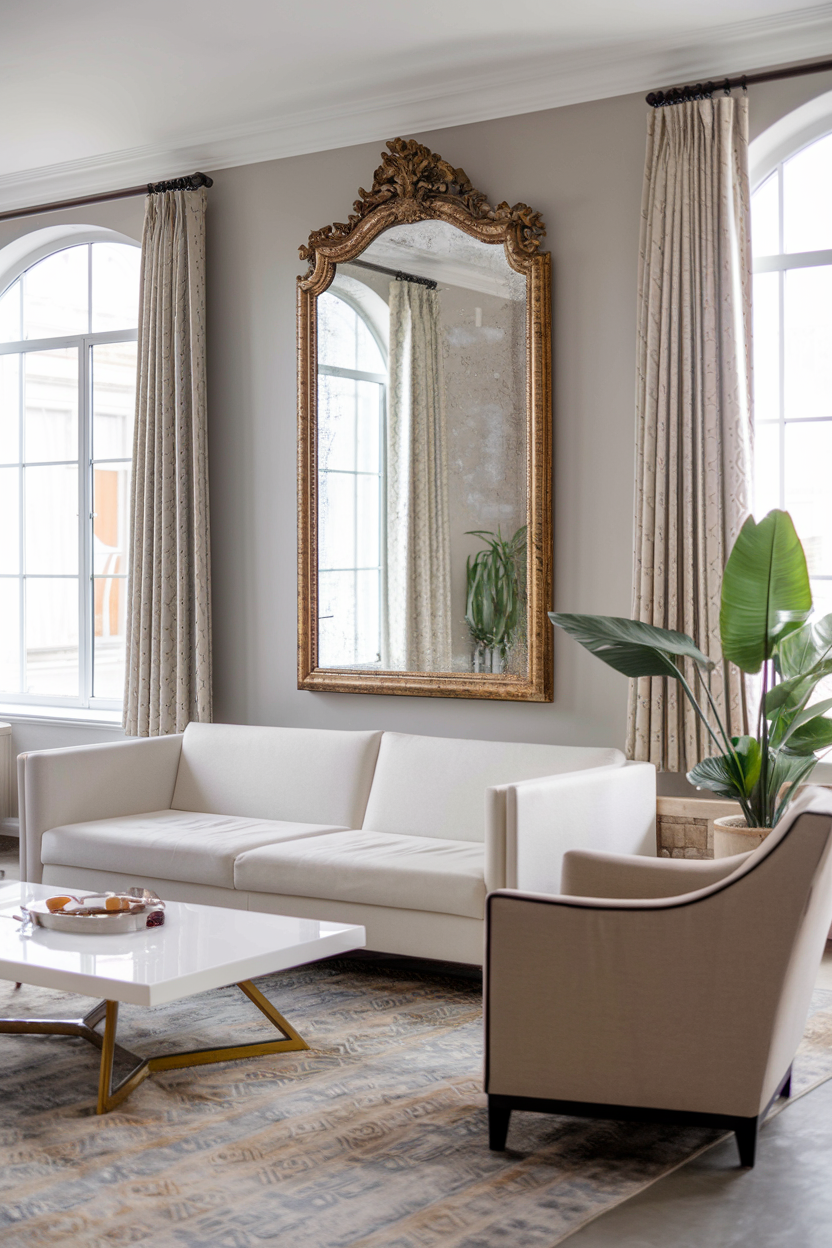
A large statement mirror can instantly make a living room feel brighter and more spacious. Choose an ornate frame for classic elegance, an arched shape for architectural character, or a simple round design to soften angular furniture. Place it above a fireplace, console table, or opposite a window to maximize its reflective effect. Antique brass, matte black, and frameless styles can each create a completely different look.
13. Incorporate Textured Throws and Pillows
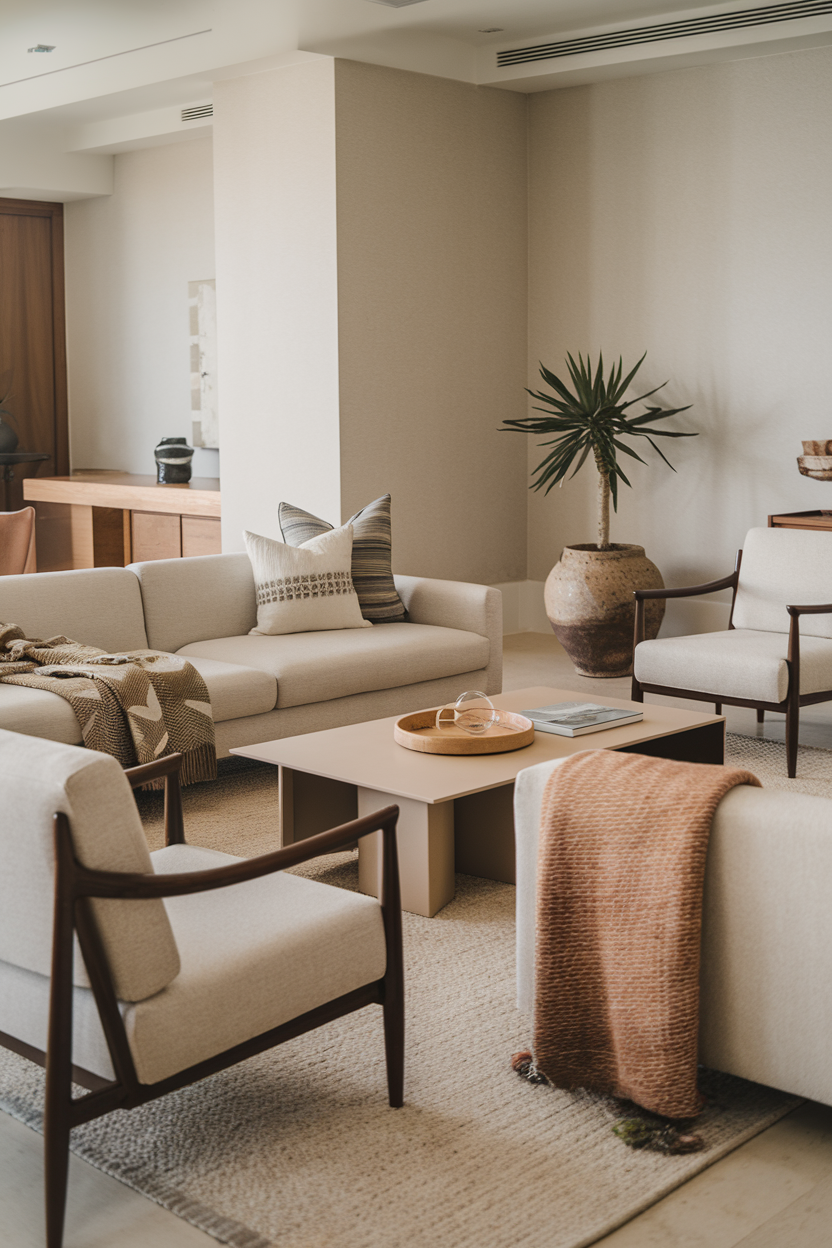
Throws and pillows are simple ways to make a living room feel warmer and more inviting. Mix materials such as chunky knit, velvet, faux fur, linen, and embroidery to create a layered appearance. Combine different sizes and shapes while staying within a coordinated color palette. Earthy tones, faded patterns, and subtle fringe can add personality and make the room feel comfortably lived-in.
14. Style Your Mantel Thoughtfully
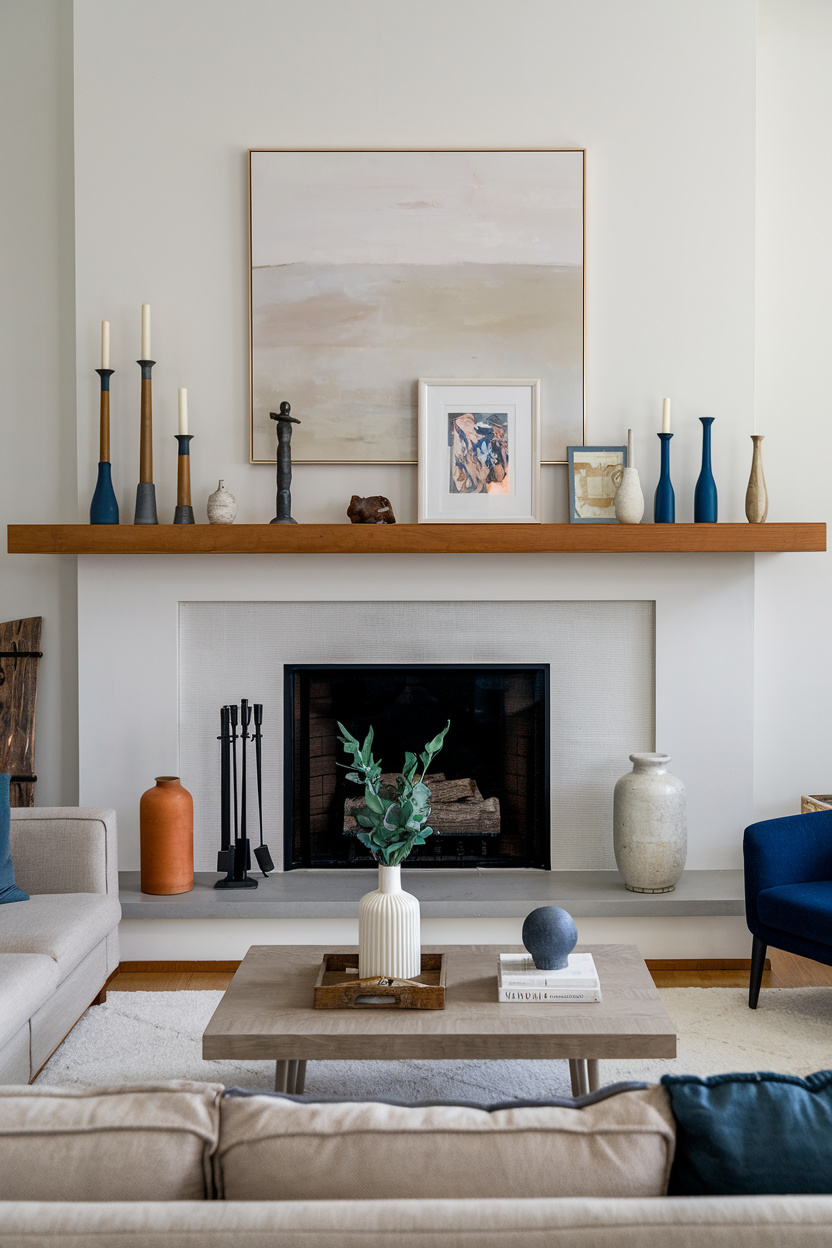
A fireplace mantel offers an excellent opportunity to introduce personality and visual balance. Combine tall and short pieces such as candlesticks, vases, framed artwork, and small sculptures. Leaning artwork against the wall can create a relaxed, contemporary feel. Avoid overcrowding the mantel and instead select a few pieces that complement the room while drawing attention to the fireplace.
15. Choose Art That Reflects Your Personality
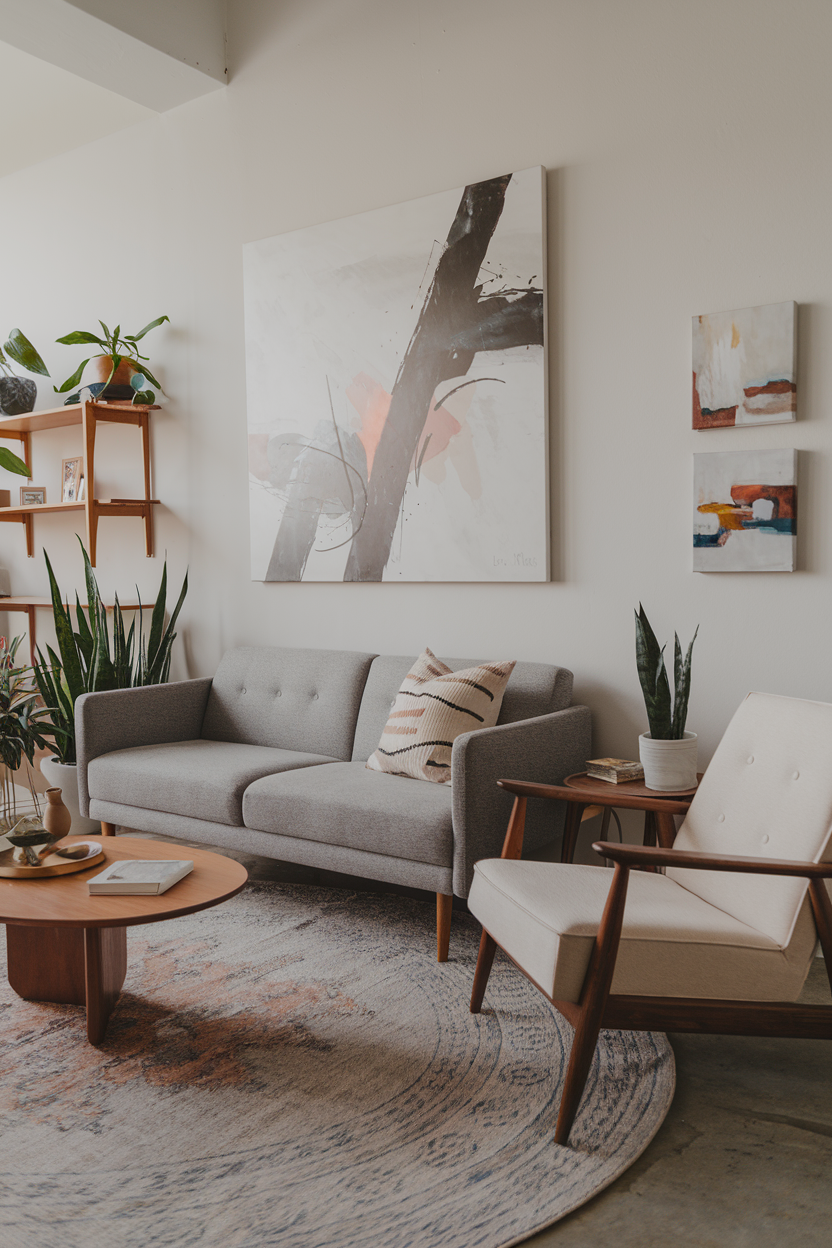
Art should make the living room feel personal rather than simply decorative. Choose pieces that genuinely appeal to you, whether you prefer abstract paintings, vintage landscapes, minimalist prints, or bold graphic artwork. Large pieces can create a dramatic focal point, while smaller works can be grouped together. When artwork reflects your taste, the room naturally feels more authentic and meaningful.
16. Woven Elements
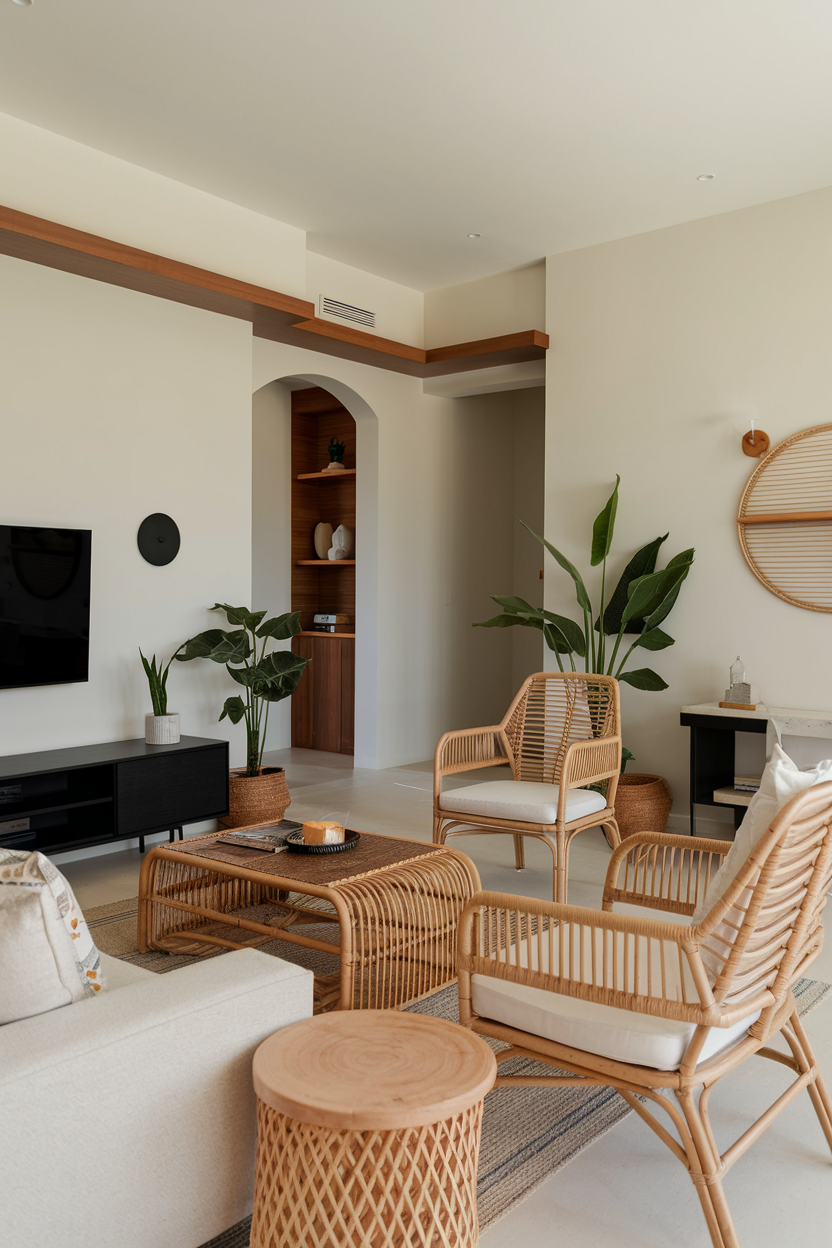
Woven materials such as rattan, cane, bamboo, and seagrass introduce natural warmth and texture. A woven basket, cane-front cabinet, rattan chair, or seagrass accessory can soften the sharper lines of modern furniture. These materials work particularly well in bohemian, coastal, farmhouse, and contemporary interiors. Their organic appearance creates a relaxed atmosphere while adding subtle visual interest.
17. Oversized Statement Sofa
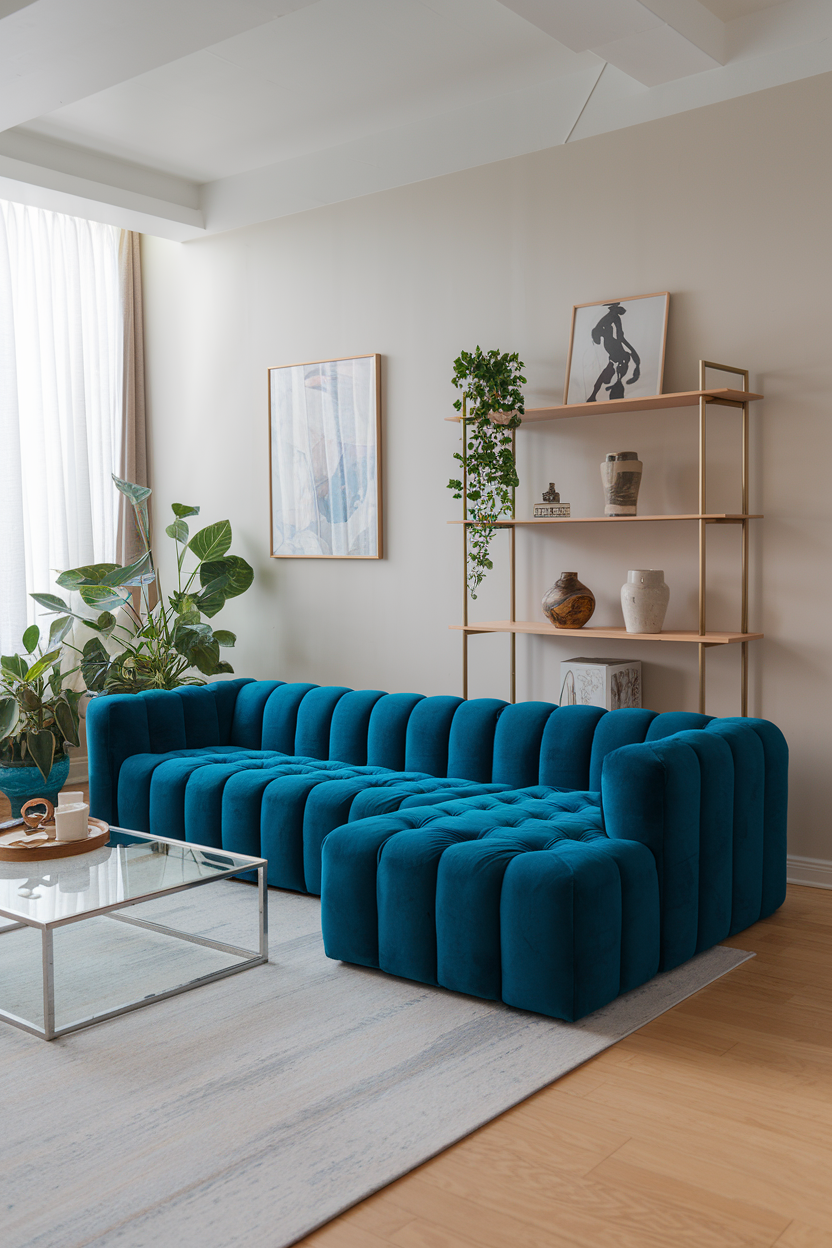
An oversized sofa or sectional can instantly establish the living room as a comfortable gathering space. Choose a soft material such as velvet, linen, or chenille and select a color that complements or anchors the room’s palette. A large sofa creates a strong sense of scale and gives you plenty of room to experiment with pillows, throws, and other decorative accents.
18. Warm Metallics
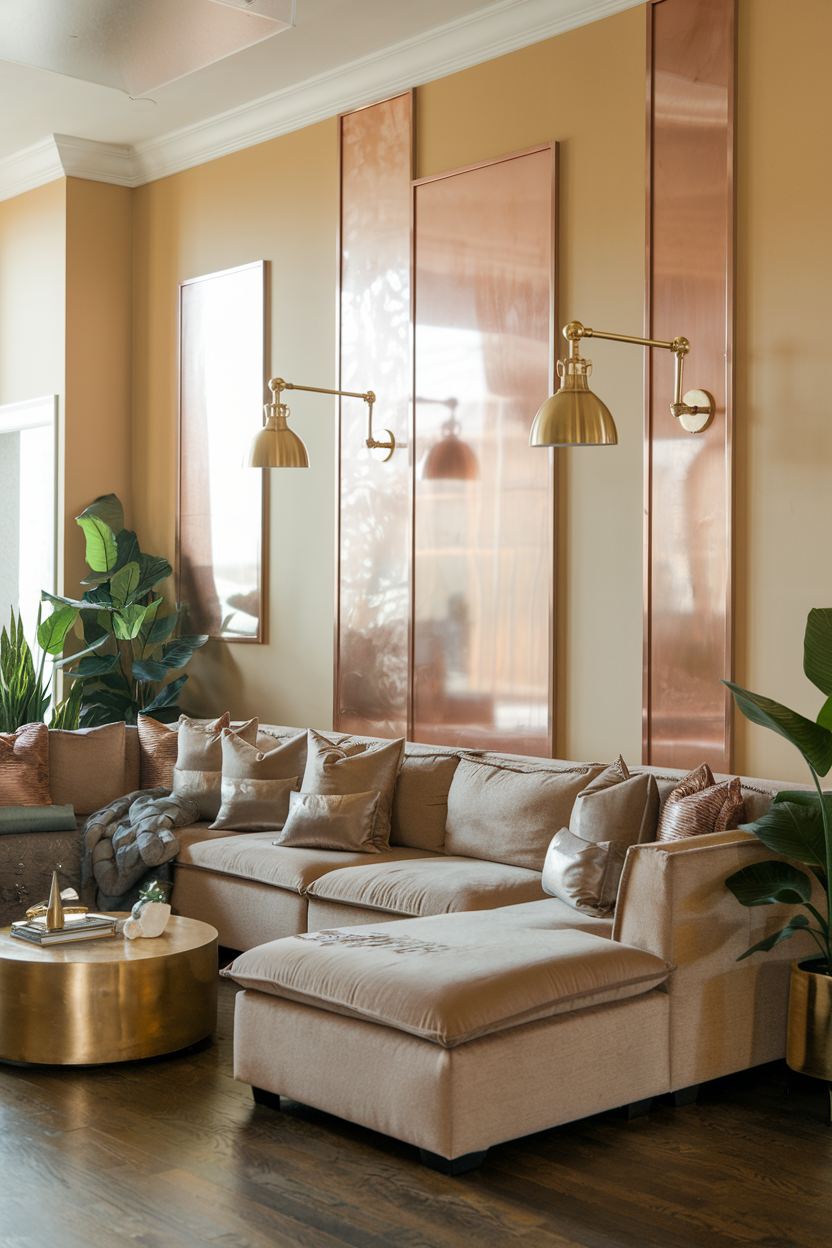
Warm metallic finishes such as brass, gold, and copper bring subtle luxury into the living room. Introduce them through lighting, picture frames, side tables, cabinet hardware, trays, or decorative objects. These finishes reflect light beautifully and pair easily with both neutral and bold color palettes. A few carefully chosen metallic accents can make the entire room feel more polished.
19. Wall Art
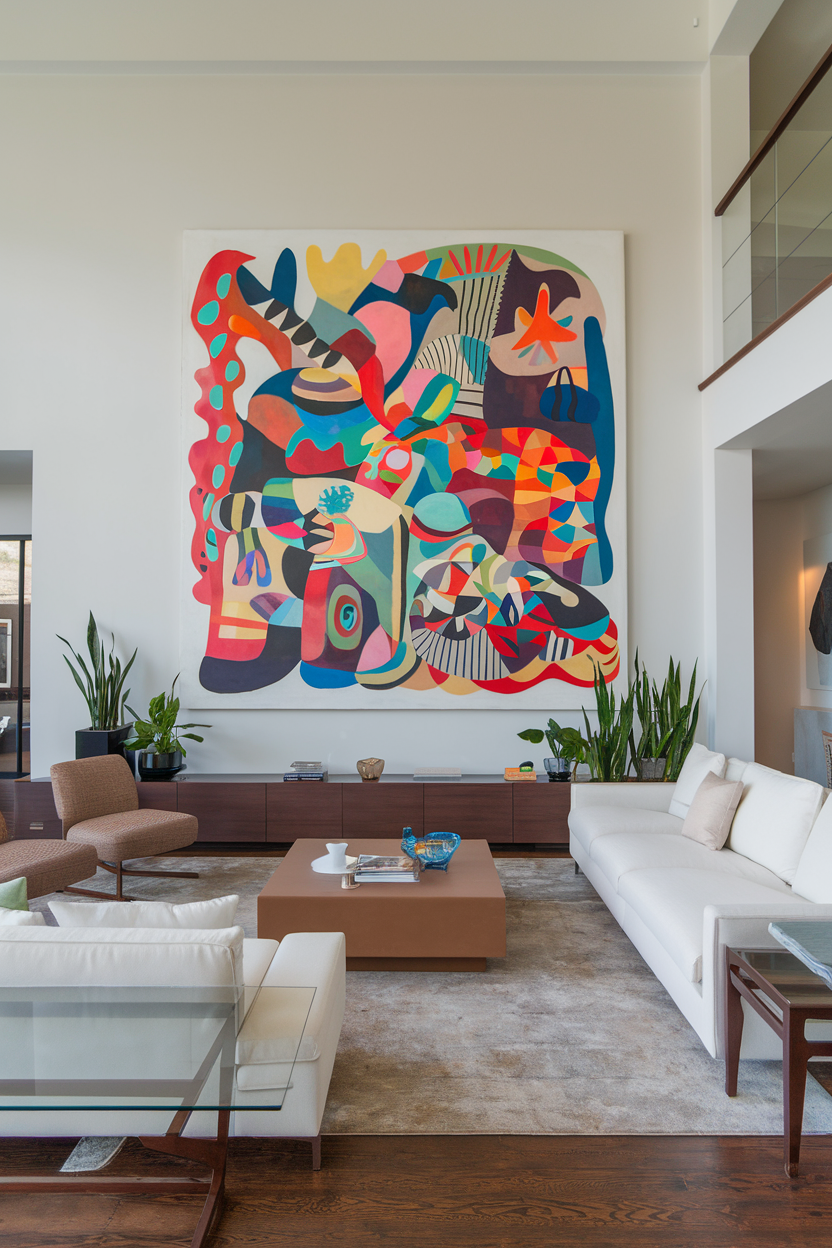
Beautiful artwork can transform an empty wall into a personal focal point. Choose pieces that reflect your style, such as abstract paintings, minimalist sketches, photography, or botanical prints. An oversized artwork can make a bold statement, while several smaller pieces can create a curated gallery effect. Coordinating the artwork with your furniture and accent colors can also help tie the entire living room together.
20. Monochrome Palette
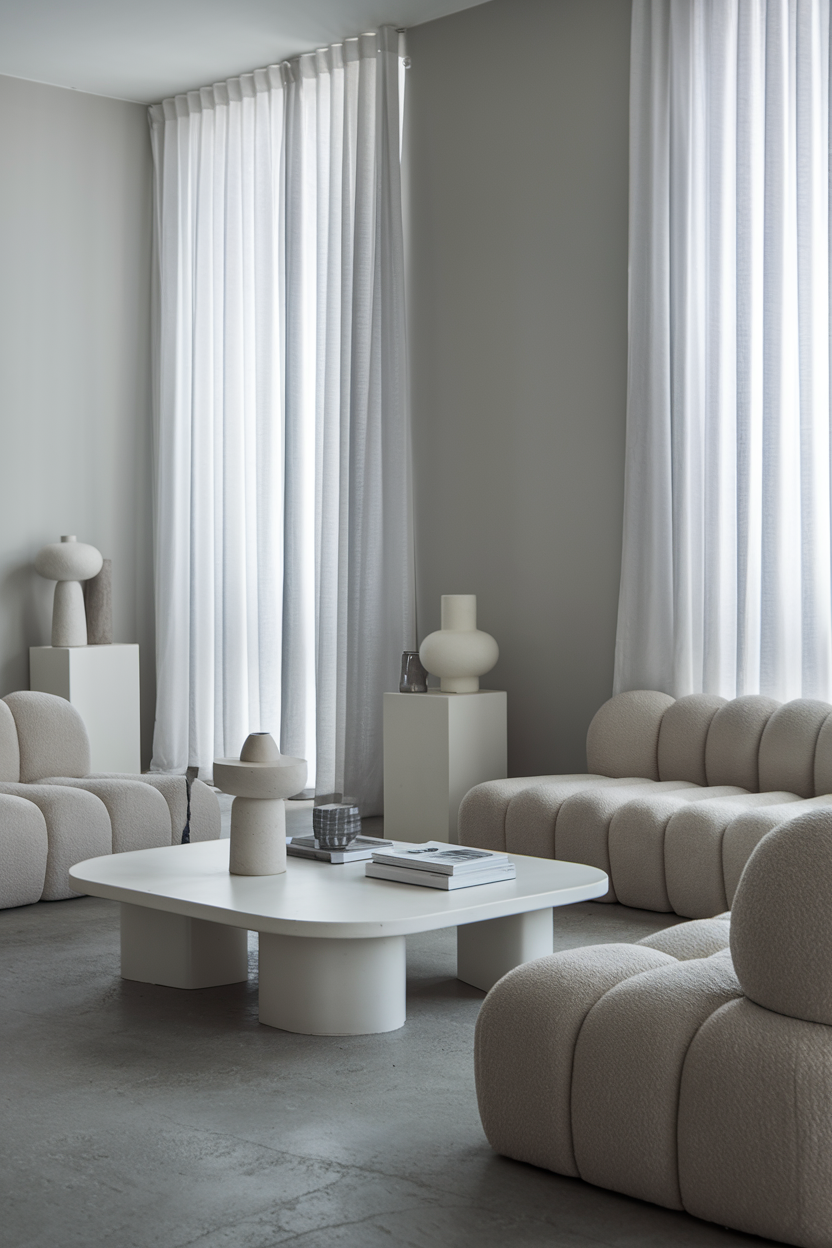
A monochromatic color scheme can create a sophisticated and calming atmosphere without feeling dull. Choose different shades of one color and introduce variety through texture, material, and finish. An all-cream room can feature boucle seating, linen curtains, and textured rugs, while shades of green can range from soft sage to deeper olive. The subtle variations keep the design visually interesting.
21. Layer Rugs
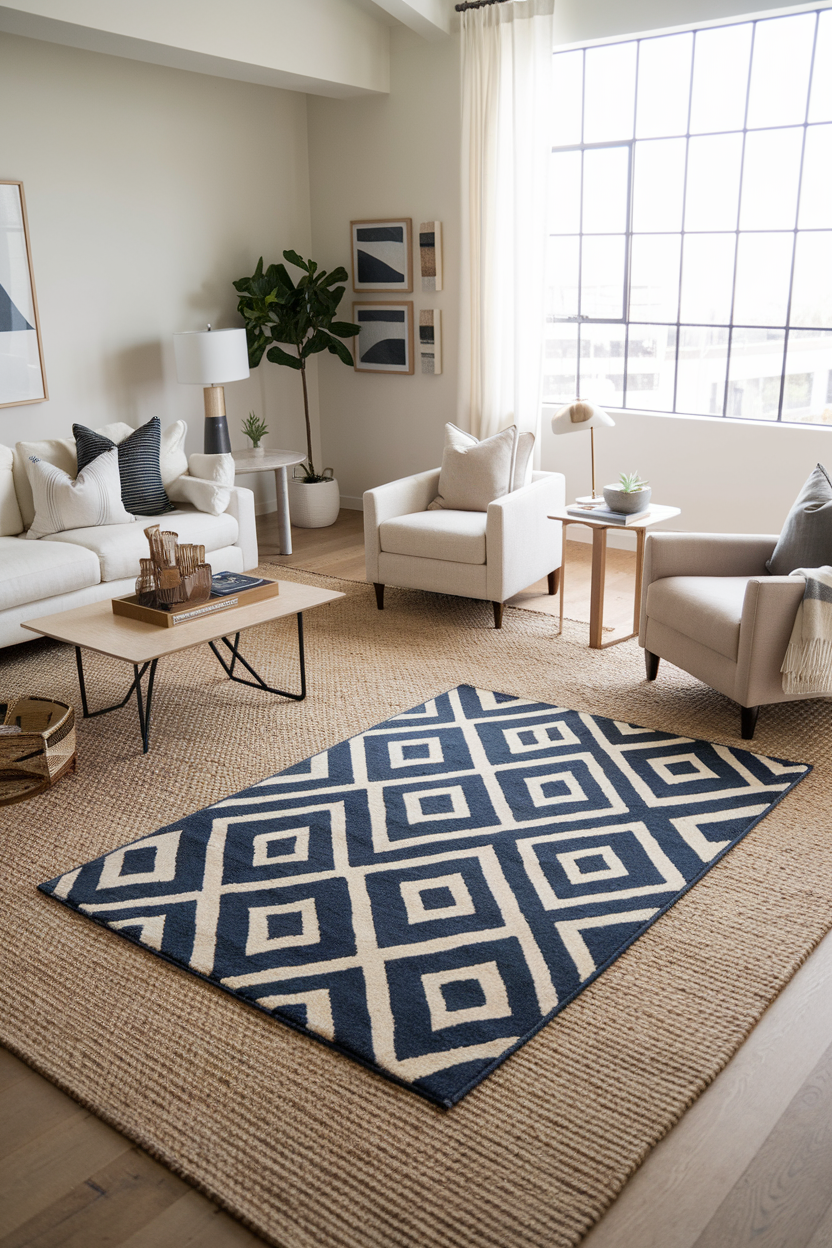
Layering rugs gives the floor a richer and more sophisticated appearance. Start with a large neutral rug made from materials such as jute or sisal, then place a smaller patterned or plush rug on top. Persian, kilim, and faux fur styles can add personality and texture. This technique also works well in open-plan spaces because rugs can visually define different seating areas.
22. Incorporate Plants
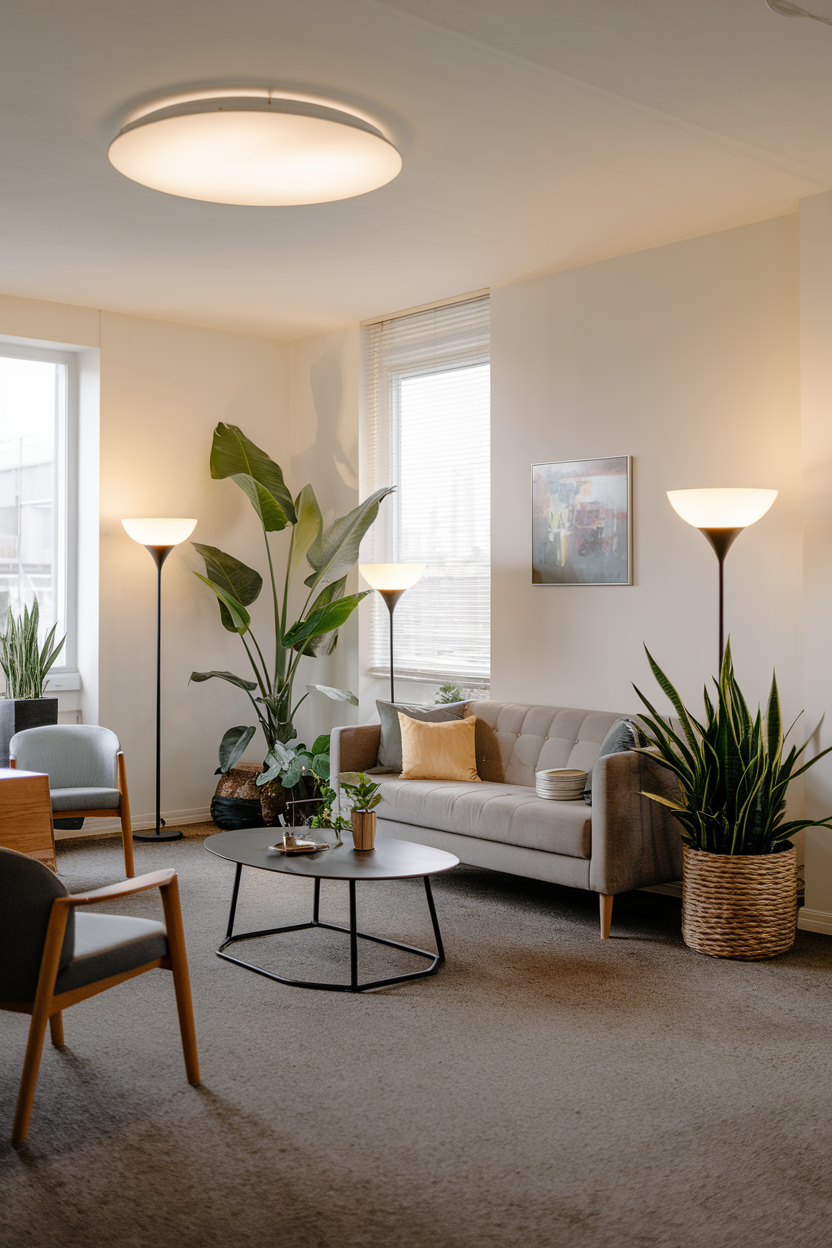
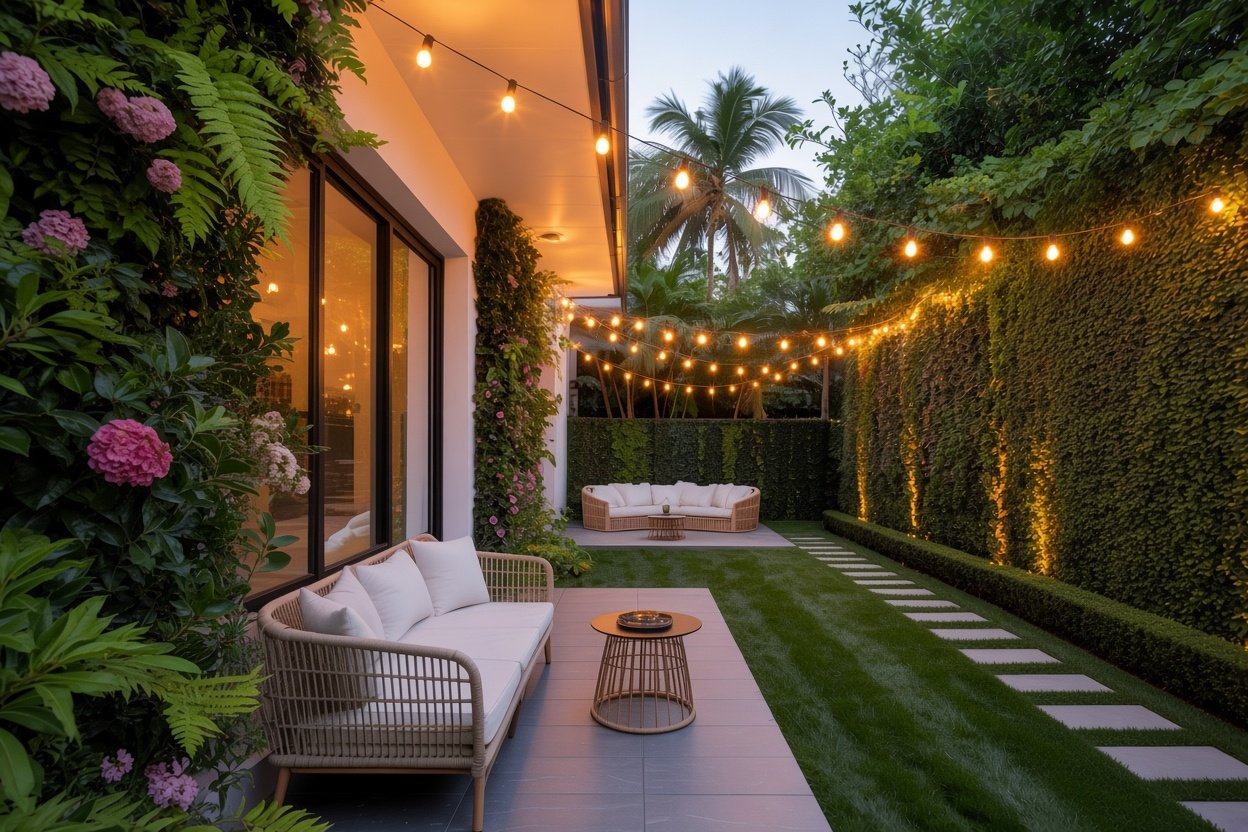
Plants bring freshness, texture, and natural beauty into the living room. Combine larger floor plants with smaller varieties placed on shelves, tables, or consoles. Woven baskets, ceramic pots, and terracotta planters can complement different decorating styles. Greenery also softens structured furniture and creates a more relaxed atmosphere, making the room feel lively without requiring bold decorative colors.
23. Floating Shelves
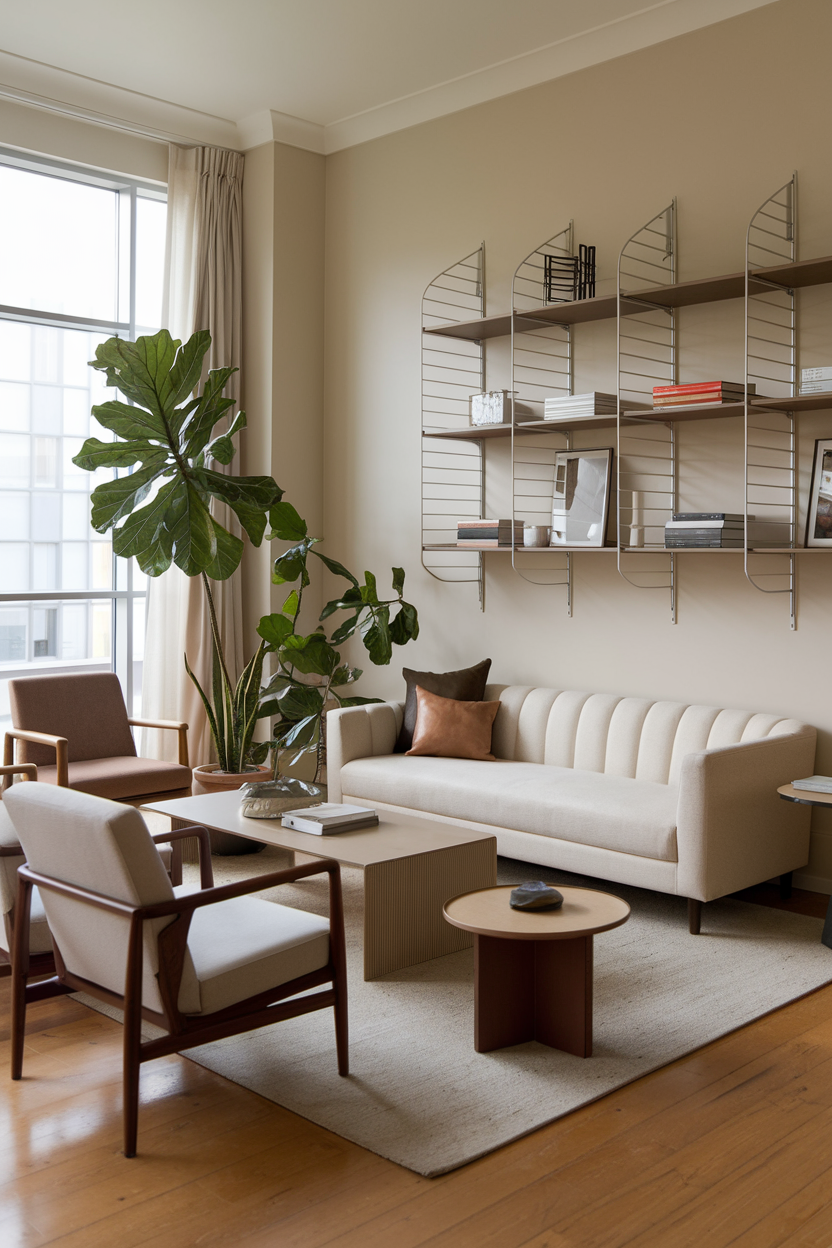
Floating shelves provide a stylish way to display books, ceramics, artwork, and plants without making the walls feel heavy. Create balance by combining horizontal and vertical objects while leaving some empty space between displays. Grouping accessories in small collections can create a more intentional appearance. The result is a clean yet personalized wall feature that can easily be updated over time.
24. Add a Pop of Color
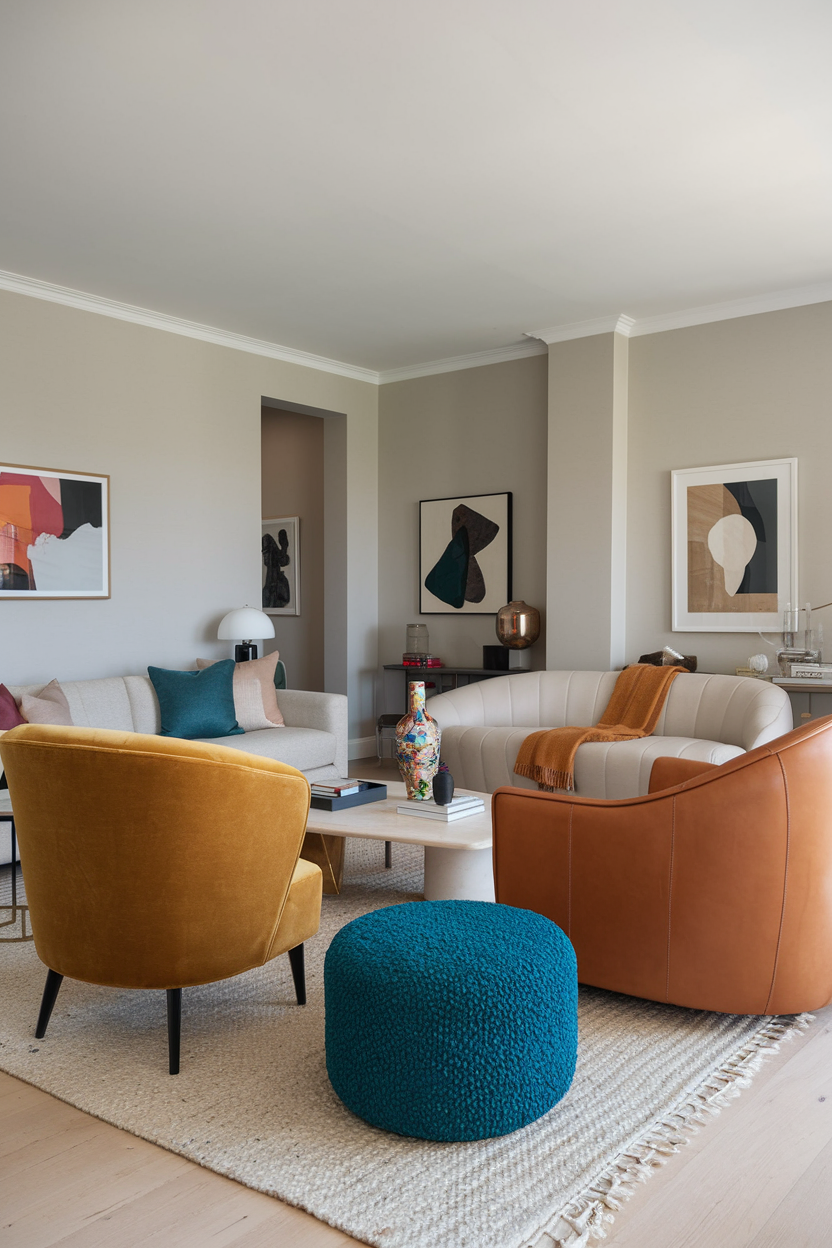
A neutral living room can instantly become more energetic with one or two colorful accent pieces. Consider a mustard velvet chair, teal boucle seat, or burnt-orange leather armchair. Keep the rest of the room relatively calm so the accent color becomes a deliberate focal point. Echoing the shade through artwork, pillows, or small accessories can make the overall palette feel cohesive.
25. Display Ceramics and Handmade Pieces
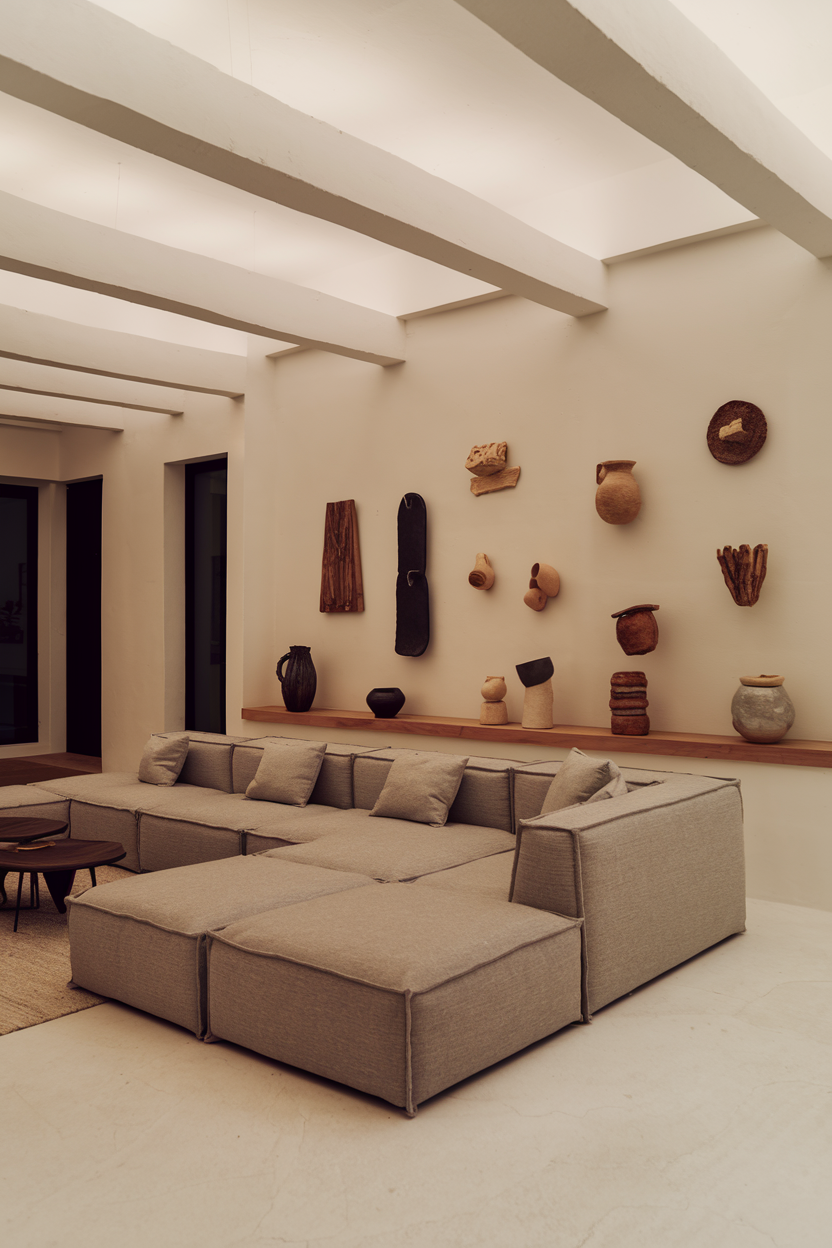
Handcrafted ceramics and artisan decor bring warmth and individuality to a living room. A hand-thrown vase, textured bowl, or sculptural pottery piece can add character that mass-produced accessories often lack. Display these pieces on shelves, coffee tables, or mantels to create small moments of visual interest. Their natural imperfections make the room feel more personal and thoughtfully collected.
26. Embrace Earthy and Muted Tones
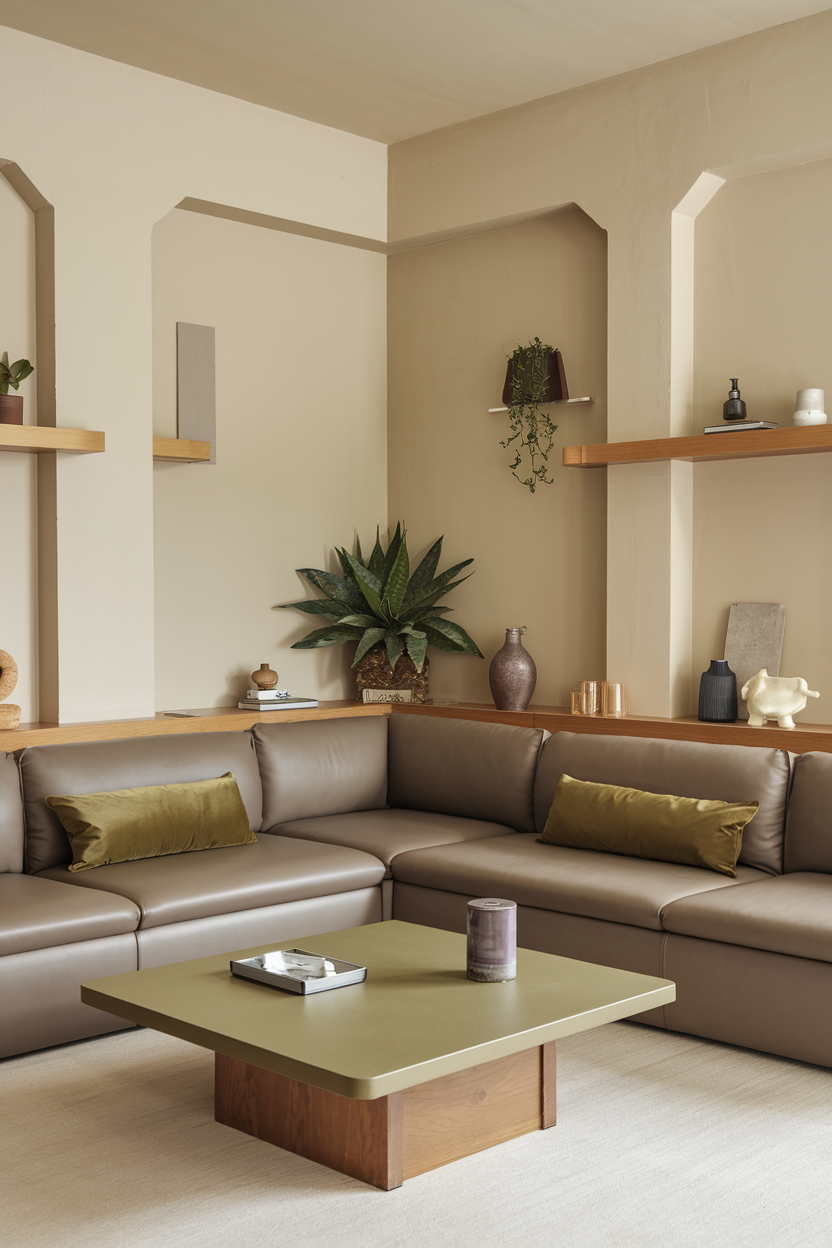
Earthy colors such as warm taupe, olive, clay, and terracotta create a grounded and relaxing atmosphere. These muted shades work beautifully with natural materials like wood, linen, leather, and woven textures. Use them on walls, upholstery, rugs, or smaller accents to create warmth without overwhelming the space. The result is a living room that feels cozy, timeless, and sophisticated.
27. Built-In Shelving
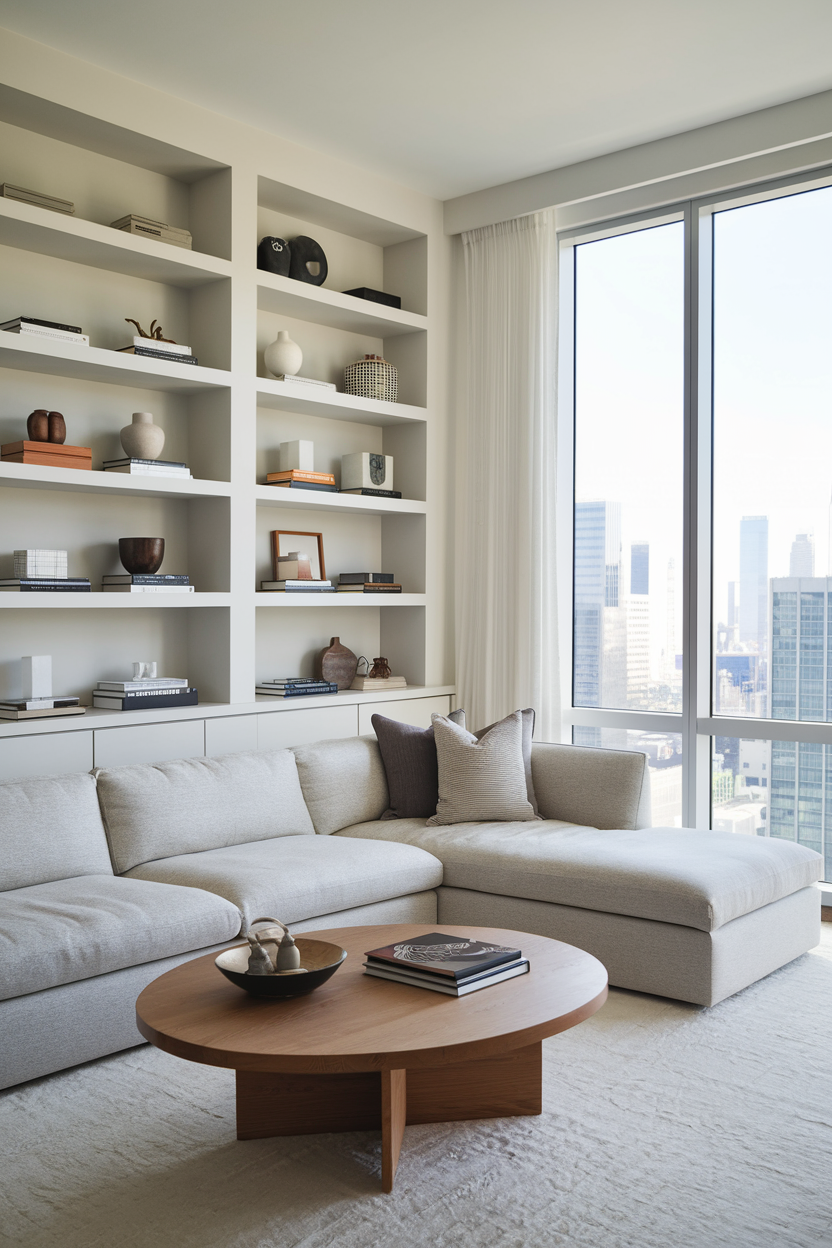
Built-in shelving combines practical storage with an opportunity to display your favorite decor. Style the shelves with books, ceramics, framed photographs, plants, and decorative objects while leaving some areas open for balance. Painting the shelving the same color as the walls creates a seamless appearance, while a contrasting shade can turn it into a bold focal point. Built-ins give the room a custom and organized look.
28. Add Moody Accents
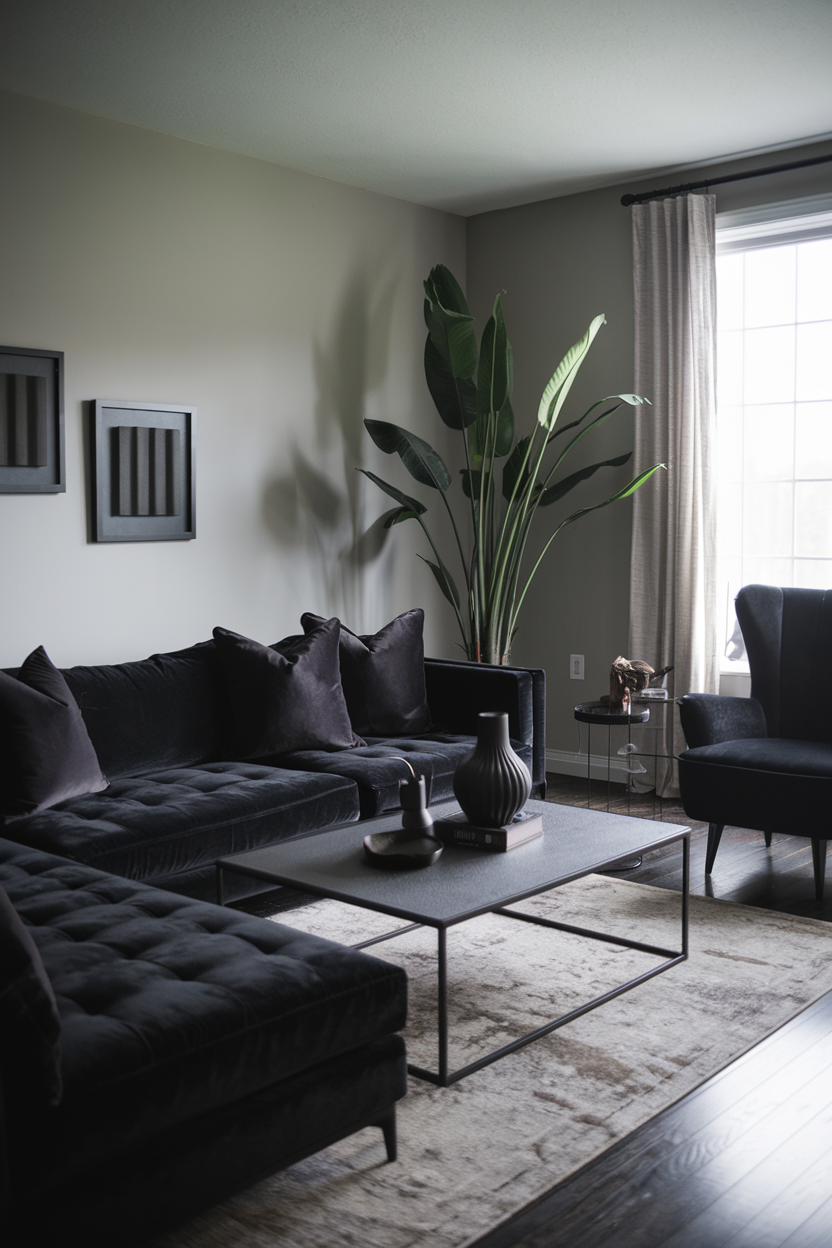
Deep charcoal, black, navy, and other moody shades can add drama and sophistication to a living room. Introduce them through pillows, throws, artwork, metal frames, or a dark accent chair. These deeper tones create contrast against lighter furniture and help the room feel more layered. Even one bold dark feature can give the space a stronger and more polished personality.
29. Natural Wood Elements
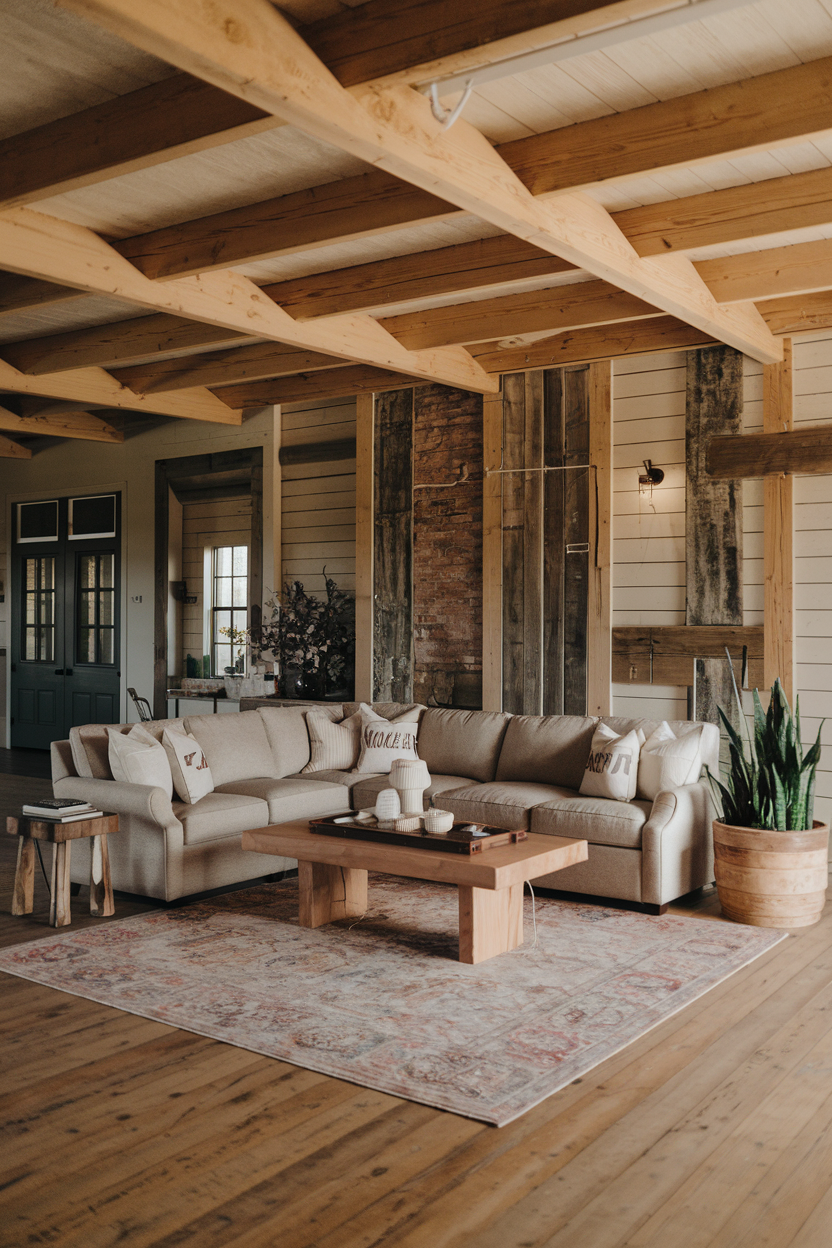
Natural wood adds warmth and timeless appeal to almost any living room style. Use it through coffee tables, consoles, shelving, beams, flooring, or decorative frames. Different wood tones can create a collected and layered appearance, while matching finishes offer a cleaner look. Wood also brings an organic quality that balances softer fabrics and polished surfaces, helping the living room feel comfortable and inviting.
30. Elegant Window Treatments
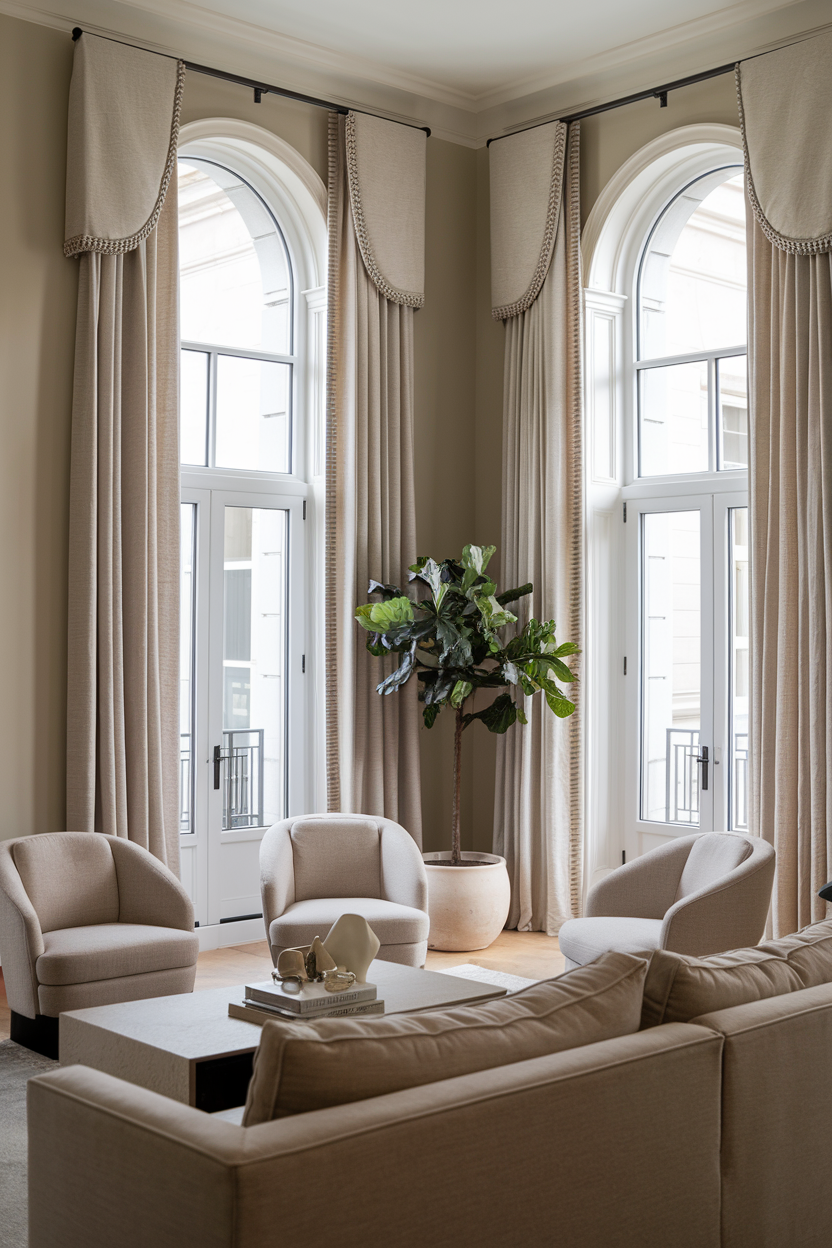
Beautiful window treatments can make a living room feel instantly more polished. Floor-to-ceiling curtains in linen, velvet, or sheer fabric add softness, height, and visual drama. Mounting curtain rods higher than the windows can make the ceiling appear taller. Layering drapes with simple shades provides additional privacy and light control while giving the room a more sophisticated finish.
31. A Unique Coffee Table
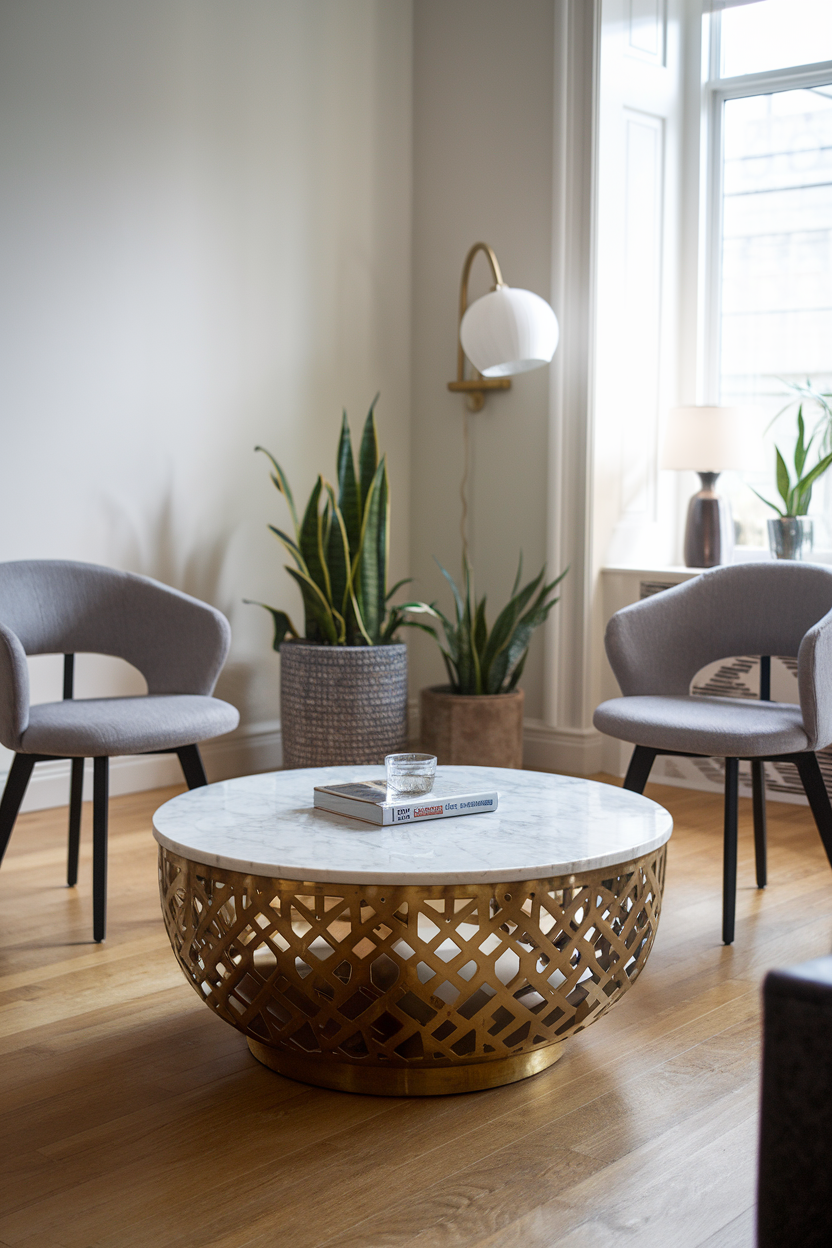
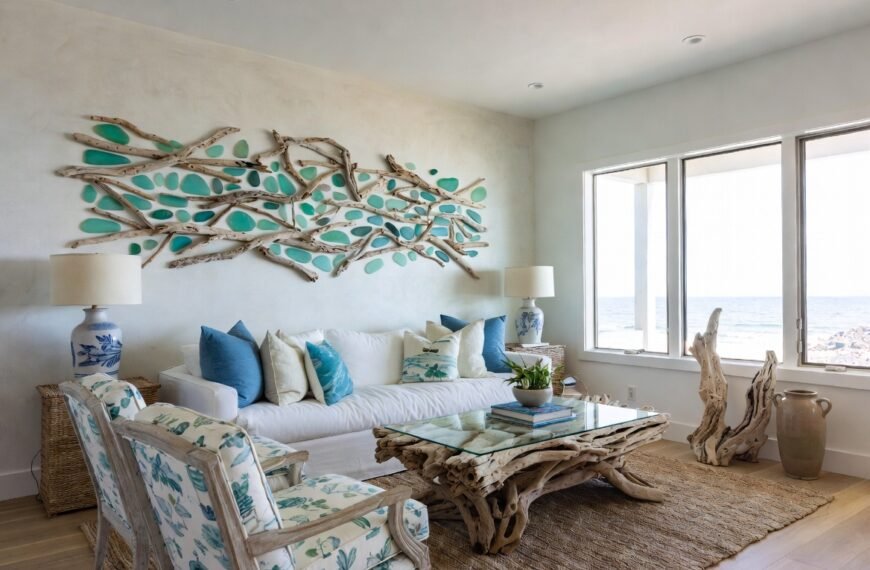
A distinctive coffee table can become the centerpiece of your living room. Consider a marble top, sculptural metal base, mid-century silhouette, or reclaimed wood design depending on your decorating style. The right table should balance practicality with visual appeal. Finish the look with a decorative tray, stacked books, or an artistic bowl to create a stylish and functional focal point.
32. Highlight Architectural Features
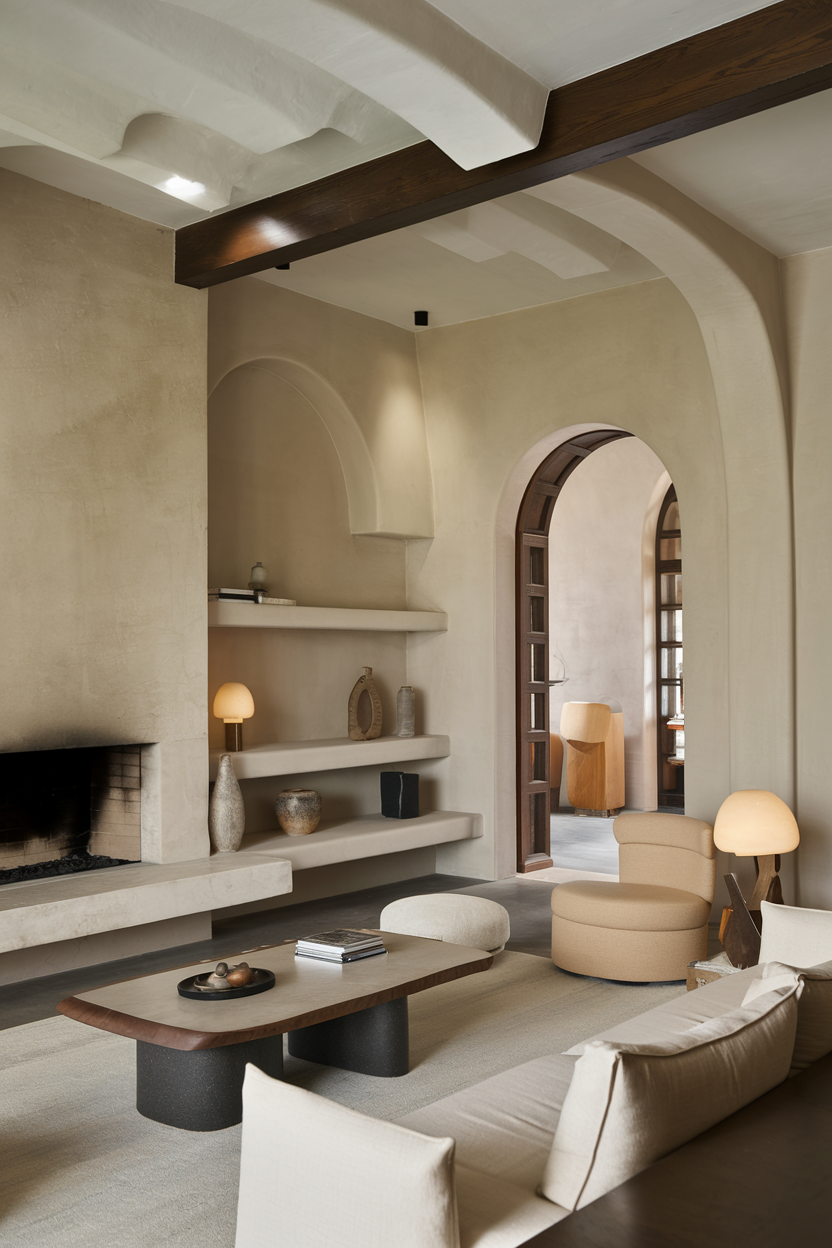
Architectural details such as fireplaces, beams, alcoves, and arched doorways deserve to be showcased. Use accent lighting, contrasting paint, or carefully positioned furniture to draw attention to these features. Homes without original architectural details can introduce similar character through wainscoting, board and batten walls, or decorative beams. These additions can make the living room feel more custom and sophisticated.
33. Incorporate Vintage and Antique Finds
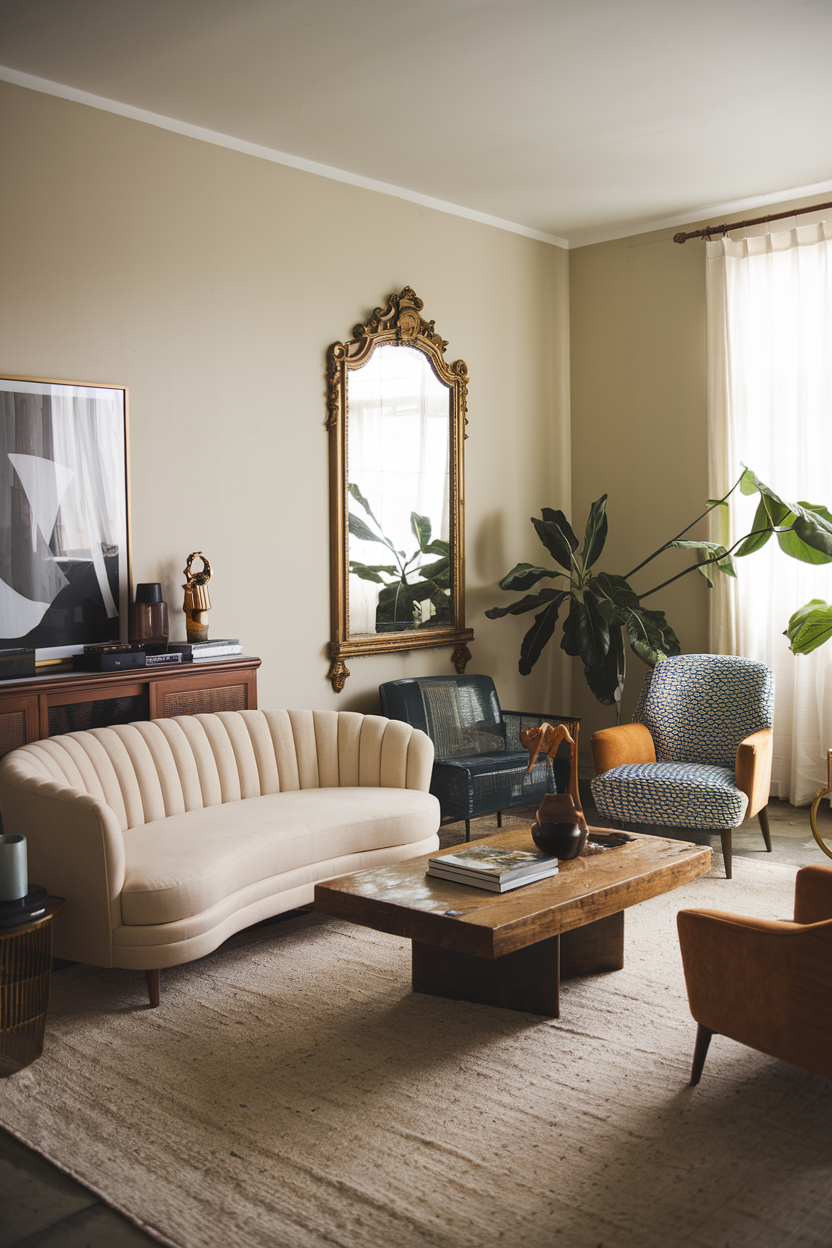
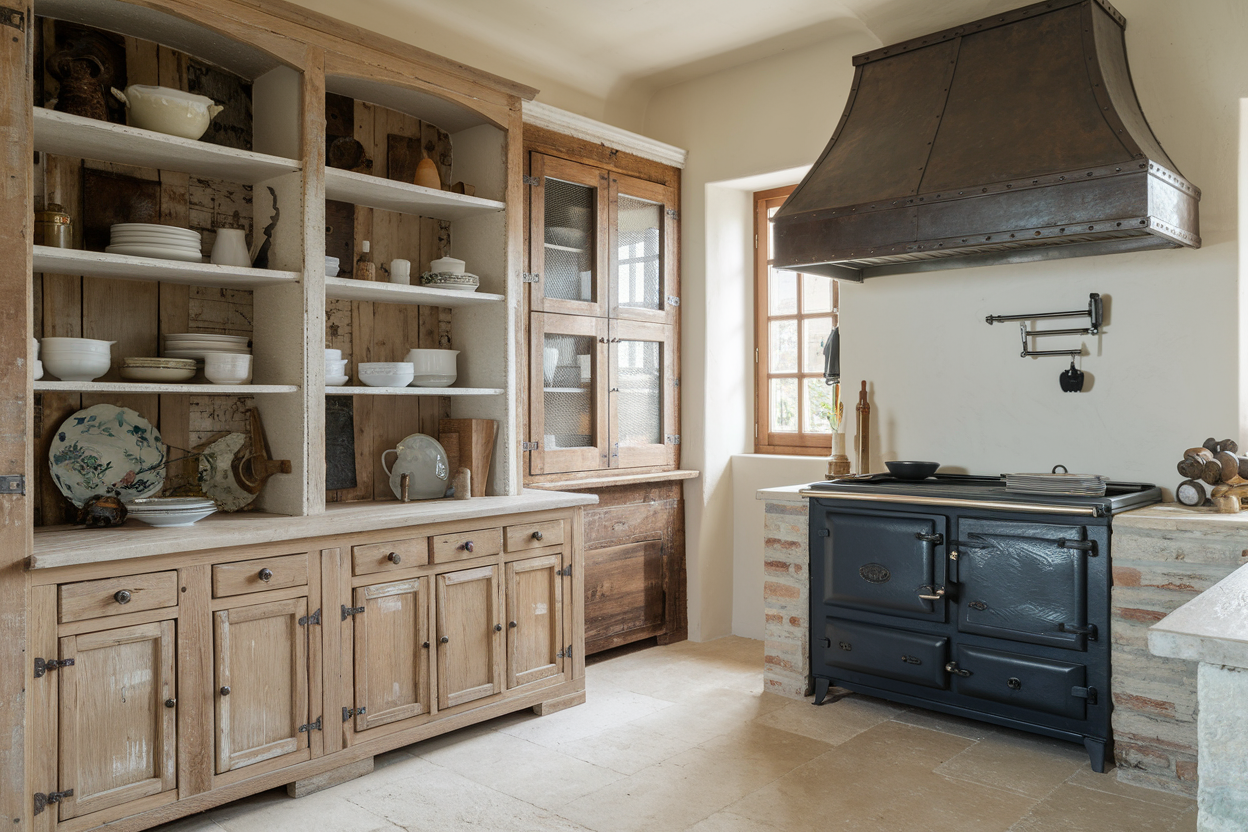
Vintage and antique pieces add personality, warmth, and a sense of history to a living room. An ornate mirror, distressed wood table, vintage chair, or antique accessory can become a memorable focal point. Mix these older pieces with contemporary furniture to create contrast and prevent the room from feeling dated. The combination produces a layered aesthetic that feels collected rather than overly coordinated.
34. Statement Wall Color
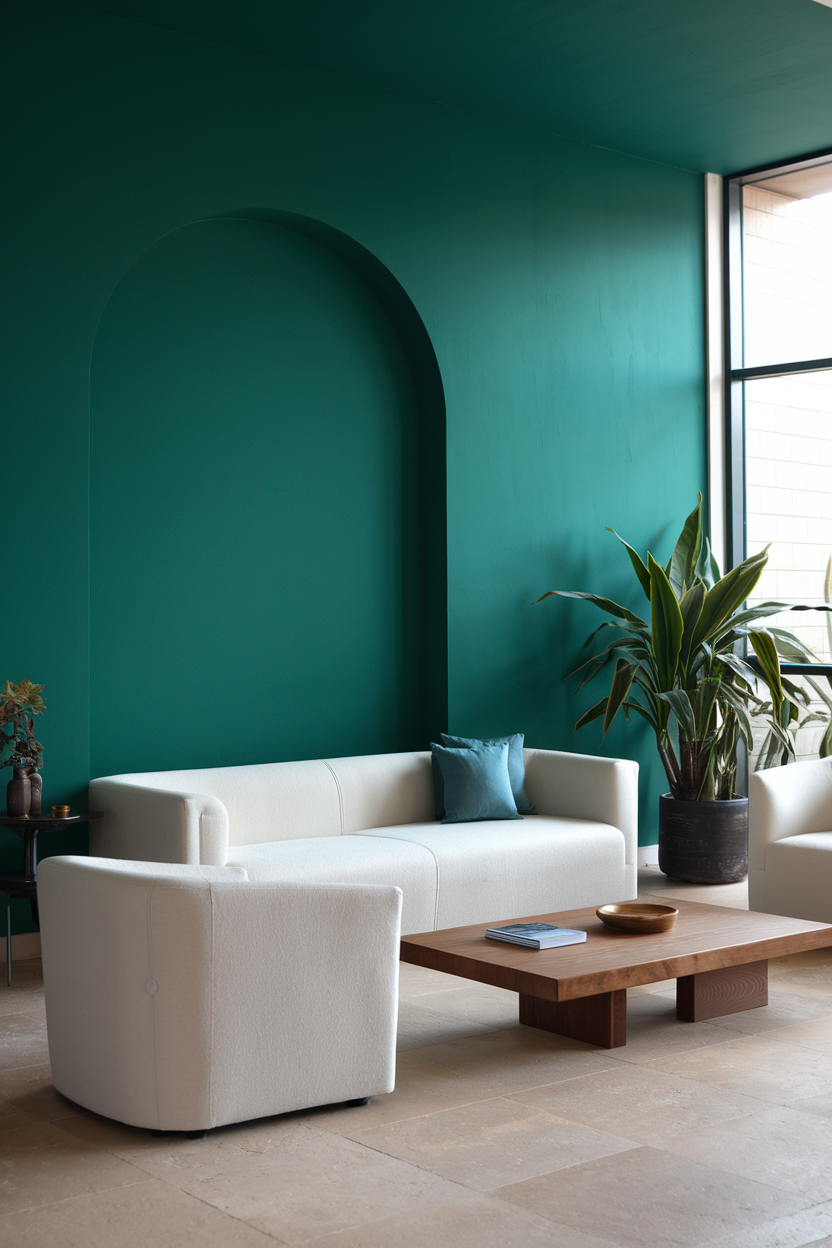
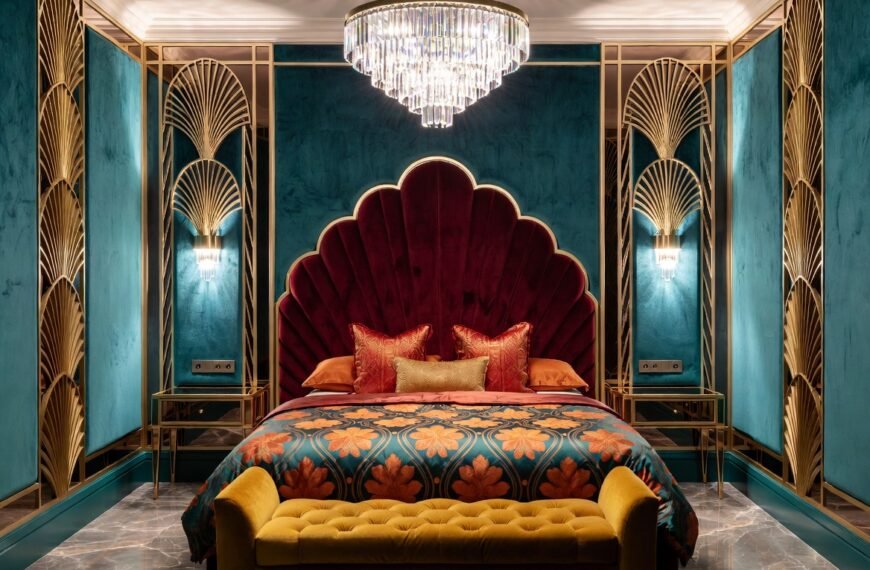
A bold wall color can completely change the atmosphere of a living room. Deep emerald, navy, charcoal, dusty rose, and other rich shades can create an elegant and cozy backdrop. Balance darker walls with lighter furniture or metallic accents to keep the room from feeling too heavy. Even a single accent wall can add drama and give the space a strong visual identity.
* The appeal of aesthetic living room design comes from its ability to blend beauty, comfort, and personal style into one inviting space. Use these inspirations to embrace thoughtful design, layer beautiful details, and transform your living room into a welcoming retreat you’ll enjoy relaxing in and sharing with others for years to come.