Interior design has always been a way to tell a story through our homes. Every detail, from the furniture you choose to the way light enters a room, creates an atmosphere that reflects not only your taste but also your lifestyle. Among the many styles that have shaped the design world, modern interior design continues to stand out as one of the most versatile, timeless, and admired approaches.
Unlike traditional interiors, which often emphasize ornamentation and grandeur, modern design focuses on functionality, simplicity, and clean aesthetics. It embodies the idea that beauty lies in restraint, in letting spaces breathe, and in designing with purpose. This ability to balance elegance with everyday practicality is precisely why modern interiors have remained popular for more than a century.
In this guide, we’ll dive into the history of modern design, its key characteristics, the reasons behind its enduring appeal, and practical tips on how to bring this style into your home.
The Origins of Modern Interior Design
To understand modern interior design, it’s important to know where it comes from. The style emerged around the turn of the 20th century during a period of significant cultural, artistic, and technological change. Influenced by the modernist movement in architecture and art, designers began moving away from heavily decorated, ornate interiors of the past.
The Bauhaus philosophy and architecture shaped much of modern design. Their core philosophy was that design should serve people’s needs, and every element should have a function. Furniture was stripped of unnecessary decoration, homes were designed with open layouts, and natural materials like wood, glass, and steel became central features.
This era also coincided with industrialization and urbanization, meaning homes needed to be practical, efficient, and adaptable to a new way of living. What started as an architectural movement soon evolved into one of the most recognizable and celebrated styles of interior design.
What Defines Modern Interior Design?
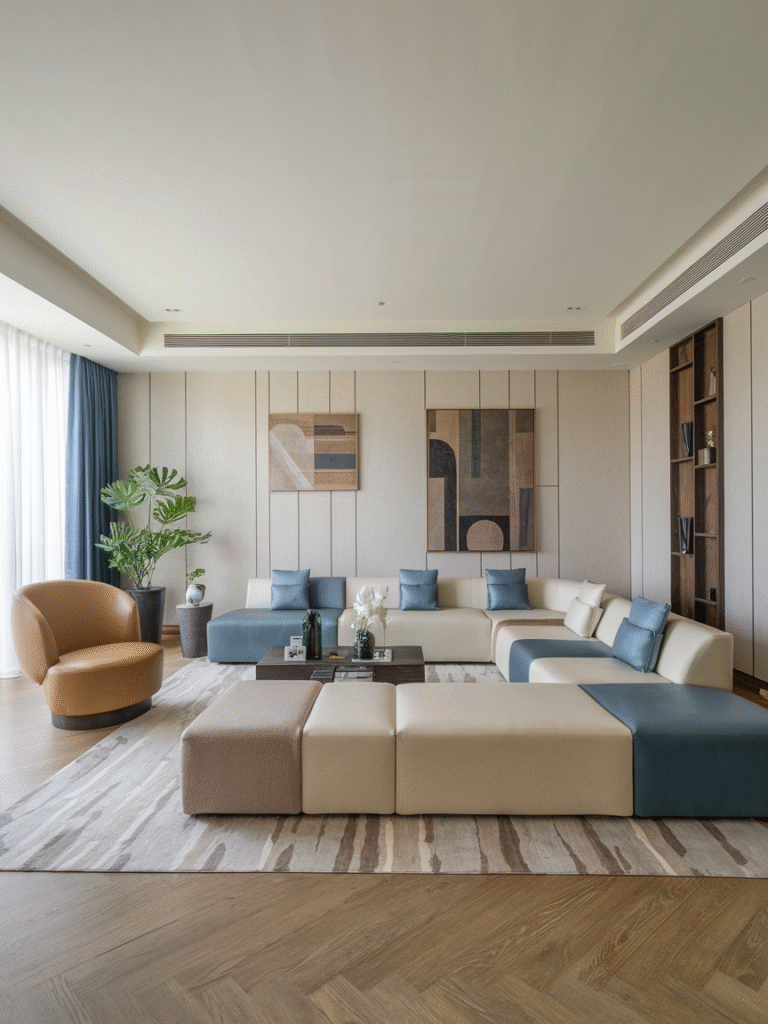
Modern interiors are often mistaken for “contemporary” ones, but while they share similarities, modern design has distinct features that make it unique. Here are its core characteristics explained in detail:
1. Clean Lines and Simplicity
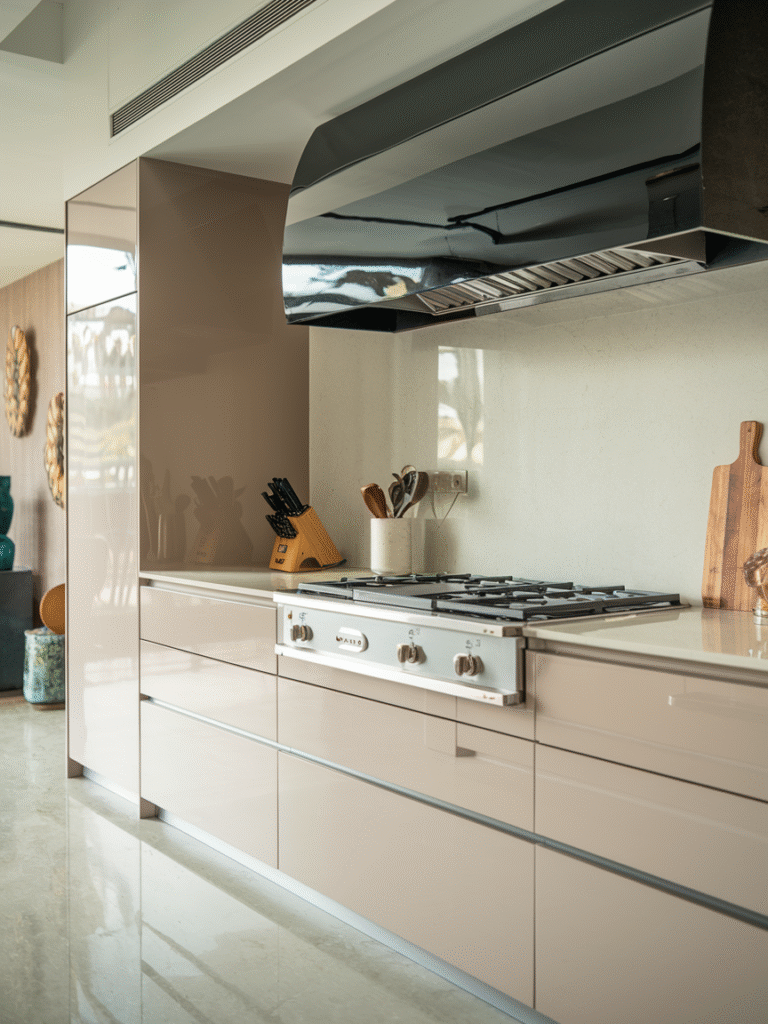
At the heart of modern design are crisp lines and uncluttered forms. Furniture is often sleek and low-profile, avoiding ornate curves or detailing. Even architectural elements, like windows and door frames, are designed with straight, simple edges.
2. Open Floor Plans
Walls are minimized to create free-flowing layouts where living, dining, and kitchen areas merge. This not only maximizes natural light but also fosters connection and social interaction.
3. Neutral Foundations
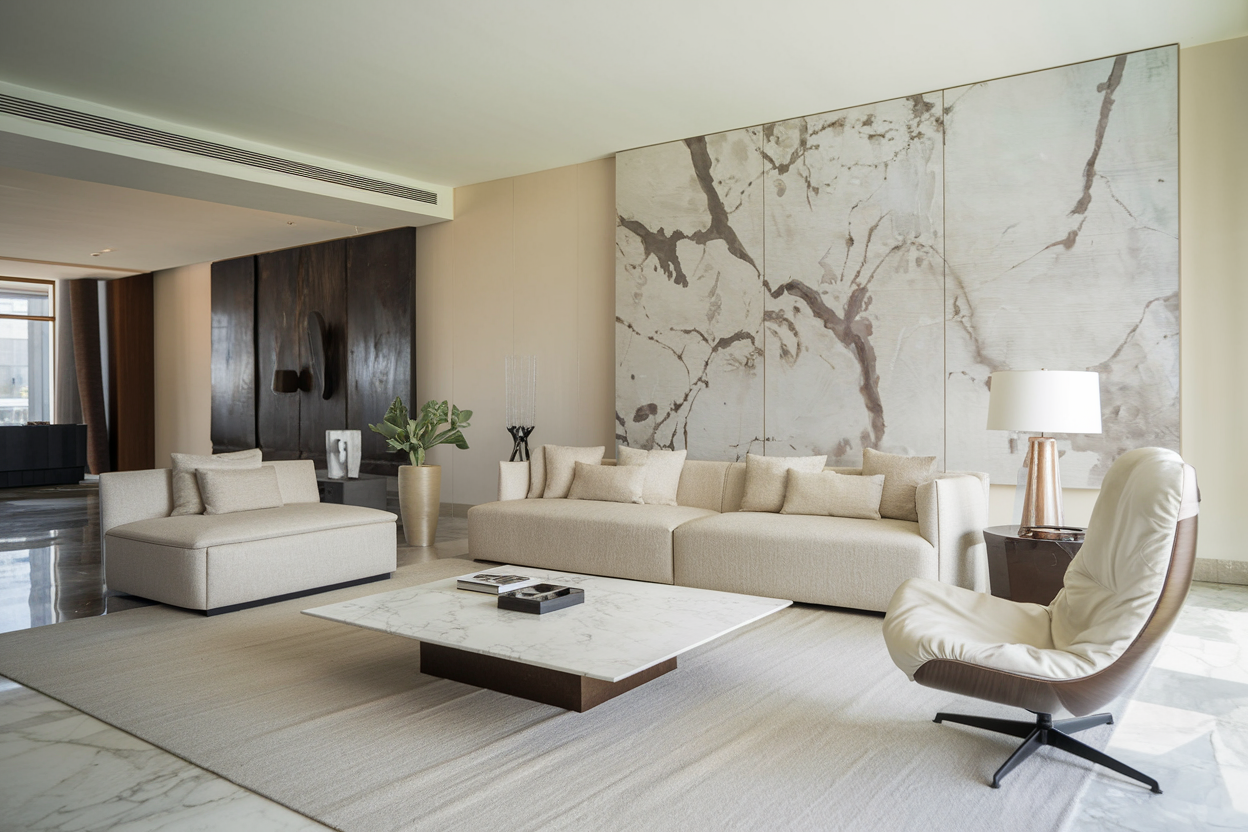
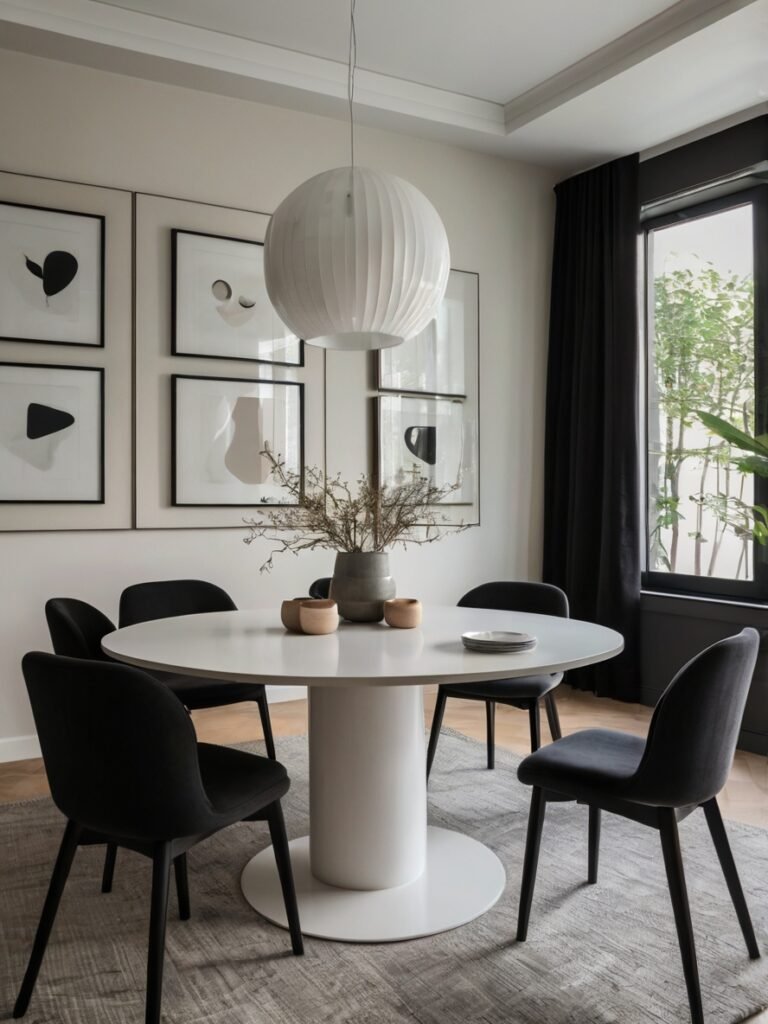
The modern palette leans heavily on whites, grays, beiges, and blacks. These neutrals create a calm backdrop, making the space feel cohesive and timeless. Accent colors—when used—are often bold and strategic, such as a striking piece of art or a statement rug.
4. Natural Materials and Light
Modern interiors blur the boundary between indoors and outdoors. Large windows, skylights, and open spaces allow sunlight to flood in. Materials like wood, stone, and leather bring warmth and texture to balance sleek finishes like glass or steel.
5. Functional Furniture
Every piece of furniture serves a purpose. Think streamlined sofas, built-in shelving, or multipurpose coffee tables. Modern design avoids clutter by prioritizing functionality over decoration.
6. Minimal Accessories
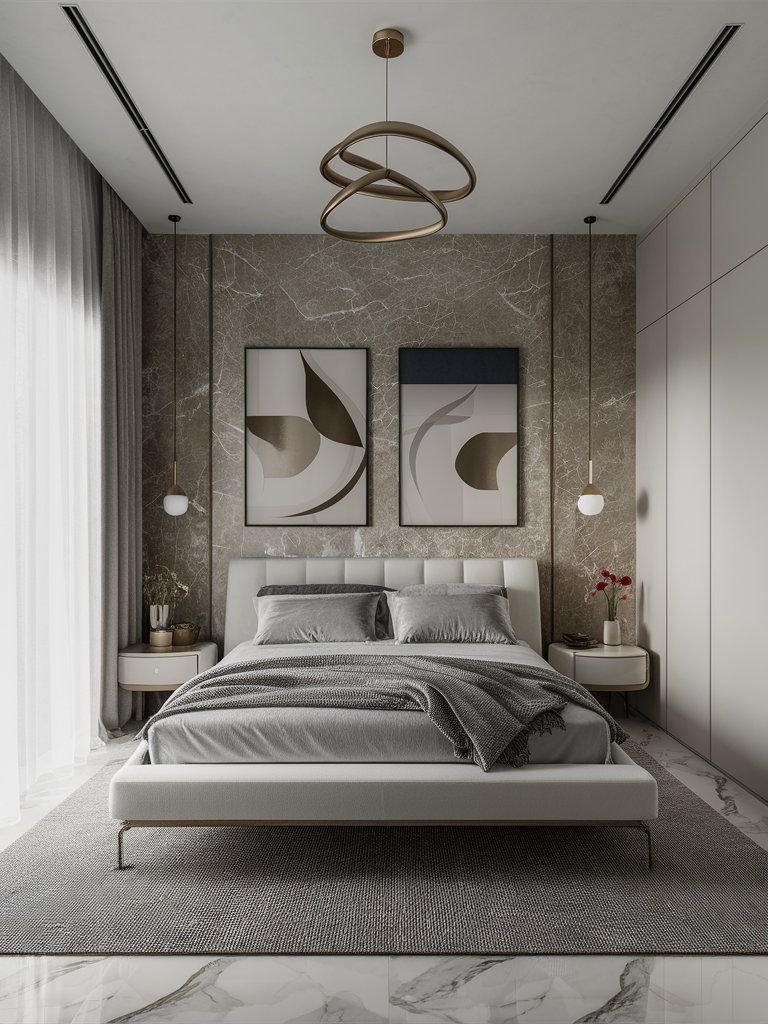
Décor in modern spaces is purposeful. Instead of many small accessories, you’ll often find one bold, statement-making piece, such as a large-scale painting, a sculptural lamp, or a striking rug.
Why Modern Interior Design Is So Popular
Modern interiors have stood the test of time and continue to dominate design trends. Here’s why:
1. Timeless Appeal
Its uncluttered look and neutral palette ensure modern interiors never feel outdated. They adapt to changing lifestyles without losing their essence.
2. Practical for Everyday Life
With functionality at its core, modern design suits today’s busy lifestyles. Open layouts, durable materials, and practical furniture make homes easy to live in and maintain.
3. Adaptability
Modern design pairs beautifully with other styles. You can mix it with Scandinavian for coziness, industrial for edginess, or bohemian for personality—without losing its essence.
4. A Sense of Calm
In a world filled with noise and clutter, modern interiors create peaceful, airy retreats. Their simplicity reduces visual stress, making homes feel like sanctuaries.
5. Connection to Nature
By emphasizing natural light, organic textures, and open spaces, modern design fosters a closer relationship with the outdoors.
How to Bring Modern Design Into Your Home
Adopting modern interior design doesn’t mean starting from scratch, it’s about making thoughtful choices. Here are practical tips to help you bring this style into your home:
1. Start with a Neutral Base
Use white or gray walls as a canvas, then add contrast with black or bold accent pieces.
2. Choose Functional Furniture
Invest in sleek, practical pieces with clean lines. Low-profile sofas, glass coffee tables, or built-in storage solutions all work beautifully.
3. Declutter Regularly
Modern design thrives on minimalism. Keep only what you love or use often, and store the rest out of sight.
4. Embrace Natural Light
Opt for sheer curtains or go bare to maximize sunlight. Large mirrors can also help reflect light into darker spaces.
5. Balance Materials
Pair hard surfaces like steel and glass with natural wood or textured fabrics to keep the room from feeling cold.
6. Invest in Statement Pieces
Instead of many small decorations, choose one bold element, such as a large painting, a sculptural chair, or a striking chandelier.
Final Thoughts
Modern interior design is more than a style, it’s a lifestyle choice rooted in simplicity, function, and timeless beauty. Its enduring popularity comes from its adaptability, calm atmosphere, and practical elegance. Whether you’re designing a new home, renovating a single room, or simply refreshing your décor, modern design offers a clear and reliable framework.
By understanding its origins, recognizing its key features, and embracing its principles, you can create a home that feels open, balanced, and effortlessly stylish. At the end of the day, modern interiors remind us that less can truly be more—and that simplicity, when done right, never goes out of style.