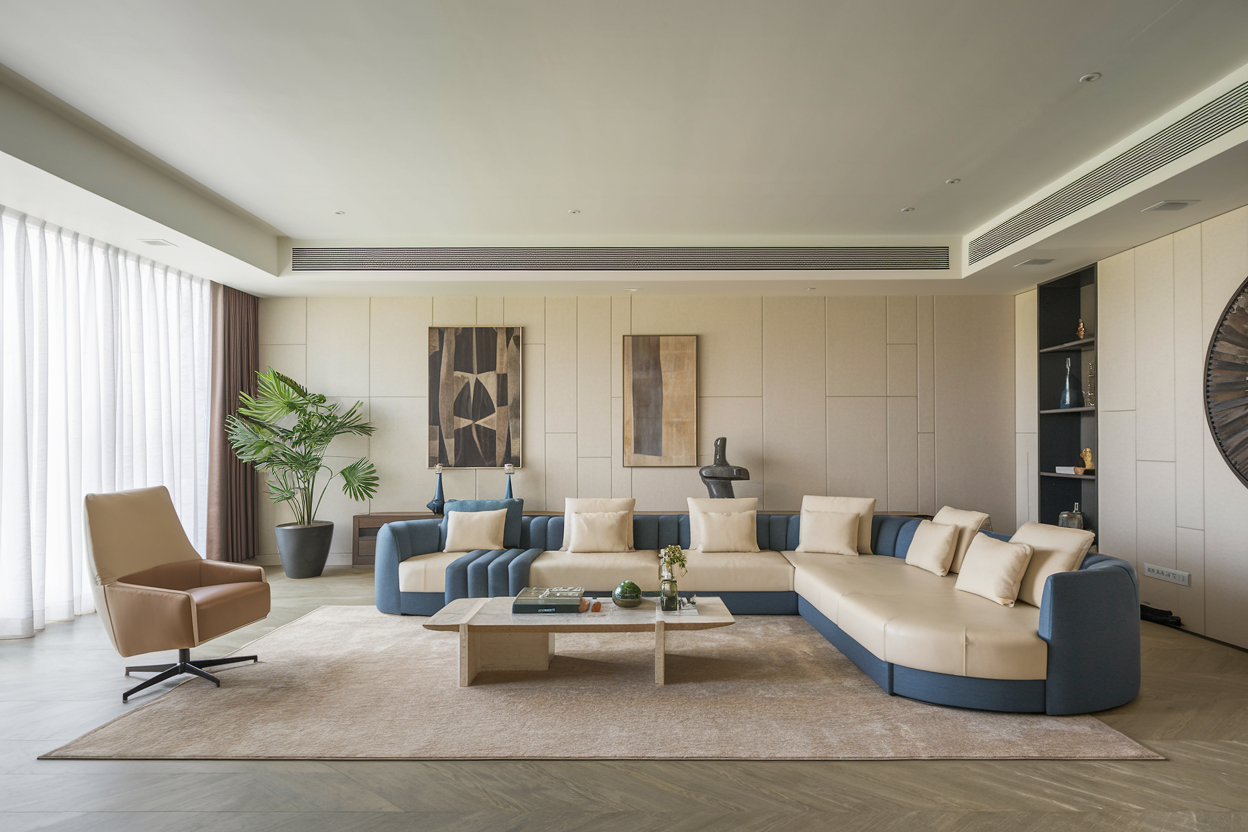
Interior design is more than just arranging furniture or picking out paint colors, it’s about telling a story through your home. Every choice you make, from the shape of a sofa to the color of your walls, plays a role in creating an atmosphere that reflects your personality and lifestyle. Design is also deeply tied to culture and history, which is why every style feels like a window into a different world.
Some styles celebrate clean simplicity, while others embrace layers of texture and detail. Some are rooted in tradition, while others reflect innovation and modern living. Whether you’re starting from scratch, redecorating one room, or simply refreshing a corner of your home, understanding the foundations of each style will help you make decisions that feel purposeful and cohesive.
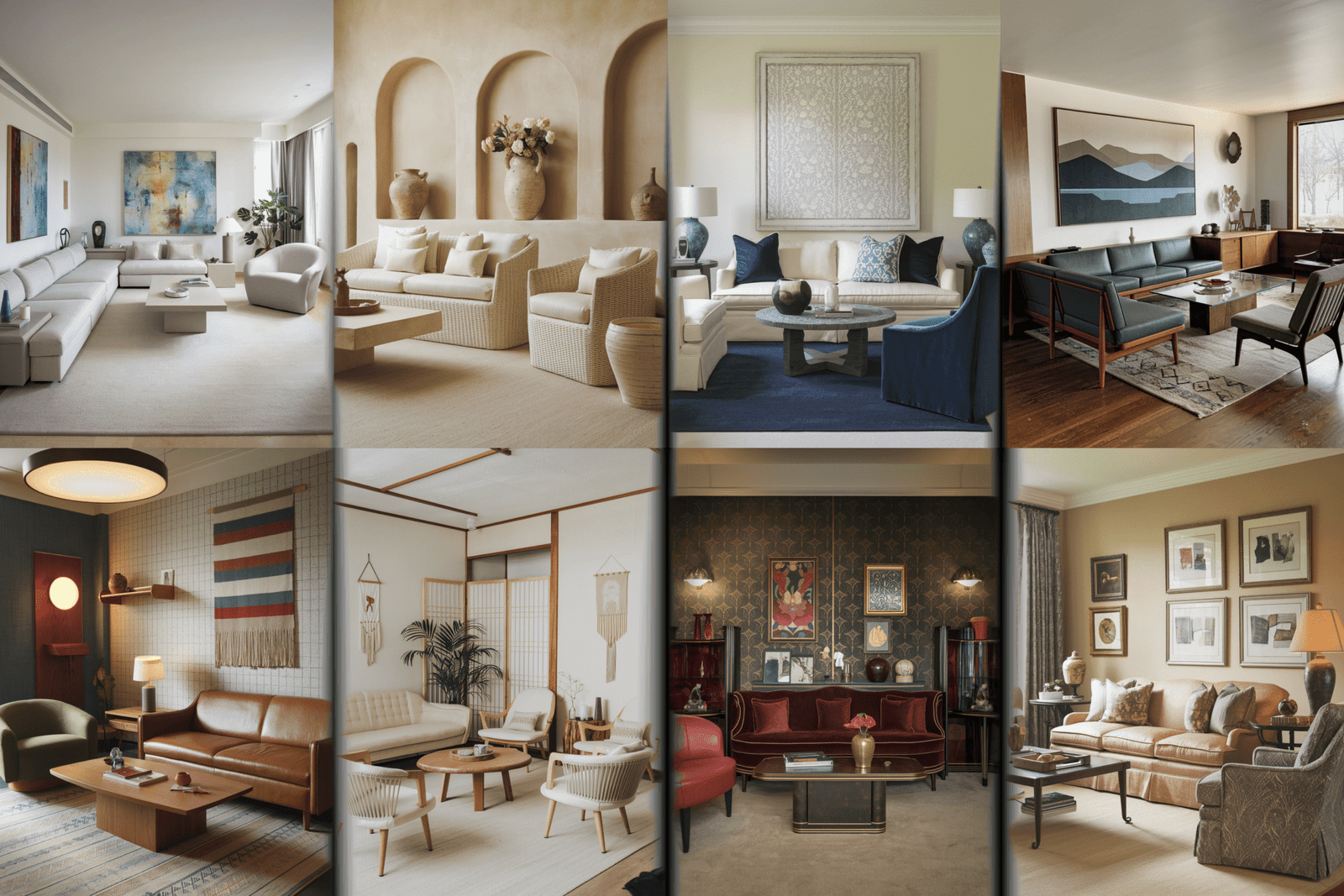
In this guide, we’ll explore 17 of the most timeless and popular interior design styles. From the sleek lines of modern spaces to the warm nostalgia of country cottages, these styles continue to inspire homeowners and designers around the world. For each one, you’ll discover defining elements, key characteristics, and practical tips to bring the look into your own home.
1. Modern Interior Design
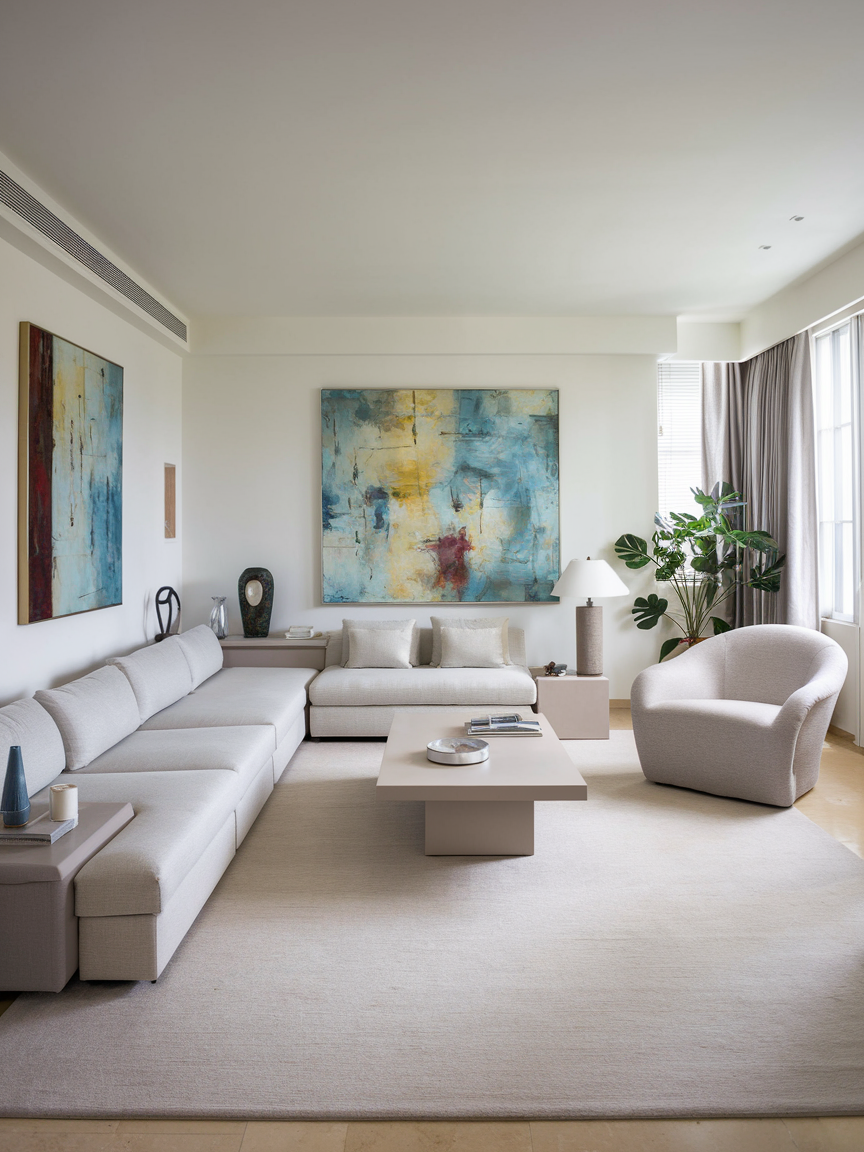
Modern design emphasizes function and simplicity, avoiding unnecessary ornamentation while embracing clean lines and open layouts. Originating in the early to mid-20th century, it celebrates innovation and efficiency without sacrificing comfort.
Key Elements :
- Smooth, polished surfaces like glass, steel, and wood.
- Open floor plans with minimal partitions.
- Neutral color palettes dominated by white, gray, and black.
How to Use It at Home :
Choose sleek, low-profile furniture with straight edges. Opt for oversized windows to let in natural light, and keep accessories purposeful rather than decorative. For warmth, add texture through wood finishes or one bold accent piece, such as abstract artwork or a sculptural floor lamp.
2. Minimalist Interior Design
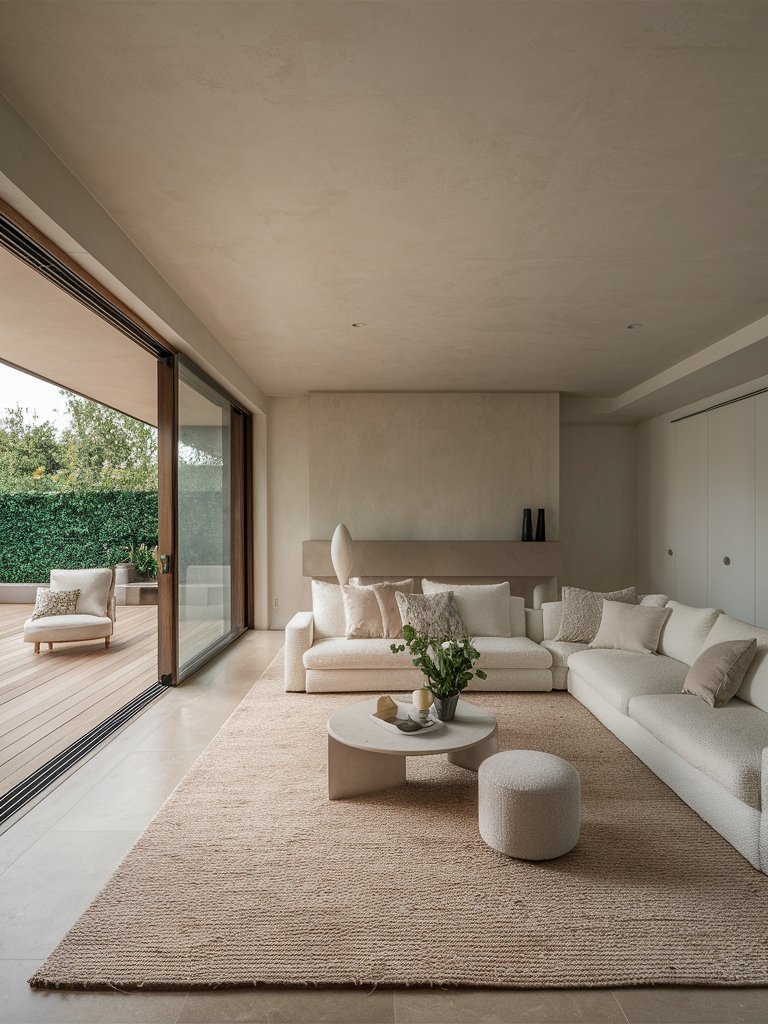
Minimalism takes modern principles further, stripping spaces down to their purest essentials. It’s all about living with intention and creating calm through simplicity.
Key Elements :
- Neutral palettes with subtle contrasts.
- Streamlined furniture with hidden storage.
- Open layouts filled with natural light.
How to Use It at Home :
Keep surfaces clutter-free, and only display what you truly love. A minimalist living room might feature a white sectional sofa, a simple oak coffee table, and one piece of wall art that sets the tone. Built-in storage and multipurpose furniture are perfect allies in this style.
3. Bohemian Interior Design
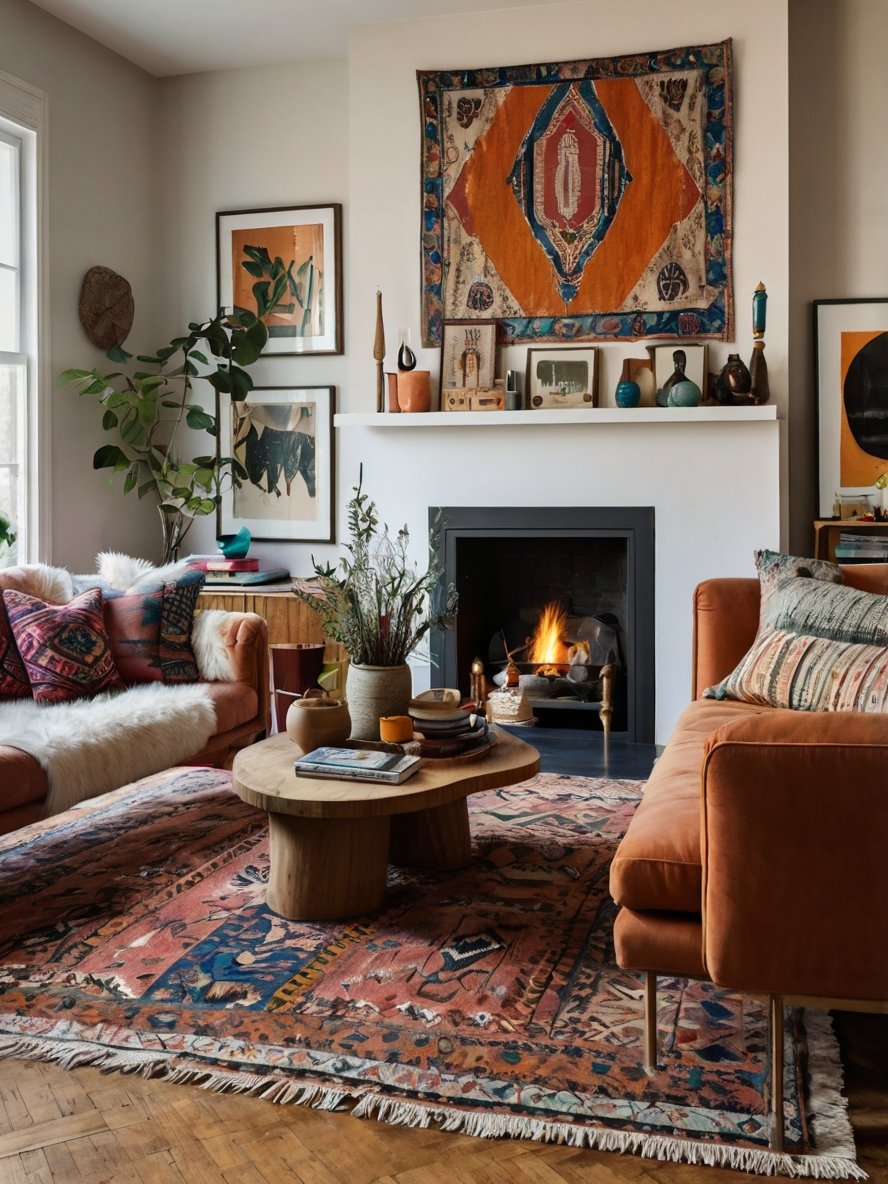
Boho style is vibrant, eclectic, and deeply personal. It reflects a free-spirited lifestyle inspired by travel, art, and culture.
Key Elements :
- Layered textiles in bold colors and patterns.
- Handmade or vintage furniture.
- Abundant greenery and natural accents.
How to Use It at Home :
Mix and match rugs, pillows, and throws in different textures. Incorporate global-inspired décor such as Moroccan lanterns or Indian tapestries. Plants are a must—hanging, potted, or oversized palms all add to the lush, lived-in vibe.
4. Mid-Century Modern Interior Design
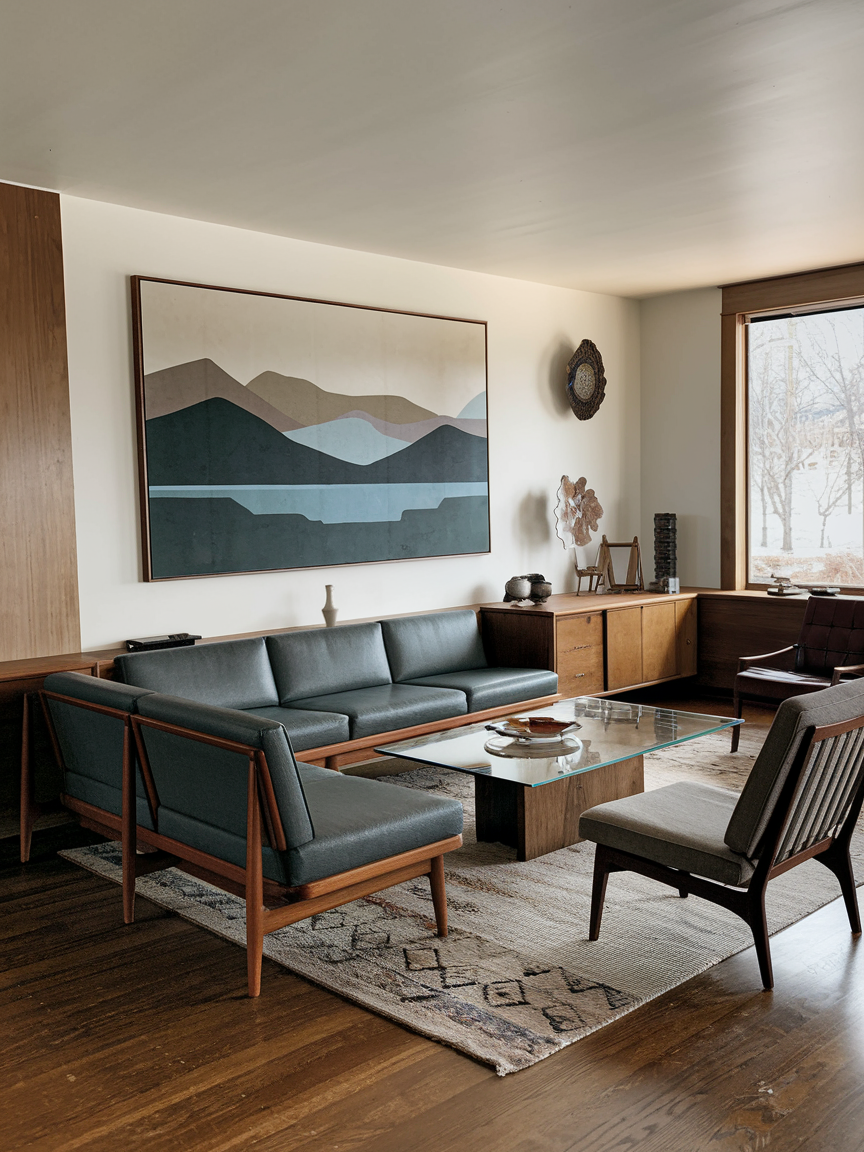
Born in the mid-20th century, this style remains iconic for its retro yet timeless charm. It emphasizes functionality, natural materials, and organic forms.
Key Elements :
- Clean lines with gentle curves.
- Tapered wooden legs on furniture.
- Earthy colors with bold pops (mustard, teal, burnt orange).
How to Use It at Home :
Choose statement furniture like an Eames lounge chair or a teak sideboard. Balance warm woods with playful colors, and add retro-inspired lighting fixtures for authenticity.
5. Scandinavian Interior Design
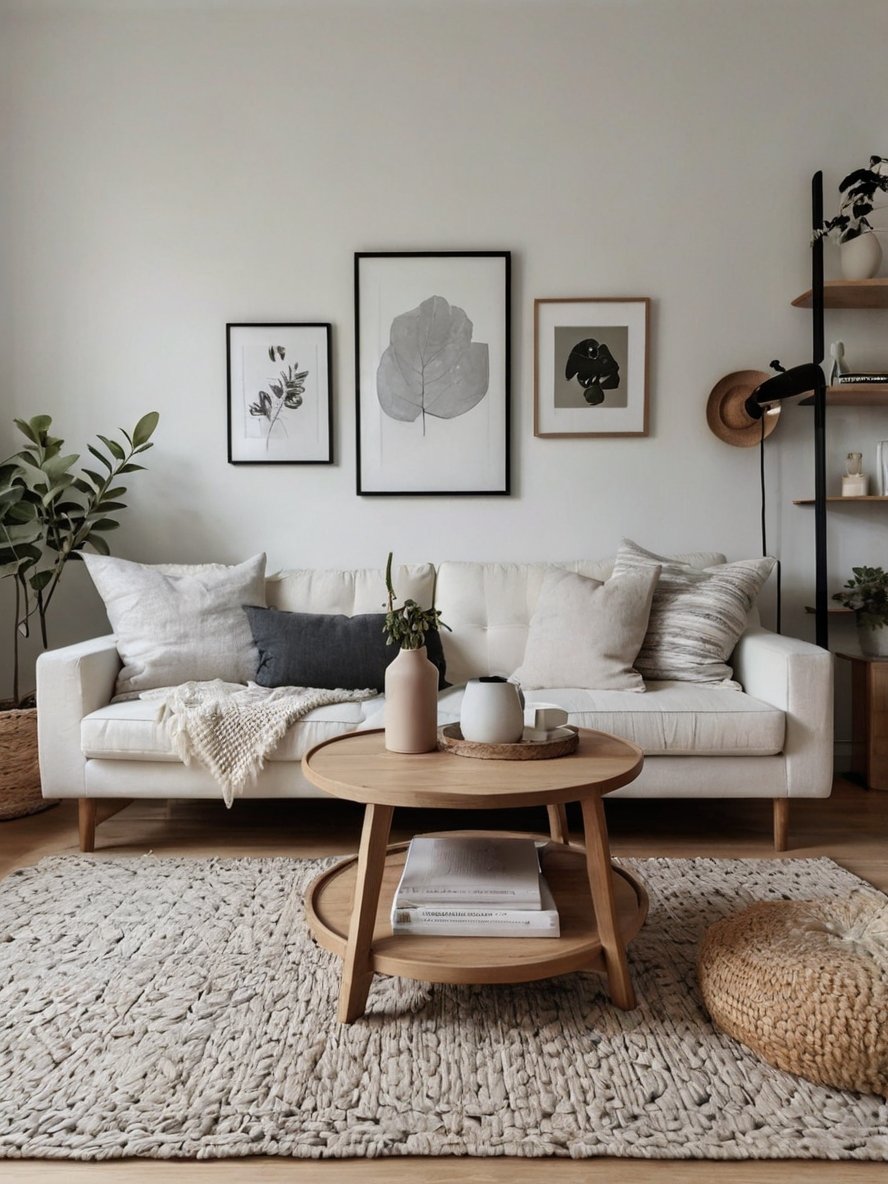
Scandinavian style celebrates simplicity, comfort, and connection to nature. Inspired by Nordic living, it balances minimalism with warmth.
Key Elements :
- White or neutral backdrops.
- Light woods and functional furniture.
- Cozy textures like wool, faux fur, and linen.
How to Use It at Home :
Layer textiles to create coziness, and use soft, diffused lighting. Keep the color palette airy with whites and muted tones, adding warmth through natural wood furniture. A Scandinavian living room should feel both practical and inviting.
6. Industrial Interior Design
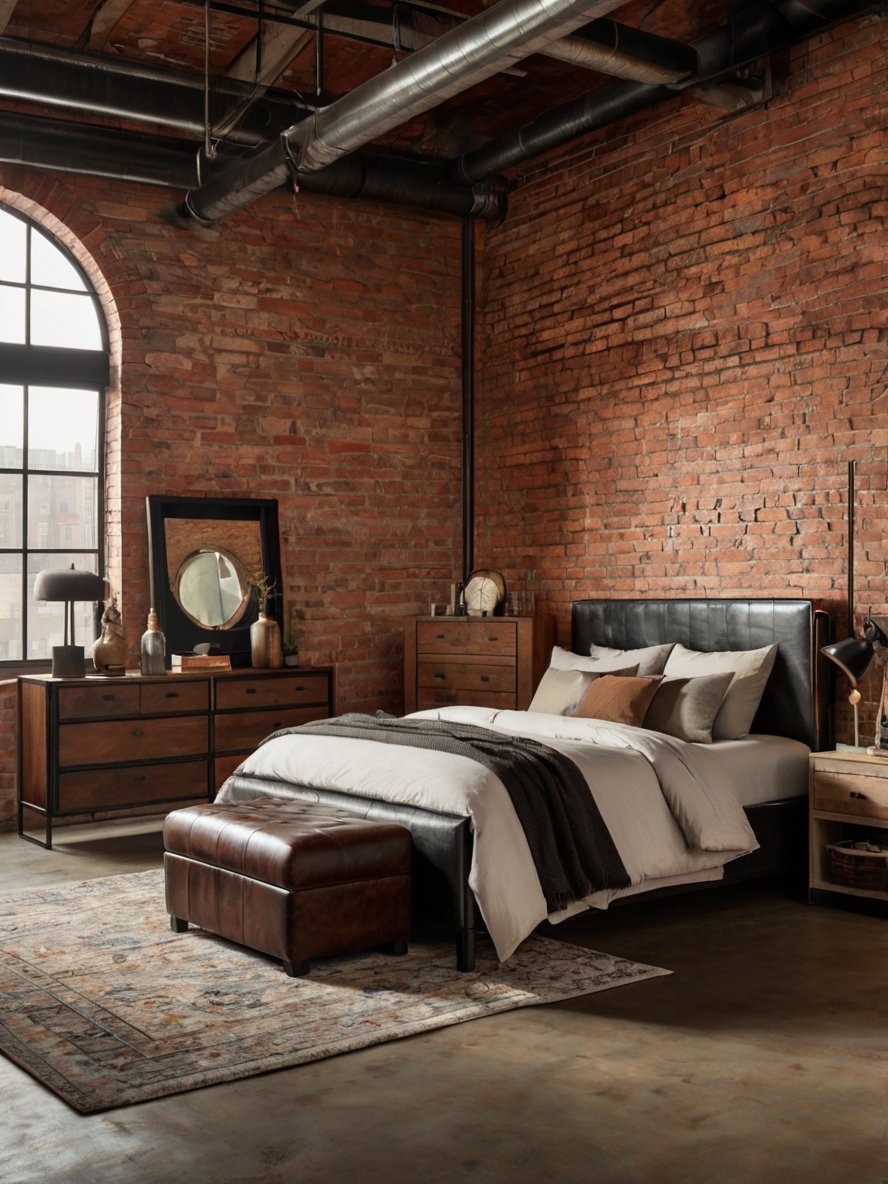
Industrial interiors are raw and edgy, inspired by warehouses and loft conversions. It celebrates exposed materials and utilitarian design.
Key Elements :
- Brick, steel, concrete, and unfinished wood.
- Open spaces with high ceilings.
- Metal light fixtures and vintage accents.
How to Use It at Home :
Combine leather furniture with reclaimed wood and metal. Embrace exposed pipes, brick walls, or concrete floors. Accessories like Edison bulbs and factory-style shelving capture the industrial vibe.
7. Traditional Interior Design
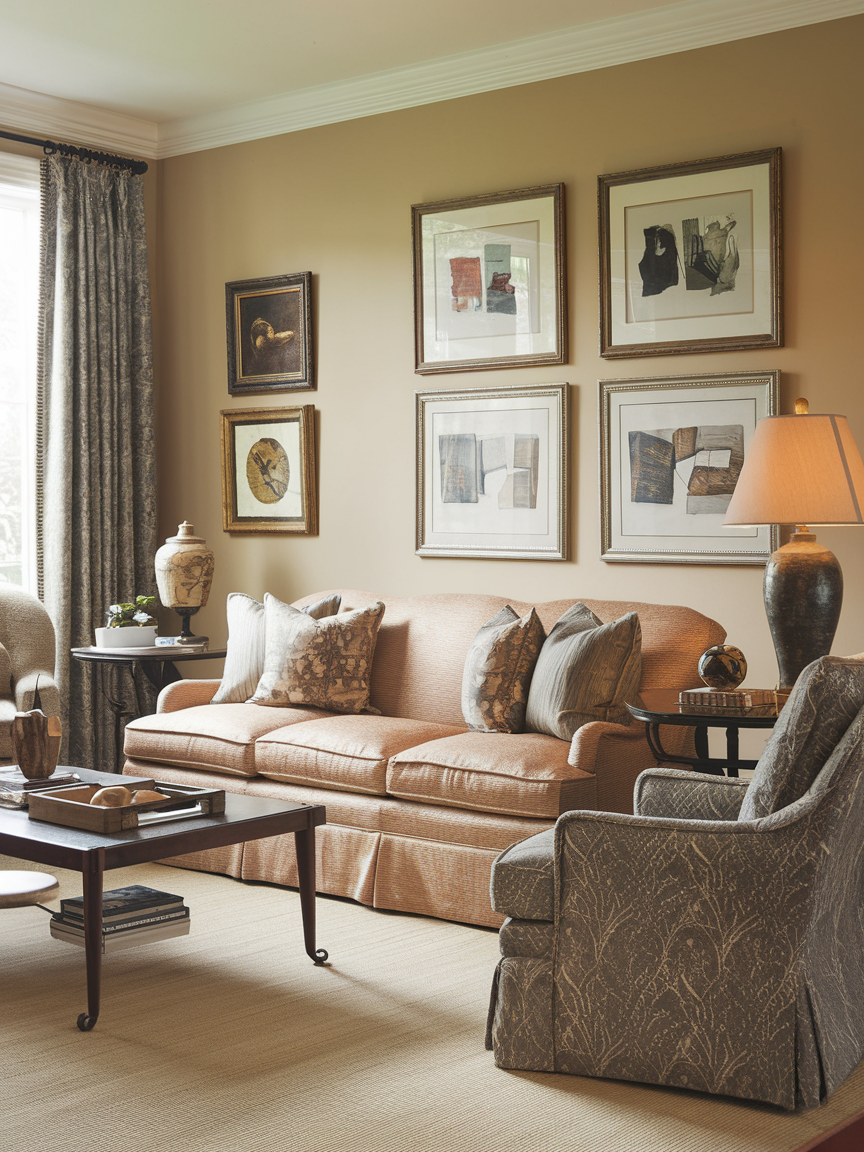
Rooted in European design, traditional interiors emphasize elegance, formality, and symmetry. This style creates spaces that feel classic and timeless.
Key Elements :
- Ornate wood furniture and carved details.
- Rich fabrics like velvet, silk, and brocade.
- Warm, muted palettes with deep jewel tones.
How to Use It at Home :
Add crown molding, heavy drapery, and classic art. Use matching pairs of lamps or chairs to create balance. Traditional spaces often feel layered, luxurious, and curated.
8. Transitional Interior Design
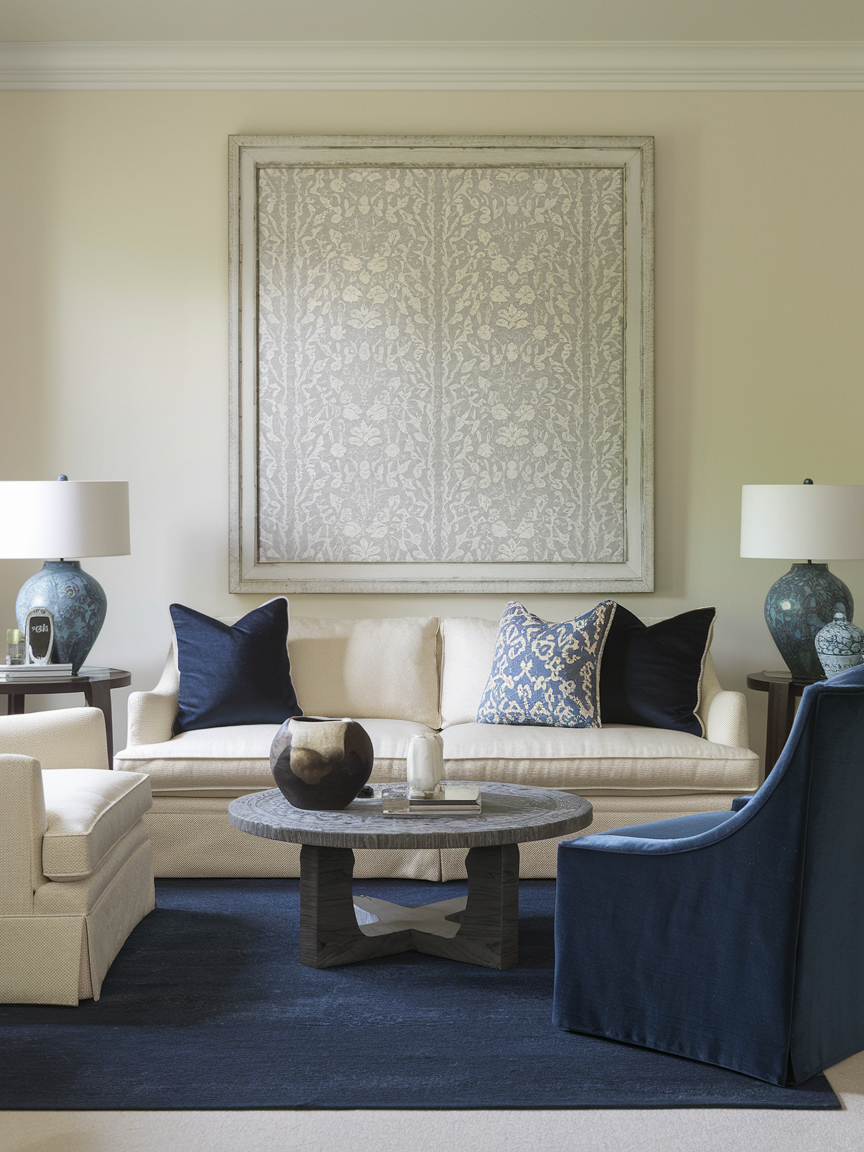
Transitional style blends the warmth of traditional design with the clean simplicity of modern aesthetics. It’s versatile and approachable.
Key Elements :
- Neutral color schemes.
- A mix of classic and contemporary furniture.
- Soft fabrics with minimal patterns.
How to Use It at Home :
Pair traditional pieces, like a tufted sofa, with modern accents, such as a sleek glass table. Keep the palette understated, and let textures create depth.
9. Farmhouse Interior Design
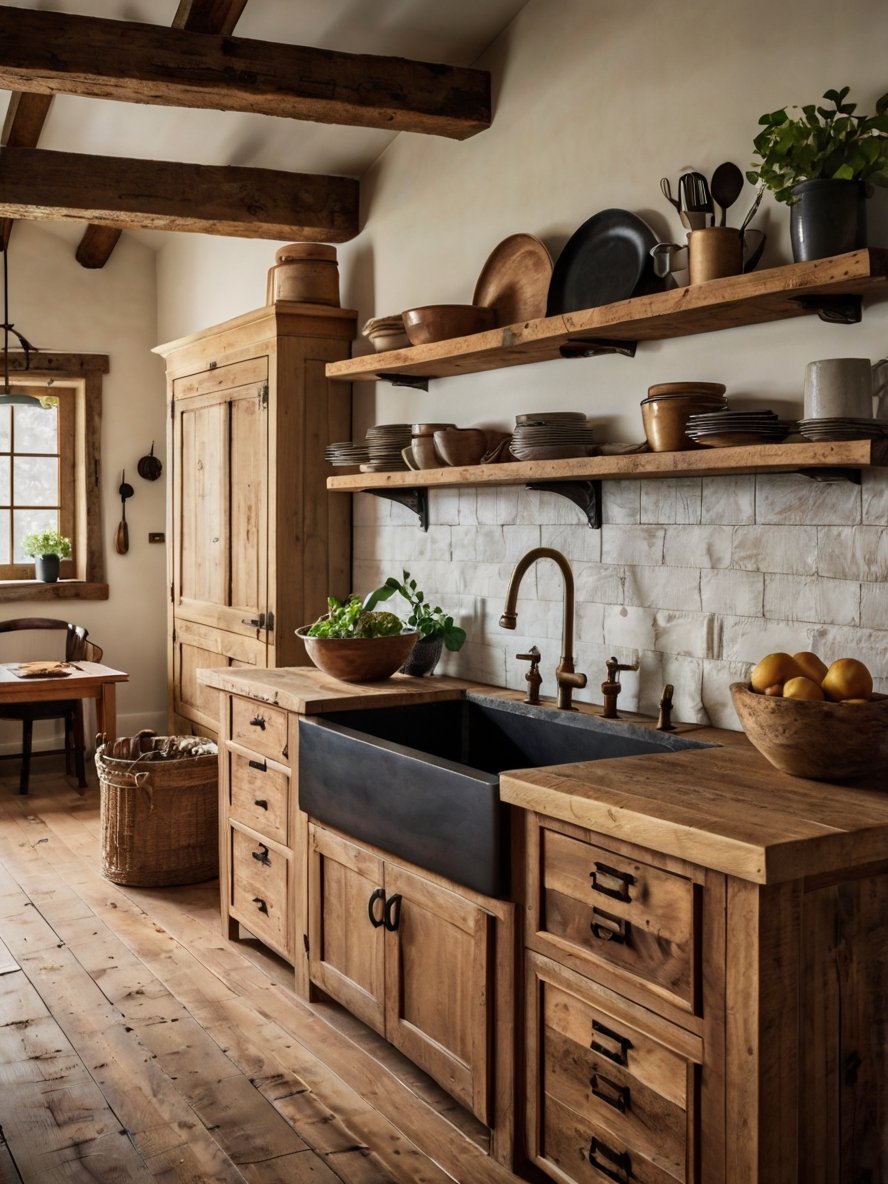
Farmhouse style is cozy, rustic, and welcoming. Modern farmhouse adds a polished twist to the classic country look.
Key Elements :
- Reclaimed wood, shiplap, and barn doors.
- Simple textiles like linen and plaid.
- Neutral palettes with black or navy accents.
How to Use It at Home :
Incorporate open shelving in the kitchen, apron-front sinks, and oversized dining tables. Add rustic charm with distressed finishes and handmade décor.
10. Japandi Interior Design
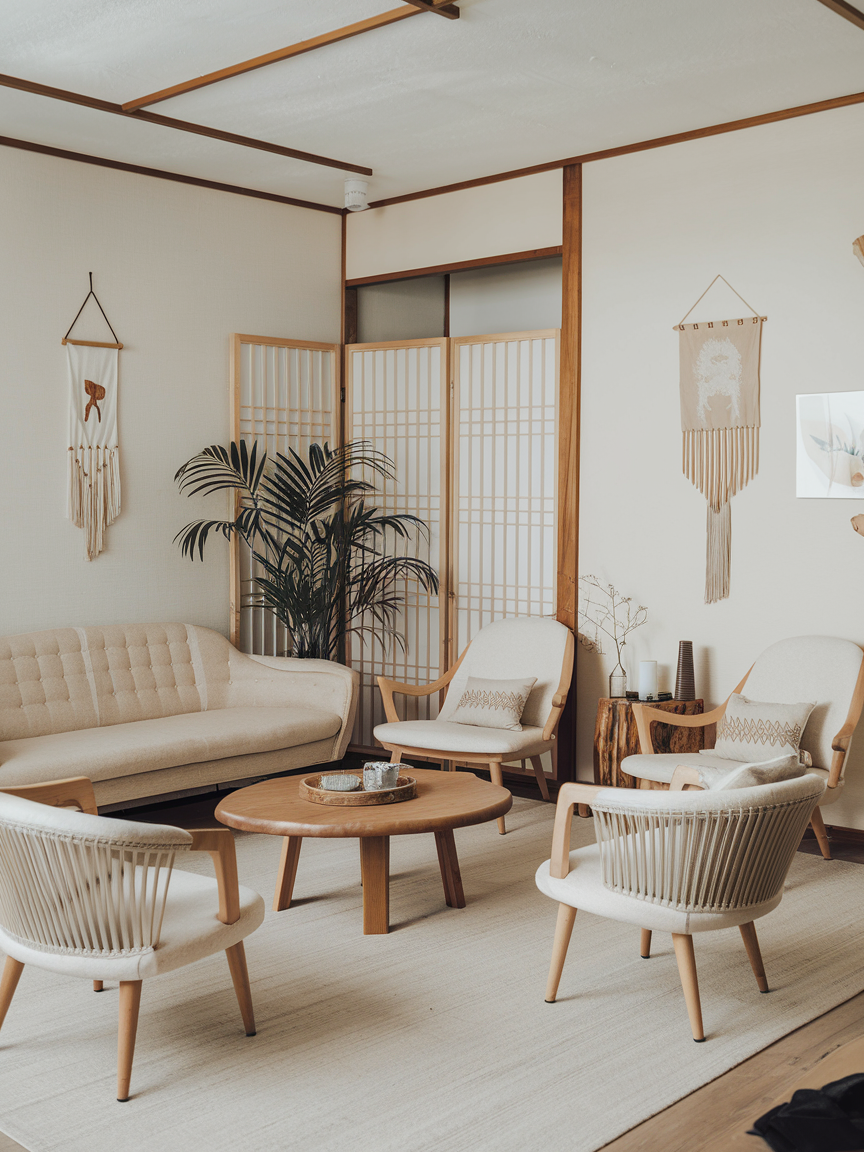
Japandi combines Japanese minimalism with Scandinavian comfort. It creates serene, clutter-free spaces grounded in natural elements.
Key Elements :
- Muted, earthy color palettes.
- Low-profile furniture with clean lines.
- Natural textures like bamboo, stone, and linen.
How to Use It at Home :
Prioritize quality over quantity. Choose functional furniture crafted from natural materials, and keep the layout open and airy. Use lighting that creates warmth without overwhelming the simplicity.
11. Coastal Interior Design
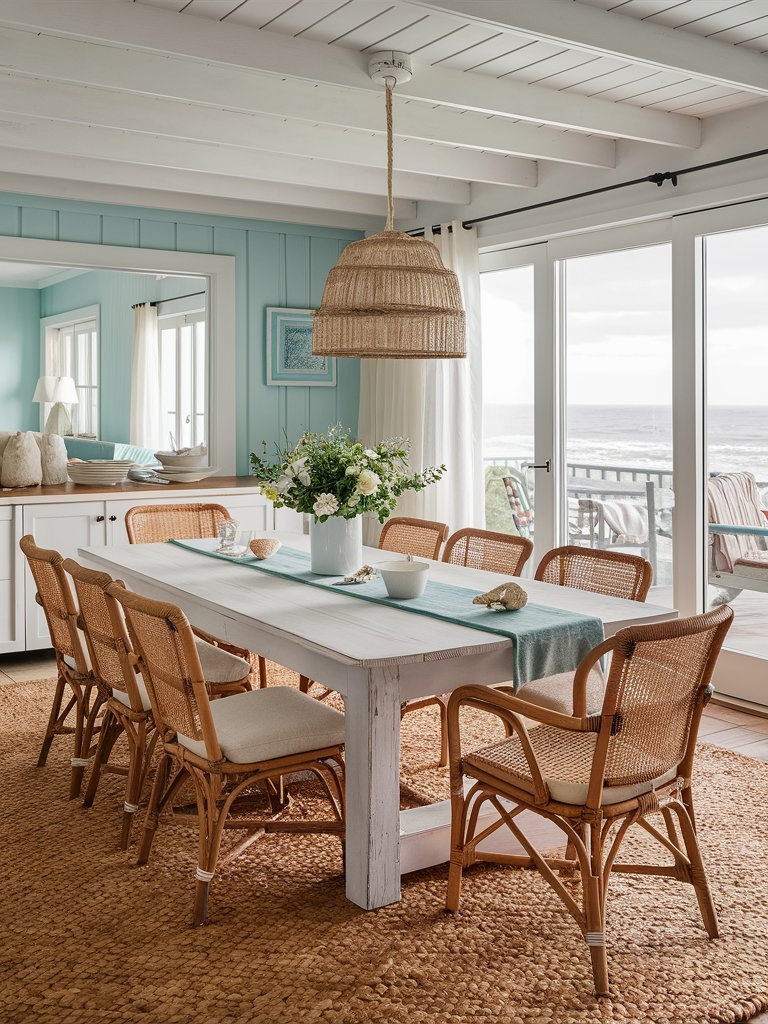
Coastal style channels breezy, seaside living. It’s casual, calming, and light-filled.
Key Elements :
- Whites, blues, and sandy neutrals.
- Rattan, wicker, and driftwood.
- Light fabrics and airy curtains.
How to Use It at Home :
Use striped textiles, woven baskets, and nautical-inspired décor. Keep the palette fresh with plenty of whites and soft blues. Large windows and sheer drapes invite sunlight and sea breezes.
12. Mediterranean Interior Design
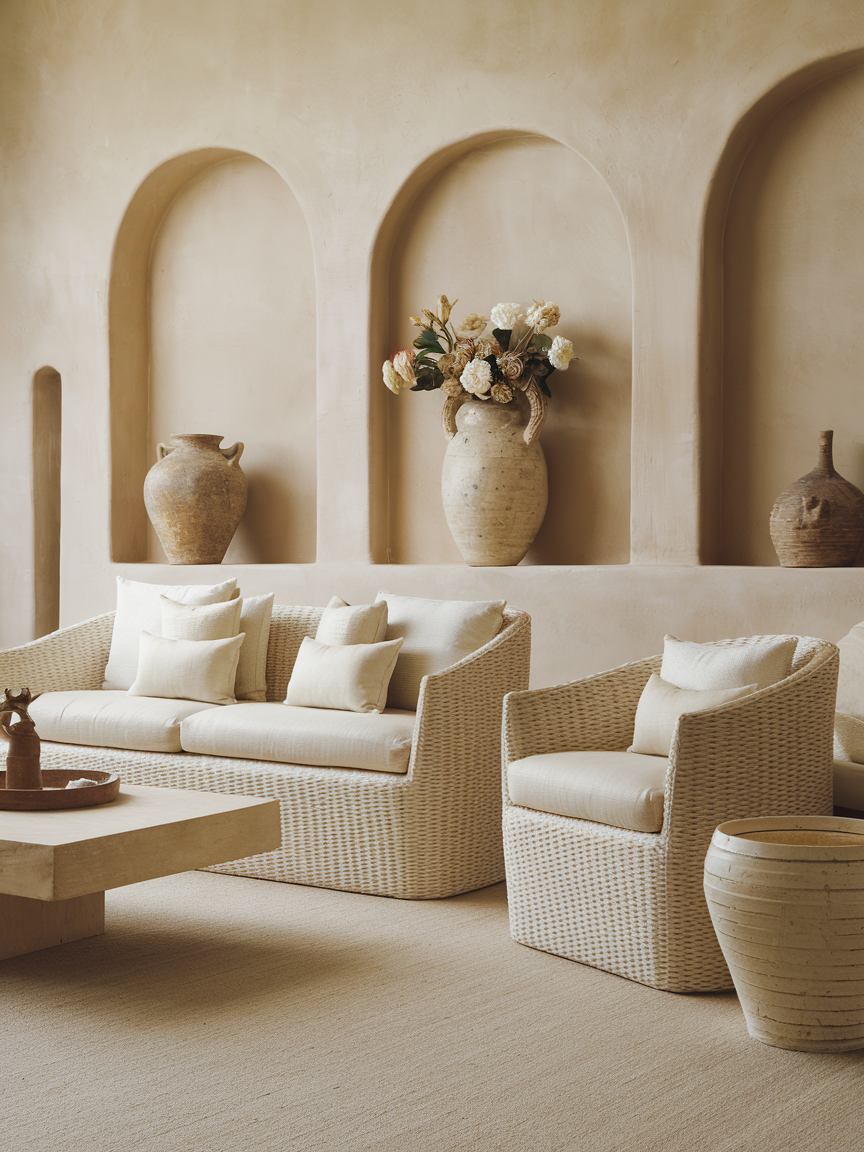
Inspired by Southern Europe, Mediterranean style is warm, textured, and inviting.
Key Elements :
- Whitewashed walls and terracotta tiles.
- Arches, wrought iron, and rustic beams.
- Earthy neutrals with splashes of blue and green.
How to Use It at Home :
Add mosaic tile backsplashes, outdoor courtyards with clay pots, and rustic wooden furniture. Mediterranean homes celebrate both indoor and outdoor living.
13. Retro Interior Design
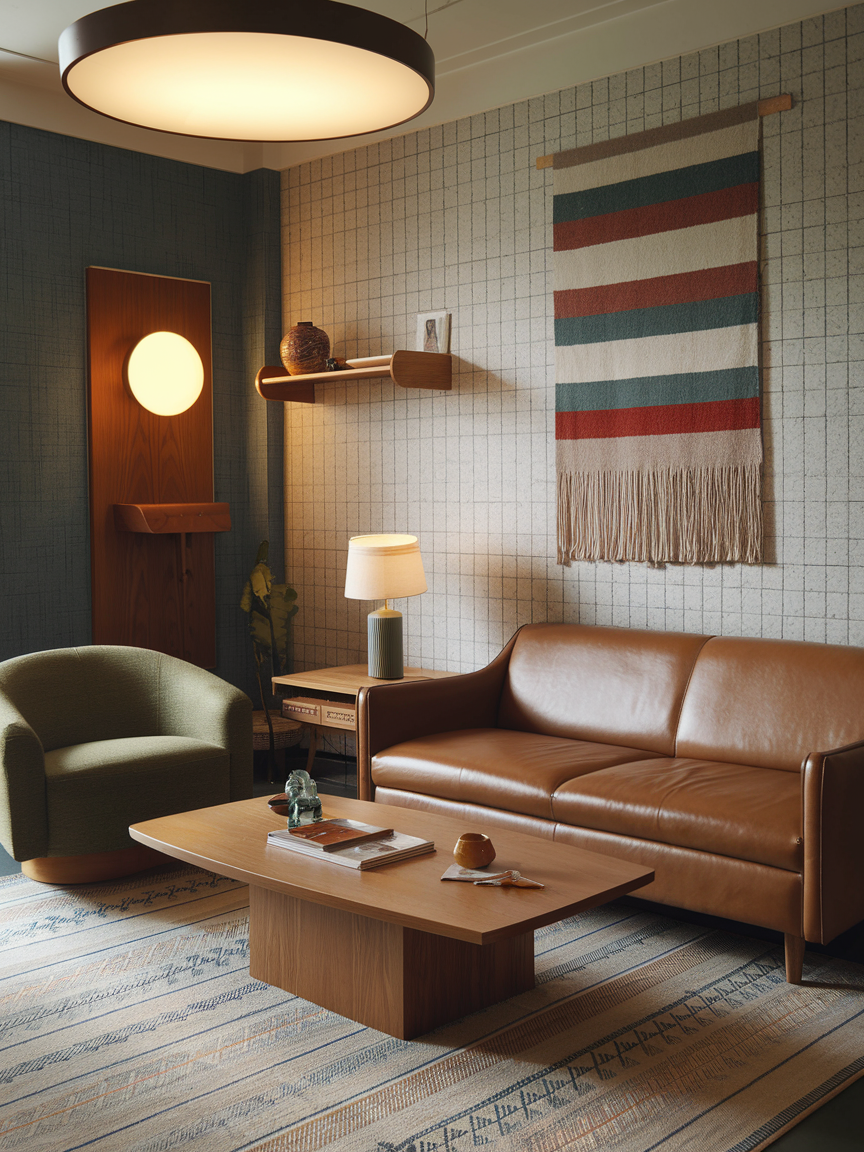
Retro style celebrates the bold and playful energy of the mid-20th century. It’s colorful, nostalgic, and fun.
Key Elements :
- Bright hues like orange, teal, and mustard.
- Funky geometric and psychedelic prints.
- Vintage furniture with character.
How to Use It at Home :
Add statement wallpaper, playful accent chairs, and retro lighting. Vintage record players, bar carts, or patterned rugs instantly add nostalgic charm.
14. Tropical Interior Design
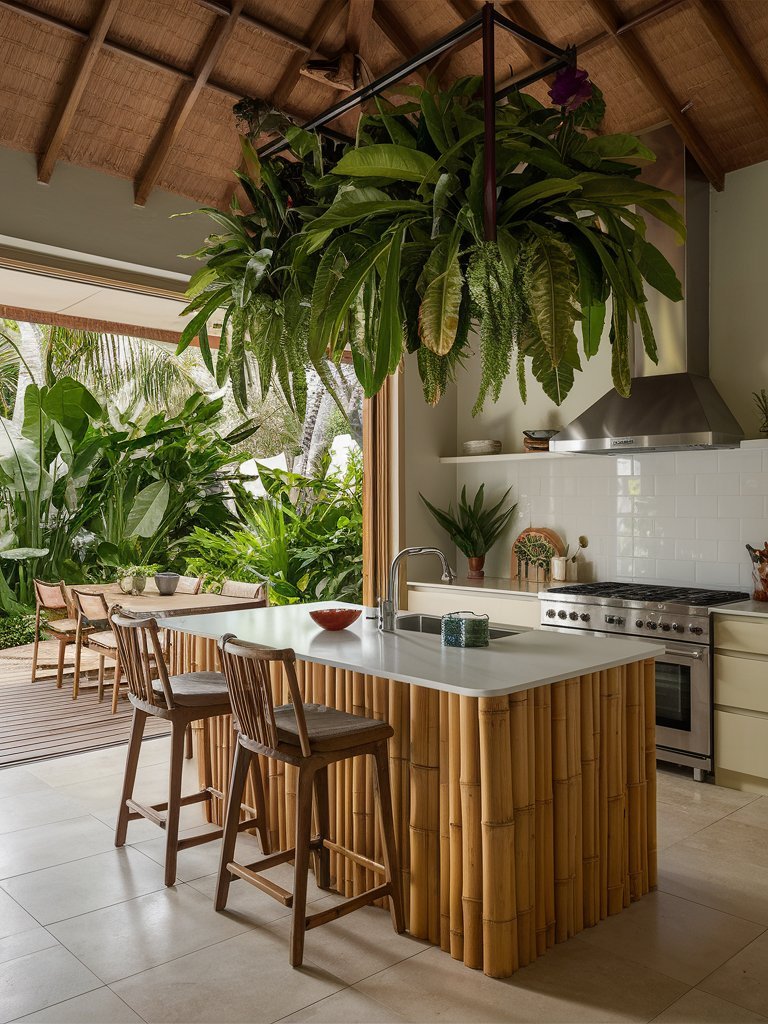
Tropical interiors bring vacation vibes into everyday living. They feel vibrant, refreshing, and connected to nature.
Key Elements :
- Botanical prints and leafy patterns.
- Natural materials like bamboo and rattan.
- Bright, sunny color palettes.
How to Use It at Home :
Incorporate palm-inspired wallpaper, houseplants, and wicker furniture. Keep fabrics light and breathable, and allow natural light to fill the room.
15. Art Deco Interior Design

Art Deco is all about glamour and luxury, blending bold design with opulence.
Key Elements :
- Geometric shapes and symmetry.
- Materials like marble, glass, and chrome.
- Jewel tones with metallic accents.
How to Use It at Home :
Introduce statement chandeliers, velvet armchairs, and mirrored furniture. Art Deco interiors often feel dramatic and sophisticated, with bold contrasts and elegant finishes.
16. Country Cottage Interior Design
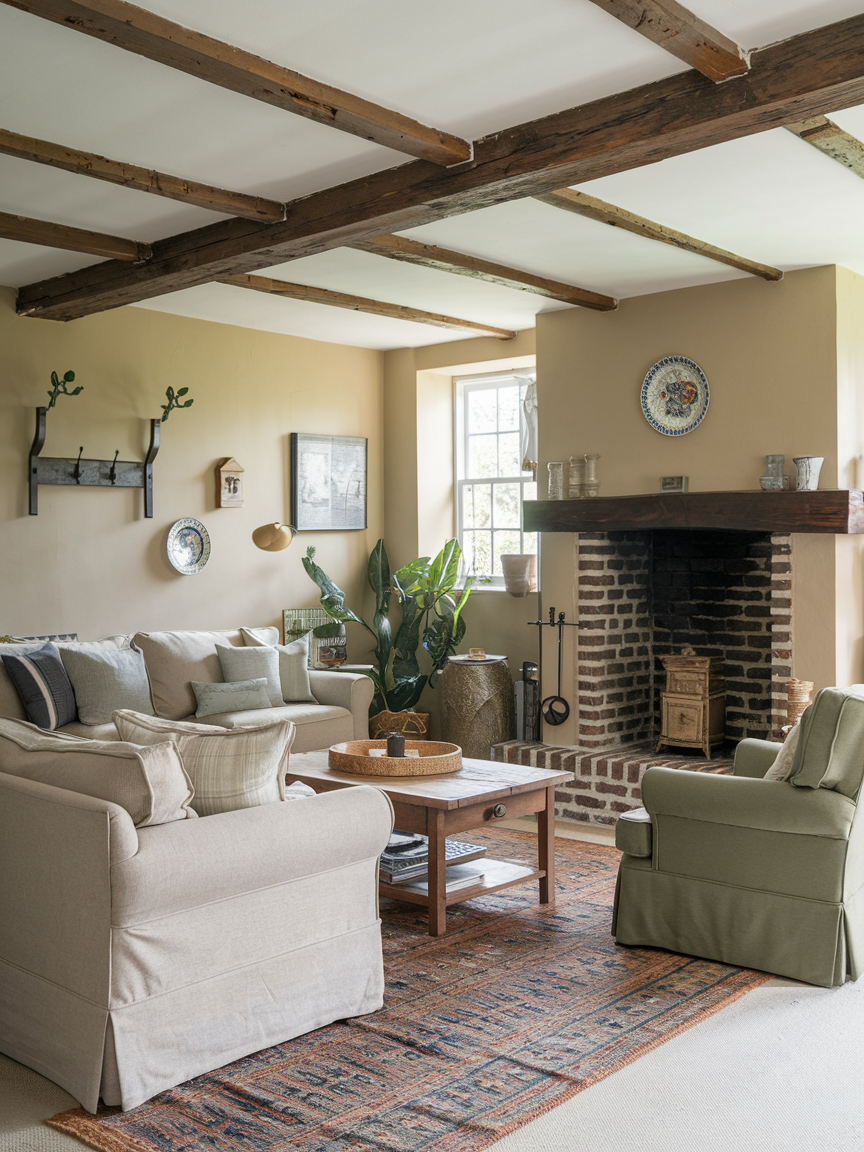
Country cottage style is quaint, cozy, and full of character. It combines rustic elements with soft, romantic details.
Key Elements :
- Pastel tones and floral fabrics.
- Distressed wood and vintage décor.
- Warm, inviting layers of texture.
How to Use It at Home :
Add slipcovered sofas, floral curtains, and antique accessories. Kitchens shine with open shelving, farmhouse sinks, and vintage dishware. This style thrives on charm and warmth.
17. Contemporary Interior Design
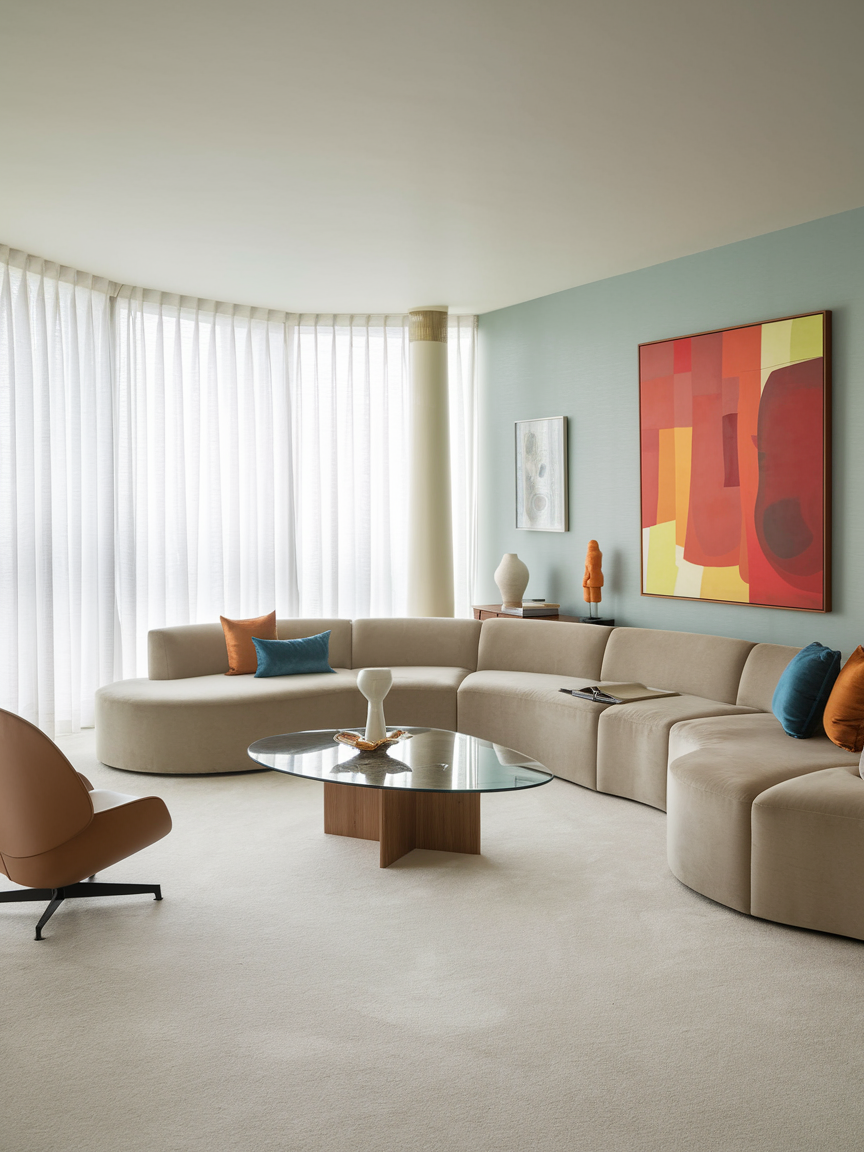
Contemporary design is often mistaken for modern, but the two are different. While modern design refers to a fixed historical period, contemporary design evolves with the present moment. It reflects current trends, often blending influences from modern, minimalism, and other emerging styles to create spaces that feel fresh and adaptable.
Key Elements :
- Neutral bases with bold, trendy accents.
- Smooth surfaces mixed with organic textures.
- Open, airy layouts with plenty of light.
How to Use It at Home :
Start with a simple, neutral palette, think whites, creams, and grays, then add pops of today’s trending colors or patterns. Mix sleek furniture with softer, curved forms for balance. Update the look regularly with contemporary art, statement lighting, or modern accessories to keep your space aligned with current trends.
Final Thoughts
Interior design isn’t just about following rules, it’s about finding a style that feels like home to you. These 17 timeless and popular styles give you a foundation, but the real magic happens when you make them your own. You might fall in love with the sleek lines of modern design, the coziness of Scandinavian interiors, or the bold vibrancy of retro and tropical looks.
Don’t be afraid to mix elements from different styles to create a home that tells your story. At the end of the day, the most important rule of design is that your space should make you feel comfortable, inspired, and truly yourself.