Scandinavian dining rooms are known for creating a beautiful balance between simplicity, comfort, and timeless style. Clean lines, light colors, natural materials, and functional furniture come together to make the space feel bright and welcoming without looking overly decorated. The result is a dining area that feels effortlessly stylish while remaining comfortable enough for relaxed everyday meals.
The beauty of Scandinavian design comes from its thoughtful approach to both form and function. Pale wood furniture can add warmth, while soft neutral tones create a calm backdrop. Cozy textiles, simple lighting, woven accents, and subtle greenery can introduce texture and personality without taking away from the clean aesthetic. Even smaller dining rooms can benefit from this practical style through smart layouts and carefully selected pieces.
Let’s discover these Scandinavian dining room ideas and see how clean lines, natural materials, and cozy accents can create a space that feels effortlessly stylish and welcoming!
1. A Minimalist Pendant Light
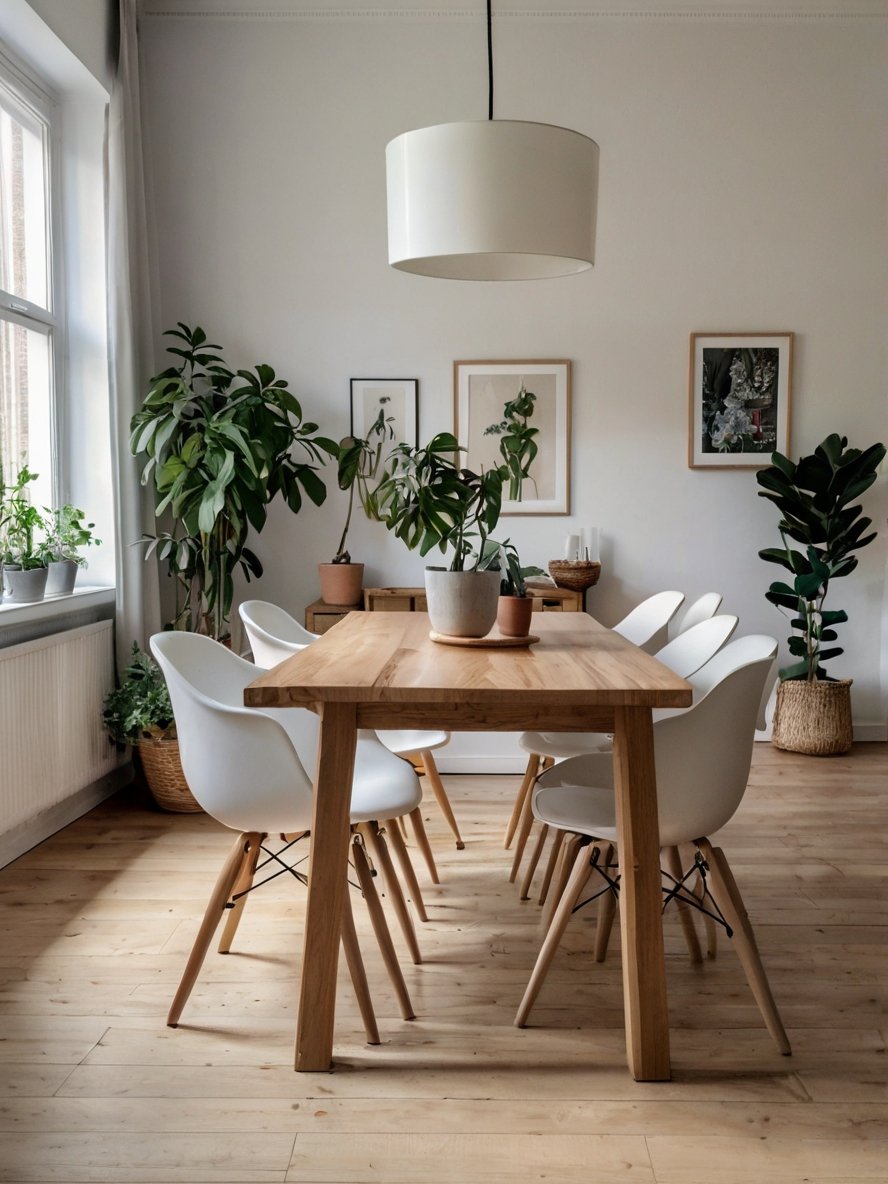
A minimalist pendant light can define the dining area while keeping the overall design clean and understated. A large cylindrical, rounded, or softly geometric fixture provides enough presence to become a focal point without competing with the natural materials in the room. White and neutral finishes blend beautifully into a Scandinavian palette, while a black cord can introduce a small but effective contrast. Choose a fixture that produces soft, diffused illumination to create a comfortable atmosphere during dinner and evening gatherings. The right pendant should feel decorative while remaining practical enough for everyday use.
2. A Calming Soft Gray Backdrop
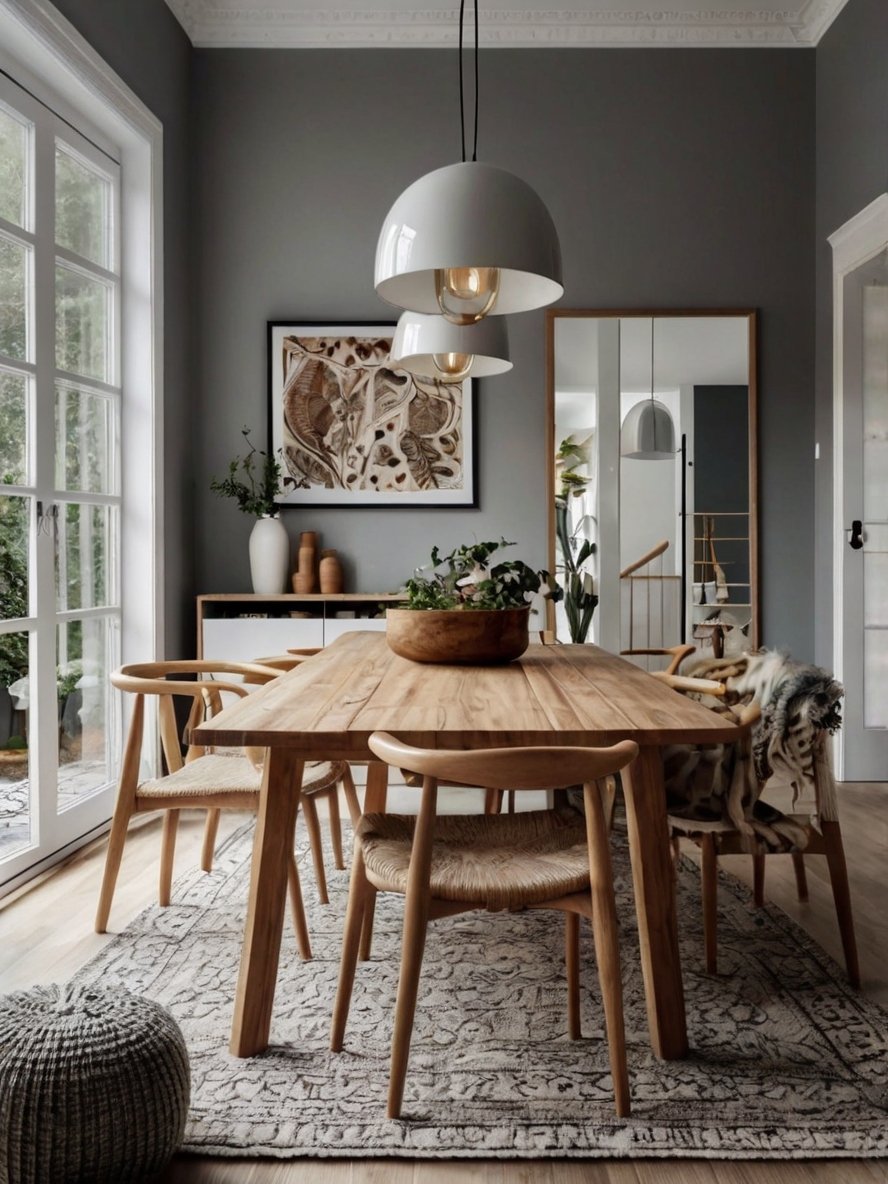
Soft gray walls add subtle depth to a Scandinavian dining room while preserving its peaceful and sophisticated character. The muted shade works beautifully with pale wood, white trim, woven textures, and greenery, creating a gentle contrast without making the space feel heavy. Gray can also make natural materials appear warmer and more noticeable, allowing furniture and decorative details to stand out. Choose a warm or neutral gray rather than a harsh, cool shade for a more comfortable atmosphere. This simple wall color can give the room a timeless foundation that remains stylish for years.
3. A Modern Nordic Touch
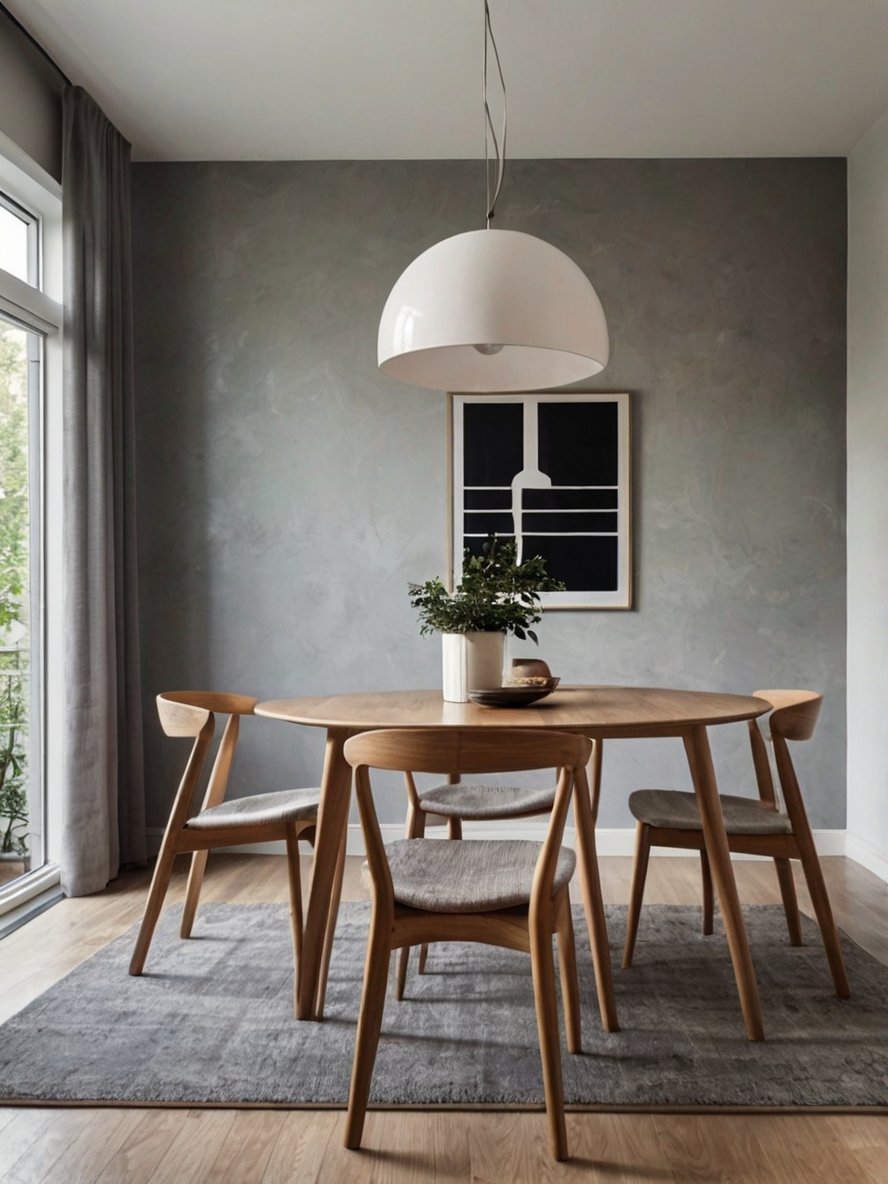
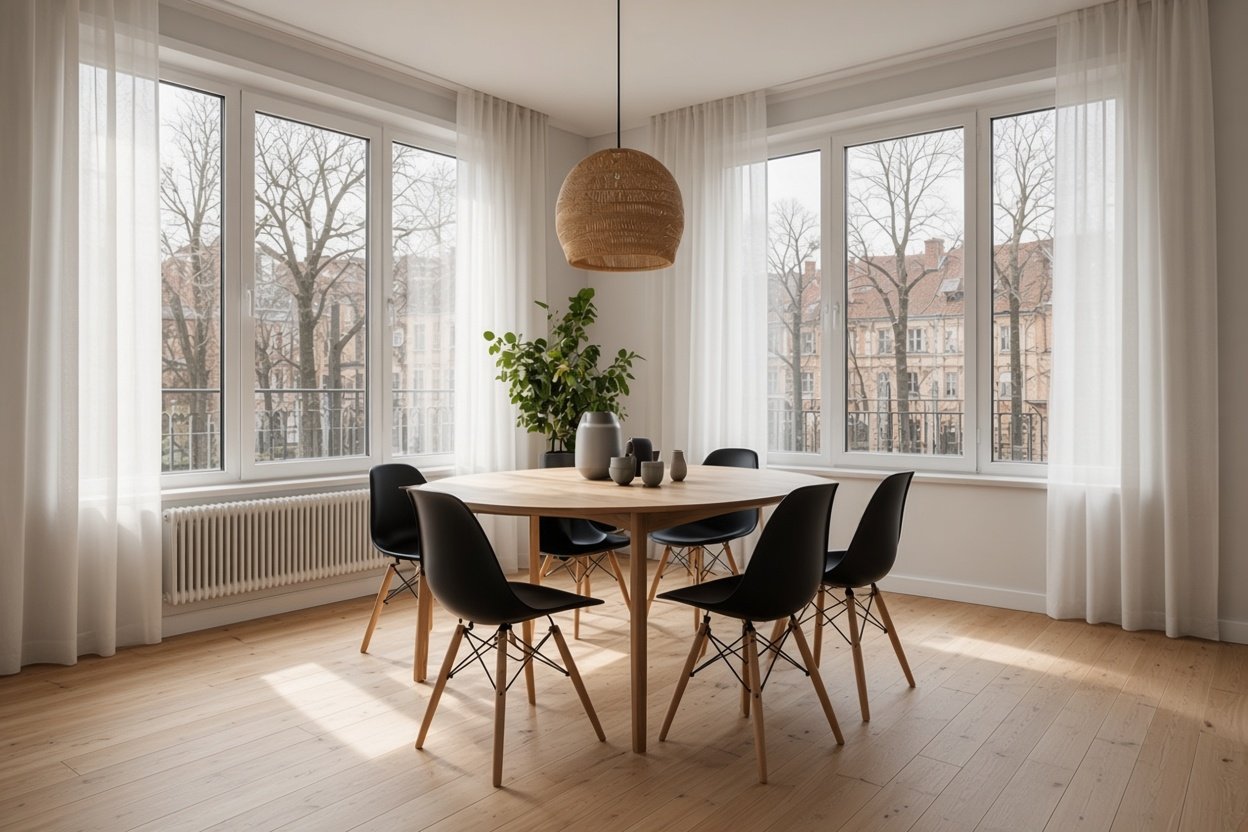
A sculptural pendant light can give a simple Scandinavian dining room a distinctive focal point without introducing unnecessary decoration. A large dome-shaped fixture is particularly effective because its smooth curves contrast with the straight lines of the dining table, chairs, and surrounding architecture. Choose a simple white, neutral, or natural finish to maintain the room’s understated character. Positioned directly above the table, the pendant also helps define the dining zone and provides a softer glow in the evening. It is a perfect example of how Scandinavian design combines practical lighting with beautiful, functional forms.
4. White Pedestal Dining Table
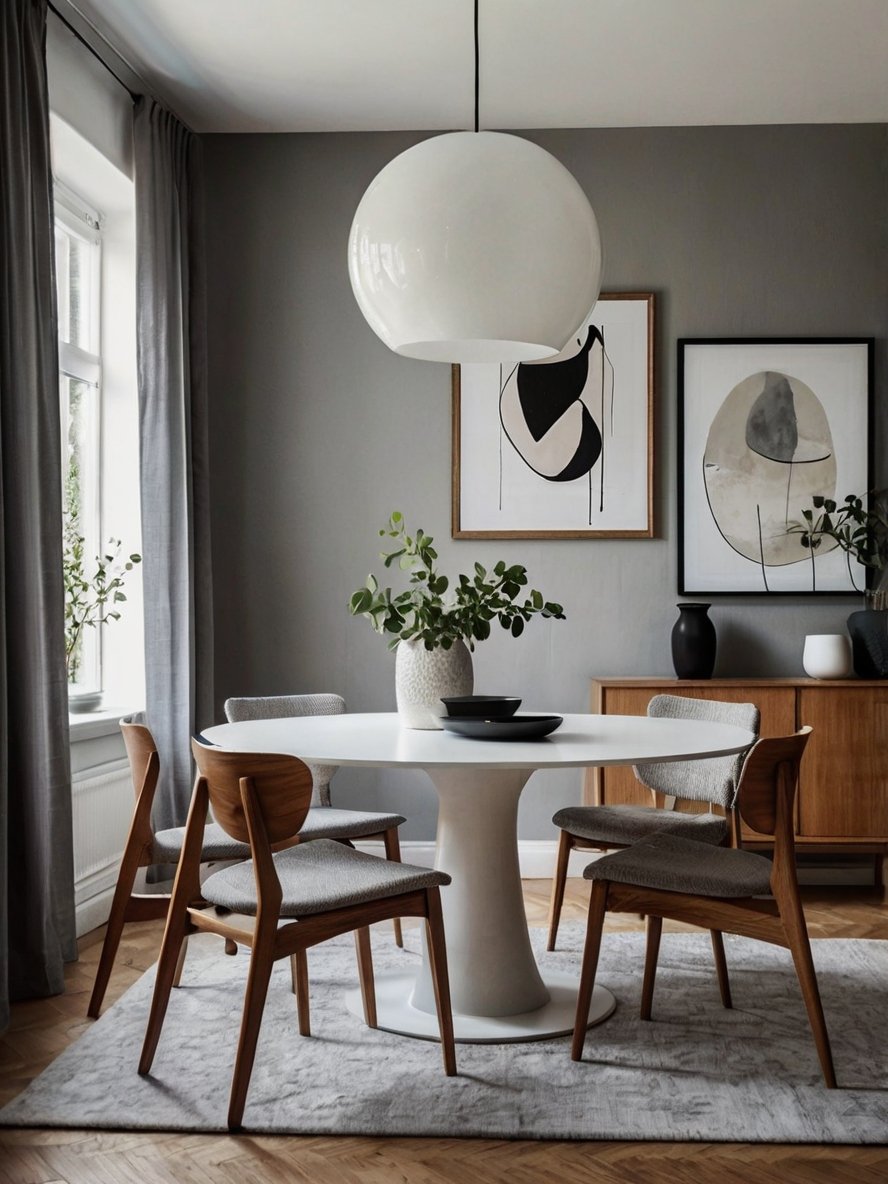
A white pedestal dining table offers a clean and contemporary interpretation of Scandinavian simplicity. Its smooth, rounded silhouette can soften the sharper lines of the surrounding furniture, while the central base creates a more open appearance around the seating area. The matte white surface reflects natural light and helps maintain the bright atmosphere of the room. A circular design also encourages conversation because everyone can easily see and interact with one another. Pair the table with natural wood chairs to introduce warmth and contrast. The result is a modern dining setup that feels light, welcoming, and perfectly suited to a minimalist Nordic interior.
5. Thoughtful Composition
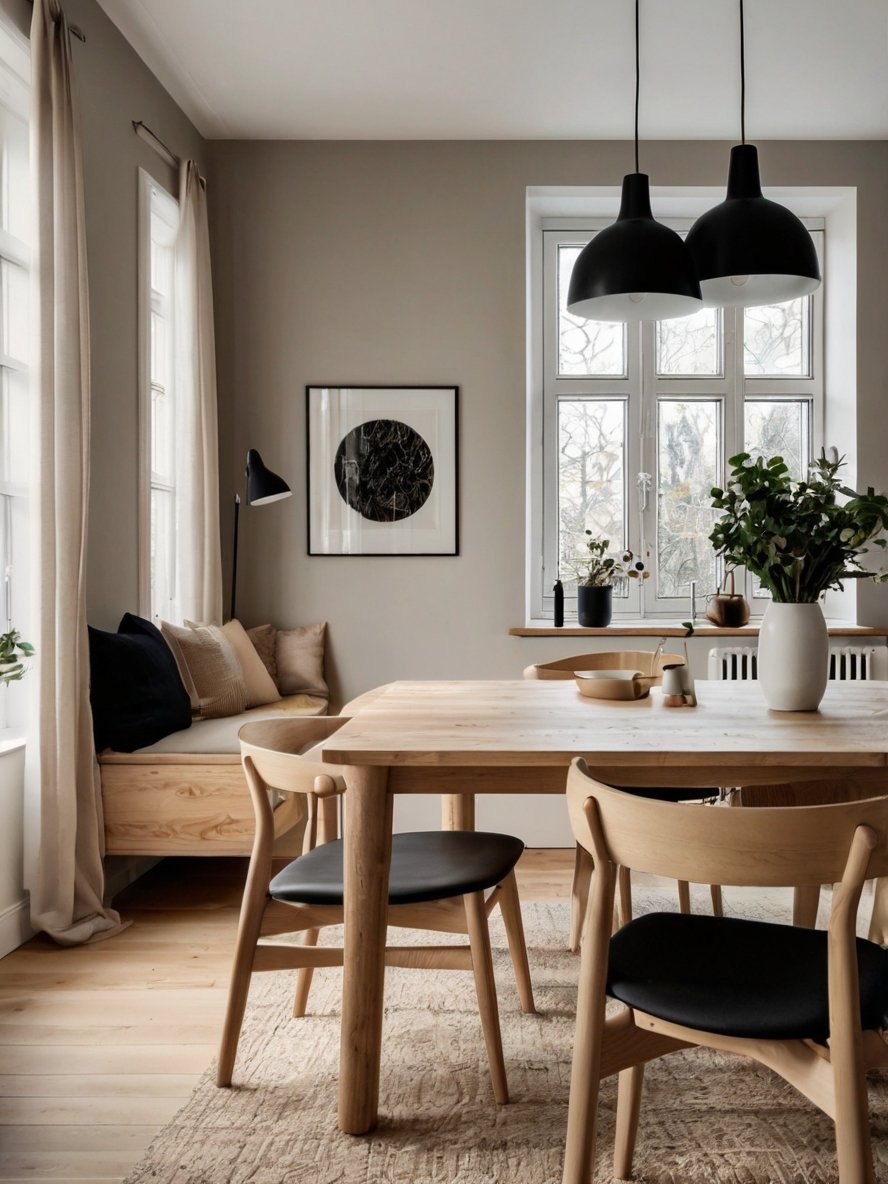
The most successful Scandinavian dining rooms are created through a careful balance of light, materials, colors, textures, and functionality. Instead of filling the room with decorative objects, every piece should have a clear purpose and contribute to the overall atmosphere. A wooden table adds warmth, a pendant defines the dining area, plants introduce nature, and large windows connect the room to the outdoors. Keeping the composition intentional allows each element to stand out while maintaining a sense of harmony. The finished space should feel comfortable and lived-in rather than overly styled, combining simplicity, practicality, natural beauty, and timeless Scandinavian charm.
6. A Modern Wireframe Pendant Light
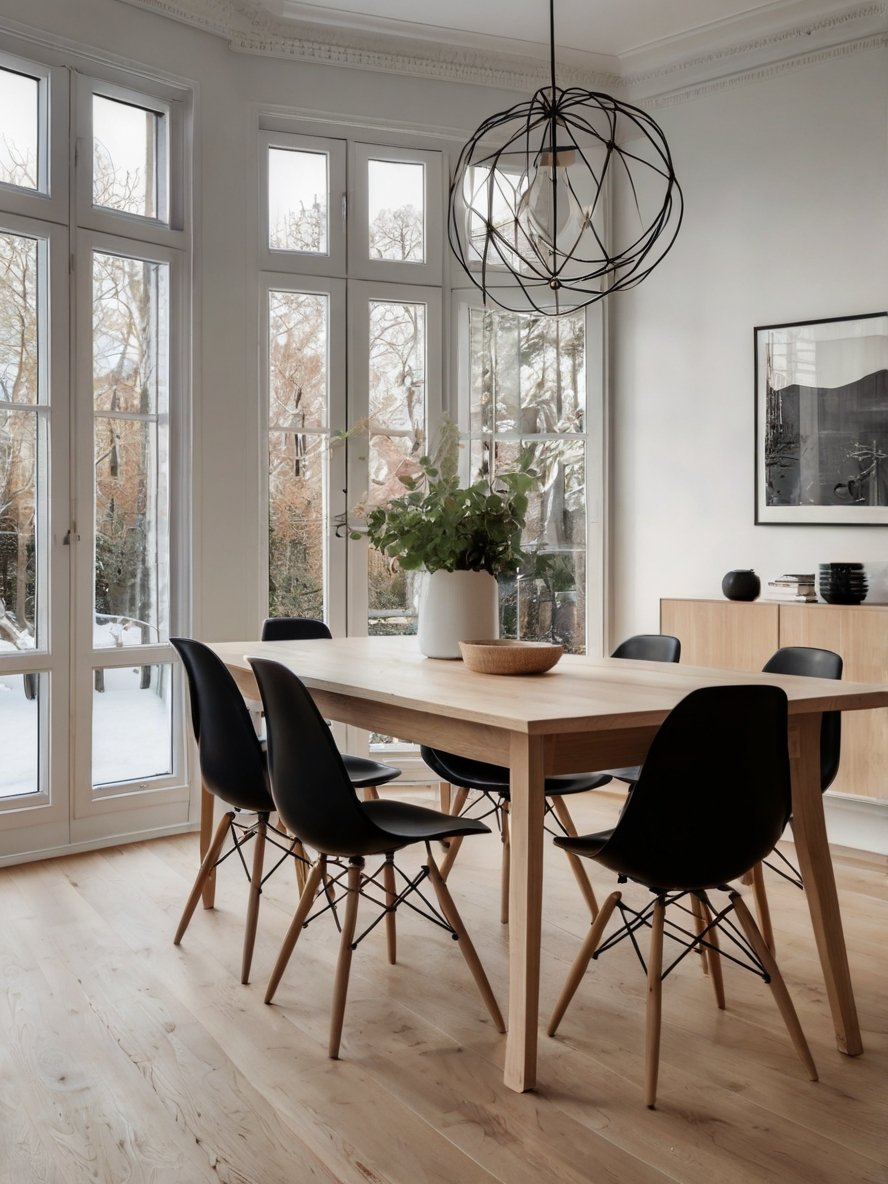
A wireframe pendant introduces a sculptural element while preserving the visual lightness of a Scandinavian interior. Its open geometric structure allows light to pass freely through the fixture, preventing the ceiling area from feeling visually heavy. A black metal finish can also connect with other dark accents in the room, such as dining chairs or window frames. The geometric shape adds personality without requiring additional decorative objects. When illuminated, the open framework can create subtle shadows and interesting patterns, turning an everyday lighting fixture into a functional piece of art that complements the simplicity of the dining space.
7. Black Scandinavian Chairs
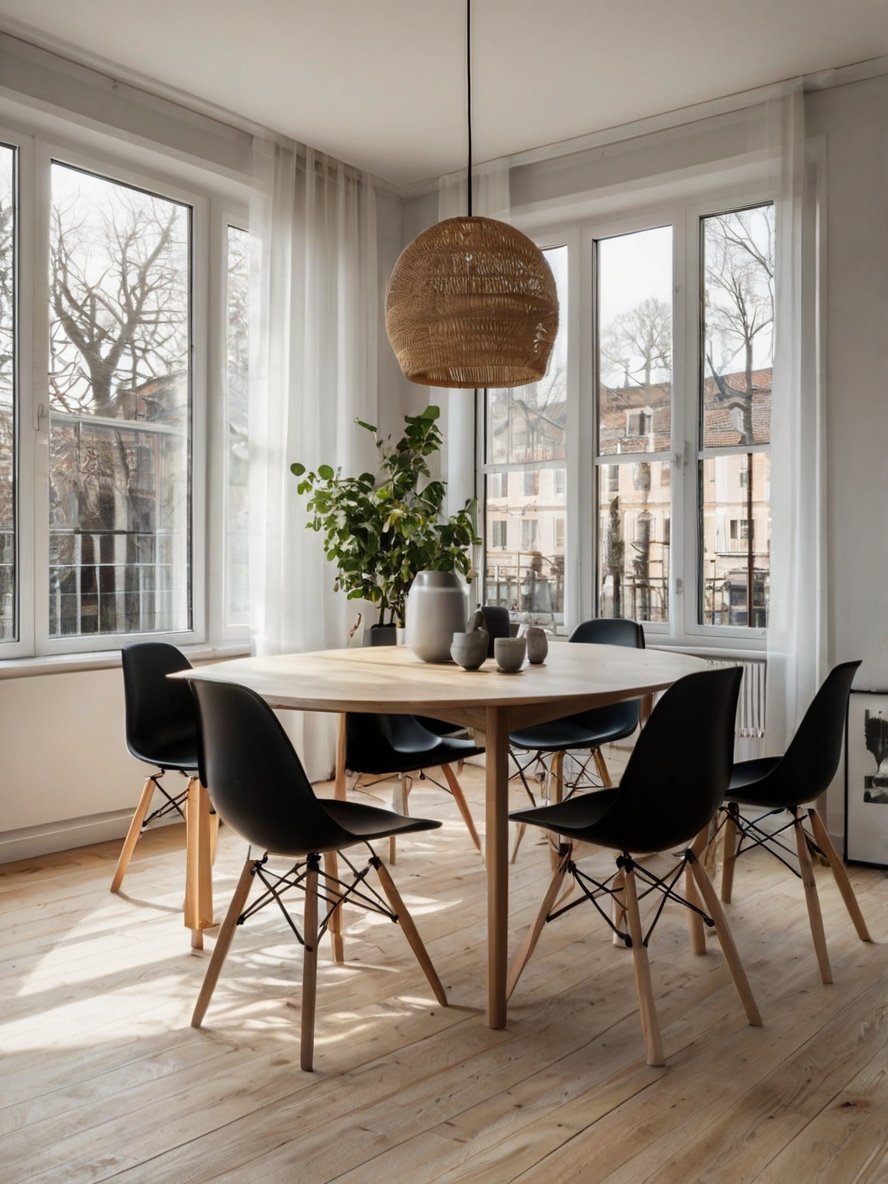
Black dining chairs provide just enough contrast to keep a bright Scandinavian dining room from feeling too pale or monotonous. Their dark finish stands out beautifully against light wood flooring, neutral walls, and a natural dining table, creating a strong but controlled visual anchor. Choose chairs with curved backs, ergonomic seats, and simple wooden or metal legs to maintain the Scandinavian emphasis on comfort and practicality. The combination of black and natural wood creates an appealing balance between modern sophistication and warmth. Keeping the rest of the room relatively light allows the chairs to make a statement without overwhelming the space.
8. The Black Window Frames
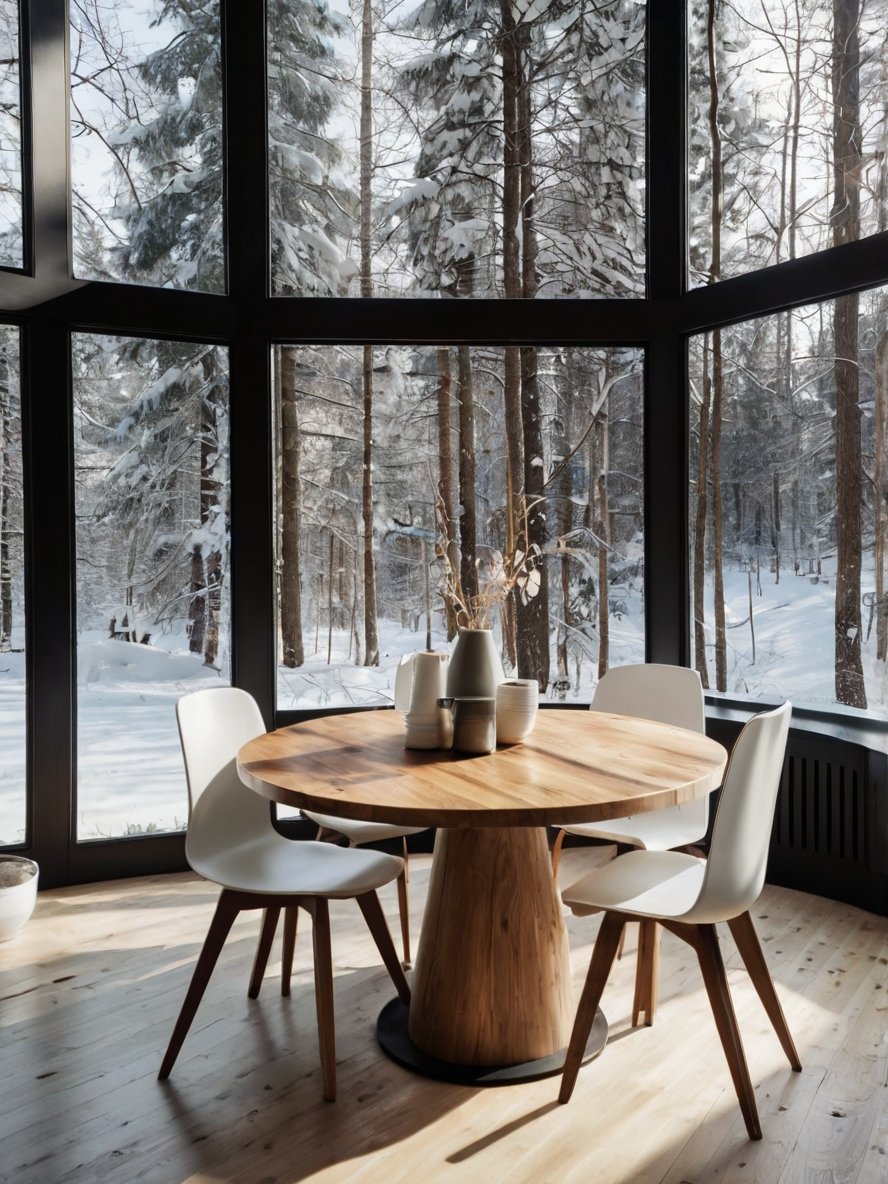
Black window frames introduce architectural contrast and a modern edge to an otherwise light and neutral Scandinavian dining room. Their bold outlines can make large windows look almost like framed artwork, especially when they overlook snow-covered trees, mountains, gardens, or other beautiful scenery. The dark frames also provide structure against white walls and bright natural light, helping prevent the space from looking washed out. Repeat small black elements through pendant cords, chair legs, or metal accessories to create visual consistency. This simple detail can dramatically enhance the room while still respecting the clean principles of Scandinavian design.
9. Natural Wood Finishes
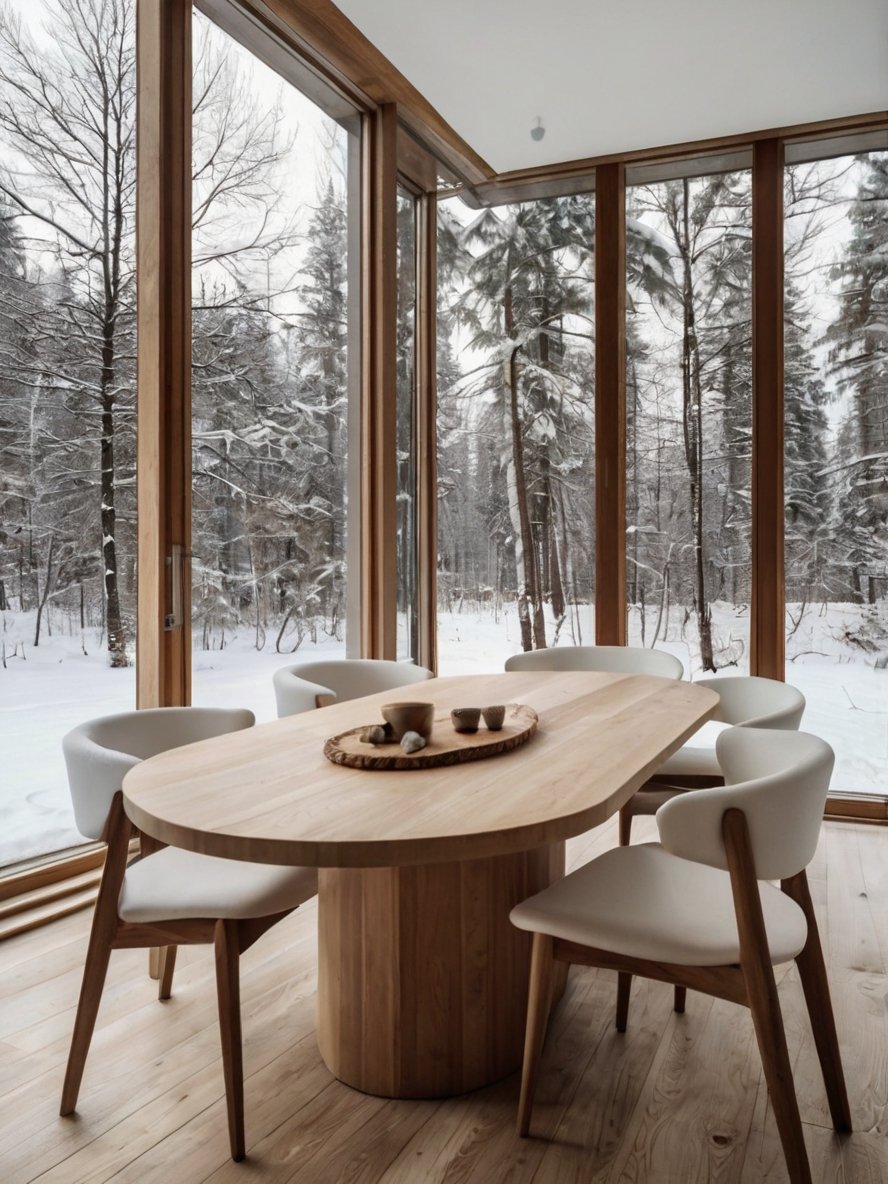
Light wood is one of the defining elements of Scandinavian design, bringing warmth, simplicity, and a natural connection to the outdoors. Wooden flooring, a solid dining table, and matching chair details create a cohesive foundation, while visible grain and matte finishes add organic texture. Pale woods such as oak, ash, and pine work especially well because they keep the room bright without making it feel cold. The natural imperfections and soft tones also give the dining area a relaxed, lived-in quality that feels welcoming throughout the year.
10. A Balanced Color Palette with Soft Neutrals
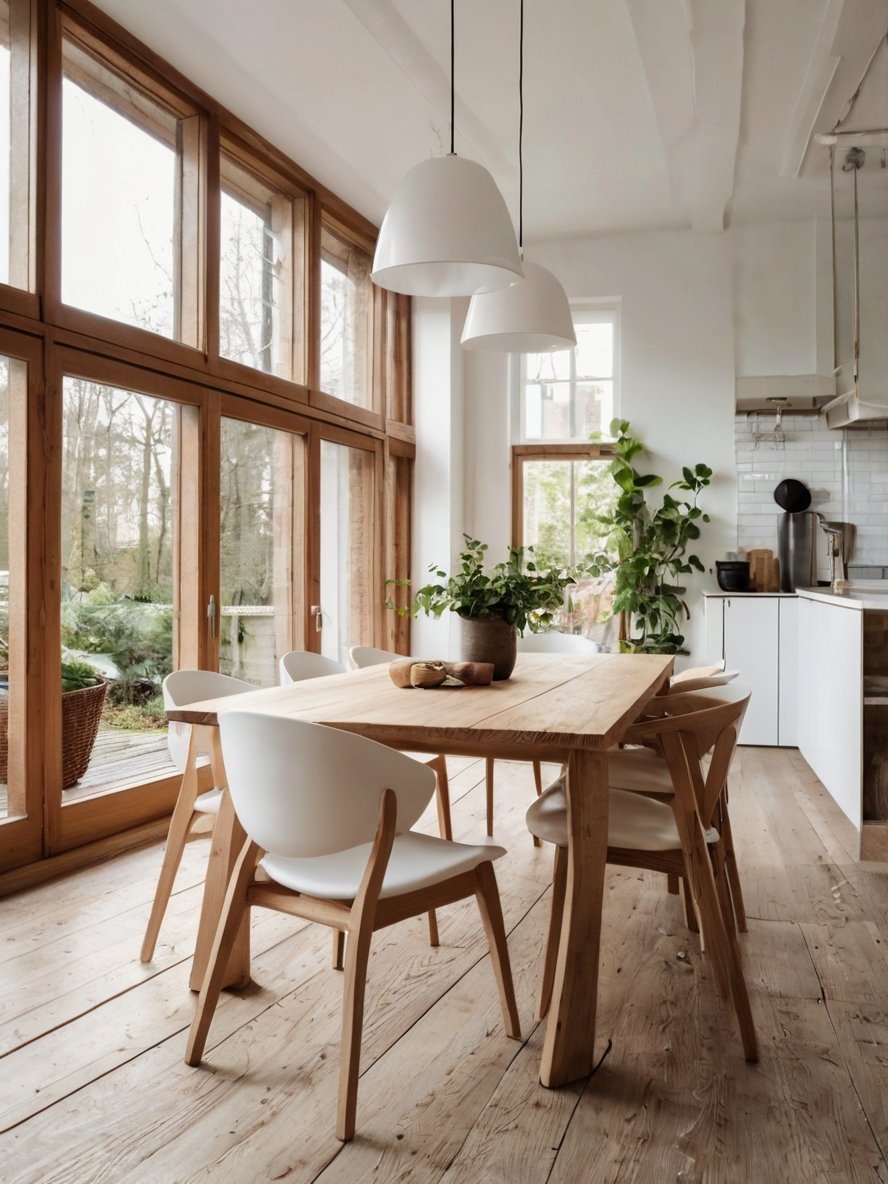
Soft neutrals create the calm and uncluttered atmosphere that makes Scandinavian dining rooms so appealing. White walls and ceilings provide a bright backdrop, while beige accents, pale wood, and subtle gray tones add warmth and dimension. Keeping the palette restrained allows the furniture, natural textures, and architectural details to become the visual focus without making the room feel busy. This combination also makes the space feel larger and more peaceful, while providing a versatile foundation that can easily be refreshed with plants, artwork, or seasonal accessories.
11. Natural Light as the Core of the Design
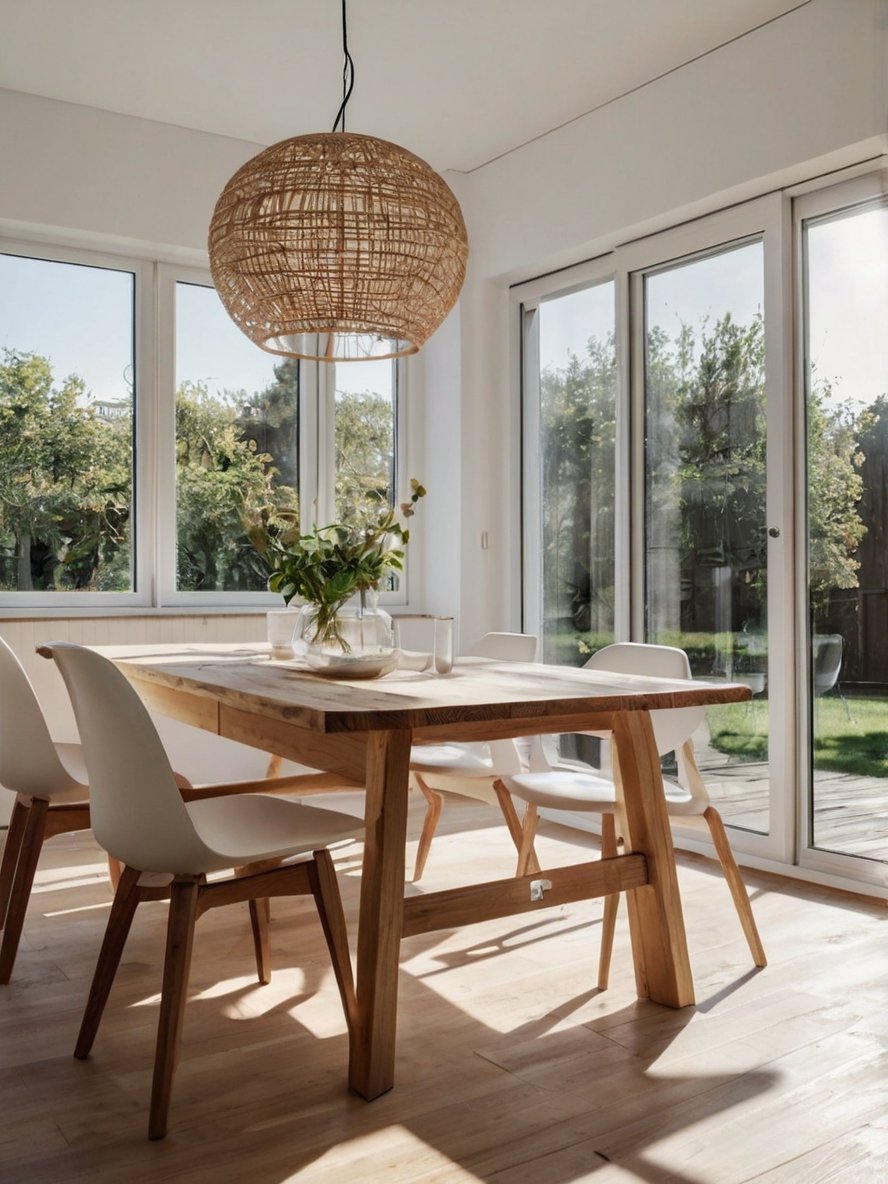
Large windows and glass doors allow natural light to become one of the most important design features in a Scandinavian dining room. Floor-to-ceiling glazing makes the space feel brighter, more open, and closely connected to the surrounding landscape. Pale walls and light wooden floors can reflect daylight throughout the room, creating an airy atmosphere even during darker seasons. Keeping window treatments simple helps preserve this effect while allowing outdoor scenery to become part of the interior. The result is a dining space that feels fresh, spacious, and naturally inviting.
12. Light Wooden Flooring
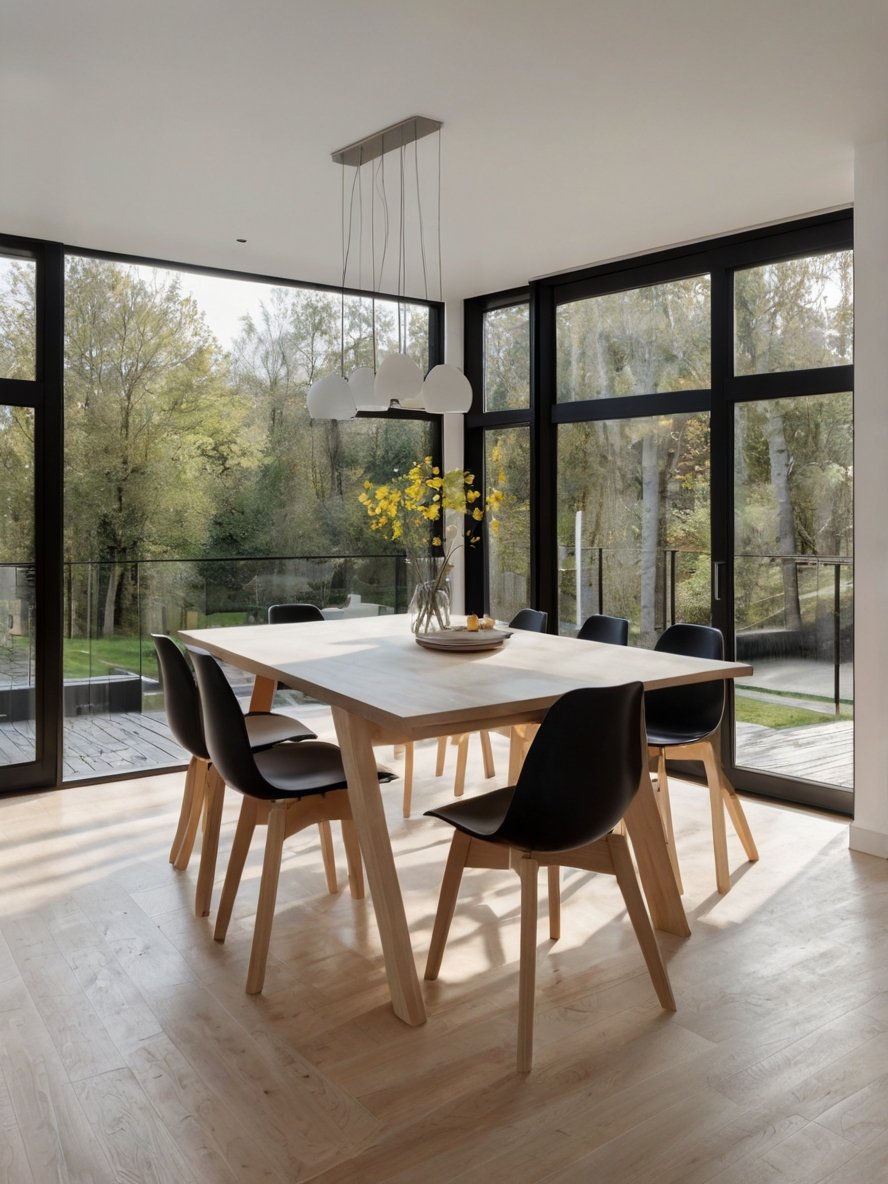
Pale wooden flooring provides a beautiful foundation for a Scandinavian dining room because it reflects natural light and helps the entire space feel brighter and more spacious. Visible wood grain adds warmth and texture, while a matte or low-sheen finish keeps the floor looking natural rather than overly polished. Light timber also creates an easy connection between the flooring, dining table, chairs, and other wooden elements throughout the room. Choose durable flooring with a simple plank pattern for a timeless appearance. Its neutral character allows you to change furniture and accessories over time without needing to redesign the entire space.
13. The Solid Wood Dining Table
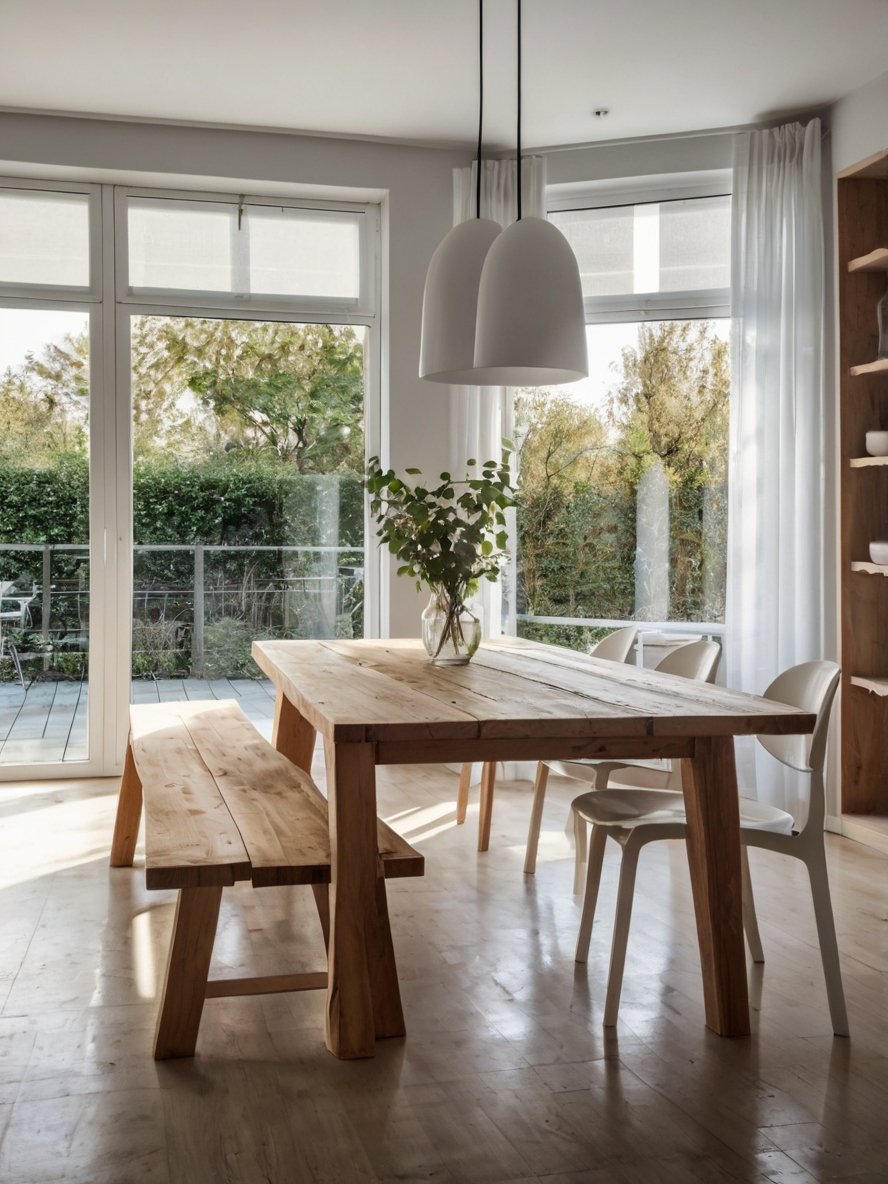
A solid wood dining table naturally becomes the heart of a Scandinavian dining room, adding warmth, texture, and a sense of craftsmanship. Visible grain, knots, and subtle imperfections give the tabletop character while creating a more authentic and relaxed appearance than highly polished furniture. A sturdy construction reinforces the Scandinavian preference for durable pieces designed to last for years. Choose a simple rectangular or gently rounded silhouette that provides plenty of space for everyday meals and gatherings. Keep the tabletop relatively uncluttered with only a few thoughtful accessories so the natural beauty of the wood remains the main attraction.
14. The Panoramic View
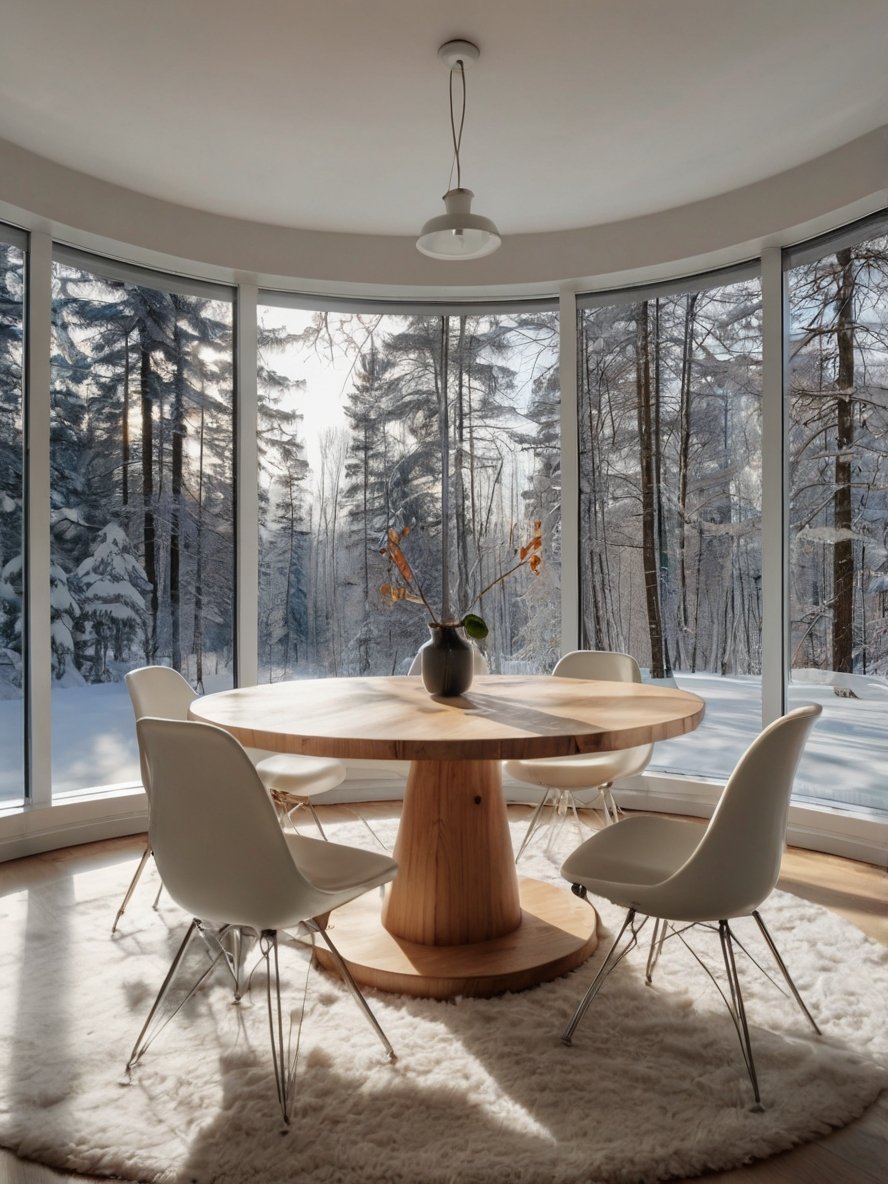
Floor-to-ceiling panoramic windows can transform a Scandinavian dining room by making the surrounding landscape part of the interior experience. Snow-covered trees, mountains, forests, or open countryside provide a constantly changing backdrop while filling the room with natural daylight. The expansive glass also creates a strong connection between indoor and outdoor spaces, which is an important characteristic of Nordic-inspired homes. Position the dining table where the view can be enjoyed comfortably, then keep the surrounding decor relatively simple. This allows the landscape to become the room’s most striking decorative feature while creating a peaceful atmosphere for everyday meals.
15. A Well-Balanced Layout
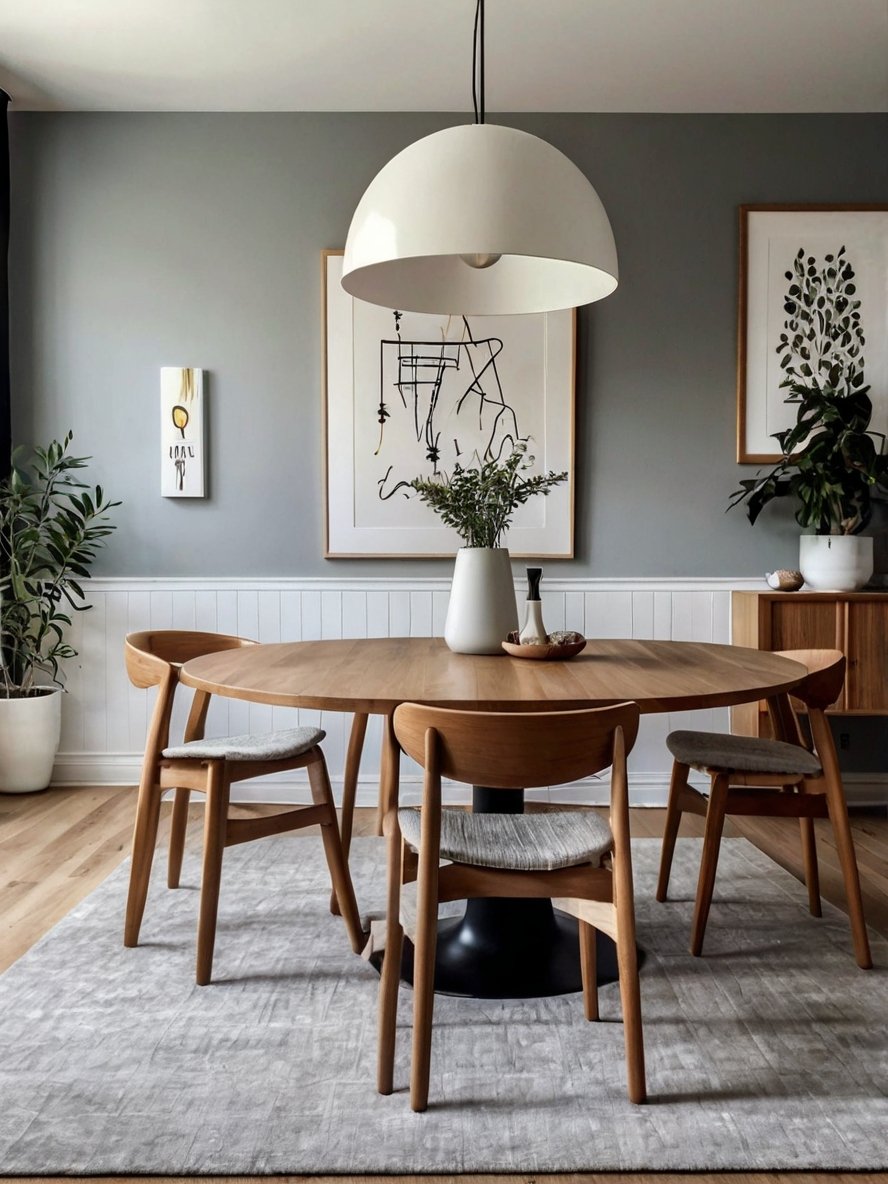
A thoughtful layout helps a Scandinavian dining room feel open and uncluttered while still providing enough warmth for comfortable gatherings. Leave sufficient space around the dining table so chairs can be pulled out easily and people can move through the room without obstacles. Round tables can encourage conversation and create a more intimate atmosphere, while rectangular tables are ideal for larger families and longer rooms. Avoid filling every empty corner with furniture or decor. Scandinavian interiors work best when each piece has room to breathe, creating a natural flow that feels practical, comfortable, and effortlessly organized.
16. Elegant White and Wood Dining Chairs
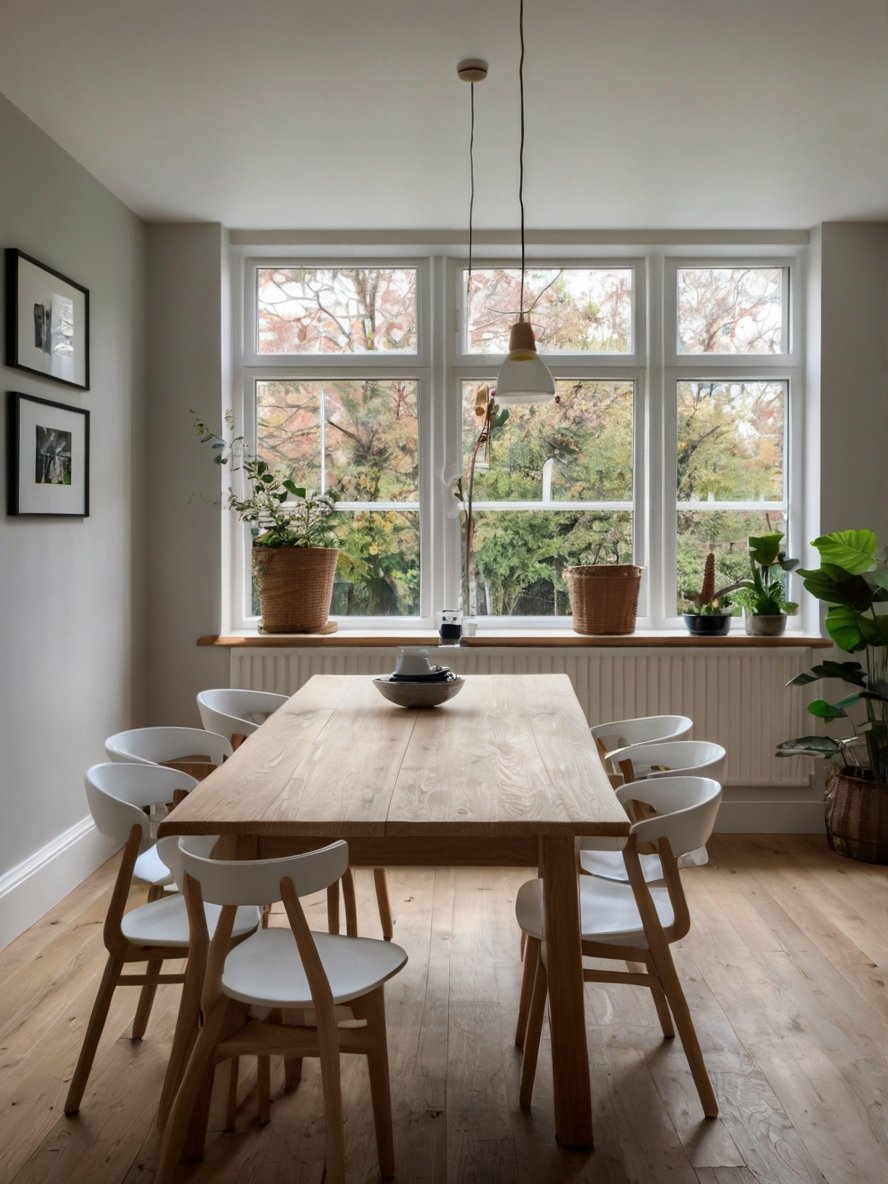
White and natural wood create a timeless combination for Scandinavian dining chairs, offering both freshness and warmth. Crisp white seats or backrests keep the furniture looking light, while wooden legs or frames introduce natural texture and connect the chairs to the rest of the room. Curved backrests and ergonomic shapes can improve comfort without making the design bulky. Choose chairs with clean profiles and durable materials so they remain practical for everyday meals. A matching set creates a polished appearance, while similar white-and-wood styles can also be mixed for a more relaxed and collected Scandinavian look.
17. Bringing Nature Inside
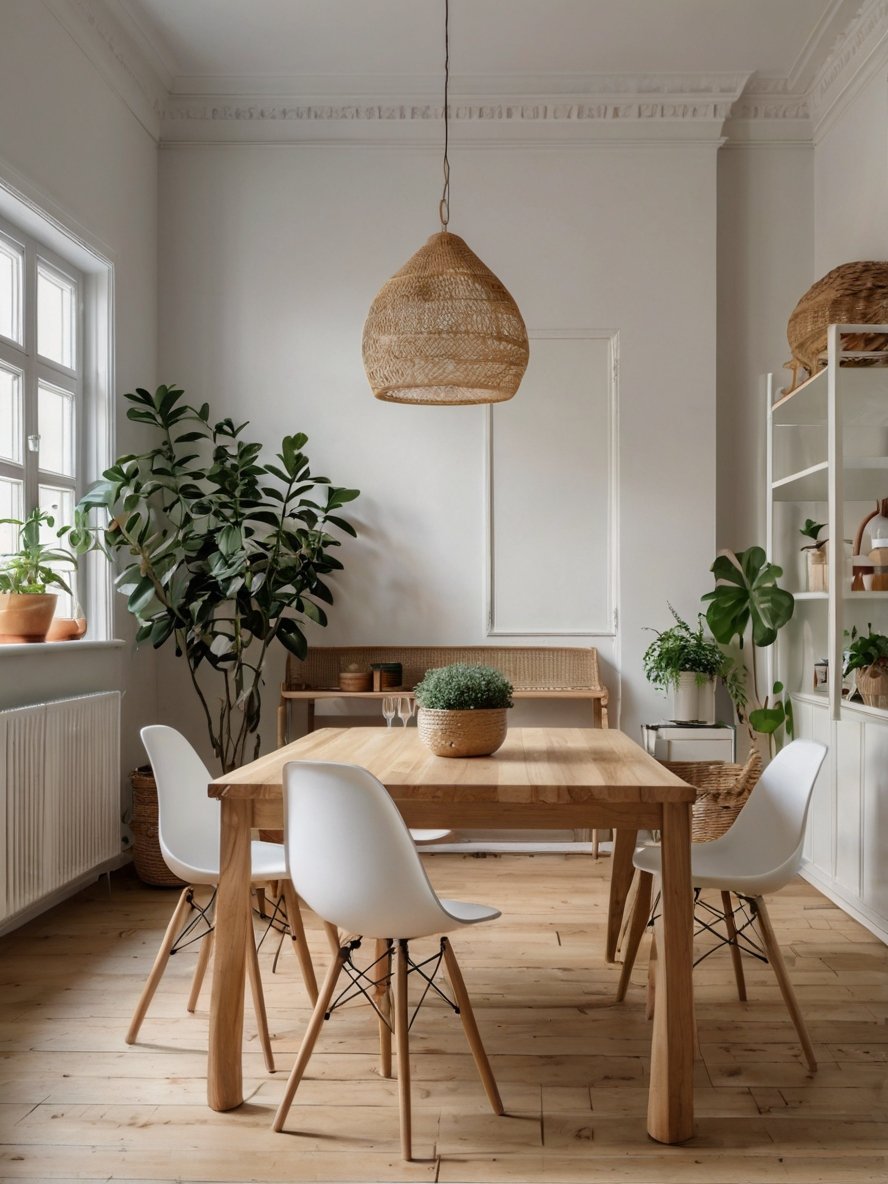
Houseplants bring color, texture, and a refreshing connection to nature into a Scandinavian dining room. Lush green leaves create a beautiful contrast against white walls, pale wood, and neutral furniture without disturbing the minimalist aesthetic. Place larger plants in empty corners, smaller varieties on shelves, or simple greenery near the dining table to introduce natural movement throughout the room. Woven baskets, rattan planters, and ceramic pots can further strengthen the organic character. You do not need a large collection of plants to achieve the effect. A few carefully selected varieties can make the dining space feel softer, fresher, and more welcoming.
* The appeal of Scandinavian dining room design lies in its ability to bring together clean simplicity, natural warmth, and everyday comfort in a beautifully balanced space. Use these ideas to embrace soft colors, natural textures, and functional details while turning your dining room into a cozy setting for memorable meals and gatherings.