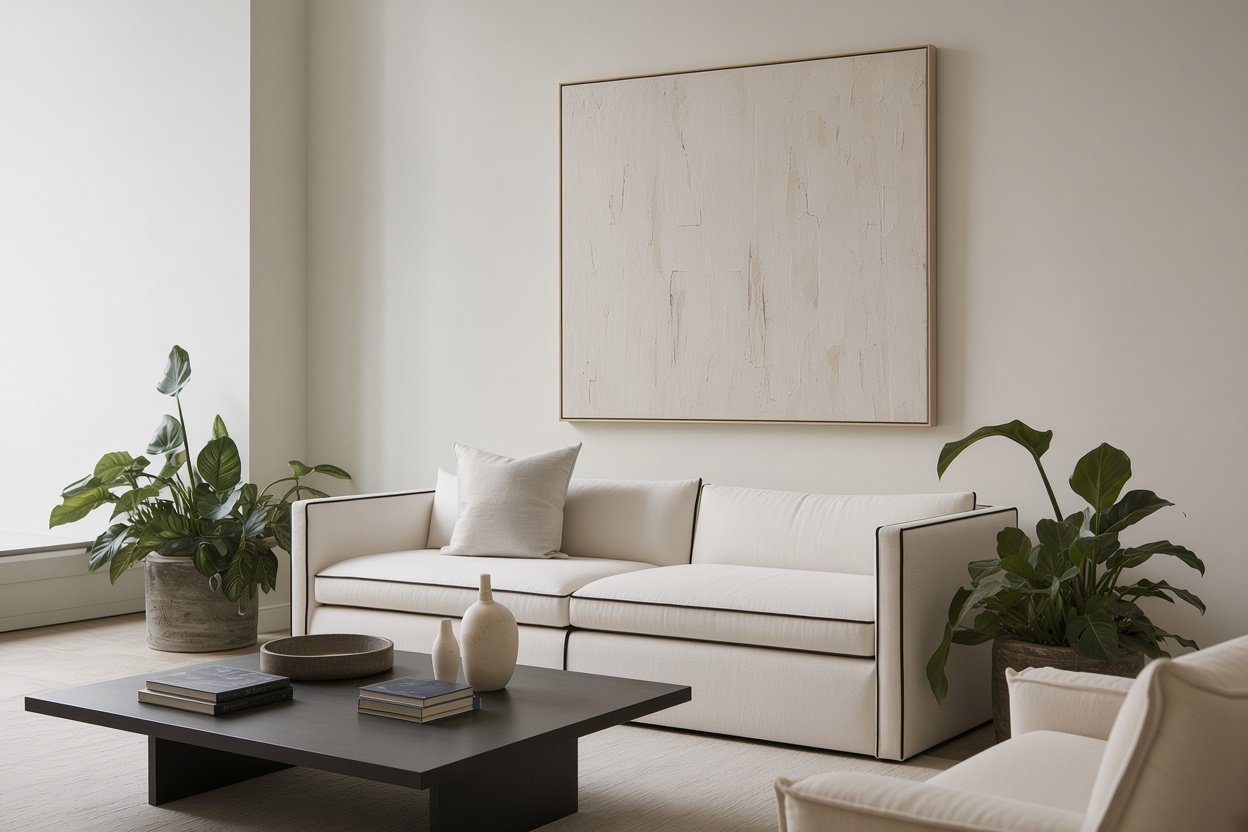
A beautiful living room should feel like a welcoming retreat where comfort, style, and personality come together. Thoughtful decorating choices can transform an ordinary space into a cozy and inviting environment that feels fresh without losing its warmth. Soft color palettes, comfortable furniture, natural textures, and carefully chosen accessories all contribute to a balanced interior that looks beautiful and feels relaxing. Whether your home features a modern, traditional, or eclectic style, the right combination of decorative elements can make your living room a favorite place to unwind and spend time with loved ones.
Creating a fresh and welcoming living room is all about finding the right balance between visual appeal and everyday comfort. Layered textiles, warm lighting, indoor plants, decorative pillows, and stylish rugs can add depth and character while making the space feel more inviting. Natural wood finishes and woven accents introduce warmth, while artwork, statement lighting, and carefully arranged decor help express your personal taste. Thoughtful furniture placement and a harmonious color scheme also ensure the room feels open, comfortable, and practical for both relaxing and entertaining.
This collection of 25 beautiful living room decor ideas offers inspiration for creating a space that feels fresh, cozy, and welcoming. Let’s explore these inspiring designs and discover how simple decorating choices can transform your living room into a stylish, comfortable space that feels warm and inviting every day!
1. Create a Cohesive Monochromatic Living Room
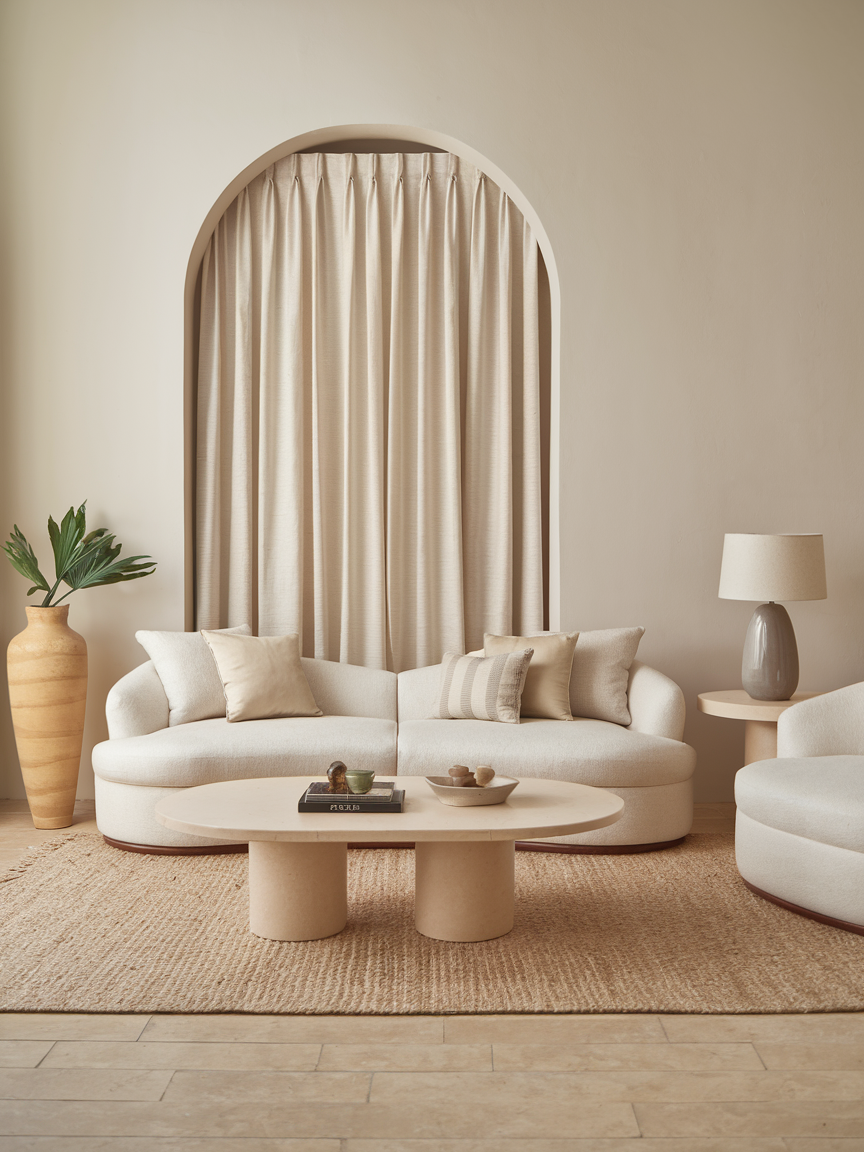
A monochromatic color scheme creates a refined living room by using different shades and tones within one color family. A beige interior, for example, might combine cream walls, taupe upholstery, sandy textiles, and darker brown accents. This coordinated approach creates visual continuity and makes the space feel thoughtfully designed. To prevent the palette from becoming monotonous, introduce a variety of textures through linen, wool, wood, stone, and woven accessories. You can also use differences in tone to establish depth and highlight specific features. Monochromatic schemes work particularly well in contemporary and minimalist homes because they emphasize form, material, and proportion. The result is a harmonious living room that feels calm, sophisticated, and easy to update over time.
2. Keep Decor Minimal but Meaningful
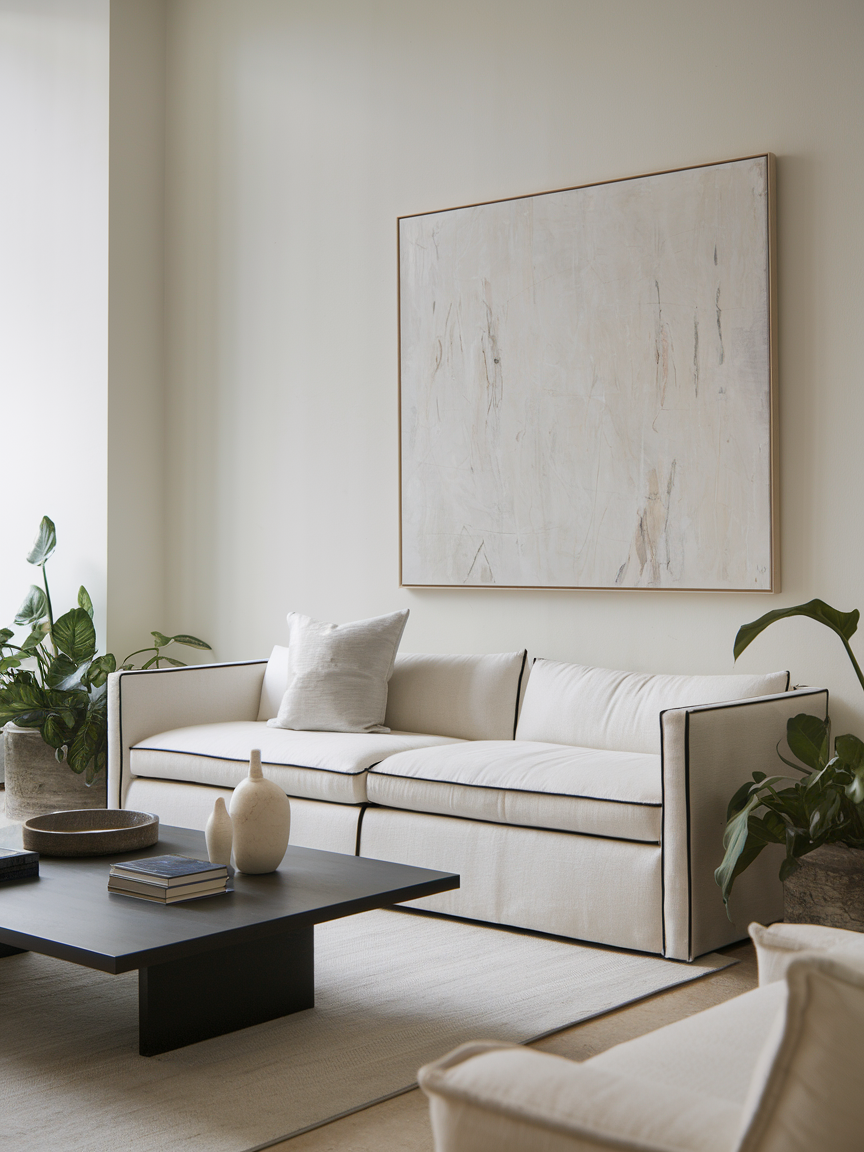
Modern living room styling increasingly favors thoughtful decoration over filling every available surface with accessories. Instead of creating a completely bare interior, focus on choosing a few pieces that contribute beauty, function, or personal meaning. A favorite artwork, a sculptural vase, a well-designed table lamp, or a collection of treasured books can make the room feel individual without creating visual clutter. Clean lines and carefully arranged furniture allow these items to stand out naturally. This approach is particularly useful in busy households because fewer decorative objects make surfaces easier to maintain. By prioritizing quality, purpose, and thoughtful placement, you can create a living room that feels refined, peaceful, and personal while remaining practical for everyday life.
3. Mix Materials for a Balanced Interior
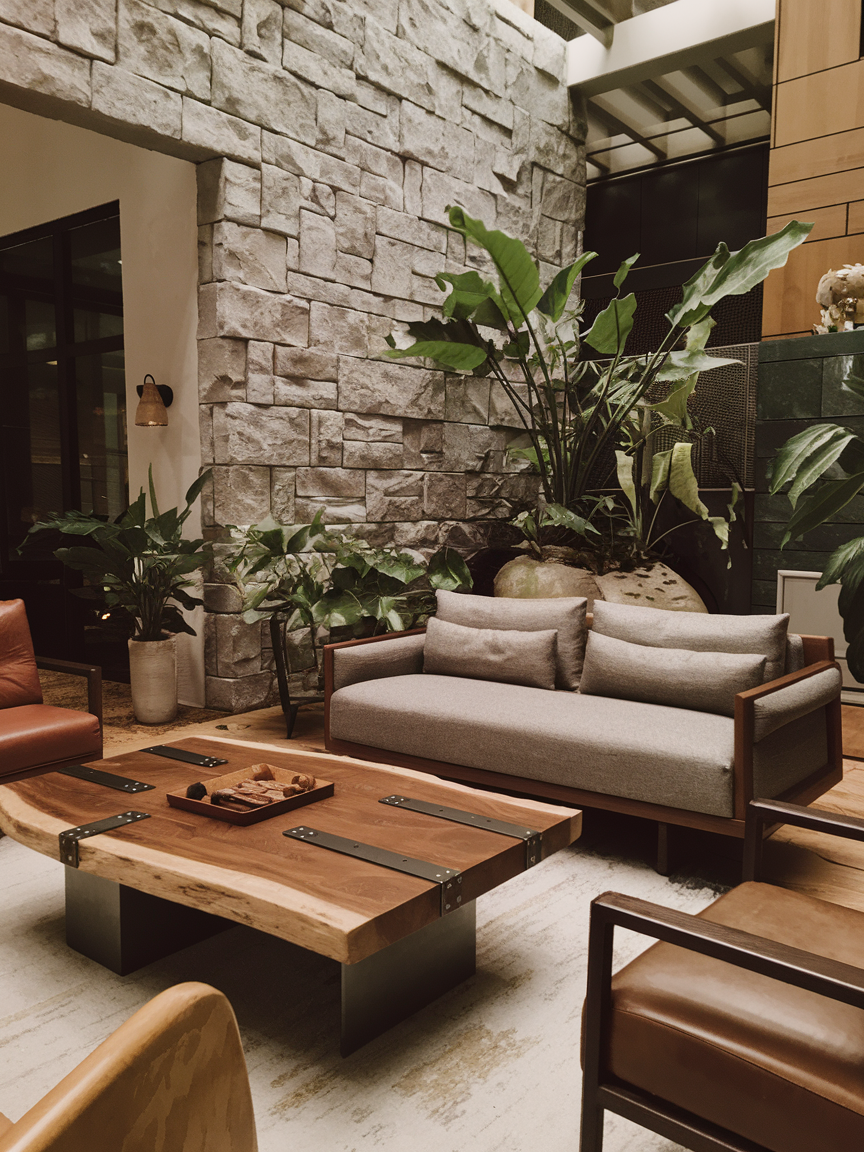
Combining different materials adds character and prevents a living room from feeling too uniform. Natural wood, metal, glass, stone, leather, and soft fabrics each contribute a different visual quality. For example, a wooden coffee table can introduce warmth beside a sleek metal floor lamp and a plush upholstered sofa. Glass accessories can lighten the arrangement, while stone details add texture and substance. The key is to create a balance rather than using too many finishes without a clear direction. Repeat selected materials throughout the room to establish a sense of continuity. Mixing old and new pieces can also create a more collected appearance. This approach results in a living room that feels layered, contemporary, and thoughtfully designed.
4. Incorporate Organic Shapes and Forms
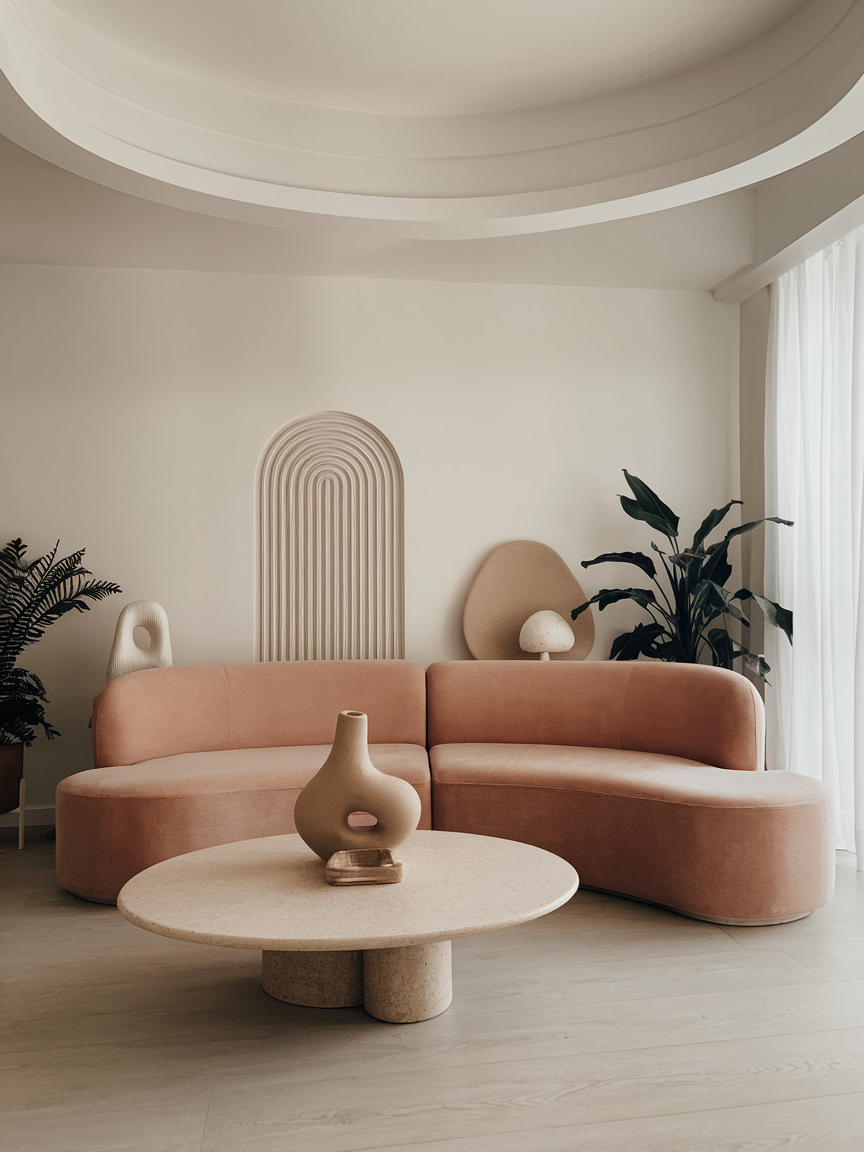
Organic shapes bring a softer, more natural quality to living room interiors. Rounded sofas, curved mirrors, irregular coffee tables, and sculptural accessories can balance the straight lines often found in contemporary furniture and architecture. These shapes create a gentle visual flow that makes the room feel more relaxed and inviting. You can introduce organic forms through one statement piece or combine several smaller details throughout the space. Natural materials such as wood, stone, and ceramic enhance the effect by adding subtle variations in texture and appearance. For a balanced design, pair curved silhouettes with simpler furnishings and a restrained color palette. This approach creates a modern living room that feels expressive, comfortable, and inspired by the natural world.
5. Design a Cozy Reading Nook
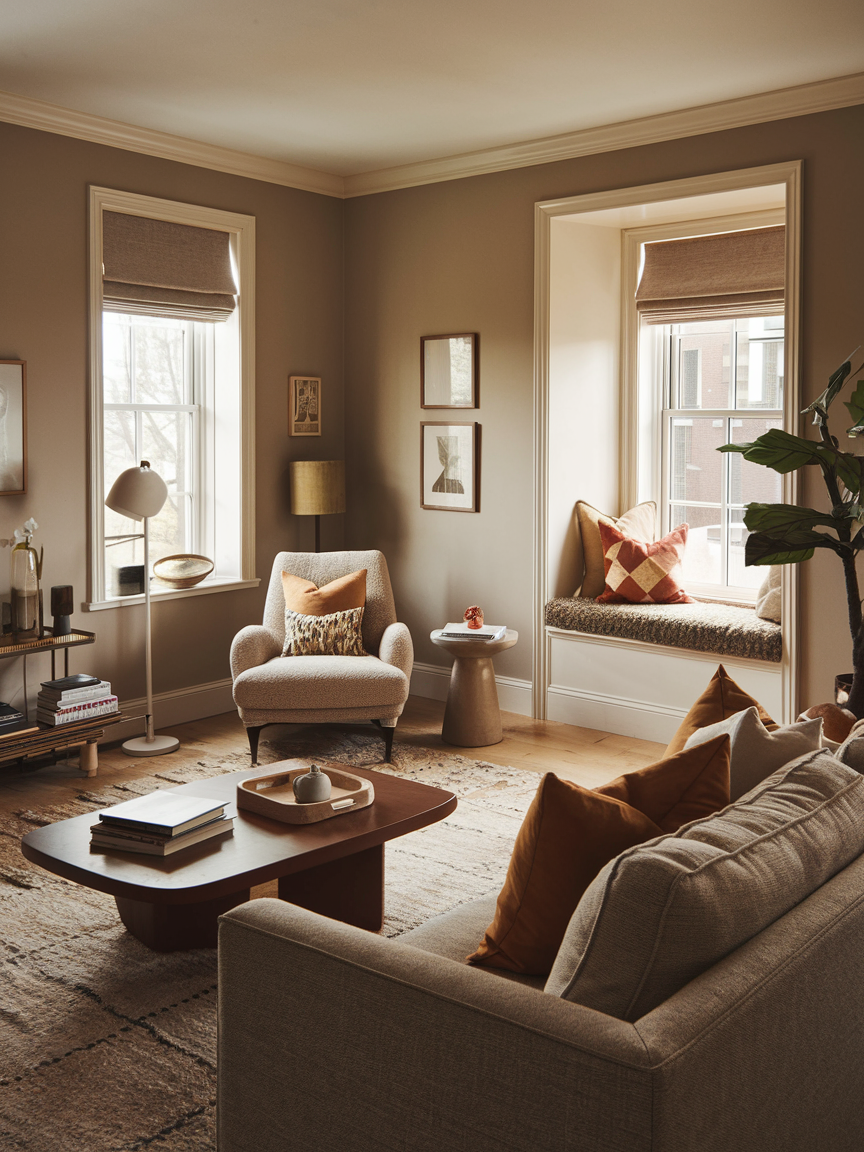
A dedicated reading nook can make your living room more functional while creating a peaceful place to unwind. Even a small, unused corner can become a comfortable retreat with a supportive armchair, a compact side table, and a warm floor lamp. Add a soft throw blanket, a cushion, and a small rug to make the area feel inviting. If space allows, a floating shelf or narrow bookcase can keep your favorite reading materials within easy reach. Position the chair near a window whenever possible to take advantage of natural daylight. A reading nook introduces a personal element to the living room and encourages moments of relaxation, giving the space a more thoughtful balance between social activities and quiet time.
6. Refresh the Room with Indoor Plants
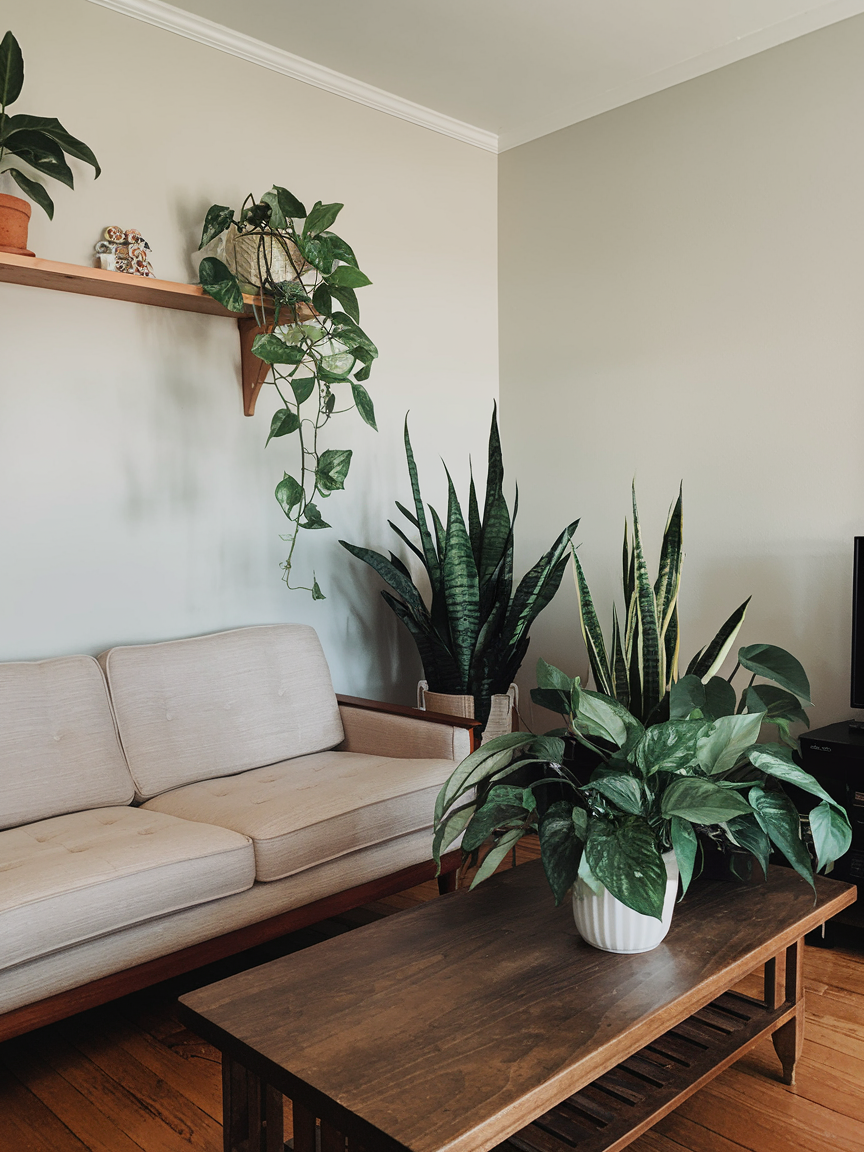
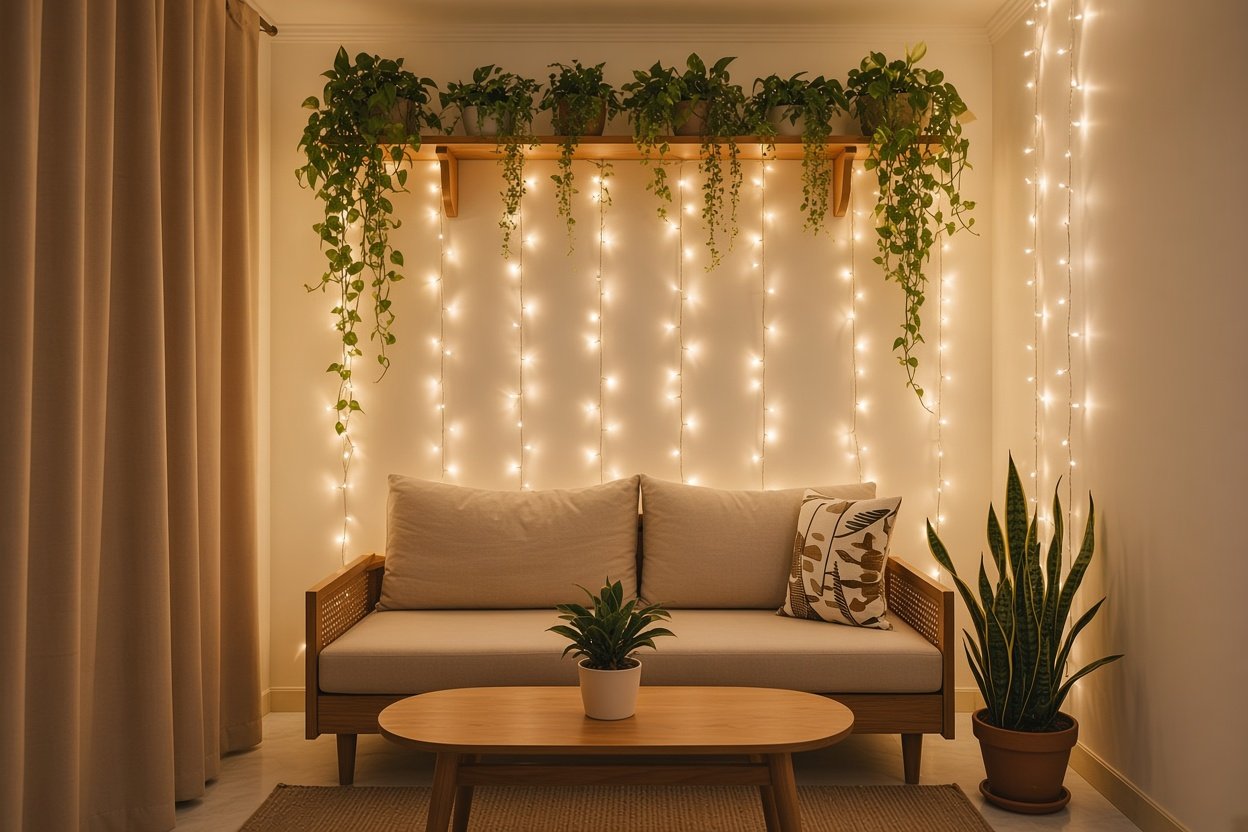
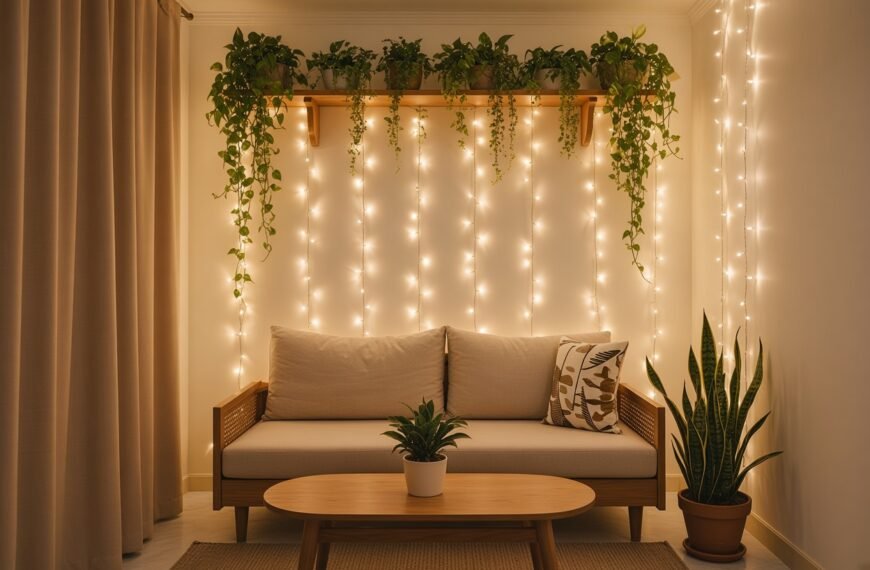
Indoor plants remain a popular way to introduce natural beauty and a sense of freshness into the living room. Their greenery softens straight architectural lines, complements natural materials, and adds contrast to neutral furniture and walls. Larger plants can fill an empty corner, while smaller varieties work well on shelves, side tables, and windowsills. Choose plants according to the light conditions and the amount of care you can realistically provide. Low-maintenance options such as snake plants and pothos may be suitable for people with busy schedules, depending on their growing conditions. Decorative pots can also contribute to the overall design through color, texture, and shape. By incorporating greenery thoughtfully, you can create a living room that feels more vibrant, relaxed, and connected to nature.
7. Soften the Windows with Sheer Curtains
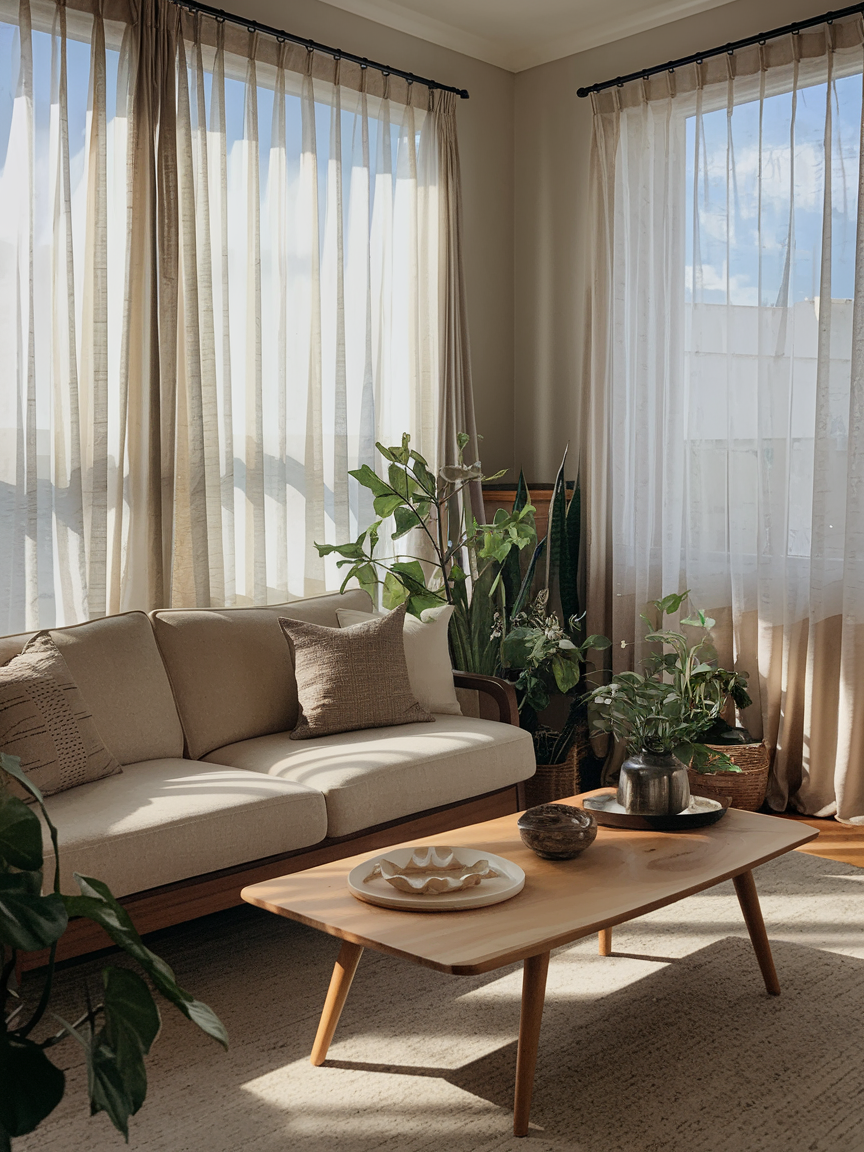
Sheer curtains are an elegant choice for living rooms where natural light and a relaxed atmosphere are priorities. Their lightweight fabric filters sunlight gently, helping the room feel bright without the harshness of direct glare. Unlike heavy drapes, sheer panels create a delicate, flowing effect that complements minimalist, contemporary, and Scandinavian interiors. White, ivory, and soft beige are versatile options that work with a wide range of color schemes. For added privacy and better light control, layer sheers with heavier curtains or blinds. Hanging the curtain rod closer to the ceiling can also emphasize the height of the windows and make the room appear taller. This simple window treatment creates an airy, graceful finish while maintaining everyday comfort.
8. Decorate with Oversized Wall Art
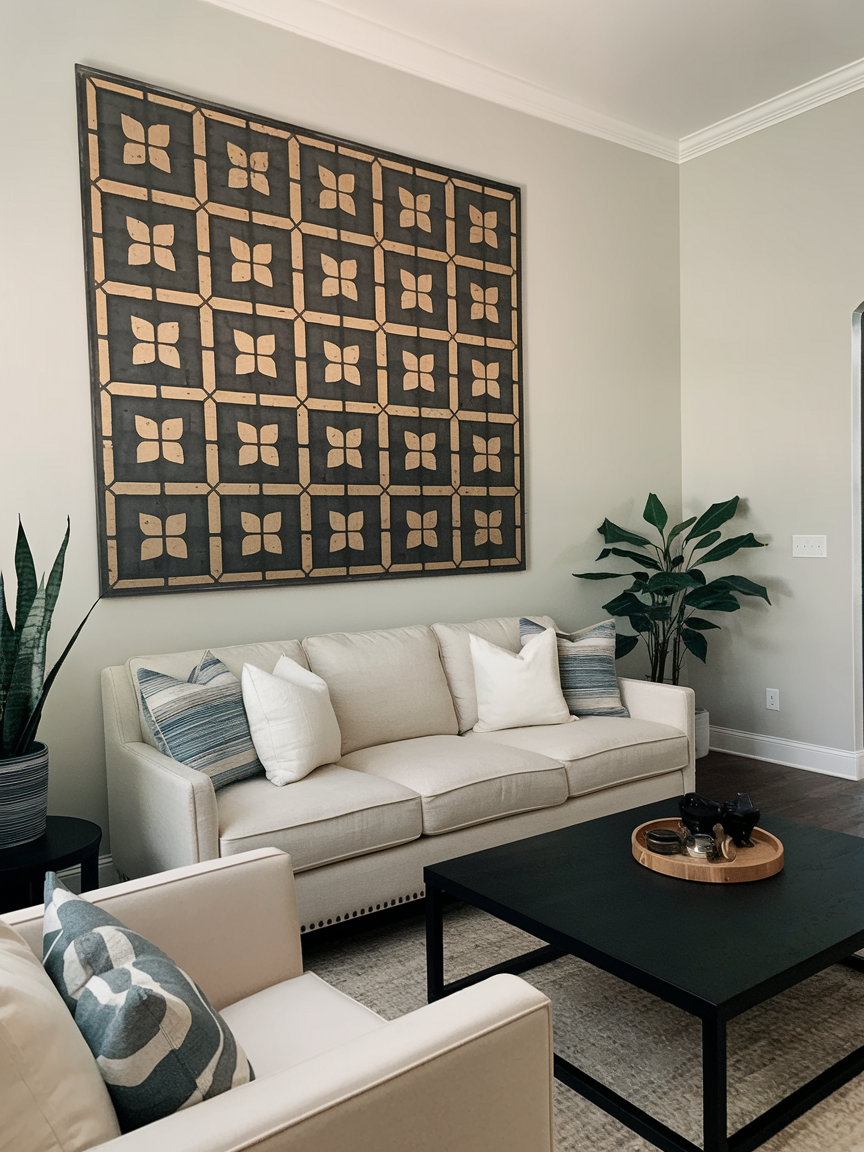
Large-scale artwork is an effective way to create a striking focal point without filling the walls with numerous decorative pieces. An oversized abstract painting, dramatic landscape photograph, or textured canvas can bring personality and visual depth to a living room. Positioning a substantial artwork above the sofa or console helps anchor the furniture arrangement and gives the wall a more intentional appearance. Choose colors that complement your existing palette for a cohesive result, or introduce a contrasting shade to create a bolder statement. Before purchasing a piece, consider the dimensions of the wall and the furniture beneath it. One well-proportioned artwork can make a stronger impression than a crowded collection of smaller frames, creating a polished and gallery-inspired interior.
9. Invest in a Cozy Modular Sofa
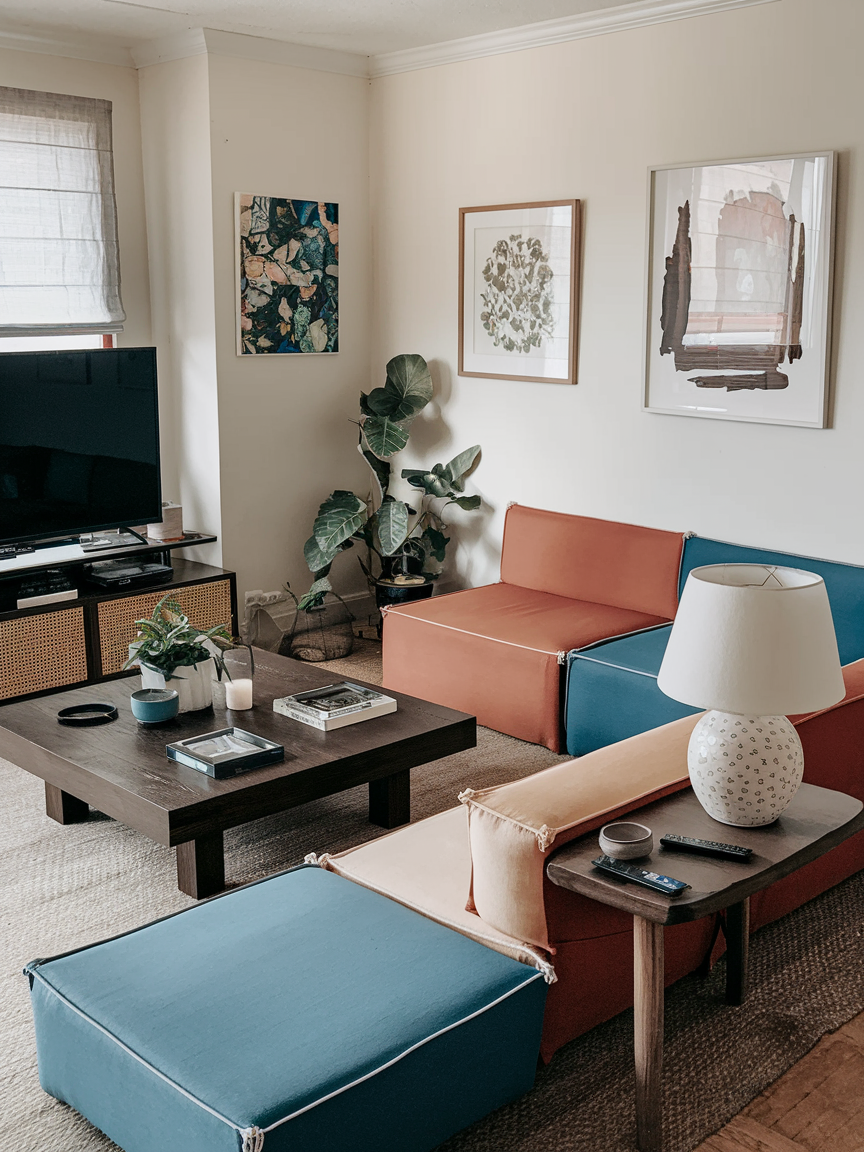
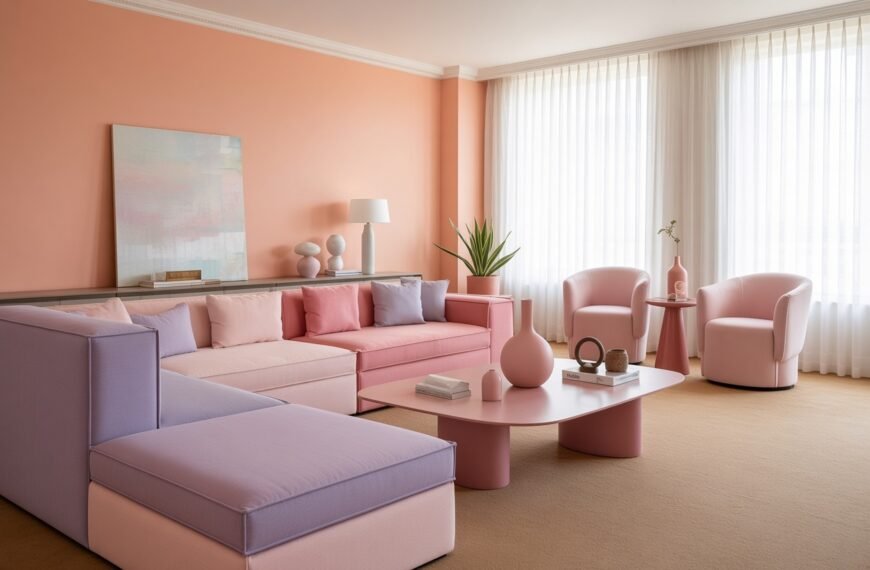
Modular sofas are ideal for modern living rooms because they offer flexibility without compromising comfort. Their individual sections can often be rearranged to accommodate different activities, whether you are hosting friends, relaxing with family, or creating a more open seating layout. Depending on the design, you can configure the sofa as a spacious sectional or separate the pieces to suit your room. Neutral upholstery provides a versatile foundation, while textured fabrics add warmth and visual interest. Before choosing a modular sofa, measure the room carefully and ensure there is enough space for walking paths and other furniture. This adaptable seating solution makes it easier to create a comfortable living room that can evolve with your household’s changing needs.
10. Embrace Warm Neutral Color Palettes
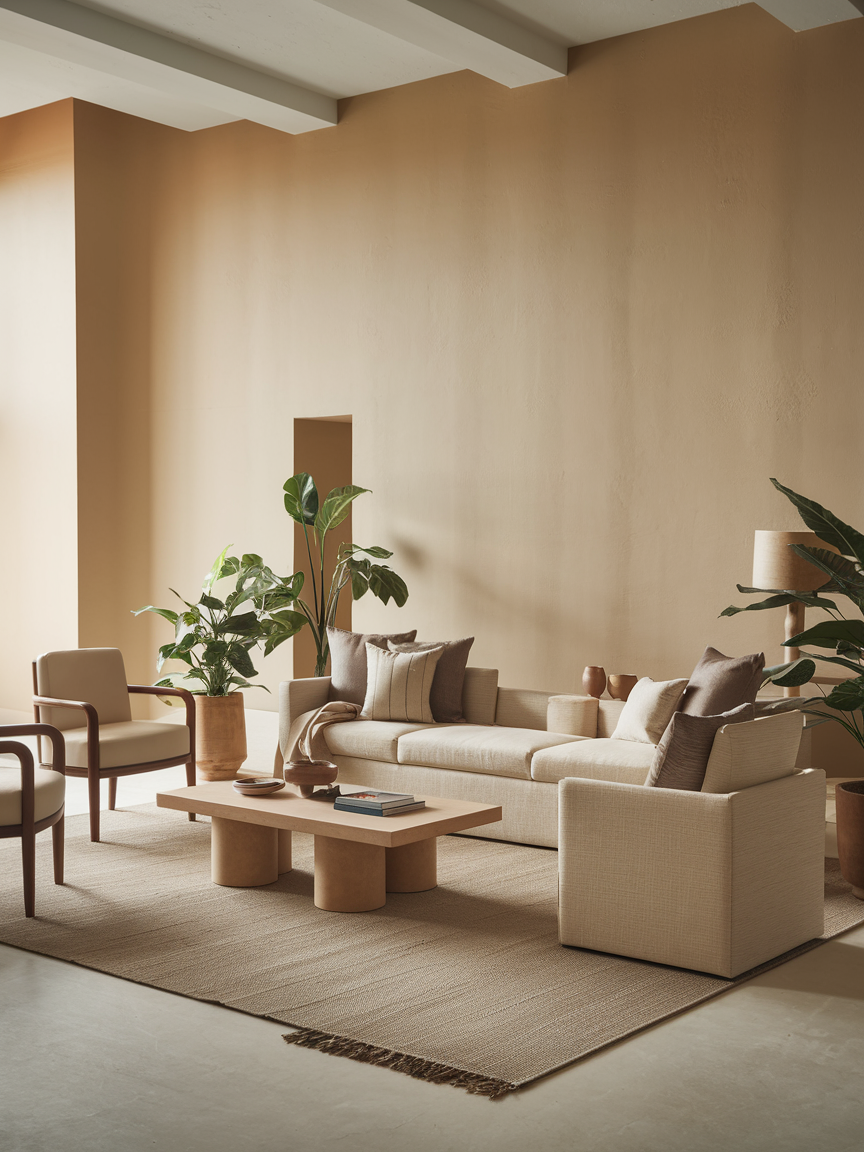
Warm neutrals continue to be a favorite for living room interiors, offering a beautiful balance between modern elegance and everyday comfort. Shades such as beige, creamy white, greige, and soft taupe create a soothing foundation that feels inviting rather than stark. These versatile colors also work well with natural light, helping the room feel brighter and more open. To keep the design from looking plain, introduce different textures through upholstered furniture, woven rugs, wooden accents, and decorative cushions. Another advantage of a neutral palette is its flexibility. You can easily refresh the room with seasonal accessories or colorful artwork without changing the entire design. The result is a timeless living room that feels warm, sophisticated, and easy to personalize.
11. Choose Curved Furniture for a Softer Look
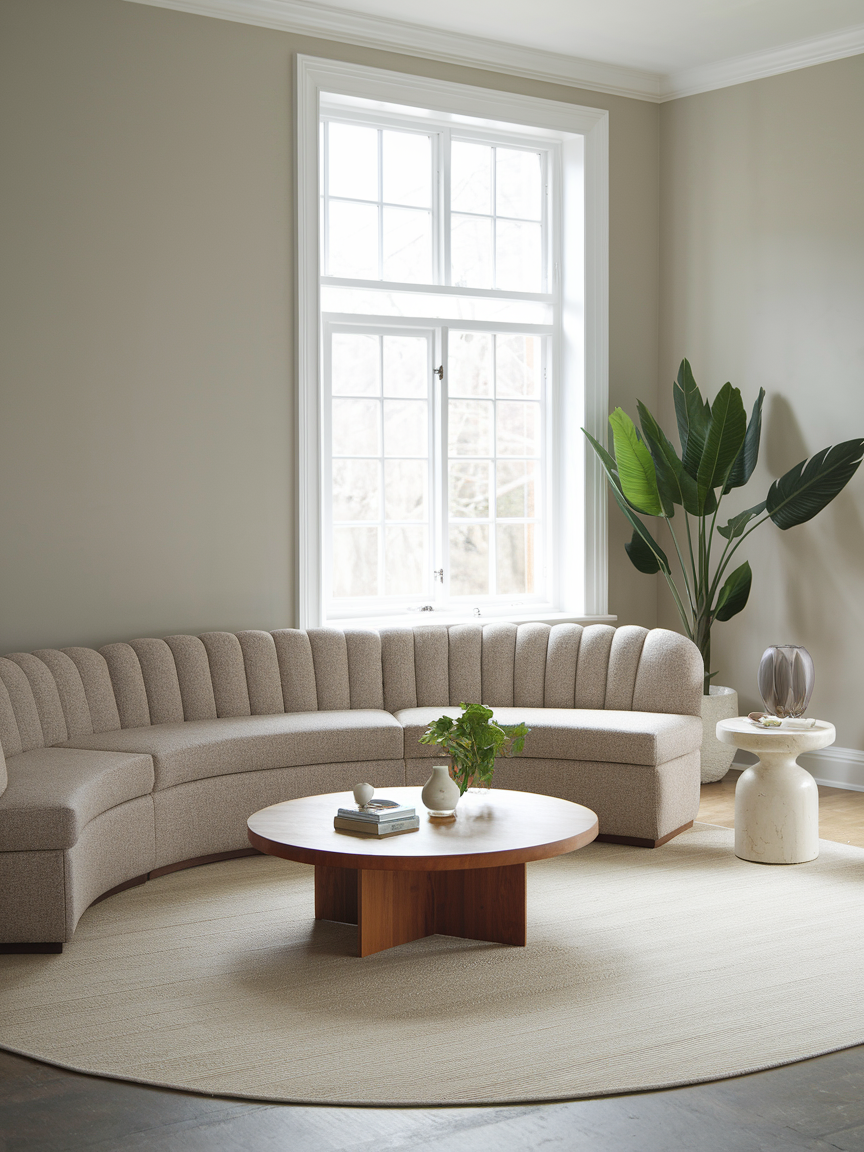
Curved furniture is an excellent way to introduce softness and movement into a contemporary living room. Rounded sofas, sculptural armchairs, and oval coffee tables contrast beautifully with the straight lines of walls, windows, and shelving. These gentle silhouettes create a relaxed atmosphere while making the seating arrangement feel more inviting. Curved pieces are especially effective in modern interiors that might otherwise appear too angular or formal. You can highlight their shapes with neutral upholstery, textured fabrics, and understated decorative accessories. For a balanced arrangement, combine one or two curved statement pieces with simpler furniture. This approach creates a sophisticated living room that feels contemporary without sacrificing comfort or practicality.
12. Layer Different Textures for Visual Depth
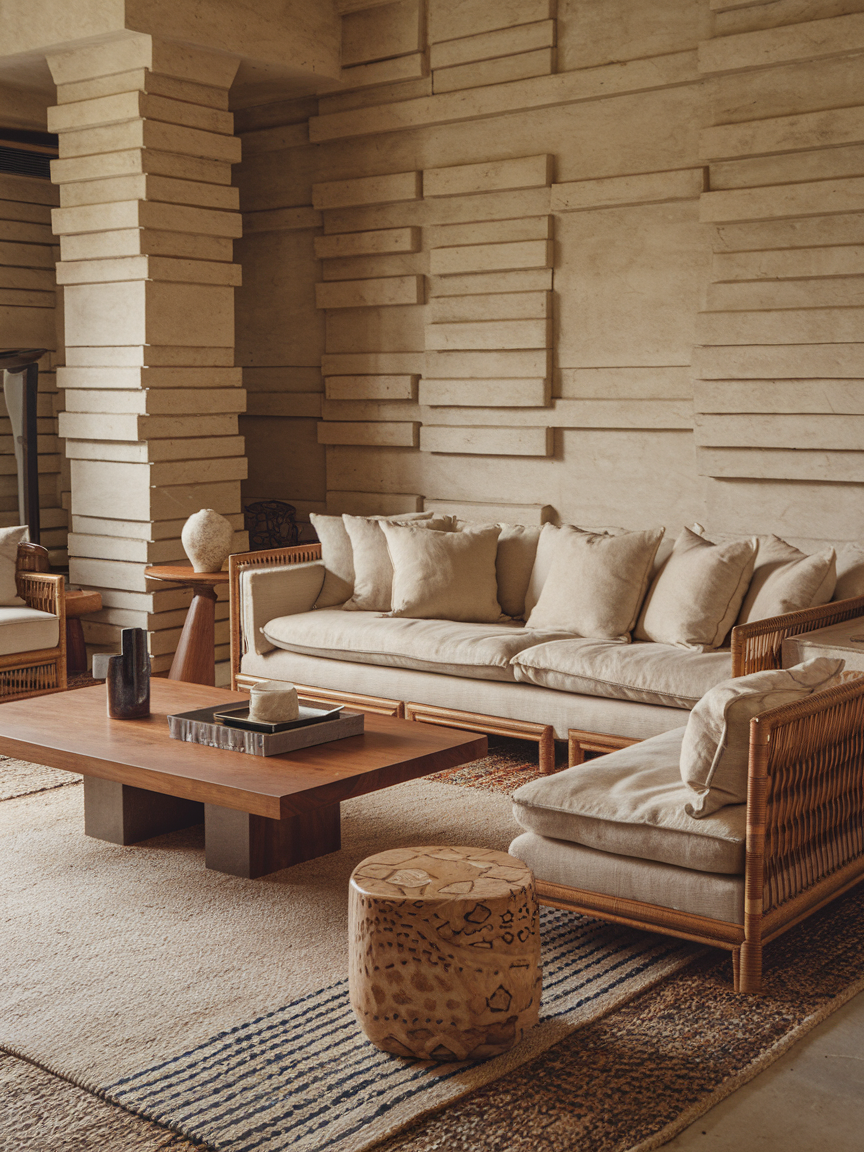
A well-designed living room is about more than choosing the right colors and furniture. Texture plays an equally important role in creating a space that feels warm, interesting, and thoughtfully arranged. Combine soft linen cushions, chunky knit throws, woven rugs, natural wood, and smooth metal accents to create a rich mix of materials. These contrasting surfaces add dimension even when the color palette remains neutral. For example, a simple cream sofa can feel much more inviting when styled with textured pillows and paired with a natural fiber rug. The secret is to balance smooth finishes with tactile materials without introducing too many competing elements. Thoughtful layering creates a cozy, sophisticated interior that feels comfortable enough for everyday living.
13. Make a Statement with a Unique Coffee Table
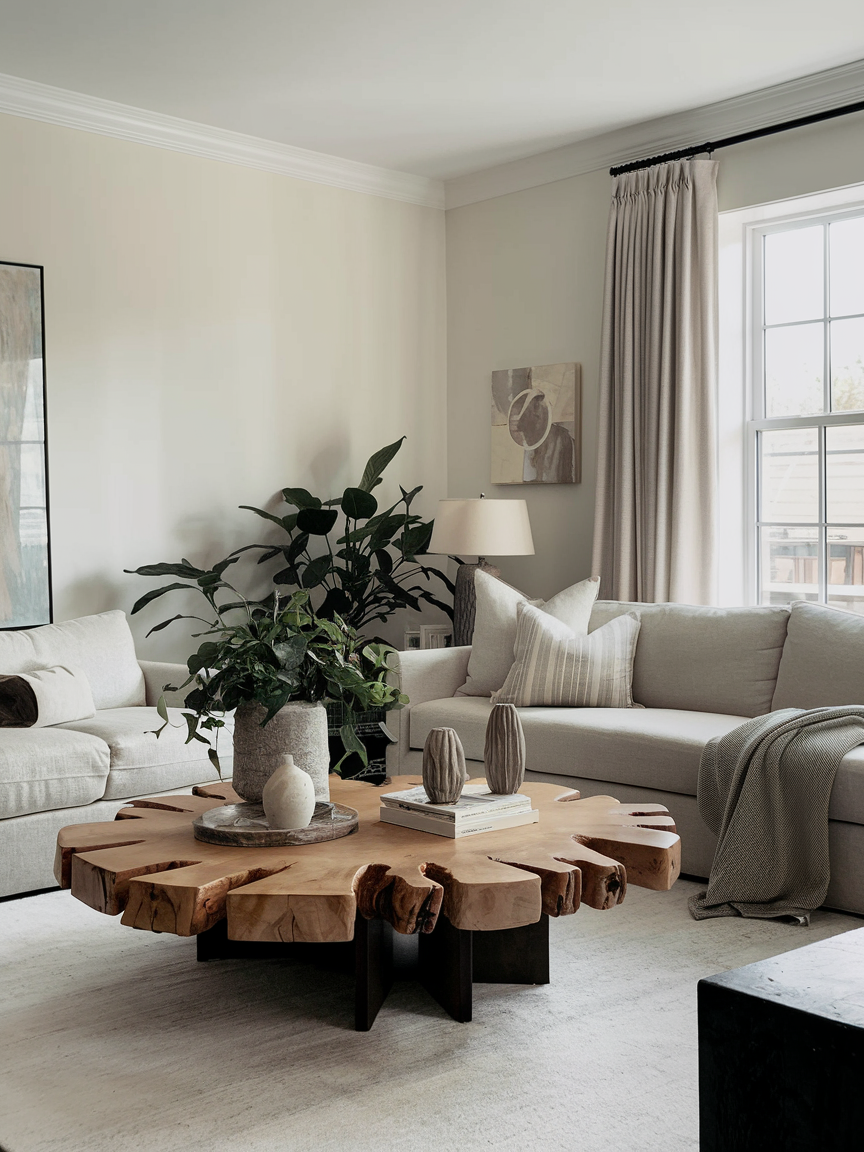
Coffee tables are becoming decorative centerpieces rather than purely functional pieces of furniture. A sculptural silhouette, distinctive stone surface, or beautifully grained wooden design can instantly elevate the entire seating area. Organic shapes, rounded edges, and mixed-material finishes are particularly effective in contemporary living rooms. A statement table can provide enough visual interest on its own, reducing the need for excessive tabletop decorations. Style it with a small stack of books, a decorative tray, or a simple ceramic vase to complete the look. When selecting a design, consider the size of your sofa and the available floor space to maintain comfortable movement around the furniture. The right coffee table combines practicality with artistic appeal, giving your living room a polished and distinctive character.
14. Bring Nature Indoors with Earthy Colors
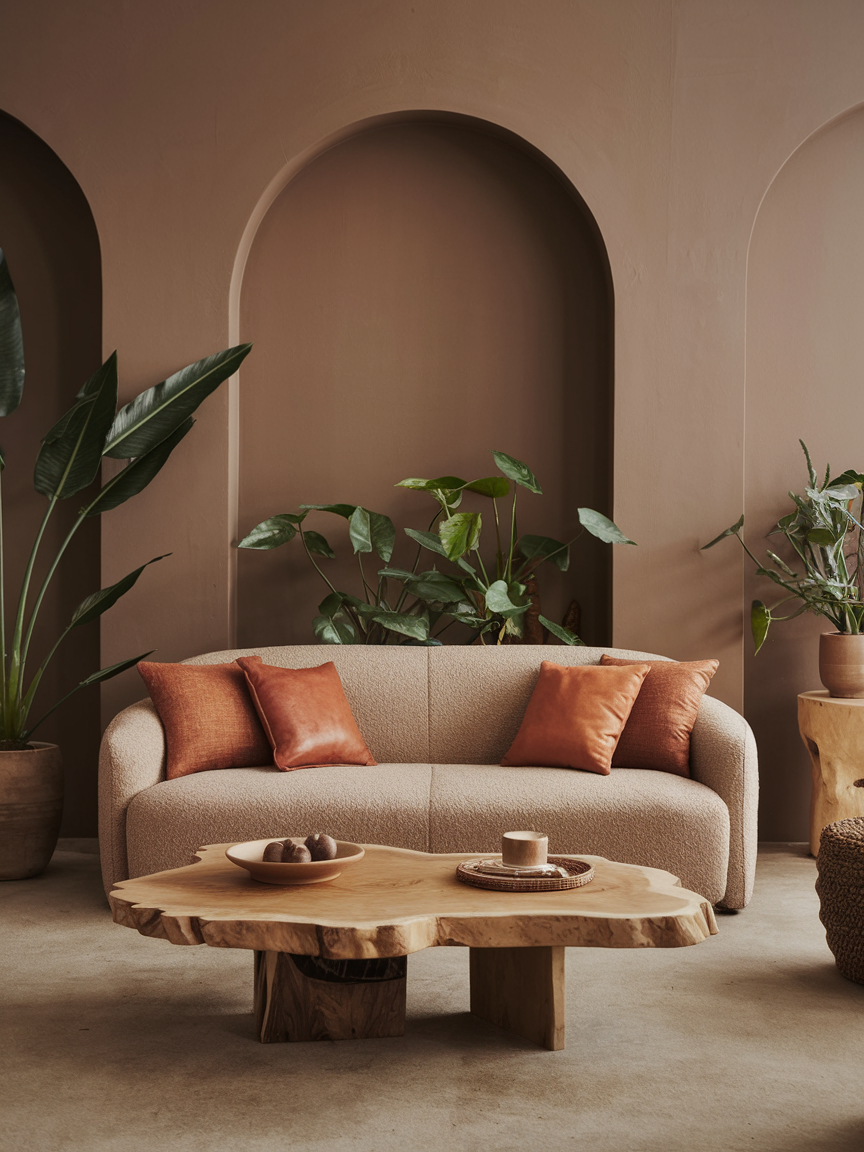
Earth-inspired colors are a wonderful way to make a living room feel grounded, comfortable, and connected to nature. Shades such as terracotta, olive green, rust, clay, and warm brown introduce depth without creating an overly dramatic atmosphere. These hues complement neutral walls and natural materials like wood, stone, and rattan. You can incorporate them through accent chairs, decorative cushions, area rugs, curtains, or artwork. For a subtle approach, start with a beige or cream foundation and introduce just one or two earthy shades. If you prefer a richer look, combine several related tones throughout the room. This nature-inspired palette creates a welcoming environment that feels stylish and timeless rather than dependent on short-lived decorating trends.
15. Create Atmosphere with Soft Lighting
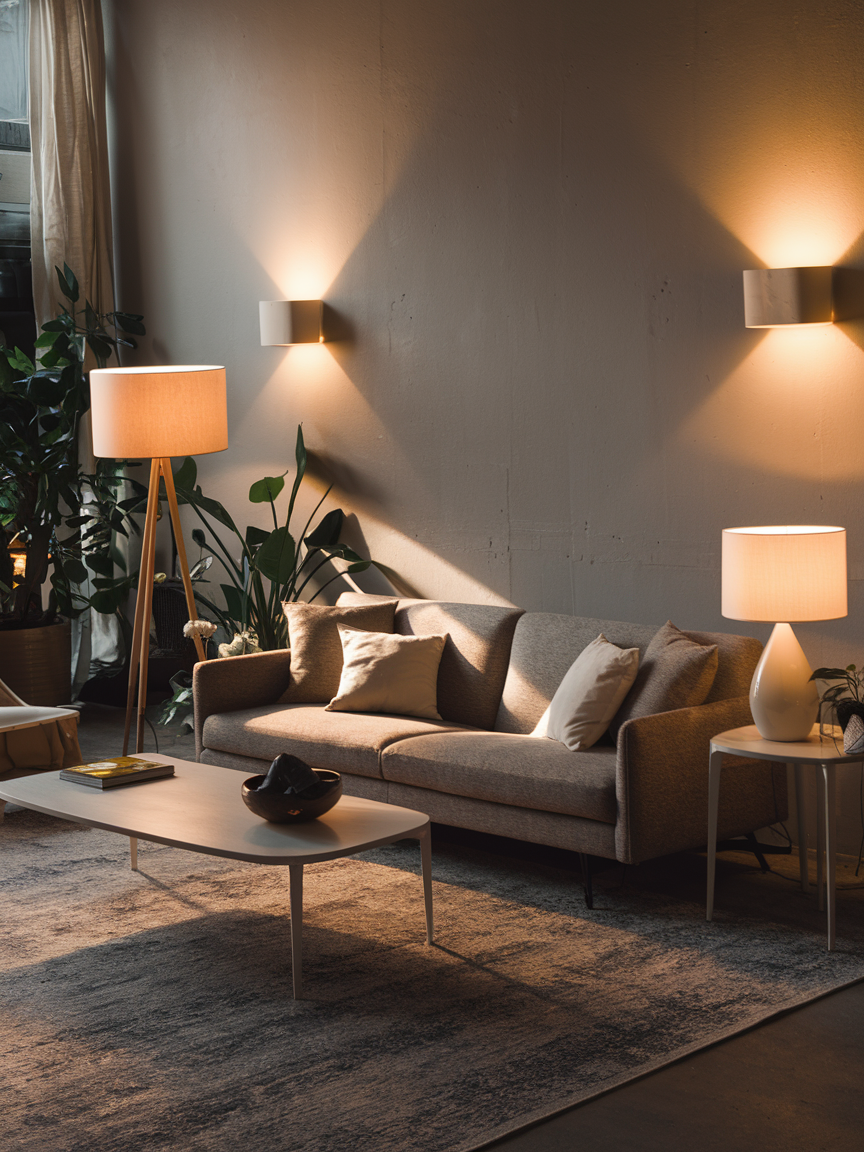
Lighting has a powerful influence on how a living room looks and feels, making layered illumination an important part of modern decor. Rather than relying on a single overhead fixture, combine floor lamps, table lamps, wall sconces, and ambient lighting to create a more comfortable atmosphere. Warm-white bulbs are particularly effective for relaxing evenings, while adjustable task lighting can support reading or other activities. Sculptural lamps can also serve as decorative accents, adding character even when switched off. Consider placing lights at different heights to create depth and highlight favorite features throughout the room. With a thoughtful lighting arrangement, your living room can transition effortlessly from a bright daytime gathering space to a cozy retreat after dark.
16. Ground the Space with a Textured Area Rug
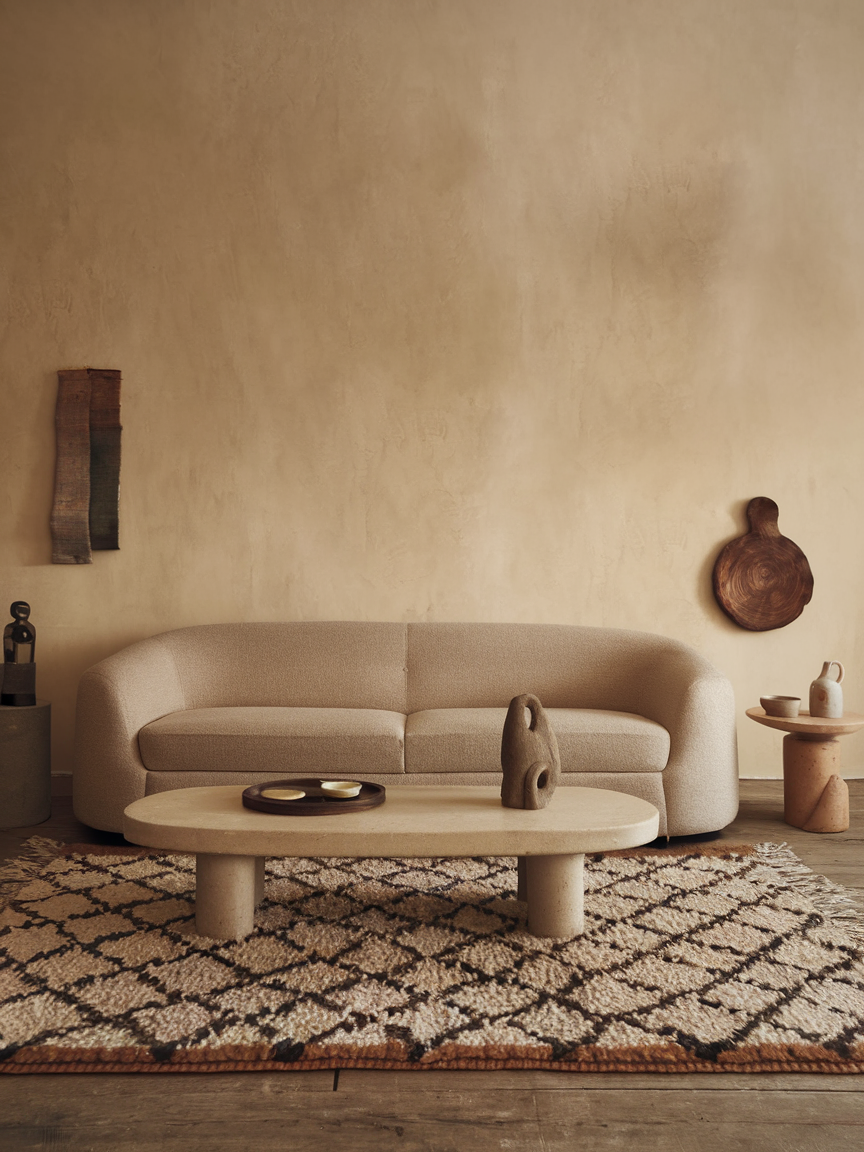
A textured area rug can bring an entire living room arrangement together while adding warmth and comfort underfoot. Wool rugs, woven jute designs, and low-pile styles with subtle patterns are versatile options for contemporary interiors. Beyond their decorative appeal, rugs help define the seating area and can soften the sound of footsteps in rooms with hard flooring. Choose a size that relates appropriately to your furniture, ideally allowing the front legs of the main seating pieces to rest on the rug. Neutral colors make it easy to coordinate with changing decor, while understated patterns introduce personality without overwhelming the room. A well-chosen rug creates a more cohesive, comfortable, and visually balanced living space.
17. Introduce a Distinctive Accent Chair
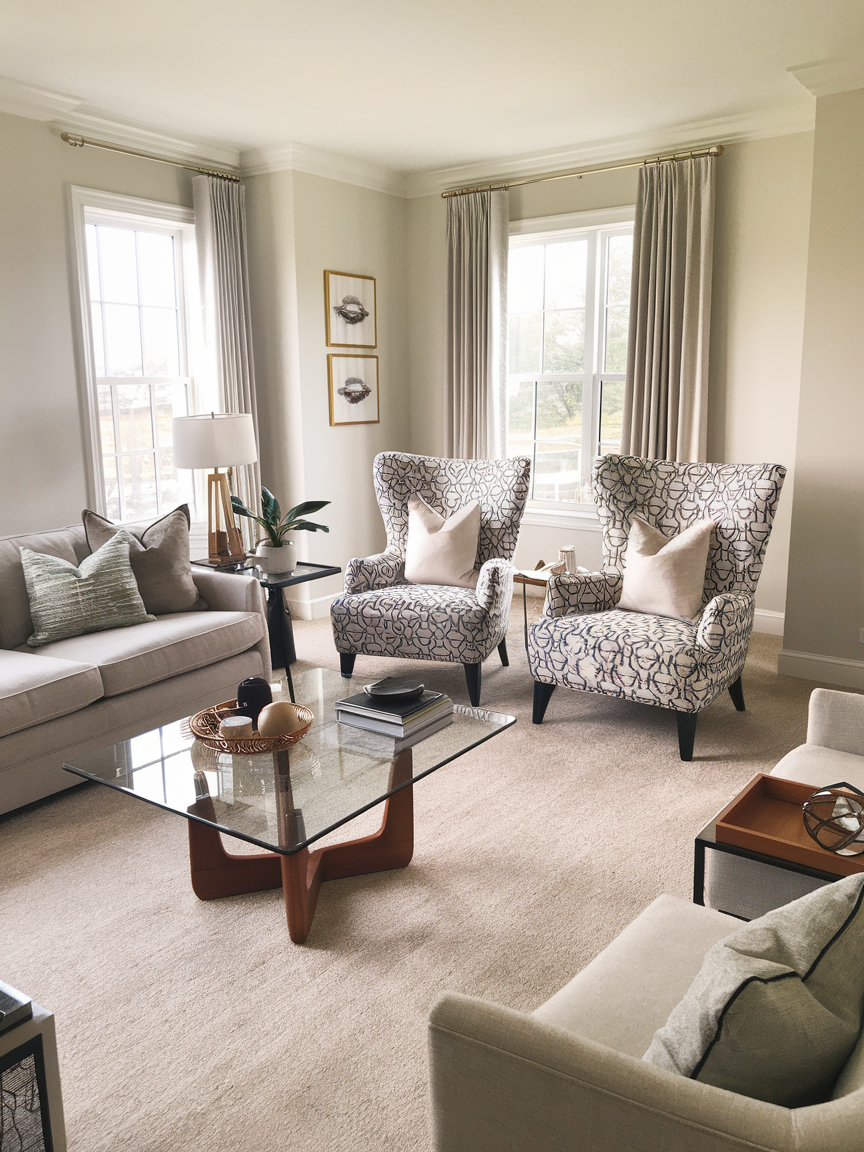
An accent chair can transform an ordinary living room corner into a stylish and functional feature. Look for an interesting silhouette, rich upholstery, sculptural legs, or a distinctive texture that complements your existing furniture. A chair in olive green, rust, navy, or another carefully chosen accent color can introduce contrast without requiring a complete room makeover. Place it beside a window to create a relaxing reading spot, or position it near the sofa to provide additional seating for guests. Mixing different furniture styles can make the room feel more personal and collected rather than overly coordinated. By selecting a chair that combines comfort with visual appeal, you can add character while keeping the overall design cohesive.
18. Create an Open and Airy Layout
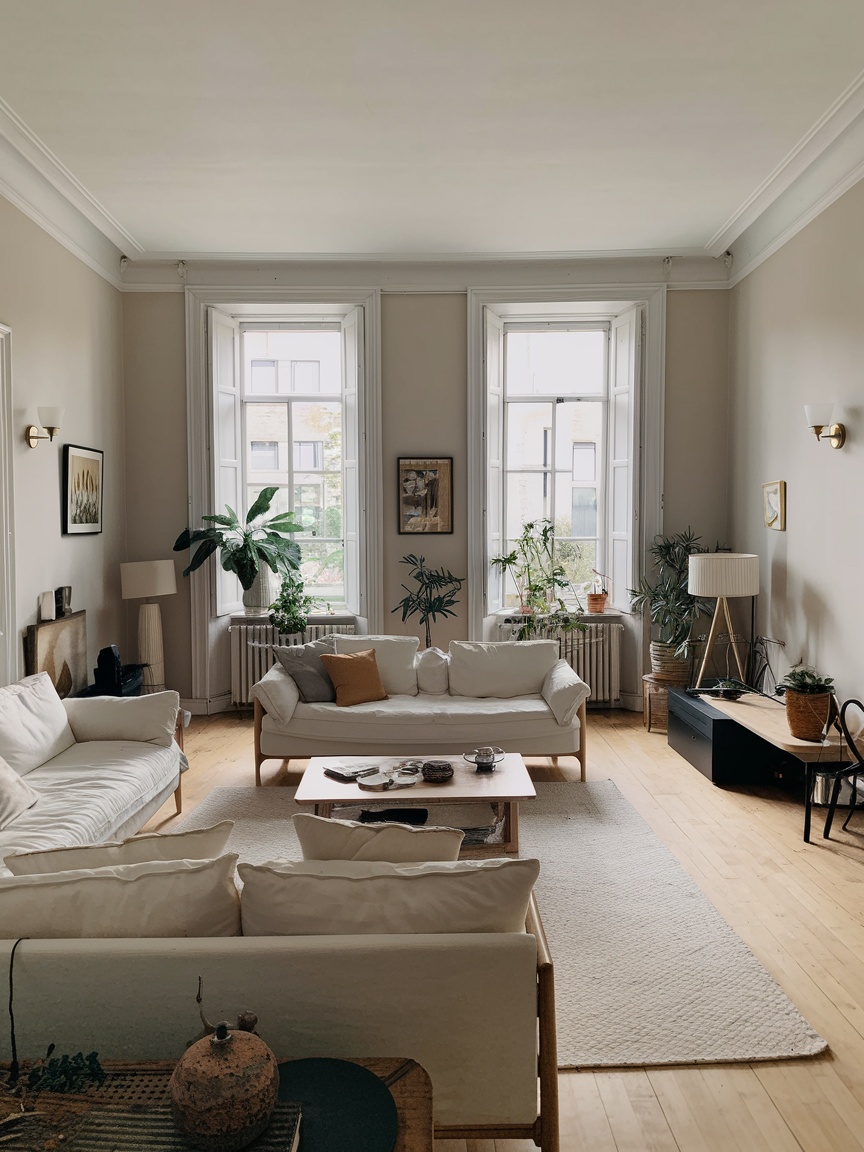
An open living room layout makes the space feel more comfortable by allowing light and movement to flow naturally throughout the interior. Arrange sofas and chairs to encourage conversation while maintaining clear pathways between doorways, windows, and adjoining areas. Avoid using oversized furniture that overwhelms the available floor space, and consider pieces with visible legs to create a lighter appearance. In smaller homes, multifunctional furniture can help the room serve several purposes without becoming crowded. You can also use rugs or carefully positioned seating to define different zones while preserving a sense of openness. A well-planned layout improves everyday functionality and creates a living room that feels welcoming, balanced, and easy to navigate.
19. Style with Sculptural Decorative Objects
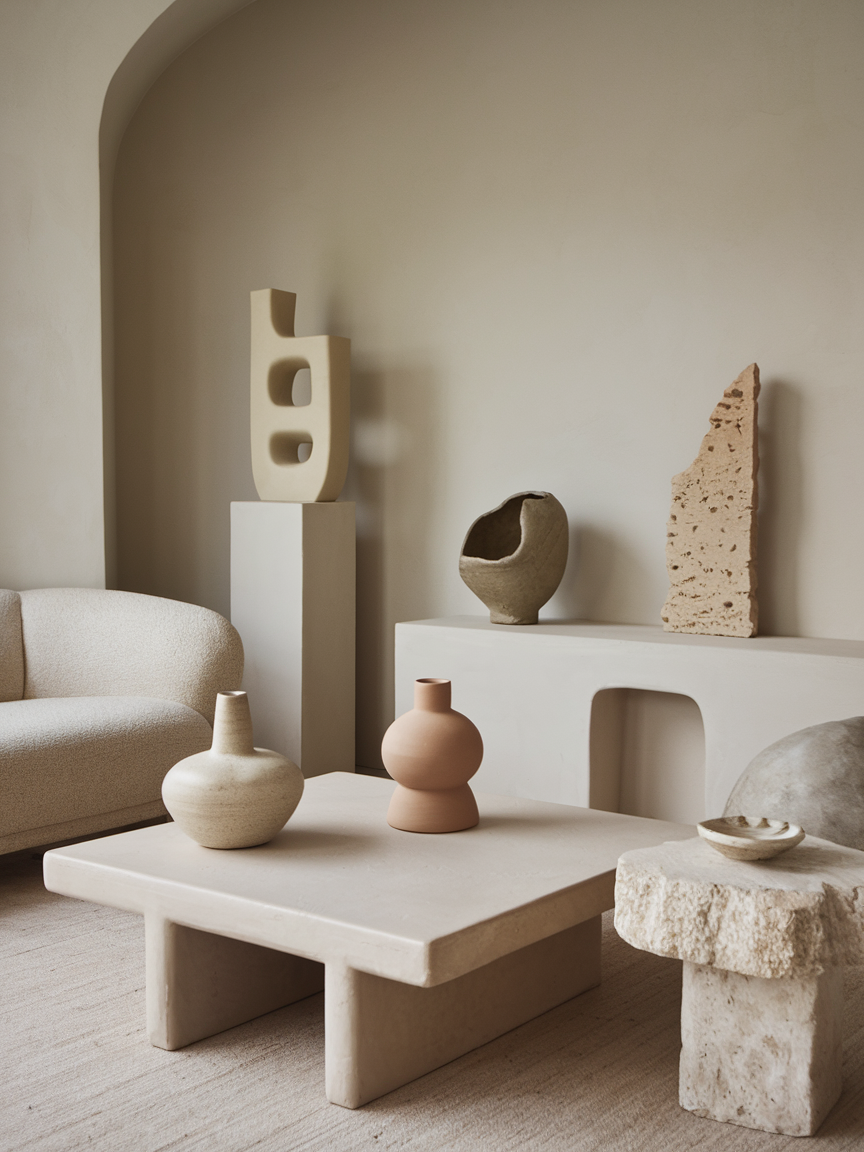
Sculptural accessories bring an artistic quality to living room decor without requiring major changes to the furniture or layout. Ceramic vases, abstract bowls, stone ornaments, and uniquely shaped decorative objects can act as small works of art. Their appeal often comes from their form, texture, and material rather than bright colors or elaborate details. Place a sculptural vase on a console, arrange a decorative bowl on the coffee table, or display a distinctive object on an open shelf. For the best effect, allow each piece enough surrounding space to stand out. A few carefully selected accessories create more impact than numerous unrelated decorations, giving your living room a sophisticated and curated appearance.
20. Create Character with Textured Accent Wall
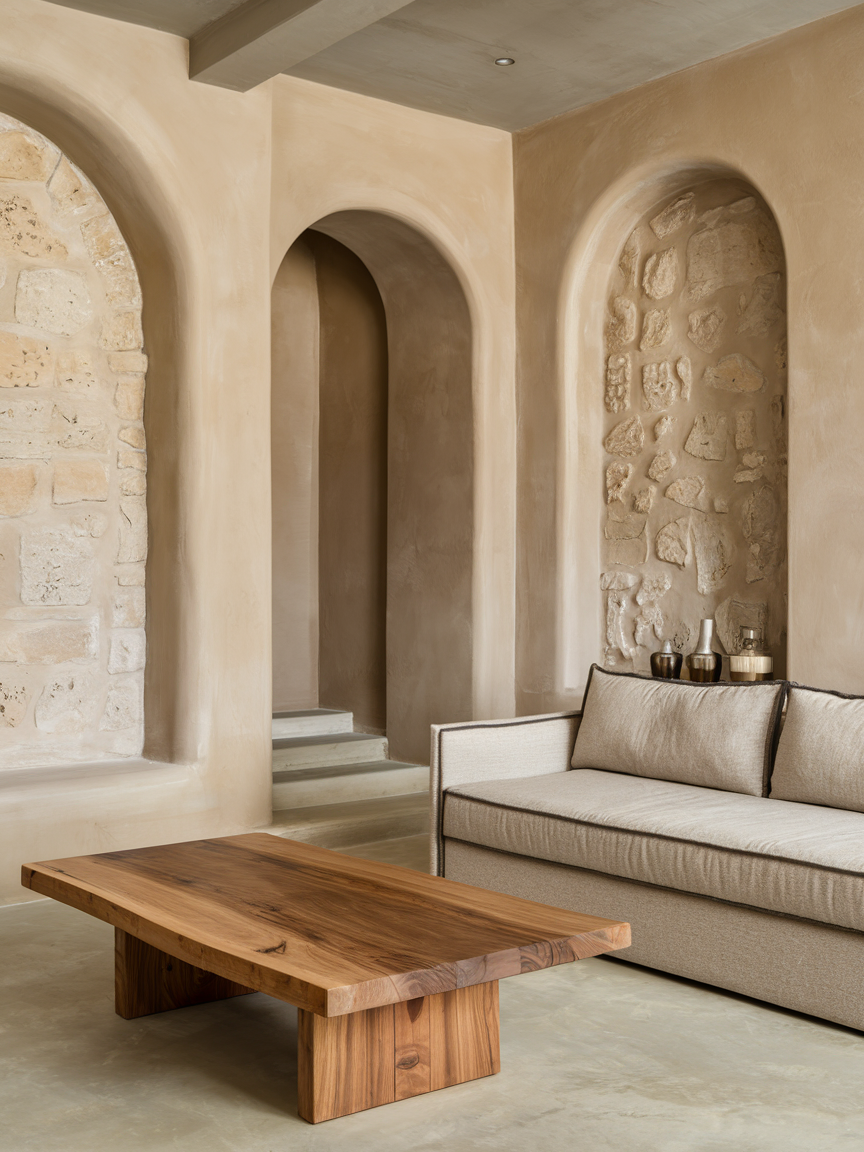
Textured accent walls offer a sophisticated alternative to relying solely on bold paint colors. Materials such as vertical wood slats, decorative plaster, stone veneer, and textured wallpaper can add dimension while keeping the color palette relatively understated. These surfaces respond to light in different ways, creating subtle shadows and visual movement throughout the day. A textured wall can frame a fireplace, highlight the main seating area, or provide an attractive backdrop for a sofa. Neutral finishes are especially versatile because they complement a variety of furniture styles and decorative accessories. Choose a texture that suits the room’s proportions and overall aesthetic rather than using several competing finishes. The result is a distinctive feature that brings warmth, depth, and architectural interest to your living room.
21. Mix in Vintage-Inspired Details
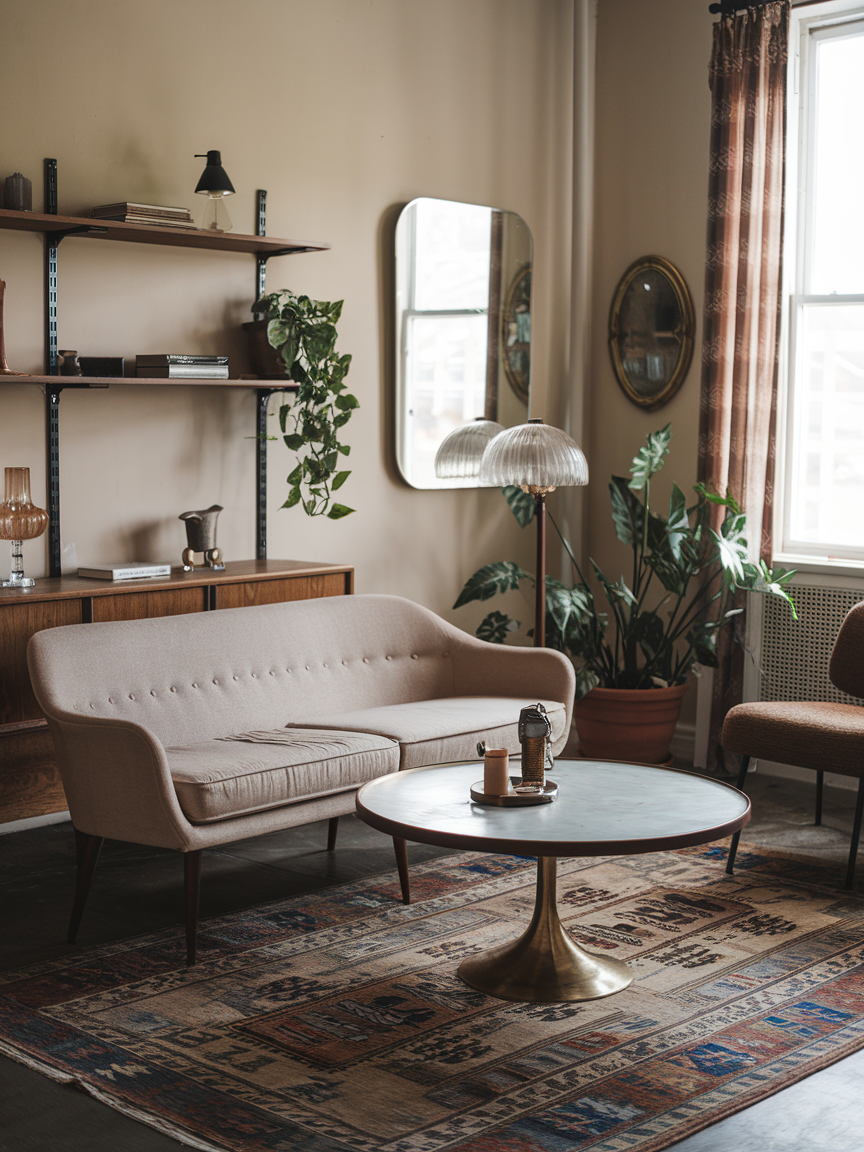
Vintage-inspired accessories bring individuality and a sense of history to contemporary living rooms. An antique mirror, a retro side table, a brass lamp, or a piece of classic artwork can introduce character that newer furniture sometimes lacks. These details create an appealing contrast against modern sofas, clean-lined shelving, and minimalist finishes. You do not need to decorate the entire room in a vintage style to achieve this effect. Instead, choose a few meaningful pieces that complement your existing palette and materials. Incorporating well-made secondhand furniture can also extend the life of existing items and reduce the need to purchase everything new. By blending old and new thoughtfully, you can create a living room that feels personal, layered, and timeless.
22. Keep Clutter Hidden with Smart Storage
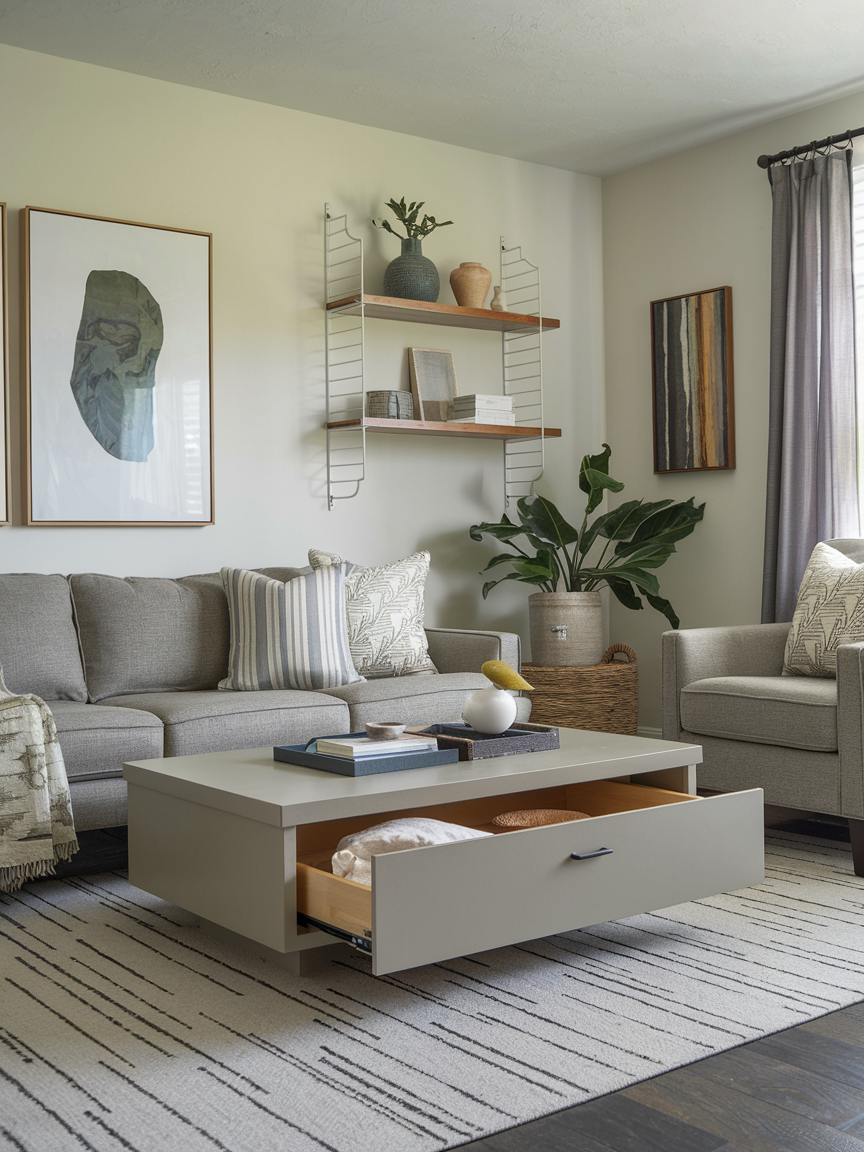
Hidden storage is an essential feature of a living room that needs to look attractive while supporting everyday activities. Storage ottomans, lift-top coffee tables, benches with compartments, and media units with closed cabinets provide convenient places for blankets, books, toys, and electronic accessories. These multifunctional pieces help keep frequently used items accessible without leaving everything on display. In smaller living rooms, furniture that serves more than one purpose can be especially valuable because it reduces the need for additional storage units. Choose designs that coordinate with your interior so they blend naturally into the room. With clutter tucked away and surfaces kept relatively clear, your living room can feel more spacious, organized, and relaxing.
23. Add Built-In or Floating Shelves
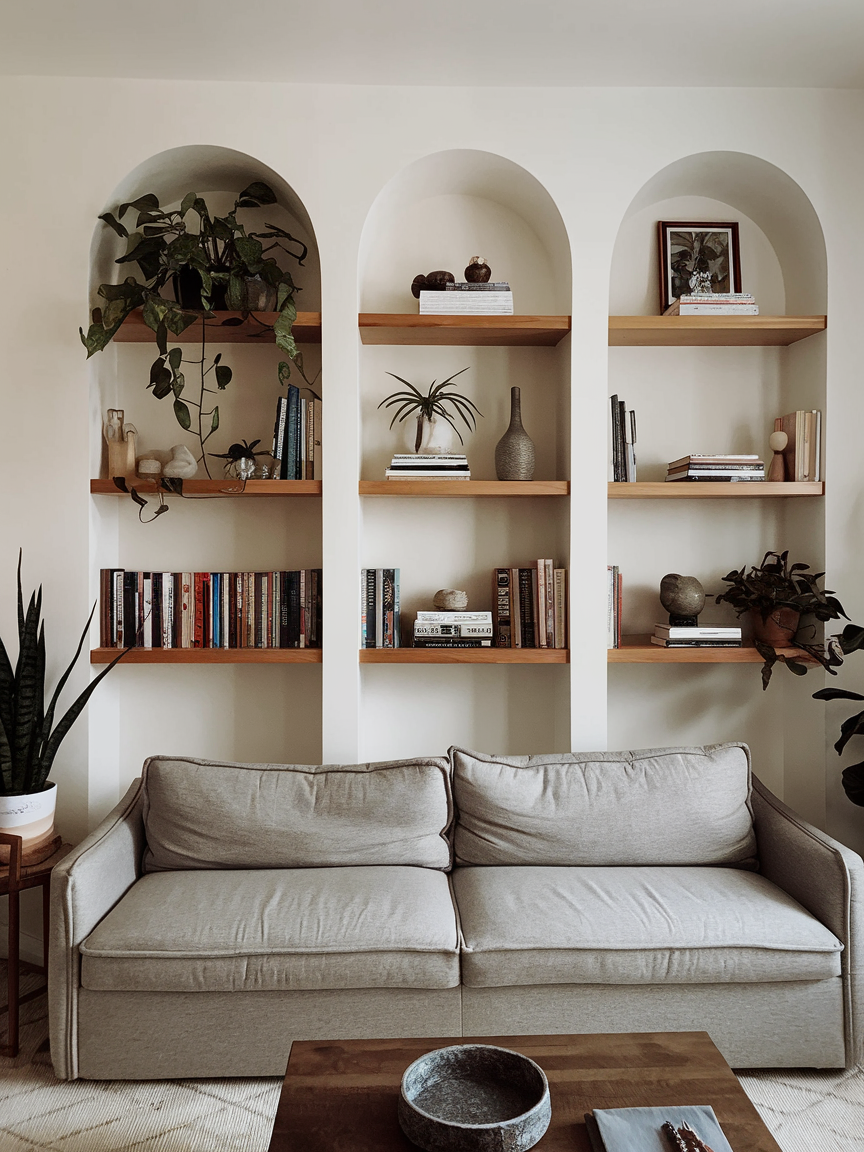
Built-in and floating shelves offer a stylish way to combine storage and decoration in a modern living room. Floating shelves create a lightweight appearance by keeping the floor clear, while built-in units can provide a more architectural, custom-designed look. Both options offer space for books, framed photographs, small plants, and carefully selected decorative objects. To avoid a cluttered display, mix items of different heights and leave some open space between them. Repeating a few colors or materials can also help the arrangement feel cohesive. Built-in shelves can be particularly useful around a fireplace or television, while floating shelves work well in smaller rooms with limited storage. These versatile features keep everyday essentials organized while adding personality to the walls.
24. Experiment with Subtle Pattern Mixing
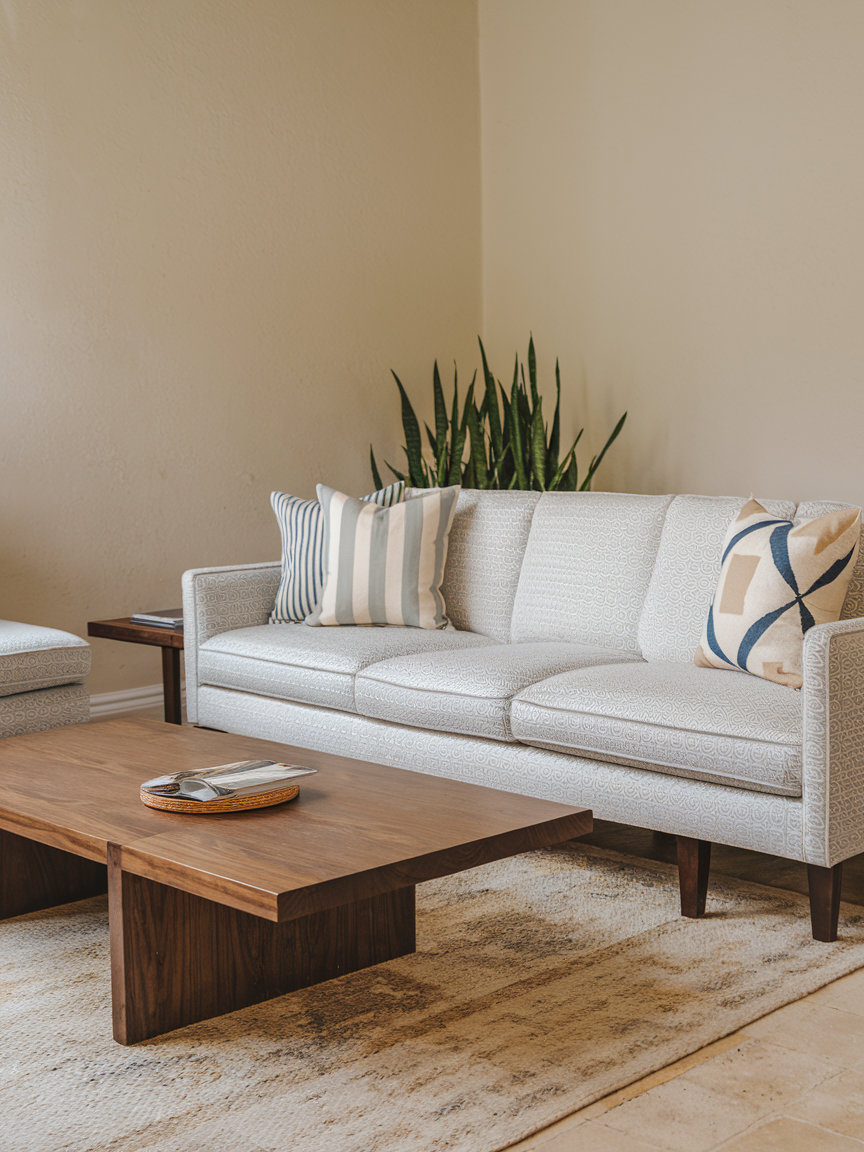
Mixing patterns is a creative way to give your living room more depth without disrupting its overall harmony. Rather than combining several bold designs, start with understated patterns that share a similar color palette. For example, geometric cushions can complement a rug with an organic motif, while softly striped curtains provide additional interest. Varying the scale of the patterns helps each element remain distinct without competing for attention. Balance patterned fabrics with solid-colored upholstery and simple accessories to prevent the room from feeling too busy. This technique works especially well in neutral interiors, where gentle patterns introduce character without overwhelming the calming atmosphere. The result is a living room that feels layered, expressive, and carefully coordinated.
25. Choose Low-Profile Furniture
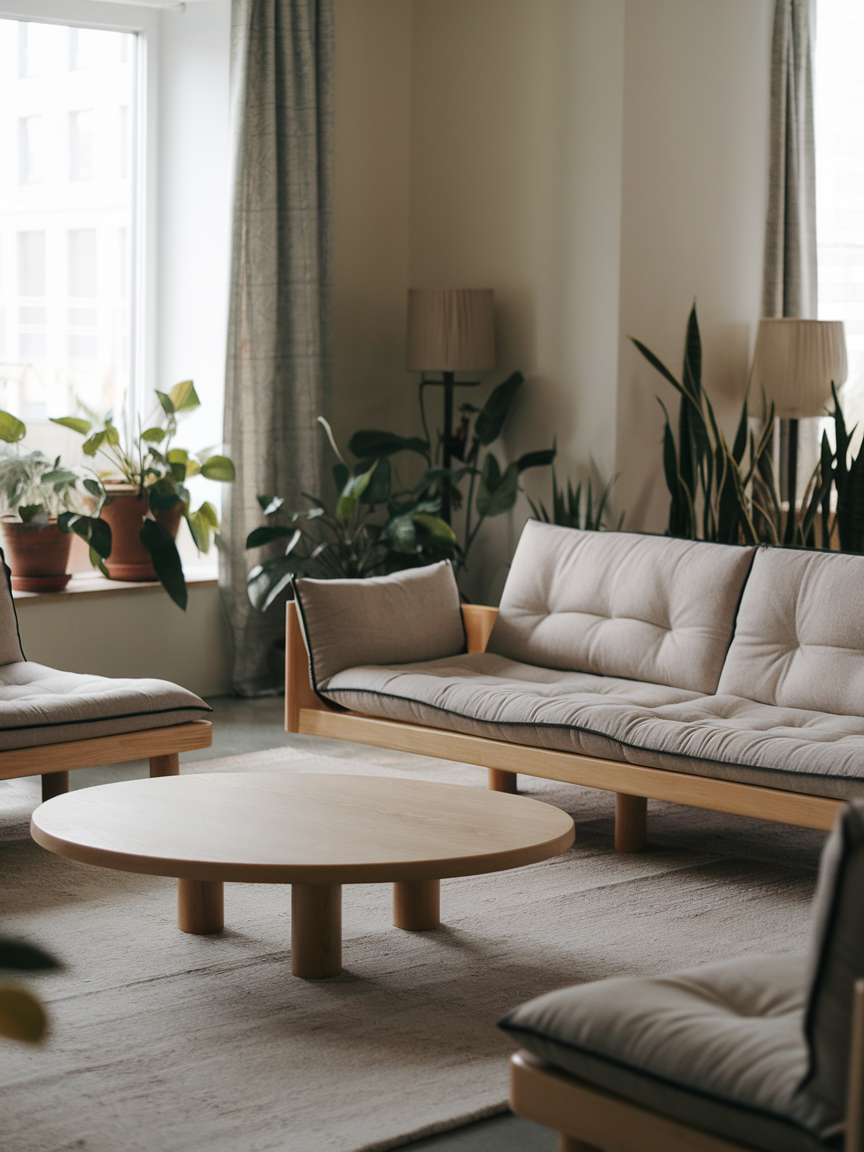
Low-profile furniture creates a relaxed, contemporary atmosphere while helping the living room feel visually open. Sofas with lower backs, streamlined armchairs, and coffee tables with simple silhouettes emphasize horizontal lines and can make the space above the furniture feel less crowded. Pieces with visible legs or open bases may also help preserve a sense of lightness. This style works particularly well in modern and minimalist interiors, where uncluttered forms are central to the design. However, comfort should remain a priority, so look for seating with supportive cushions and dimensions suited to your needs. Pair low-profile furniture with a textured rug, layered lighting, and carefully chosen accessories to create a room that feels modern, welcoming, and comfortable for everyday use.
* The charm of a well-decorated living room lies in its ability to feel both stylish and effortlessly comfortable. Use these inspirations to explore new decorating possibilities, incorporate details that reflect your personality, and create a space that suits your everyday needs.