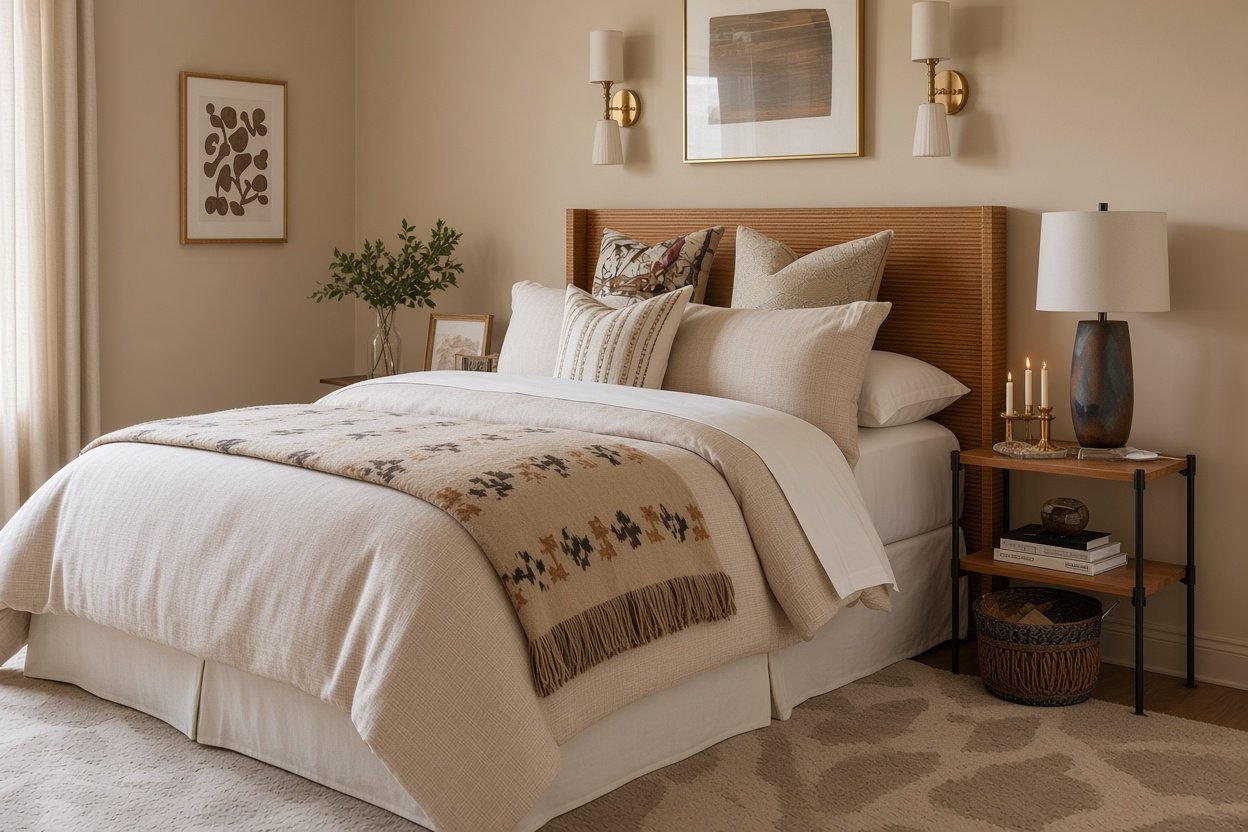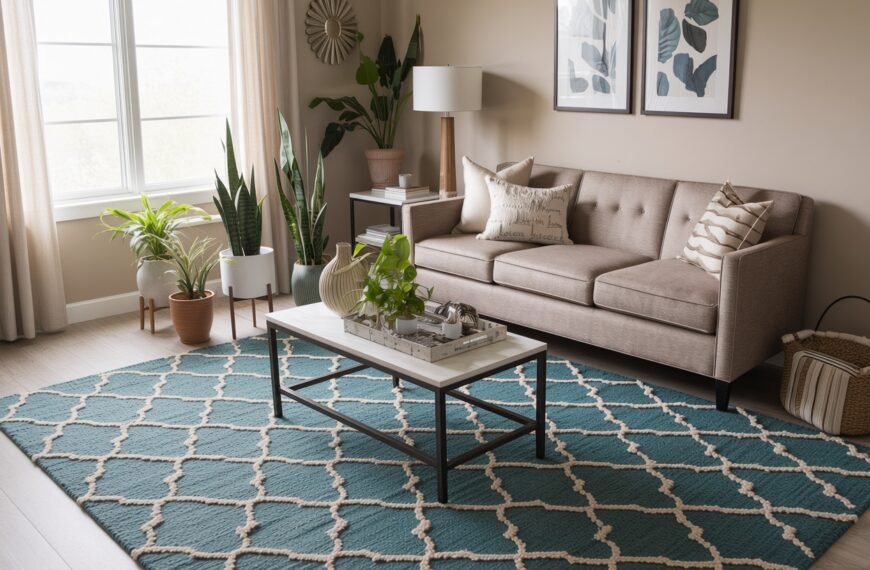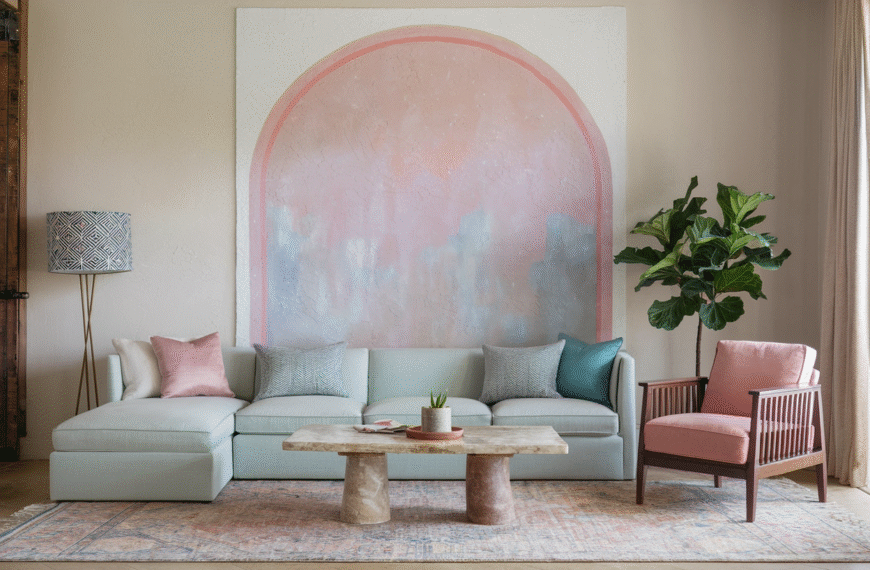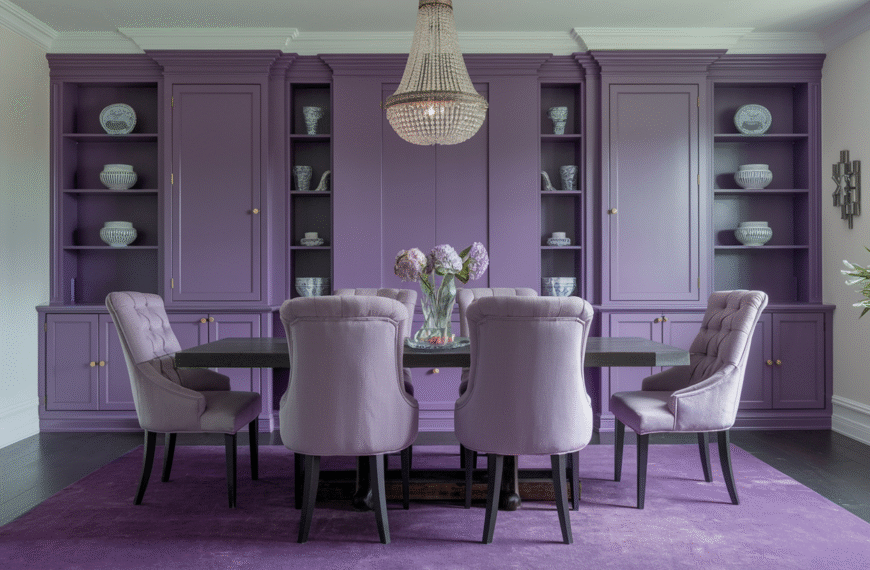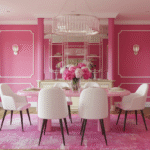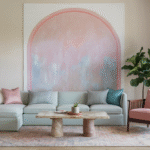
A fresh and beautiful living room can transform the entire feel of your home, making it brighter, more inviting, and comfortable for everyday living. Thoughtful decorating choices, such as a light color palette, natural materials, cozy textures, and carefully selected furniture, can create a space that feels both stylish and relaxing. Even small updates to your lighting, wall decor, or accessories can make a noticeable difference without requiring a complete makeover.
The secret to a bright and beautiful living room lies in finding the right balance between color, texture, lighting, and functionality. Soft neutrals, airy curtains, natural wood finishes, indoor plants, decorative mirrors, and layered lighting can help create an open and welcoming atmosphere. Comfortable seating, attractive accent pieces, and well-planned furniture arrangements also add personality while keeping the room practical for relaxing, entertaining guests, and spending time with family.
Let’s explore these inspiring designs and find beautiful decorating ideas to help you create a living room that feels fresh, inviting, and uniquely yours!
1. Make the Most of Large Windows
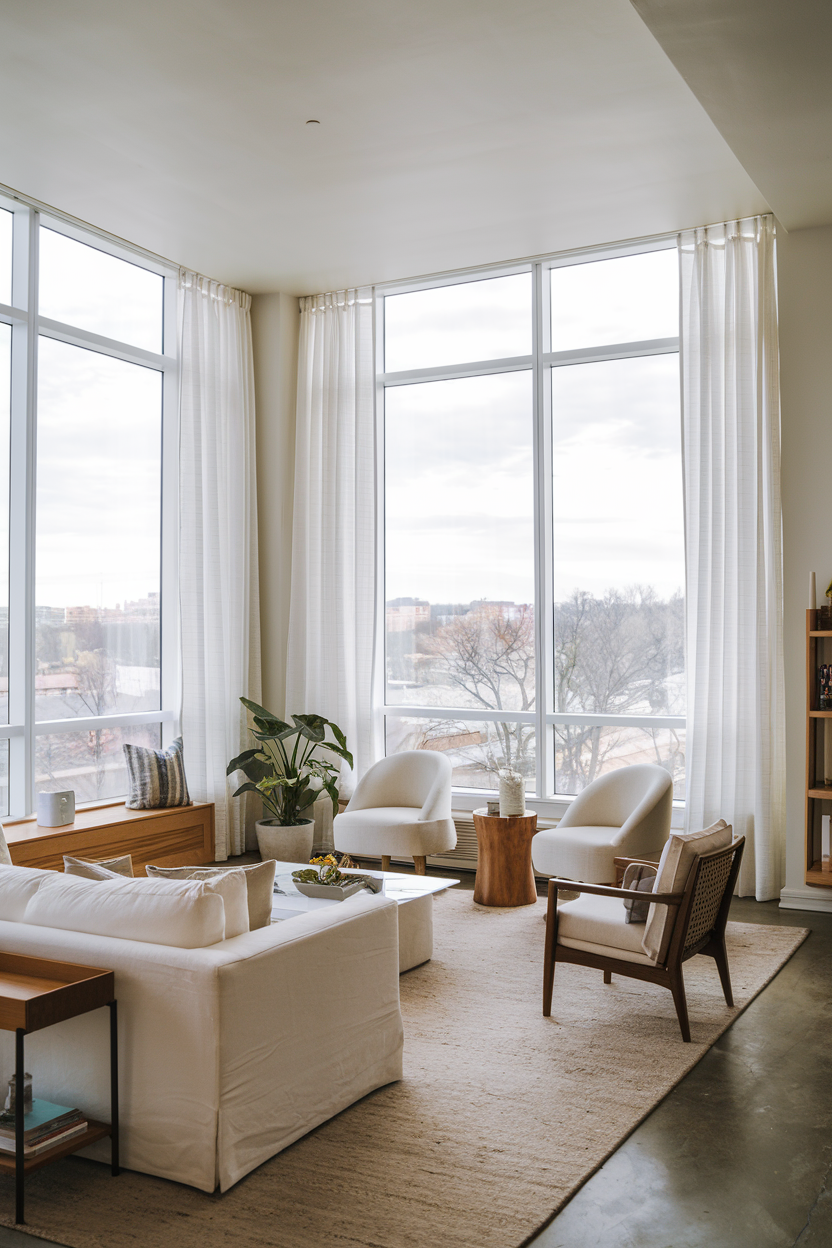
Large windows can become the defining feature of a bright living room, bringing in daylight and framing views of the outdoors. Keep the surrounding decor simple so the windows remain the focal point, and choose furniture that does not interrupt the flow of light. Floor-to-ceiling curtains can emphasize the height of the room when hung close to the ceiling, while adjustable blinds provide privacy when needed. If installing larger windows is not an option, maximizing the exposure of existing windows can still make a meaningful difference.
2. Embrace Light and Breezy Fabrics
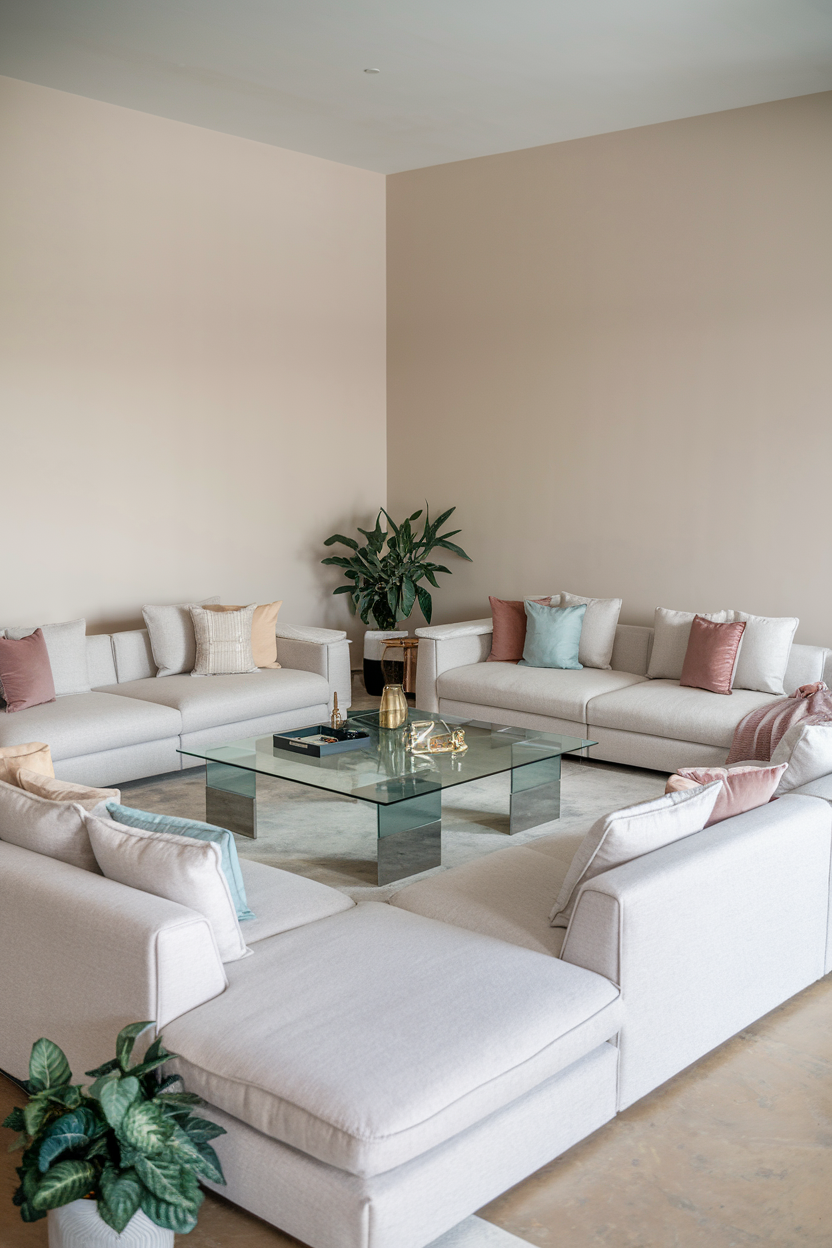
Lightweight fabrics can make a living room feel softer and more relaxed. Linen, cotton, and loosely woven textiles work beautifully for curtains, cushion covers, and throws because they add texture without creating a heavy appearance. Natural fabrics in ivory, sand, pale gray, or muted pastels complement sunlight and help maintain a cohesive color scheme. Layering a few different textures can make the room feel comfortable and inviting while preserving its airy character.
3. Consider Skylights or Larger Windows
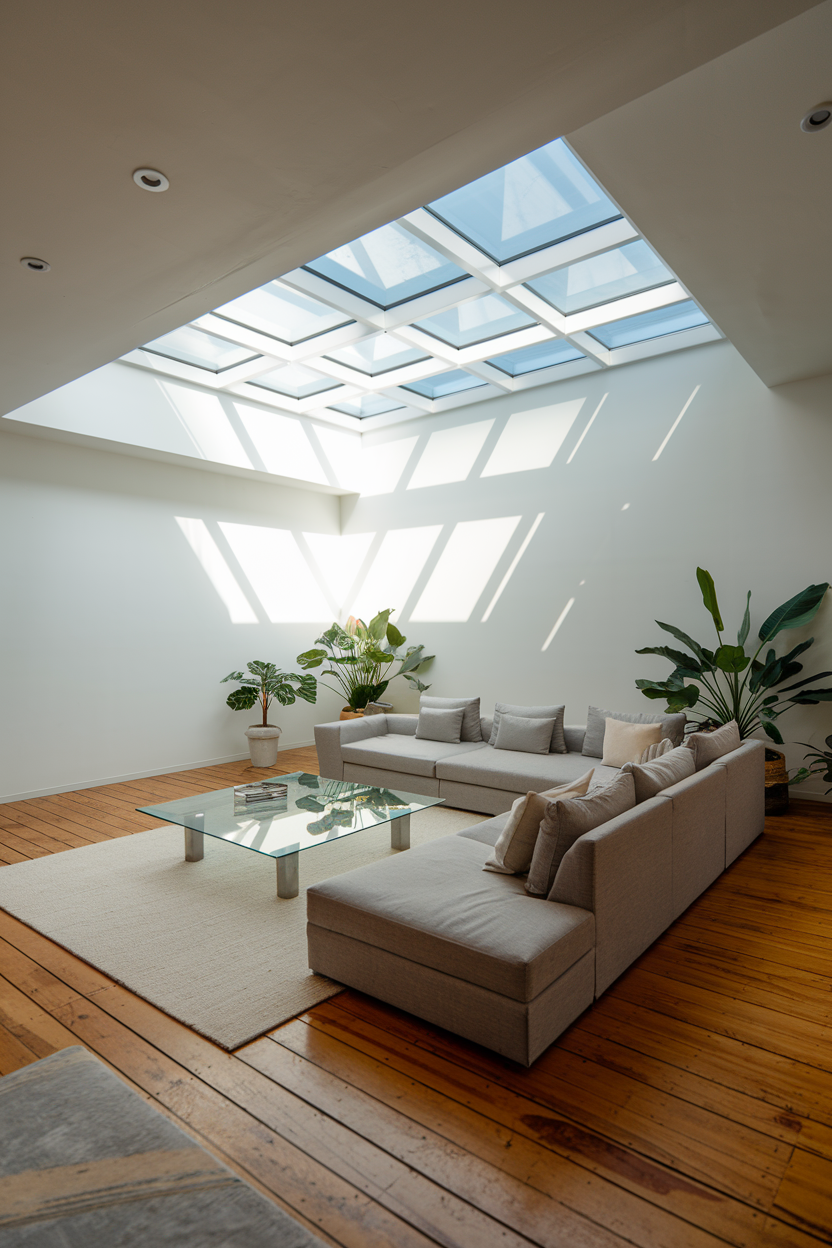
Architectural changes can dramatically increase the amount of daylight entering a living room. Skylights bring sunlight in from above, while larger windows can brighten the space and provide broader views of the outdoors. Floor-to-ceiling glazing and sliding glass doors are particularly effective for connecting an interior living area with a garden, patio, or balcony. Before making structural changes, consider your home’s orientation, insulation, privacy, and local building requirements to ensure the design remains comfortable throughout the year.
4. Introduce Soft Pastel Colors
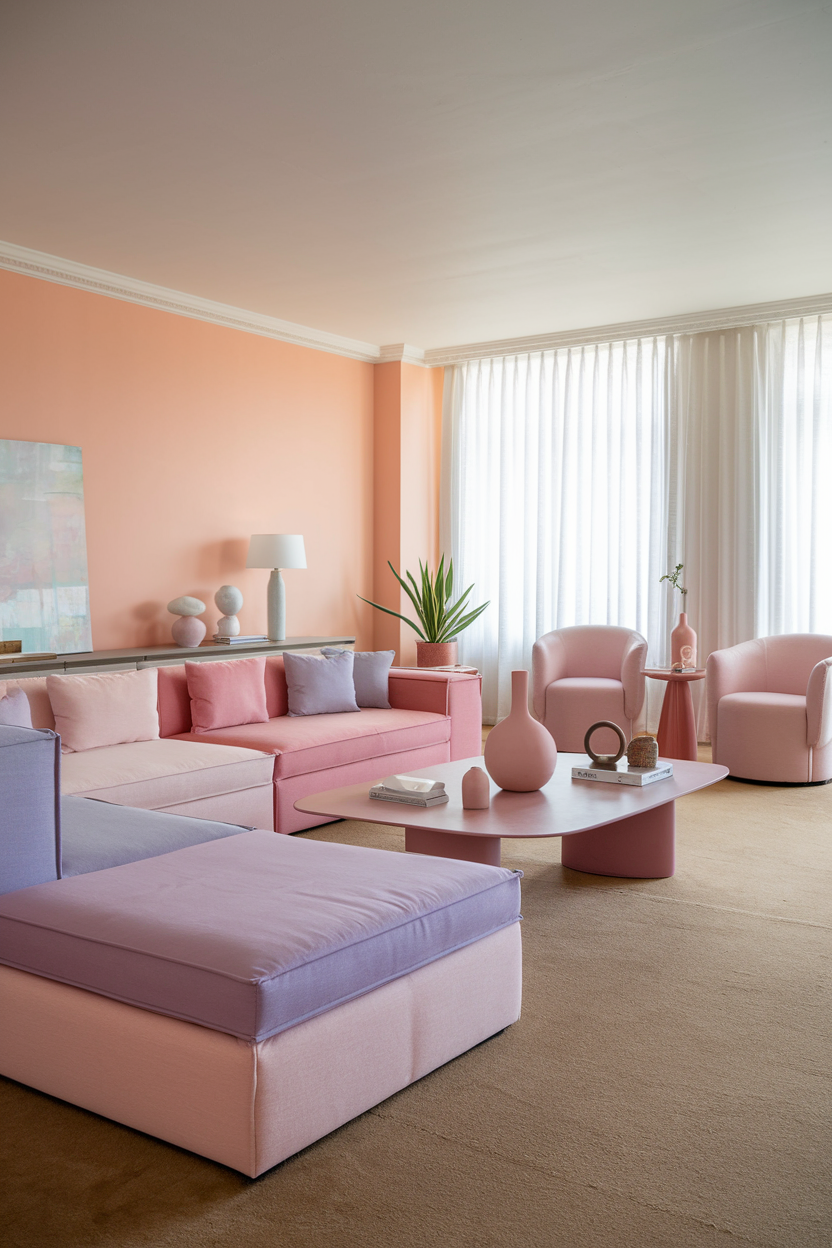
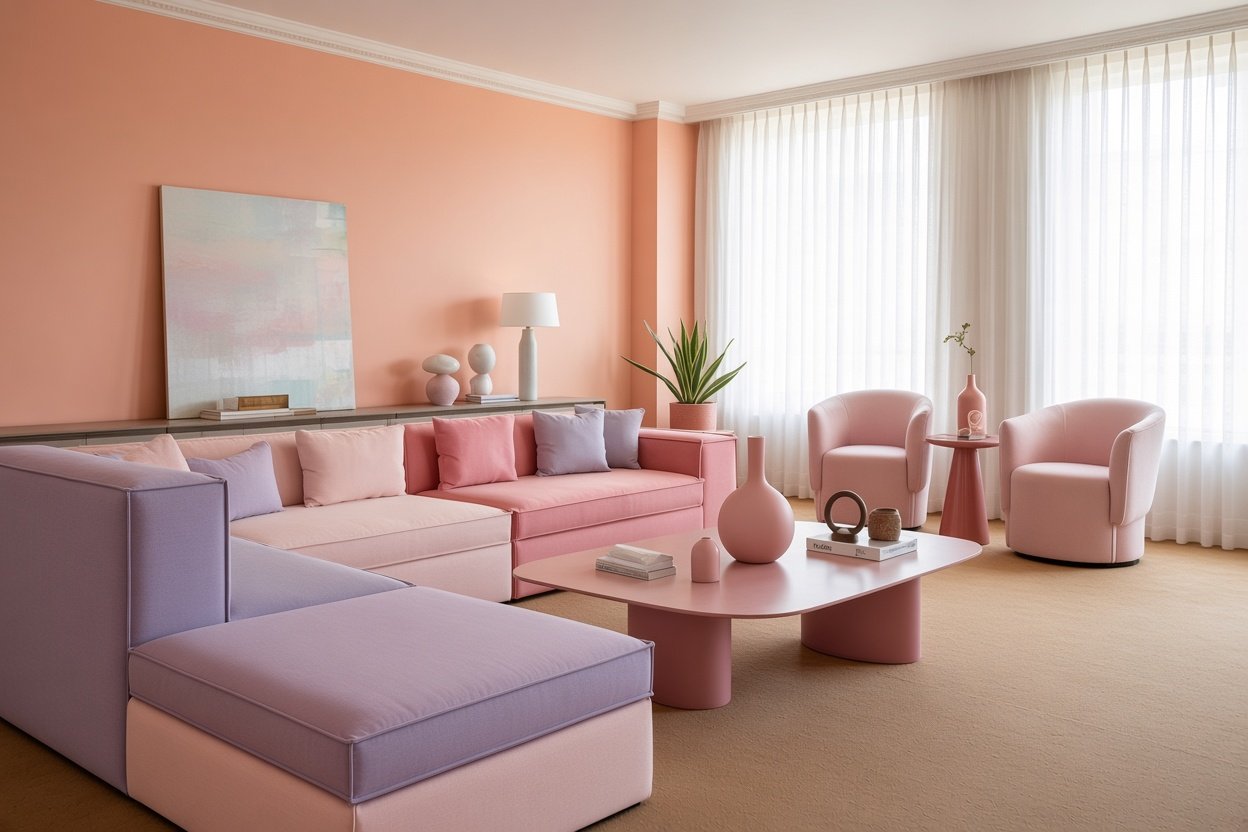
Pastel shades can add personality to a bright living room without overwhelming its relaxed atmosphere. Pale pink, mint green, powder blue, lavender, and soft peach bring a gentle wash of color that works beautifully with natural light. Introduce these hues through cushions, accent chairs, artwork, rugs, or a painted feature wall. Pairing pastels with warm white, natural wood, and simple furniture creates a balanced look that feels fresh rather than overly sweet.
5. Frame the Windows with Flowing Drapes
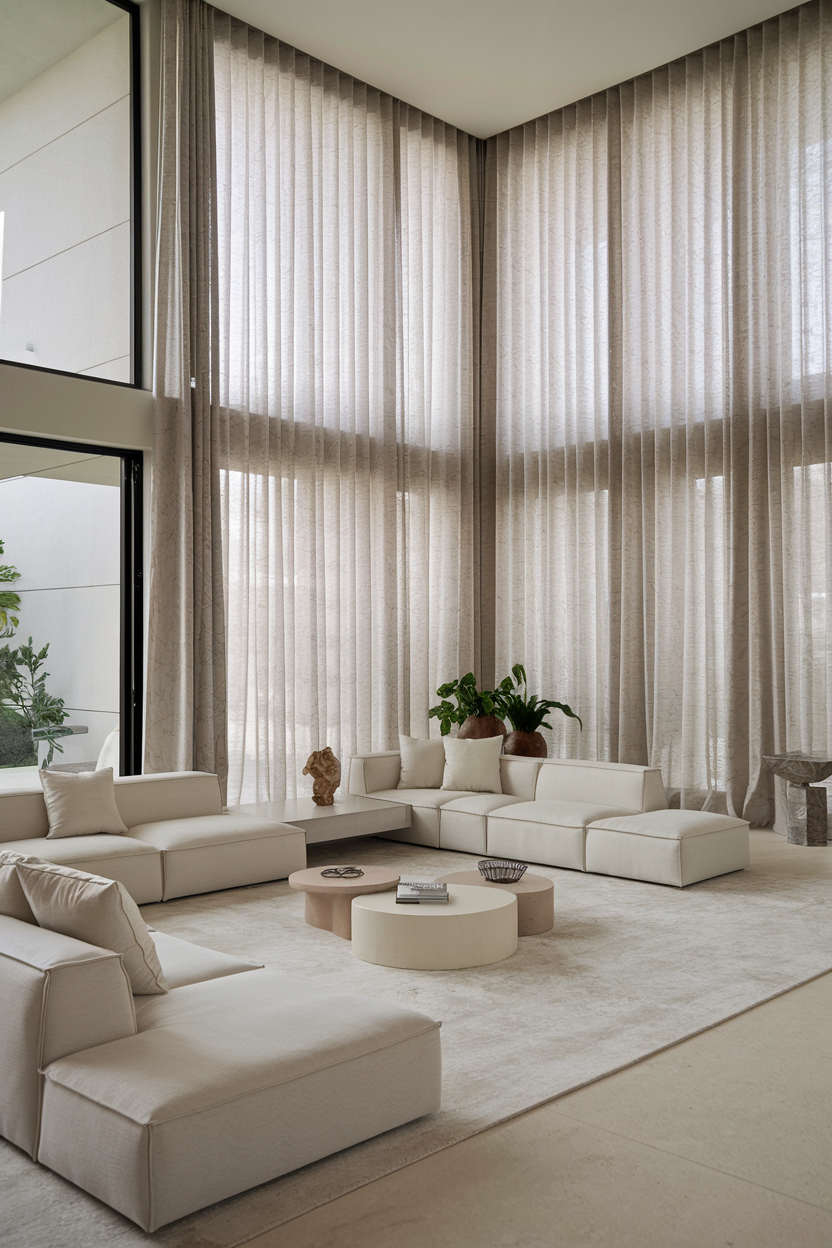
Flowing drapes can soften the architecture of a living room while enhancing its airy atmosphere. Linen and cotton curtains fall naturally, creating a relaxed look that pairs well with sunlight and neutral decor. White, ivory, sand, and pale pastel shades maintain a bright appearance, while longer panels can make the ceiling seem taller. During the day, pull the curtains fully to the sides to maximize the window opening, then close them when you need privacy or a softer evening atmosphere.
6. Choose Low-Profile Furniture
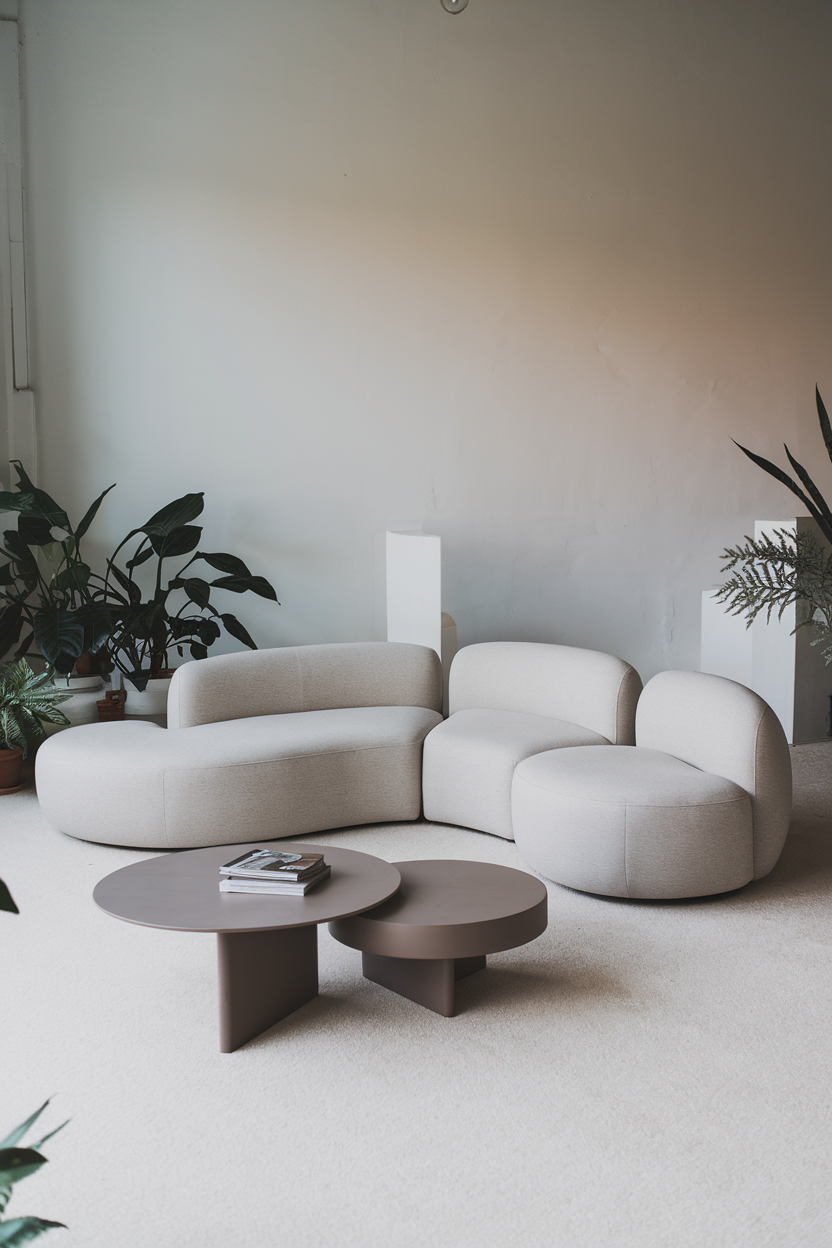
Low-profile sofas, armchairs, and coffee tables can make a living room feel more open by keeping the sightlines clear. Furniture with simple silhouettes and lower backs can help preserve views across the room, especially in smaller spaces. Raised legs are another useful detail because they reveal more of the floor and create a lighter visual effect. Choose comfortable pieces that suit the room’s proportions, and avoid filling the space with too many large furnishings.
7. Decorate with Light and Nature-Inspired Artwork
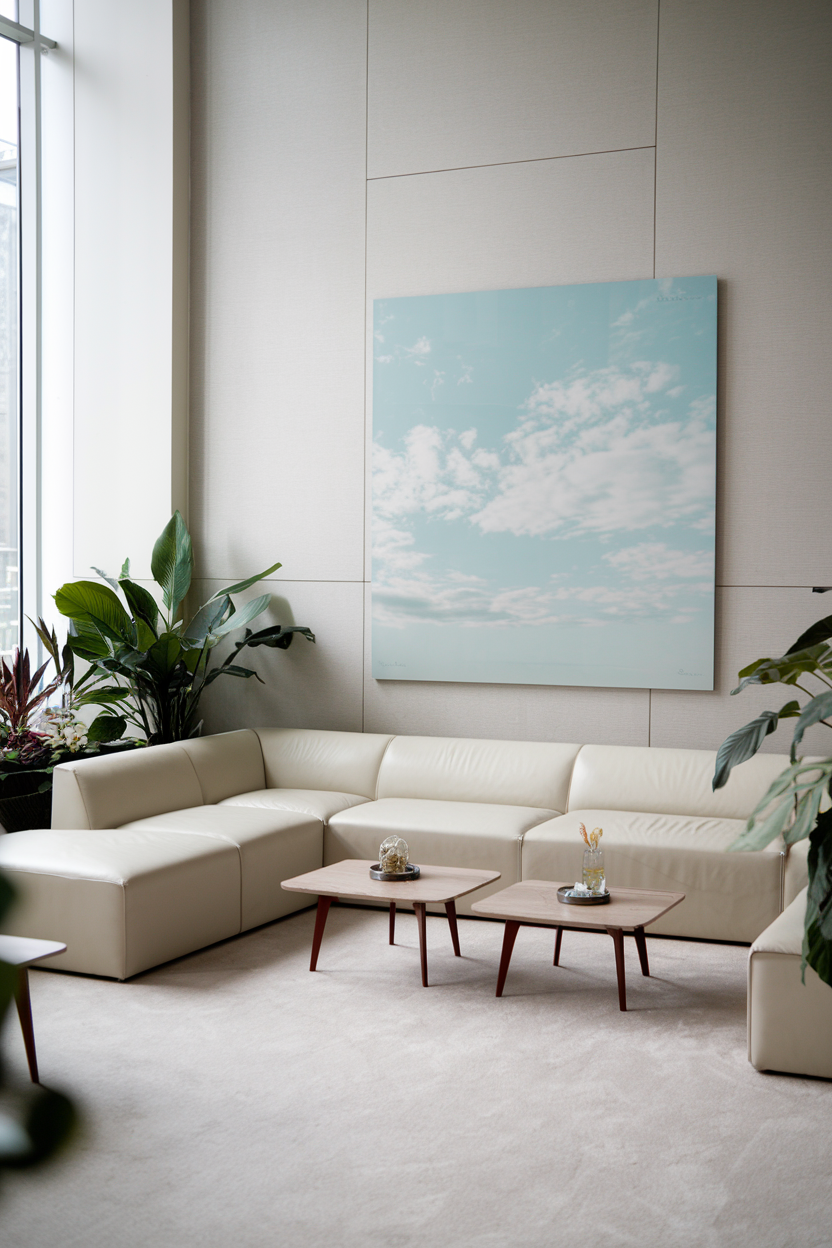
Artwork can reinforce the bright, relaxed atmosphere of a sunlit living room. Soft landscapes, botanical prints, abstract compositions, and coastal scenes introduce color without making the walls feel too heavy. Pale frames and generous white matting can help artwork blend into a light interior, while a larger statement piece can create a focal point above the sofa. Select artwork that complements the room’s palette rather than matching every accessory exactly, giving the space a more natural and personal appearance.
8. Introduce Metallic Accents for Subtle Shine
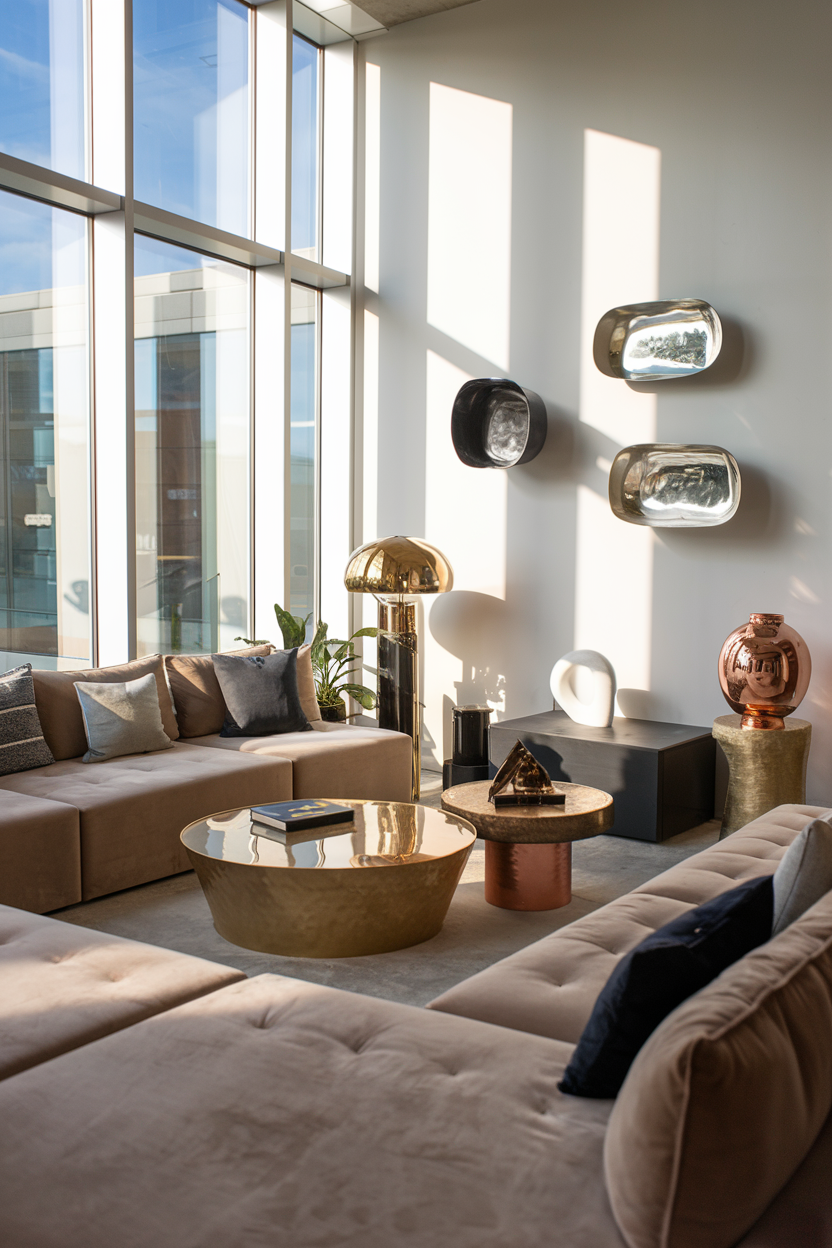
Metallic finishes can add elegance and help a living room catch the light. Brass lamps, gold picture frames, copper accessories, and silver decorative objects introduce small reflective details that stand out against soft neutral backgrounds. Warm metals pair particularly well with cream, beige, and natural wood, while silver can complement cooler gray and blue palettes. Use metallic accents selectively across a few areas of the room to create a coordinated look without making the decor feel overly glamorous.
9. Keep the Coffee Table Simple and Functional
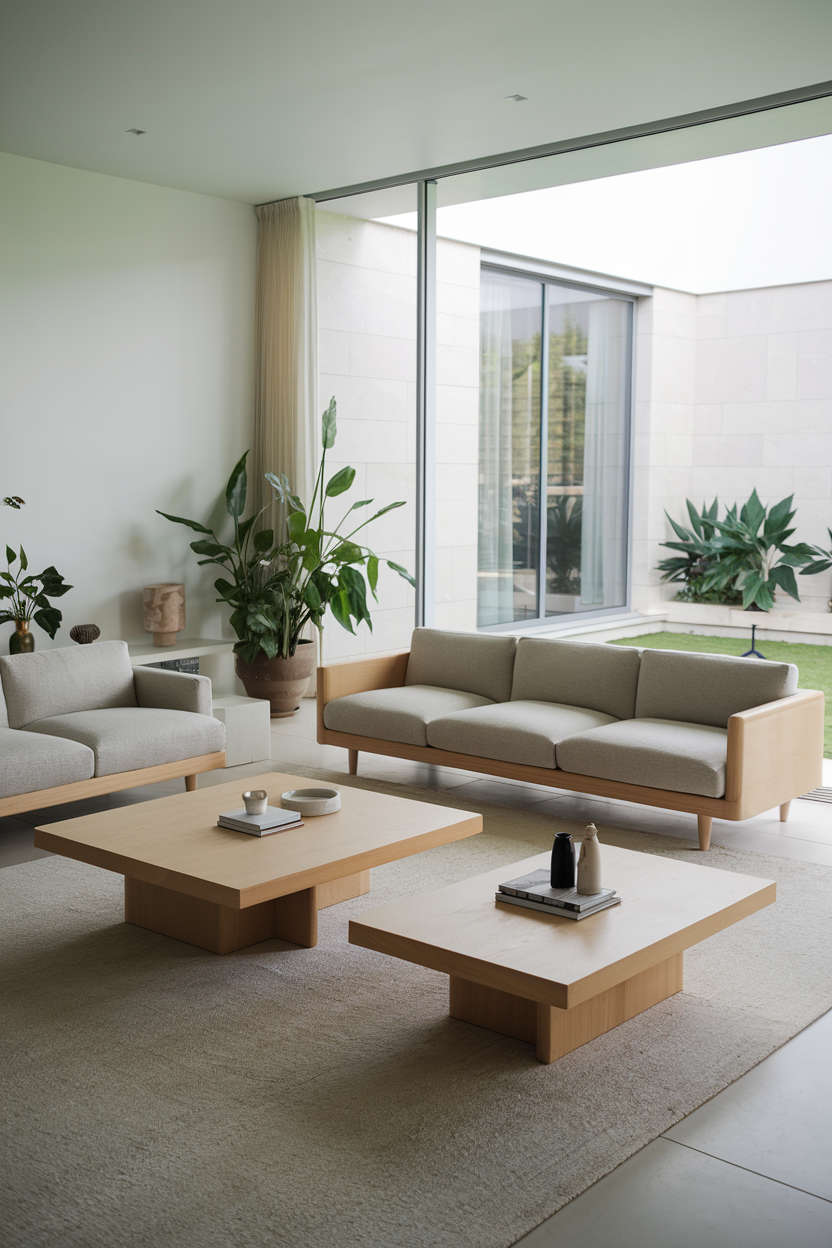
A minimalist coffee table helps preserve a clean, open feeling in the living room. Glass, pale wood, or light stone finishes can complement a bright palette without introducing unnecessary visual weight. Choose a size that suits the sofa and leaves enough room to move comfortably around the seating area. Style the tabletop with a small tray, a book, or a vase of fresh flowers, leaving plenty of space available for drinks and everyday use.
10. Keep Decorations Simple and Uncluttered
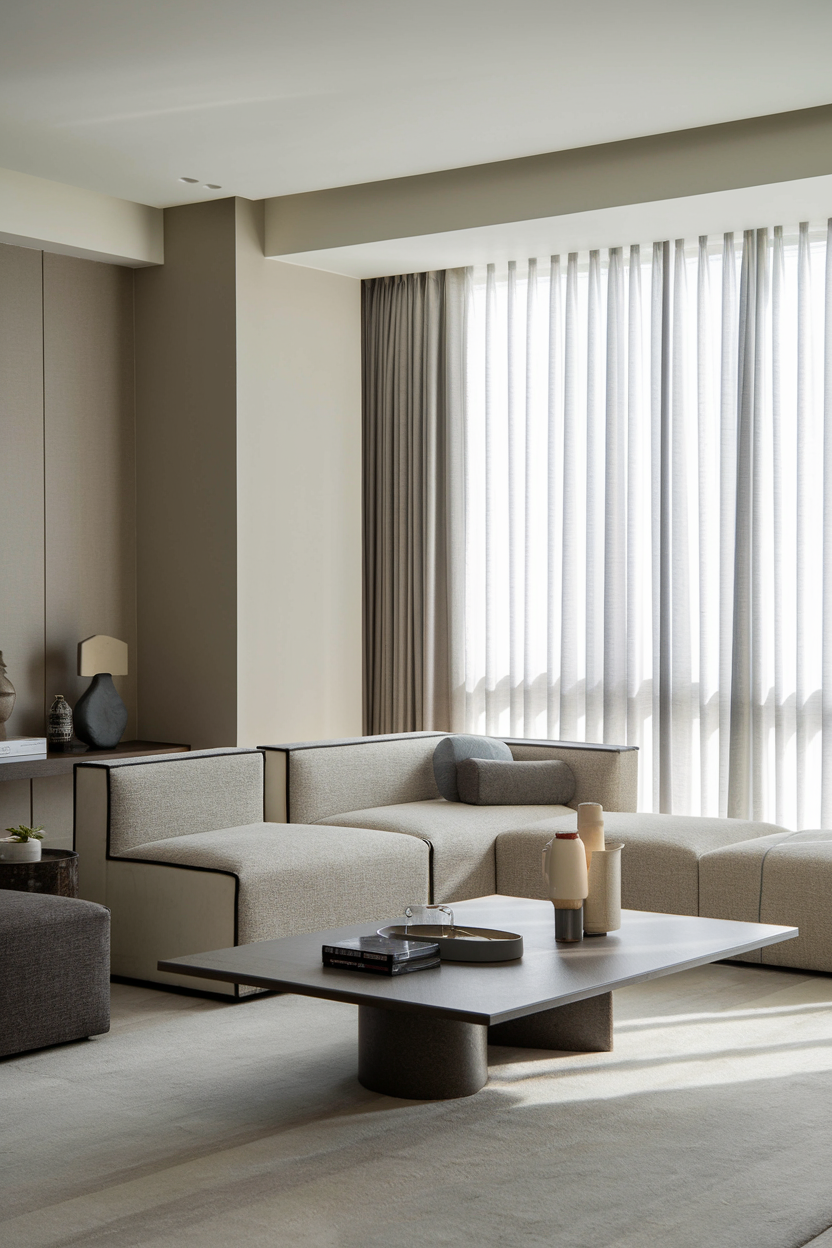
A sunlit living room benefits from an arrangement that allows light and space to take center stage. Too many accessories or bulky furniture pieces can make even a bright room feel crowded. Focus on a few meaningful decorative objects, streamlined furniture, and practical storage that keeps everyday items out of sight. Leaving some empty space on shelves, tables, and around windows helps the room feel calmer while allowing its natural brightness to stand out.
11. Ground the Room with a Light-Colored Rug
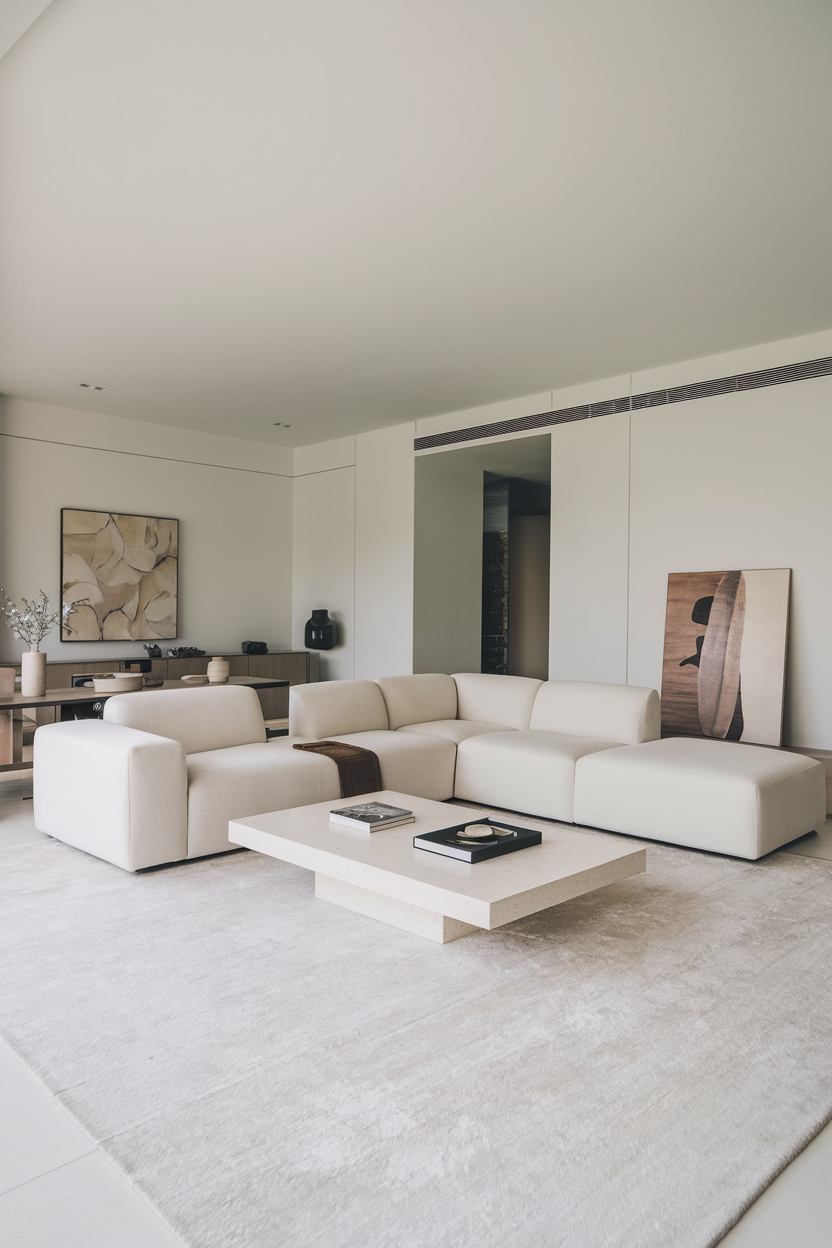
A cream, ivory, or pale beige rug can help unify the seating area while maintaining a bright overall appearance. Light rugs complement sofas and chairs in neutral tones, making the room feel coordinated and welcoming. Choose a subtle pattern or textured weave if you want to add visual interest without introducing a strong contrast. In busy households, washable materials or stain-resistant designs can offer a practical alternative to delicate white rugs.
12. Maximize Natural Light with Sheer Curtains
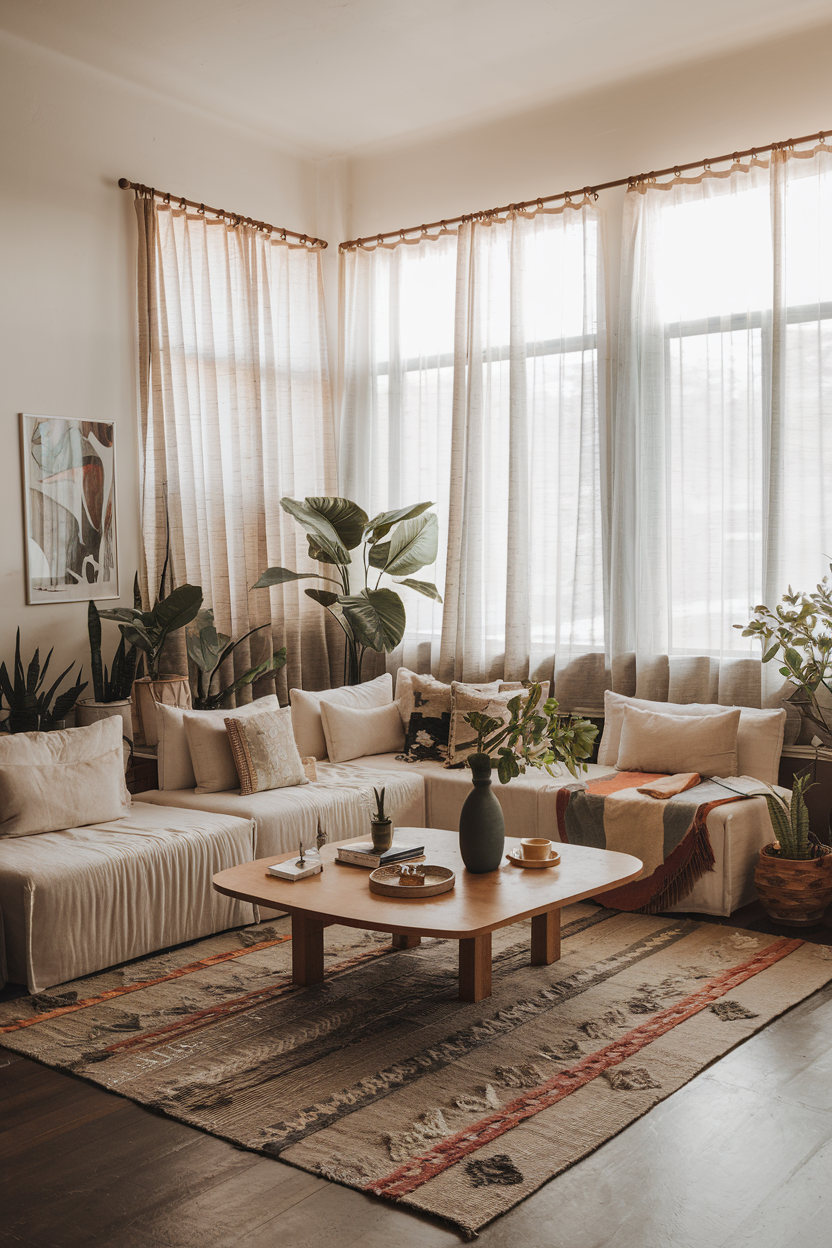
Sheer curtains allow sunlight to filter into your living room while providing a little privacy. Their lightweight fabric softens incoming light, creating a gentle glow that makes the space feel brighter and more inviting. White, ivory, and other pale shades work especially well because they blend seamlessly with a light color palette. For greater flexibility, layer sheer panels beneath heavier curtains that can be closed when you need additional shade or privacy.
13. Choose Light-Colored Walls to Brighten the Room
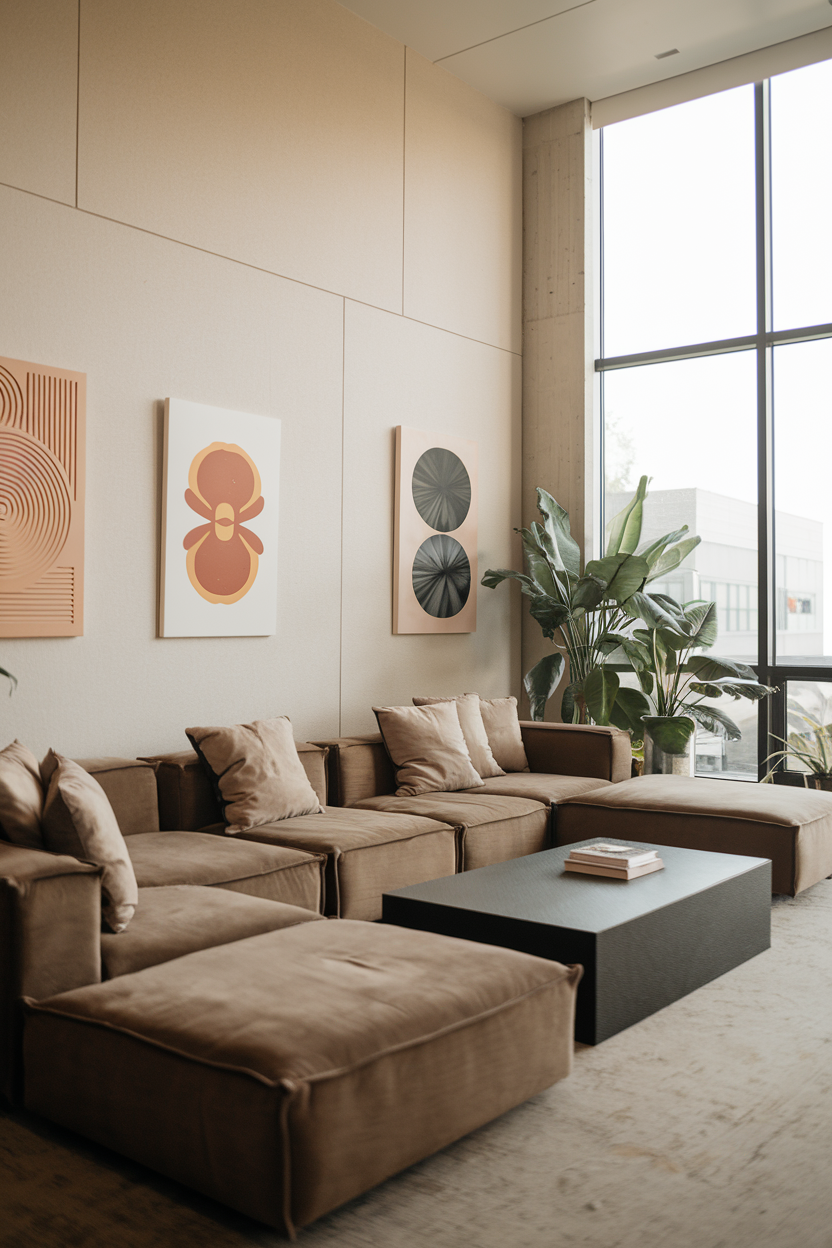
Light wall colors can make a living room feel more spacious by reflecting sunlight throughout the space. Warm white, pale gray, soft beige, and delicate blue create a fresh backdrop that complements natural light beautifully. These shades also make it easier to incorporate different furniture styles and decorative accents without making the room feel visually crowded. For a subtle variation, consider using a slightly warmer tone on the walls than on the ceiling to create a soft, inviting atmosphere.
14. Introduce Blue Accents for a Coastal Feel
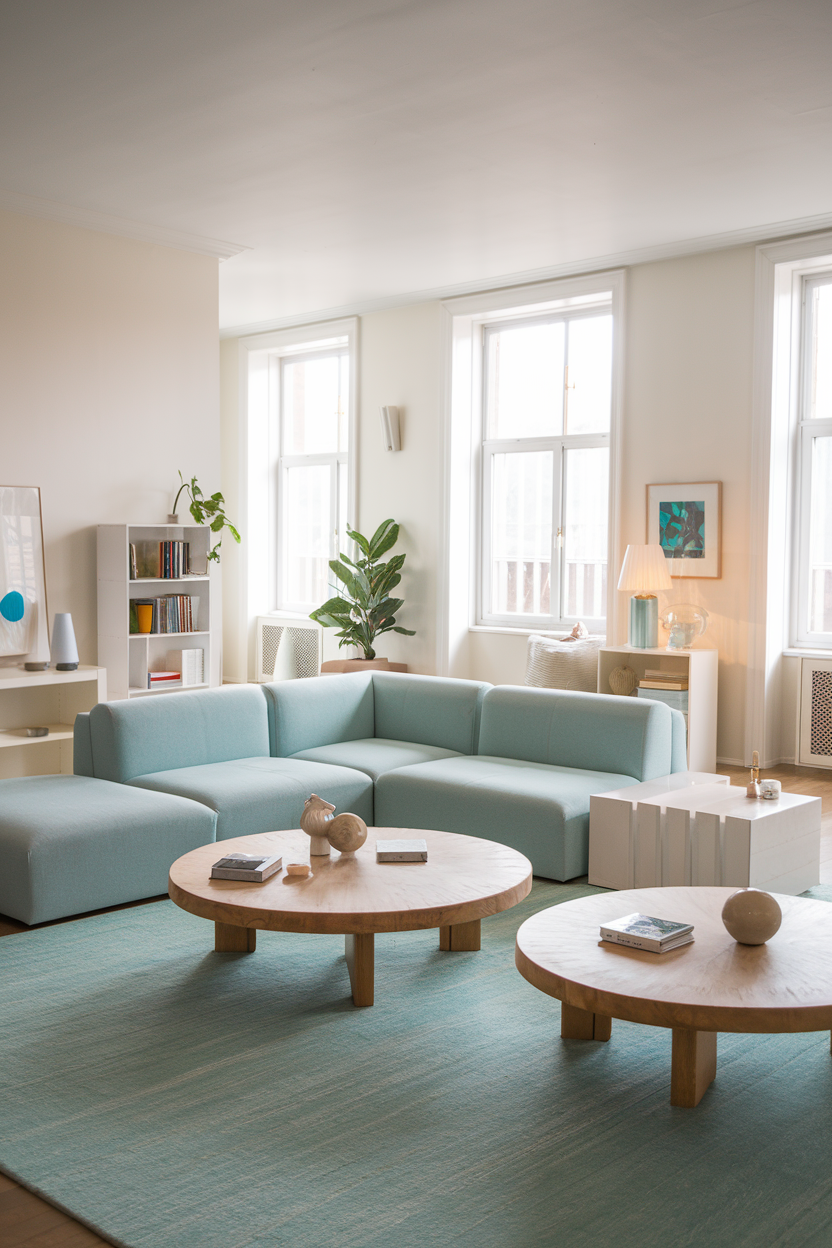
Soft blue and turquoise accents can give a sunlit living room a relaxed, coastal character. Cushions, artwork, ceramic vases, or a patterned rug can introduce these colors without overwhelming the neutral foundation. Pair them with crisp white upholstery, pale wood, woven accessories, and natural linen to create a look inspired by clear skies and ocean surroundings. Deeper navy accents can provide contrast when you want the room to feel a little more defined.
15. Build a Cohesive Light Color Palette
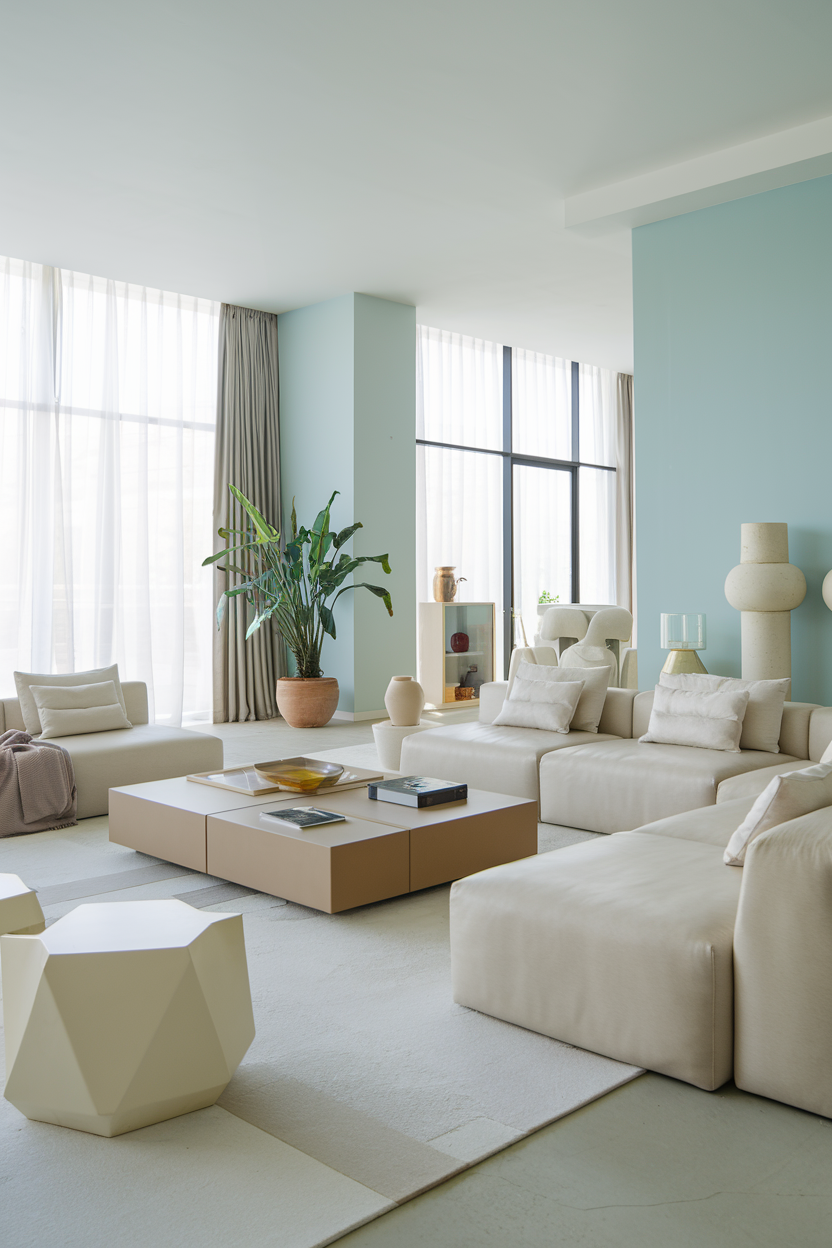
A thoughtfully coordinated color palette can make a living room feel brighter and more harmonious. Warm whites, soft beige, pale gray, muted green, and light blue work well together when their undertones complement one another. Use one shade as the main foundation, then introduce supporting colors through upholstery, cushions, artwork, and decorative accessories. A mix of light tones creates variation while keeping the room visually connected and allowing sunlight to enhance the overall design.
16. Use Frosted Glass for Privacy and Soft Light
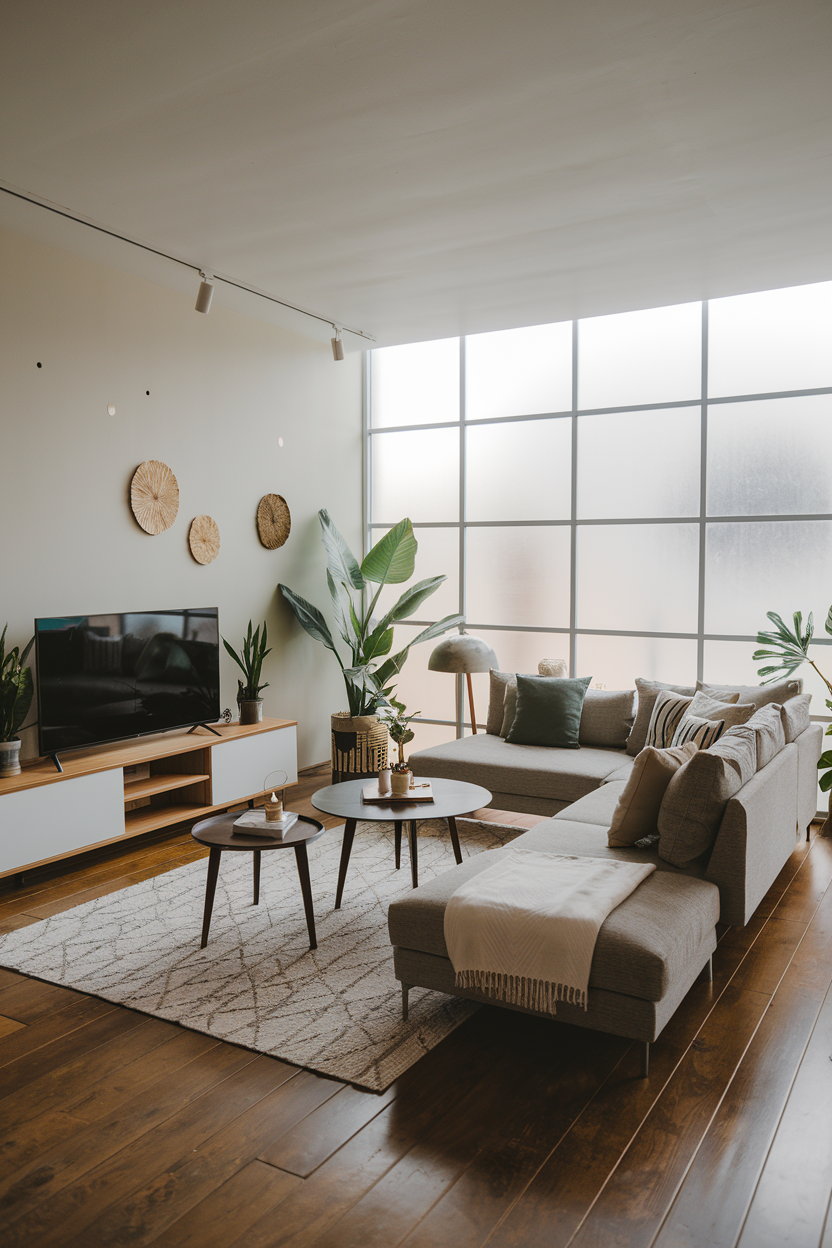
Frosted or translucent glass can be a useful solution for living rooms that face neighboring properties or busy streets. It allows daylight to enter while obscuring direct views, helping the space feel bright without compromising privacy. Frosted glass can be incorporated into windows, internal partitions, or selected door panels, depending on the layout. Pair it with light-colored walls and simple furnishings to maintain an open atmosphere while introducing a subtle architectural detail.
17. Add Texture with Natural Fiber Rug
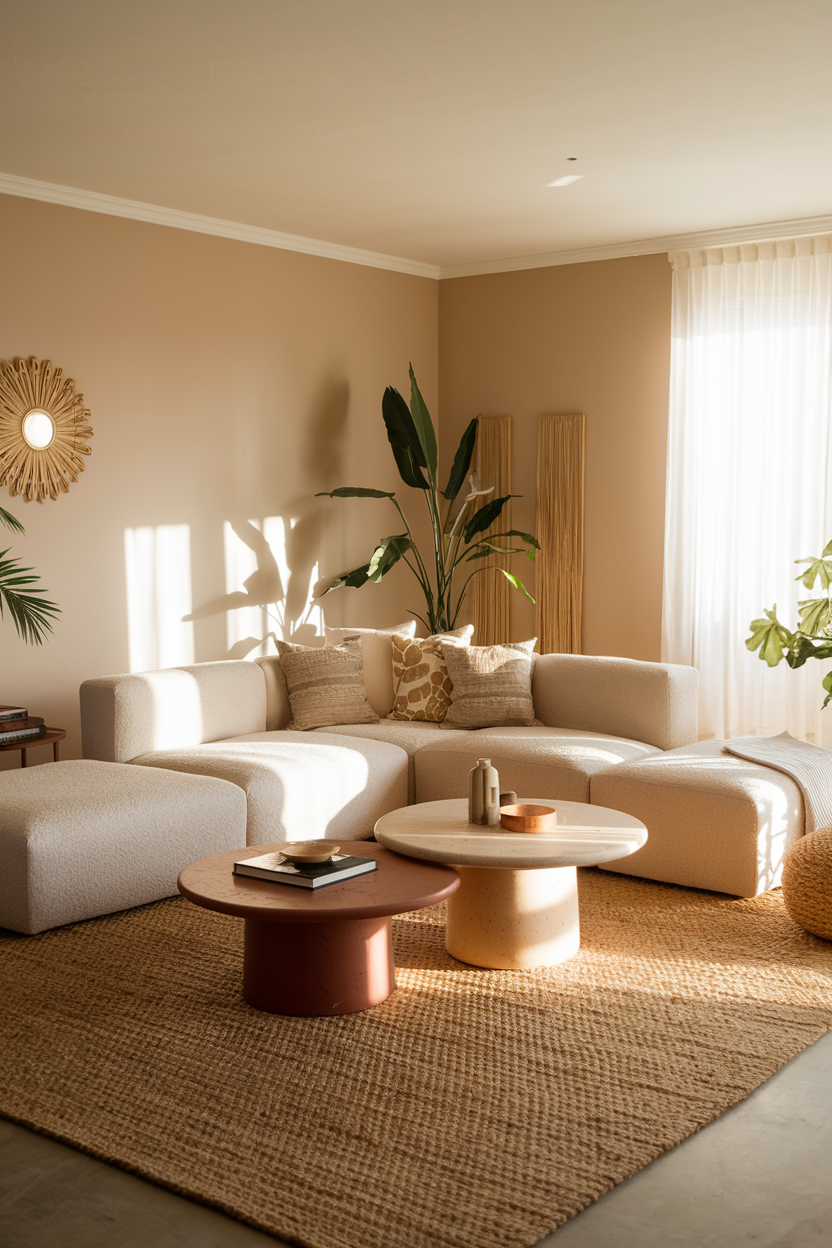
Jute, sisal, and seagrass rugs bring an organic quality to a bright living room. Their earthy shades complement white walls, pale upholstery, and light wood furniture, while their woven surfaces introduce texture and visual depth. Natural fiber rugs are particularly effective in coastal, farmhouse, Scandinavian, and relaxed contemporary interiors. For extra comfort, consider layering a smaller, softer rug over a larger natural fiber base, making sure the combination remains secure and practical for everyday use.
18. Bring in Mirrors and Reflective Decor
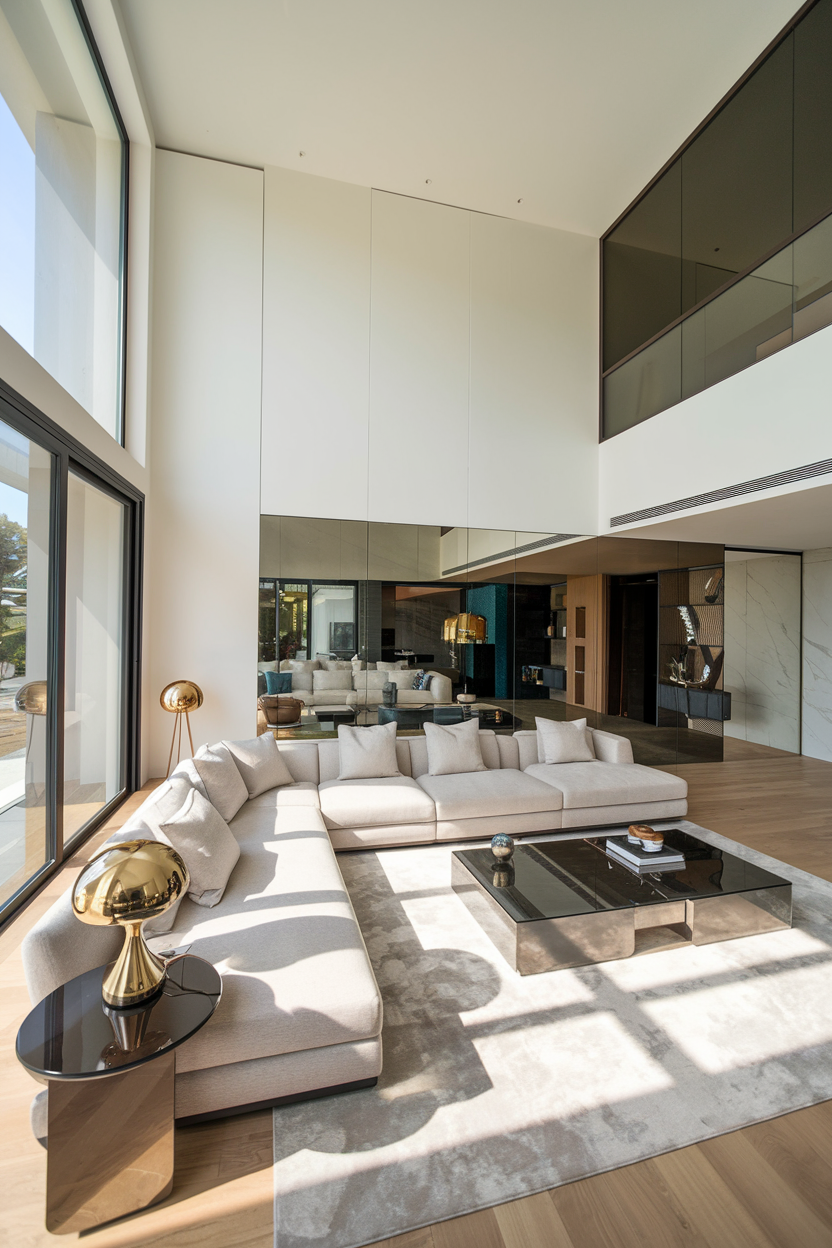
Mirrors can help distribute natural light throughout your living room while adding a sense of depth. Positioning a large mirror opposite or beside a window can reflect incoming sunlight and brighten areas that might otherwise feel dim. Glass decor, polished metal accessories, and glossy finishes can contribute to the same effect on a smaller scale. Choose reflective pieces that complement your furniture and color palette so they enhance the room without creating too much visual clutter.
19. Furnish the Space with White Upholstery
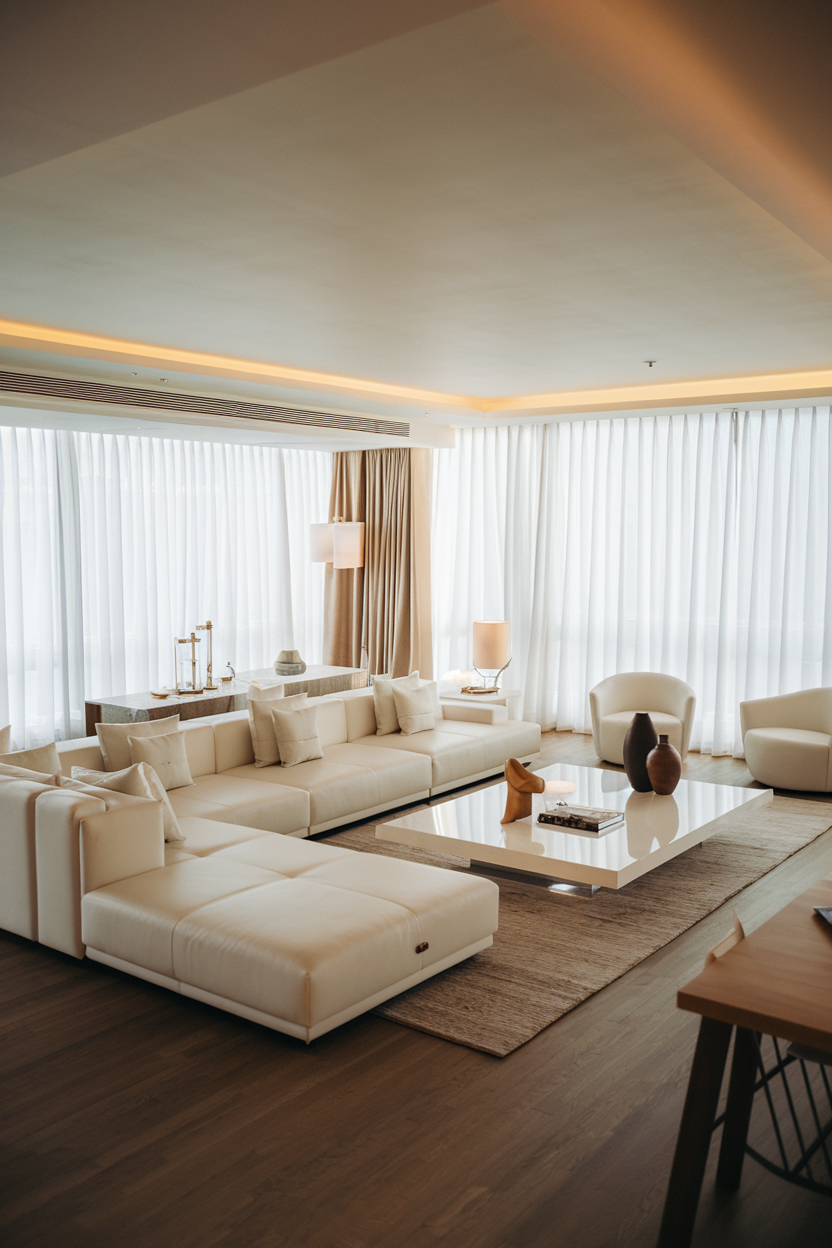
White sofas and armchairs can give a sunlit living room a fresh, airy appearance. Their light upholstery blends beautifully with bright walls and natural materials, helping the space feel open and cohesive. To keep the room from looking too stark, introduce cream cushions, beige throws, textured fabrics, and warm wood furniture. Performance fabrics or removable, washable covers are also practical choices for maintaining a clean appearance in a frequently used living room.
20. Add Greenery for a Fresh, Natural Touch
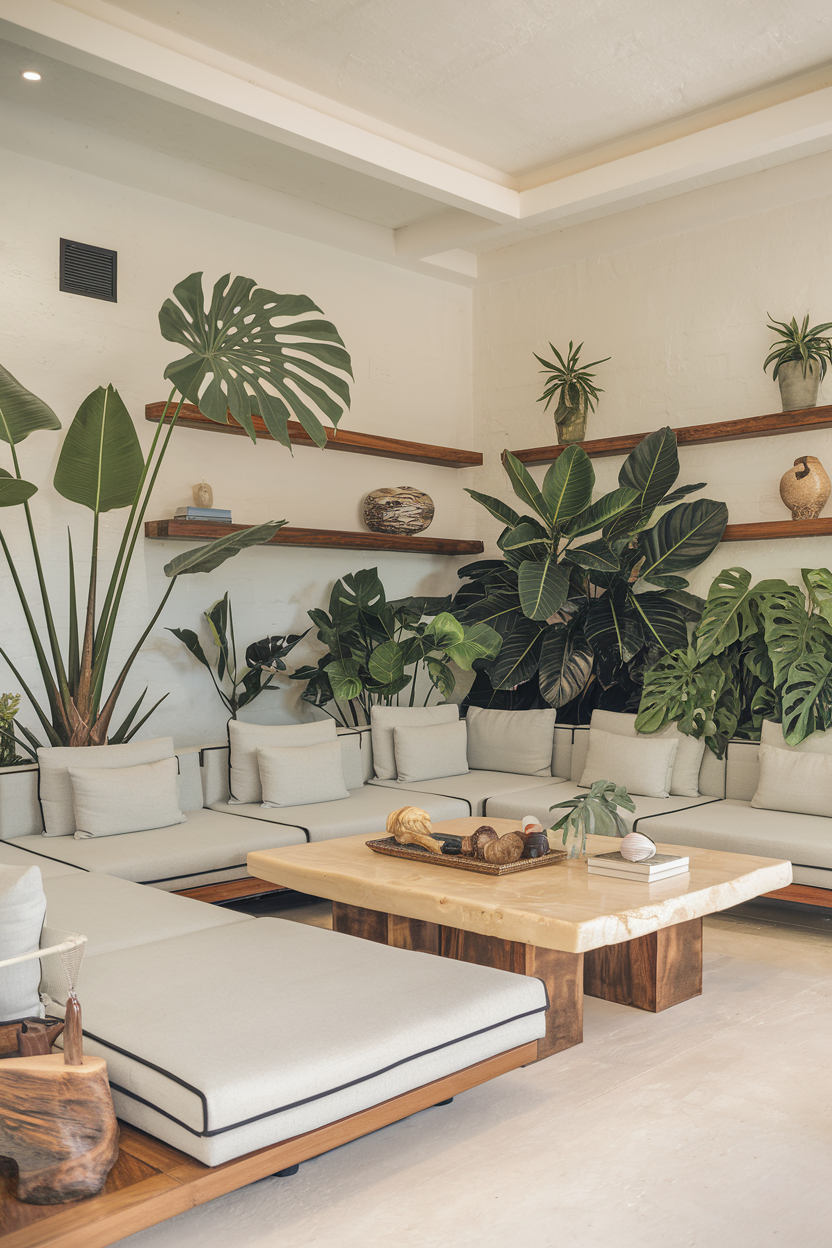
Indoor plants bring life and color into a bright living room. Their green leaves create a beautiful contrast against pale walls and neutral furniture, adding a natural element that makes the space feel more relaxed. A large monstera, rubber plant, or fiddle-leaf fig can fill an empty corner, while pothos and trailing plants work well on shelves or in hanging planters. Choose varieties suited to the actual light conditions in your room, and arrange them at different heights for a more layered display.
21. Add Sun-Inspired Yellow and Gold Accents
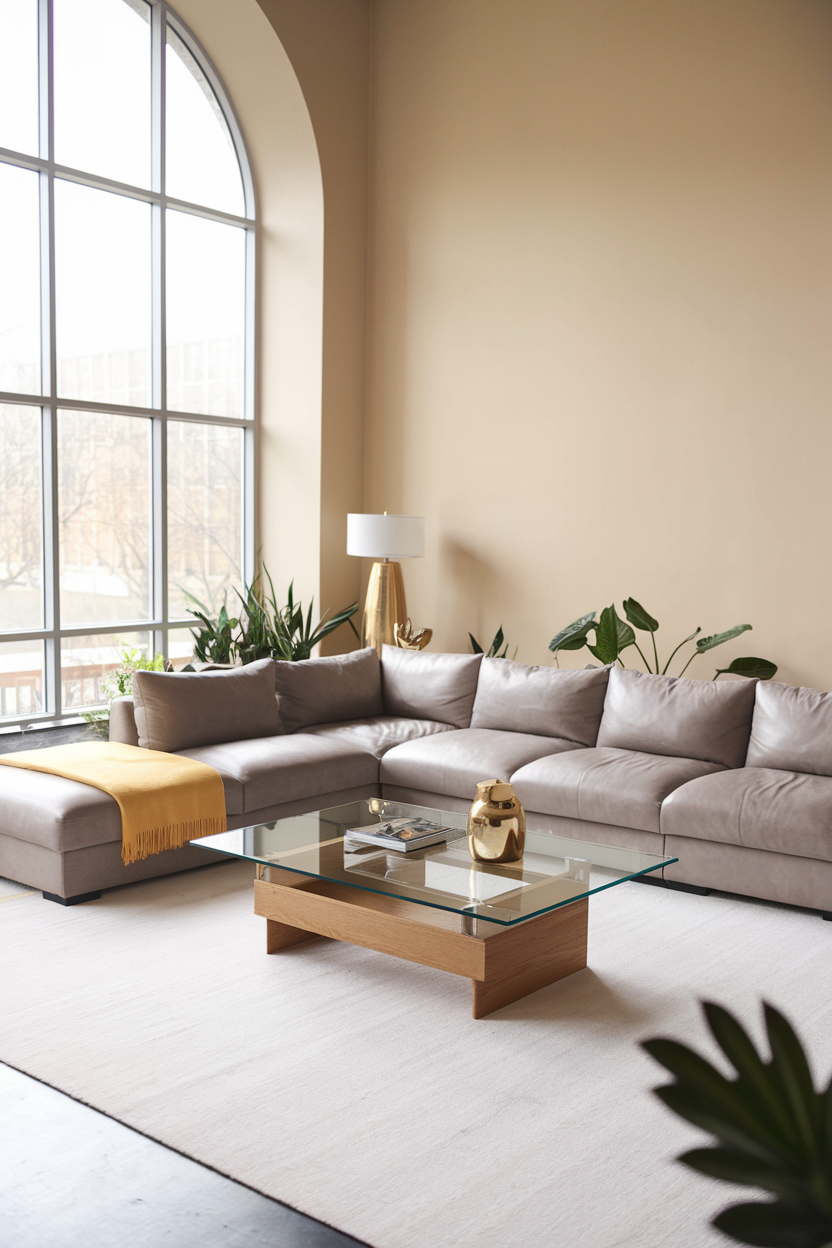
Yellow and gold accents can bring a cheerful warmth to a naturally bright living room. Mustard cushions, pale yellow ceramics, brass lamp bases, and amber glass accessories introduce sunny tones without requiring major changes to the decor. Gold and brass finishes can also catch the light, adding a gentle glow to side tables, mirrors, and decorative objects. Keep the accents balanced with white, cream, or soft wood tones so the room remains fresh and harmonious.
22. Choose Glass Furniture for a Lighter Look
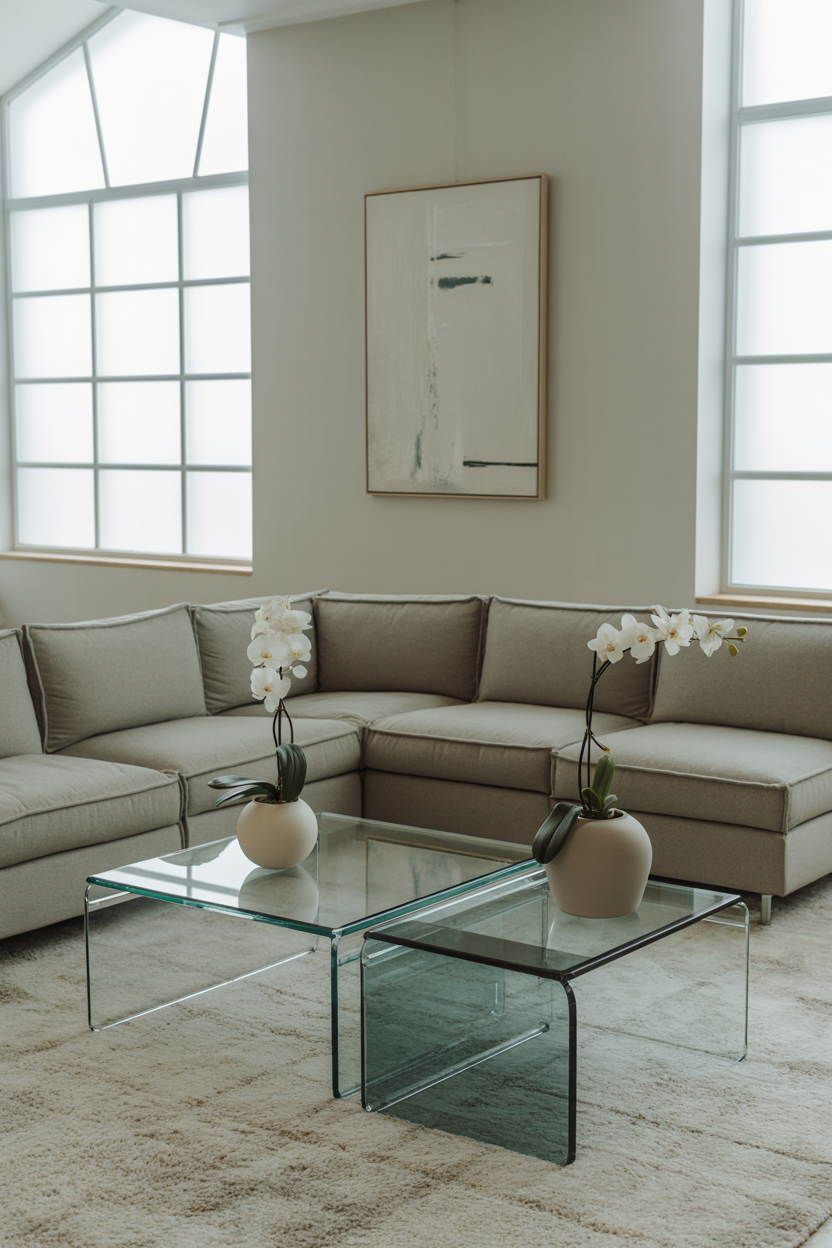
Glass furniture is useful for maintaining an open visual flow, especially in smaller living rooms. A transparent coffee table allows the rug and flooring beneath it to remain visible, reducing the feeling of visual bulk. Glass side tables and display cabinets can achieve a similar effect while providing useful surfaces or storage. Pair these pieces with comfortable upholstered seating and natural textures to keep the room from feeling too sleek or cold.
23. Bring Warmth Through Natural Materials
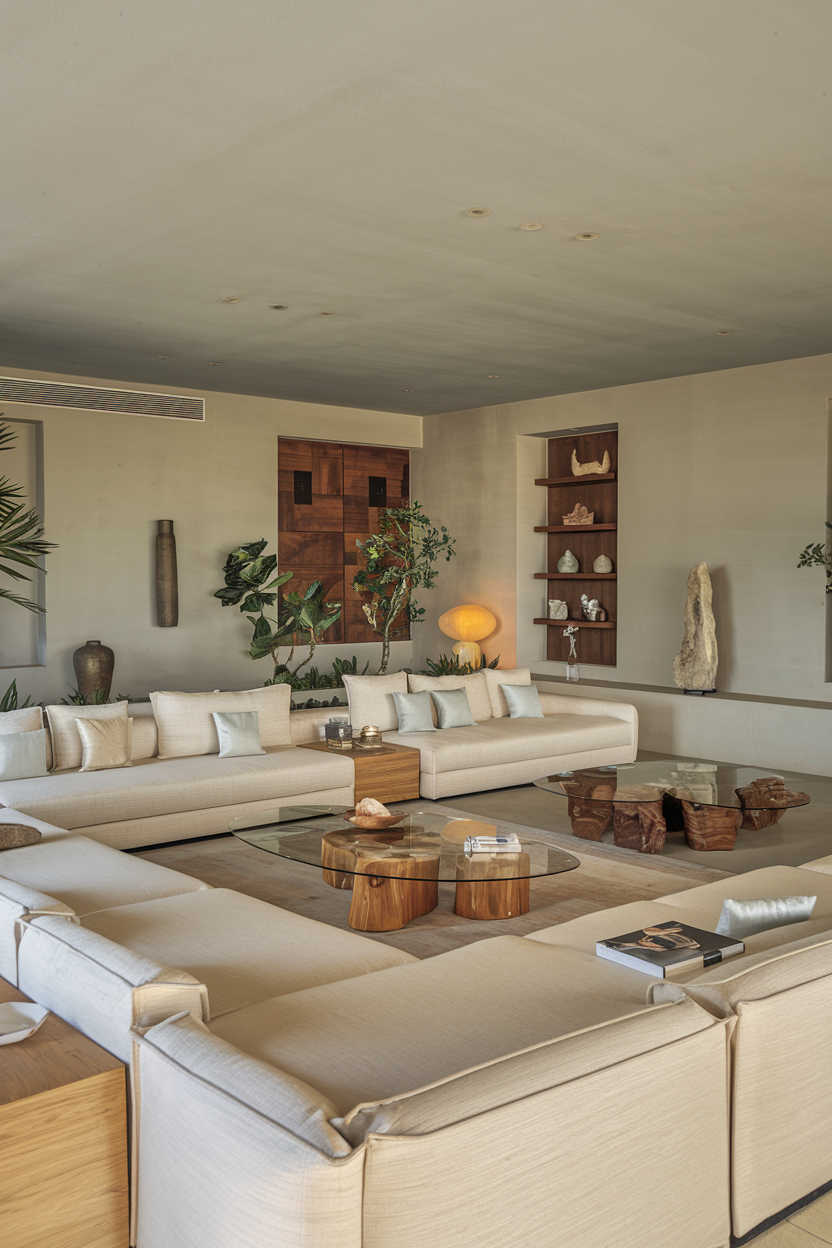
Natural materials can balance the brightness of a sun-filled living room with warmth and texture. Light oak furniture, woven baskets, stone accessories, rattan chairs, and jute details introduce organic character without making the space feel heavy. These materials work particularly well alongside white walls, linen upholstery, and indoor greenery. Combining a few different textures creates depth and keeps a light color palette from feeling flat or overly uniform.
24. Install Light Wood Flooring
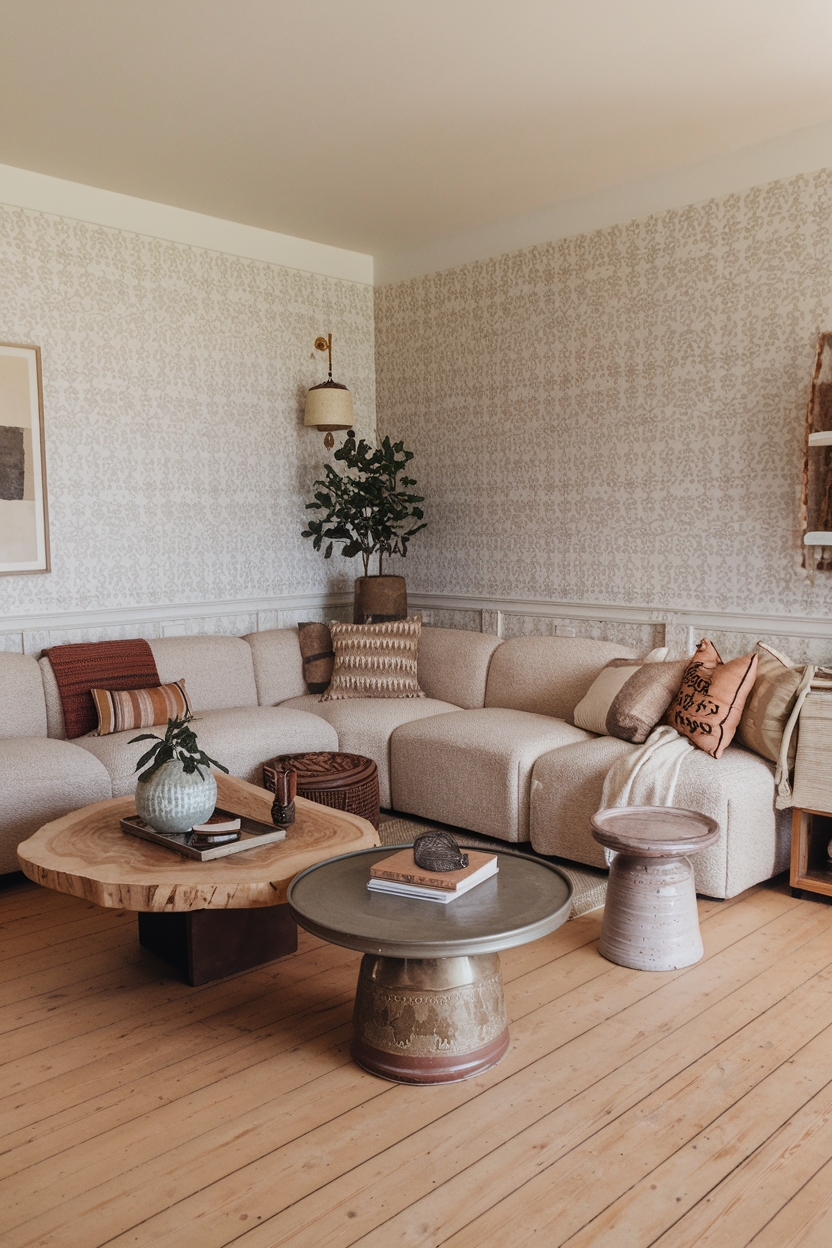
Light wood flooring can help a living room feel warm, bright, and visually spacious. Oak, maple, and ash offer attractive finishes that complement pale walls and neutral furniture while introducing natural texture. Their versatility makes them suitable for contemporary, Scandinavian, coastal, and rustic interiors. If replacing the flooring is not practical, a large light-colored rug can create a similar visual effect while softening the room and making the seating area more comfortable.
25. Keep Windows Clear and Unobstructed
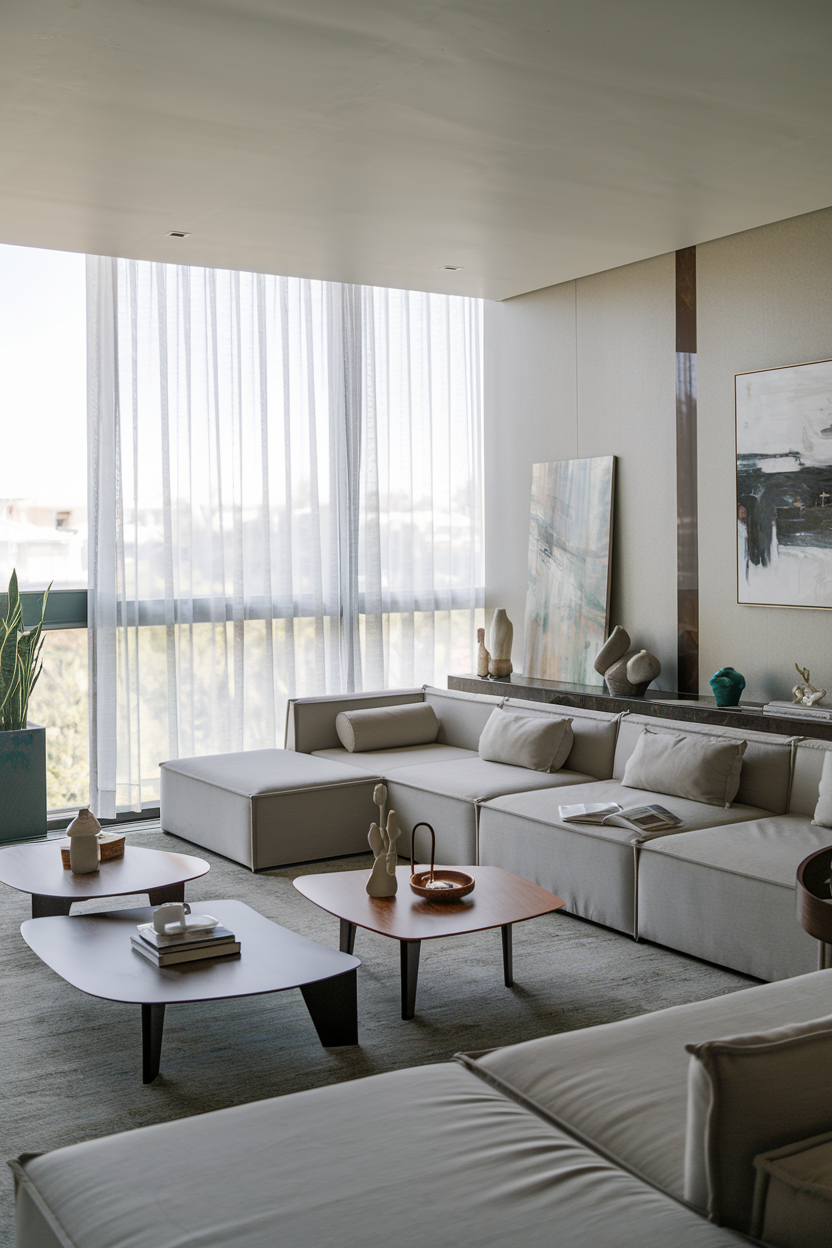
Windows are one of the most important sources of natural light, so avoid blocking them with oversized furniture or excessive decorations. Keep windowsills relatively simple and arrange seating to preserve the view whenever possible. Lightweight blinds or sheer curtains provide privacy without completely closing off the windows. Regularly cleaning the glass can also improve the amount of daylight entering the room, making this one of the simplest ways to maintain a bright atmosphere.
26. Layer Soft Textiles for Everyday Comfort
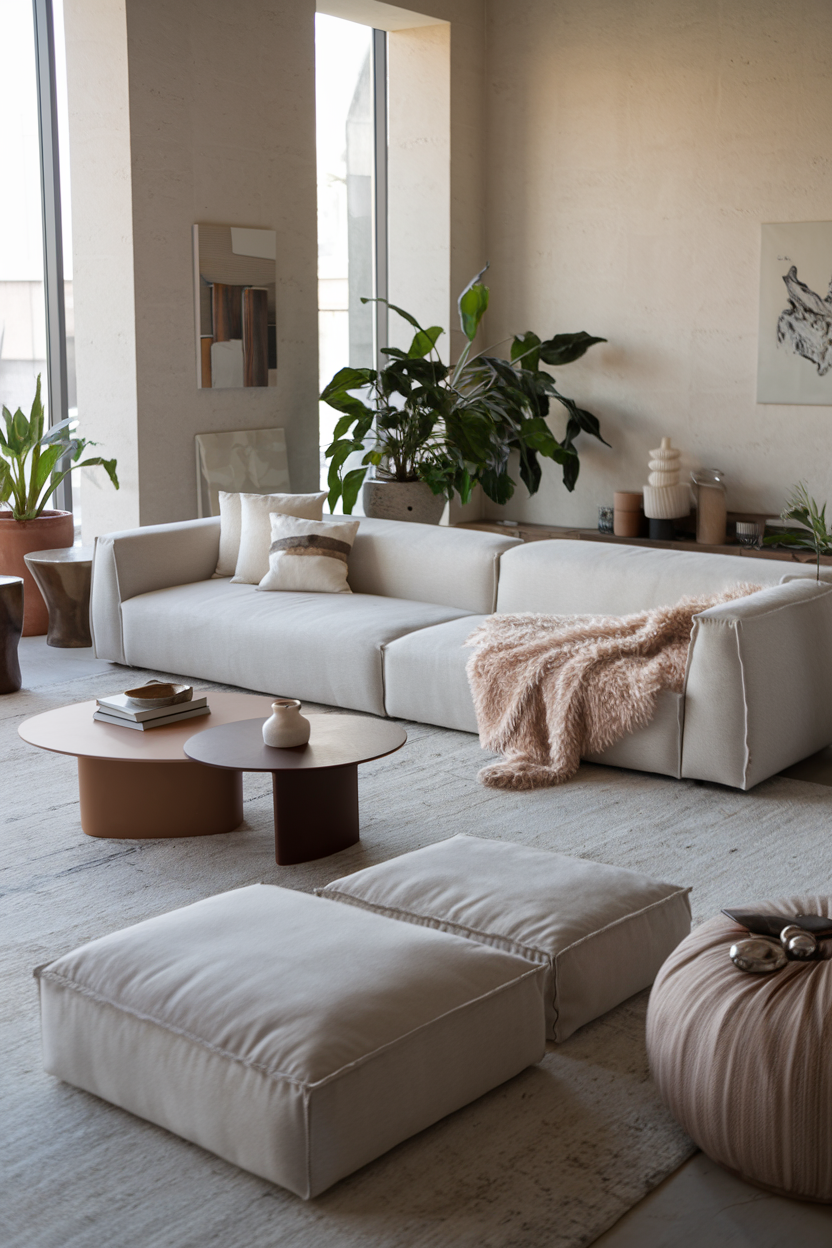
Soft textiles can make a bright living room feel warm and welcoming rather than sparse. Cotton cushions, linen throws, textured blankets, and plush rugs introduce tactile variety while maintaining a light overall appearance. Neutral shades and muted pastels work particularly well with sunlit interiors, although a few richer accents can add depth. Layer different fabrics thoughtfully, using variations in weave and texture to create a comfortable space that feels relaxed and inviting.
27. Incorporate Surfaces That Reflect Light
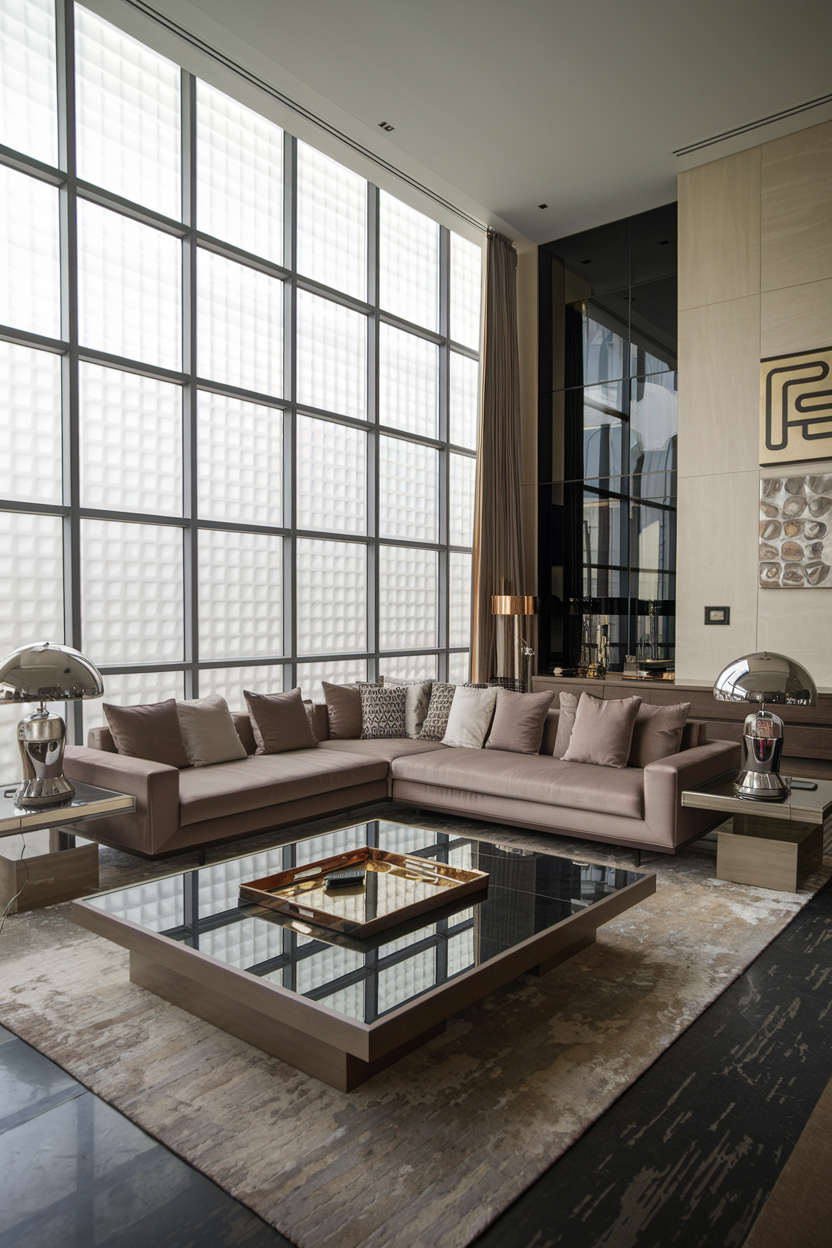
Glossy finishes, mirrors, glass, and polished metal can help distribute light throughout the living room. A mirrored tray, glass coffee table, or reflective lamp base can catch sunlight and create subtle highlights across the space. These details also introduce a touch of sophistication without requiring bold colors or elaborate decorations. Balance reflective surfaces with matte finishes, natural wood, and soft fabrics to prevent the room from feeling overly shiny or impersonal.
28. Use Soft Wood Tones to Add Warmth
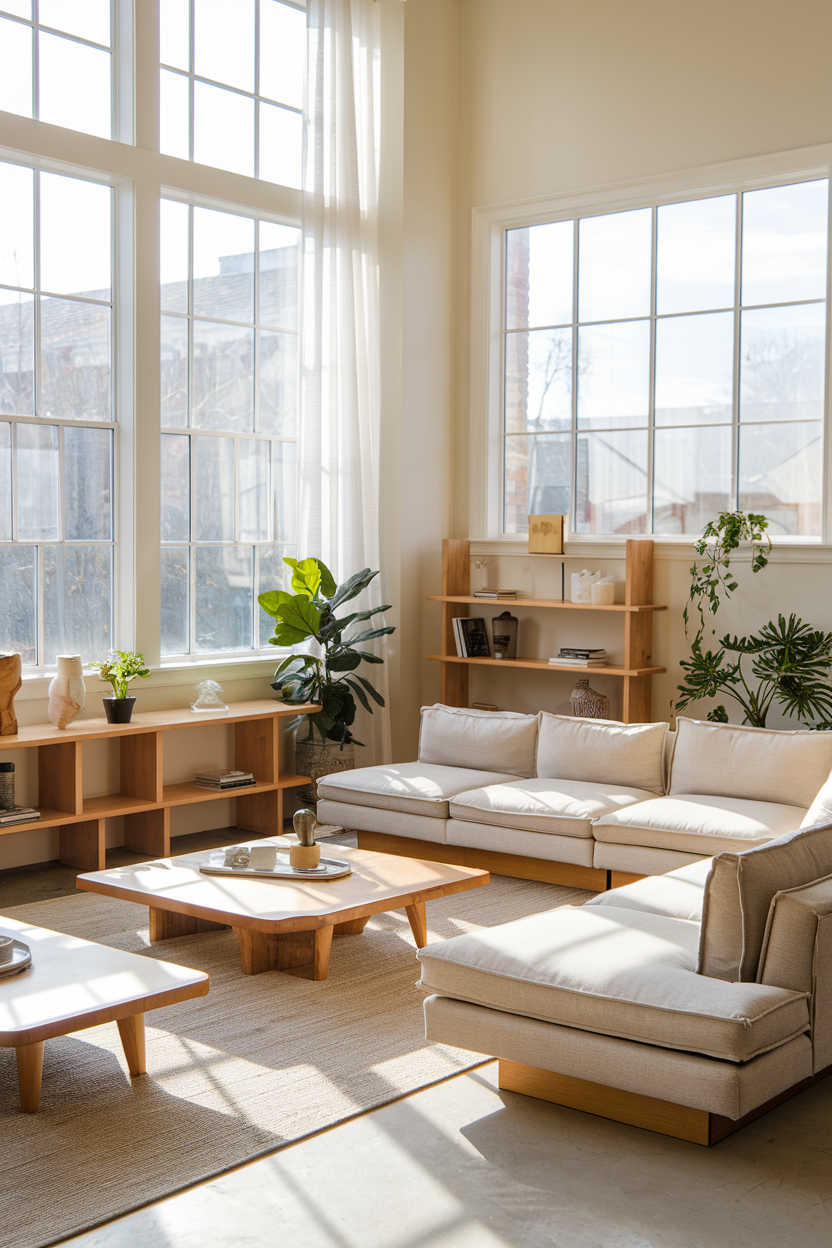
Light wood tones provide a natural balance to the brightness of a sun-filled living room. Oak, birch, maple, and ash can introduce warmth through coffee tables, shelving, sideboards, and accent chairs while maintaining a relaxed appearance. The subtle grain of natural wood adds texture that works beautifully with white walls, linen upholstery, and indoor plants. Repeating the same wood tone in a few carefully chosen pieces can also help the room feel coordinated without making everything look identical.
29. Create a Cozy Reading Nook by the Window
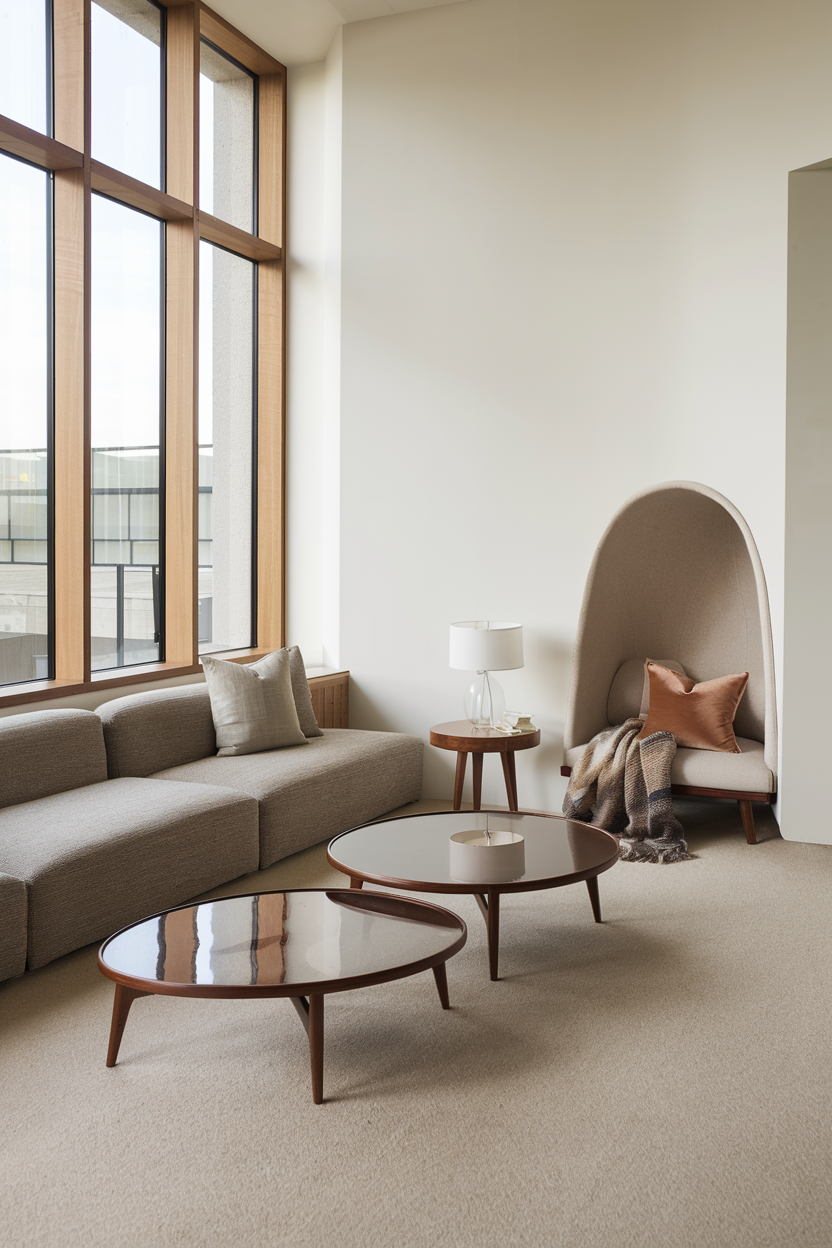
A bright corner near a window can become the perfect spot for reading or enjoying a quiet moment. Place a comfortable armchair beside the window, then add a small side table, a soft throw, and a cushion for extra comfort. A nearby floor lamp provides useful illumination after sunset, while a small bookshelf keeps favorite reads within reach. Keep the arrangement compact and avoid blocking the window, allowing the nook to benefit from daylight while remaining connected to the rest of the living room.
30. Choose Transparent or Visually Lightweight Furniture
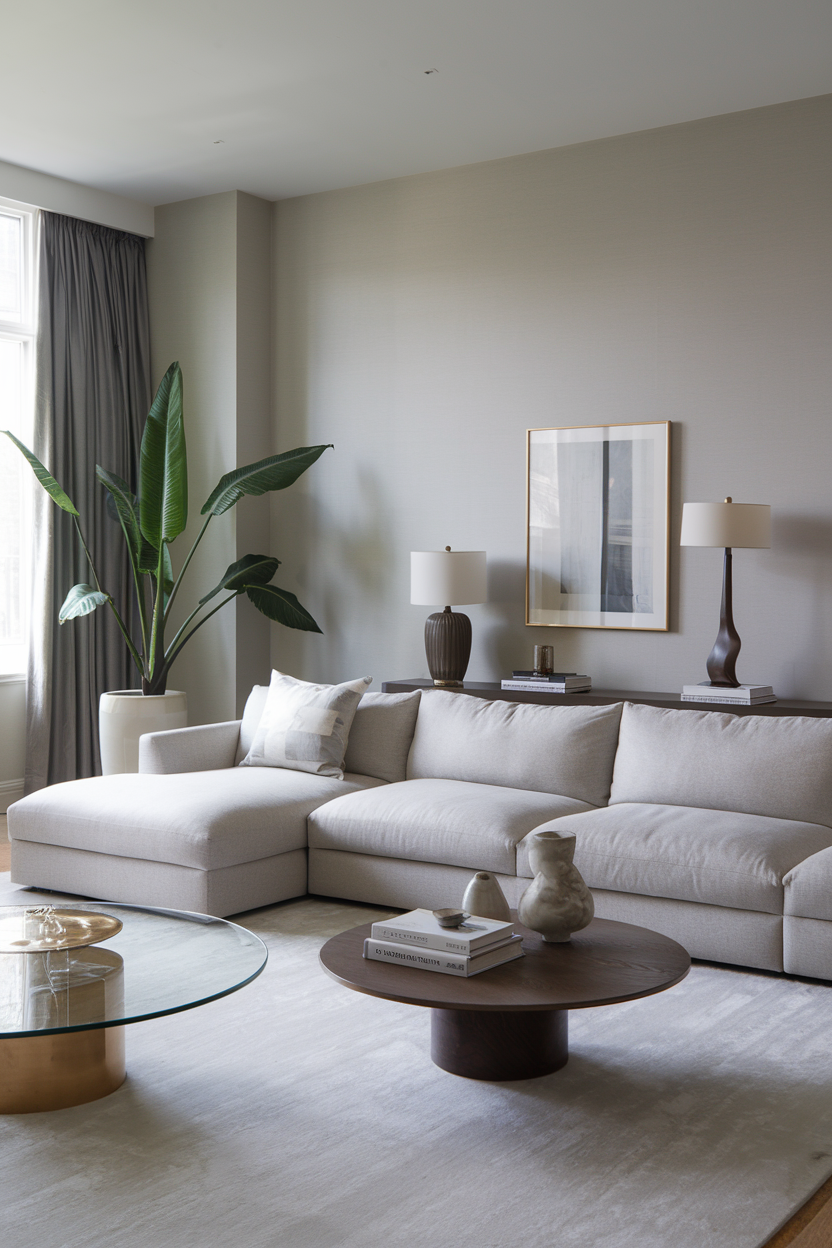
Furniture with transparent materials or open frames can make a living room feel less crowded. Acrylic chairs, glass tables, and metal-frame side tables preserve sightlines and allow more of the floor and surrounding decor to remain visible. These designs are particularly useful in smaller rooms, where bulky furniture can make the layout feel restrictive. Combine visually lightweight pieces with comfortable upholstery, warm textures, and practical surfaces to create a living room that feels bright, functional, and inviting.
31. Make Use of Vertical Garden
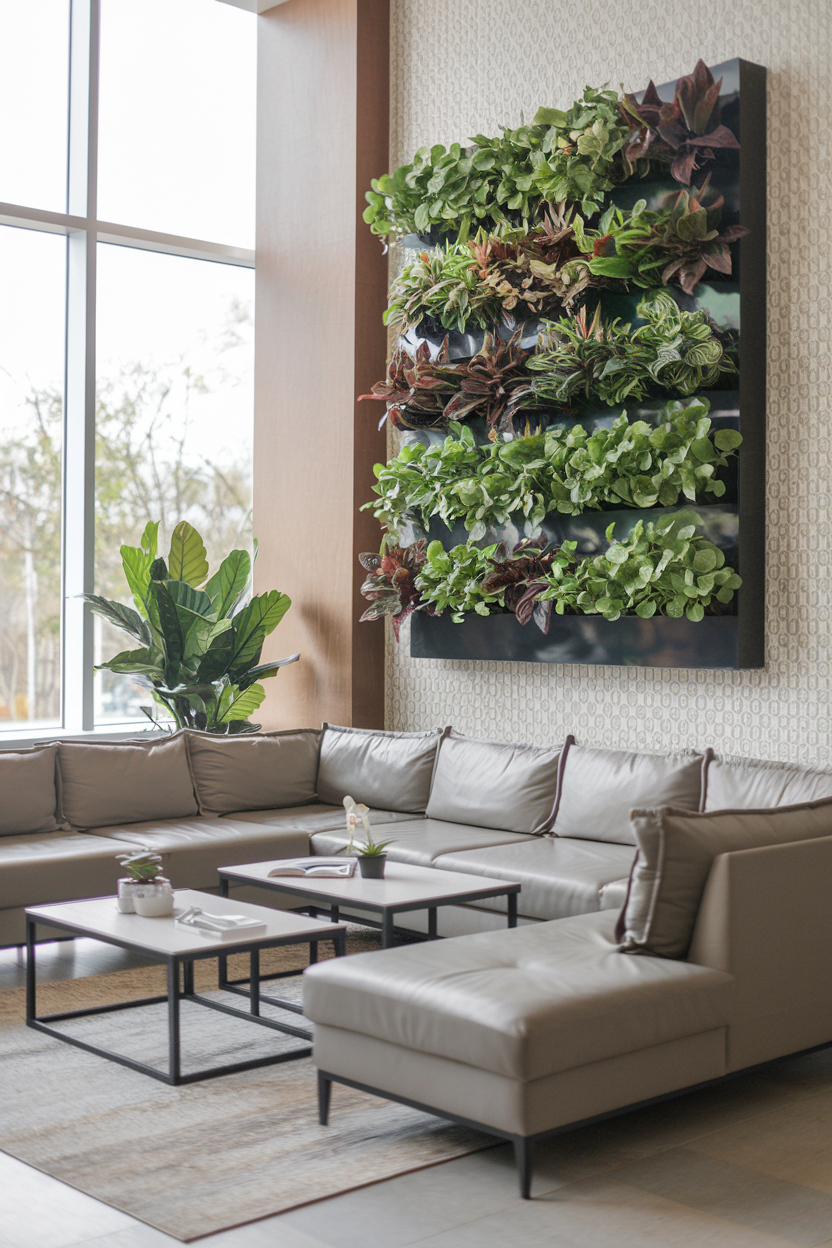
A vertical garden introduces greenery without taking up much floor space. Wall-mounted planters, hanging pots, and carefully arranged plant shelves can turn an empty wall into a lively focal point. This approach works particularly well in compact living rooms where large floor plants might interfere with movement. Select plants according to the amount of sunlight available, and use planters that complement the surrounding furniture for a cohesive, nature-inspired design.
32. Create an Open and Flowing Layout
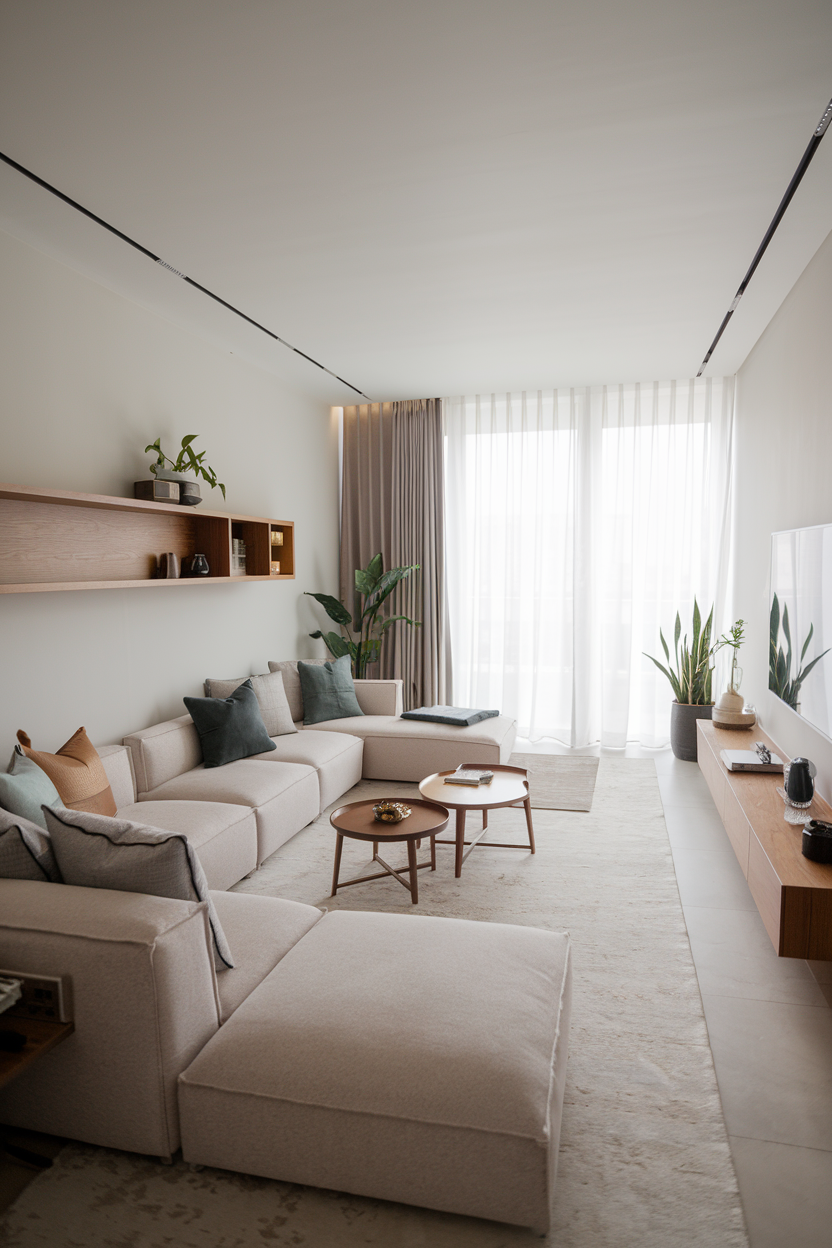
An open living room layout helps daylight travel more freely throughout the space. Avoid placing oversized sofas, bookcases, or cabinets directly in front of windows, and maintain clear pathways between seating areas and adjoining rooms. Furniture can still define different zones without requiring solid barriers. A well-positioned rug, a low console, or a pair of chairs can establish a comfortable seating arrangement while preserving the room’s sense of openness.
33. Connect Indoor Spaces with Glass or French Doors
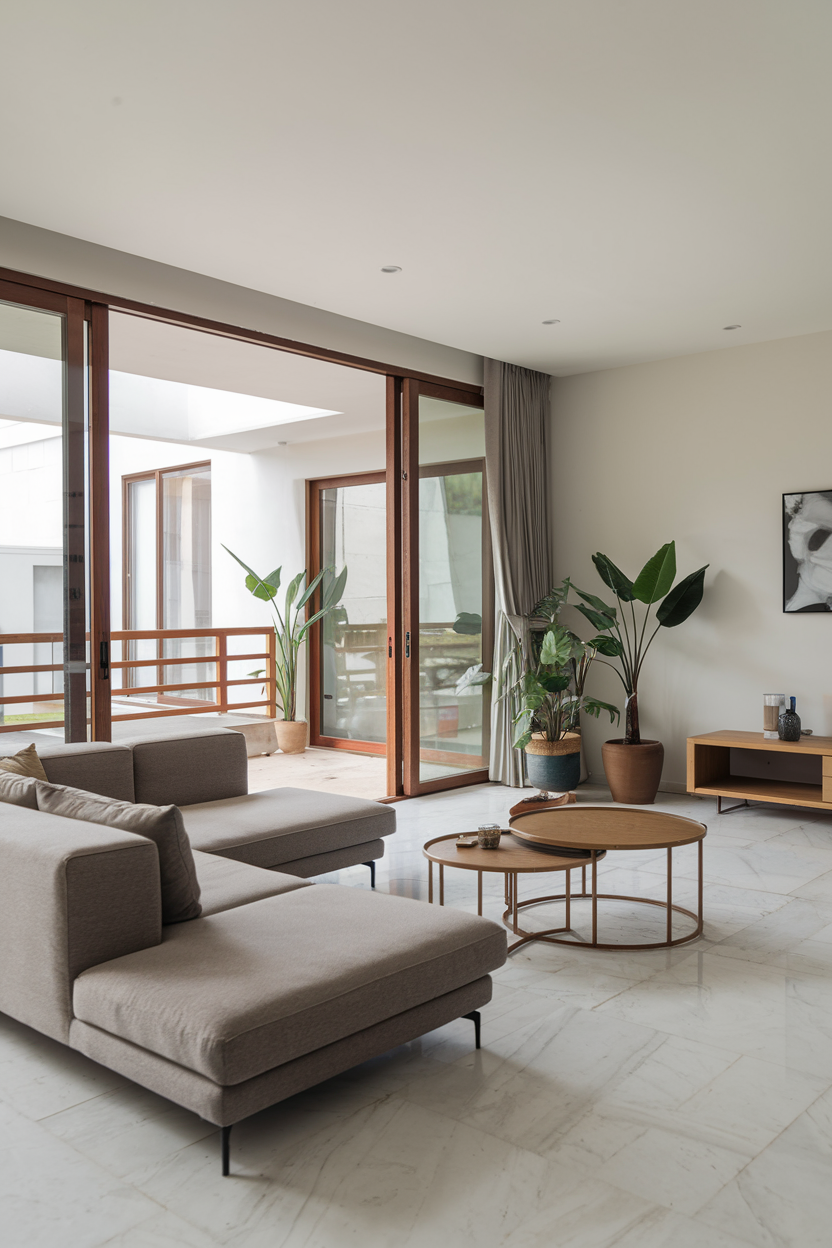
Glass doors can bring additional daylight into a living room while creating a visual connection to an outdoor area. French doors offer a classic appearance, while modern sliding glass doors provide a streamlined alternative for contemporary interiors. Both styles can make a patio, terrace, or balcony feel like a natural extension of the living space. Choose suitable glazing and window treatments to manage heat, glare, and privacy without sacrificing the benefits of natural light.
34. Use Open Shelving for an Airy Display
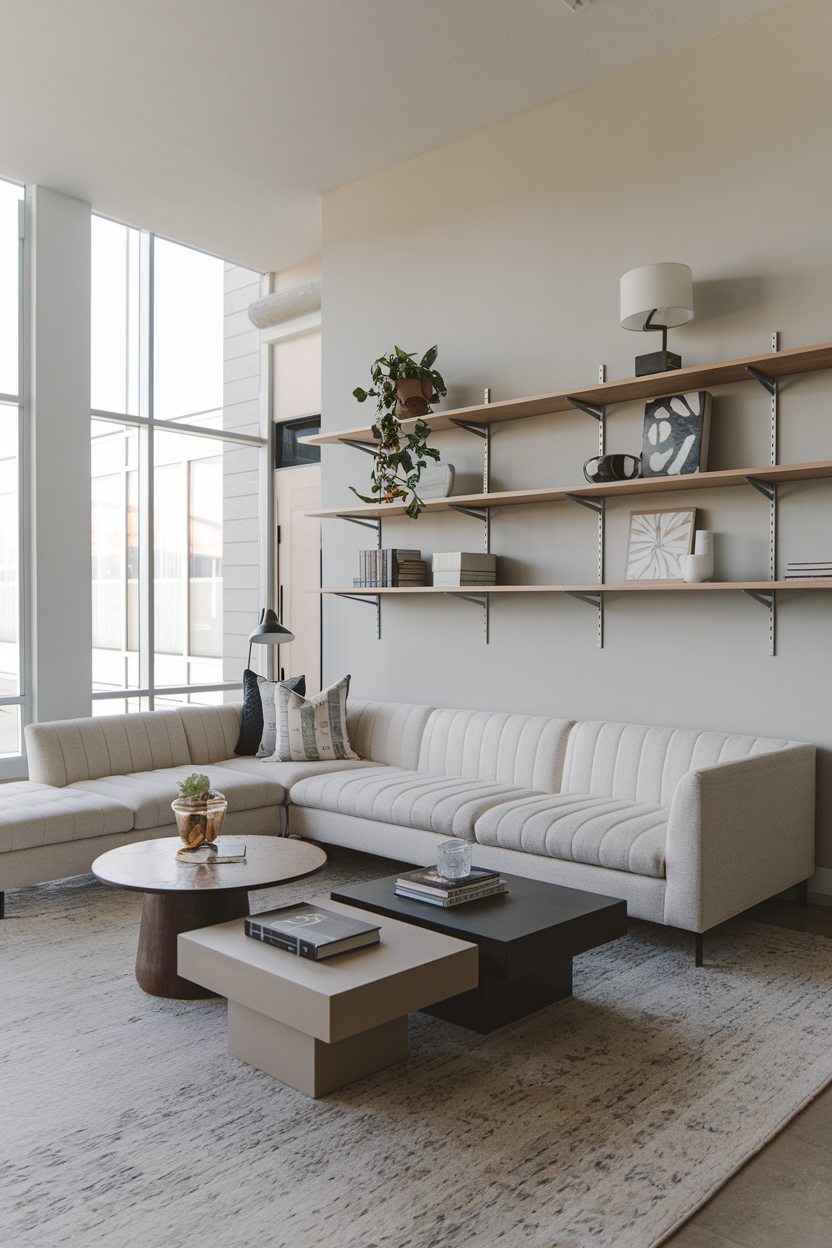
Open shelving offers a lighter alternative to bulky storage cabinets. Floating shelves in pale wood or simple metal finishes provide space for books, small plants, framed artwork, and carefully selected decorative pieces. Their open design helps preserve visual flow, particularly when installed on walls that receive natural light. Keep the arrangement organized by grouping similar objects and leaving some gaps between displays, allowing each item to stand out without making the shelves feel crowded.
35. Layer Lighting for Comfort Throughout the Day
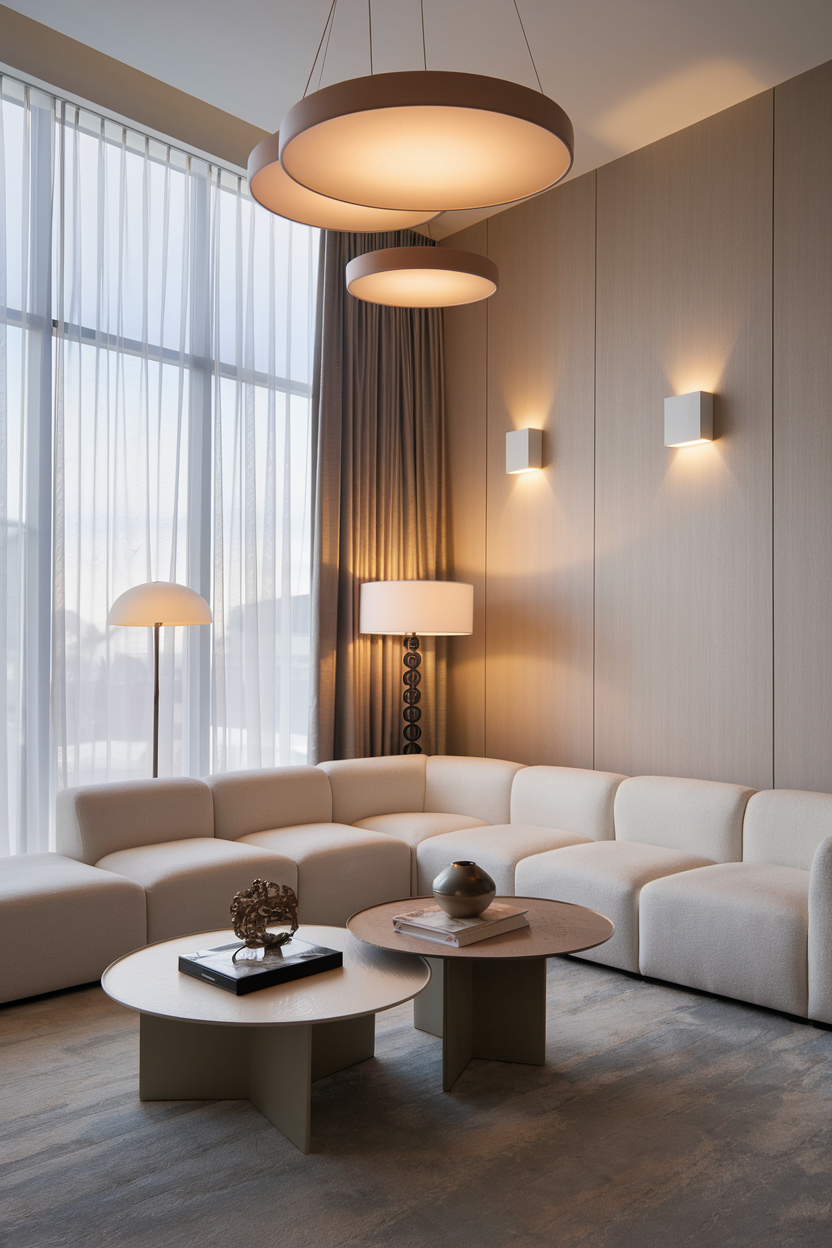
Natural light creates a beautiful daytime atmosphere, but a well-planned lighting scheme keeps the living room comfortable after sunset. Combine ceiling fixtures with floor lamps, table lamps, and wall sconces to illuminate different areas according to their purpose. Warm-white bulbs can make the room feel cozy in the evening, while dimmers allow you to adjust brightness for reading, entertaining, or relaxing. Choose fixtures that complement the decor and distribute light evenly rather than relying on one bright overhead source.
* The beauty of fresh living room decor lies in the endless possibilities for combining colors, textures, furniture, and personal touches. Use these inspirations to refresh your existing decor, experiment with new styles, and bring your favorite design elements together to create a living room that feels beautiful, welcoming, and truly like home.