Creating a clutter-free bedroom becomes much easier when every piece of furniture serves a purpose. Space-saving furniture can help maximize limited floor space, improve organization, and make the room feel more open without sacrificing comfort or style. Clever designs such as storage beds, compact nightstands, wall-mounted desks, and multifunctional furniture offer practical solutions for keeping everyday essentials organized while maintaining a beautiful bedroom.
The secret to making the most of a bedroom lies in choosing furniture that works with the available space. Beds with built-in drawers, floating shelves, foldable desks, slim wardrobes, storage benches, and nesting tables can provide valuable storage without overcrowding the room. Thoughtful furniture placement, vertical storage, and multifunctional pieces can also improve movement throughout the space while creating a more organized and relaxing atmosphere.
This collection of space-saving bedroom furniture hacks explores clever ways to make your bedroom more functional, comfortable, and clutter-free. Let’s explore these practical hacks and discover how the right furniture choices can transform your bedroom into a stylish, organized, and peaceful retreat!
1. Go for a Bed With a Bookshelf Frame
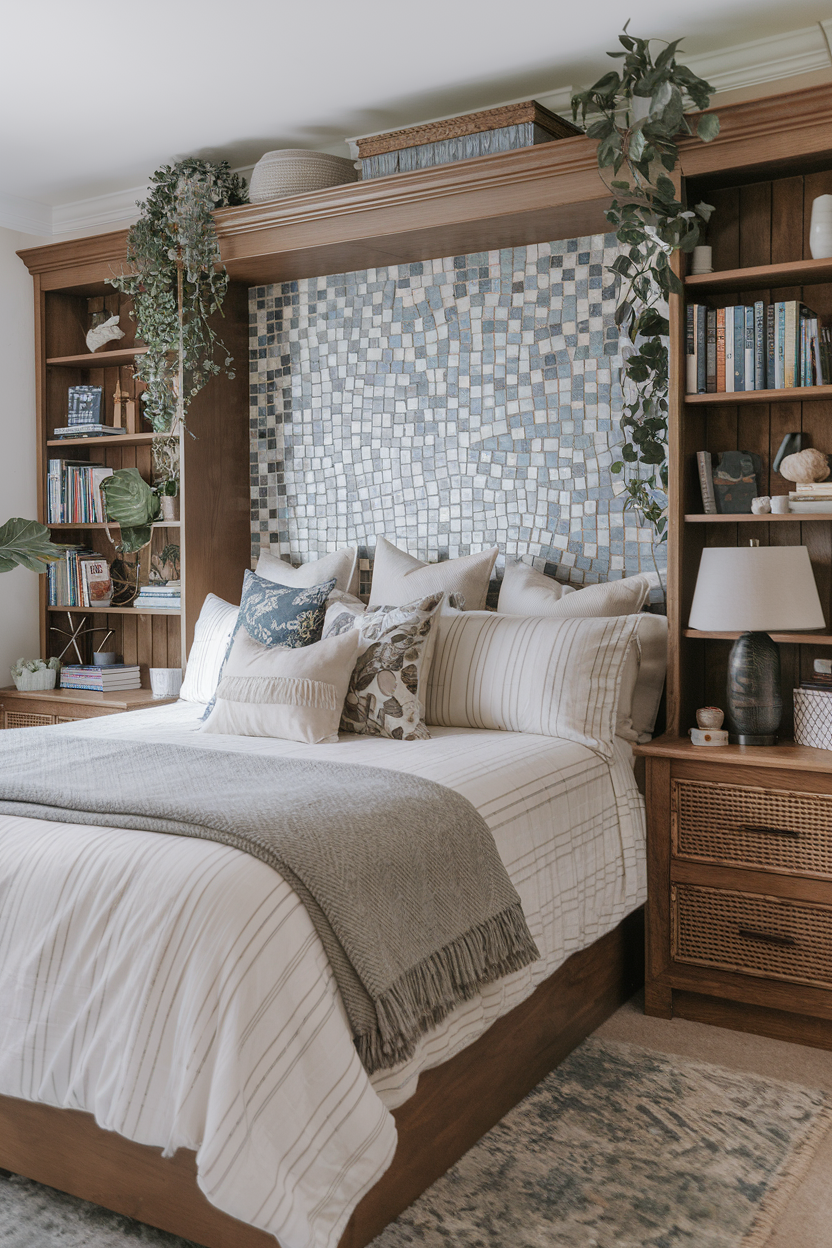
A bed with a built-in bookshelf frame combines sleeping space with convenient storage for books and personal accessories. Depending on the design, the shelving may be incorporated into the headboard, positioned along the sides, or integrated into a surrounding frame. This arrangement provides a handy place for reading materials, decorative objects, glasses, and small bedtime essentials without requiring separate bookcases or bulky nightstands. It is particularly appealing for avid readers who enjoy keeping their favorite books close at hand. Some designs also include enclosed compartments for items you would rather keep hidden. When selecting a bookshelf bed, consider how much storage you genuinely need and make sure the shelves do not make the sleeping area feel visually crowded.
2. Use Wall-Mounted Baskets for Accessories
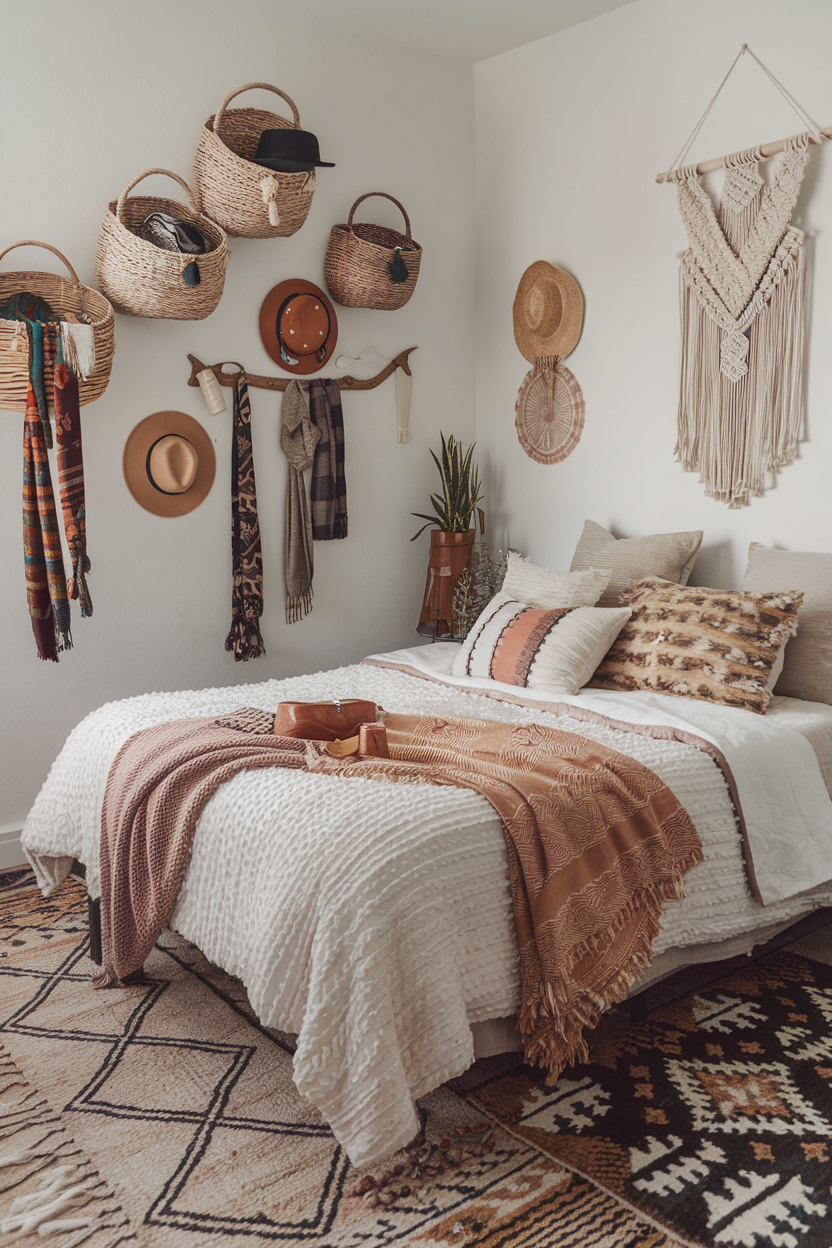
Wall-mounted baskets provide an attractive way to organize small belongings while freeing up valuable drawer and shelf space. Depending on their size and construction, they can hold scarves, belts, hats, lightweight bags, notebooks, or other frequently used accessories. Arrange several baskets vertically to make efficient use of a narrow wall, or group a few different sizes together for a more decorative display. Woven baskets introduce natural texture, while wire or metal designs suit contemporary and industrial-inspired interiors. Fabric options can create a softer appearance in cozy bedrooms. Place the baskets somewhere convenient to reach, such as beside a wardrobe or near a dressing area. By giving smaller items a designated home, you can prevent clutter from accumulating on your dresser, desk, and bedside surfaces.
3. Try a Bedside Caddy Instead of a Nightstand
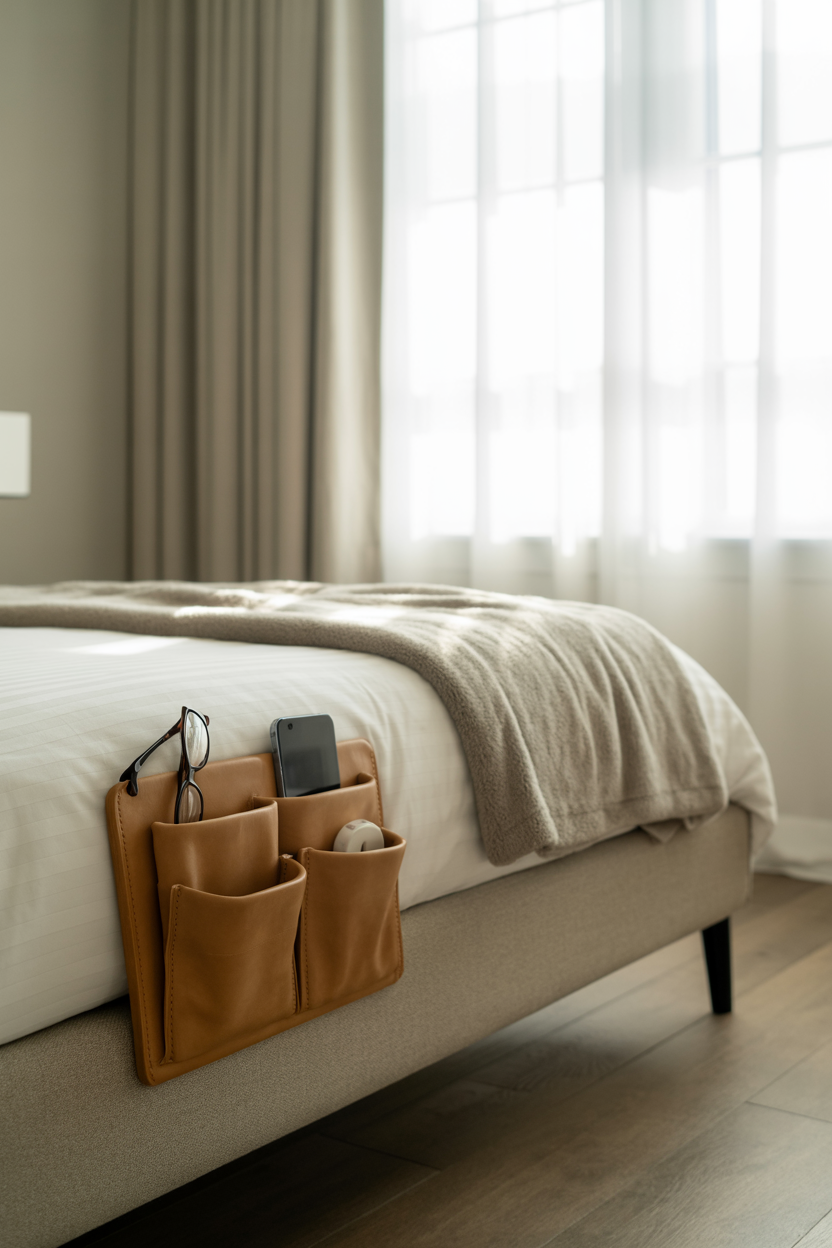
When there is barely enough room beside your bed, a bedside caddy can provide convenient storage without taking up any floor space. These compact organizers typically attach to the bed frame or fit beneath the mattress, with pockets designed to hold phones, books, glasses, remotes, and charging accessories. Fabric and felt versions are lightweight, affordable, and easy to move whenever you change your bedroom layout. You can even find designs with separate compartments to prevent small items from becoming tangled or misplaced. Although a bedside caddy cannot replace every function of a traditional nightstand, it is an excellent alternative for extremely small bedrooms, loft beds, and guest rooms where keeping the floor clear is a priority.
4. Install Floating Shelves
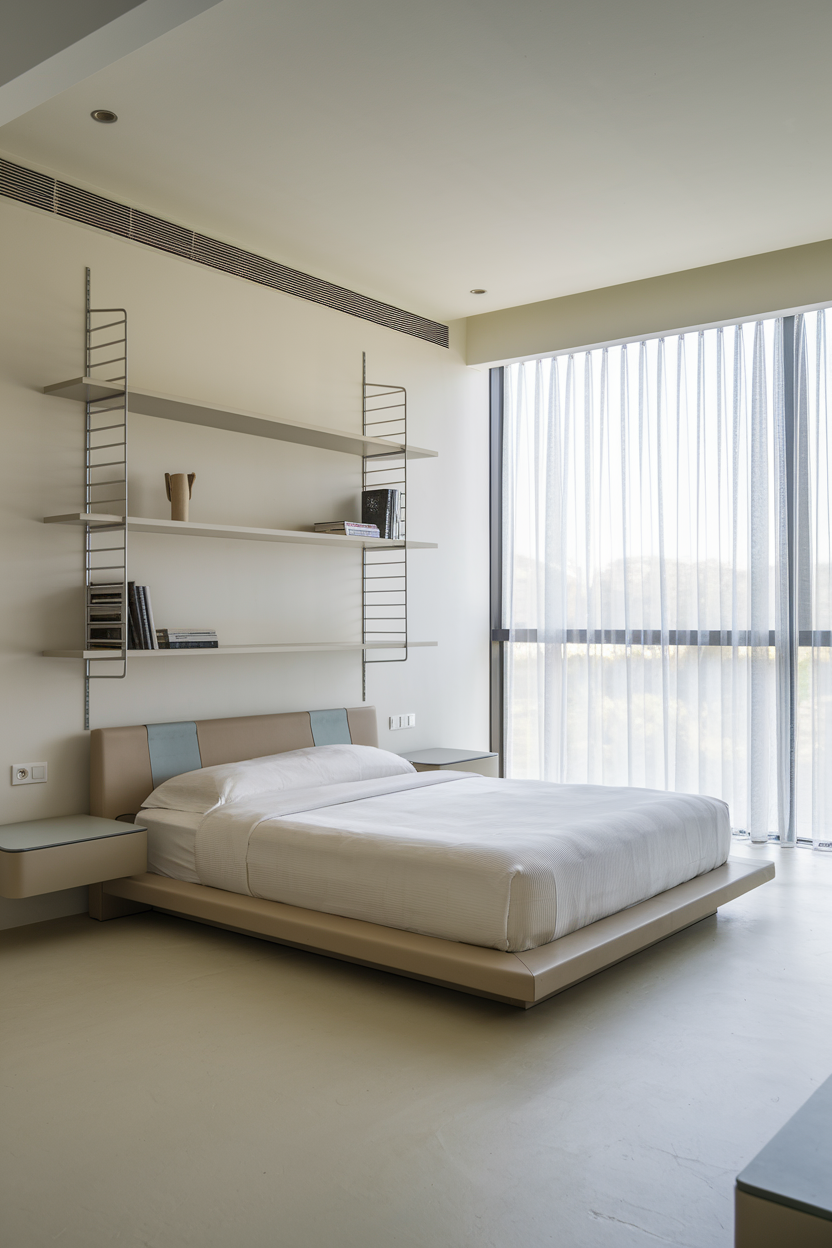
Floating shelves offer a stylish way to increase storage capacity without introducing bulky furniture into your bedroom. Mounted directly onto the wall, they create useful surfaces for books, framed photographs, small plants, decorative baskets, and everyday essentials. You can install them above a desk, beside your bed, over a dresser, or along an otherwise empty wall. In particularly compact rooms, arranging several shelves vertically helps you take advantage of height while leaving the floor available for movement. Choose shelf sizes that suit the items you intend to display, and avoid overcrowding them with too many accessories. With a thoughtful arrangement, floating shelves provide practical organization while maintaining a light, modern, and visually open atmosphere.
5. Use a Storage Bench at the Foot of the Bed
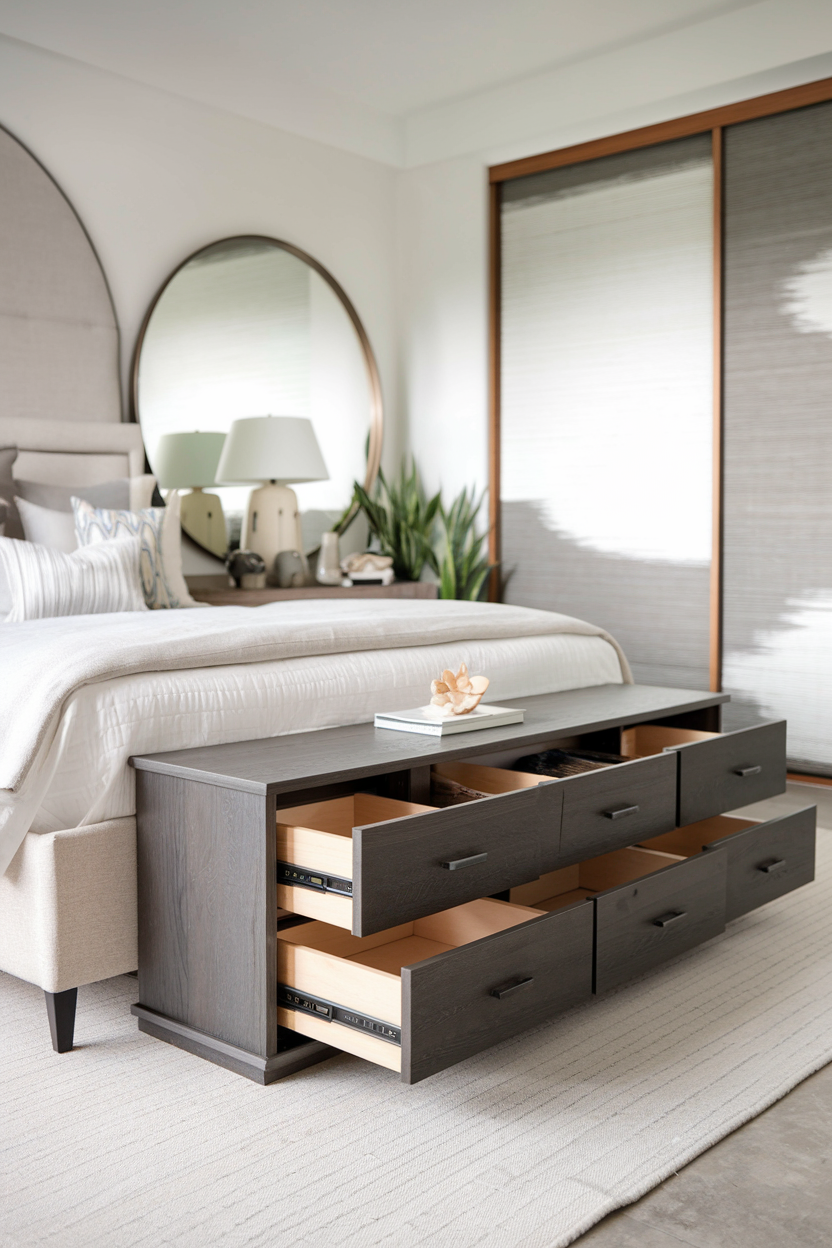
A storage bench combines practical organization with comfortable seating, making it a valuable addition to a small bedroom. Positioned at the foot of the bed, it provides a convenient place to sit while getting dressed and a concealed compartment for extra bedding, shoes, seasonal accessories, or spare towels. Depending on your needs, you can choose a model with a lift-up lid, sliding drawers, or individual storage compartments. Upholstered benches can introduce softness and texture, while wooden designs create a more natural or minimalist look. Before purchasing one, measure the available space to ensure it does not obstruct walkways or make the bed difficult to access. The right bench adds useful storage without sacrificing style.
6. Utilize the Space Above the Door
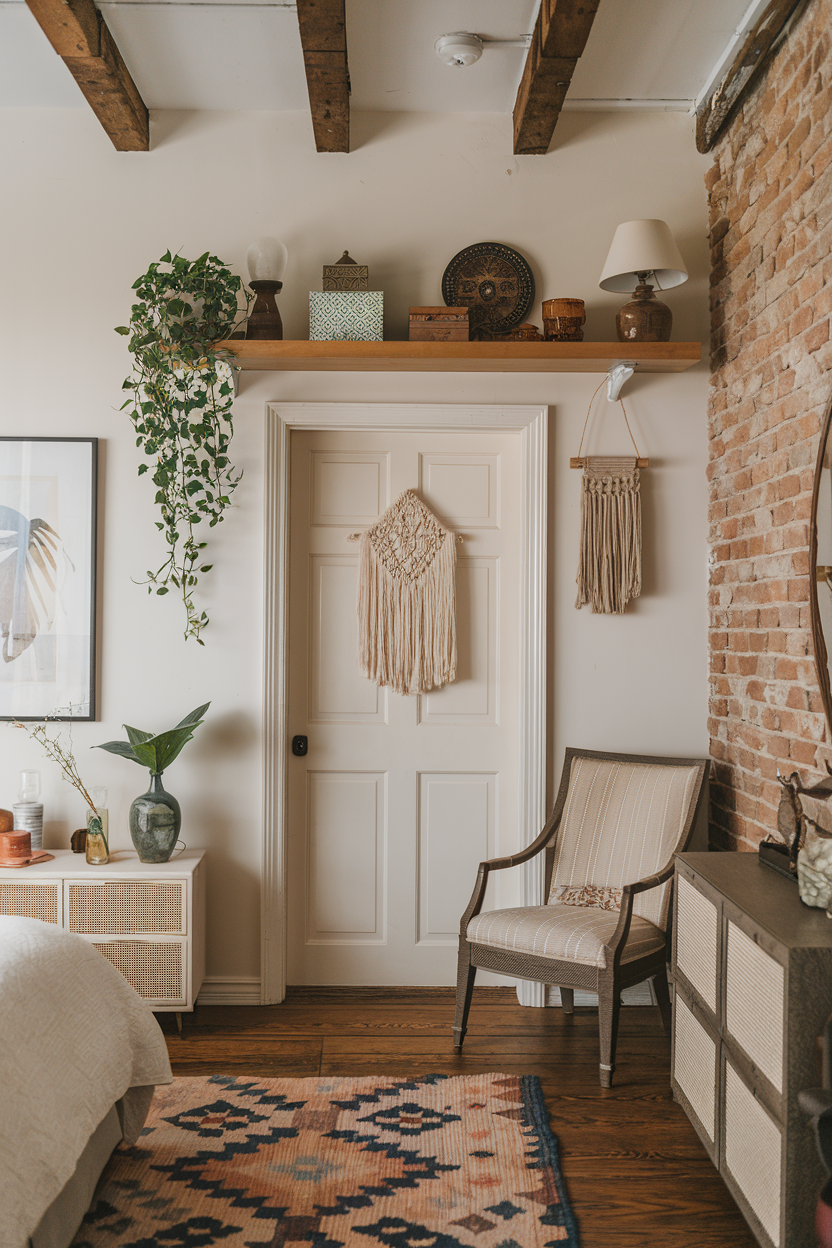
The wall area above your bedroom door can provide useful storage when other parts of the room are already occupied. A securely installed shelf or shallow cabinet can hold lightweight storage boxes, spare towels, extra bedding, or belongings you only need occasionally. This location is particularly suitable for items that do not require daily access, allowing your more accessible shelves and drawers to remain available for everyday essentials. To maintain a tidy appearance, use matching containers or baskets rather than leaving loose objects on display. Before installing anything, check the available clearance, ensure the shelf is securely anchored, and avoid obstructing the door frame or ceiling fixtures. Used thoughtfully, this often-forgotten area adds storage capacity without taking up additional floor space.
7. Use Nesting Tables Instead of a Large Nightstand
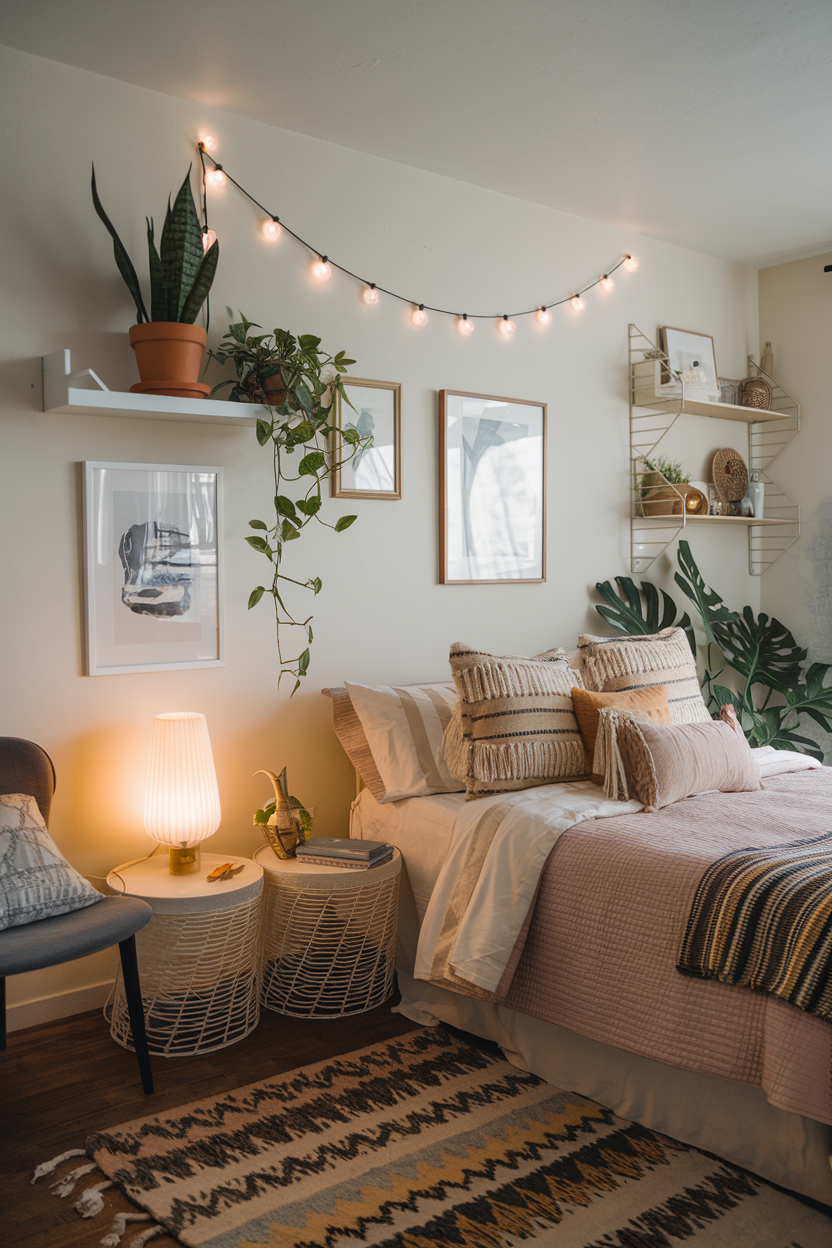
Nesting tables offer a flexible alternative to a bulky bedside table, especially in bedrooms where furniture needs to adapt to changing activities. Typically sold as a set of two or three tables in graduated sizes, they slide neatly beneath one another when you do not need the extra surfaces. Keep the largest table beside your bed for a lamp or book, then pull out the smaller tables whenever you need additional room for drinks, accessories, or decorative items. Once everything is put away, the tables can be nested together to reduce their overall footprint. Choose lightweight designs that are easy to reposition and visually consistent with your bedroom decor. This arrangement provides the convenience of multiple surfaces without permanently occupying as much space.
8. Install Sliding Closet Doors
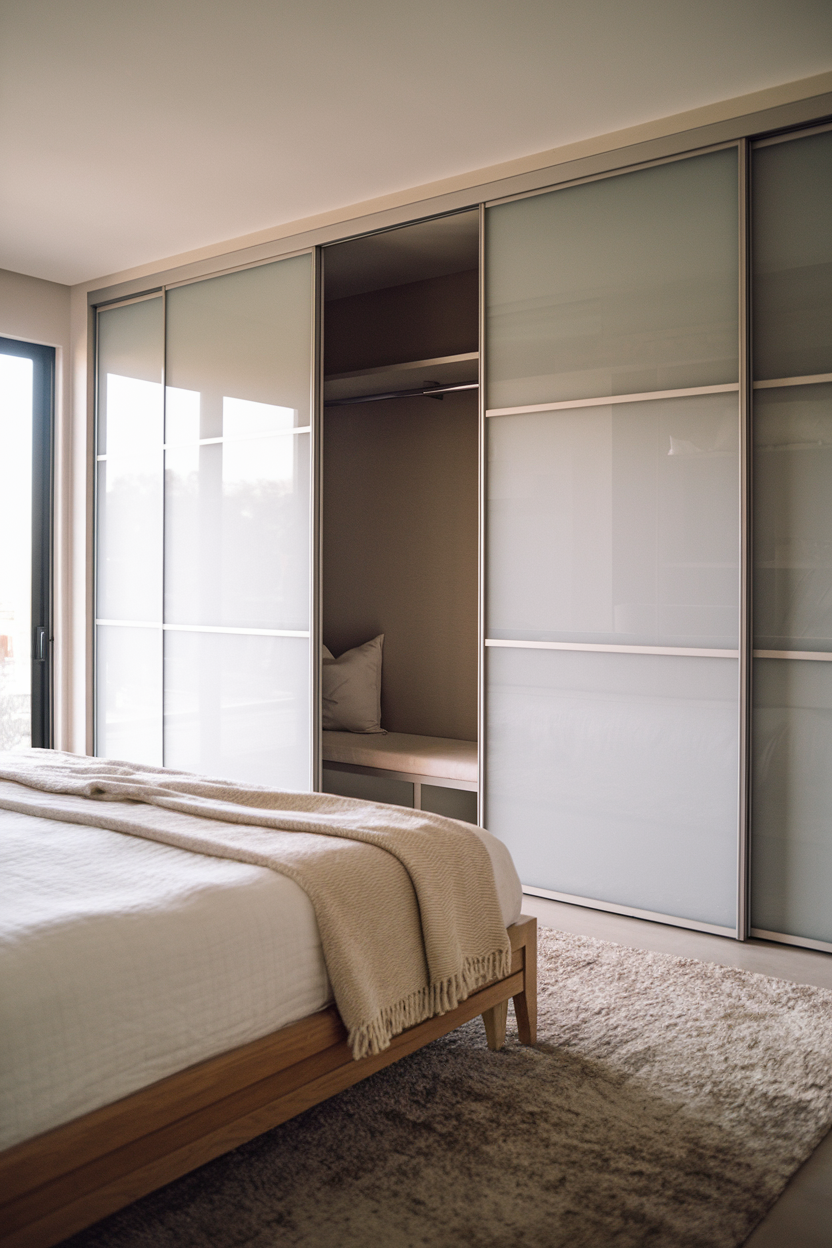
Sliding closet doors can make a small bedroom easier to navigate by eliminating the outward swing of conventional hinged doors. Because the panels slide along a track, you do not need to leave extra clearance in front of the wardrobe whenever you open it. The recovered space can make room for a laundry basket, narrow storage unit, or simply a more comfortable walkway. Mirrored sliding doors offer an additional benefit by reflecting natural light and creating the impression of a larger, brighter room. Other finishes, including wood, frosted glass, and minimalist panels, can complement different decorating styles. Before choosing a system, make sure the available wall space and closet opening suit the door design, and consider whether you need access to the entire closet at once.
9. Pick a Vanity With Built-In Storage
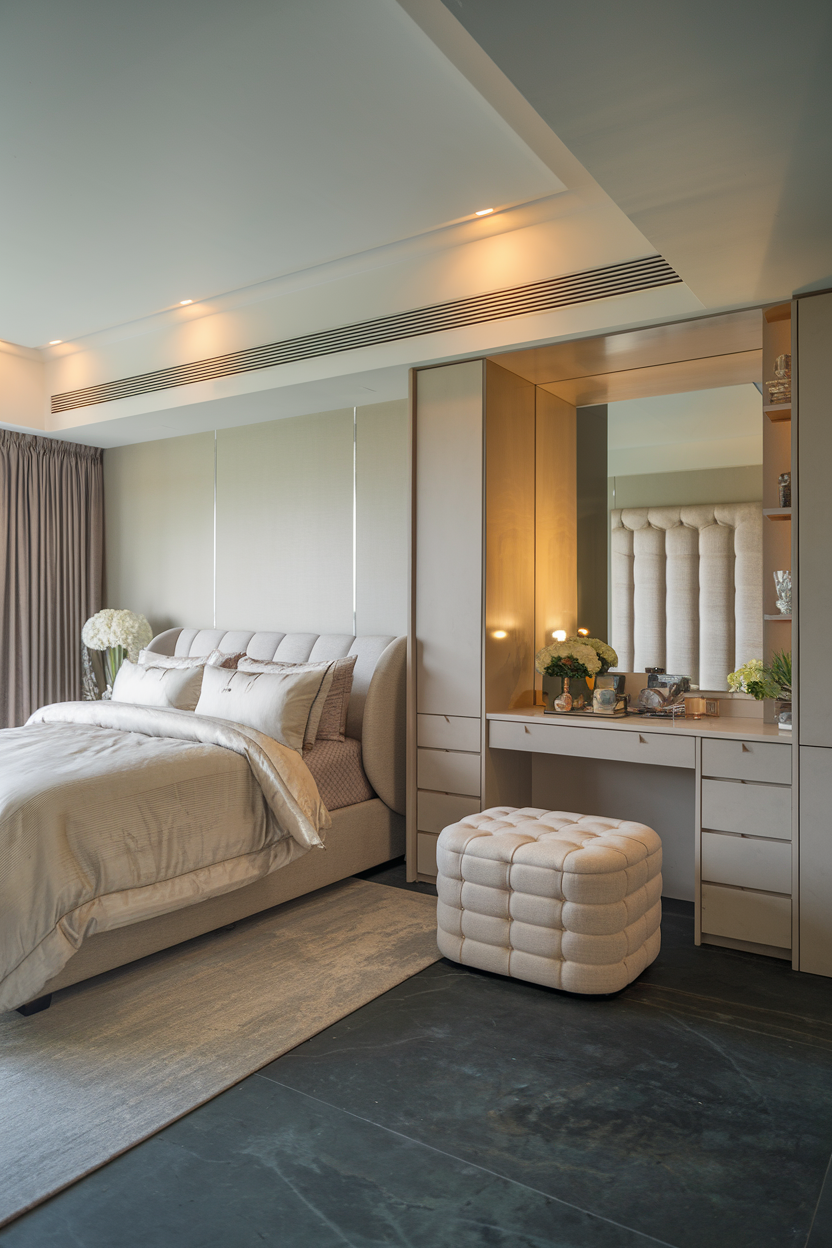
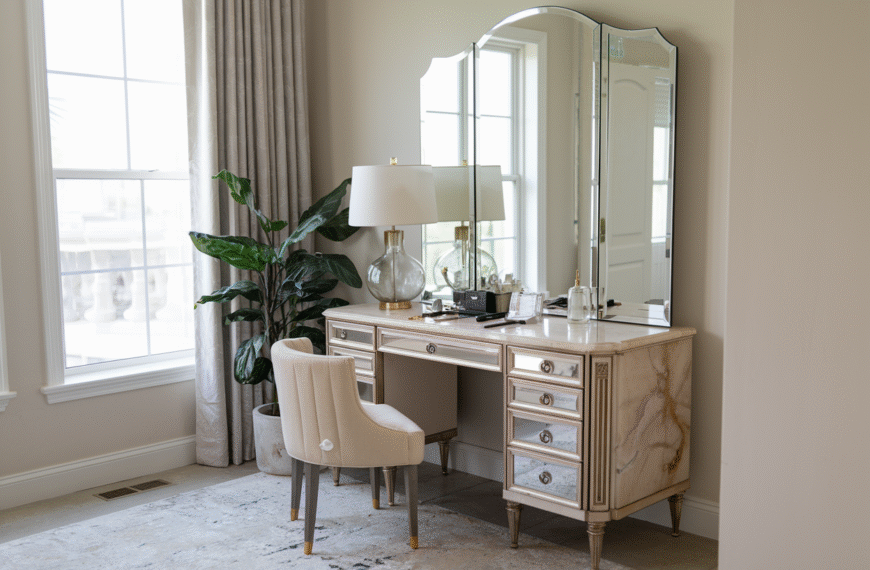
A vanity with integrated storage makes it easier to maintain an organized beauty routine without allowing cosmetics and accessories to take over your bedroom. Look for a compact design with drawers, concealed compartments, or shelves that provide dedicated places for makeup, skincare products, hair tools, and jewelry. Some vanities include lift-up mirrors or pull-out trays that reveal additional storage when needed, helping you keep the overall footprint relatively small. If your bedroom also serves as a workspace, consider a simple vanity that can double as a writing desk. Pair it with a stool that fits underneath to keep the surrounding floor clear. With a well-planned setup, you can create a functional getting-ready station while keeping everyday essentials neatly arranged and easy to reach.
10. Choose Sconces Over Table Lamps
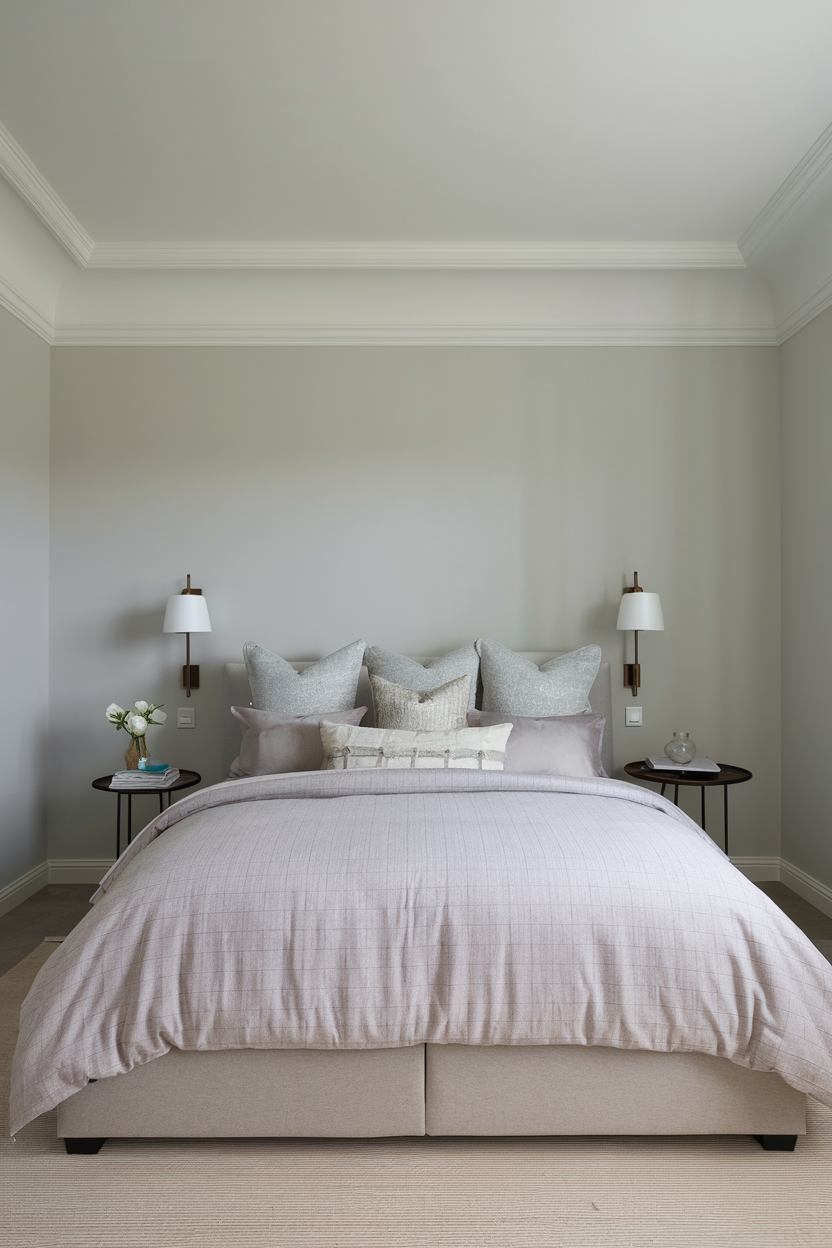
Wall-mounted sconces are a smart lighting choice for small bedrooms because they illuminate your sleeping area without taking up space on your nightstand. Installed beside the bed or above a compact bedside shelf, they provide convenient light for reading, relaxing, and navigating the room at night. Adjustable models are particularly useful because you can direct the light where you need it most. Sconces also come in a wide variety of styles, from streamlined contemporary fixtures to elegant brass designs and understated fabric shades. Before installation, consider the position of your bed, the height of your headboard, and the location of nearby outlets or wiring. By moving bedside lighting onto the wall, you gain more room for books, glasses, and other essentials while giving the bedroom a polished, thoughtfully designed appearance.
11. Opt for a Tall Dresser Instead of a Wide One
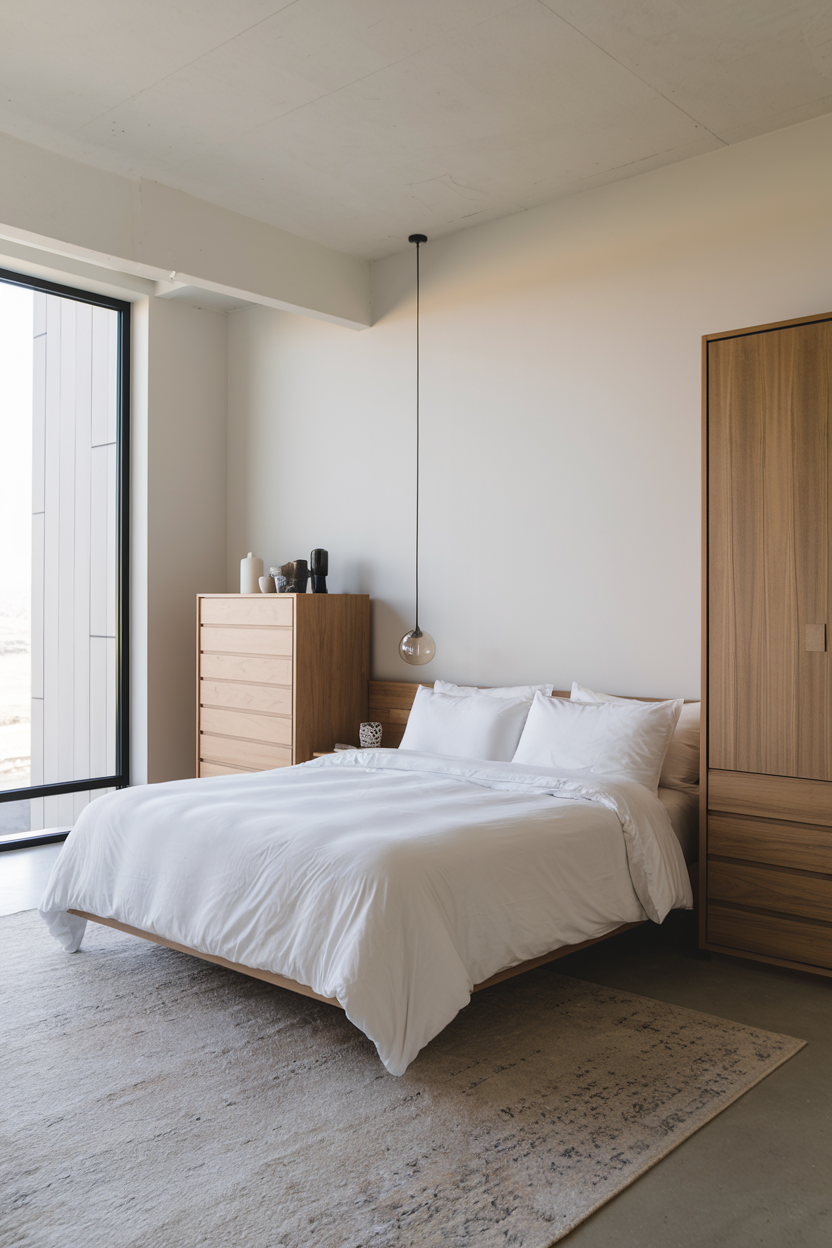
When floor space is limited, choosing a tall dresser instead of a wide, low unit can make a noticeable difference. A vertical dresser provides multiple drawers for clothing, accessories, and personal belongings while occupying a relatively small footprint. This arrangement leaves more room for other essentials, such as a laundry hamper, compact chair, or bedside table. Tall dressers are available in styles ranging from sleek contemporary designs to traditional wooden pieces, so it is easy to find an option that complements your bedroom decor. Make sure the unit fits comfortably beneath your ceiling and does not interfere with nearby doors or windows. For safety, secure tall furniture to the wall according to the manufacturer’s instructions.
12. Hang Hooks on the Back of Doors
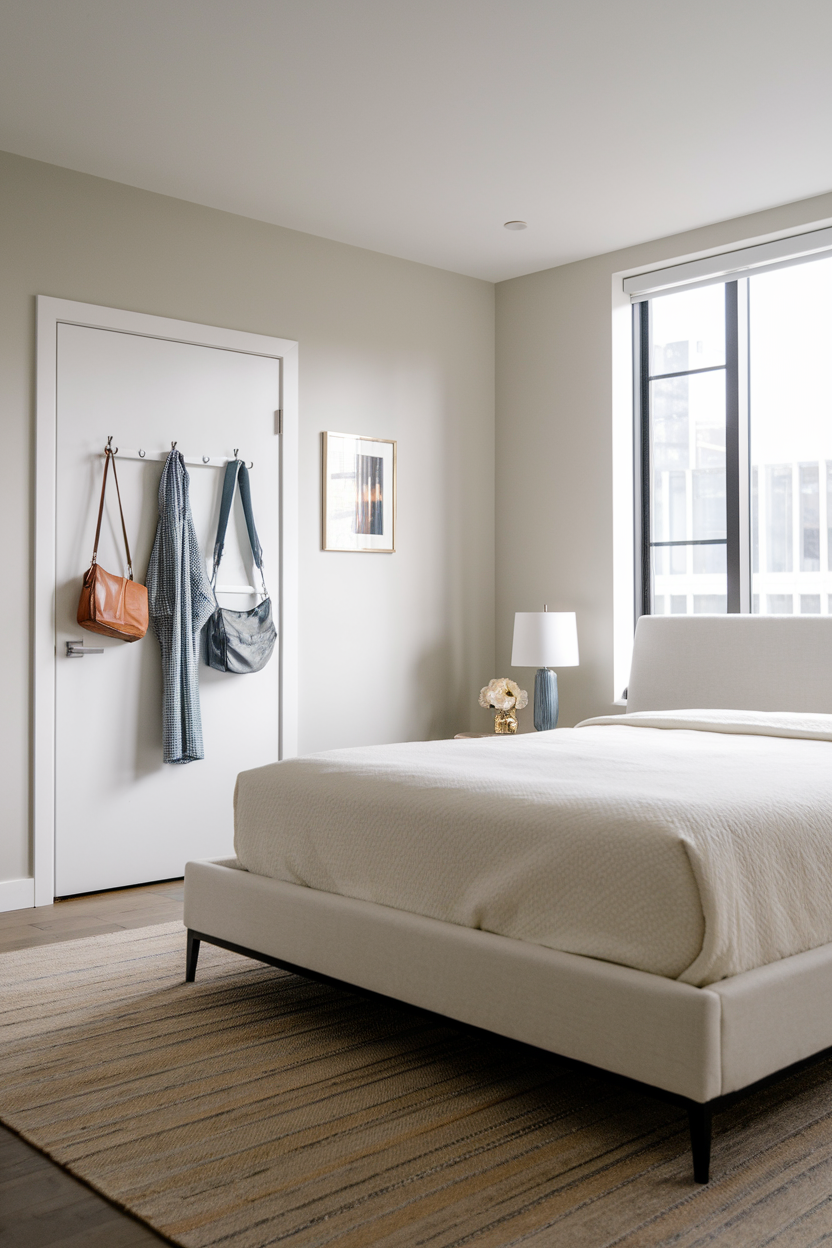
The back of your bedroom door can become a surprisingly useful storage area with the addition of a few well-placed hooks. Use them to hang handbags, robes, jackets, hats, belts, or accessories that you reach for regularly. Over-the-door organizers offer even more flexibility, with multiple hooks or pockets for smaller belongings. This approach is inexpensive, easy to install, and particularly helpful when your wardrobe is already full. You can also place hooks on the inside of a closet door to keep frequently used items organized but out of sight. Choose a design that complements your room and allows the door to open and close freely. By using this overlooked surface, you can reduce clutter without adding another piece of furniture.
13. Opt for a Storage Bed
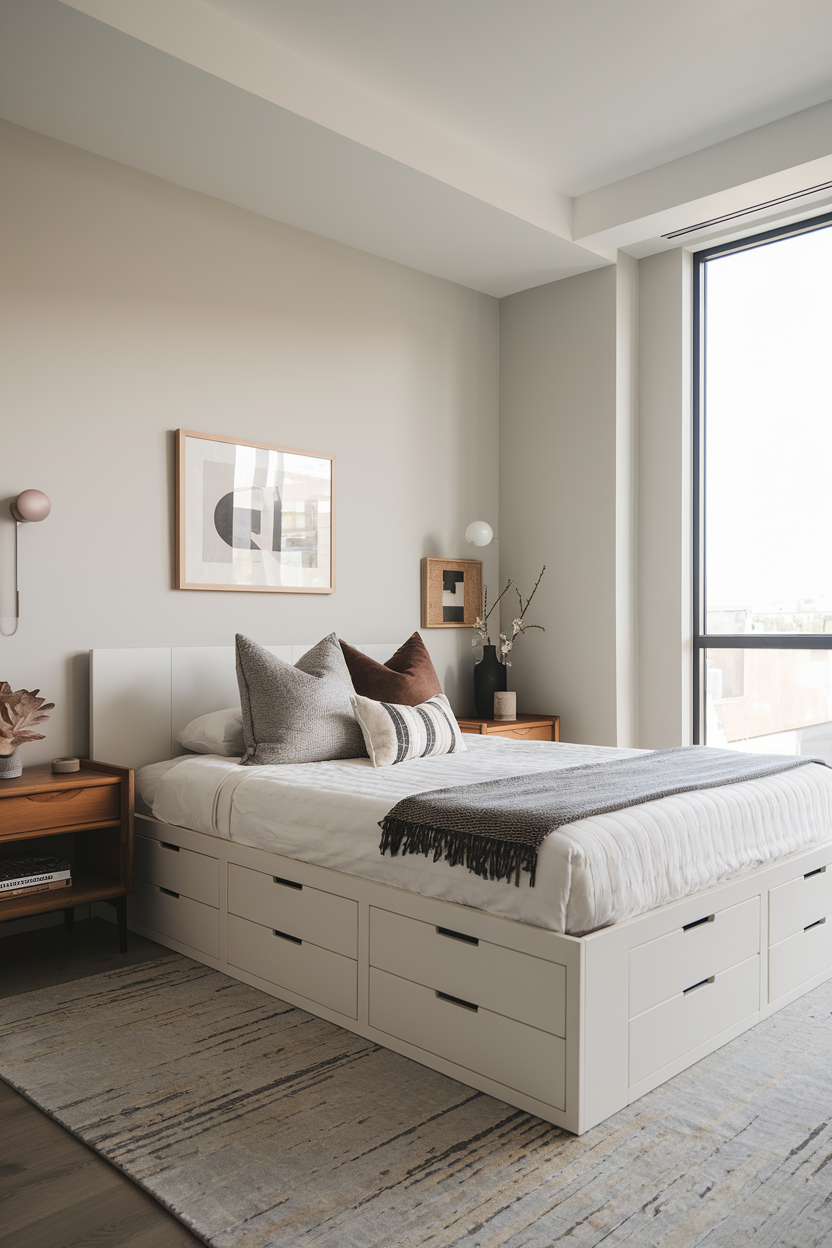
A storage bed is an excellent investment for a small bedroom because it transforms the unused area beneath your mattress into valuable storage space. Depending on the design, you can choose a bed with built-in drawers or a hydraulic lift-up base that reveals a spacious hidden compartment. These areas are perfect for storing extra blankets, seasonal clothing, spare pillows, and suitcases. Some models also feature headboards with integrated shelves or cubbies, providing additional room for everyday essentials without requiring extra furniture. By combining sleeping space and storage in one piece, you can keep your bedroom organized while making the most of every available inch.
14. Use a Wall-Mounted Desk
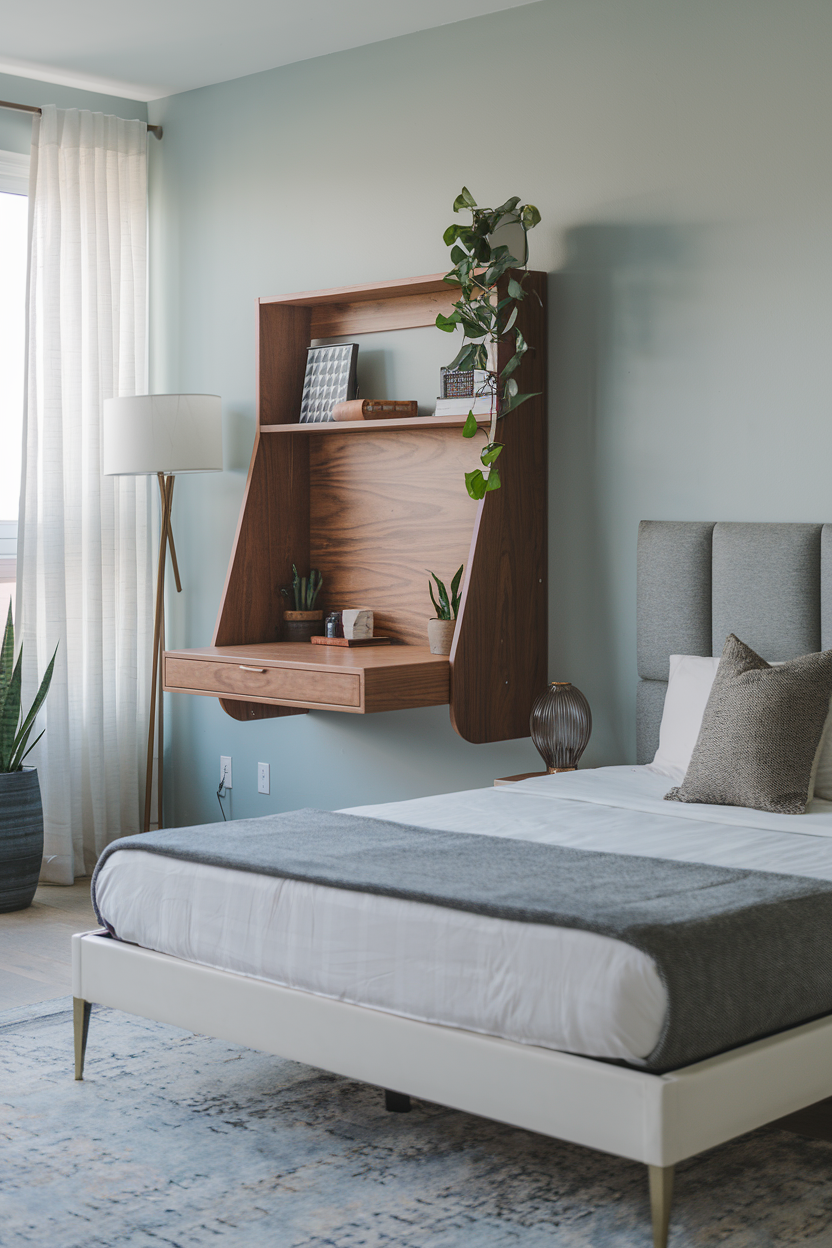
A traditional desk can occupy more floor space than a compact bedroom can comfortably accommodate. A wall-mounted desk offers a practical alternative by creating a dedicated workspace without the bulk of conventional furniture. Floating desks and fold-down designs work particularly well in bedrooms that serve multiple purposes. You can use one as a writing station, home office, or makeup area, then fold it away when you need more room to move around. Pair your desk with a lightweight stool that can slide underneath when not in use. This simple arrangement keeps your workspace functional while preserving the open, uncluttered feeling of a small bedroom.
15. Choose a Murphy Bed
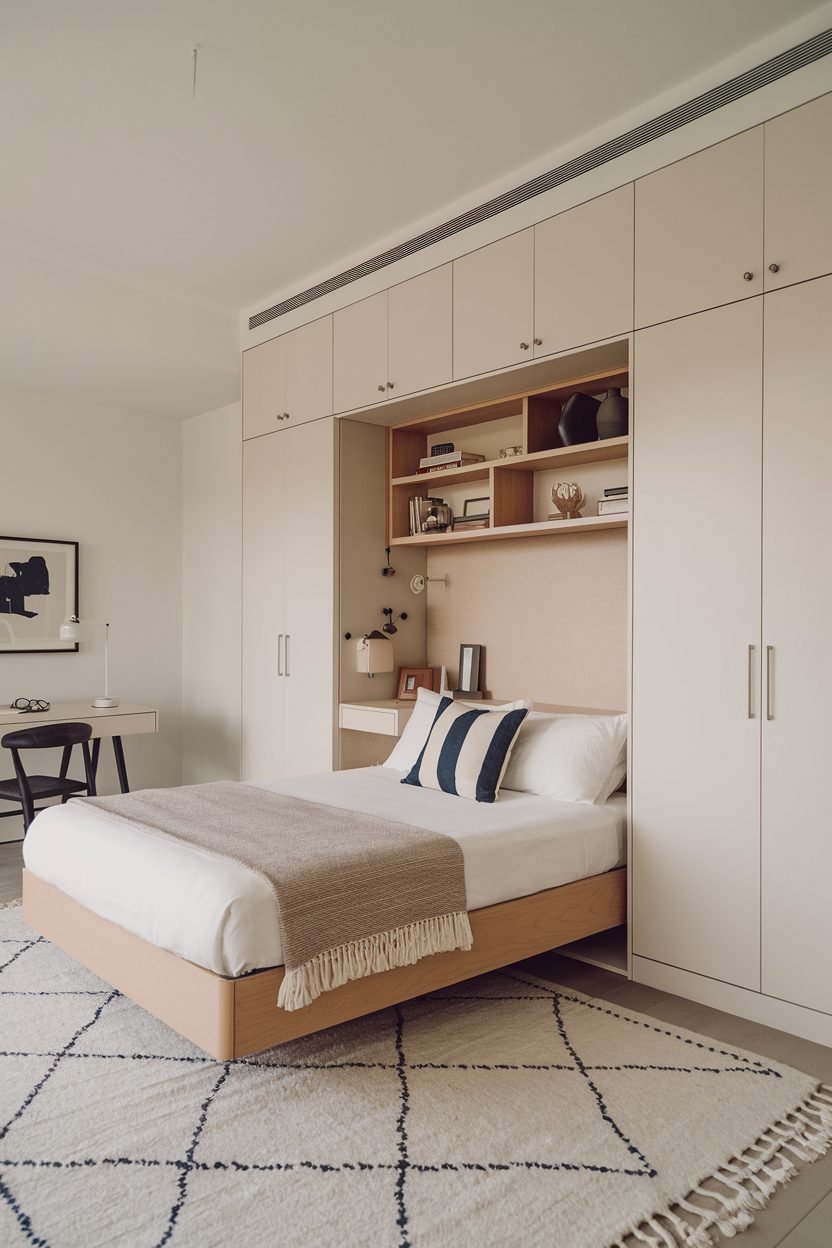
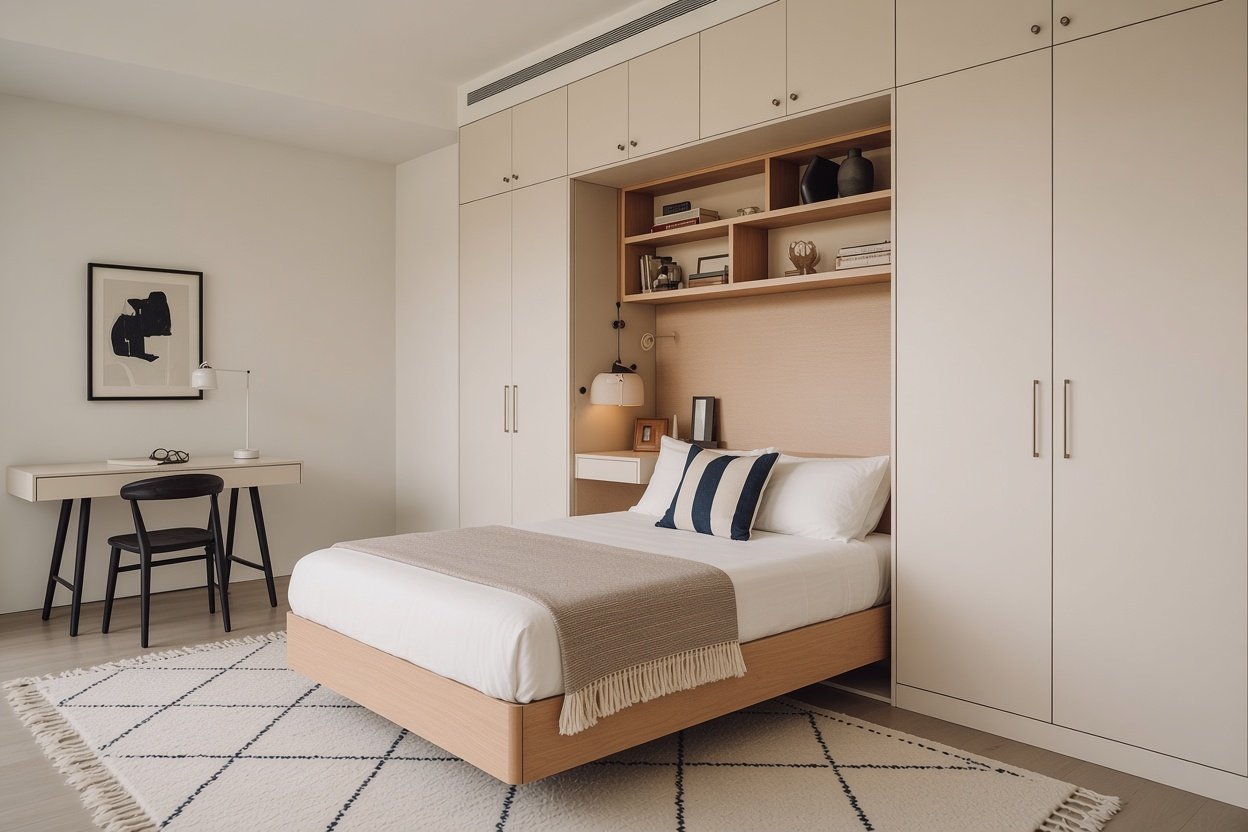
A Murphy bed is a clever space-saving solution that allows you to reclaim valuable floor space whenever you are not sleeping. Designed to fold vertically into a wall-mounted cabinet, this bed can make a compact bedroom feel significantly more versatile during the day. It is especially useful in studio apartments, multipurpose guest rooms, and small home offices that occasionally accommodate overnight visitors. Many contemporary designs incorporate built-in desks, shelving, or seating, allowing a single installation to serve several functions. With its streamlined appearance and practical design, a Murphy bed helps you create a room that feels comfortable at night and spacious enough for other activities during the day.
16. Invest in a Loft Bed
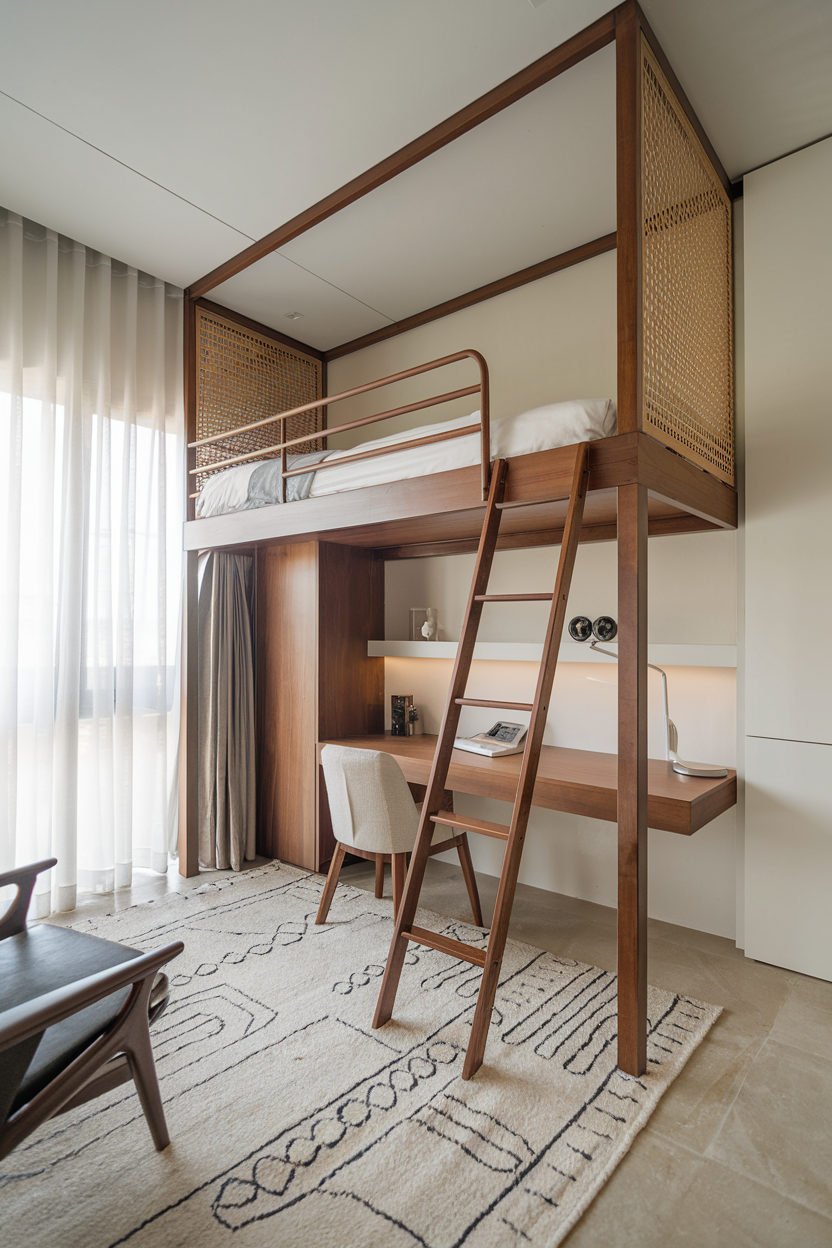
Loft beds make excellent use of vertical space by elevating the sleeping area and leaving the floor underneath available for other purposes. Although commonly associated with children’s bedrooms and dormitories, these beds can also work beautifully in adult spaces with sufficiently high ceilings. The open area below can accommodate a desk, compact wardrobe, reading nook, or small seating arrangement. This setup is particularly beneficial in studio apartments and narrow bedrooms where every square foot matters. Choose a sturdy frame that complements your interior style, and keep the surrounding furniture proportional to the room. By moving your bed upward, you can create distinct zones for sleeping, working, and relaxing without crowding the floor.
17. Add a Headboard With Storage
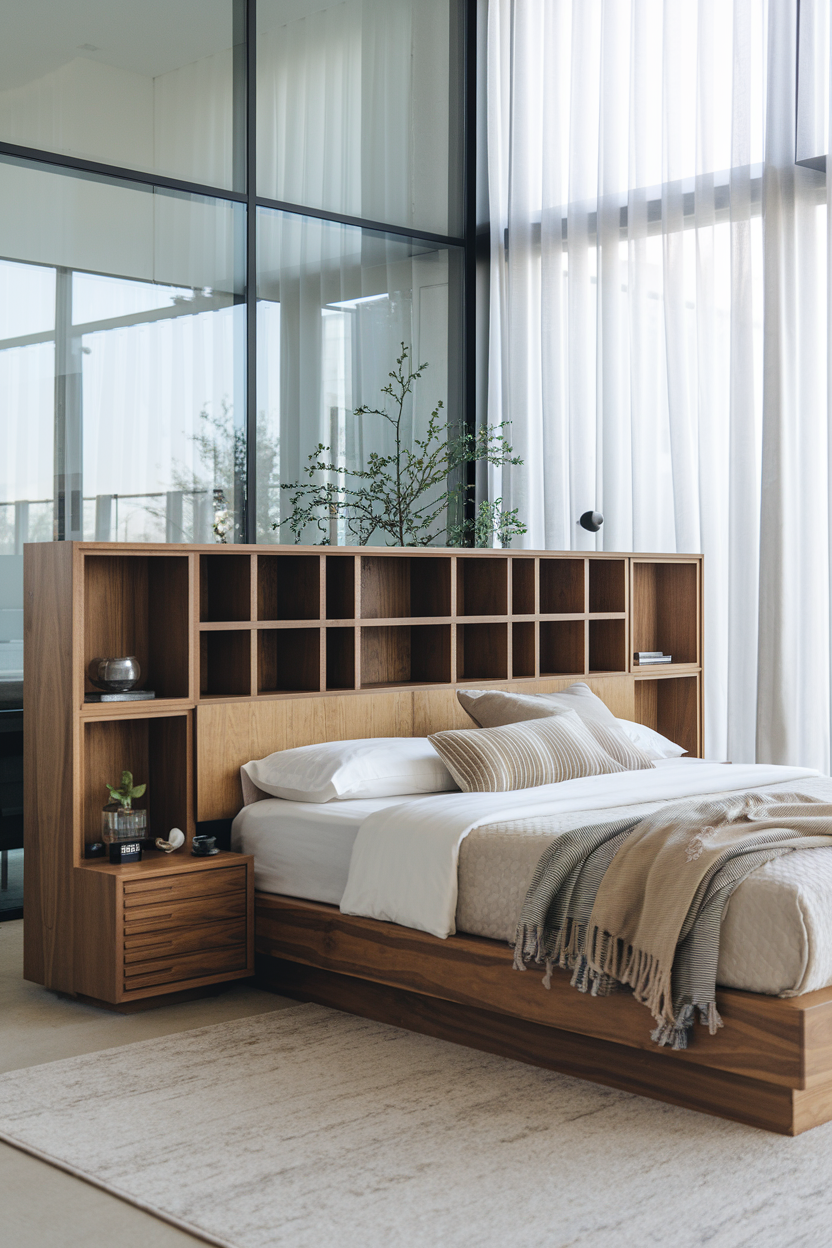
A headboard with built-in storage provides a convenient place to organize bedroom essentials without introducing another bulky piece of furniture. Depending on the design, it may include open shelves, concealed compartments, small cabinets, or cubbies for books, reading glasses, charging cables, and decorative accessories. Some models offer enough space to replace traditional bedside tables altogether, which can be especially helpful when your bed sits close to a wall or occupies most of the room. Look for a design that balances accessible storage with an attractive appearance. A well-chosen storage headboard keeps frequently used items within reach while giving your sleeping area a neat, cohesive, and thoughtfully organized look.
18. Use Under-Bed Storage Bins
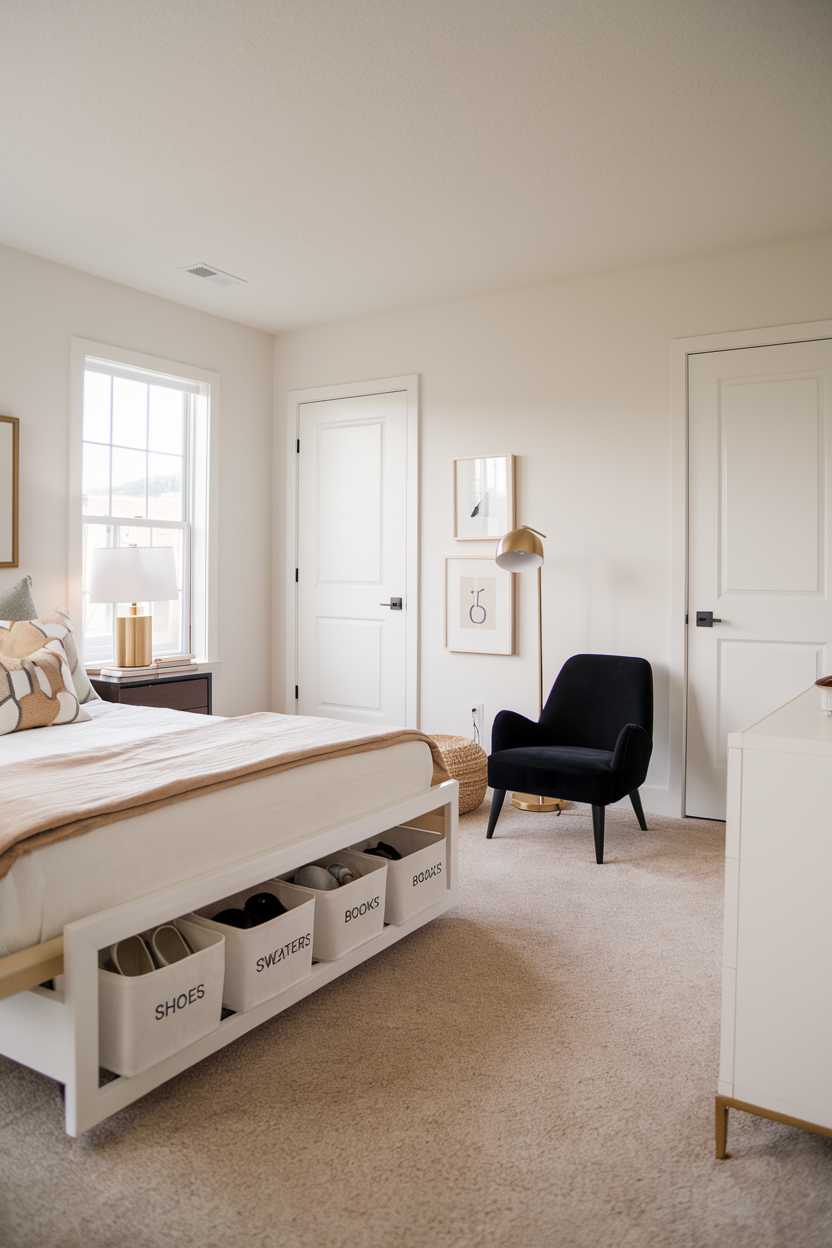
The space beneath your bed can hold far more than dust if you organize it with suitable storage containers. Flat bins, rolling drawers, and fabric organizers are ideal for keeping shoes, folded clothing, spare linens, and seasonal accessories neatly tucked away. Containers with wheels make it easier to retrieve belongings, while transparent designs help you identify their contents without opening every box. If you prefer an orderly appearance, choose matching bins and label each one according to its purpose. Before buying anything, measure the clearance beneath your bed to ensure the containers will slide underneath comfortably. This simple storage strategy is particularly effective for small bedrooms because it uses existing space rather than requiring additional shelves, cabinets, or dressers.
19. Choose Foldable Furniture Pieces
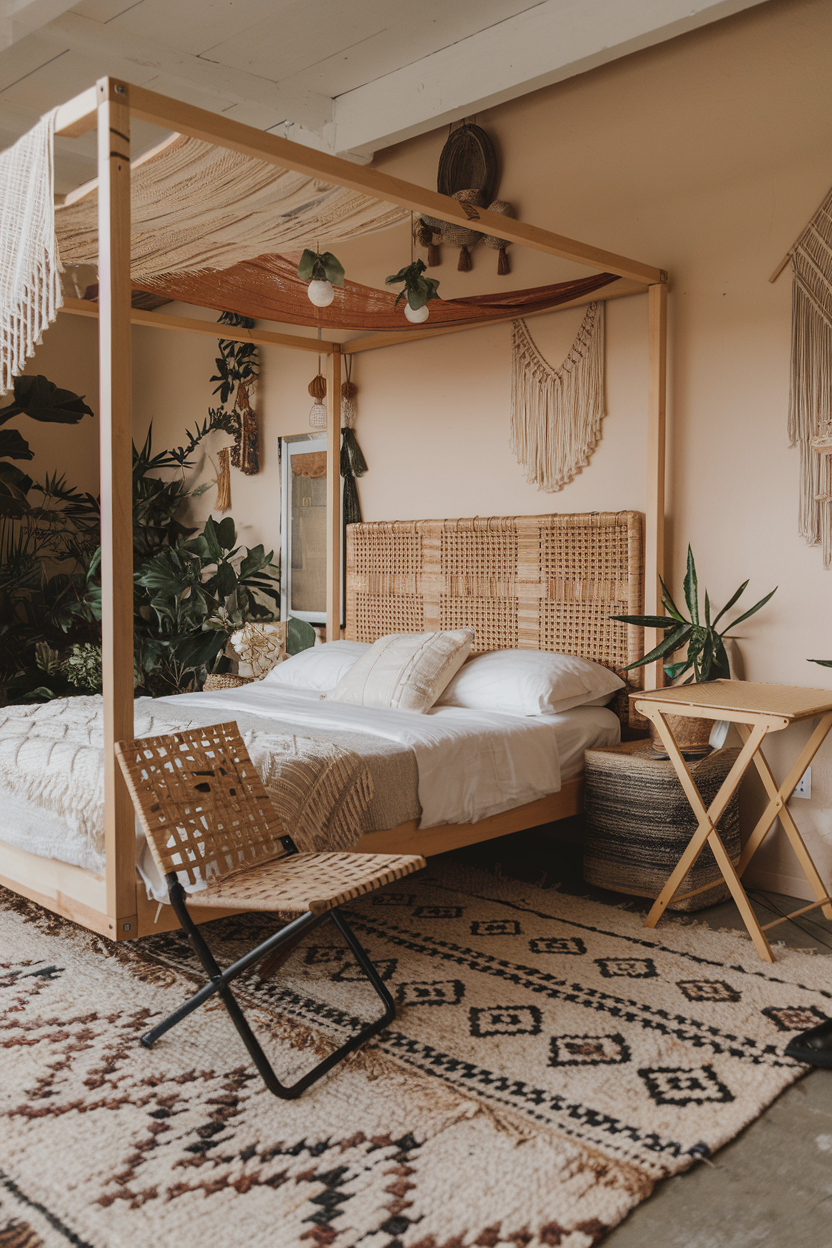
Foldable furniture gives you greater flexibility when working with a limited bedroom layout. Collapsible chairs, folding tables, and compact stools can be brought out whenever you need an extra surface or seat, then stored away to free up space afterward. These pieces are especially useful for bedrooms that double as home offices, hobby rooms, or occasional guest accommodations. Some designs are attractive enough to remain part of your everyday decor, while others can be tucked into a closet or behind a wardrobe when not needed. Consider how frequently you will use each item before deciding which furniture deserves a permanent place in your room. By choosing pieces that adapt to your changing needs, you can maintain a functional bedroom without filling every available corner.
20. Install a Pegboard Organizer
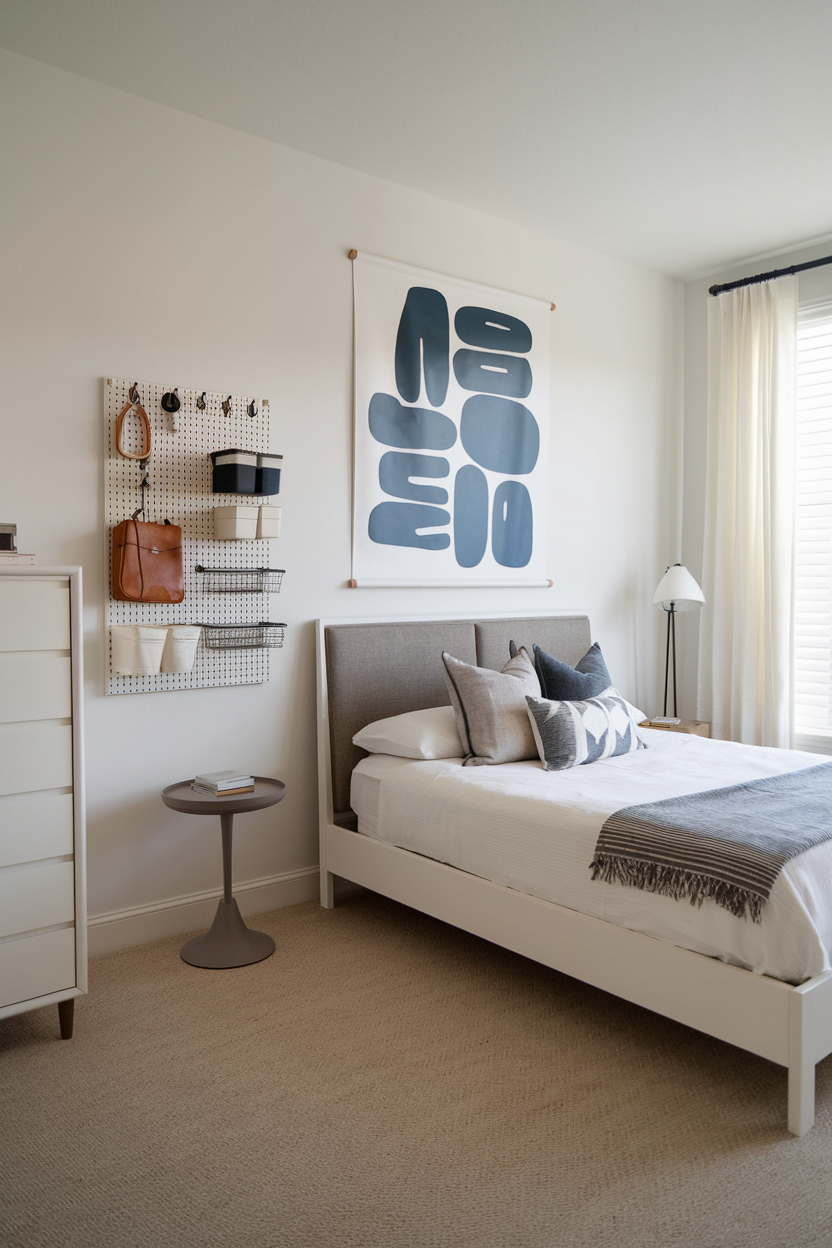
A pegboard organizer can turn an empty bedroom wall into a flexible storage station for everyday accessories. Once mounted securely, the board can accommodate hooks, small baskets, clips, and miniature shelves that hold everything from jewelry and hair accessories to stationery and headphones. One of its biggest advantages is adaptability: you can rearrange the attachments whenever your storage needs change. Paint the board in a color that coordinates with your bedroom palette to make it feel like an intentional decorative feature rather than a purely functional addition. A pegboard works particularly well above a desk, beside a vanity, or inside a dressing area. It keeps small belongings visible and accessible while freeing up crowded drawers and tabletops.
21. Try a Wall-Mounted Nightstand
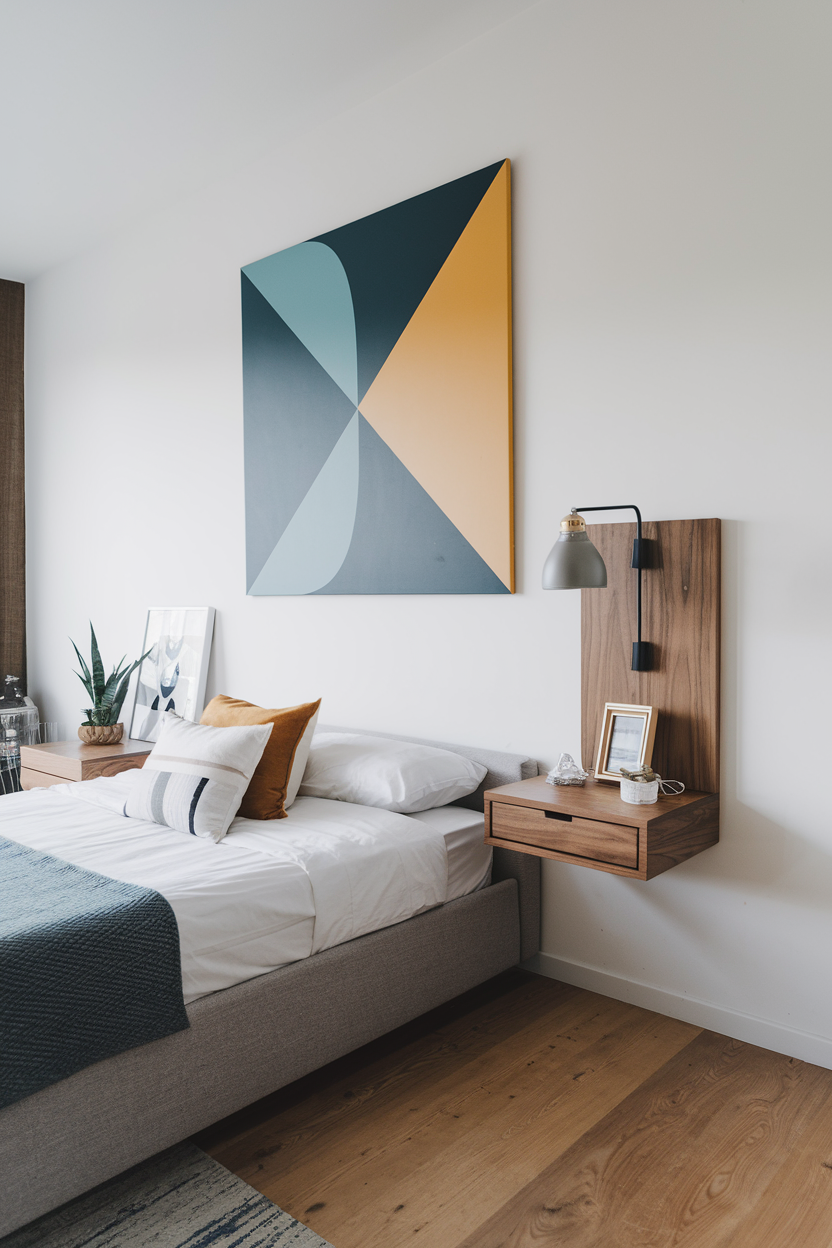
A wall-mounted nightstand is an ideal alternative when a conventional bedside table would make your bedroom feel cramped. Attached directly to the wall, this compact shelf or cabinet provides a convenient surface for a phone, book, small lamp, and other nighttime necessities without occupying floor space. Some designs include a drawer or concealed compartment for items you prefer to keep out of sight. Because the unit floats above the floor, cleaning beneath it is also much easier. You can select a minimalist shelf for a contemporary bedroom or a small wooden cabinet for a warmer, more traditional look. Before installation, position it at a comfortable height and ensure it is securely anchored to support the intended weight.
22. Use Multi-Functional Furniture
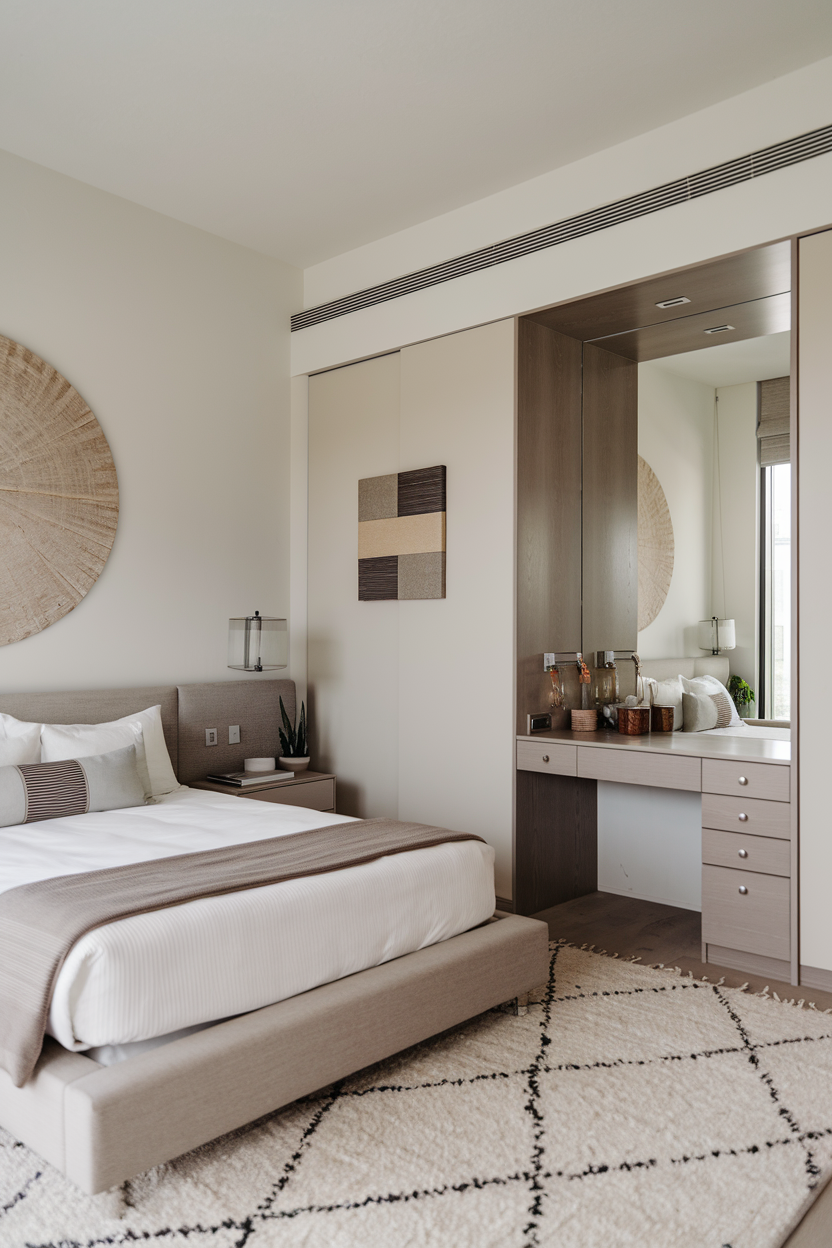
Multi-functional furniture helps small bedrooms work harder by combining several everyday uses into fewer pieces. A storage ottoman can provide seating and conceal extra blankets, while a vanity with drawers can double as a writing desk. You might also consider a full-length mirror that opens to reveal jewelry compartments or a bedside cabinet with integrated charging features. The goal is to reduce the number of separate items required to make your room comfortable and practical. Before purchasing a new piece, think about which activities it needs to support and how much storage it can realistically provide. Prioritizing furniture with more than one purpose helps minimize clutter, simplify your layout, and create a bedroom that feels organized rather than overcrowded.
23. Go for an Open Wardrobe System
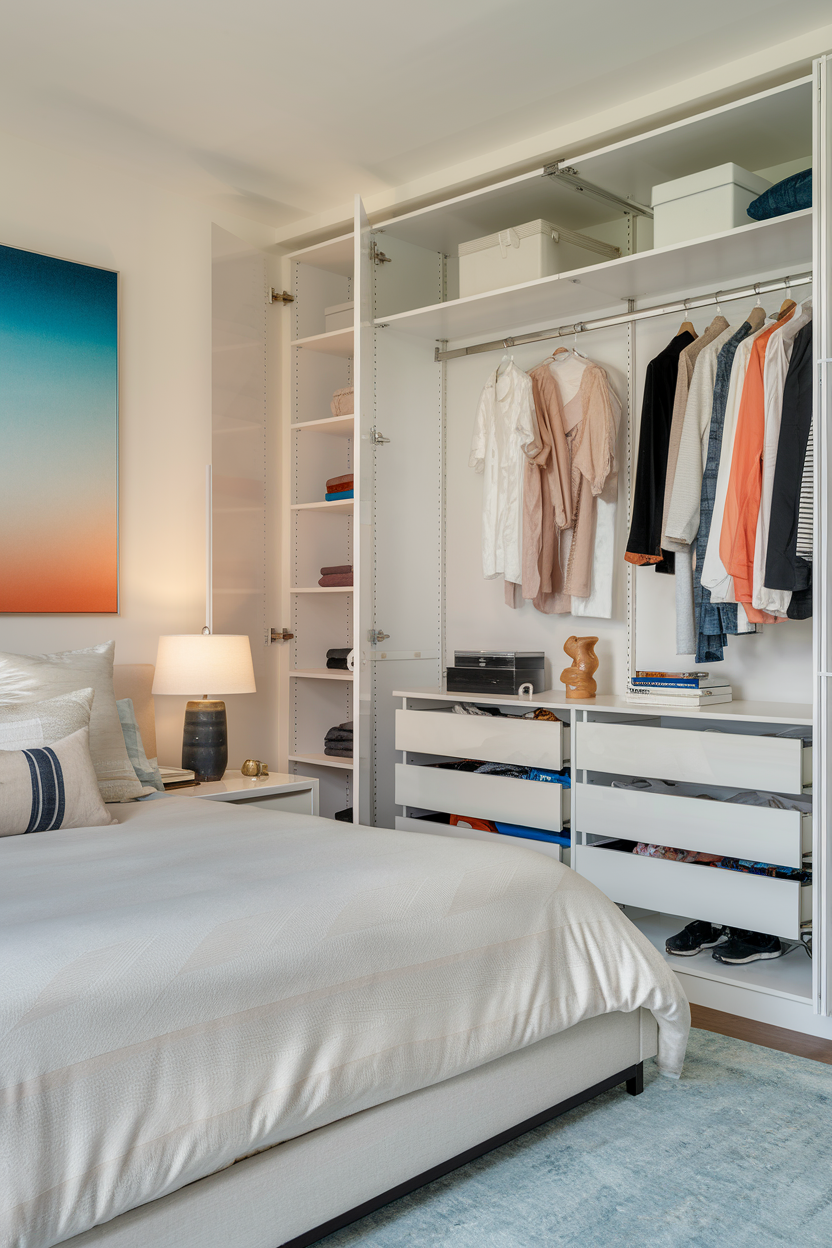
An open wardrobe system provides organized clothing storage without the visual bulk of a traditional enclosed closet. These systems typically combine hanging rails, adjustable shelves, drawers, and baskets to accommodate different types of clothing and accessories. Their open construction can help a compact bedroom feel less enclosed, especially when the design has a slim frame and a light, understated finish. Because everything remains visible, it is helpful to organize garments by category and use matching hangers or storage containers to maintain a tidy appearance. You can also add fabric bins for smaller belongings that would otherwise make the shelves look cluttered. An open wardrobe works particularly well in minimalist bedrooms, rental apartments, and rooms where installing a built-in closet is not practical.
24. Use a Wardrobe With Mirrored Doors
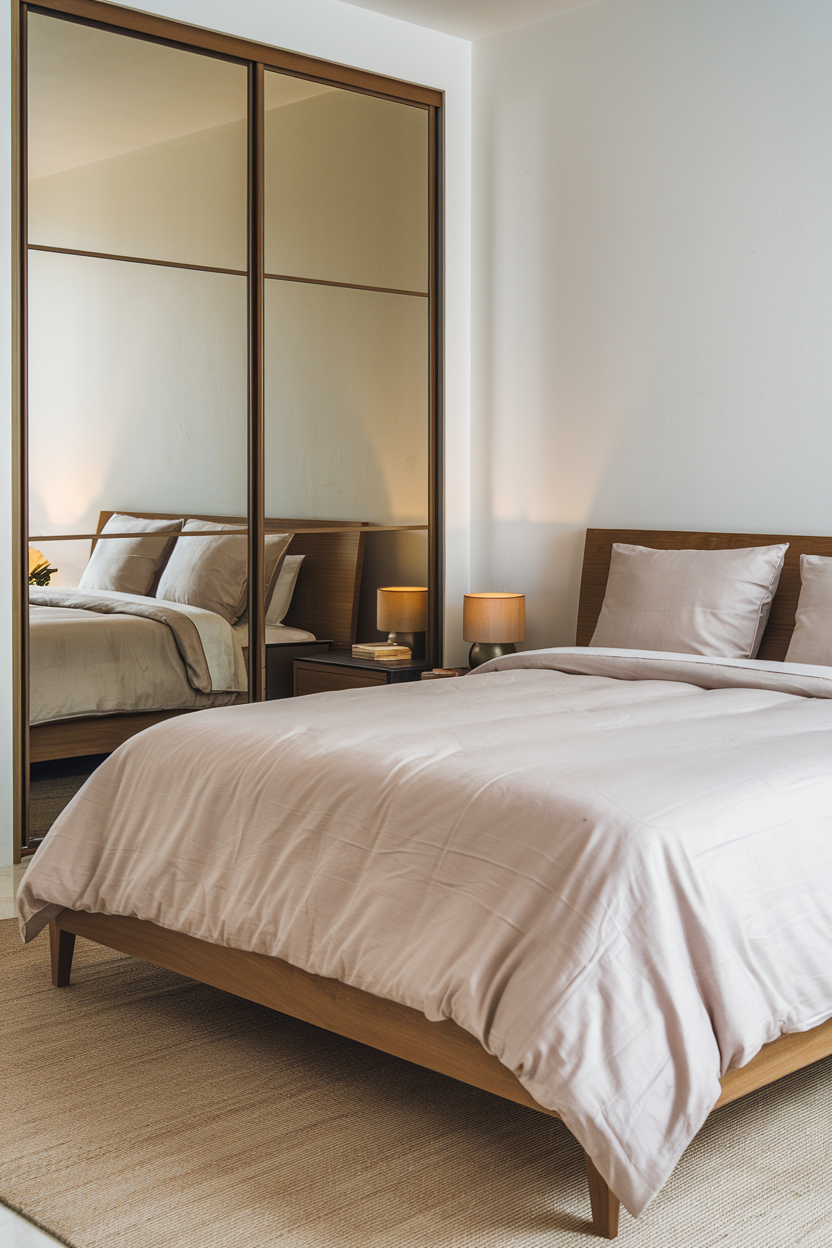
A wardrobe with mirrored doors offers two useful benefits in a small bedroom: generous enclosed storage and a brighter, more spacious visual effect. The reflective surfaces bounce light around the room, helping the interior feel more open while providing a convenient place to check your outfit. Inside, adjustable shelves, hanging rails, and drawers can keep clothing and accessories neatly organized and out of sight. For particularly compact layouts, consider sliding mirrored doors that do not require additional clearance to open. A simple frame and clean lines will help the wardrobe blend into the surrounding decor rather than dominate the room. Position it where it can reflect natural light or a pleasant view, and secure the unit properly to ensure safe everyday use.
25. Install a Hanging Nightstand
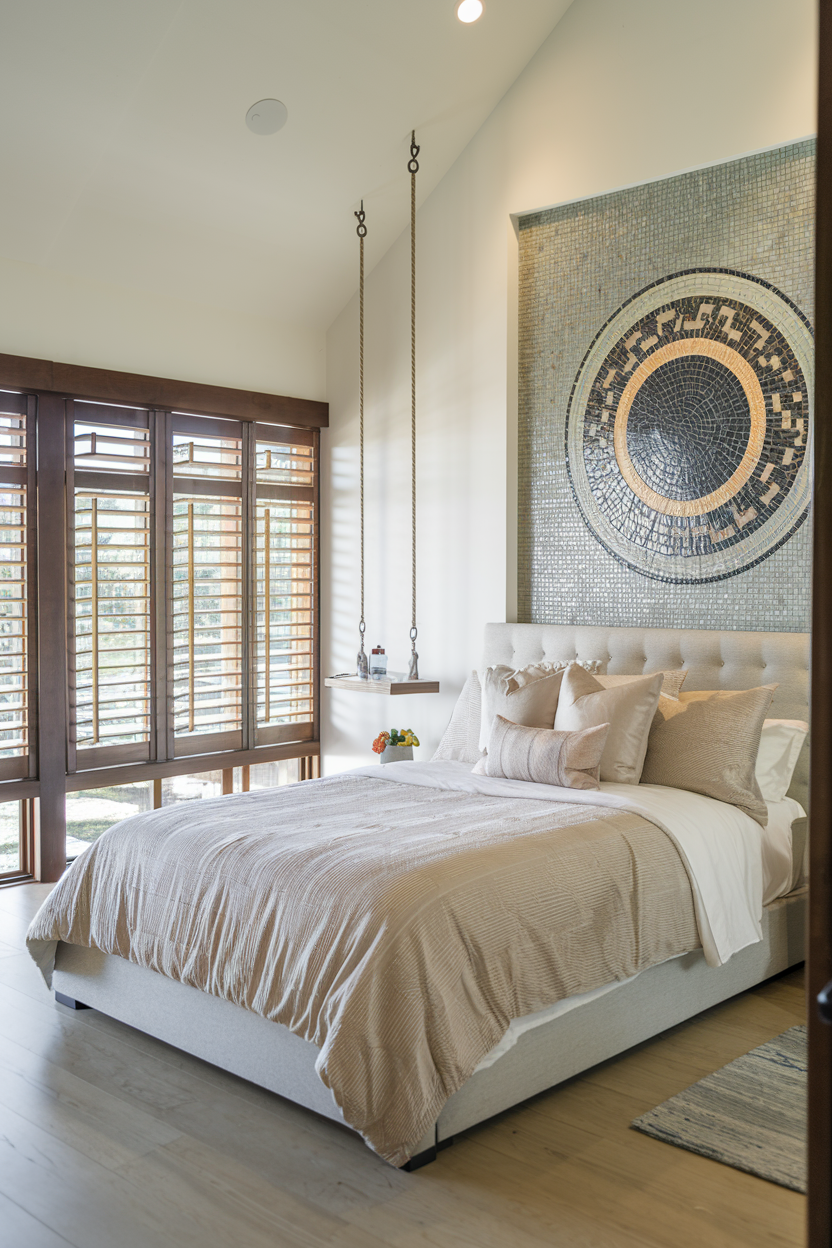
A hanging nightstand introduces a creative storage solution when there is little room for conventional bedside furniture. Depending on the design, it can be attached directly to the wall or suspended from a secure ceiling support using ropes or chains. The resulting surface provides a convenient spot for a phone, book, small lamp, or other nighttime essentials while keeping the floor underneath open. Suspended designs can add a relaxed, bohemian character, whereas wall-mounted versions suit minimalist and contemporary bedrooms. Before choosing a hanging style, consider the weight it needs to support and make sure the mounting hardware is appropriate for the wall or ceiling structure. Keep the surface relatively uncluttered so the arrangement remains practical, stable, and visually appealing.
26. Choose a Compact Rolling Cart
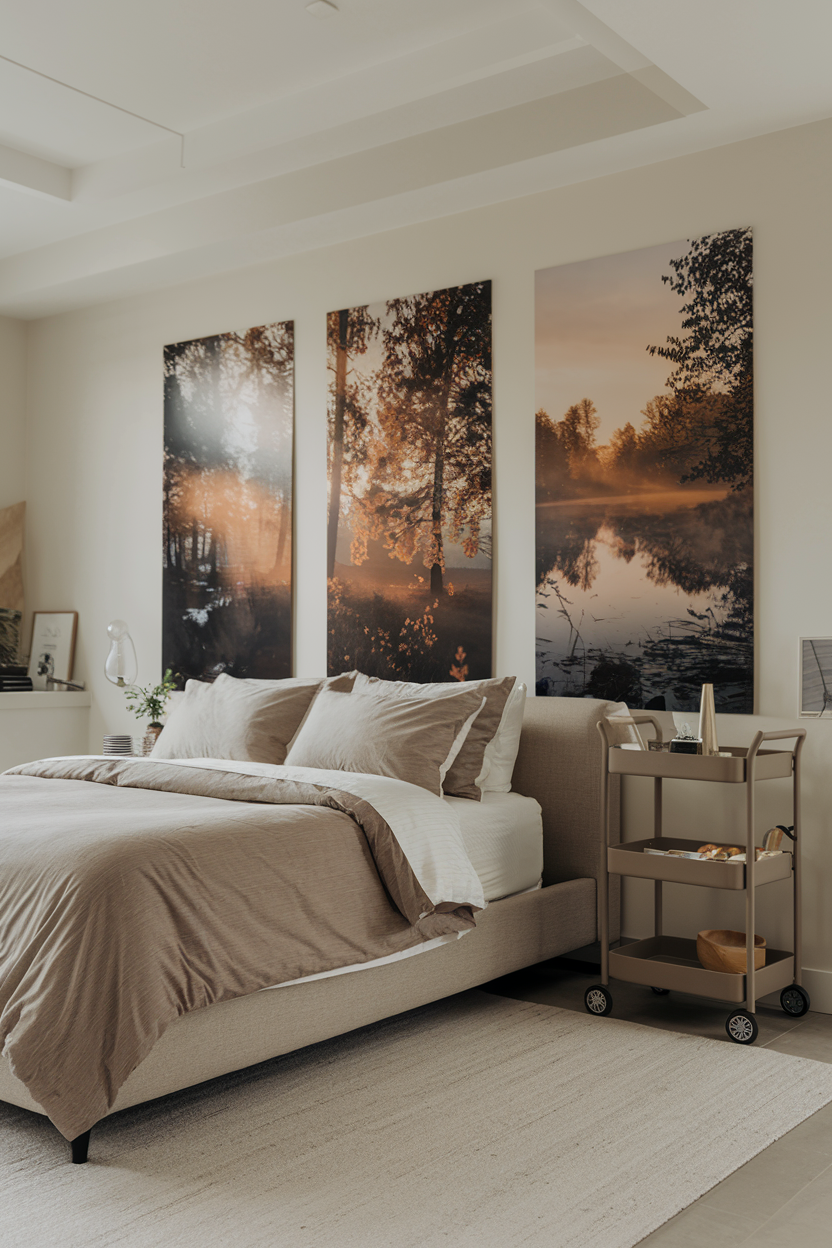
A compact rolling cart can provide surprisingly versatile storage in a small bedroom because it is easy to move whenever your layout changes. Use one to organize makeup, skincare products, books, stationery, craft supplies, or other everyday belongings that need to remain accessible. A narrow cart can fit beside a wardrobe, between furniture pieces, or underneath a suitable desk when it is not needed. Some designs also work as mobile bedside tables or compact vanity organizers. Choose a model with multiple tiers to maximize vertical storage, and look for wheels that lock securely if you plan to use it on an uneven surface. Organizing each shelf by category will make it easier to find what you need without allowing the cart to become another collection point for clutter.
27. Use a Daybed With Storage Drawers
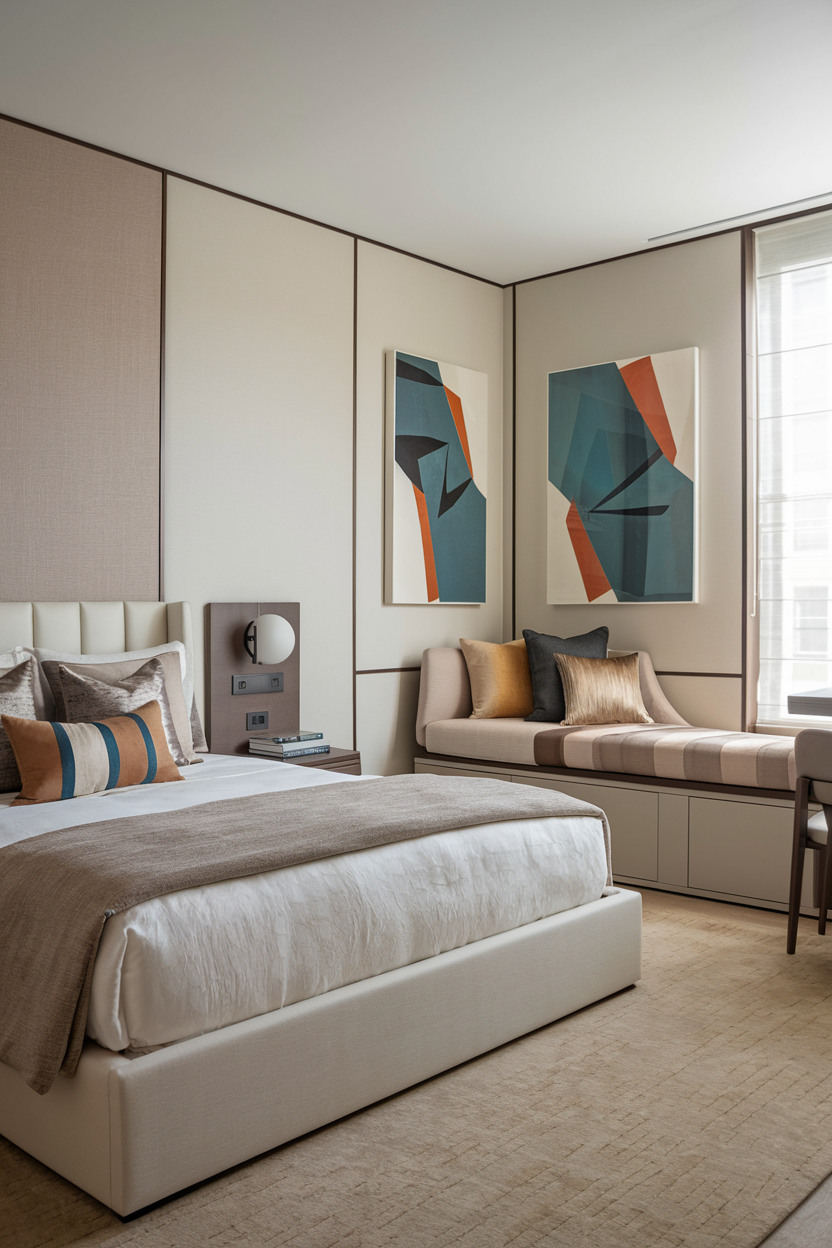
A daybed with built-in storage drawers is an excellent choice for bedrooms that need to function as both sleeping areas and comfortable daytime spaces. During the day, the bed can serve as a sofa for reading, relaxing, or welcoming a guest, while the drawers underneath provide convenient storage for spare linens, pillows, blankets, and seasonal clothing. This combination is especially useful in studio apartments, multipurpose rooms, and guest bedrooms where separate seating and storage furniture would take up too much space. Choose a frame that complements your interior style, then layer it with cushions and a throw to create an inviting lounge area. Before purchasing, check that the drawers can open fully without hitting nearby furniture. With the right arrangement, a storage daybed delivers comfort, organization, and flexibility in one space-saving design.
28. Install Corner Shelves
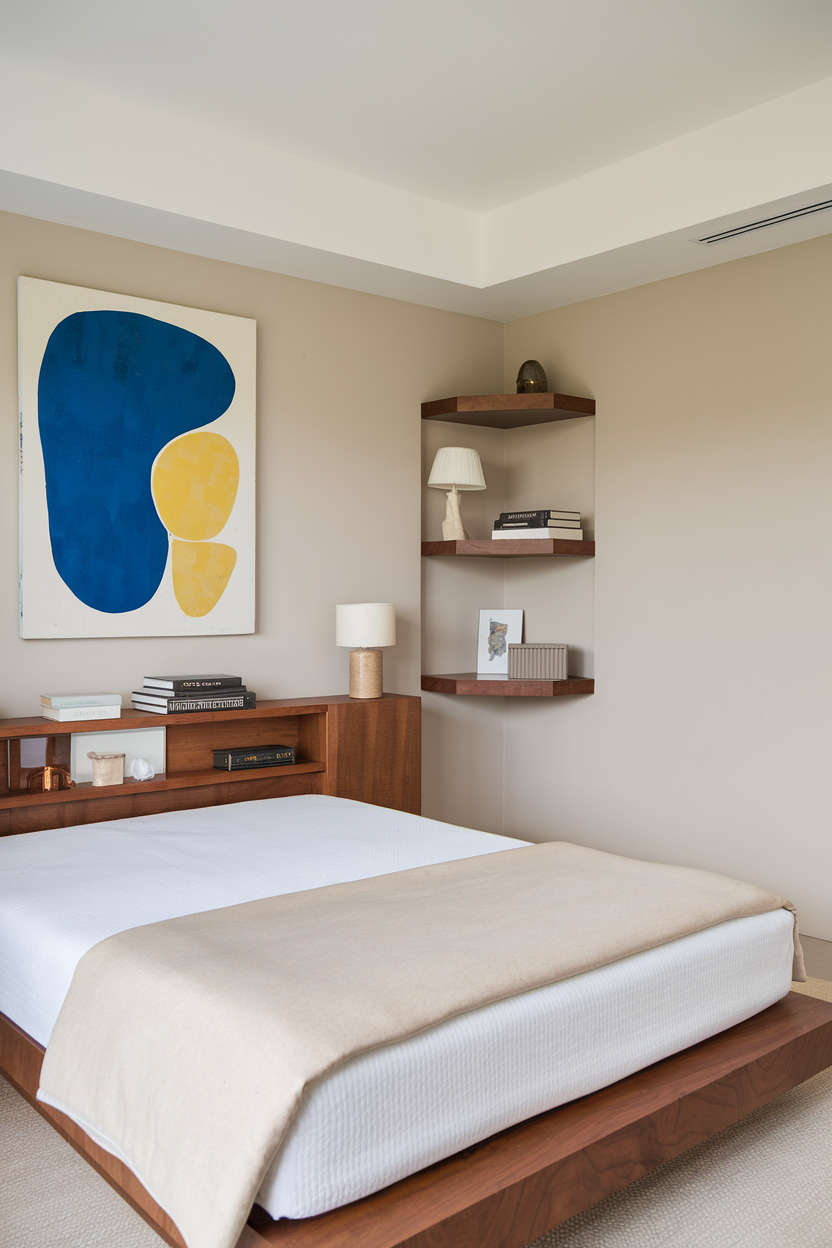
Bedroom corners often remain unused because standard furniture does not fit neatly into these awkward spaces. Corner shelves offer a simple solution by turning those overlooked areas into practical storage and display zones. Install them beside your bed, above a desk, or near a wardrobe to hold books, small plants, photographs, and decorative accessories. Staggered shelves can create an attractive visual arrangement, while a compact tiered design provides additional storage within a small footprint. Corner shelving is particularly useful in narrow or irregularly shaped bedrooms where every wall needs to serve a purpose. Choose a style that matches your existing furniture, and avoid placing too many heavy objects on the shelves. With careful placement, even an unused corner can become a functional part of your bedroom design.
29. Use a Convertible Ottoman
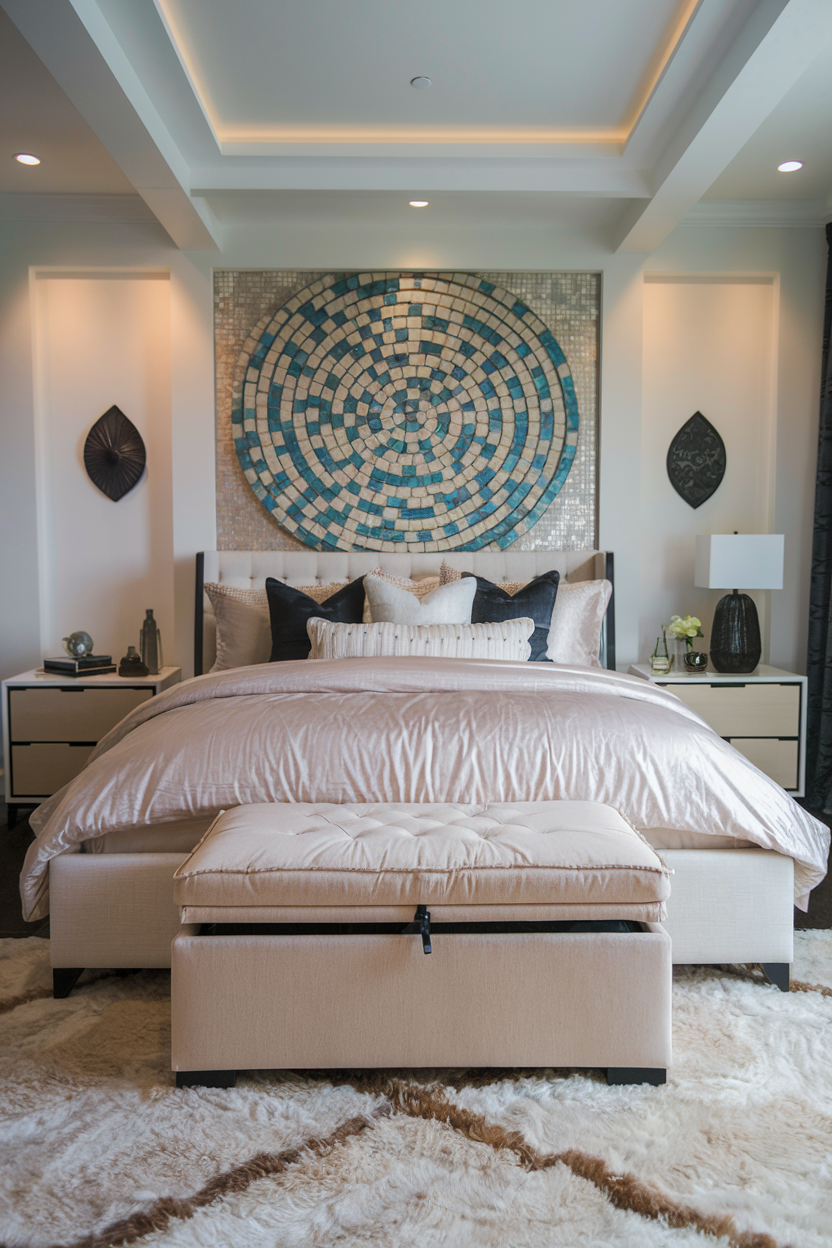
A convertible ottoman is a versatile addition to a bedroom where traditional furniture leaves little room for flexibility. Depending on the model, it may function as a footrest, extra seat, storage container, or even a compact guest bed. Place it near a window to create a comfortable reading spot, at the foot of your bed for convenient seating, or beside a chair as a small side table when paired with a suitable tray. Many ottomans feature hidden compartments beneath their cushioned tops, providing space for magazines, blankets, and other small belongings. Choose a size that suits your available floor area, and look for a design that complements your bedding and upholstery. One adaptable piece can deliver several useful functions without adding unnecessary clutter.
30. Hang a Wall-Mounted Clothes Rack
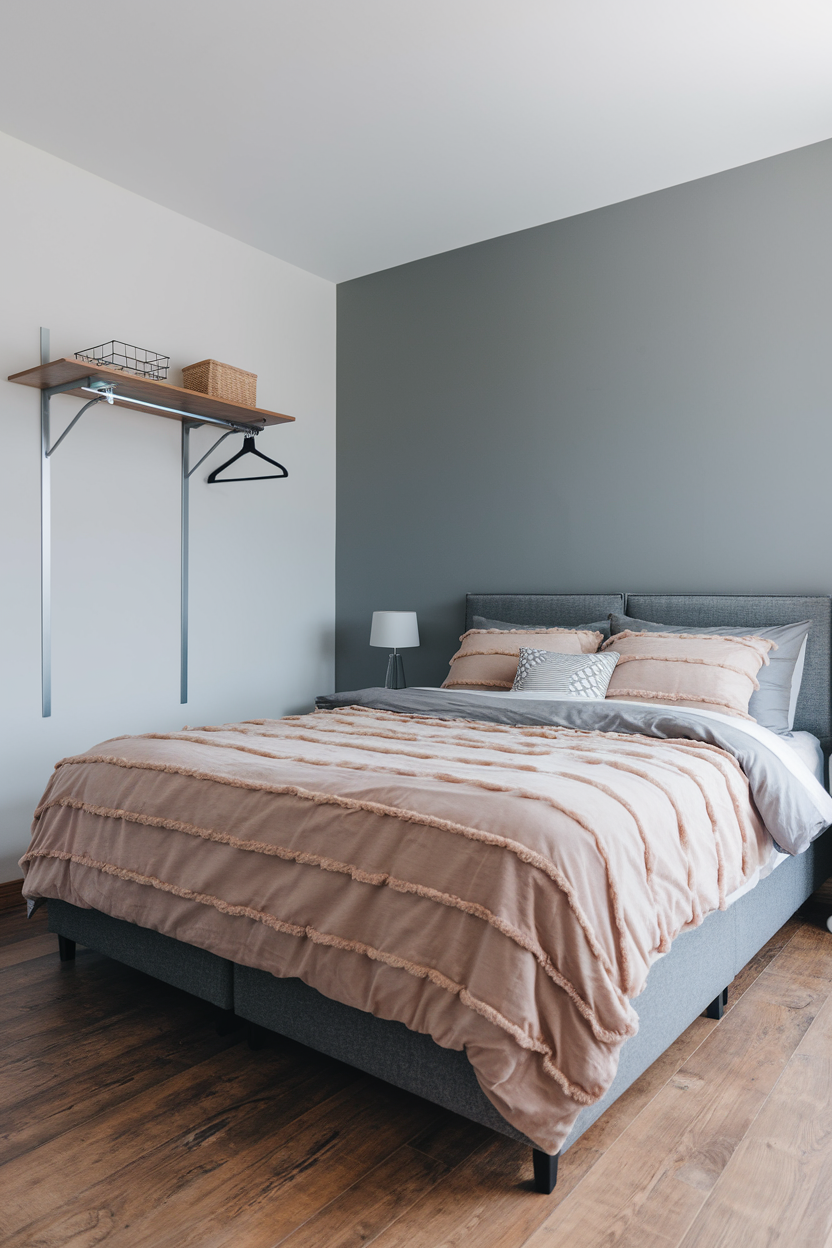
A wall-mounted clothes rack offers a practical alternative when your bedroom closet is too small or your room has no built-in wardrobe. By attaching the rack to the wall, you can create a dedicated hanging area without sacrificing space to a freestanding clothing rail. Use it for frequently worn outfits, jackets, carefully selected garments, or clothing you want to prepare for the following day. Some designs include shelves above the rail or space underneath for shoes and baskets, making the arrangement even more functional. To keep the display looking intentional, organize garments by color or type and avoid overcrowding the rail. A simple wooden or metal rack can also introduce a boutique-inspired touch that blends storage with bedroom decor.
* The real benefit of space-saving bedroom furniture lies in creating a room that feels both organized and relaxing. Use these inspirations to find practical solutions for your layout, simplify your surroundings, and create a bedroom that feels spacious, functional, and beautifully clutter-free.