The living room is the heart of the home—a space where comfort meets style and everyday moments turn into lasting memories. A well-designed living room creates an inviting atmosphere that supports relaxation, conversation, and connection while reflecting your personal taste. Thoughtful choices in layout, color, furniture, and décor can transform the room into a balanced space that feels both functional and visually appealing.
Layered textures, cozy seating, warm lighting, and carefully selected accents help create depth and character without sacrificing comfort. Neutral palettes, bold statement pieces, natural materials, and smart space planning all work together to enhance both the look and usability of the room. Small details like artwork, plants, rugs, and decorative lighting can make a big difference in shaping a welcoming environment.
This curated collection highlights inspiring ways to elevate your space through timeless design ideas and practical styling solutions. Let’s discover these inspiring living room designs and learn how to shape a space that balances beauty, comfort, and everyday function!
1. Neutral Color Palette for Timeless Appeal
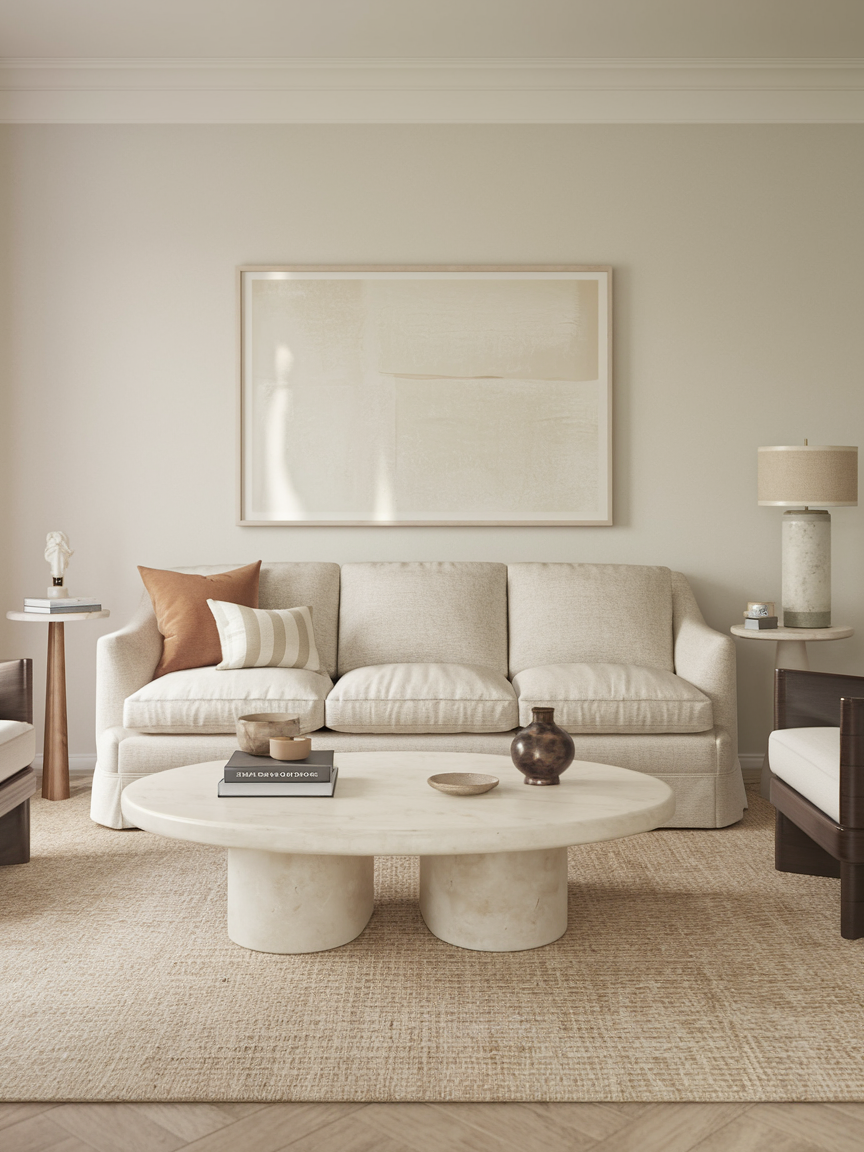
A neutral color palette creates a calm and versatile foundation for any living room. Shades such as soft white, beige, warm gray, and taupe help the space feel open, bright, and inviting. Neutral tones also allow furniture and décor to blend seamlessly, creating a balanced and cohesive look. To prevent the room from feeling flat, layer different textures like linen upholstery, woven rugs, wood accents, and soft throws. Neutral walls make it easier to update accessories over time without a full redesign. This approach creates a timeless environment that feels both elegant and comfortable, making the living room suitable for everyday relaxation and long-term style flexibility.
2. Comfortable Sectional Seating
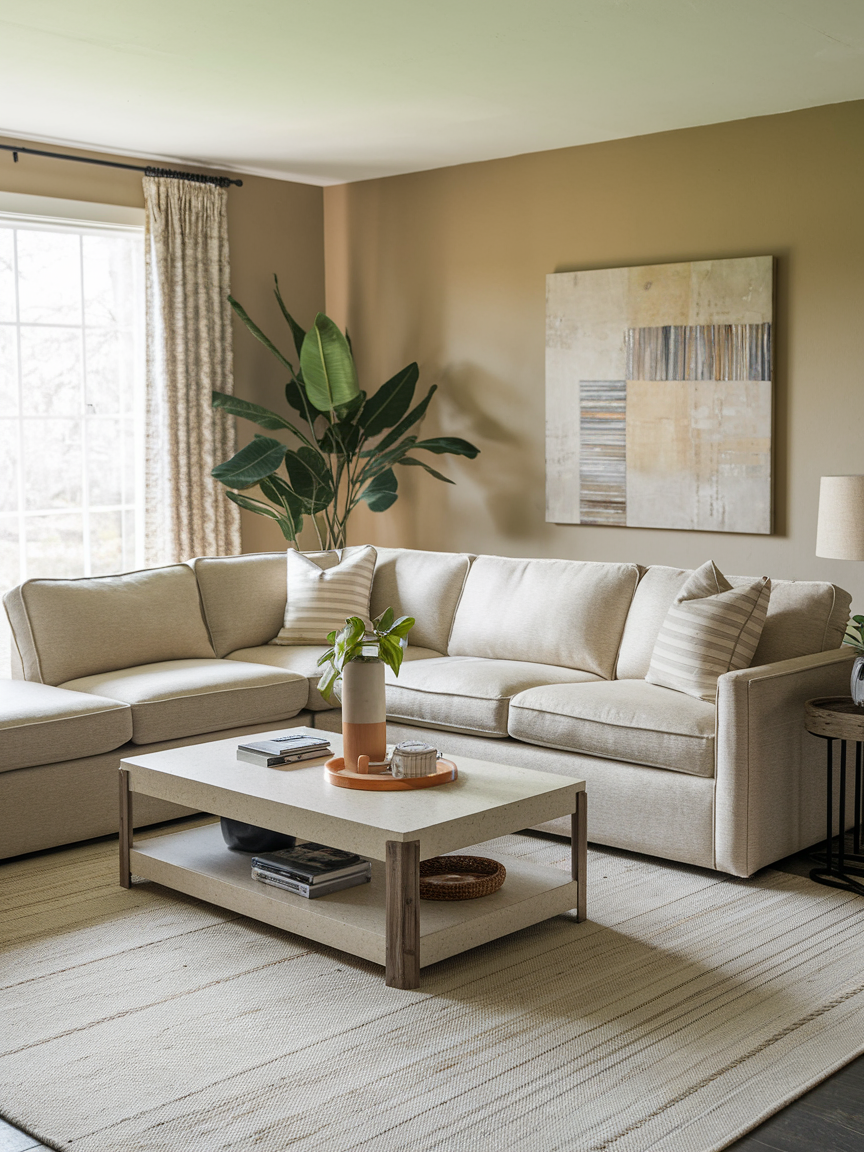
A sectional sofa is an excellent choice for creating a cozy and functional living room. Its spacious design encourages relaxation and provides plenty of seating for family and guests. Choose a neutral or durable fabric that complements the room’s color palette while standing up to daily use. Position the sectional to define the seating area and encourage conversation or easy TV viewing. Adding soft cushions and textured throws enhances comfort while introducing subtle visual interest. A well-placed sectional helps anchor the room, making the space feel organized, welcoming, and perfectly suited for both quiet evenings and social gatherings.
3. Layered Lighting Design
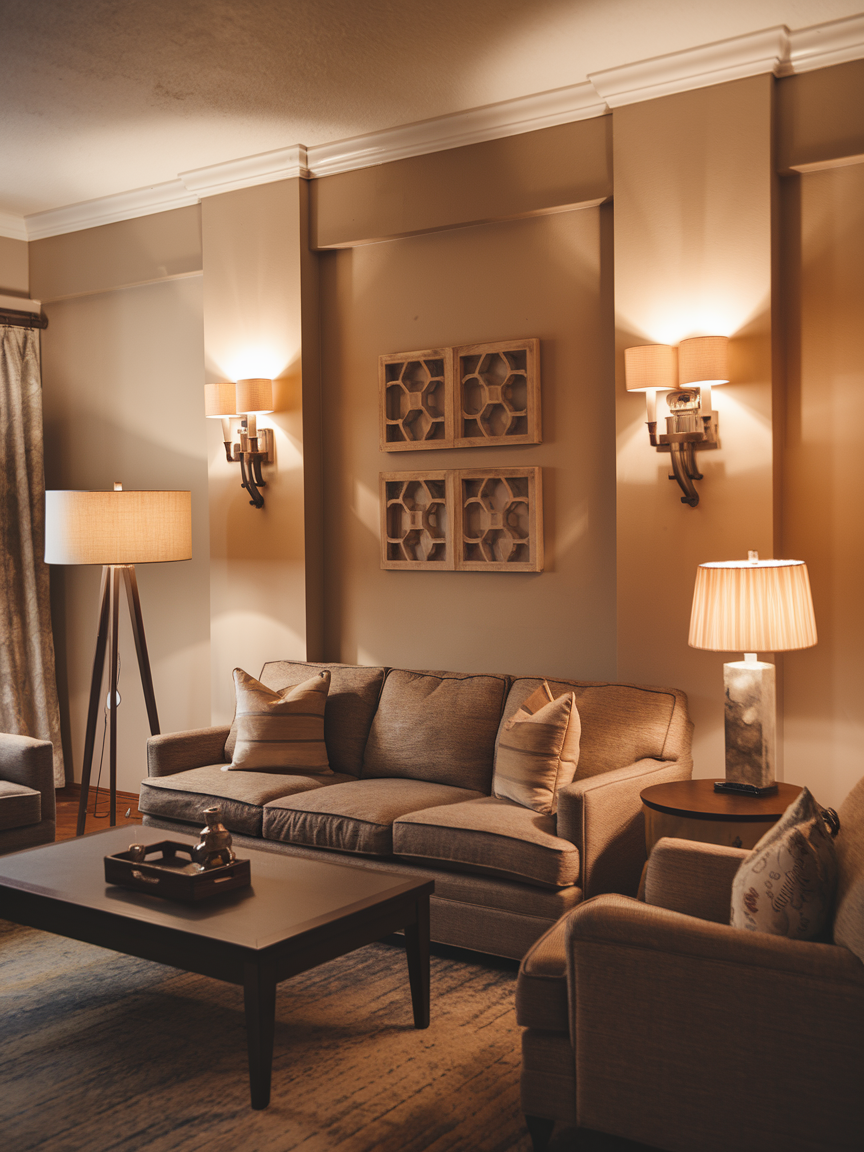
Good lighting transforms the atmosphere of a living room and improves functionality throughout the day. Instead of relying on a single overhead fixture, combine ambient, task, and accent lighting. Floor lamps near seating areas provide reading light, table lamps create warmth, and wall sconces or LED strips highlight artwork or architectural features. Using warm light tones enhances the cozy feeling of the space. Layered lighting also allows flexibility, making it easy to adjust brightness for different moods and activities. A thoughtful lighting plan makes the living room feel more inviting, balanced, and visually dynamic.
4. Statement Area Rug
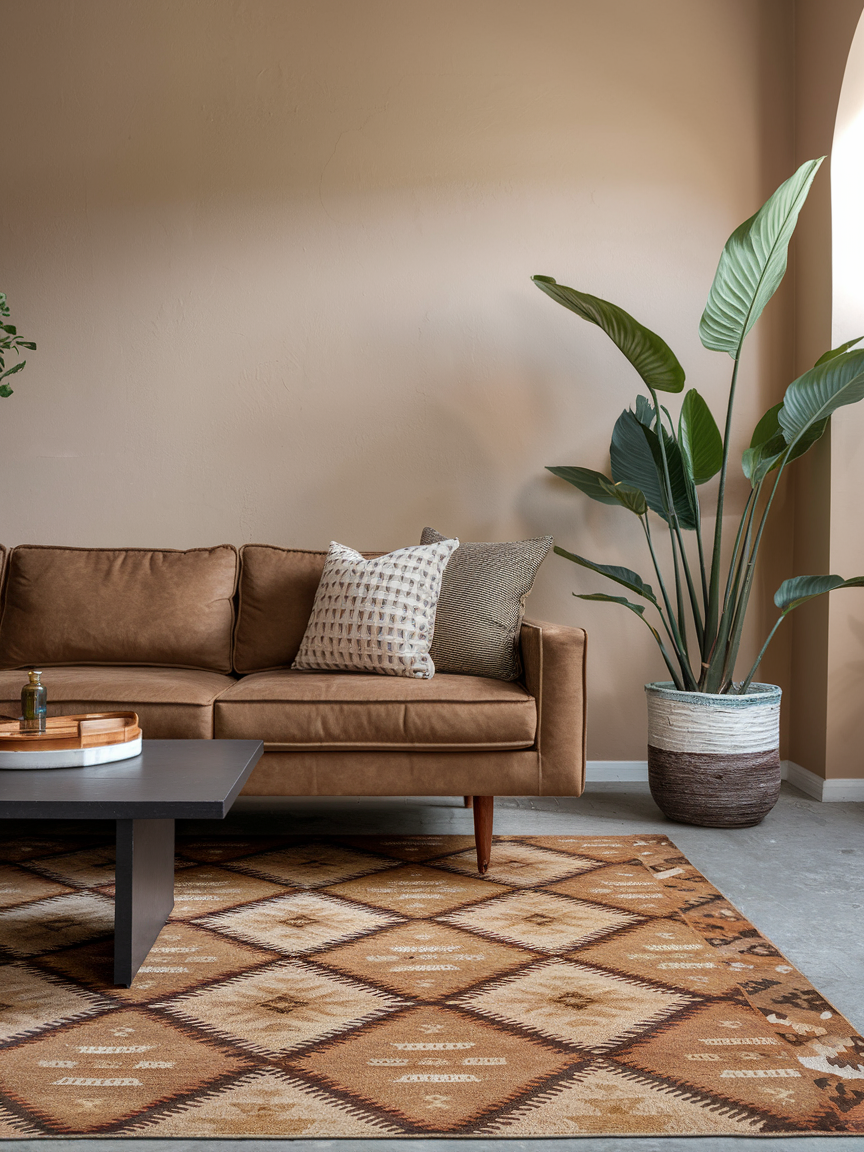
An area rug helps define the seating zone and adds warmth, texture, and visual structure to the room. Choose a size large enough for at least the front legs of sofas and chairs to rest on it, creating a cohesive layout. Neutral rugs with subtle patterns work well for minimalist spaces, while bold designs can become a focal point in more expressive interiors. Soft materials improve comfort underfoot and help reduce noise. A well-chosen rug brings the entire design together, making the living room feel complete and thoughtfully styled.
5. Functional Coffee Table Styling
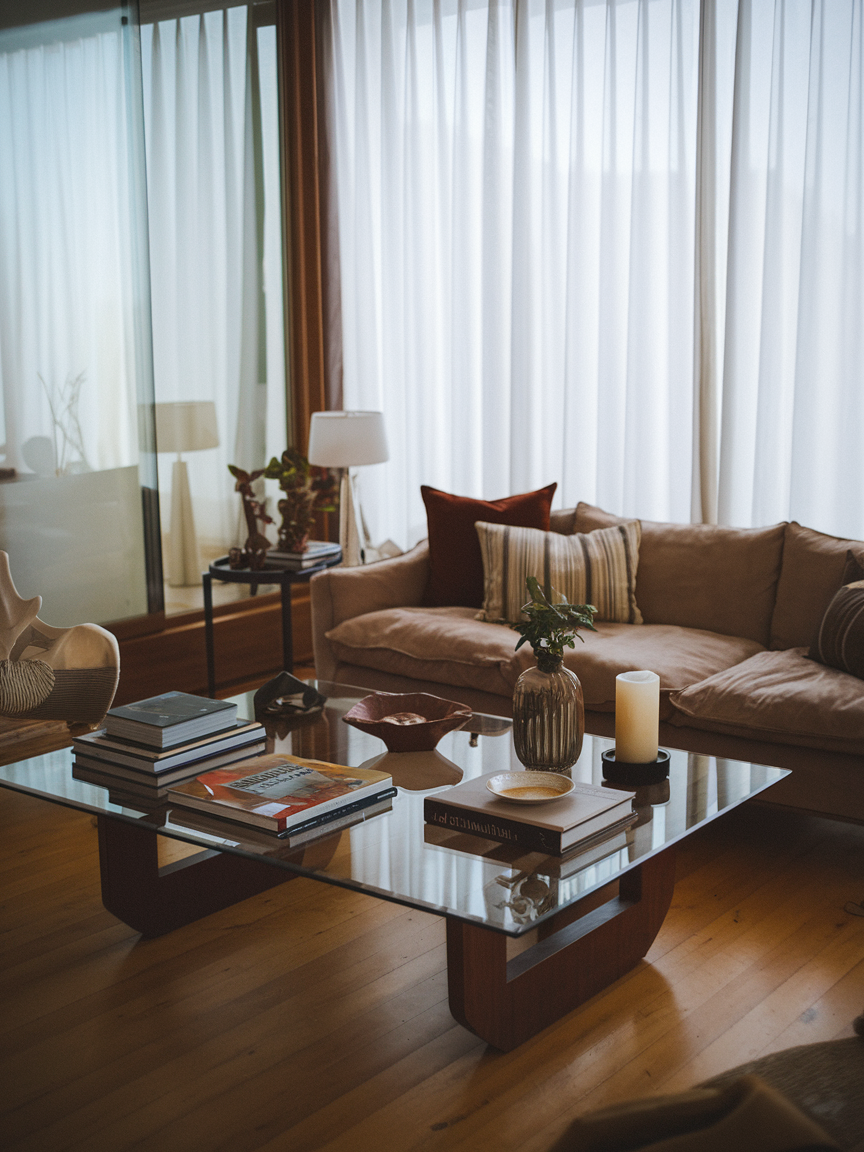
A coffee table should balance style and practicality. Choose a design that fits the room’s scale and complements the overall aesthetic. Keep styling simple and intentional by grouping a few items, such as books, a tray, candles, or a small plant. Leave enough open space for everyday use, such as placing drinks or snacks. Materials like wood, glass, or stone add texture without overwhelming the design. A thoughtfully styled coffee table enhances the room’s visual appeal while supporting daily comfort and convenience.
6. Built-In Storage Solutions
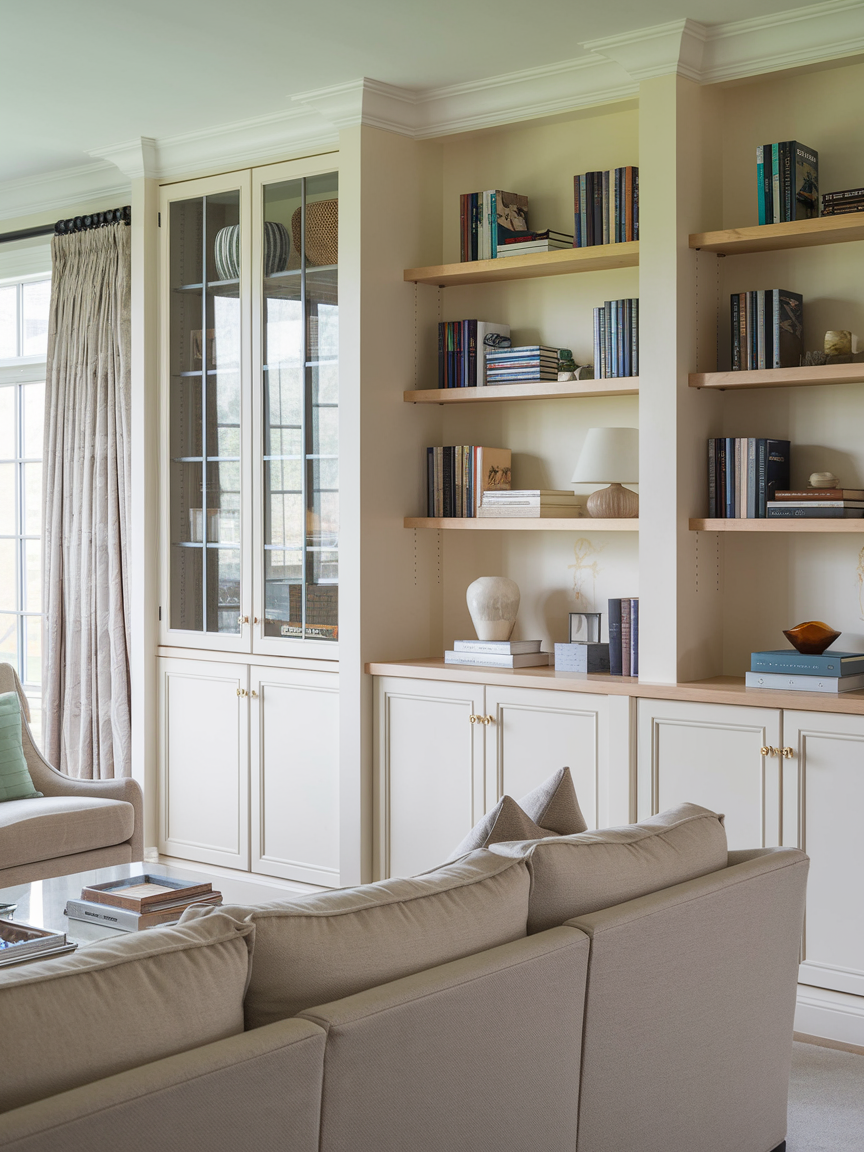
Built-in storage is one of the most effective ways to keep a living room organized while enhancing its overall design. Custom shelving, wall units, or cabinetry can be designed to fit the space perfectly, making use of vertical height and unused wall areas. Closed cabinets are ideal for hiding everyday clutter such as electronics, games, or extra blankets, while open shelves can display books, decorative objects, or meaningful personal items. To maintain a clean and stylish look, keep shelf styling simple and balanced rather than overcrowded. Built-in storage also adds architectural interest, making the living room feel more polished and intentional. By combining function with thoughtful design, this solution helps create a calm, clutter-free environment that supports both comfort and long-term organization.
7. Accent Wall for Visual Interest
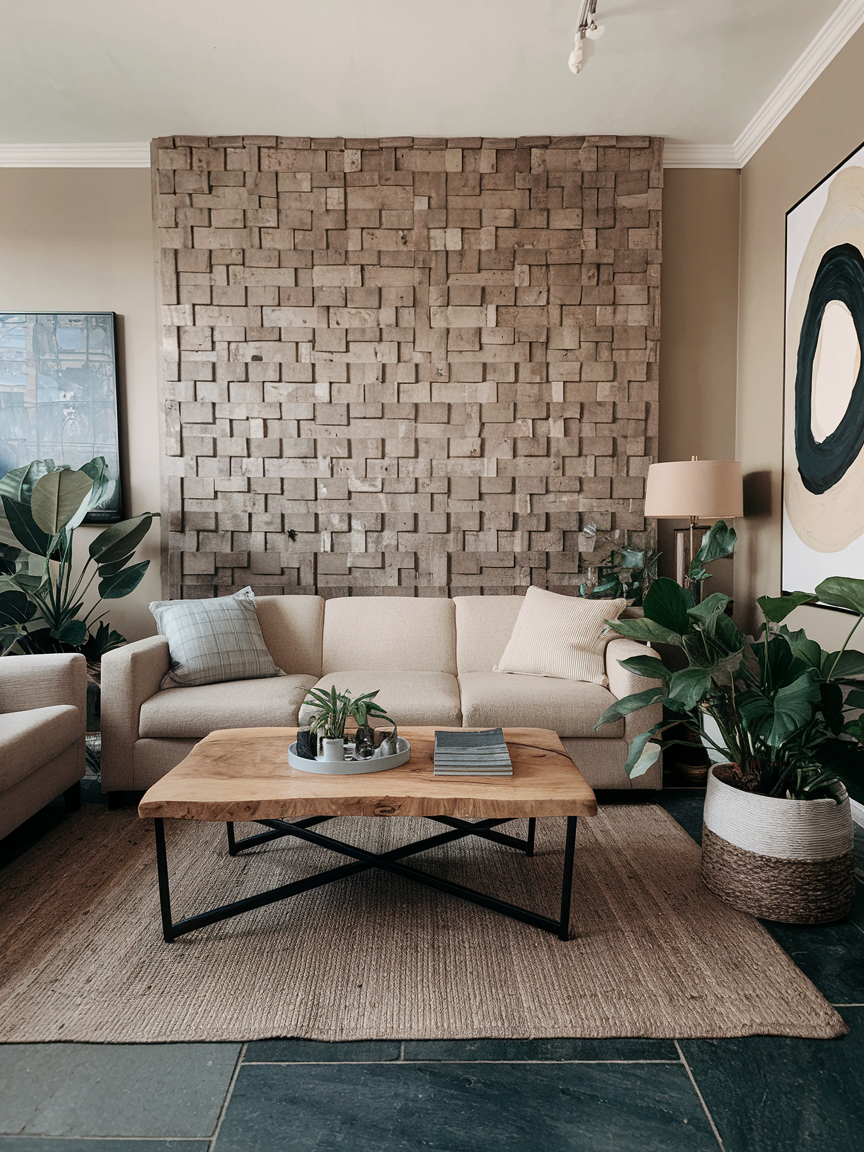
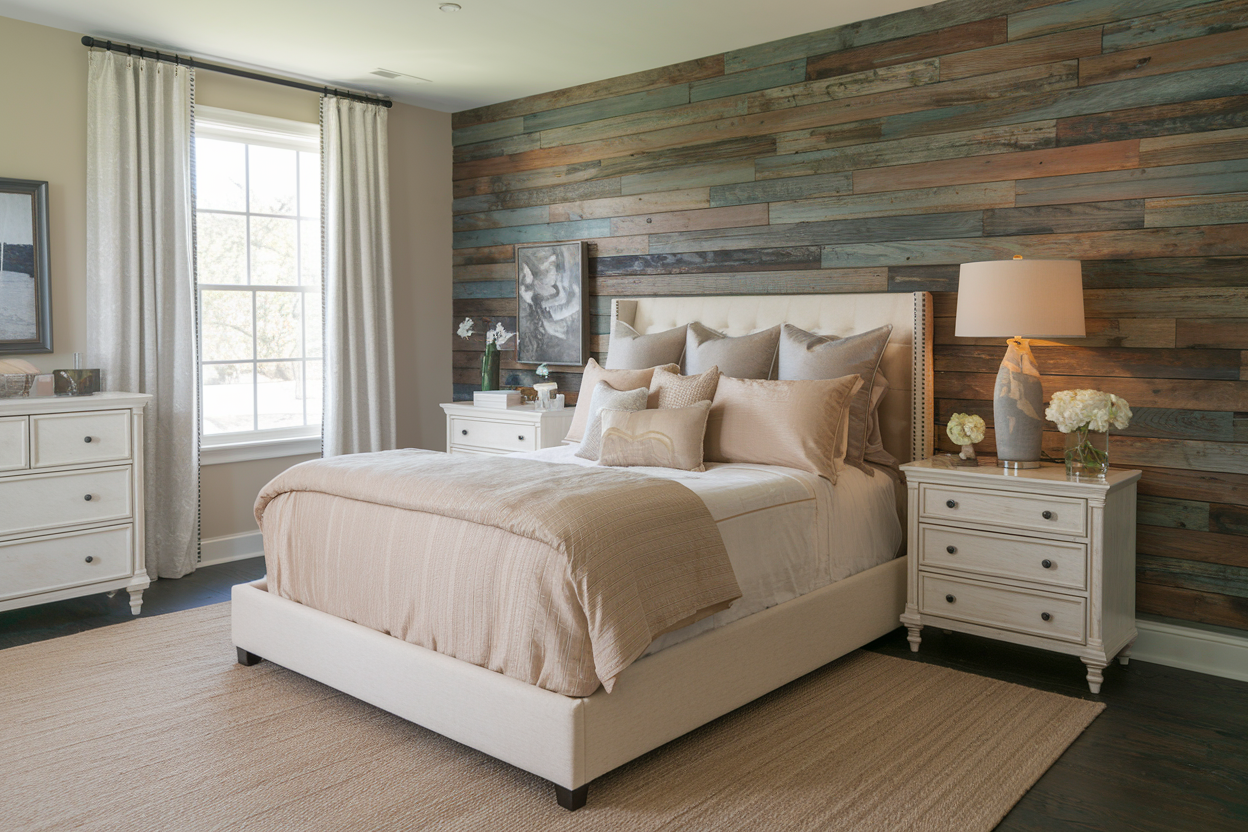
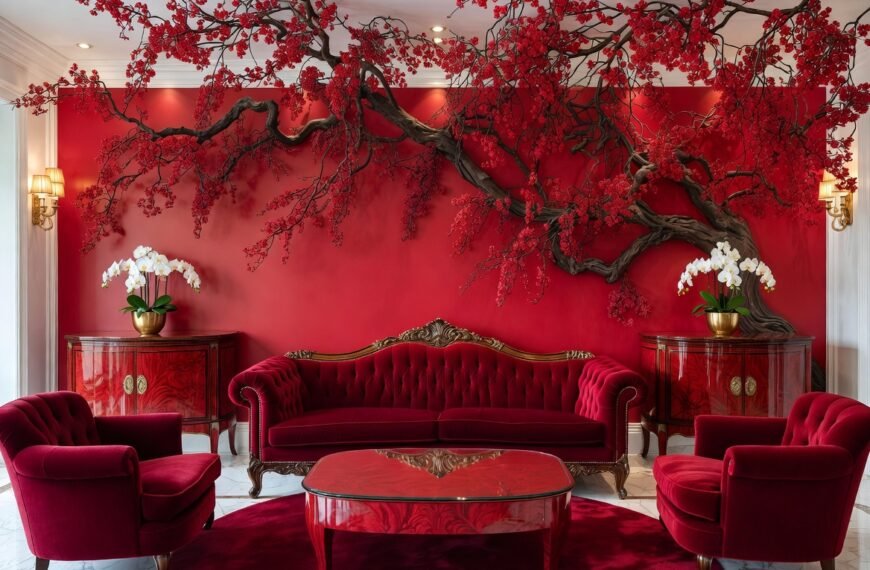
An accent wall is a simple yet impactful way to introduce personality and depth into a living room. Instead of decorating every wall, focusing on one feature wall creates a focal point without overwhelming the space. Options include textured wood panels, wallpaper, bold paint colors, stone finishes, or decorative molding. The wall behind the sofa or entertainment area often works best, as it naturally draws attention. To keep the design balanced, pair the accent wall with neutral furniture and minimal décor. This contrast allows the feature to stand out while maintaining harmony throughout the room. An accent wall adds character and visual interest while preserving a comfortable and cohesive atmosphere that feels both stylish and inviting.
8. Cozy Throw and Pillow Layers
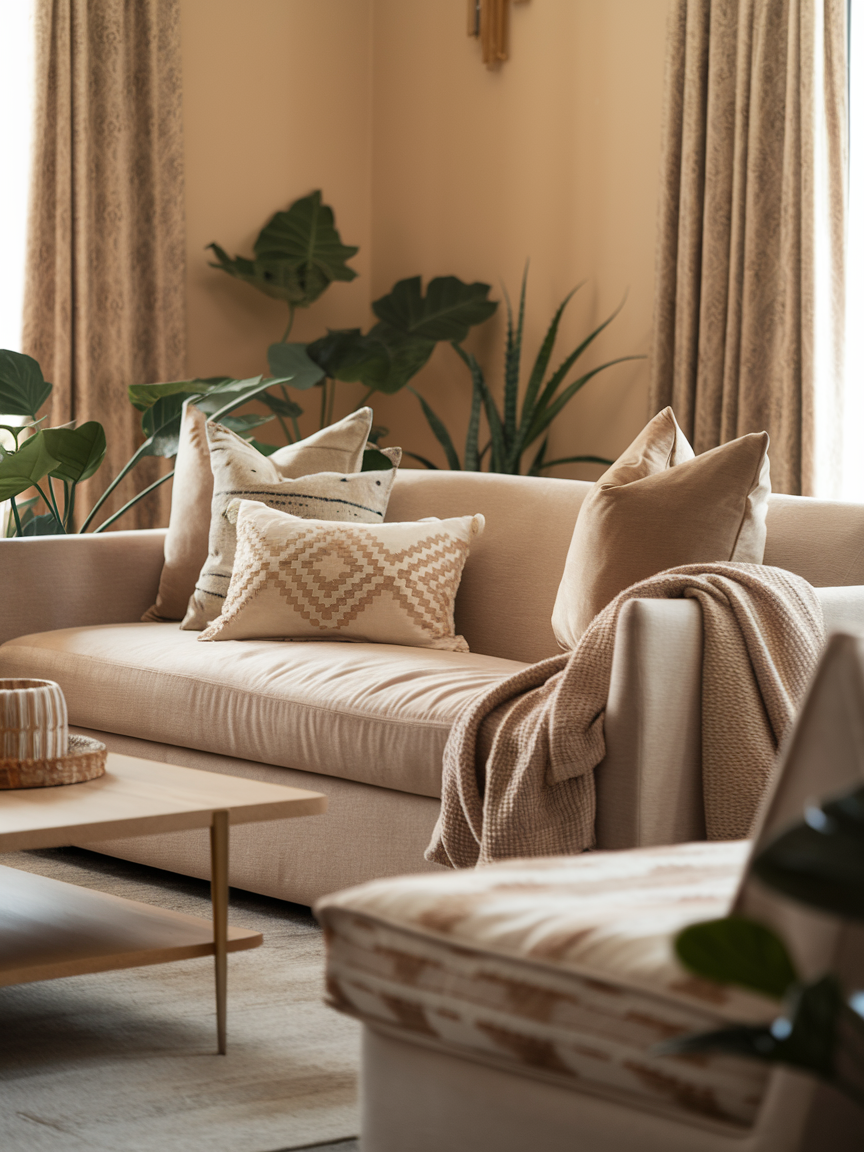
Layering throws and decorative pillows instantly makes a living room feel warm, inviting, and comfortable. Mixing textures such as linen, cotton, velvet, knit, or faux fur creates depth and softness without requiring major design changes. Choose colors that complement the existing palette to maintain a cohesive look. Rather than adding too many pieces, focus on a balanced arrangement that enhances comfort without overcrowding the seating area. Throws draped casually over a sofa or chair also add a relaxed, lived-in feel. These soft accessories are easy to update seasonally, making them a flexible way to refresh the space throughout the year. Thoughtful layering adds both visual warmth and everyday comfort to the living room.
9. Natural Elements for Warmth
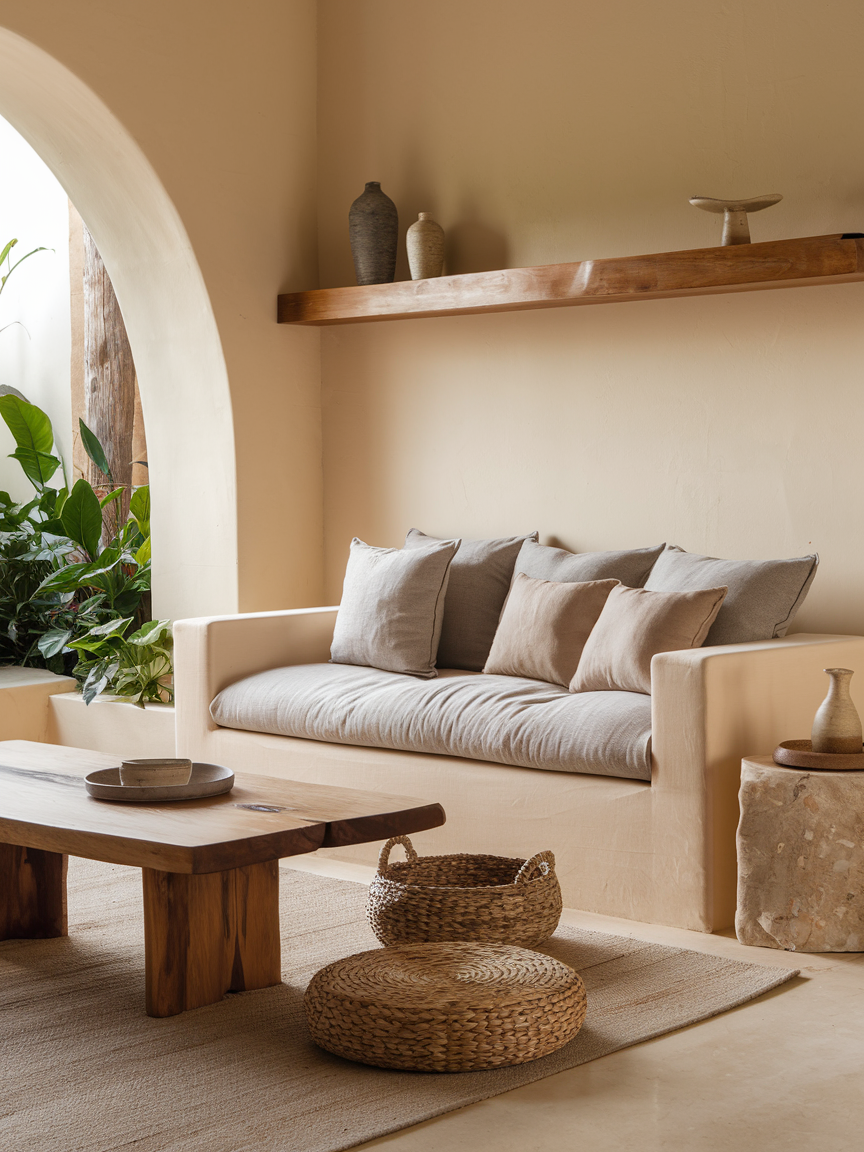
Incorporating natural materials helps create a calming and welcoming living room environment. Wood furniture, woven baskets, linen fabrics, stone accents, and indoor plants bring texture and organic beauty into the space. These elements soften modern interiors and prevent them from feeling too cold or formal. Natural finishes also add visual balance by introducing subtle variation in tone and texture. Even small additions, such as a wooden tray or a ceramic vase, can enhance the overall atmosphere. Connecting the interior to natural materials promotes a relaxed and comfortable feeling that supports everyday living while maintaining timeless style.
10. Open Layout Furniture Arrangement
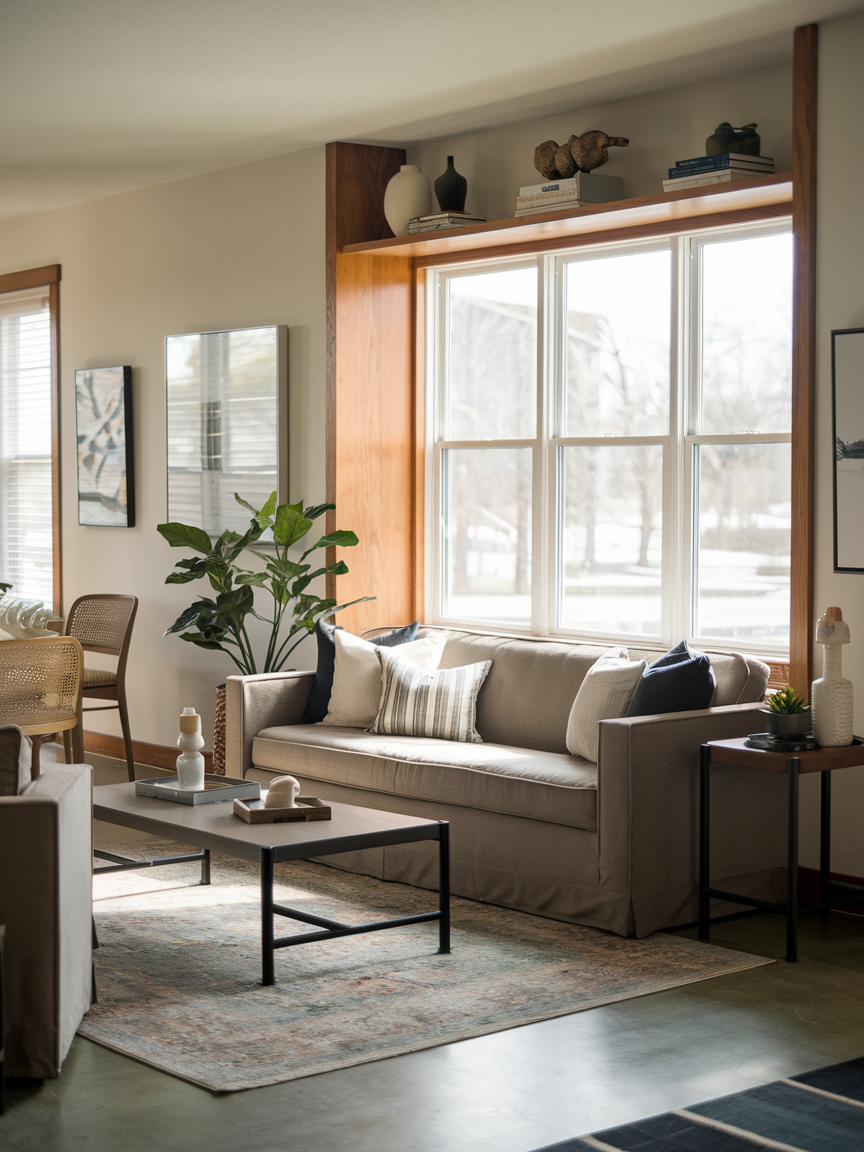
A thoughtful furniture layout improves both the function and comfort of a living room. Instead of pushing all furniture against the walls, arrange seating to create a defined conversation area. Position sofas and chairs facing each other or around a central coffee table to encourage interaction. Using an area rug helps anchor the arrangement and visually separate the space from surrounding areas. Leaving enough room for easy movement ensures the layout feels open rather than crowded. A well-planned arrangement makes the living room feel intentional, balanced, and welcoming while supporting both social gatherings and quiet relaxation.
11. Minimalist Living Room Design
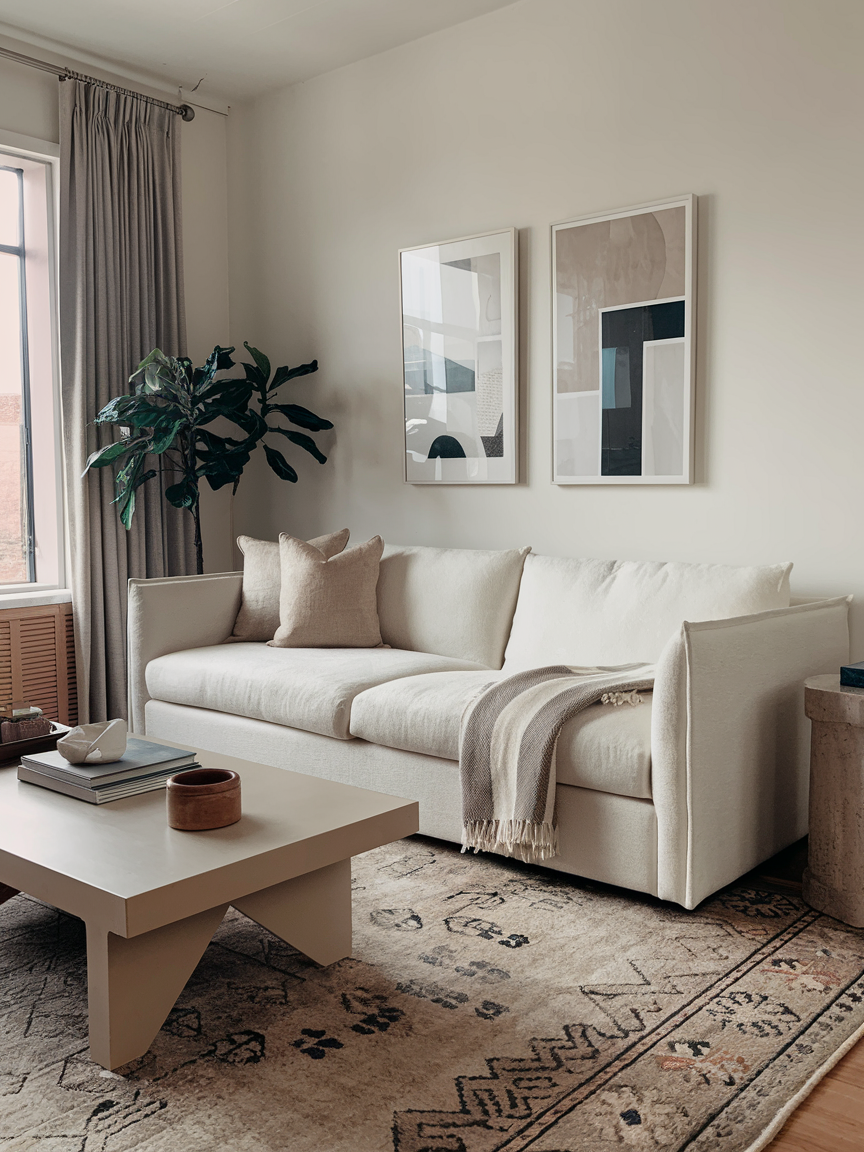
A minimalist living room focuses on simplicity, clean lines, and intentional choices. Select only essential furniture pieces that provide comfort and function while avoiding unnecessary decoration. Neutral color palettes, hidden storage, and uncluttered surfaces help create a calm and open environment. Quality materials and thoughtful proportions ensure the space still feels warm rather than empty. Minimalist design reduces visual stress and makes daily cleaning and maintenance easier. This approach is ideal for creating a peaceful retreat where comfort and clarity take priority over excess styling.
12. Gallery Wall Personalization
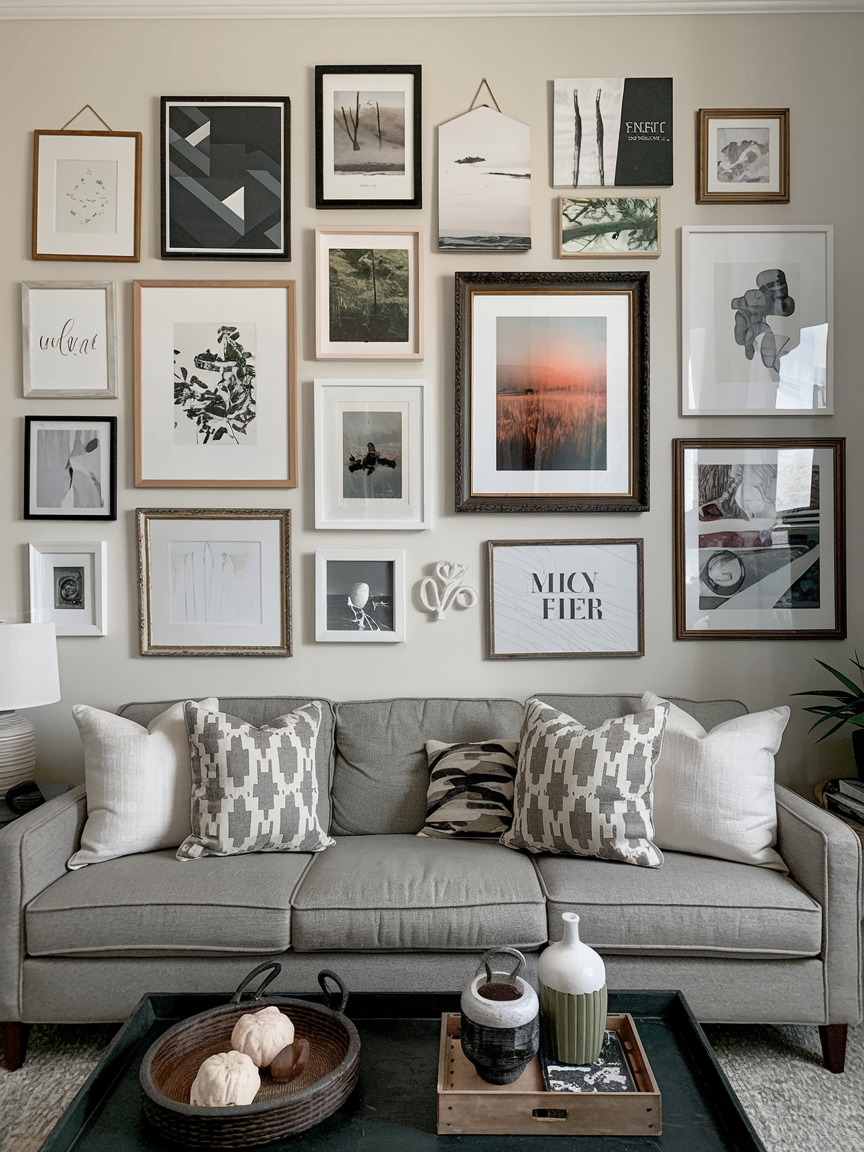
A gallery wall transforms an empty surface into a meaningful design feature. Mixing framed artwork, photography, illustrations, or personal memories adds character and storytelling to the living room. To keep the display cohesive, choose frames in similar colors or finishes and maintain a consistent spacing pattern. Planning the layout on the floor before hanging helps achieve balance and alignment. A well-curated gallery wall adds visual interest without overwhelming the space, making the room feel more personal and thoughtfully designed.
13. Comfort-First Design Philosophy
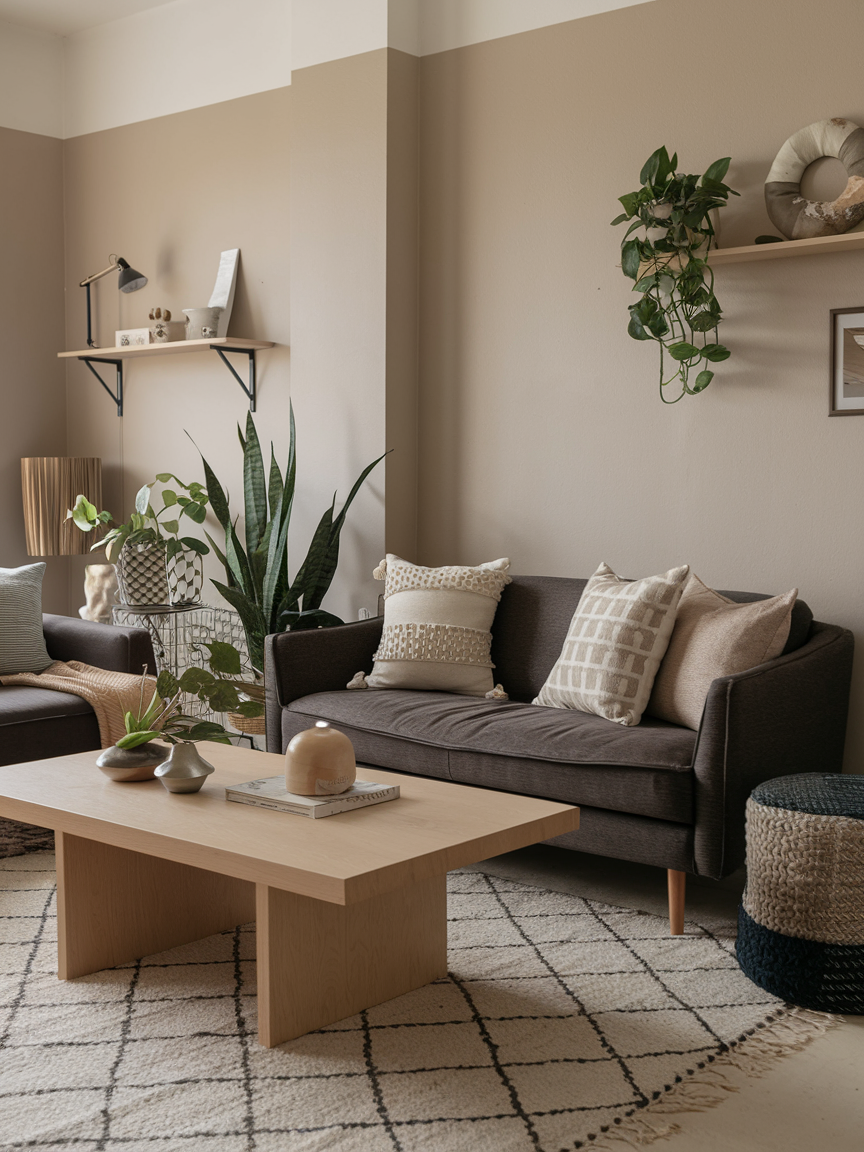
The most successful living rooms are designed with comfort as the top priority. Choosing supportive seating, soft textiles, durable materials, and practical layouts ensures the space works well for everyday life. Consider how the room will be used—whether for relaxing, entertaining, watching movies, or spending time with family—and design accordingly. Clear surfaces, easy-to-clean materials, and accessible storage improve long-term functionality. When a living room feels comfortable, easy to use, and welcoming, the style naturally feels successful as well. A comfort-first approach creates a space that not only looks beautiful but also supports daily routines and meaningful moments at home.
14. Warm Wood Accents
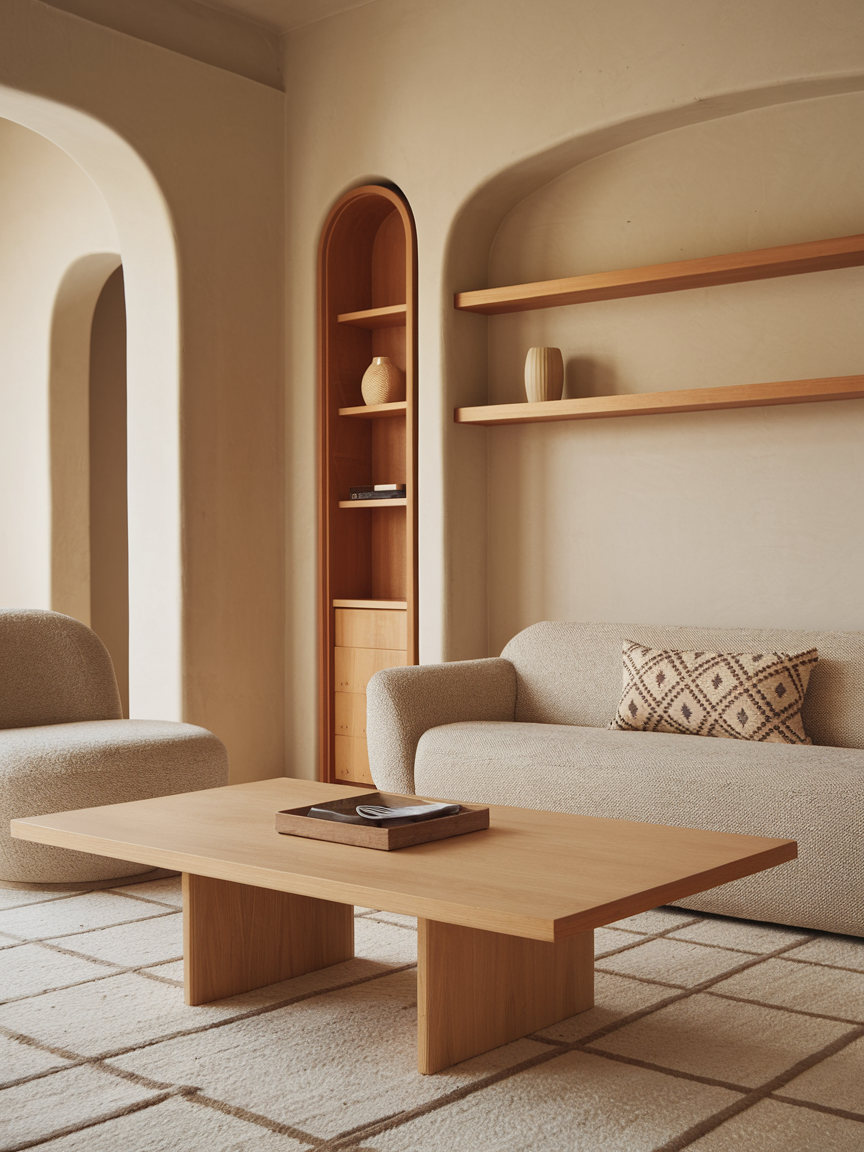
Wood accents add natural warmth and timeless character to a living room. Coffee tables, side tables, shelving, or decorative pieces in oak, walnut, or light wood tones create contrast against upholstered furniture and neutral walls. The organic texture helps balance modern or minimalist interiors, making the space feel more inviting and grounded. Mixing different wood finishes carefully can add depth without feeling mismatched. Warm wood elements contribute to a cozy atmosphere while maintaining a sophisticated and enduring design.
15. Floor-to-Ceiling Curtains
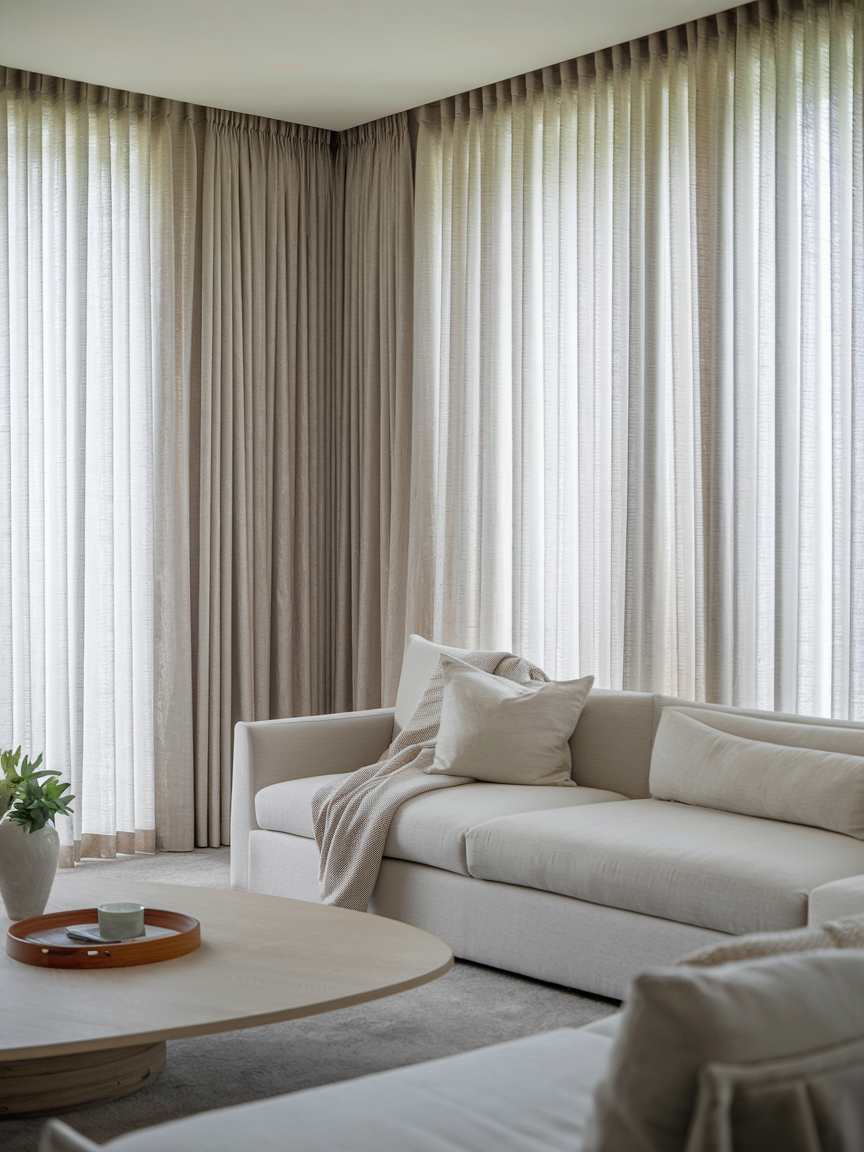
Long curtains that extend from ceiling to floor enhance the sense of height and elegance in a living room. This vertical line draws the eye upward, making the space feel larger and more refined. Light, flowing fabrics allow natural light to filter through while maintaining privacy. Neutral colors keep the look soft and cohesive with the overall design. Properly sized curtains also help insulate the room and improve comfort. This simple addition brings both visual softness and functional benefits.
16. Textured Wall Finishes
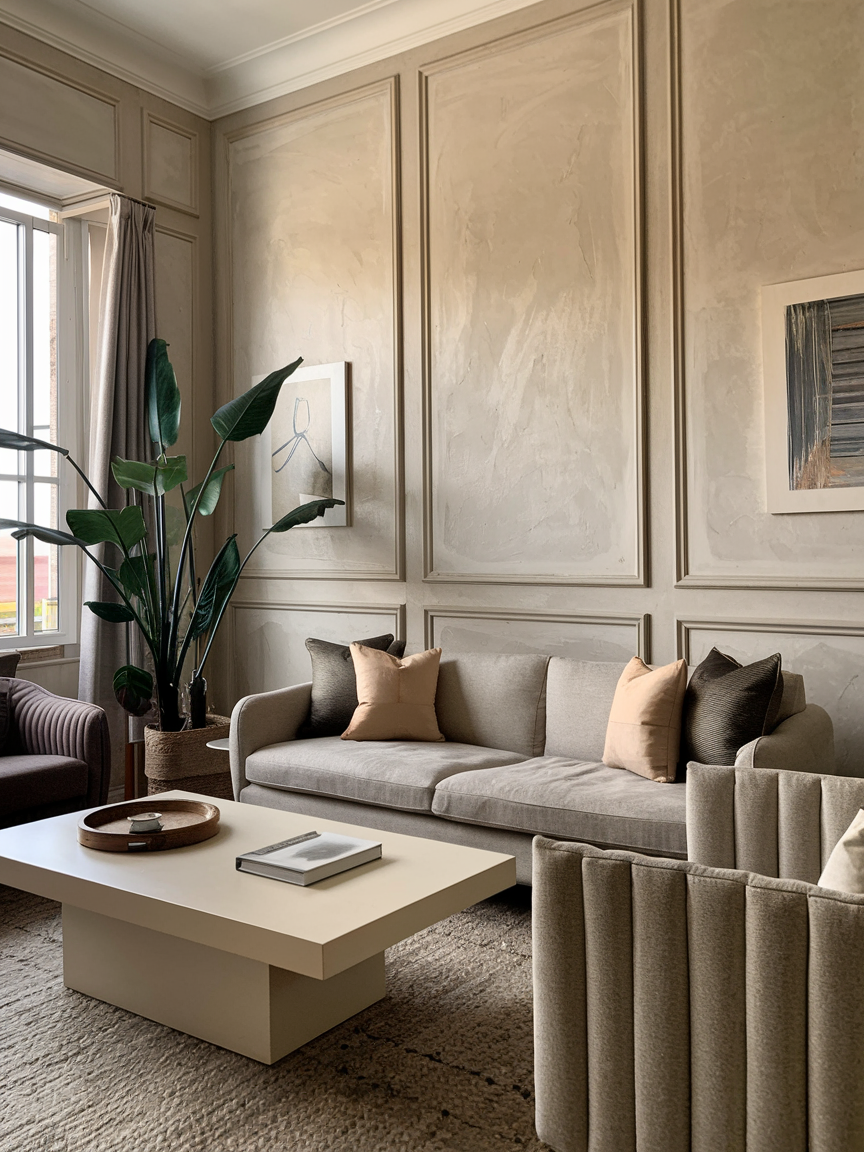
Textured walls add depth and character while keeping the color palette simple and sophisticated. Techniques such as limewash, Venetian plaster, subtle paneling, or fabric wall coverings create visual movement without relying on bold patterns. These finishes reflect light differently throughout the day, giving the living room a dynamic yet calming appearance. Texture works especially well in neutral spaces, where variation in surface detail replaces strong color contrast. When paired with simple furniture and minimal décor, textured walls create a refined, layered environment that feels warm, elegant, and thoughtfully designed.
17. Indoor Plant Styling
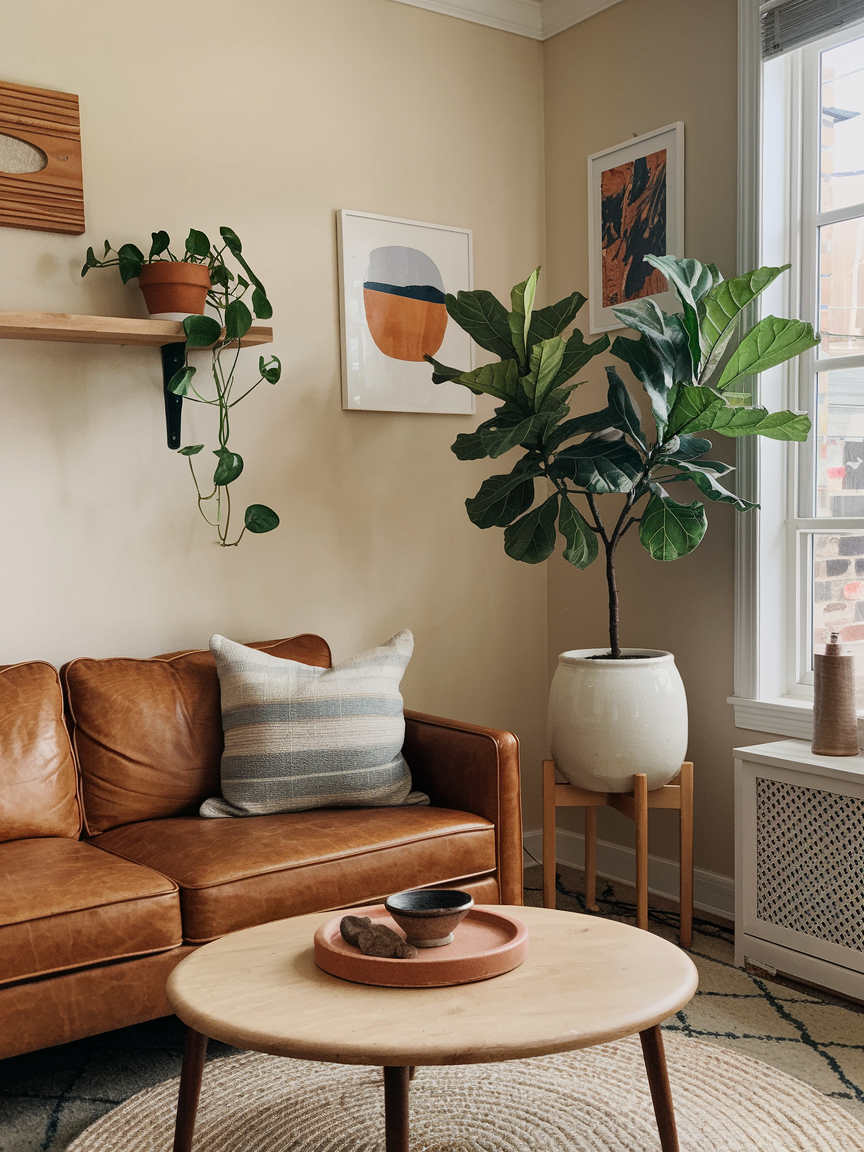
Indoor plants bring freshness, color, and natural energy into a living room. Large plants such as fiddle leaf figs or rubber trees fill empty corners, while smaller varieties work well on shelves and tables. Choosing planters that match the room’s style helps maintain visual harmony. Greenery softens hard lines, improves air quality, and creates a relaxed atmosphere. Even a few well-placed plants can make the space feel more vibrant, balanced, and connected to nature.
18. Cozy Reading Corner
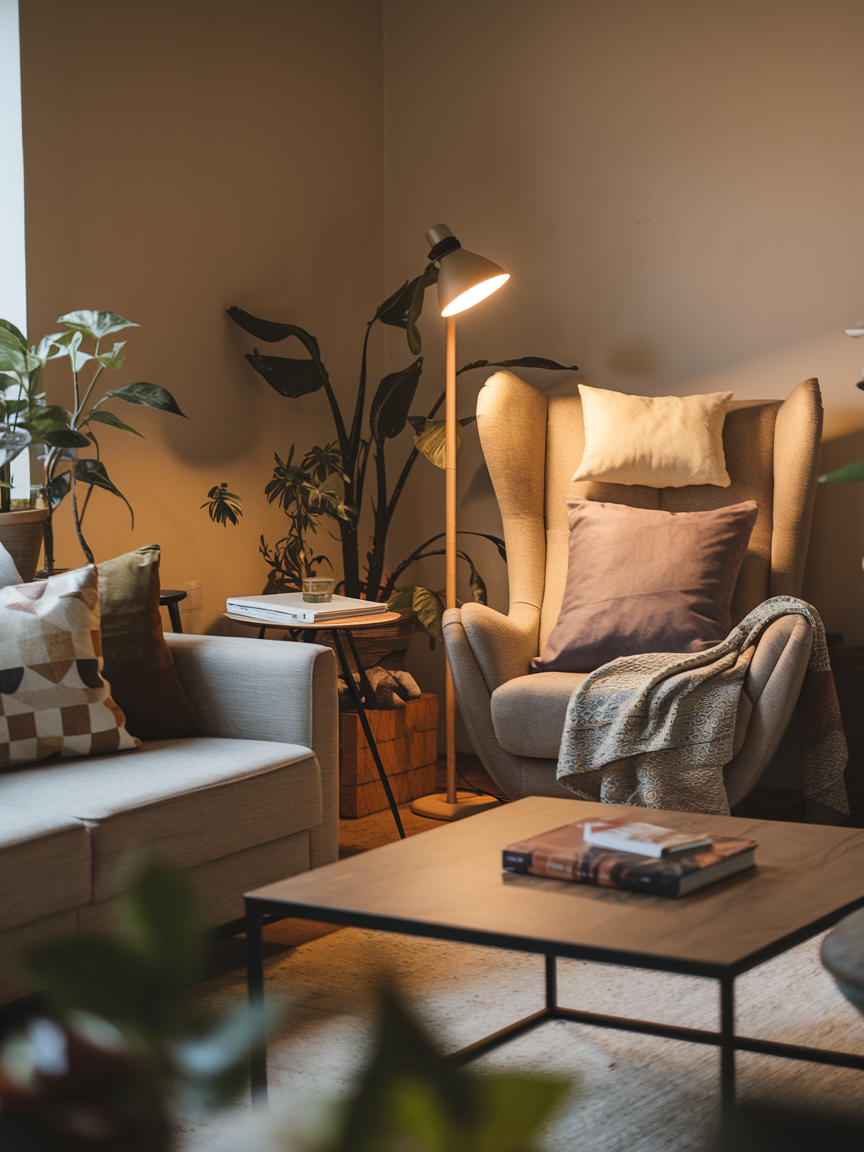
A reading corner creates a quiet retreat within the living room. A comfortable armchair, soft throw, supportive cushion, and good lighting are essential elements. Position the nook near a window if possible to take advantage of natural light. A small side table for books or drinks adds convenience. This dedicated space encourages relaxation and makes the living room feel more personal and functional for everyday living.
19. Statement Lighting Fixture
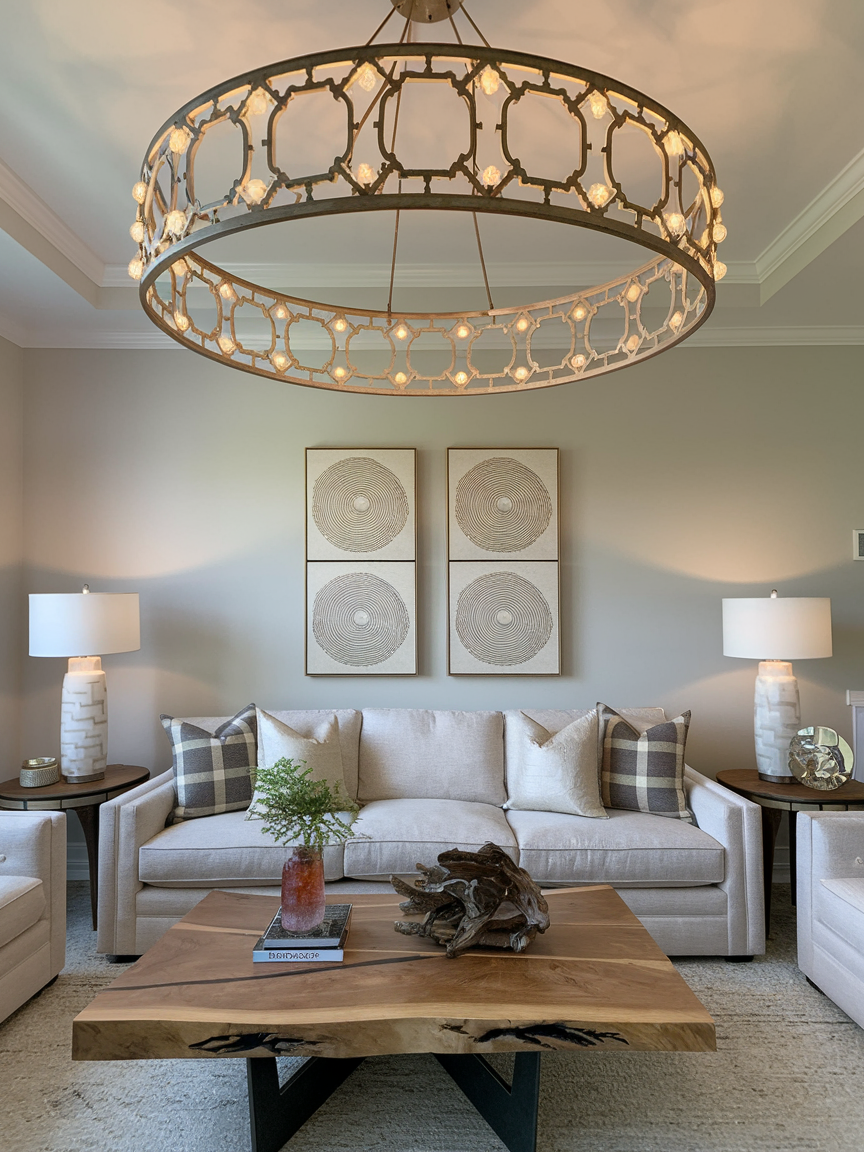
A statement light fixture acts as both a functional element and a design centerpiece. Whether it is a sculptural chandelier, modern pendant, or artistic ceiling light, the fixture should complement the room’s overall style. Materials like glass, metal, or fabric shades add texture and visual interest. Statement lighting draws attention upward and enhances the room’s ambiance while maintaining balance.
20. Balanced Color Accents
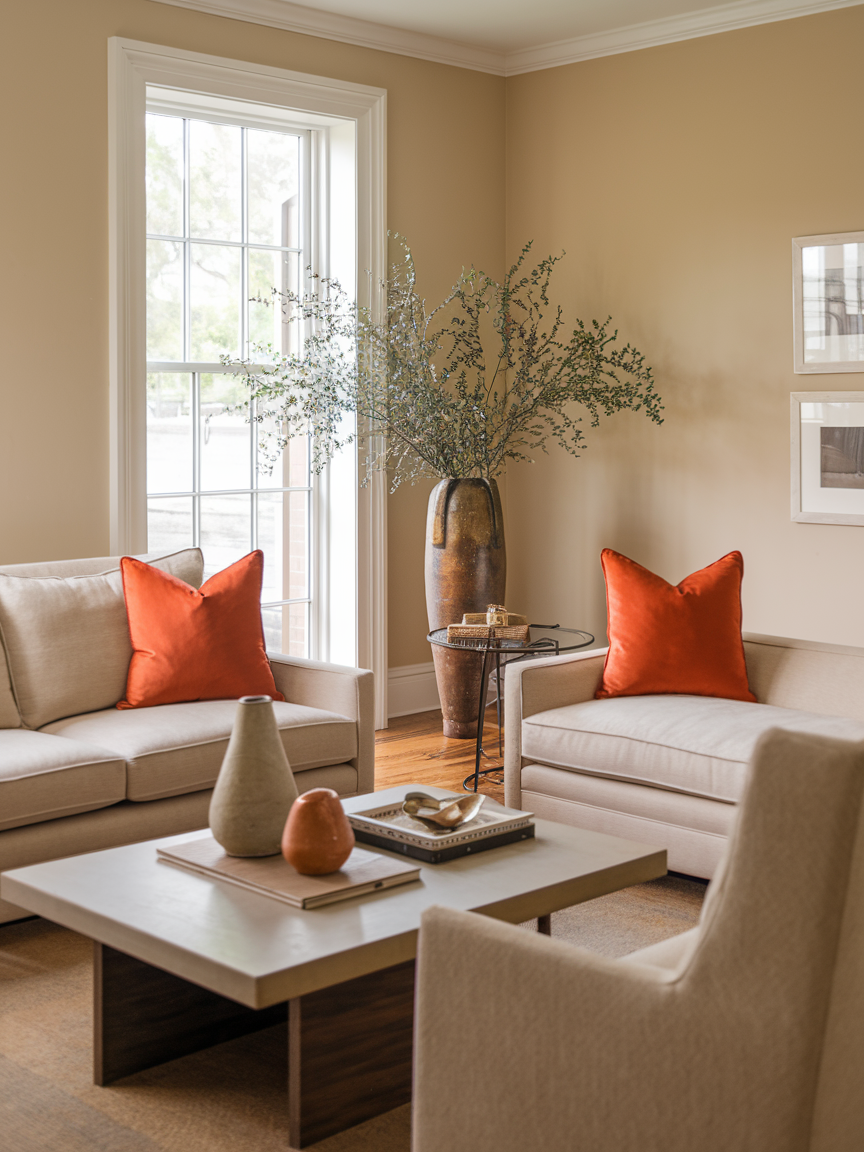
Small color accents introduce personality without overwhelming the design. Use pillows, artwork, vases, or decorative objects in one or two complementary shades. This controlled approach keeps the room cohesive while adding visual interest. Changing accent colors seasonally is an easy way to refresh the space.
21. Floating Shelves for Light Storage
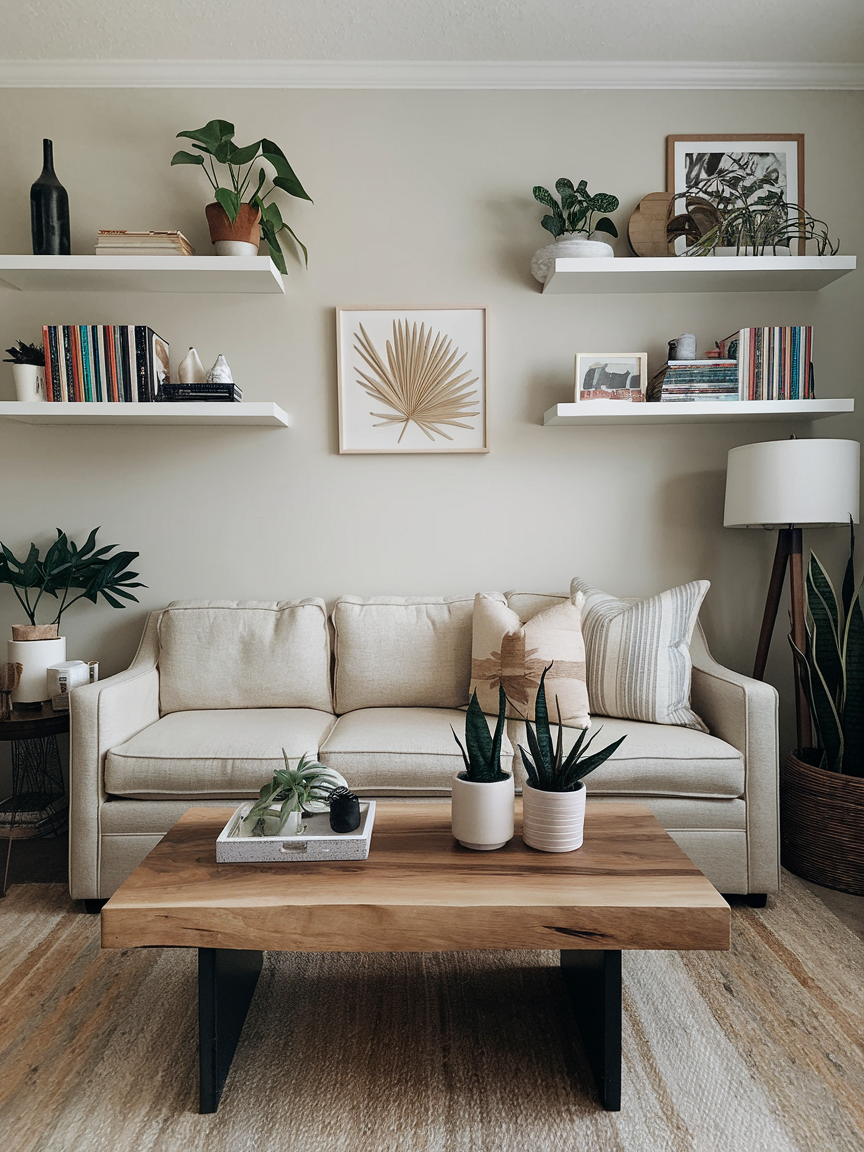
Floating shelves are a practical and stylish way to add storage without making the living room feel heavy or crowded. Their clean, streamlined design keeps the wall visually light while providing space to display books, small plants, framed photos, or decorative objects. To maintain a balanced look, arrange items in small groups and leave some empty space so the shelves do not appear cluttered. Choosing materials that match the room’s color palette, such as light wood, matte finishes, or neutral tones, helps the shelves blend seamlessly with the overall design. Floating shelves work especially well in smaller living rooms where floor space is limited. By combining function with minimal visual weight, they help keep the room organized while preserving an open and airy atmosphere.
22. Layered Window Treatments
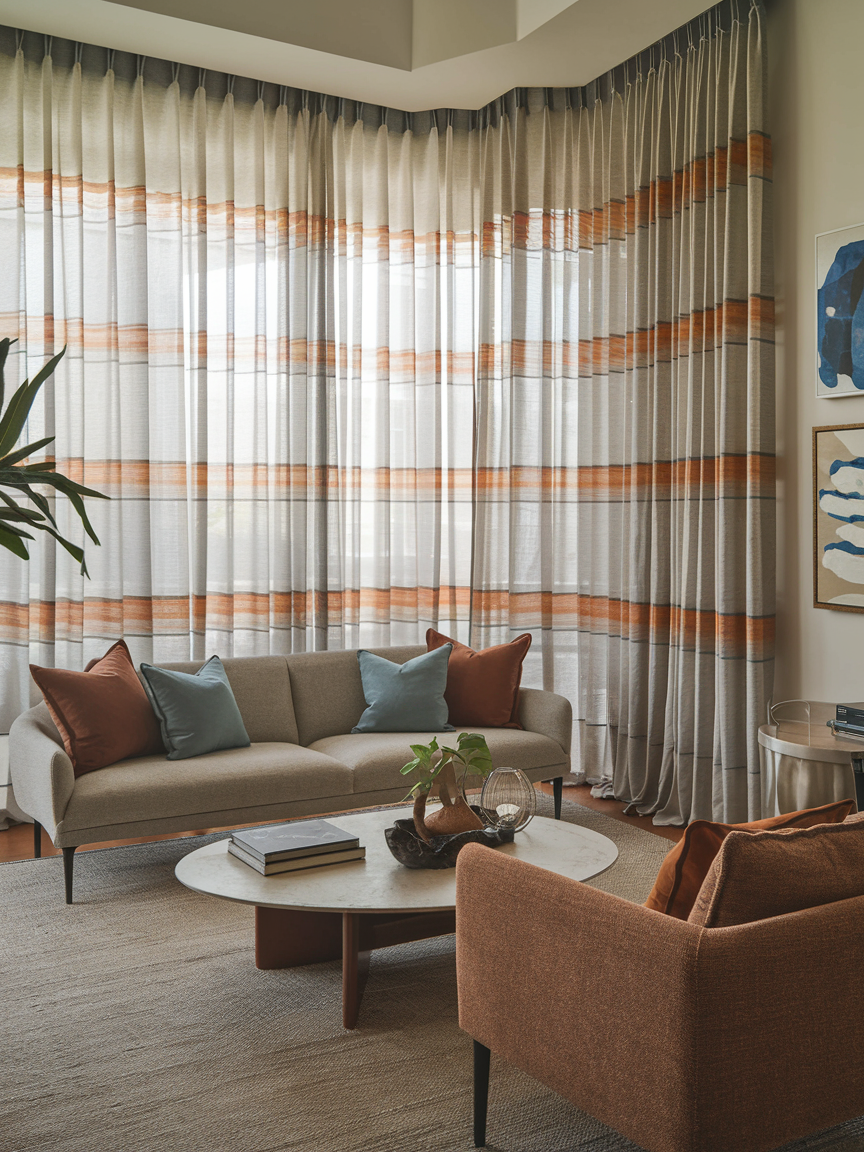
Layered window treatments provide both functional flexibility and visual softness. Combining sheer curtains with heavier drapes allows you to control natural light throughout the day while maintaining privacy when needed. Sheer layers diffuse sunlight gently, creating a bright and inviting atmosphere without harsh glare. In the evening, thicker panels add warmth, insulation, and a sense of coziness. Choosing neutral fabrics and simple textures ensures the window treatments enhance the design without overwhelming it. Floor-length panels also add height and elegance, making the living room feel more spacious and refined. This layered approach improves comfort, energy efficiency, and overall ambiance while contributing to a polished and well-balanced interior.
23. Comfortable Accent Chairs
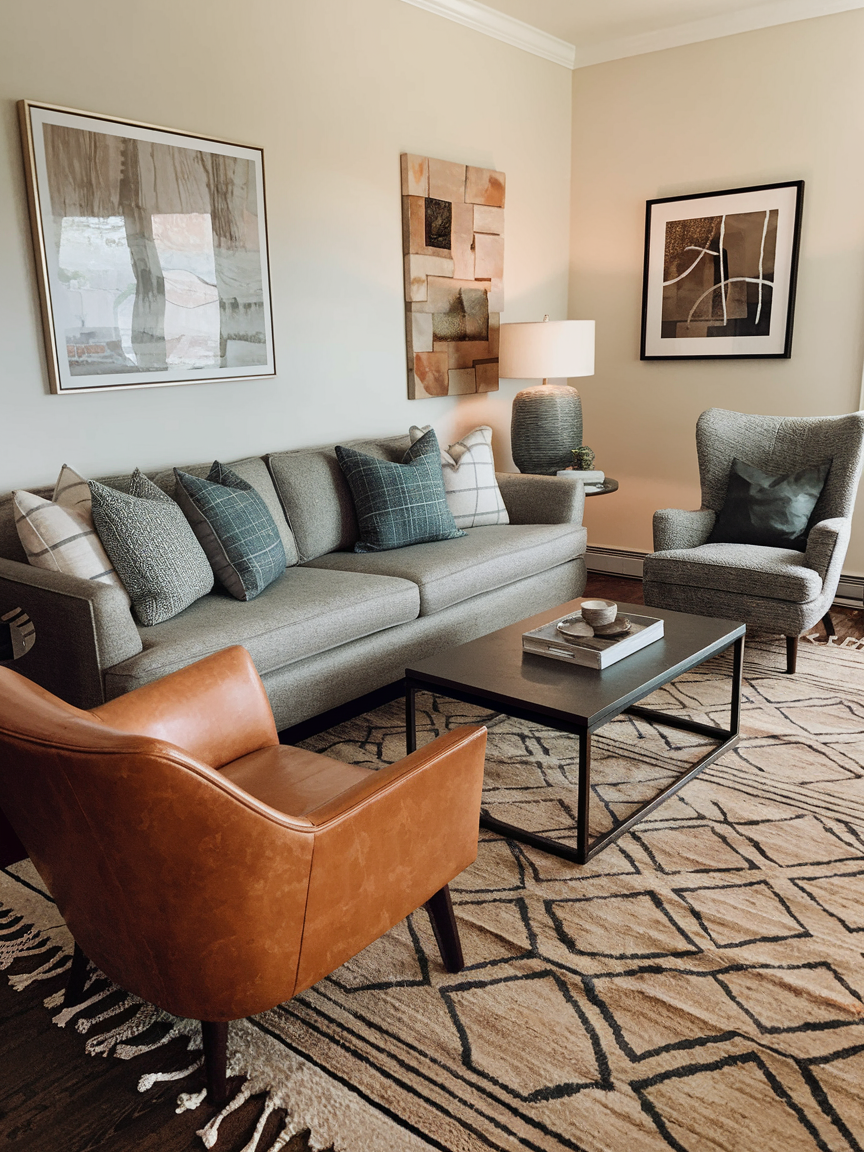
Accent chairs are an excellent way to add both style and extra seating to a living room. Selecting chairs with supportive cushions and ergonomic shapes ensures they are comfortable enough for everyday use, not just decorative pieces. Positioning them across from the sofa or near a coffee table helps create a conversational layout that feels welcoming and functional. To add visual interest, choose a fabric or texture that complements the main seating while introducing subtle contrast, such as boucle, leather, or woven upholstery. Accent chairs also provide flexibility, allowing you to rearrange the layout for gatherings or quiet relaxation. When chosen thoughtfully, they complete the seating area and enhance both comfort and visual balance.
24. Media Wall Organization
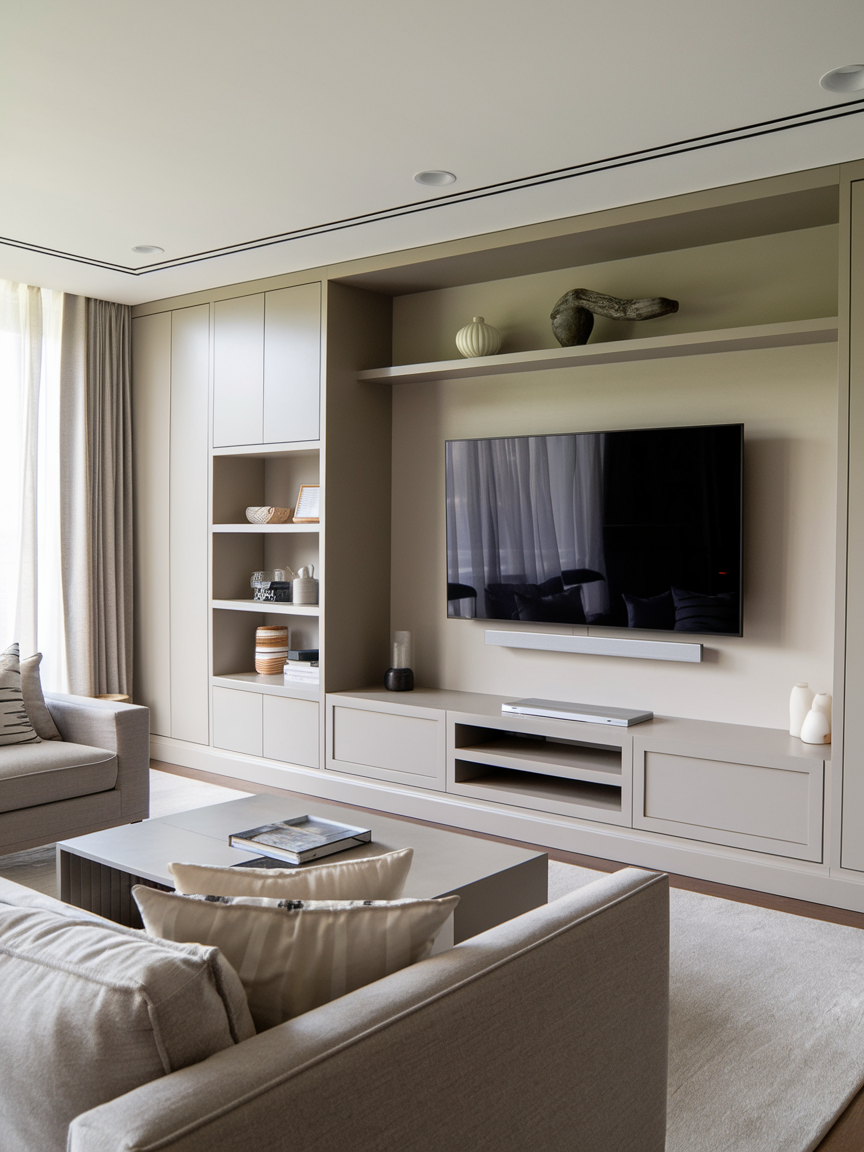
A well-designed media wall keeps the entertainment area clean, organized, and visually integrated with the rest of the living room. Wall-mounted televisions, floating consoles, or built-in cabinetry help eliminate visible wires and reduce clutter. Closed storage compartments can hold remotes, gaming devices, and accessories, while open sections may display a few decorative items for balance. Keeping the design simple and symmetrical ensures the media area does not dominate the space. Neutral finishes and streamlined shapes allow the technology to blend seamlessly into the overall interior style. A thoughtfully planned media wall improves functionality while maintaining the calm, polished look of a modern living room.
25. Mixed Material Layering
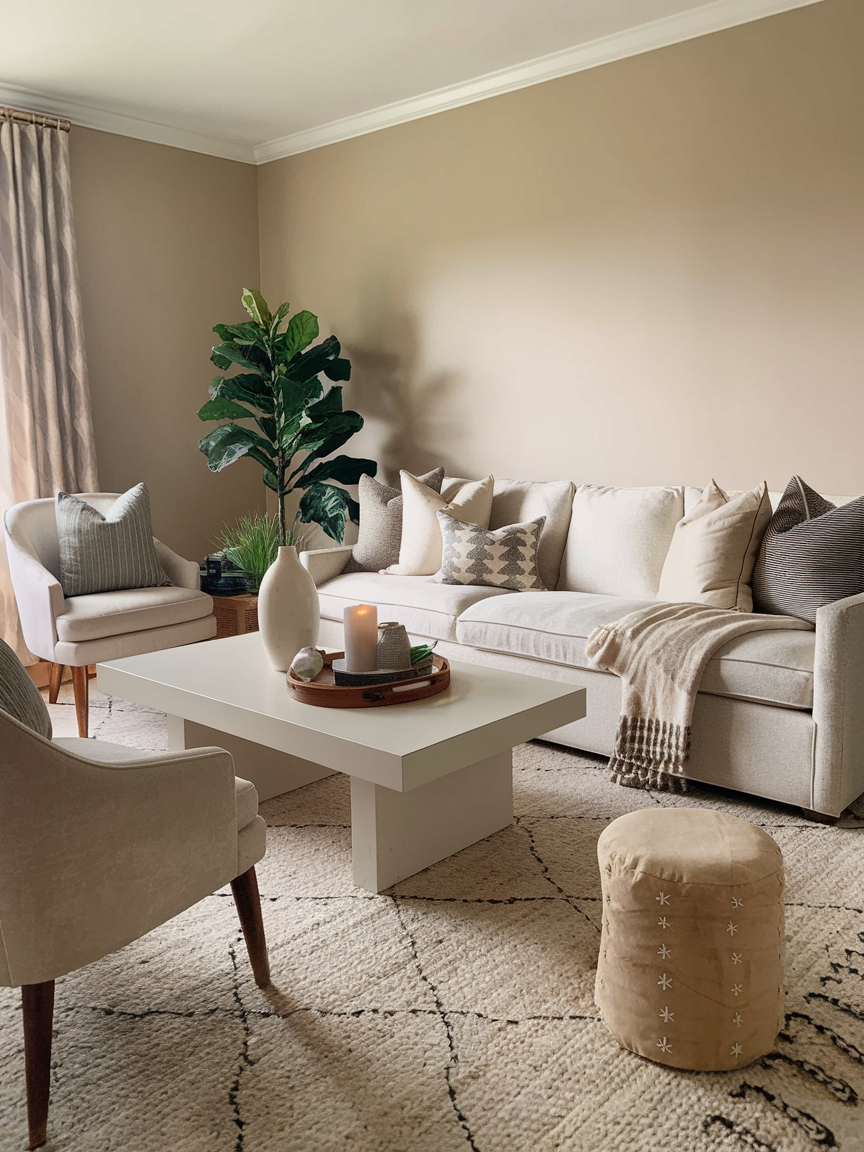
Combining a variety of materials adds depth and sophistication to a living room without relying on bold colors. Pairing soft textiles with natural wood, sleek metal, glass surfaces, and stone accents creates a layered and visually interesting environment. The key is to keep the color palette cohesive so the mix of materials feels intentional rather than busy. For example, a fabric sofa can be complemented by a wooden coffee table, metal lighting, and a glass or ceramic accessory. This balance of textures enhances the sensory experience of the space while maintaining harmony. Mixed material layering makes the living room feel rich, warm, and thoughtfully designed while supporting both comfort and durability.
26. Neutral Base with Seasonal Decor
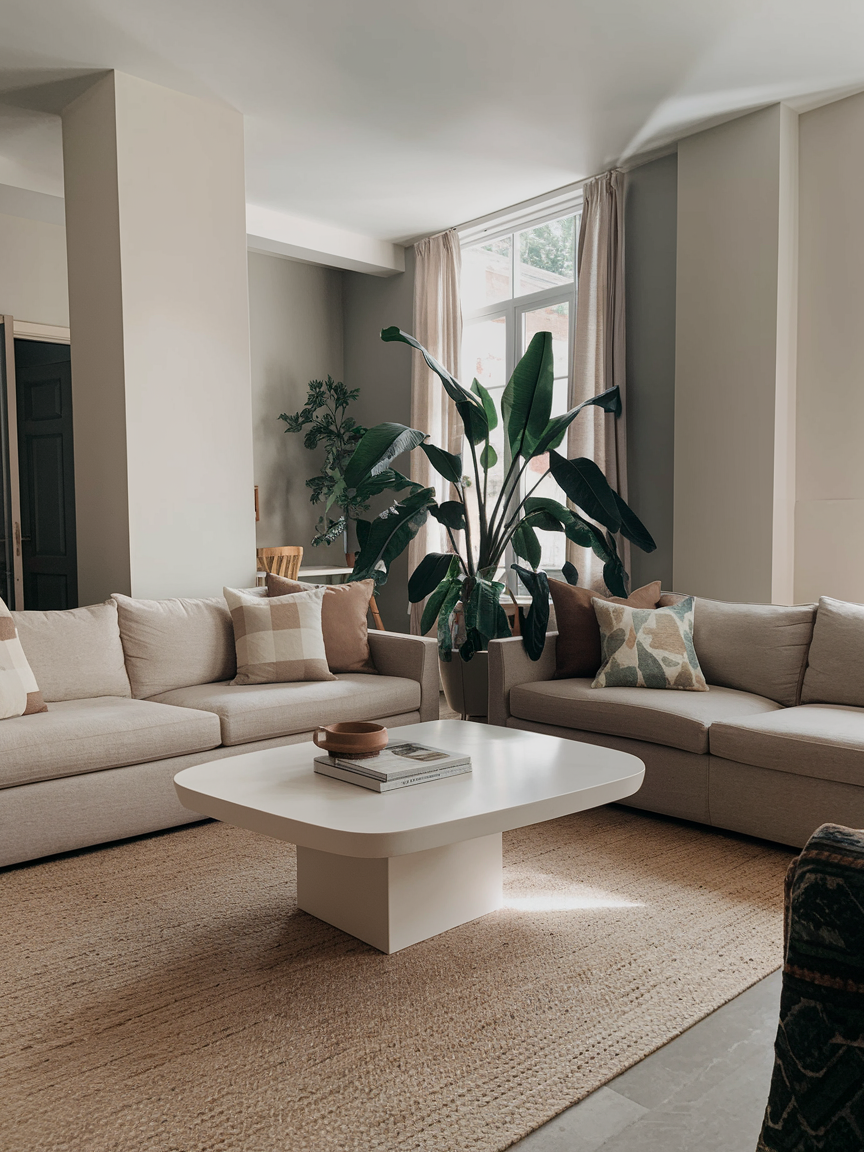
Starting with a neutral foundation allows the living room to remain timeless while offering flexibility for seasonal updates. Walls, large furniture pieces, and rugs in soft neutral tones create a calm and cohesive backdrop. Seasonal changes can then be introduced through smaller items such as pillow covers, throws, candles, or decorative accents. Warm textures and deeper colors work well in cooler months, while lighter fabrics and fresh tones brighten the space in warmer seasons. This approach keeps the room feeling fresh and current without requiring major redesigns. A neutral base also makes it easier to adapt the space to changing trends or personal preferences over time.
27. Open Space Flow
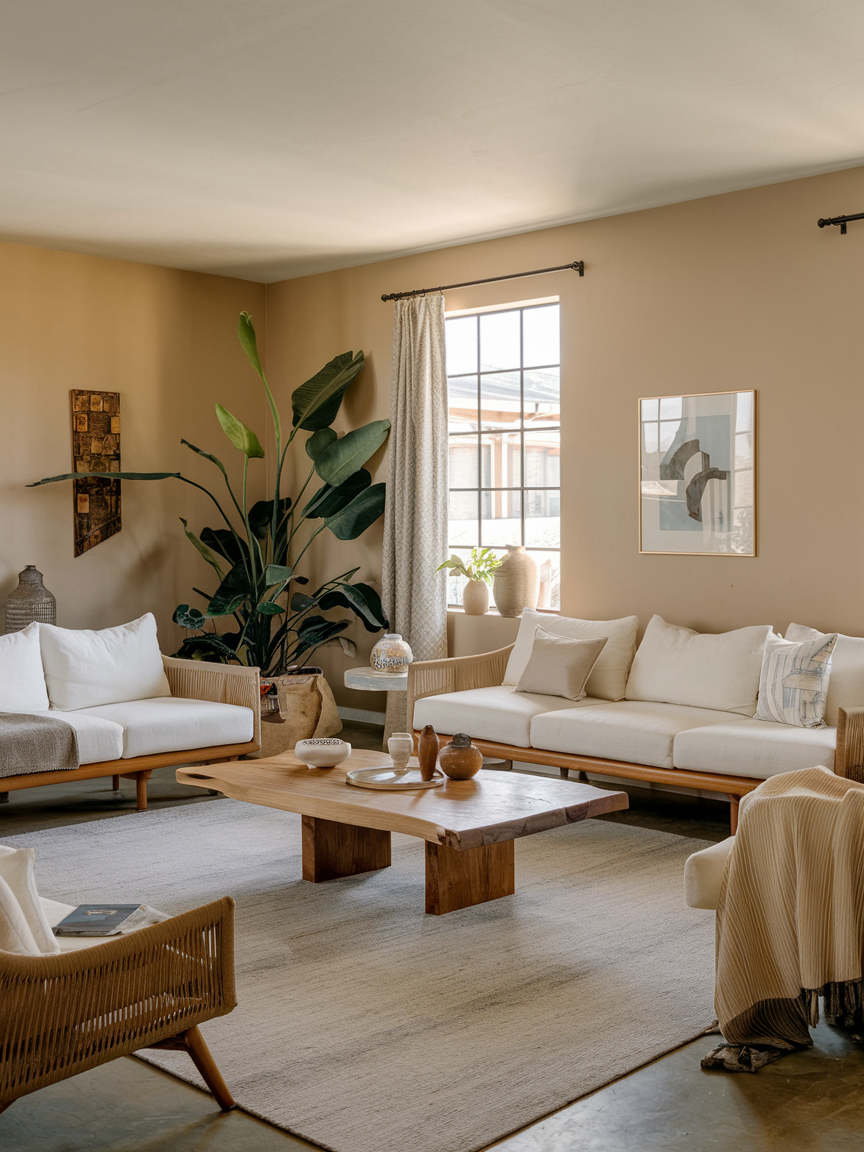
Maintaining an open and breathable layout is essential for both comfort and functionality. Avoid overcrowding the living room with too many furniture pieces or oversized items that restrict movement. Instead, choose furniture that fits the scale of the space and arrange it to create clear pathways. Leaving some negative space around furniture allows the room to feel larger and more relaxed. Proper spacing also improves everyday usability, making it easier to move through the area without obstacles. An open flow creates a sense of calm and balance while ensuring the living room remains practical for daily activities and social gatherings.
28. Warm Ambient Lighting
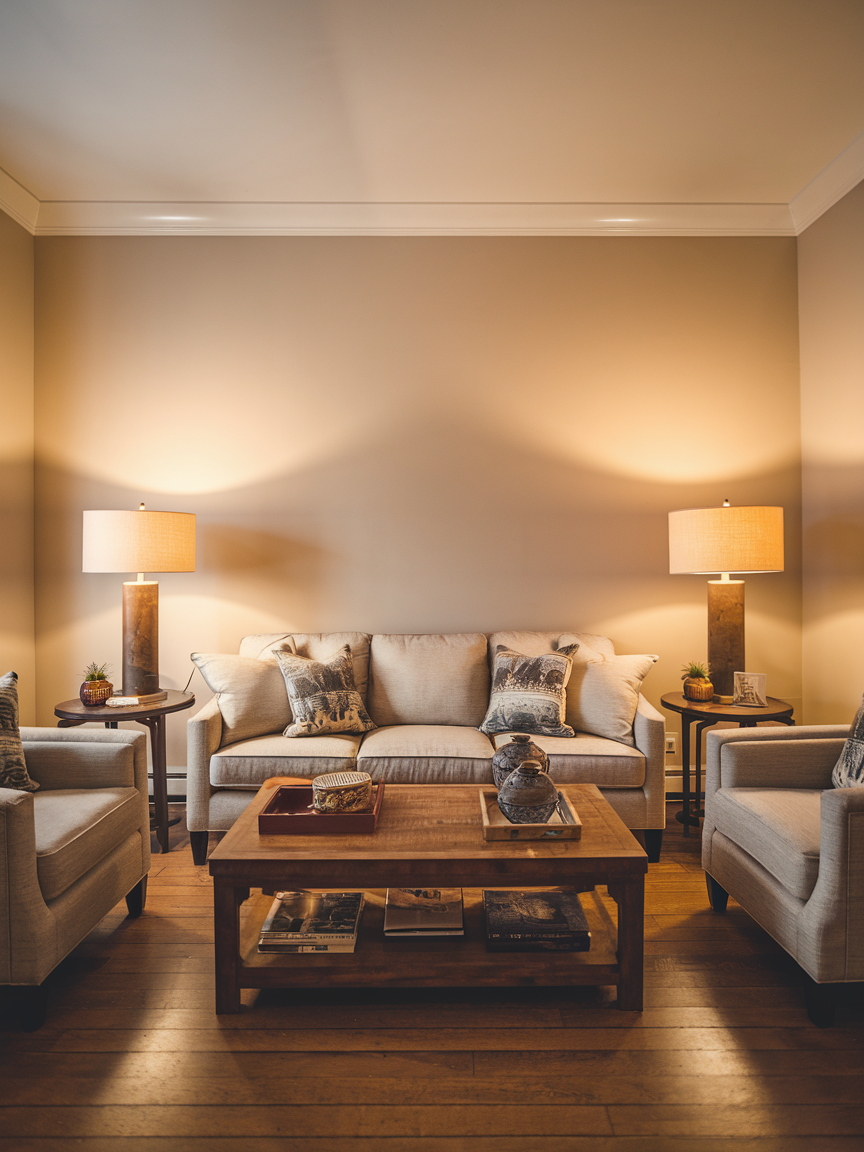
Warm ambient lighting plays a major role in creating a cozy and relaxing atmosphere. Instead of relying solely on overhead lights, incorporate multiple light sources such as table lamps, floor lamps, and wall sconces. Using warm-toned bulbs helps soften the overall mood and makes the space feel more inviting, especially in the evening. Dimmable lighting options provide flexibility, allowing you to adjust brightness for different activities such as reading, entertaining, or relaxing. Layered ambient lighting also adds depth and highlights textures throughout the room. A well-lit living room feels comfortable, welcoming, and suitable for both day and night use.
29. Personal Decor Touches
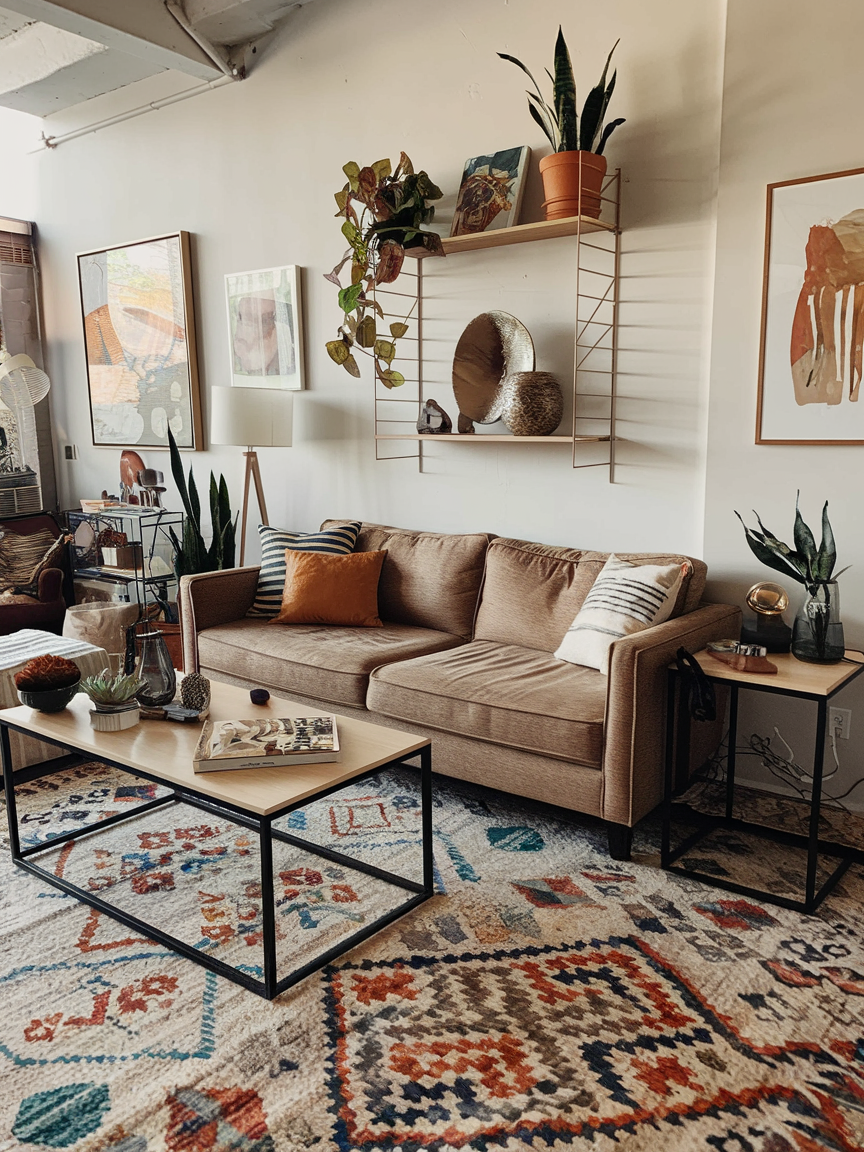
Adding personal elements helps transform a living room into a space that feels authentic and meaningful. Items such as travel souvenirs, favorite books, family photos, or collected artwork tell a story and reflect your personality. The key is to curate these pieces carefully rather than displaying too many at once. Grouping items thoughtfully and maintaining a consistent color palette keeps the space organized and visually balanced. Personal décor adds warmth and emotional connection, making the living room feel lived-in and welcoming while still maintaining a polished design.
30. Double-Height Futuristic Living Room with LED Accents
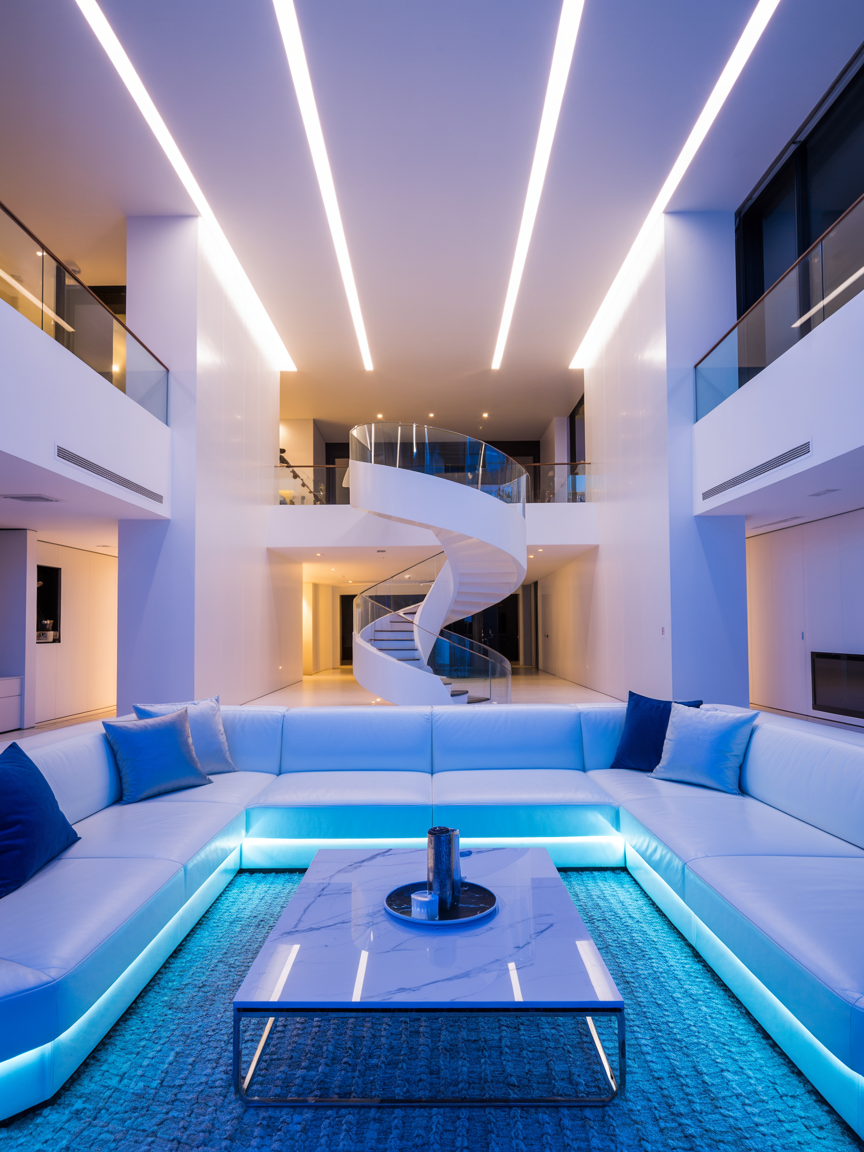
A double-height ceiling instantly elevates the sense of space, making this living room feel grand, airy, and architectural. Crisp white walls and streamlined furniture create a clean foundation, while glowing blue LED strips add a dramatic futuristic edge. The large U-shaped white leather sectional becomes the centerpiece, enhanced with integrated lighting along the base and layered with royal blue pillows for depth and comfort.
At the center, a glass coffee table with a white marble top rests on a textured blue-and-white rug, tying the palette together beautifully. Overhead, recessed lighting combines with geometric LED ceiling lines to create a modern visual focal point. A sculptural spiral staircase with glass railings completes the look, adding movement and luxury while connecting the space to an elegant second-level balcony.
31. Ocean-Inspired White and Blue Contemporary Lounge
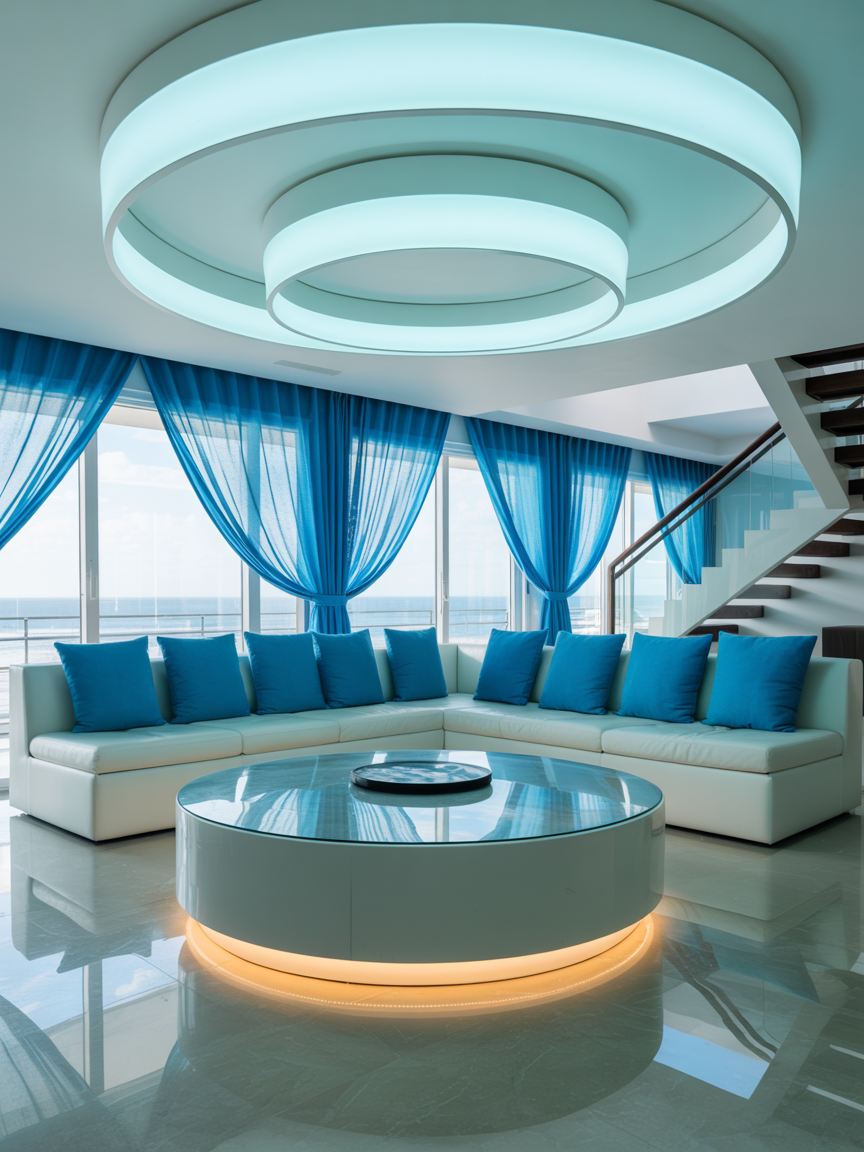
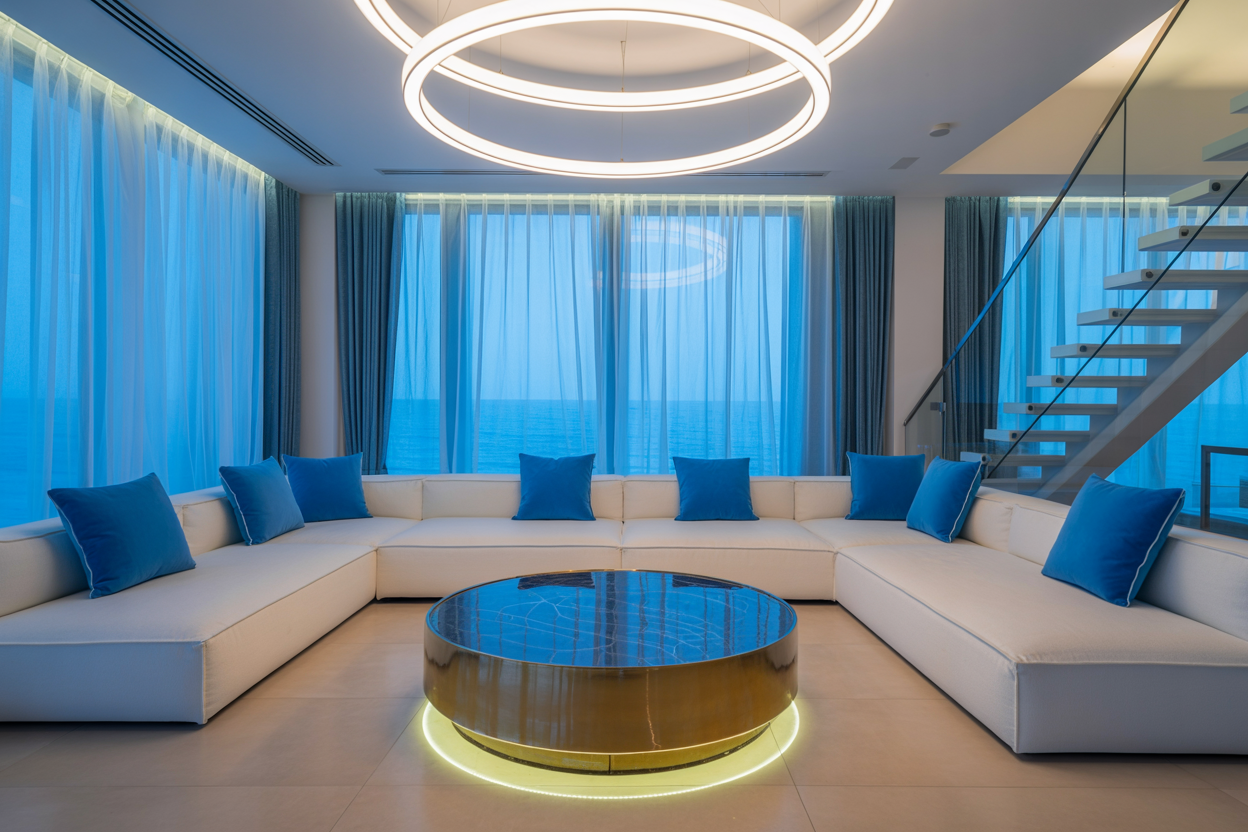
This design embraces a clean, calming palette inspired by coastal luxury. A spacious L-shaped modular sofa in crisp white is softened by vibrant blue cushions, creating a fresh yet inviting seating area. The elevated circular coffee table becomes a statement feature, with a reflective surface and a glowing LED ring that adds a subtle high-tech touch.
The ceiling design mirrors the table’s shape with concentric circular lighting fixtures, creating visual harmony throughout the space. Floor-to-ceiling windows allow natural light to pour in, enhanced by sheer blue curtains that gently filter the view of the ocean or city skyline. A floating staircase with glass railings reinforces the modern aesthetic, while the overall lighting keeps the room cool, bright, and effortlessly luxurious.
32. Black, White, and Navy Luxury Statement Living Room
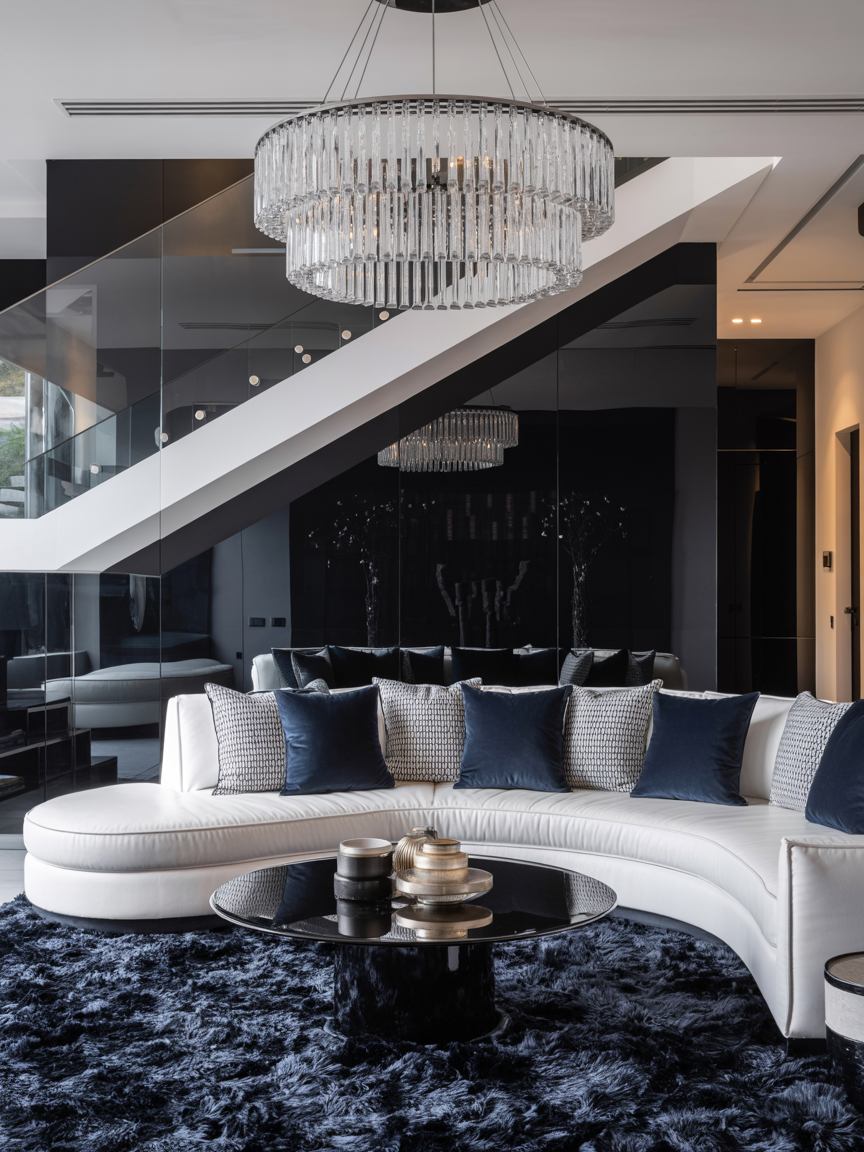
For a more dramatic take on modern luxury, this design combines a bold black-and-white foundation with rich navy accents. A crescent-shaped white sectional anchors the space, layered with deep blue velvet pillows and patterned cushions that add texture and elegance. Beneath the seating area, a plush navy shag rug introduces warmth while enhancing the sophisticated color palette.
A round black glass coffee table provides a sleek contrast against the soft textiles. Above, a multi-tiered crystal chandelier becomes the room’s focal point, adding glamour and sparkle. Glossy black wall panels paired with crisp white surfaces create depth and reflection, while a floating staircase with glass railings maintains the open, contemporary feel.
33. Penthouse Living Room with Panoramic City Glow
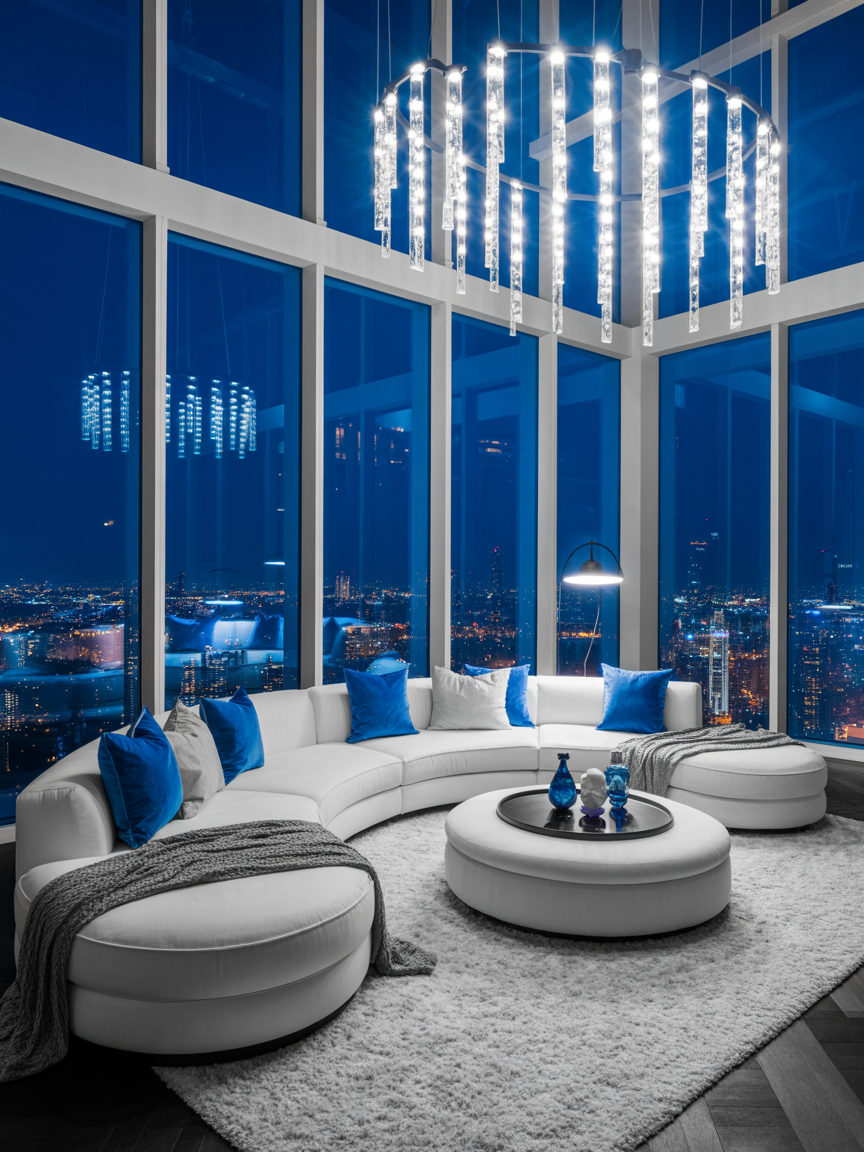
Nothing defines modern luxury like a penthouse setting with sweeping nighttime city views. Floor-to-ceiling windows surround this living room, allowing the electric blue glow of the skyline to become part of the interior design. The space is furnished entirely in white, including a large curved sectional and a matching round ottoman that doubles as a coffee table.
Soft blue velvet pillows and cozy throws add comfort while echoing the city lights outside. A plush white shag rug enhances the airy atmosphere, making the room feel both elegant and inviting. Overhead, cascading crystal chandeliers reflect the blue tones from the windows, filling the space with sparkle and creating a dramatic yet serene ambiance.
* These 33 living room interior design ideas show how thoughtful styling and smart planning can create a space that feels both beautiful and comfortable. Let these inspirations guide you in creating a living room that feels inviting, practical, and perfectly designed for relaxing, entertaining, and enjoying life at home.