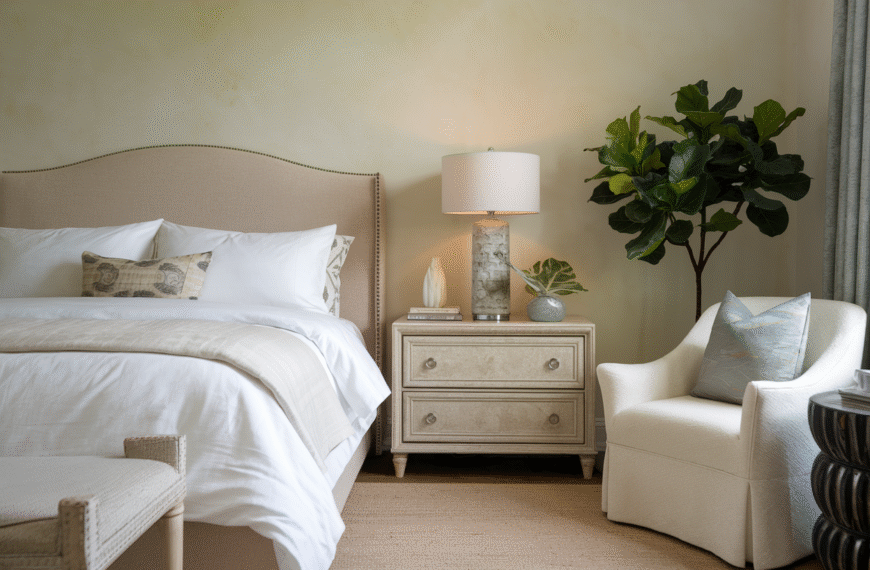
Creating the illusion of a larger living room doesn’t always require a major renovation. Smart wall decor choices can open up your space, reflect light, and draw the eye in ways that make any room feel more expansive. Thoughtfully placed mirrors, vertical accents, layered textures, and light-enhancing art can shift the entire feel of a room—bringing airiness, depth, and balance to even the smallest corners.
Small tweaks have a big impact when done with intention. Strategic wall styling helps maximize space while adding character and charm. Bold gallery walls, sleek floating shelves, or subtle tonal contrasts can all play a part in transforming your living area into a space that feels open and inviting.
Let’s explore these 26 wall decor tricks to see how simple design updates can instantly elevate your living room and create a sense of spacious comfort.
1. Hang a Large Mirror
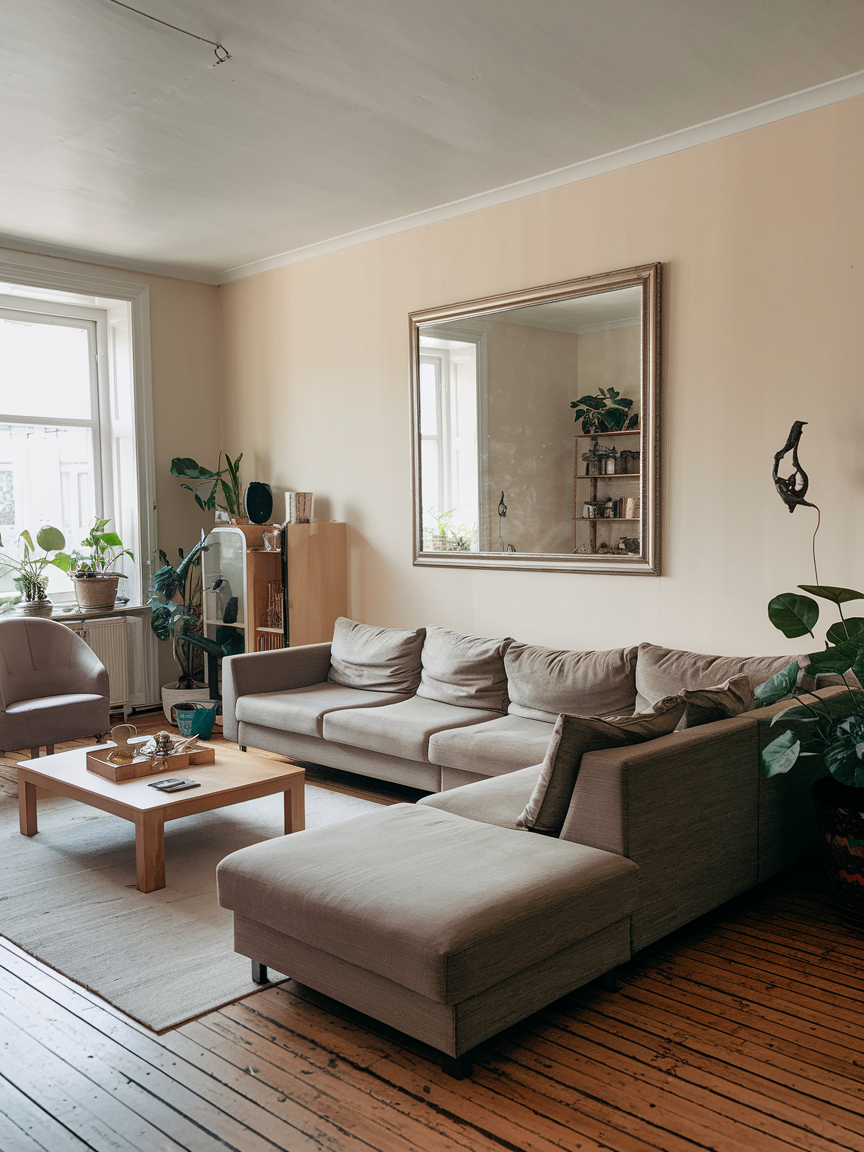
Mirrors are one of the most effective ways to make a room feel larger. Not only do they reflect light, brightening the room, but they also create the illusion of additional space. A large mirror placed strategically, especially on a wall opposite a window or light source, will reflect both natural and artificial light, amplifying the brightness of the room and making it appear larger and more open. To further enhance the effect, opt for mirrors with sleek frames or frameless designs for a minimalist look that complements the spacious feel.
2. Use Light-Colored Wall Paint
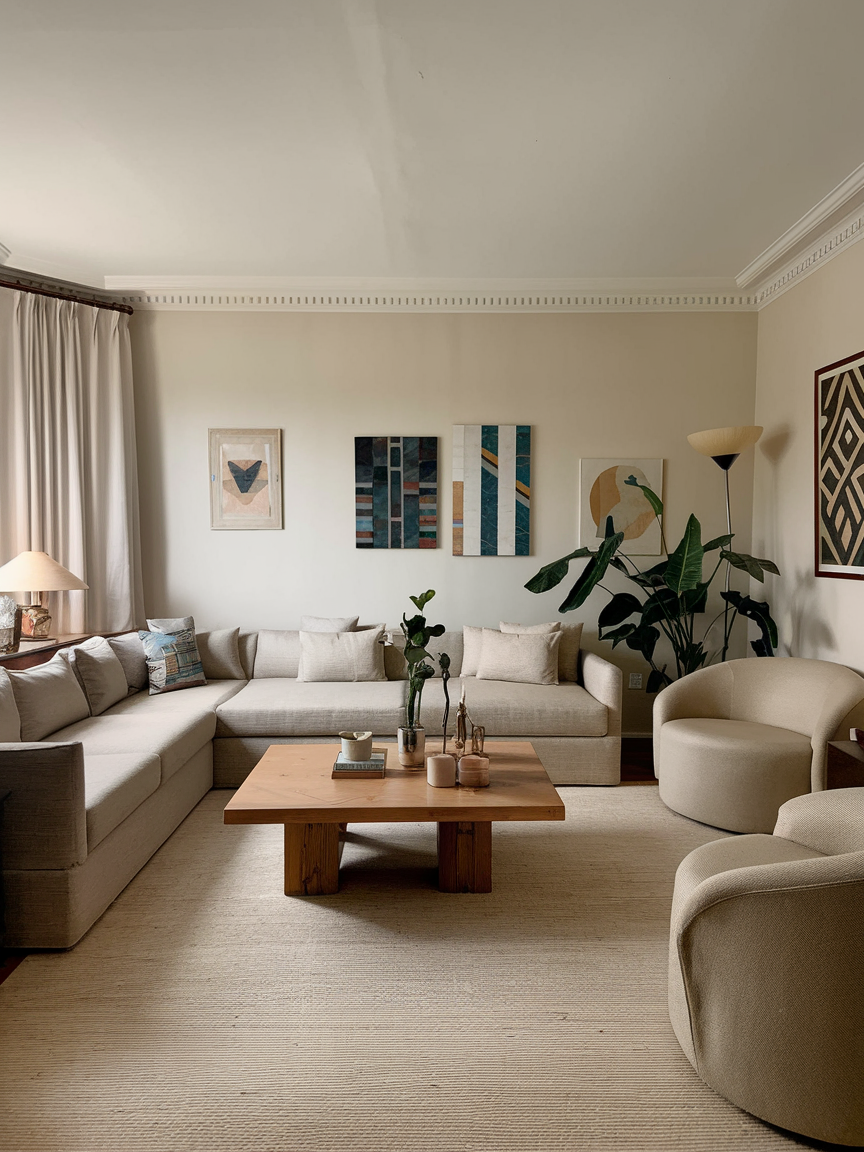
Light colors on the walls are essential for creating the feeling of openness in small spaces. Light tones like whites, soft grays, light blues, and creamy pastels reflect more light, making the space feel brighter and airier. Dark colors, on the other hand, absorb light, which can make the room feel more enclosed. Painting your living room walls in a light color, especially when combined with natural light, can significantly expand the room’s perceived size and give it a fresh, inviting atmosphere.
3. Install Floating Shelves
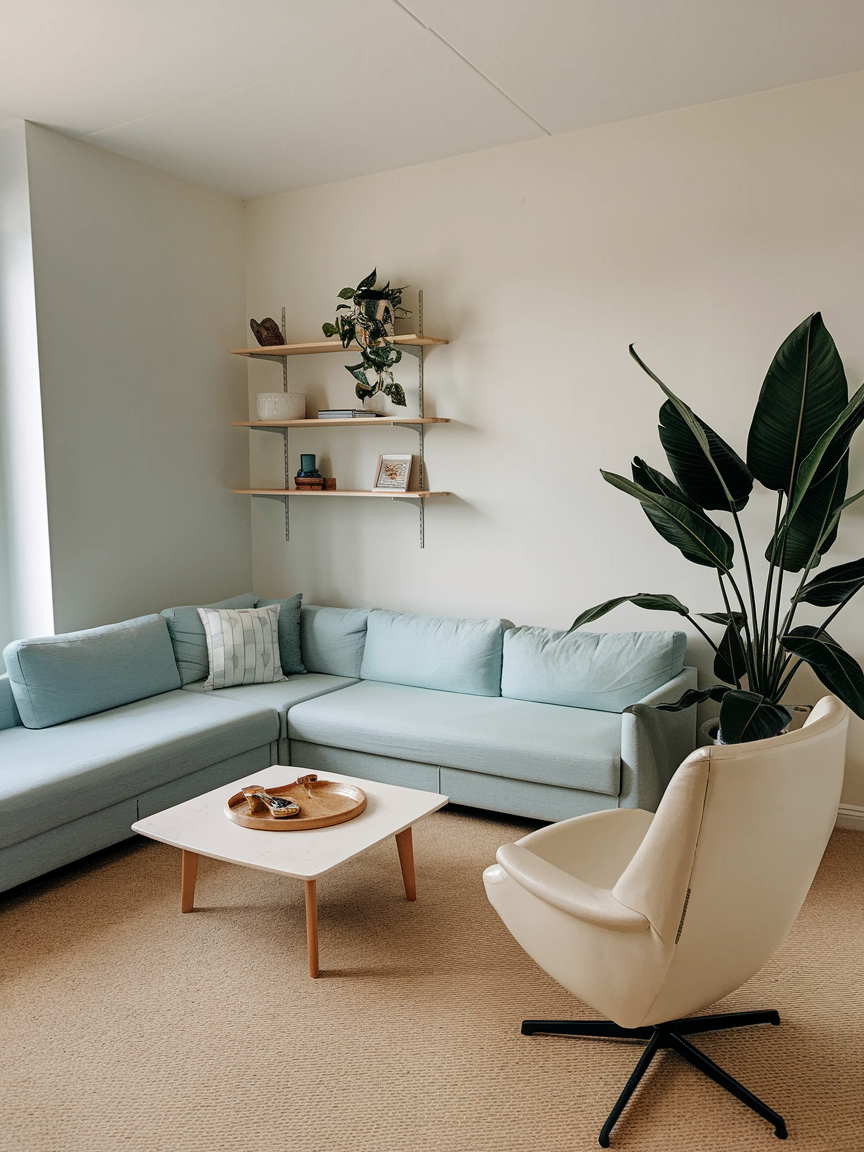
Floating shelves are a great way to add functional storage while maintaining an open and uncluttered feel in a small living room. These shelves, mounted directly to the wall, create more visible floor space, which helps the room feel less cramped. They also allow you to display decorative items like plants, books, or small sculptures without taking up too much space. To maintain the sense of openness, choose shelves that are slim and minimalistic in design, and keep the items displayed light and organized to avoid overwhelming the space.
4. Opt for Slimline Wall Art
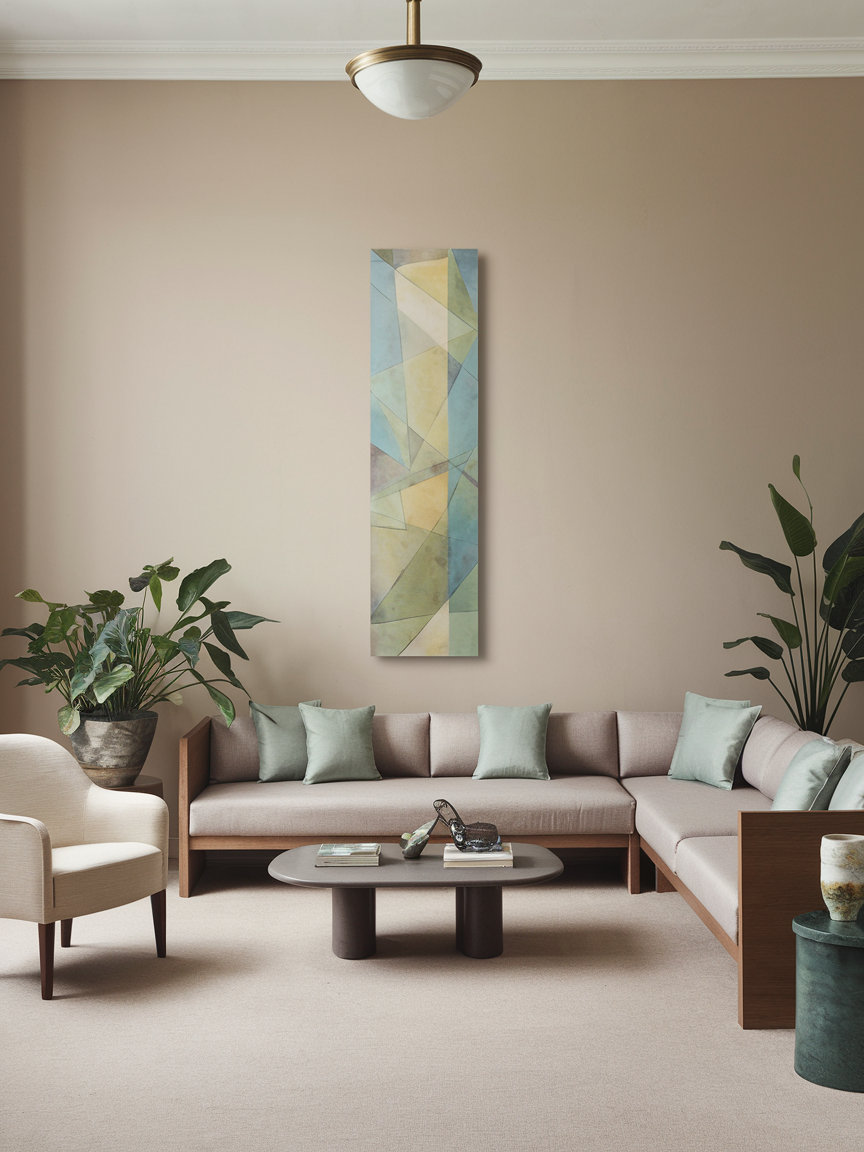
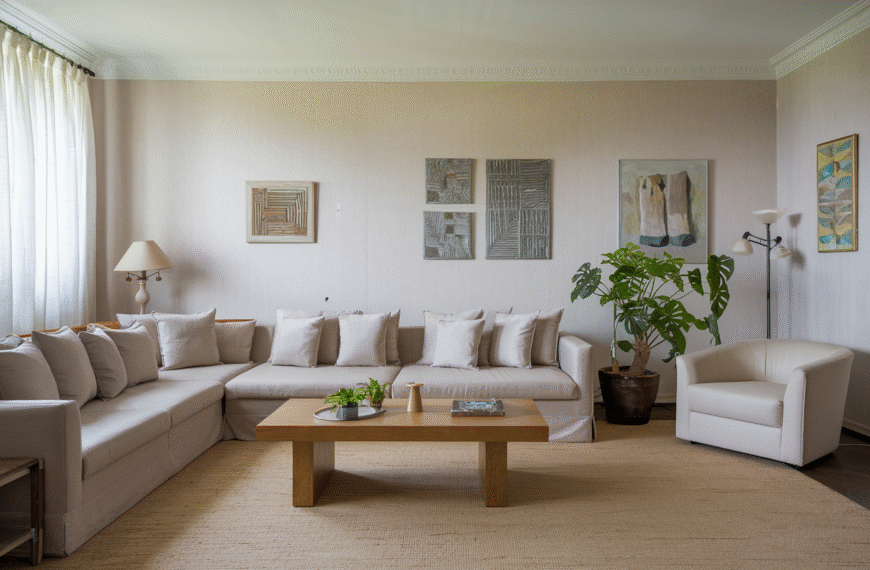
When it comes to artwork, less can be more—especially in a small living room. Large, bulky frames or heavy paintings can dominate the walls and make the room feel smaller. Instead, choose slimline or minimalist wall art. Vertical art pieces or a gallery of smaller artworks arranged in a grid-like formation can draw the eye upward and create the illusion of a taller ceiling. Keep the colors in the artwork light and cohesive, so it complements the room’s overall design without overwhelming the space.
5. Try a Monochrome Palette
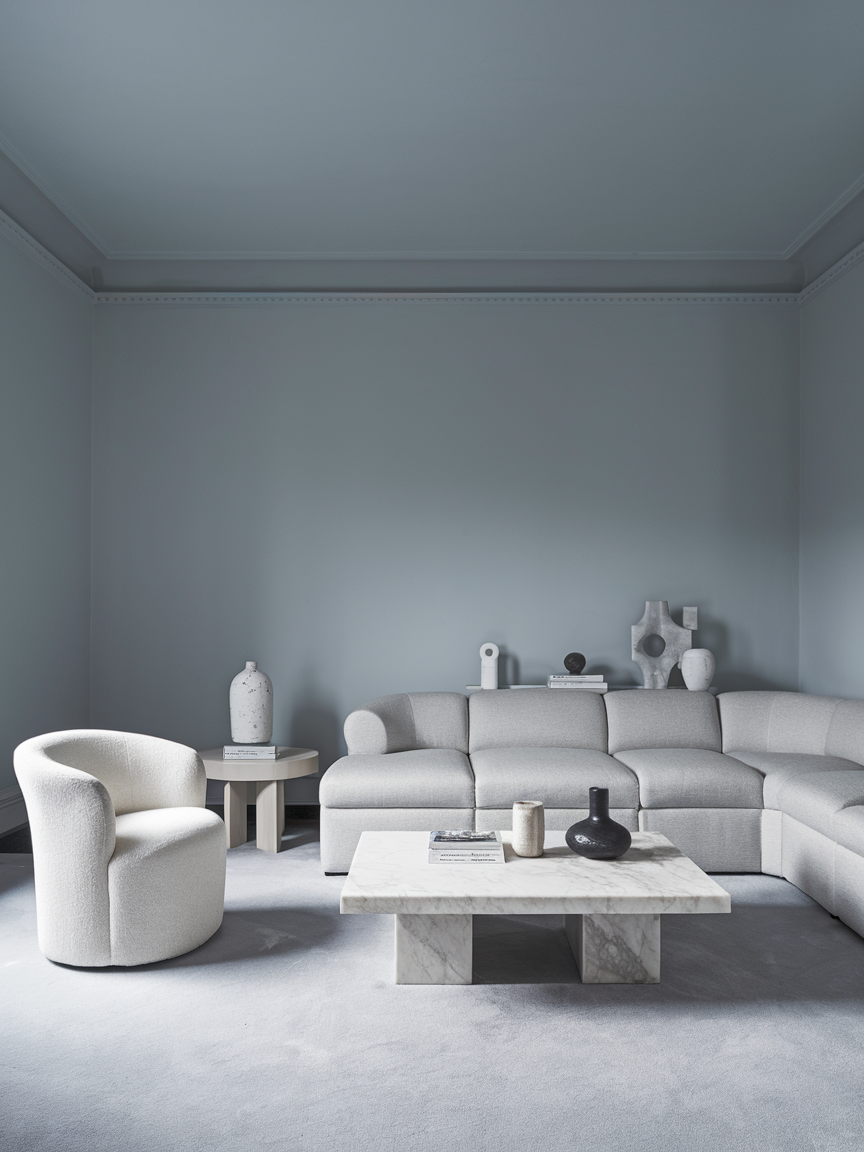
Using a monochrome color palette in your living room can work wonders for making the space feel more open. A single color family, such as varying shades of white, cream, or soft gray, creates a seamless flow across the room, making it feel unified and visually expansive. By avoiding sharp contrasts, the room’s visual boundaries are softened, preventing the eye from being drawn to awkward corners or breaks in the space. A subtle monochrome scheme makes the room appear larger by creating a smooth, uninterrupted visual flow that feels spacious and relaxing.
6. Use Vertical Paneling or Shiplap
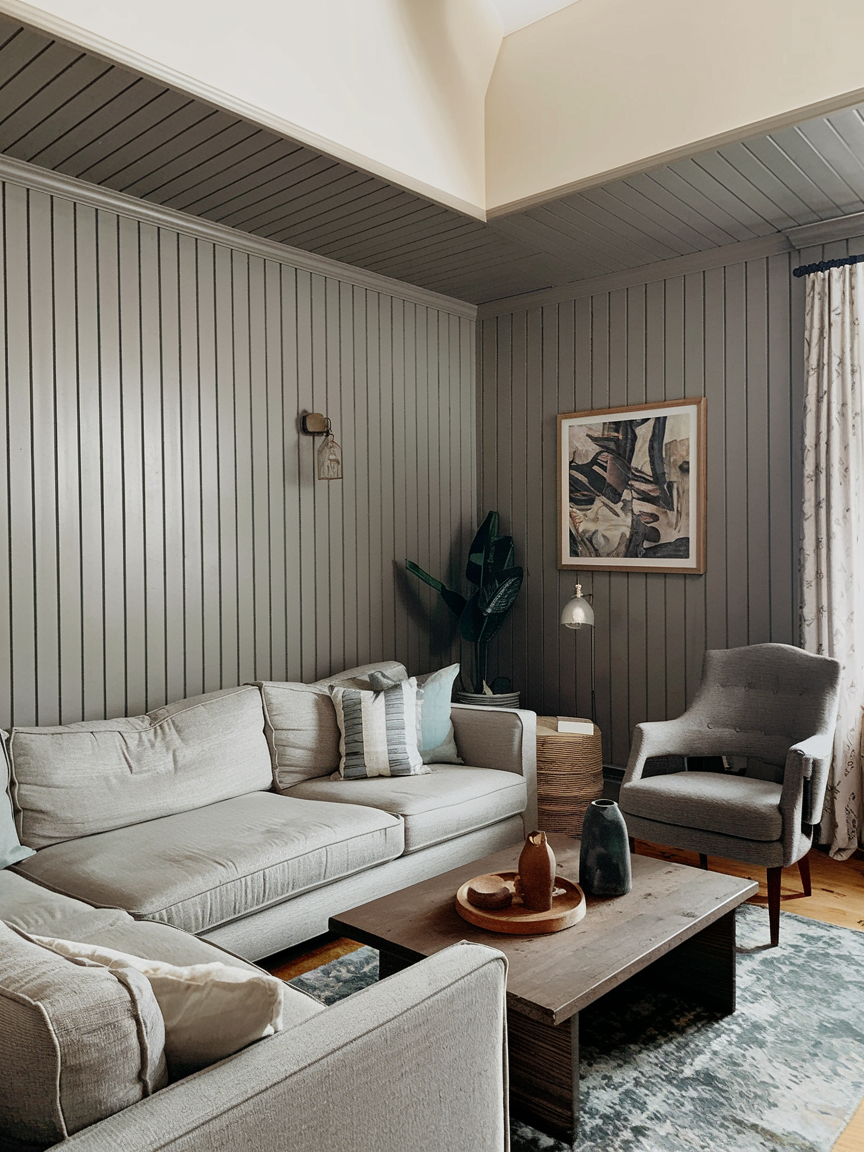
Vertical paneling, such as shiplap or beadboard, is an excellent way to add visual interest and depth to the walls of a small living room. The vertical lines naturally draw the eye upward, making the ceiling appear higher and creating a sense of height. This effect is particularly helpful in rooms with low ceilings, where you want to open up the vertical space. Shiplap adds a rustic, textured look that enhances the overall aesthetic while making the room feel more open and airy. Consider painting the paneling a light color to enhance the sense of space even further.
7. Hang Curtains High and Wide
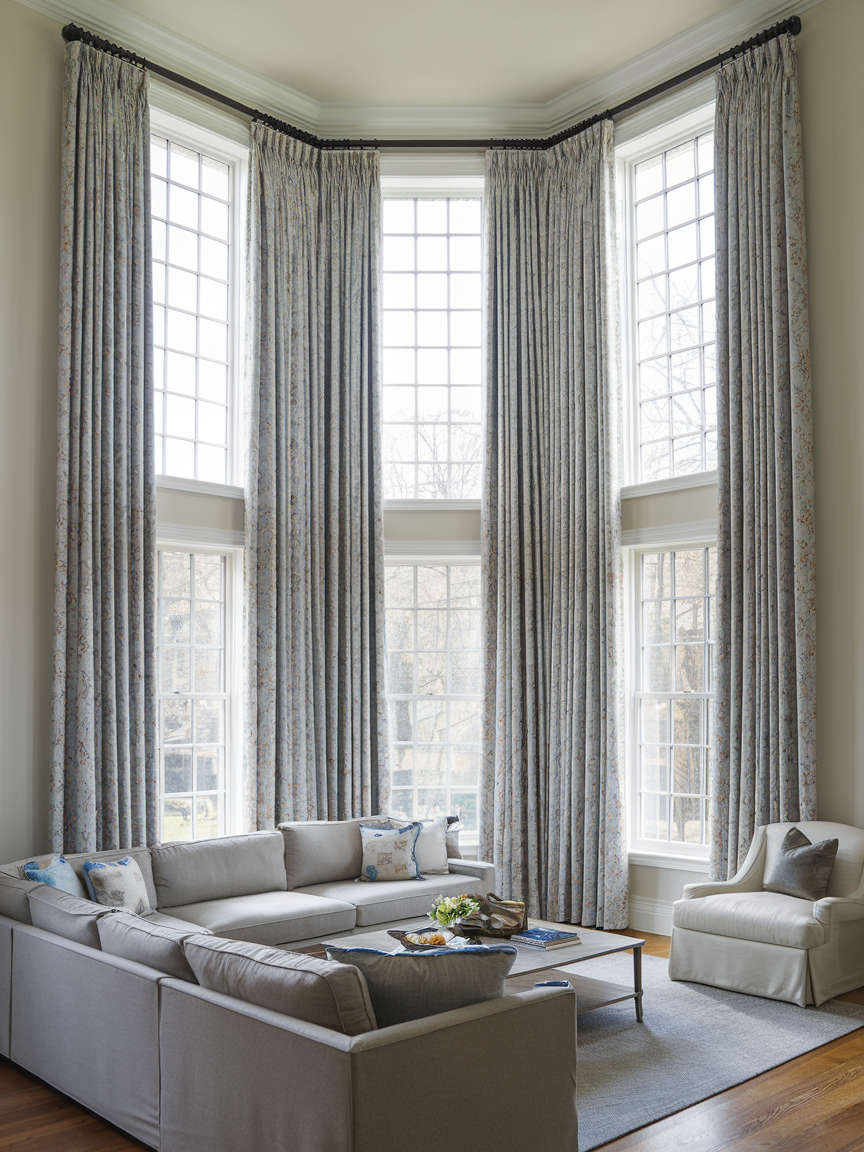
The way you hang your curtains can have a dramatic impact on how your living room feels. By mounting the curtain rods as high as possible, near the ceiling, and extending them wider than the window frame, you can create the illusion of taller windows and a broader room. This trick not only visually increases the height of the room but also makes the windows appear larger, contributing to an overall sense of airiness and openness. Opt for light, flowing fabrics to further enhance the sense of space and keep the room feeling light and breezy.
8. Choose Low-Profile Wall Furniture
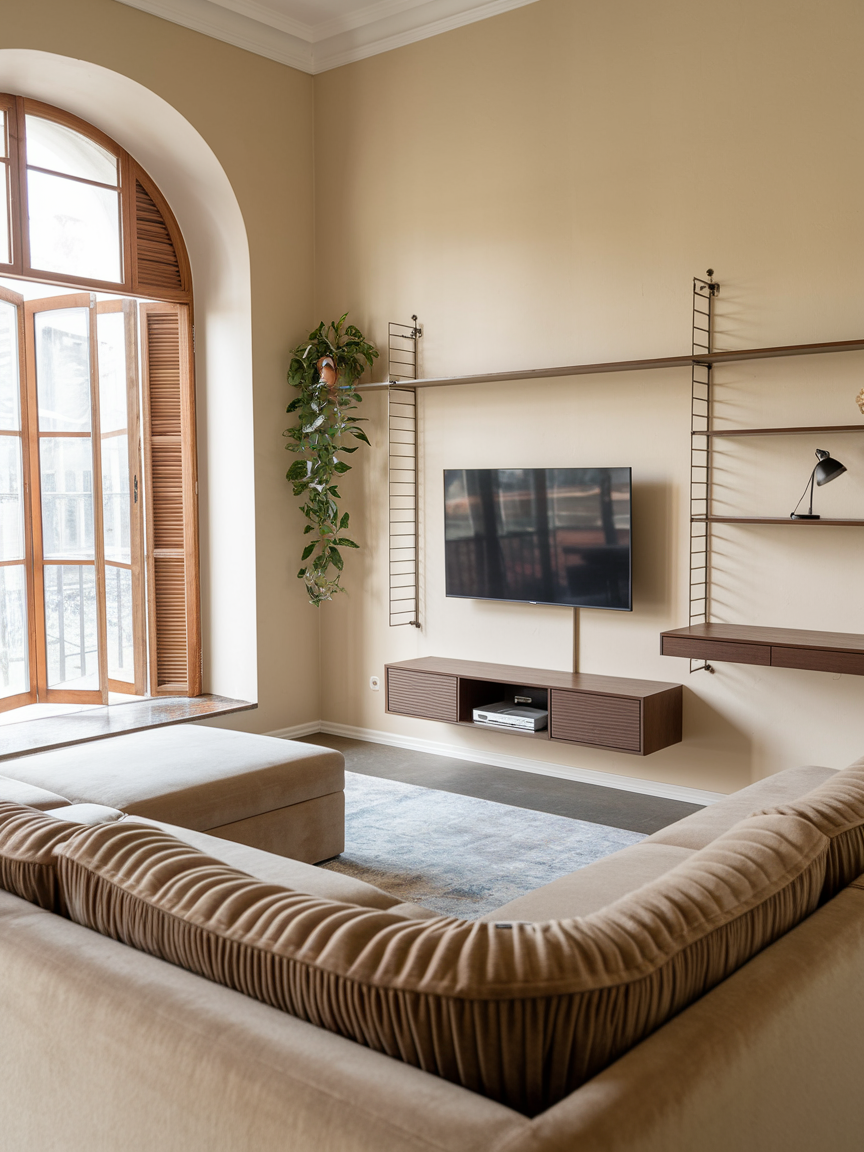
In a small living room, it’s important to choose furniture that doesn’t dominate the space. Wall-mounted furniture, such as slim, low-profile shelves, desks, or TV stands, helps maximize floor space while keeping the room looking sleek and open. By keeping the furniture off the ground and allowing light to pass under it, you create a sense of openness and flow. Additionally, low-profile furniture ensures that the room doesn’t feel crowded or boxed in, which contributes to a more spacious, comfortable atmosphere.
9. Incorporate Glass or Acrylic Wall Decor
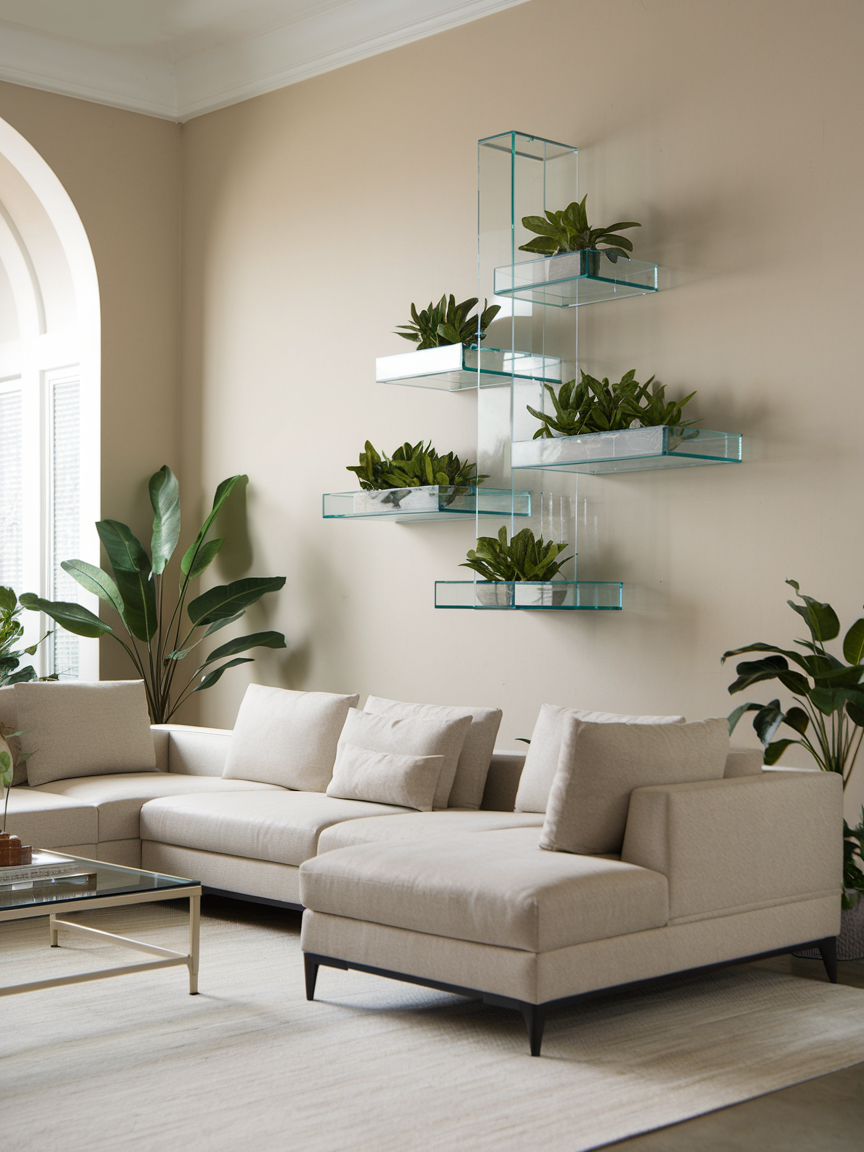
Wall decor made from glass, acrylic, or other transparent materials can give your living room an open and airy feel. These materials take up little visual space, allowing the eye to move freely around the room without being obstructed. Glass shelves, acrylic frames, or transparent wall-mounted light fixtures allow light to filter through, enhancing the room’s brightness and overall sense of space. These materials also have a modern, sleek look that complements contemporary design while maintaining an uncluttered, minimalist aesthetic.
10. Use Mirrors as Art
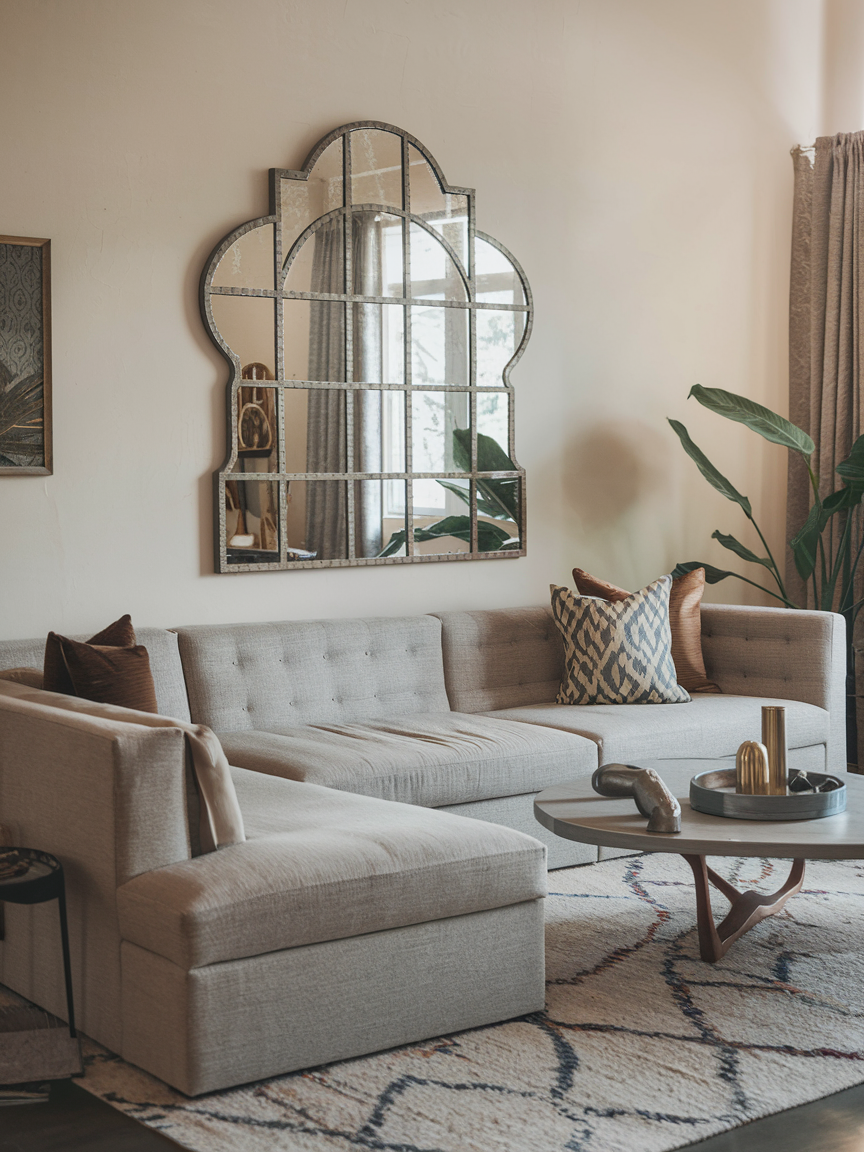
Mirrors don’t just serve a functional purpose, they can also double as striking art pieces. A large, decorative mirror with a unique shape or frame can serve as the focal point of the room, adding both style and depth. By placing mirrors strategically on the walls, you can reflect other design elements in the room, making the space feel more dynamic and spacious. The reflective surface will also bounce light around the room, creating a sense of brightness and opening up the space visually. For maximum impact, choose a mirror with an interesting design or an oversized piece to make a statement.
11. Add a Statement Wall Sconce
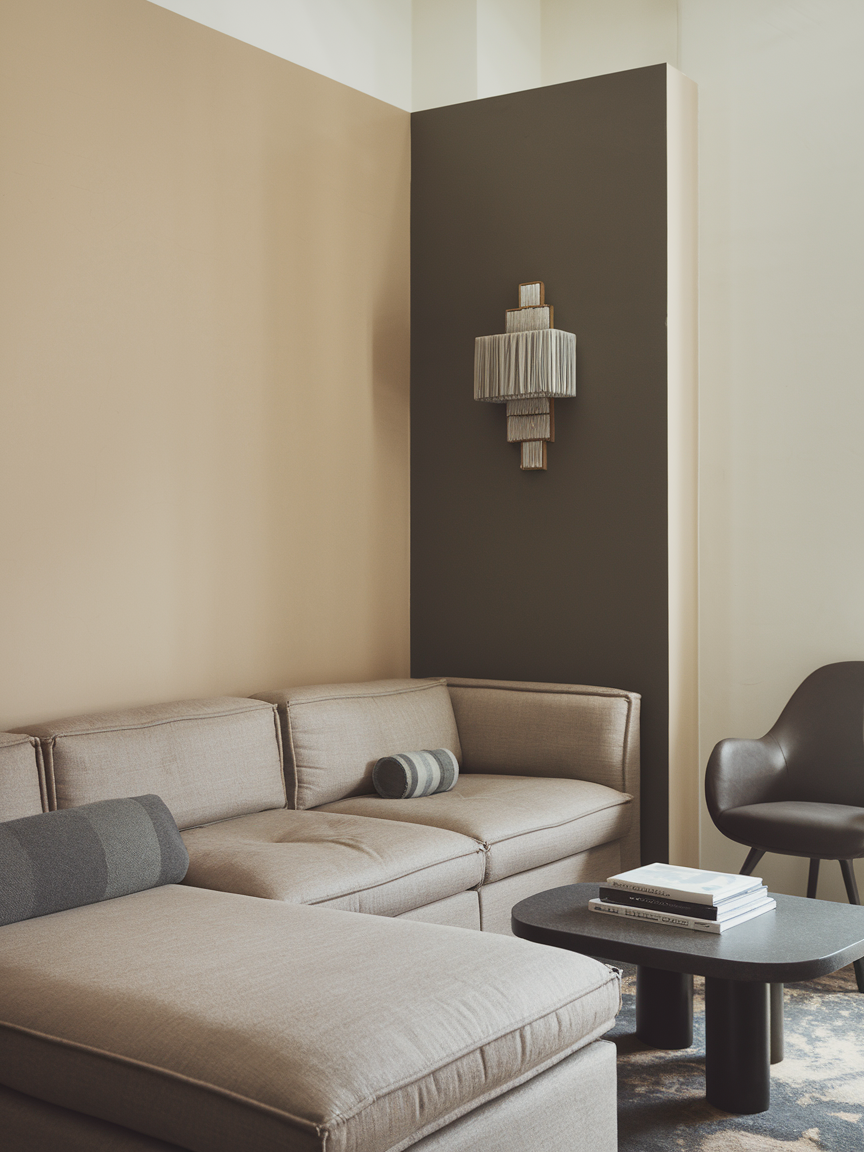
A well-placed statement wall sconce can add both style and functionality to your small living room while making it appear more expansive. By mounting the sconce higher on the wall, you can draw the eye upward, creating the illusion of height and increasing the perceived volume of the room. Additionally, wall sconces provide focused, ambient lighting that can brighten the room and highlight certain features, making it feel more open and inviting. Choose sleek, modern sconces or minimalist designs that don’t add bulk or clutter to the space.
12. Create a Vertical Gallery Wall
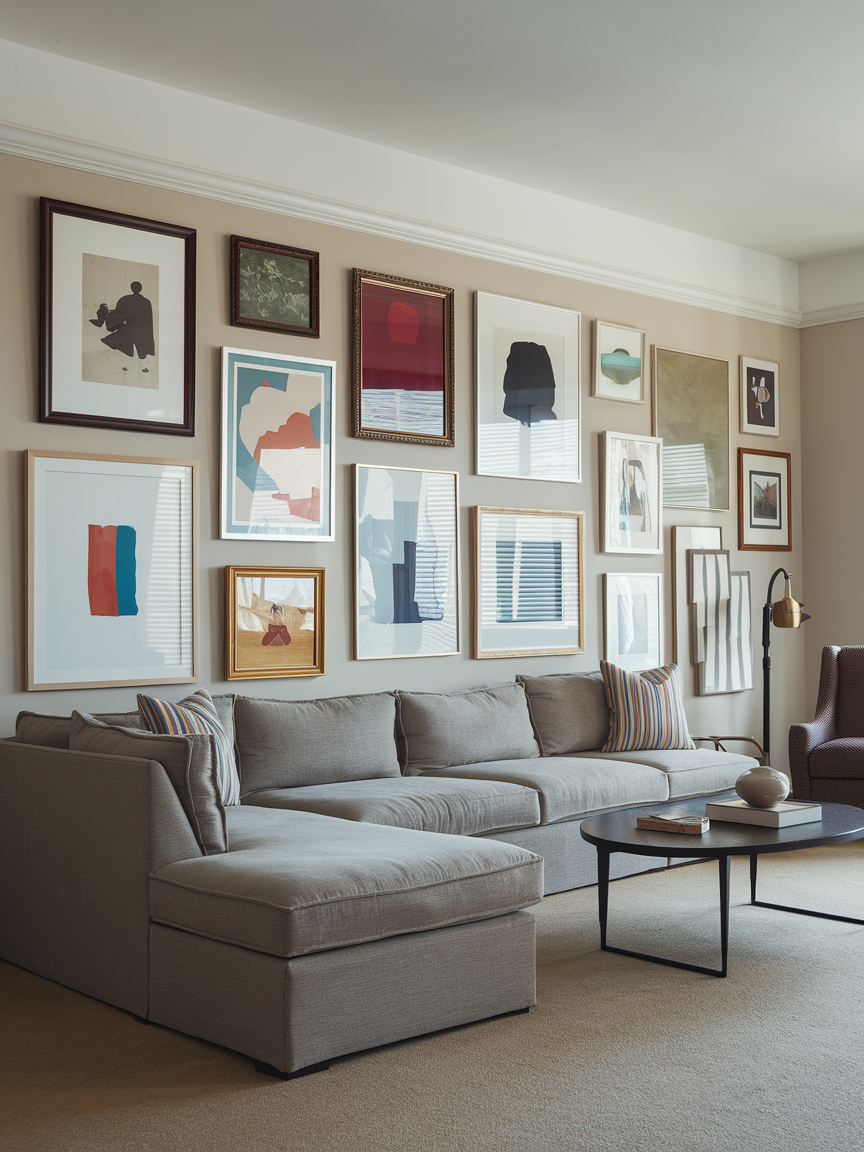
Instead of spreading out artwork horizontally, consider creating a vertical gallery wall. Hanging artwork or photographs in a tall, vertical arrangement draws the eye upward and emphasizes the height of the room. This design trick works especially well in small living rooms with low ceilings, as it helps to elongate the walls and create a sense of verticality. By focusing the eye upward, you can make the room feel more spacious and balanced. Additionally, a vertical gallery wall adds a curated, artistic touch to the space without overwhelming it.
13. Paint One Wall a Soft Accent Color
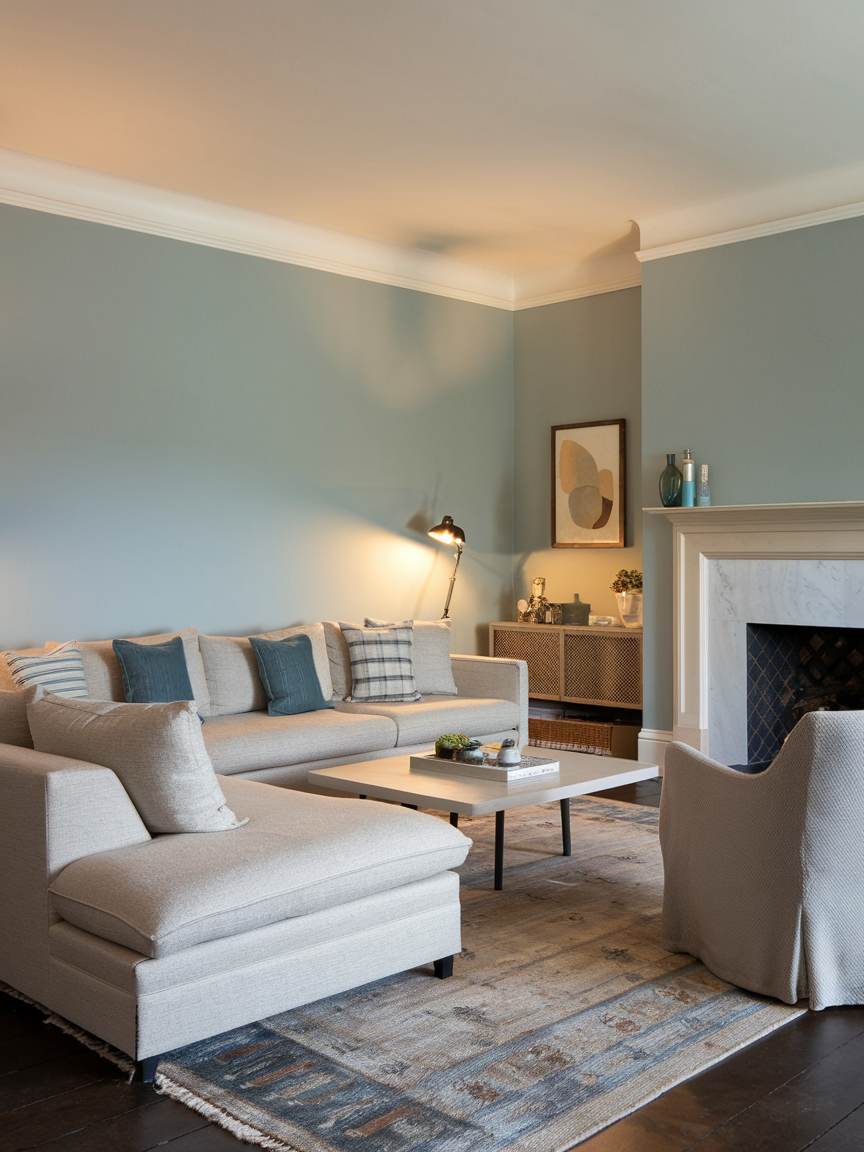
Accent walls can be an effective way to add depth and visual interest to a room without making it feel smaller. In a small living room, opt for a soft accent color, such as a muted blue, soft green, or light gray, that contrasts gently with the main wall color. This adds a subtle sense of depth and dimension, without overwhelming the space. A soft accent wall can highlight a feature in the room, such as a fireplace or a piece of artwork, making it a natural focal point while still maintaining an open, airy feel.
14. Try Reflective Wall Finishes

Reflective wall finishes, such as glossy paint, lacquered surfaces, or metallic wallpaper, can enhance the sense of space in a small room by reflecting light and making the walls appear less solid. These finishes help amplify the natural and artificial light in the room, creating a brighter, more open feel. The reflective surfaces add a touch of glamour and elegance, making the space feel more luxurious and expansive. Just be sure to use reflective finishes sparingly, as too much gloss can make the room feel sterile. Balance them with matte textures or soft fabrics for a cozy yet spacious effect.
15. Install Tall Bookcases or Display Units
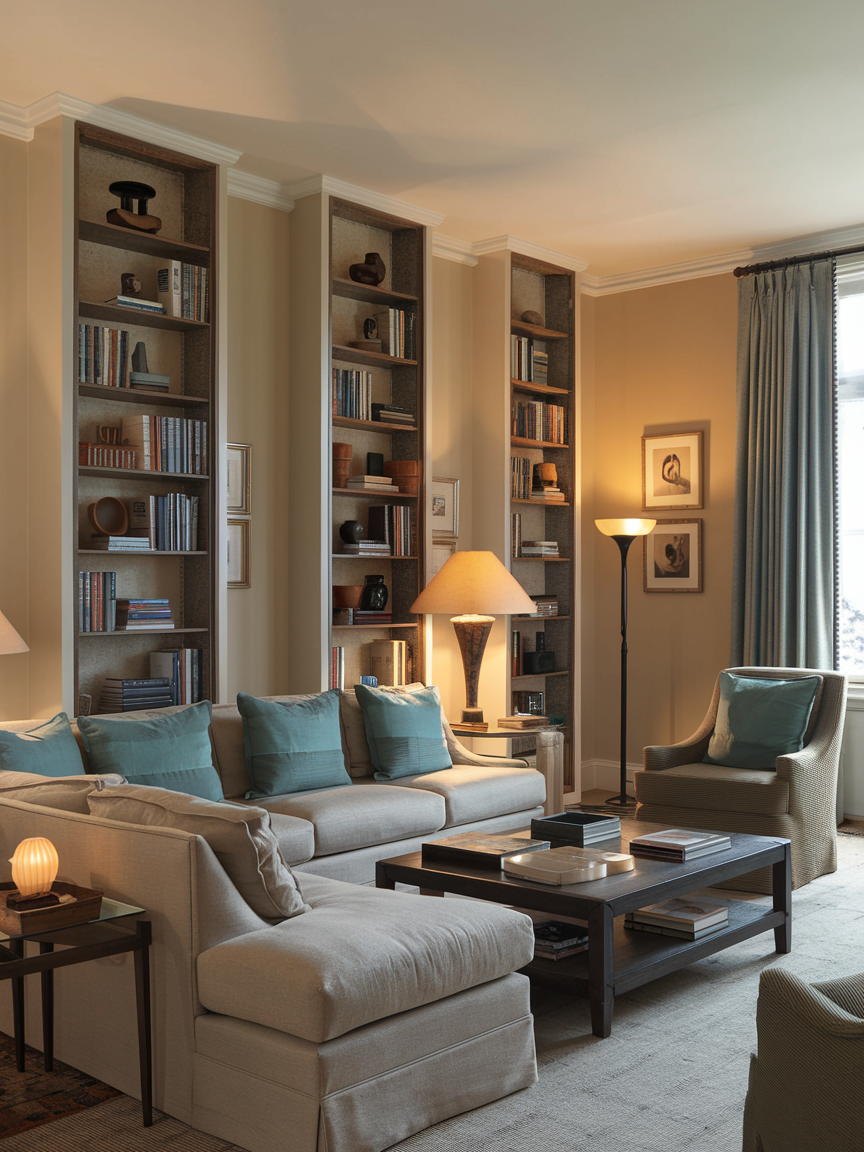
Tall, narrow bookcases or display units are excellent for small living rooms because they use vertical space rather than taking up valuable floor space. By adding storage that reaches upward, you keep the floor area open and free, which makes the room feel larger and more open. Additionally, these tall bookcases or display units can help keep clutter organized and off the floor, further enhancing the sense of space. Choose sleek, modern designs with open shelving to avoid visually overwhelming the room.
16. Use Stripes to Create Visual Height
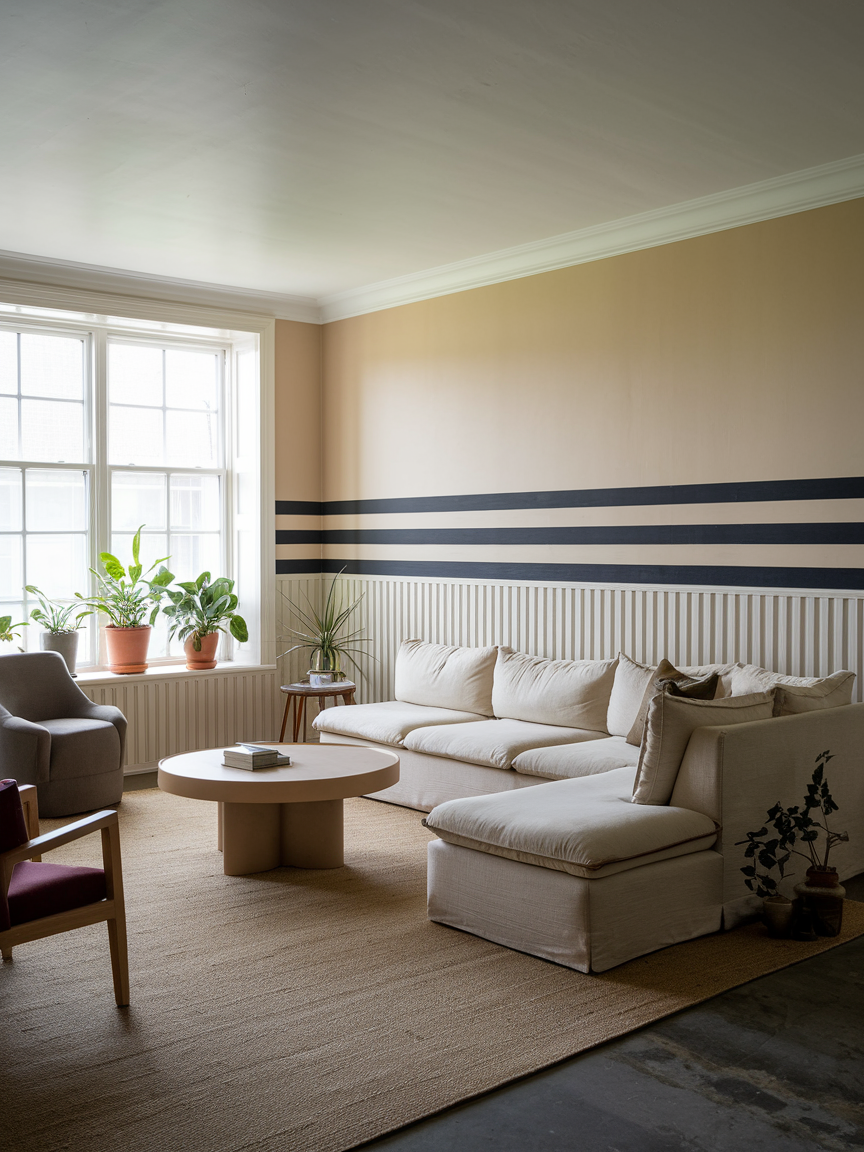
Vertical stripes on your living room walls can work wonders to visually elongate the space and make your ceilings appear higher. The stripes draw the eye upward, creating a sense of verticality that adds dimension to the room. The key is to choose subtle, light-colored stripes to maintain the airy feel of the space. You can opt for wallpaper with thin stripes or create a DIY paint design with painter’s tape. This technique is particularly effective in smaller living rooms where you want to break away from the boxed-in feel of low ceilings.
17. Choose Transparent Furniture
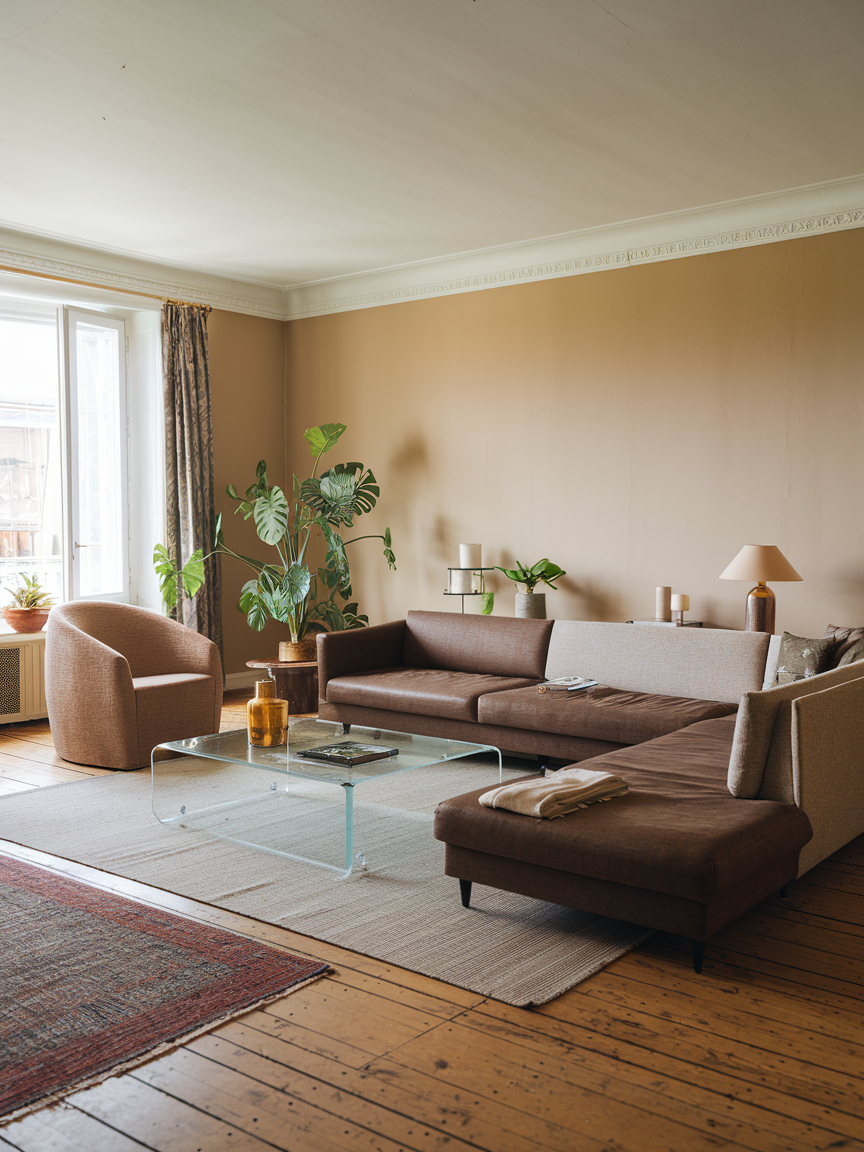
In a small living room, transparent furniture like glass coffee tables or acrylic chairs can make a dramatic difference in how spacious the room feels. Transparent furniture has minimal visual weight, which means your eyes can travel through the pieces, allowing you to see the space beyond them. This makes the room feel more open and airy, as it doesn’t obstruct the flow of light or block sightlines. In addition, transparent furniture often blends seamlessly with various interior design styles, from minimalist to modern, adding elegance without compromising space.
18. Play with Scale and Proportions
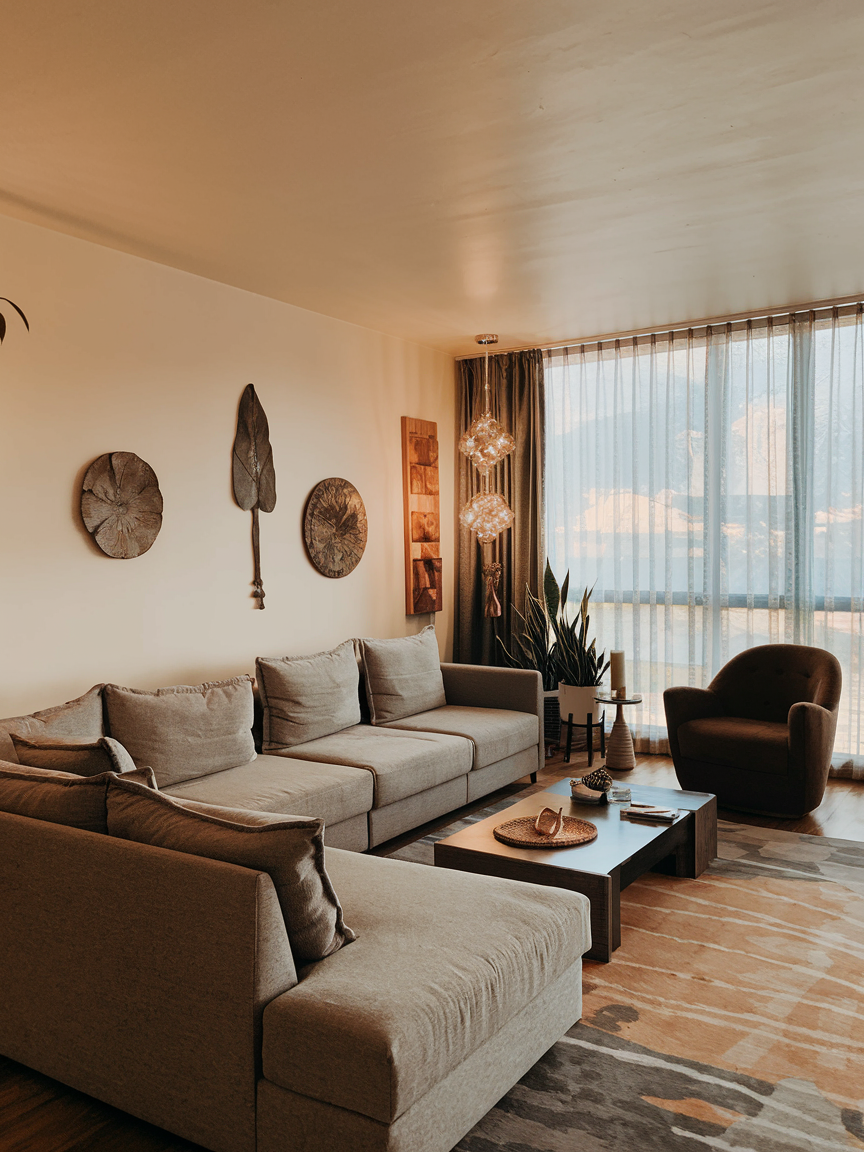
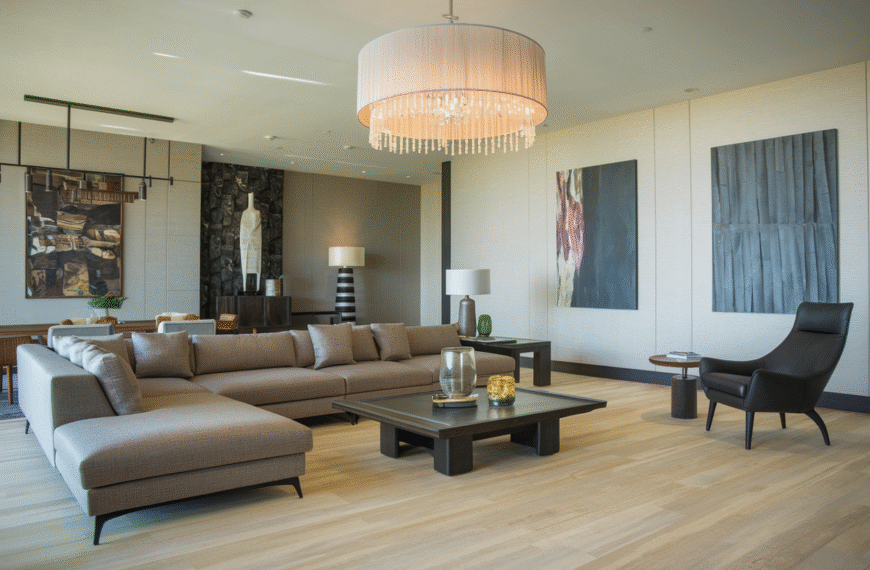
When decorating small living rooms, playing with the scale and proportions of your wall decor can make the space feel larger. Large pieces of art, oversized mirrors, or larger-than-life clocks make a bold statement and draw the eye upward or outward, taking focus off the room’s limited dimensions. Choosing one or two large-scale pieces, rather than many small items, creates a sense of grandiosity that tricks the eye into thinking the room is more expansive. Just be sure not to overwhelm the walls with too many large items—balance them out with more minimalistic decor on other walls.
19. Use Neutral Color Schemes for Wall Decor
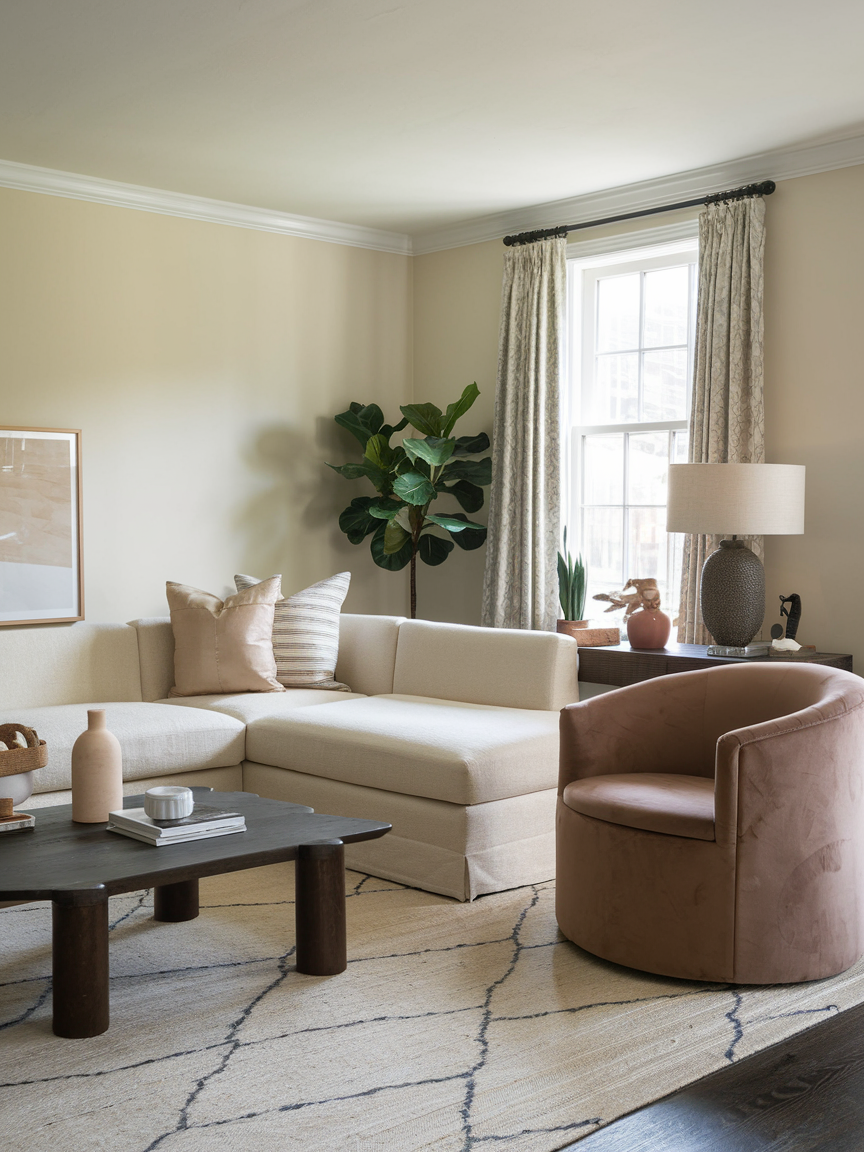
Neutral color schemes, such as beige, soft taupe, and off-white, can significantly expand a small living room. These colors act as a blank canvas, reflecting natural light and making the space feel airy and open. They also make a room feel calm and serene, helping to reduce visual clutter and distractions. You can pair neutral walls with pops of color through accessories like throw pillows, rugs, or small accents to keep the space from feeling too sterile. The key to achieving a spacious feel is the seamless transition between the neutral walls and the other design elements in the room.
20. Use Floating Desks and Consoles
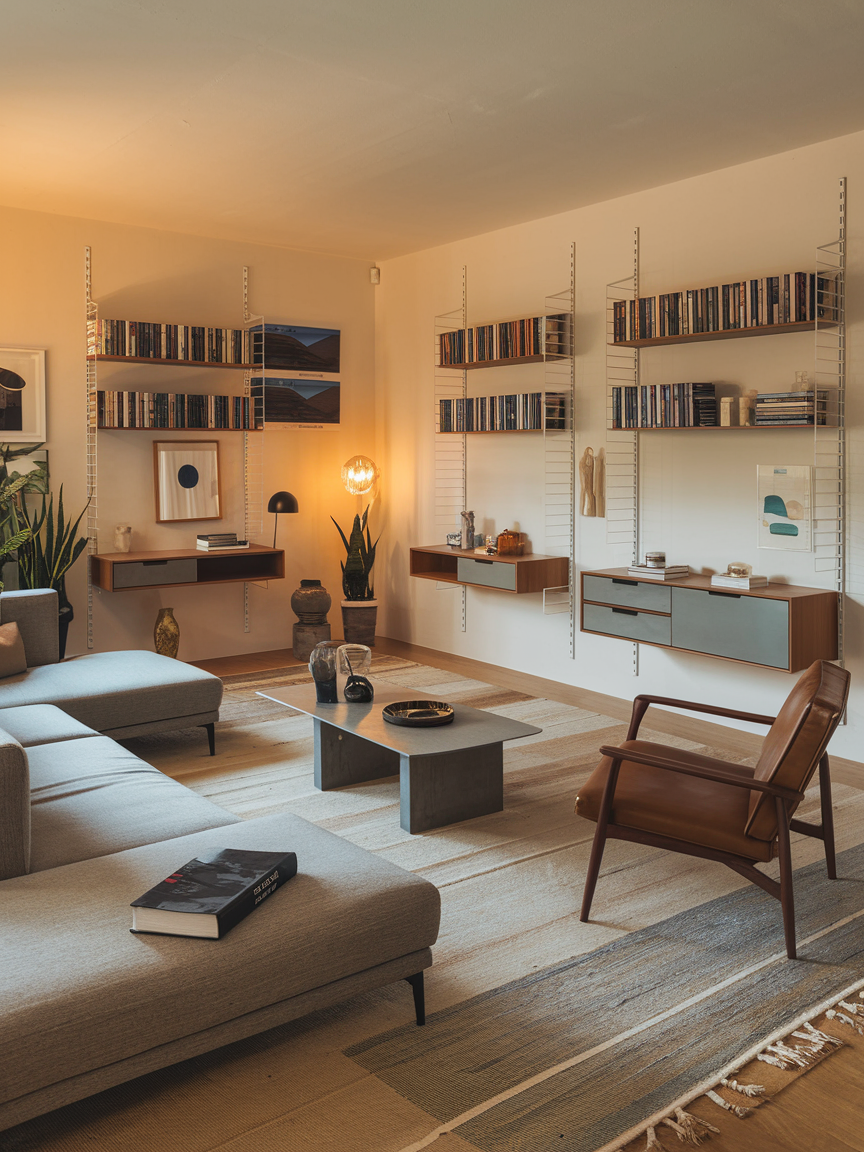
Another great trick for small living rooms is to opt for floating desks and consoles. These pieces of furniture are mounted to the wall and don’t have legs, which creates more visible floor space and gives the room a lighter, airier feel. Floating furniture can be both functional and stylish, providing necessary storage or workspace without adding bulk. Choose sleek, minimal designs to avoid overwhelming the room, and keep the decor on these pieces light to maintain the open, uncluttered aesthetic.
21. Hang Artwork in a Grid Formation
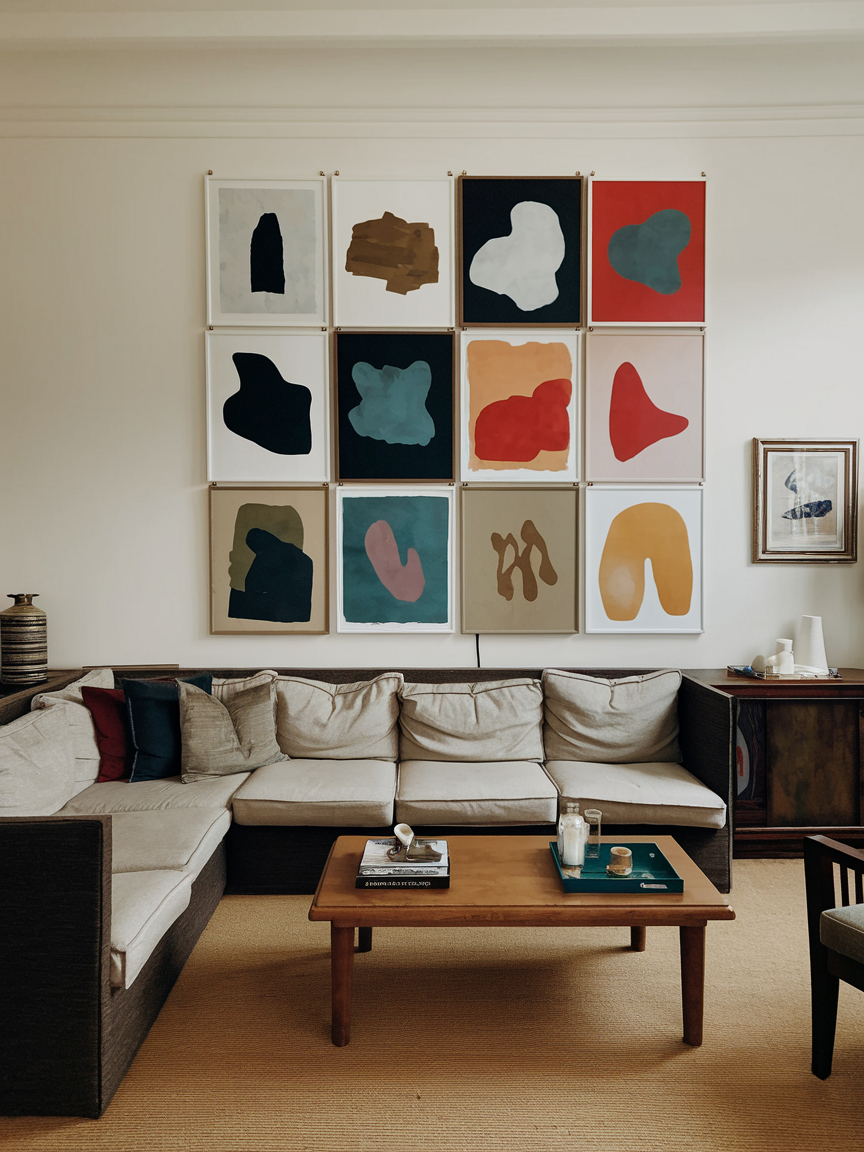
Instead of hanging artwork in a random arrangement, consider creating a grid-like structure for your wall art. A grid of smaller pieces, arranged symmetrically, can make the room feel orderly and clean, while drawing the eye up and around the space. This technique makes the walls feel less crowded and visually more expansive. It also creates a sense of organized structure, which can make the space feel larger and more balanced. If the room is especially small, consider sticking to a single color palette for the artwork to maintain the feeling of openness and cohesion.
22. Install Wall-Mounted Lighting
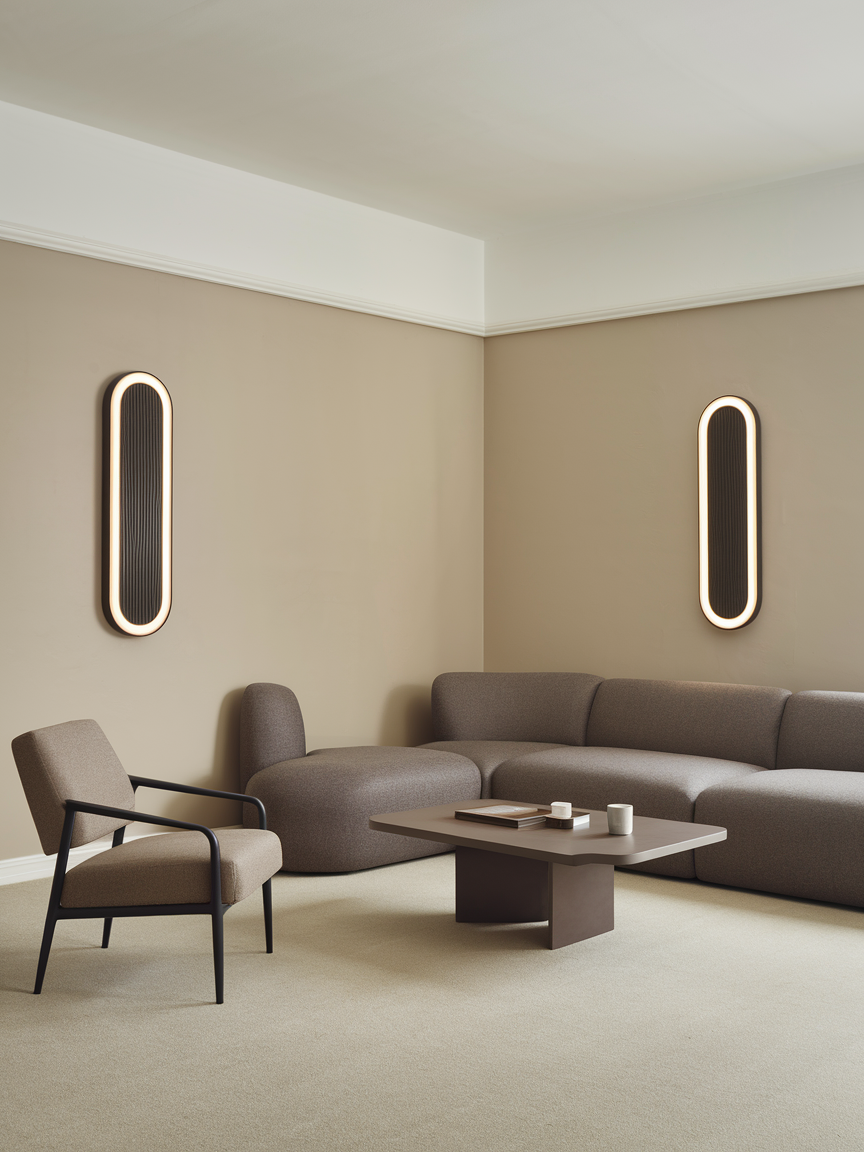
Wall-mounted lighting, such as sconces or adjustable reading lights, not only provides functional illumination but also saves space on the floor. By freeing up table and floor space, you create a more open environment in the living room. Wall-mounted lighting also offers the opportunity to highlight artwork or architectural features, helping to create focal points without adding clutter. Additionally, consider using dimmable wall sconces that can adjust the mood and lighting intensity, making the room feel both spacious and cozy depending on the time of day.
23. Incorporate Open Shelving
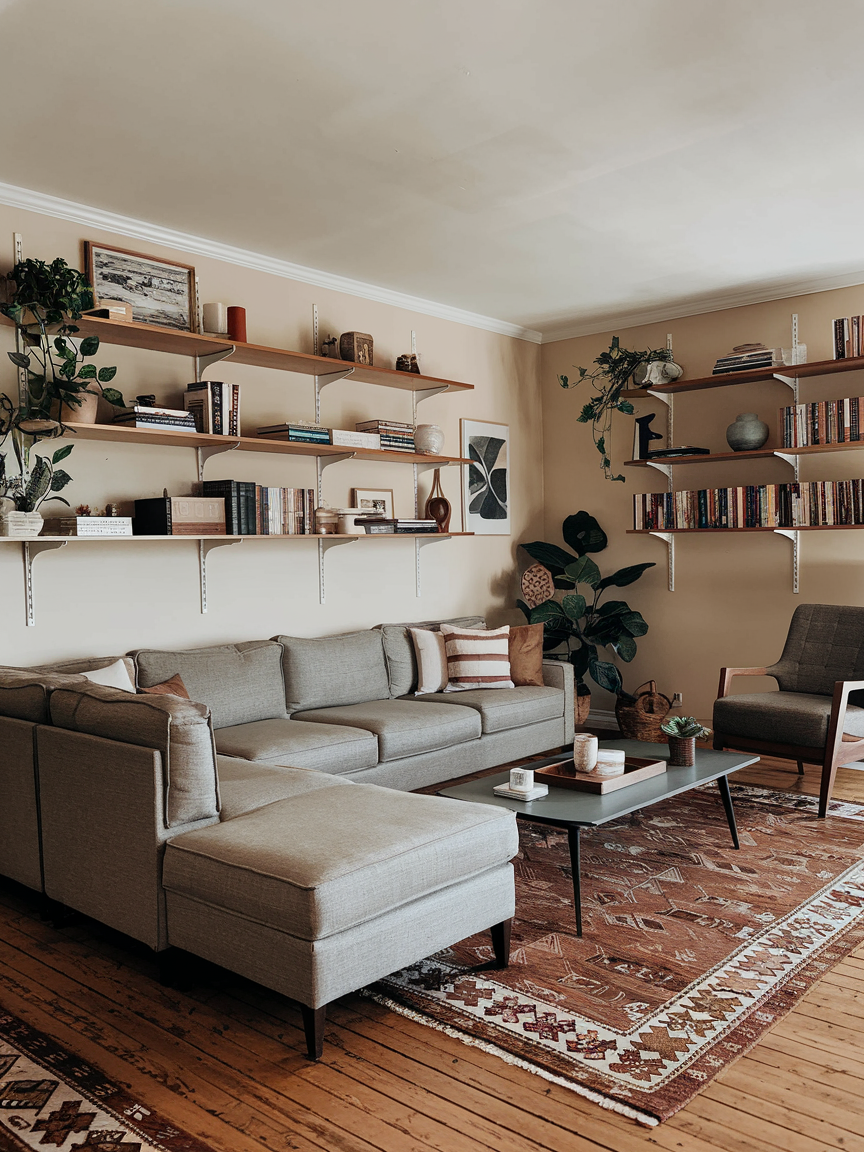
Open shelving is another way to make your living room appear larger. By using open shelves instead of closed cabinets, you allow for more visual space, and the absence of heavy, bulky furniture allows light to flow freely through the room. Open shelving can be used to display your favorite books, plants, or decorative items, but be sure to keep the shelves organized and not overstuffed. This prevents the space from feeling chaotic, which can have the opposite effect and make the room appear smaller.
24. Add a Horizontal Accent Wall
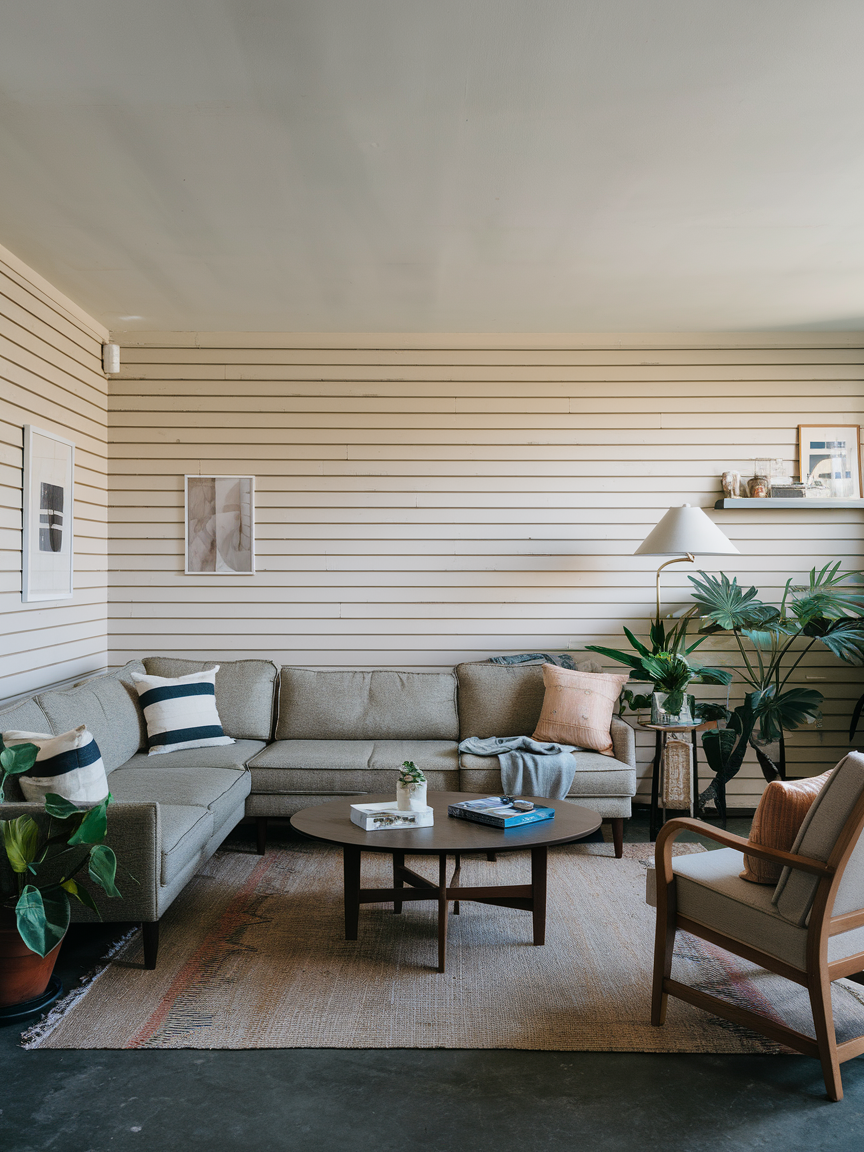
While vertical stripes can create the illusion of height, horizontal stripes or accent walls help expand the width of a room. This trick is particularly effective in narrow living rooms, as it visually broadens the space and creates the illusion of more width. Choose soft, light colors for the horizontal stripes or an accent wall, and pair them with neutral tones to avoid overwhelming the room. Horizontal lines naturally draw the eye across the room, making it feel more open and expansive. You can experiment with different materials for this, from paint to wallpaper or wood panels.
25. Opt for Slim Wall-Mounted TV Units
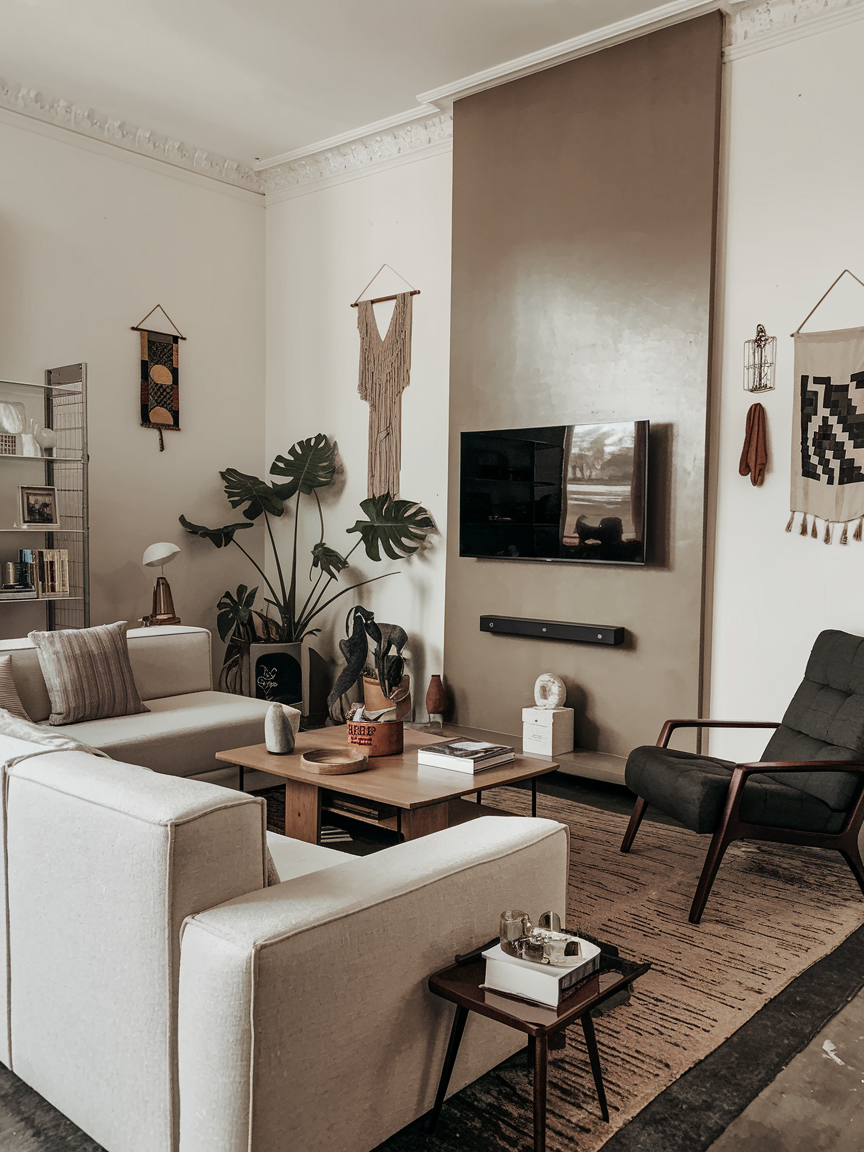
Traditional TV units can take up a significant portion of the floor space, making a small living room feel cramped. Slim, wall-mounted TV units are a fantastic solution, as they free up floor space and create a more streamlined look. These units are minimalist in design and often include floating shelves or hidden storage, which reduces visual clutter. By keeping the TV mounted on the wall, the room remains open, and the focus shifts away from bulky furniture and towards the surrounding design elements.
26. Use Minimalist Wall Clocks
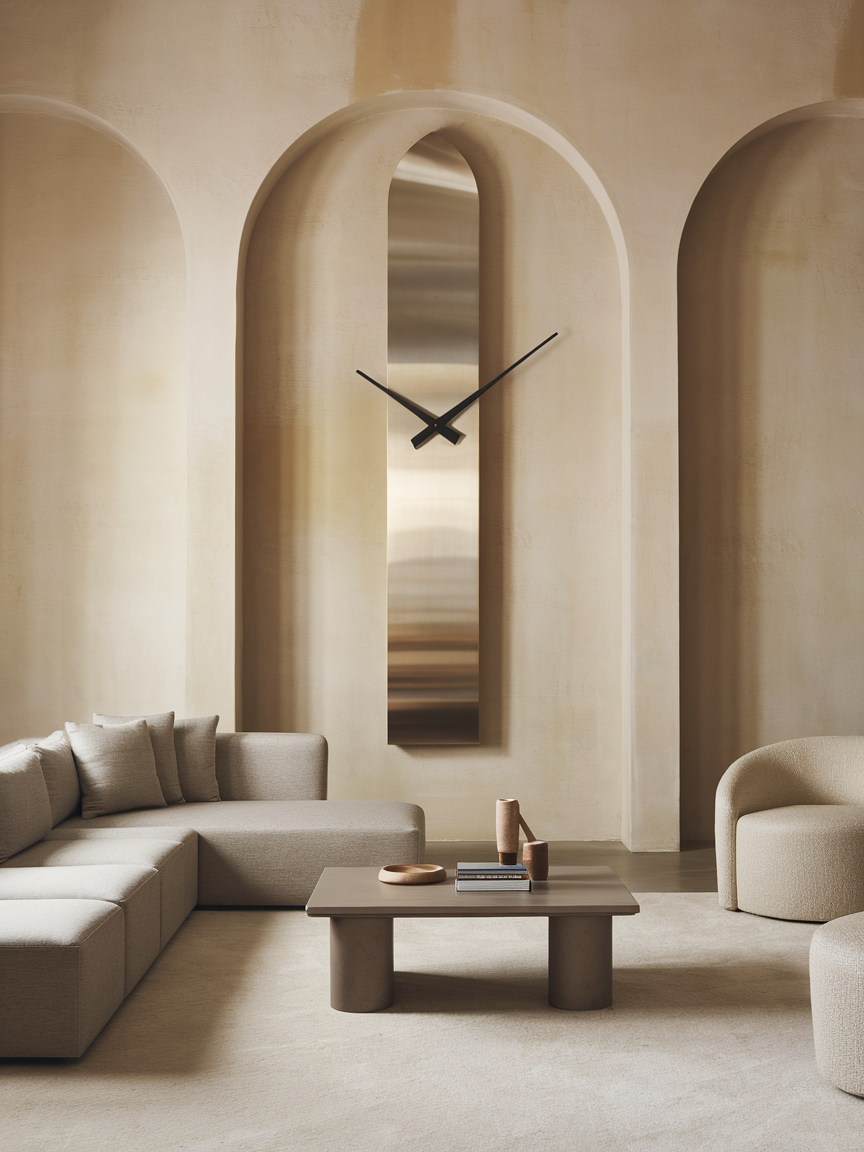
A large, bold wall clock is both a functional and stylish addition to a living room, but it can also help make the space feel bigger when done right. Opt for a minimalist, sleek design in light colors or metallic finishes. Avoid overly ornate or large clocks that might overwhelm the space. The clock’s simple design will add sophistication without crowding the room. Positioned thoughtfully on a feature wall, it can serve as an elegant focal point while maintaining the open and airy feel of the room.
* The wall decor tricks you’ve just explored show how simple changes can create a big visual impact. More inspiration is always just around the corner to help you reimagine your home with comfort and creativity in mind.