A well-designed outdoor play area gives children a safe and exciting space to explore, imagine, and stay active right at home. Creating a dedicated area for play encourages creativity, supports healthy movement, and helps turn your backyard into a fun environment the whole family can enjoy. Thoughtful planning ensures the space feels engaging for kids while still complementing the overall look of your outdoor area.
Simple features like playhouses, swings, climbing structures, sensory zones, and shaded seating can make the space both functional and inviting. Soft ground materials, organized storage, and durable outdoor décor help maintain safety and comfort while keeping the area neat and visually appealing. Natural elements such as greenery, sand, or water play features add variety and encourage hands-on learning through everyday play.
This curated collection showcases creative ways to design outdoor spaces that balance fun, safety, and style. Let’s get inspired by these charming kids’ play area ideas to transform your outdoor space into a place for laughter, movement, and imagination!
1. Backyard Playhouse Corner
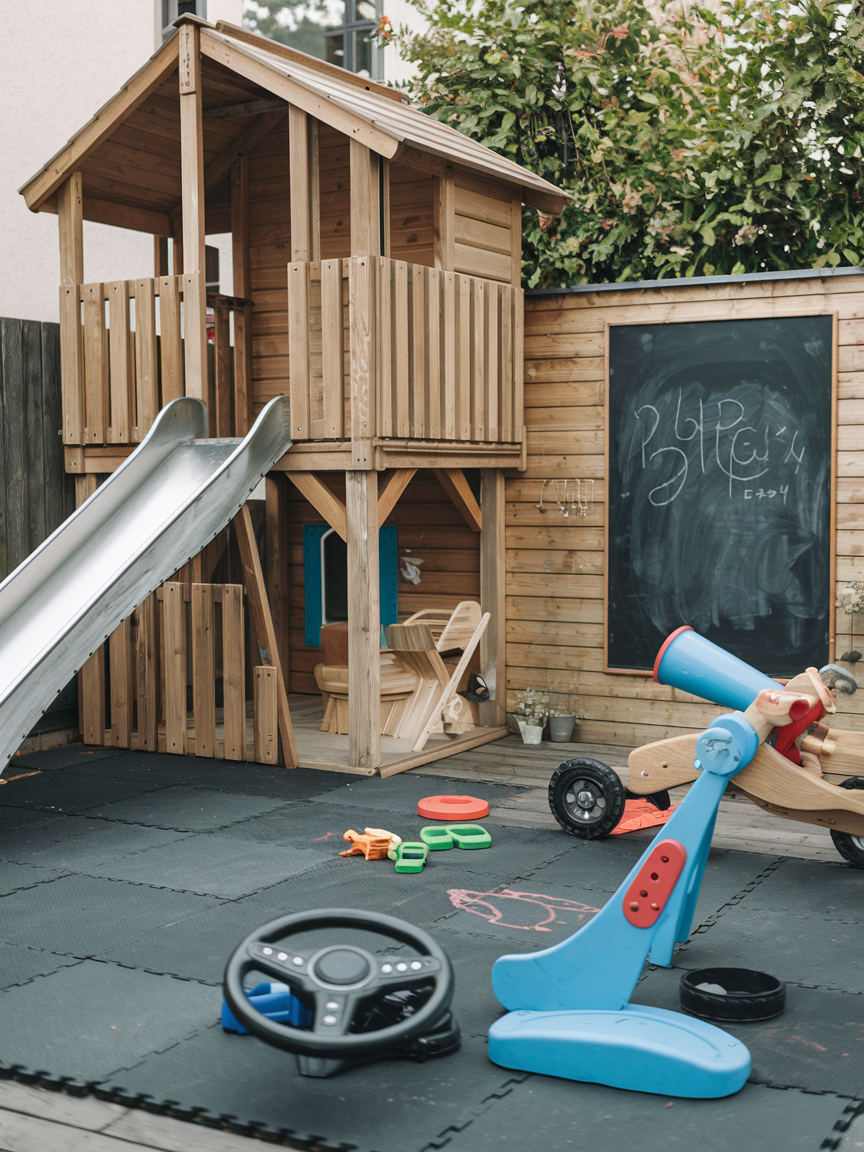
A small outdoor playhouse creates a magical space where children can imagine, role-play, and enjoy independent play. Choose a wooden or weather-resistant structure that blends with your garden style, and decorate it with curtains, mini furniture, or soft outdoor cushions. Position the playhouse on a safe surface such as rubber mats, grass, or artificial turf to reduce impact during active play. Adding a small pathway, flower pots, or a chalkboard wall enhances the charm while encouraging creativity. A playhouse corner becomes a special retreat that supports imaginative play and gives children a sense of ownership over their outdoor environment.
2. Sandbox Adventure Zone
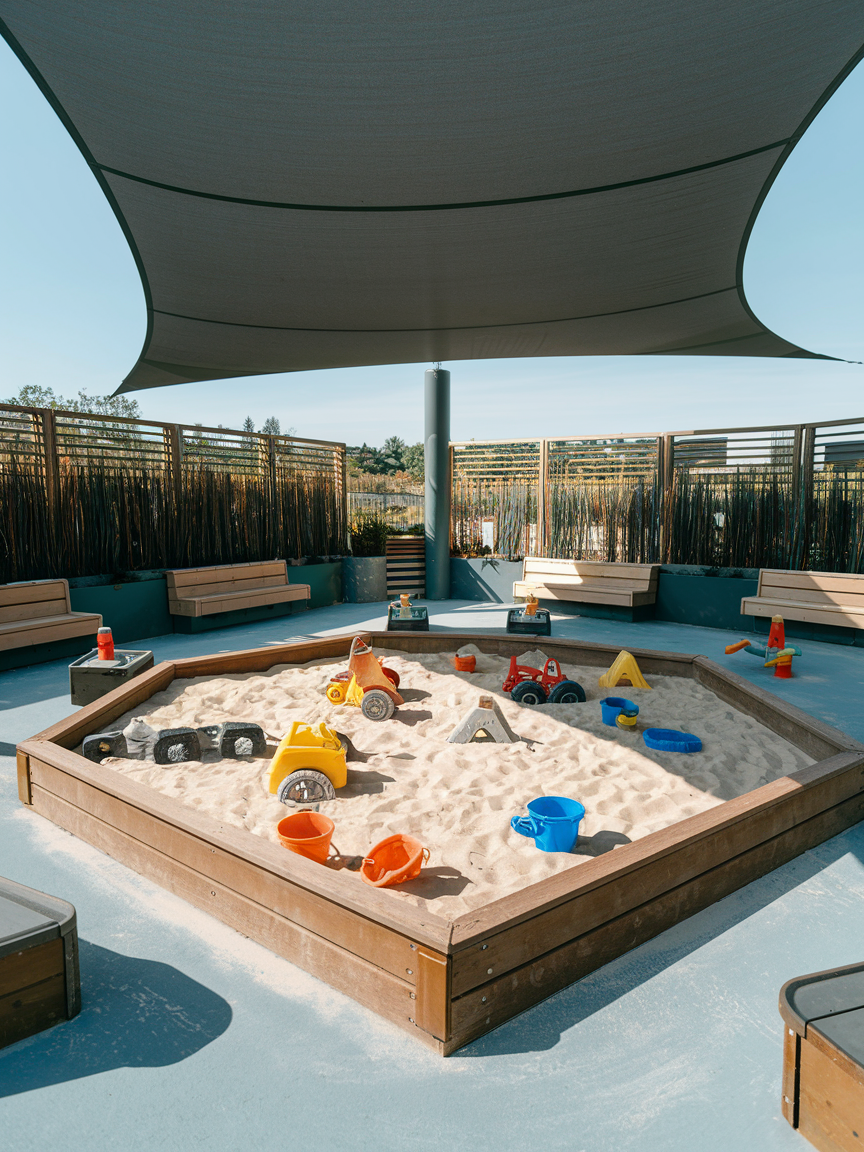
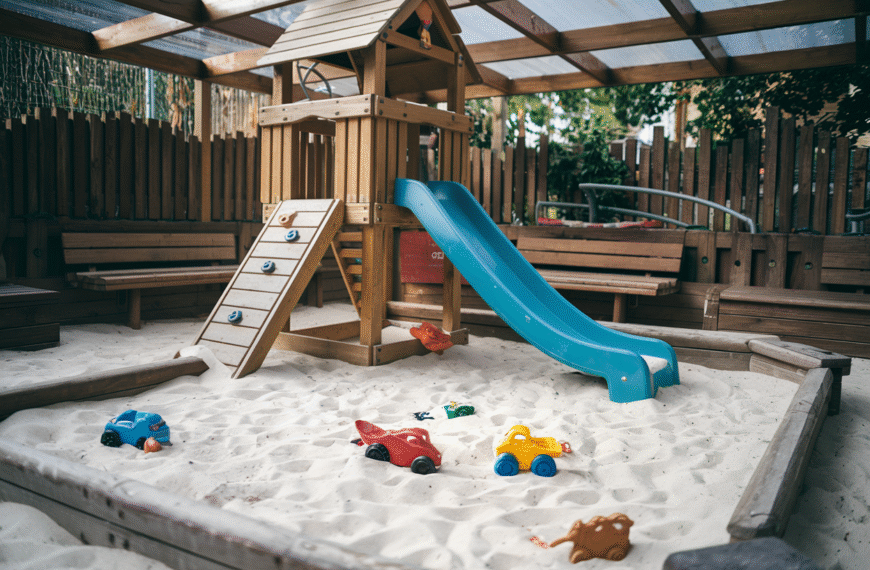
A sandbox offers endless opportunities for creative and sensory play. Build a simple wooden frame or use a ready-made sandbox with a secure cover to keep the area clean. Fill it with high-quality play sand and provide tools such as buckets, molds, and toy construction vehicles. Surround the space with seating for supervision and add shade using a canopy or umbrella to protect children from direct sunlight. Placing the sandbox on a level surface improves safety and stability. This type of play area encourages hands-on exploration, fine motor skills, and hours of quiet, focused outdoor fun.
3. Climbing Wall Play Corner
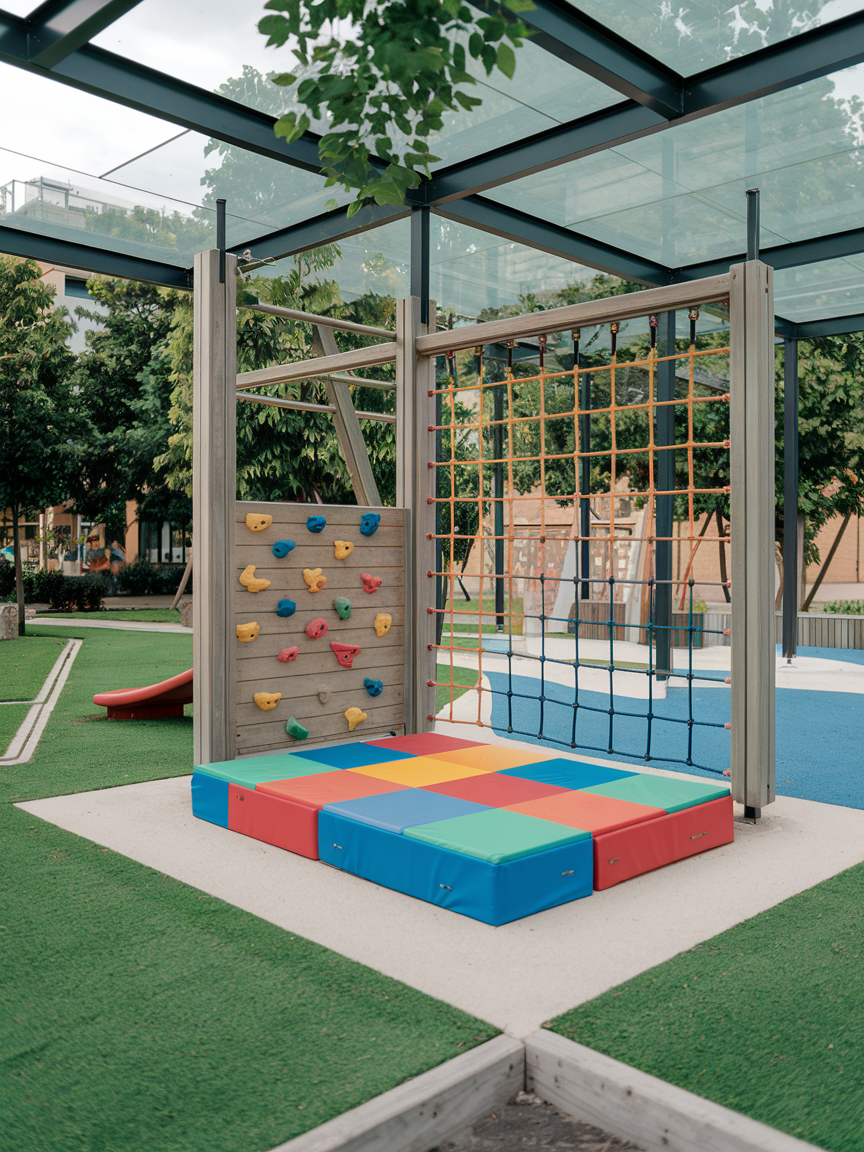
A small outdoor climbing wall provides a fun physical challenge that builds strength and confidence. Attach climbing holds to a sturdy wooden frame or fence and keep the height appropriate for your child’s age. Install soft landing materials such as foam mats, rubber tiles, or thick turf below for added safety. Brightly colored holds can make the space more visually engaging and inviting. This type of activity promotes coordination, problem-solving, and active play while giving energetic children a healthy outlet for movement in a controlled environment.
4. Multi-Activity Flexible Play Space
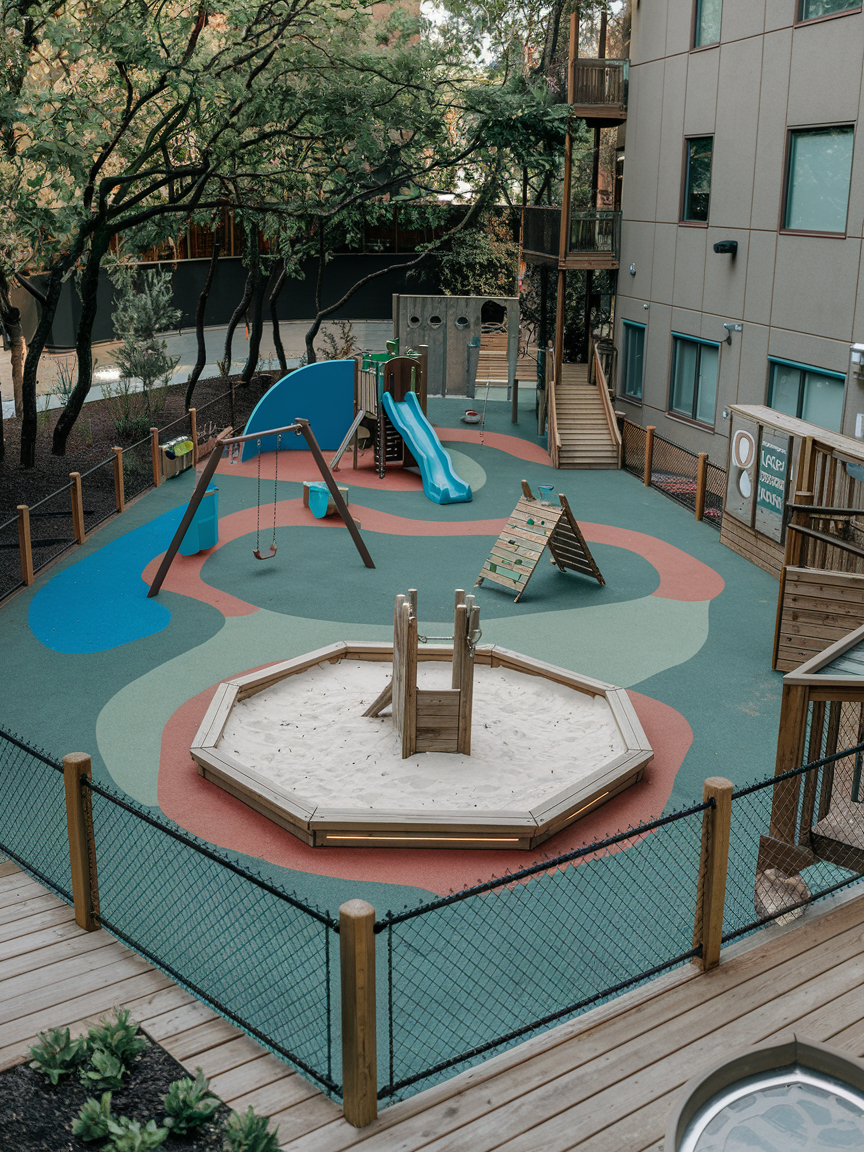
Designing an open, flexible area allows your backyard to adapt as children grow and their interests change. Keep the central space clear of permanent structures so it can be used for ball games, dance practice, yoga, seasonal inflatables, or group activities. Durable grass, artificial turf, or rubber surfaces provide a safe and versatile foundation. Portable equipment such as cones, goals, or mats can be stored nearby and brought out as needed. A flexible layout prevents the yard from feeling crowded and ensures long-term functionality. This adaptable approach supports a wide range of activities, encourages creativity, and allows the outdoor space to evolve naturally with your family’s changing needs.
5. Nature Exploration Garden
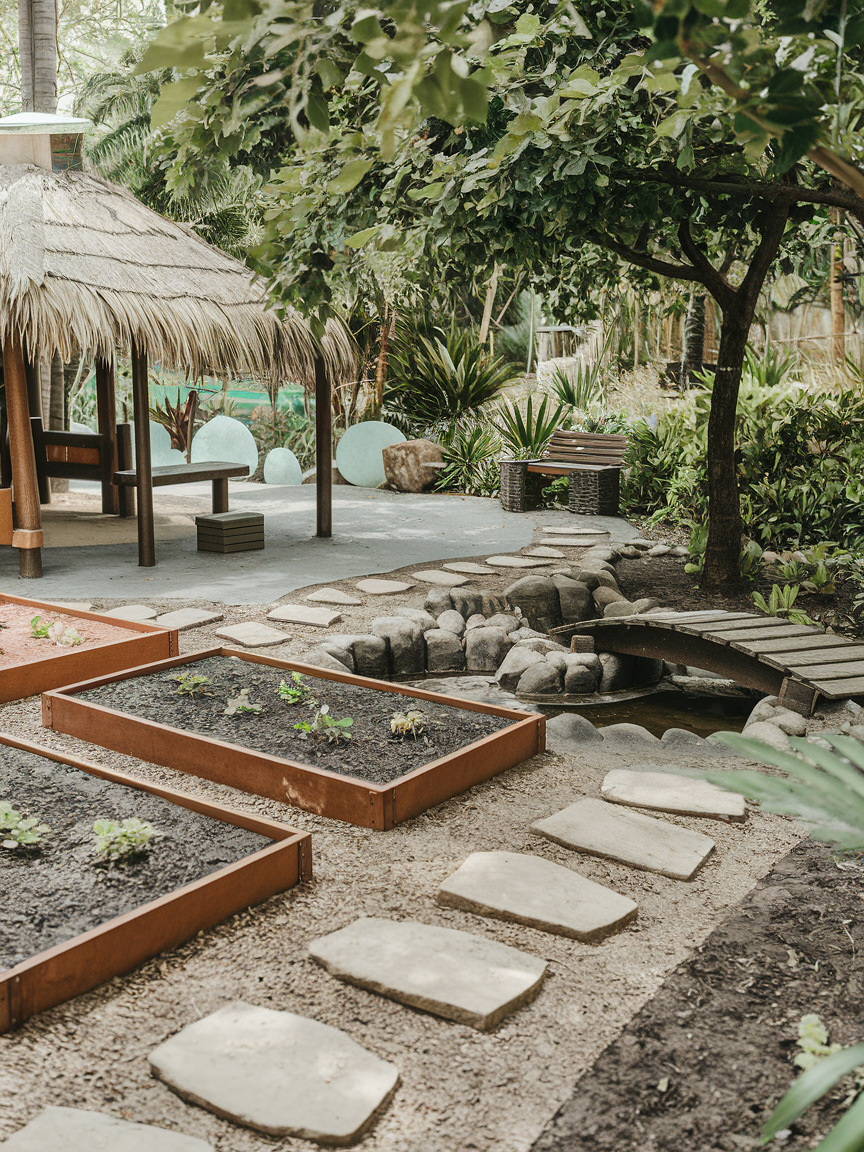
Turn part of your yard into a nature-focused play area where children can interact with plants, soil, and outdoor elements. Include raised garden beds, stepping stones, and a small watering station to encourage hands-on learning. Plant easy-to-grow herbs, flowers, or vegetables so kids can observe growth and seasonal changes. Add a small bench or shaded area for quiet observation and rest. A nature exploration space helps children develop curiosity, responsibility, and a deeper connection with the environment while adding a beautiful and educational feature to your backyard.
6. Outdoor Art and Craft Station
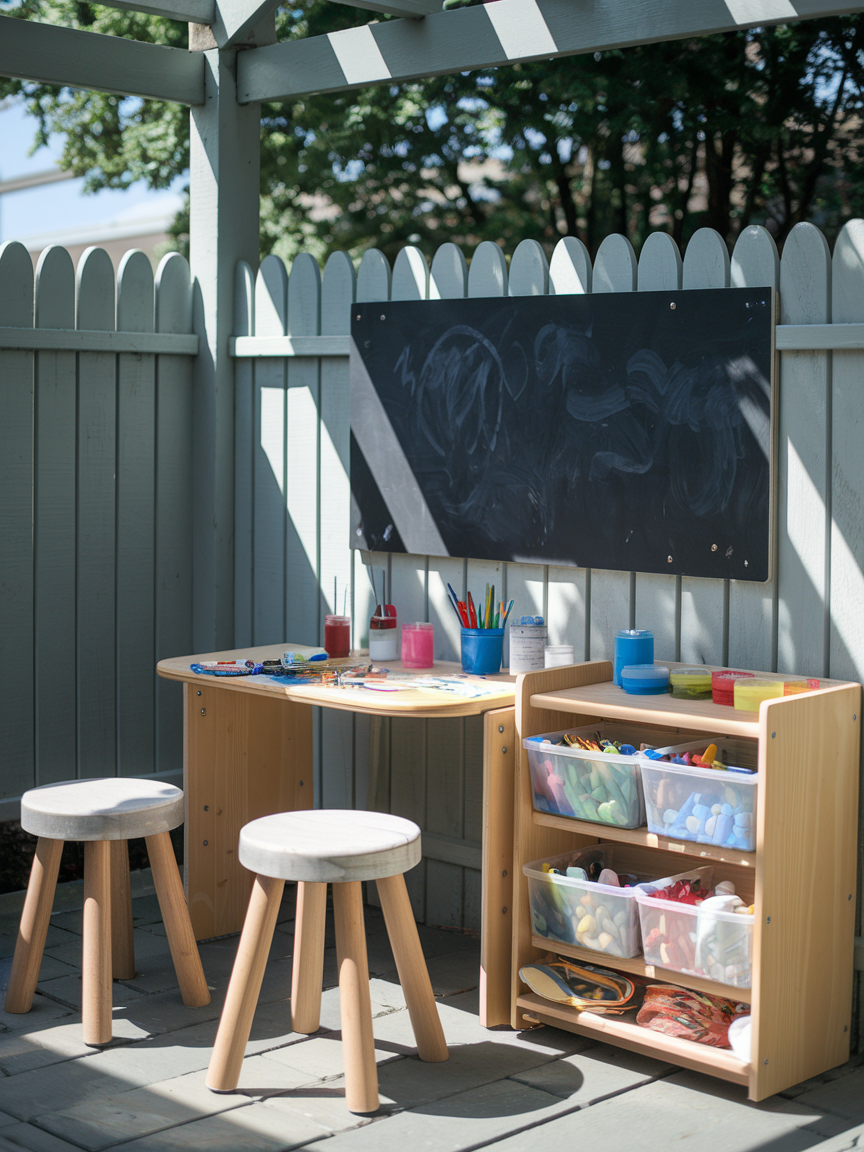
Create a weather-friendly art area with a small table, stools, and storage for washable paints, chalk, and craft supplies. Mount a chalkboard or paintable panel on a fence to give children a vertical surface for creative expression. Choose durable materials that can withstand outdoor conditions and keep supplies in waterproof containers. Position the station in a shaded area to make it comfortable for longer play sessions. This creative zone encourages artistic exploration while keeping messy activities outside and contained.
7. Mini Obstacle Course Area
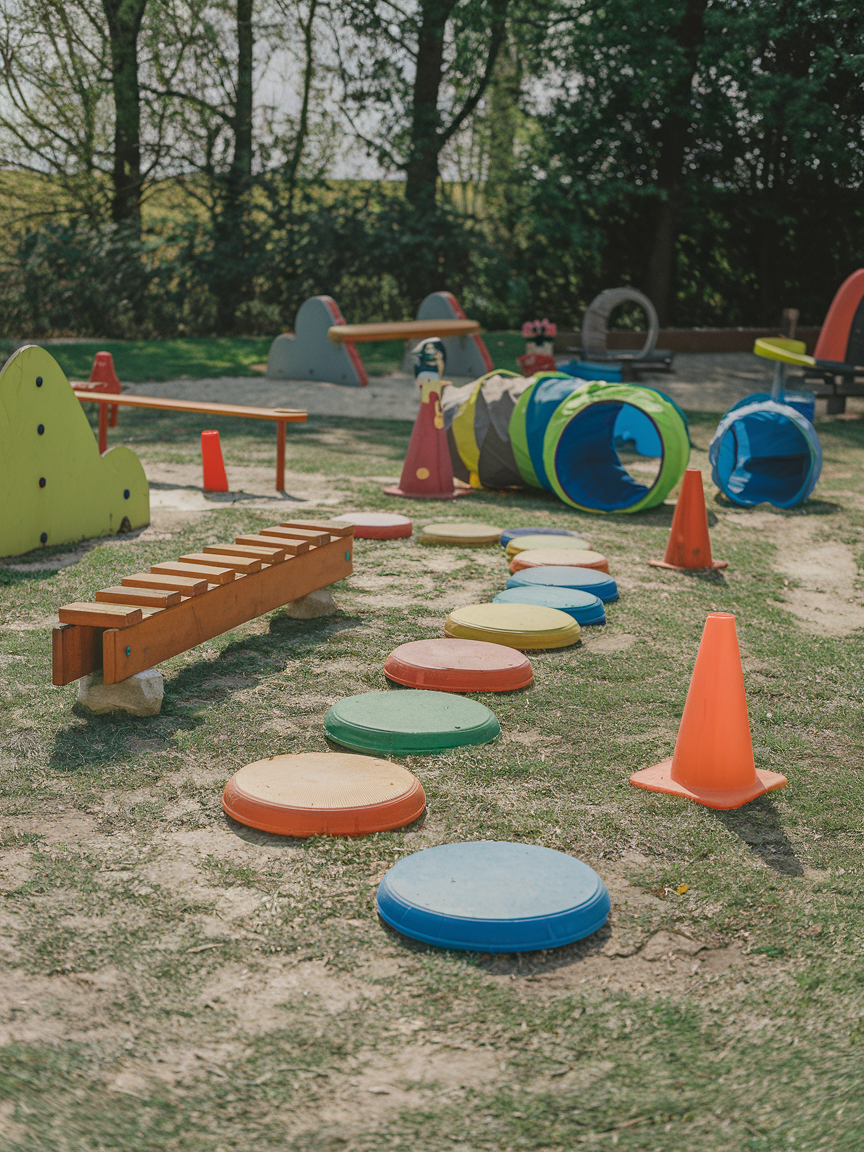
Design a simple obstacle course using balance beams, stepping stones, tunnels, and cones. Arrange the elements so they can be easily adjusted or rearranged for variety. Use soft ground coverings such as grass or foam mats to ensure safety. This type of setup promotes physical fitness, coordination, and problem-solving while keeping children active and engaged. A mini obstacle course also works well for group play, encouraging friendly challenges and social interaction.
8. Outdoor Reading Nook for Kids
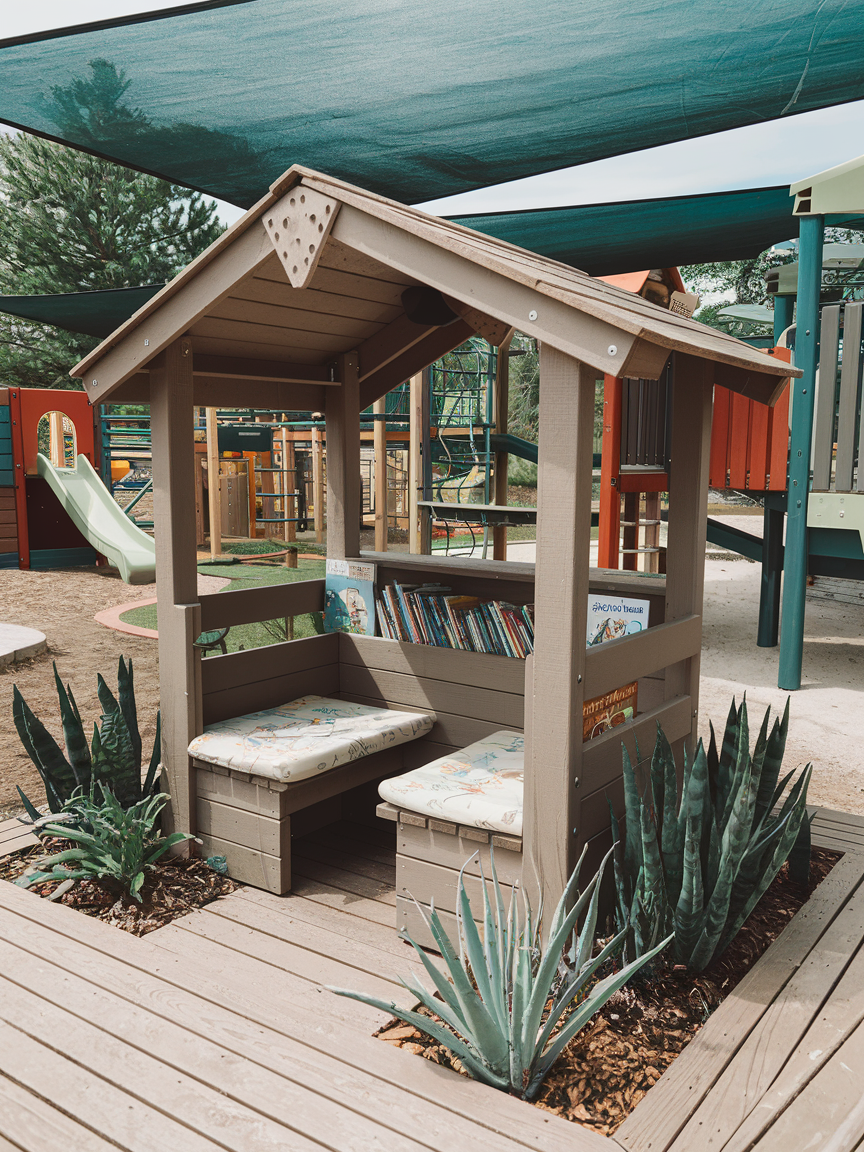
Create a quiet retreat with a small bench, weather-resistant cushions, and a shaded canopy. Add a storage box filled with books to encourage outdoor reading time. Surround the nook with plants or soft décor to create a calming atmosphere. This space provides balance to more active play areas and helps children develop a love for reading in a peaceful outdoor setting.
9. Water Play Zone
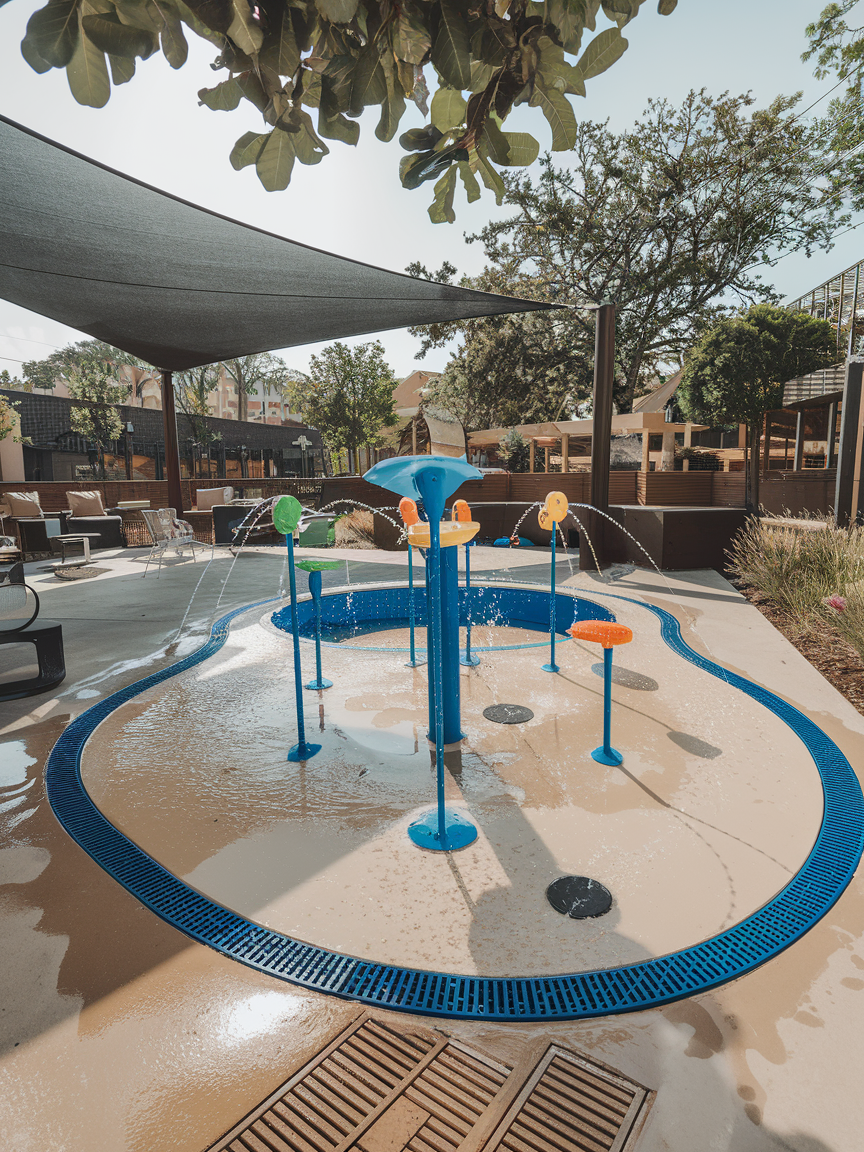
A designated water play area keeps summer fun organized and contained. Use a splash pad, water table, or small kiddie pool placed on a level surface. Ensure proper drainage and supervision at all times. Adding shade and non-slip mats improves comfort and safety. Water play encourages sensory exploration and helps children stay cool while enjoying active outdoor time.
10. Family Relaxation and Supervision Zone
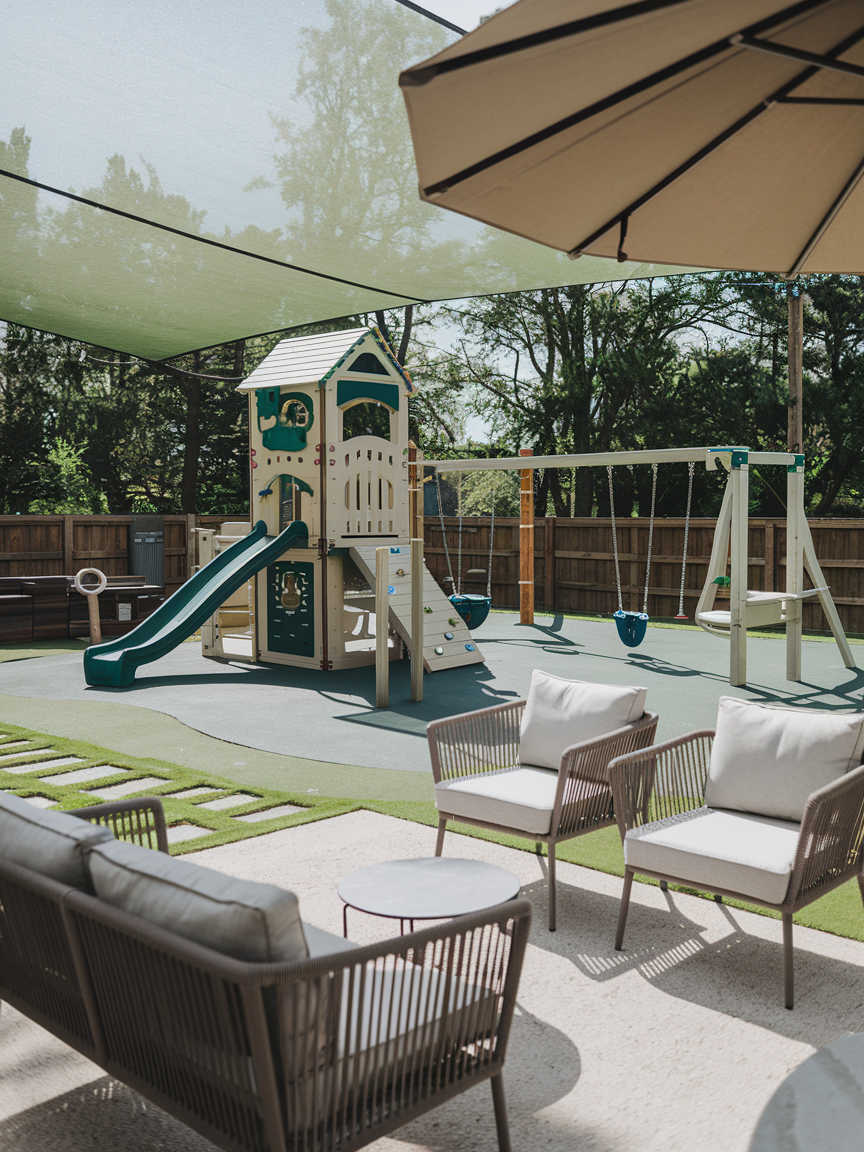
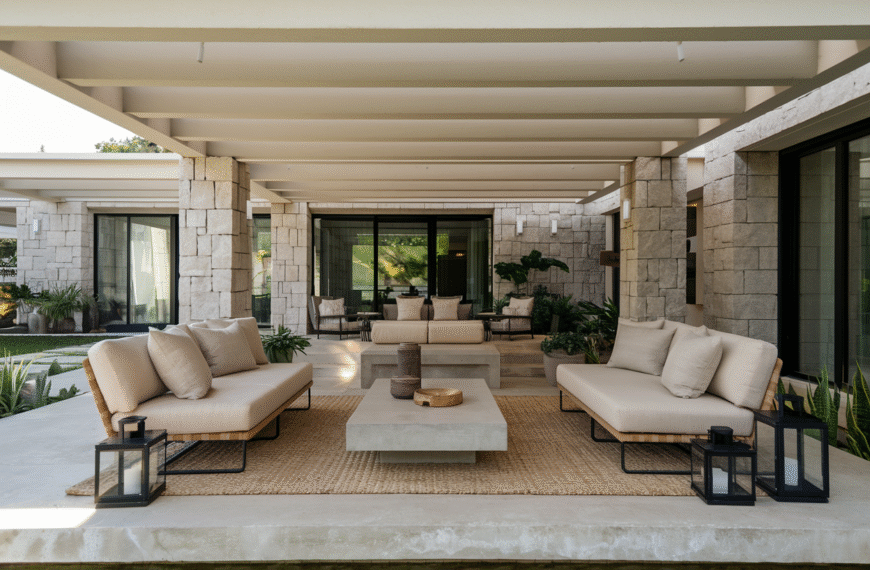
Including a comfortable seating area for adults ensures the outdoor play space works for the entire family. Place weather-resistant chairs, a small outdoor sofa, or a shaded bench within clear view of the main play areas. Adding side tables, cushions, or an umbrella creates a relaxing environment where parents can supervise while enjoying the outdoors. This shared space encourages longer outdoor time, family conversations, and casual gatherings. It also makes the backyard feel more like an extension of the home rather than a separate children-only zone. A well-designed supervision area improves safety, comfort, and overall usability for everyday family life.
11. Outdoor Tent or Teepee Area
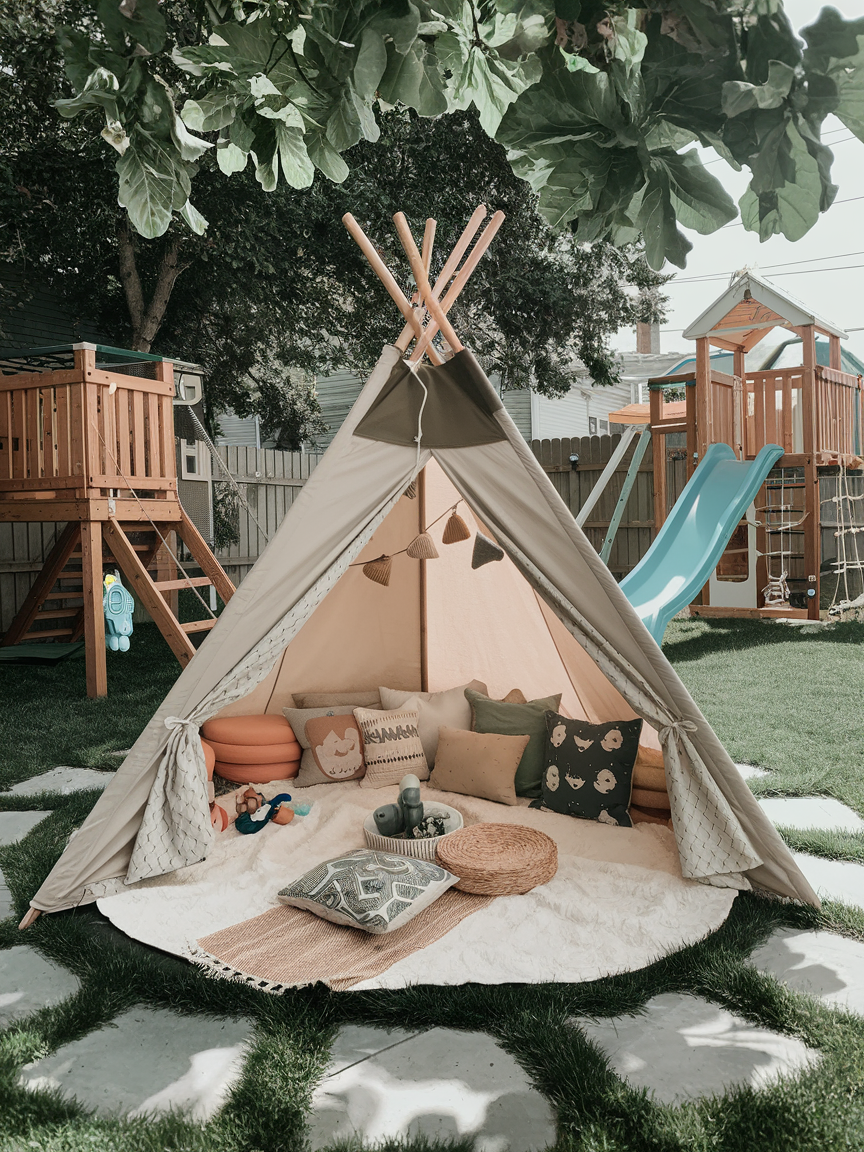
An outdoor tent or teepee creates a cozy hideaway where children can relax, play pretend, or enjoy quiet time. Choose a weather-resistant fabric and secure it properly to withstand wind and outdoor conditions. Inside, add soft cushions, a small rug, and a few favorite toys or books to make the space inviting. Position the tent in a shaded part of the yard to keep it cool and comfortable during the day. This type of play area encourages imaginative storytelling, independent play, and relaxation between active games. A charming teepee also adds a decorative touch to the backyard while giving children a special space that feels private and comforting.
12. Rope and Hanging Play Elements
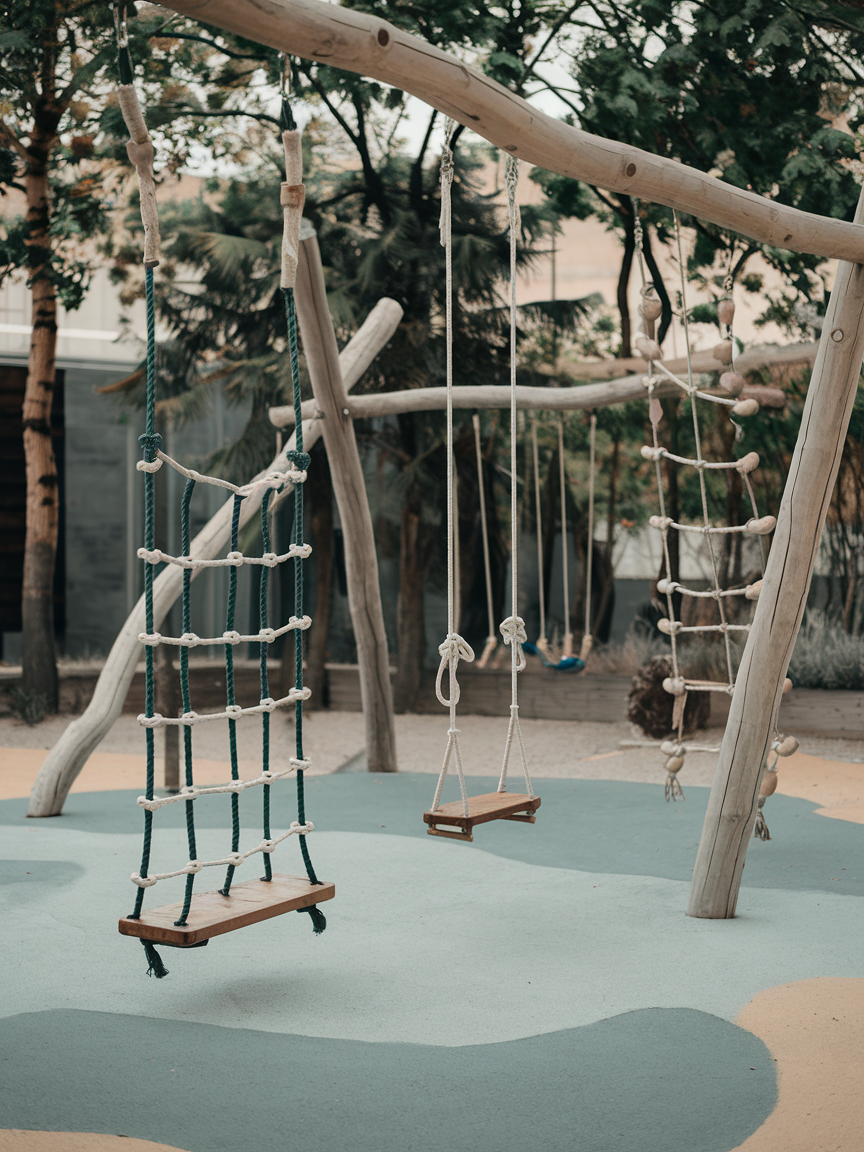
Rope-based play features such as climbing ropes, gentle rope swings, or hanging ladders provide an excellent way to build strength, coordination, and confidence. Install these elements securely on a sturdy frame, pergola, or mature tree, ensuring all hardware is professionally anchored and regularly inspected. Keep the height appropriate for your child’s age and place soft ground materials such as mulch, rubber mats, or thick grass underneath. Rope play encourages active movement and problem-solving while offering a more compact alternative to large playground structures. These features add a sense of adventure while maintaining a natural, minimal look that integrates well into landscaped outdoor spaces.
13. Outdoor Puzzle and Game Table
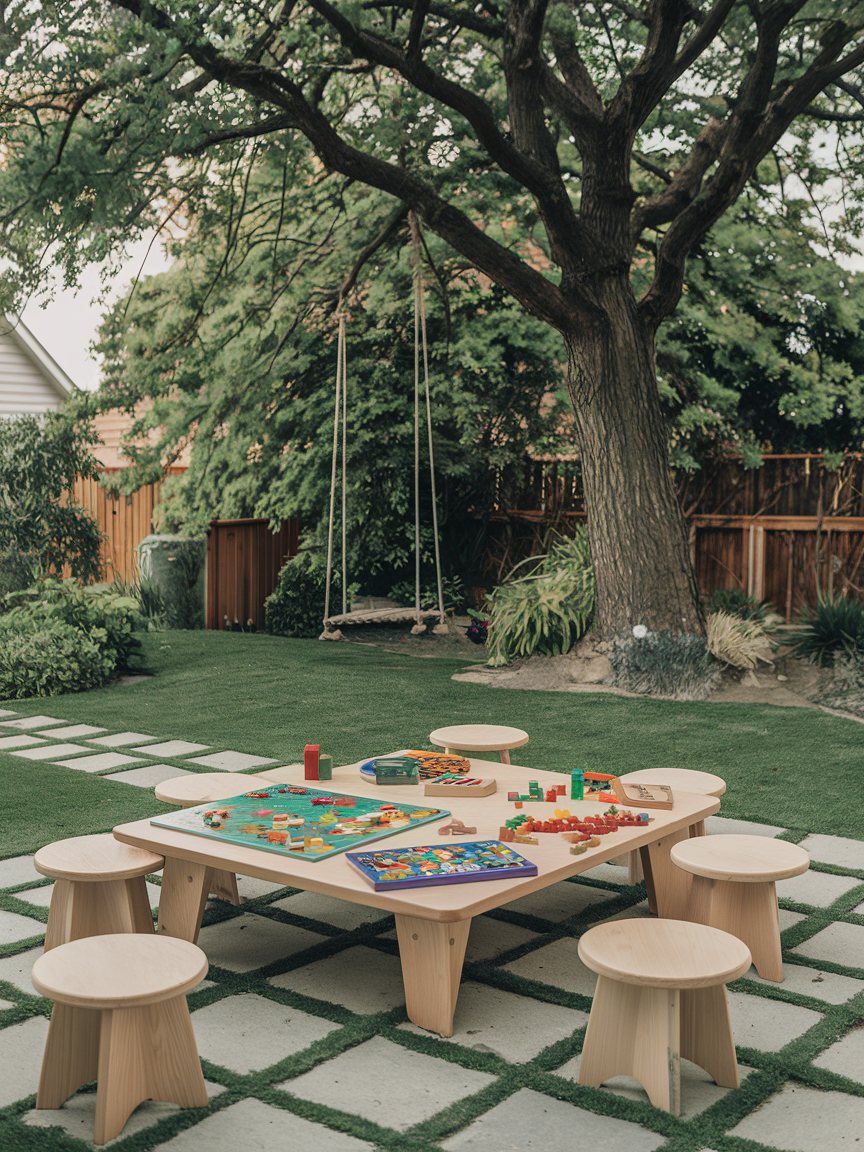
An outdoor table dedicated to puzzles, building blocks, and board games provides a calm activity zone that balances more active play areas. Choose a weather-resistant table and stools, and store materials in sealed containers to protect them from moisture and sun exposure. Position the table under a shade structure or umbrella, so children can comfortably focus for longer periods. This type of setup encourages problem-solving, concentration, and social interaction with siblings or friends. It also creates a space for family activities such as crafts, card games, or homework during pleasant weather. An outdoor game station adds versatility to the backyard and supports both quiet play and shared family moments.
14. Mud Kitchen Play Area
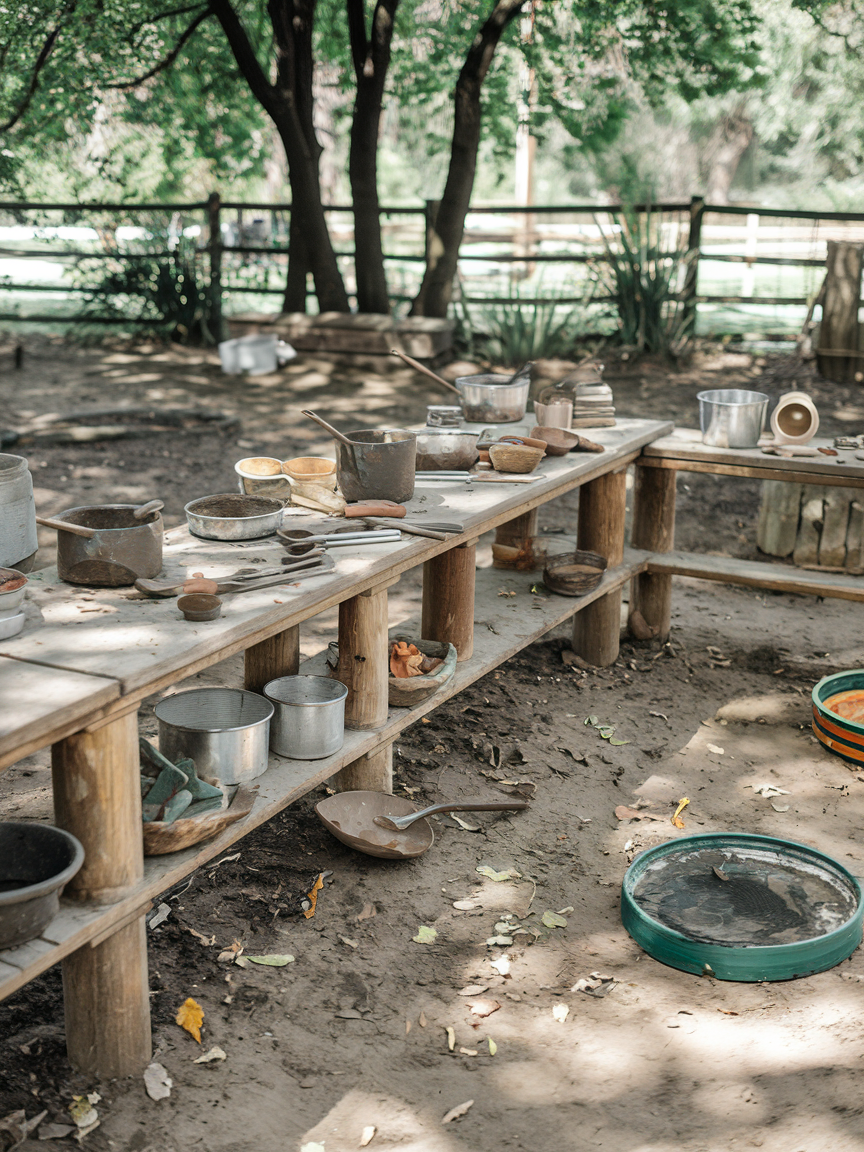
A mud kitchen allows children to mix water, soil, leaves, and natural materials for sensory-rich pretend cooking. Build a simple outdoor counter using reclaimed wood or a small weather-resistant table. Add old pots, spoons, bowls, and containers to enhance the experience. Position the area near a water source for convenience and place it on dirt, gravel, or easy-to-clean ground. This messy play encourages creativity, sensory exploration, and imaginative role-playing while keeping the rest of the yard clean and organized.
15. Shade-Covered Play Zone
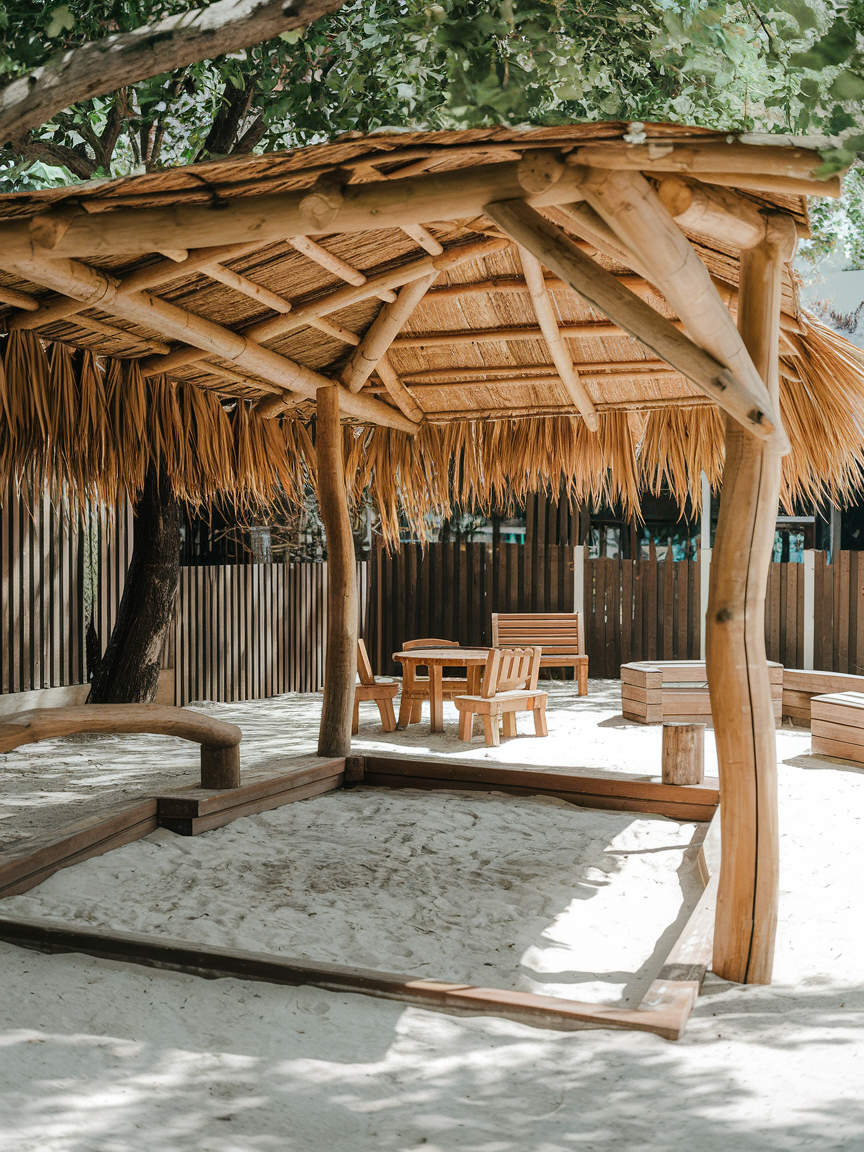
Providing shade is essential for comfortable outdoor play. Install a pergola, shade sail, canopy, or large umbrella over the main play area to protect children from direct sunlight. Under the shaded structure, place seating, activity tables, or soft play equipment. This setup allows kids to enjoy the outdoors for longer periods while staying cool and protected. A shaded play zone also makes the backyard more functional during warmer months and adds a structured, visually appealing element to the overall design.
16. Sensory Pathway Adventure
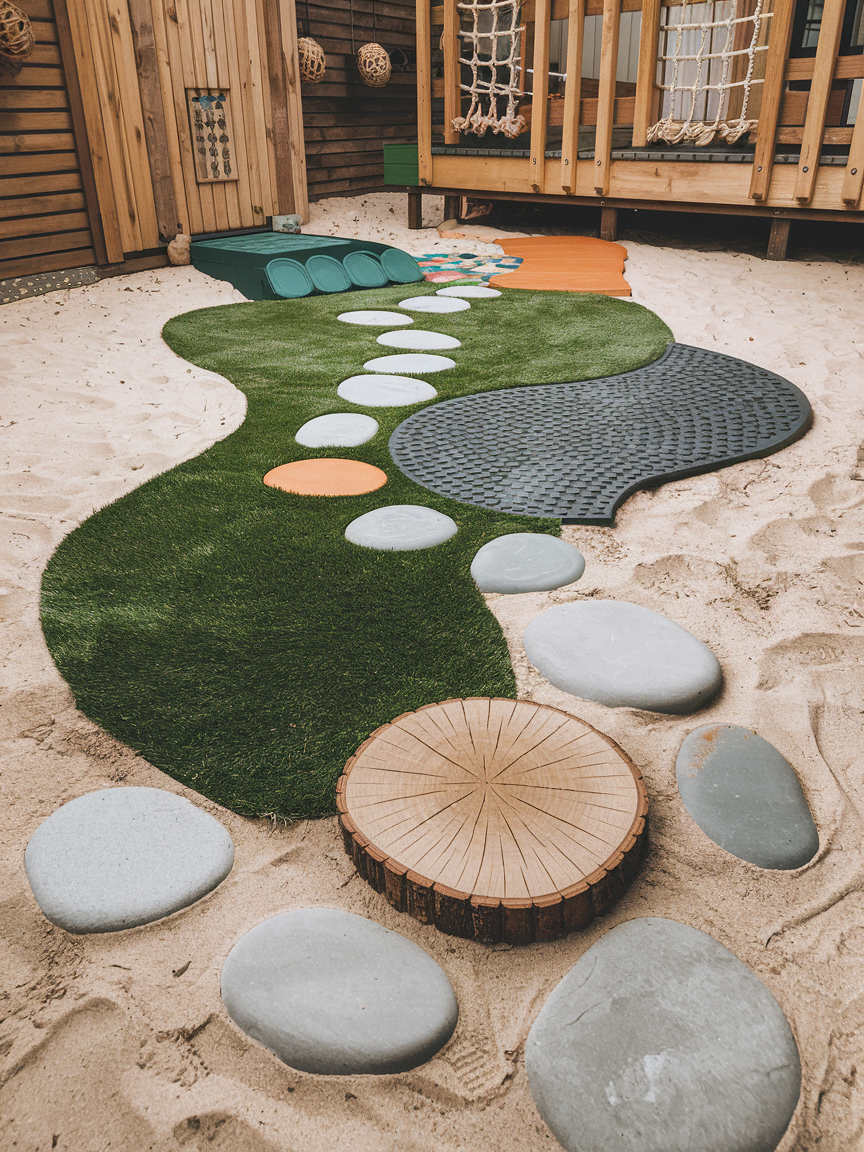
Create a sensory walkway using different textures such as smooth stones, wood slices, artificial grass, rubber mats, and sand sections. Arrange the materials in a safe path that children can walk on barefoot or with supervision. This type of feature stimulates tactile awareness, balance, and curiosity while adding a unique and interactive element to the yard. A sensory path blends play with learning and works especially well in nature-inspired outdoor spaces.
17. Treehouse or Elevated Platform
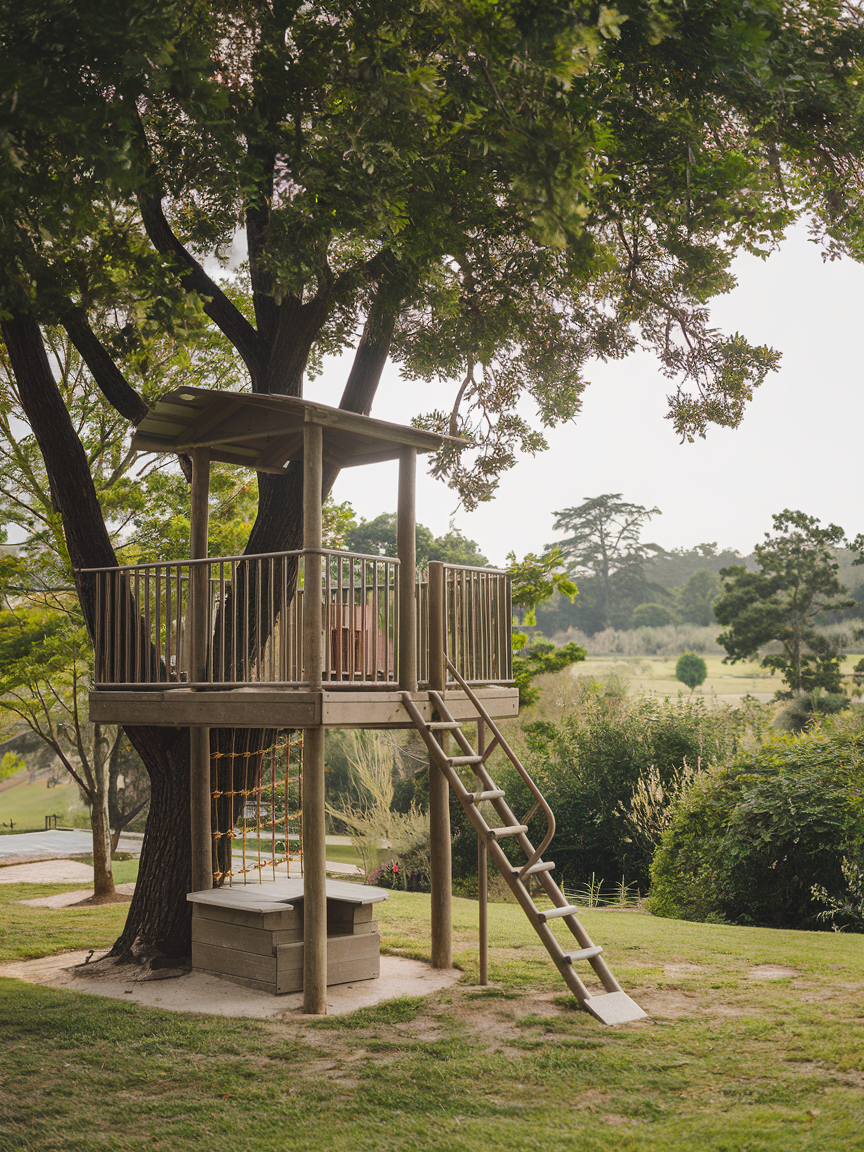
If you have a sturdy tree or adequate space, a small treehouse or raised platform creates an exciting play destination. Keep the design simple and safe with secure railings and easy access steps or a ladder appropriate for your child’s age. Adding a small seating area or play accessories enhances usability. Elevated play spaces encourage adventure, independence, and imaginative exploration while becoming a memorable focal point in the backyard.
18. Outdoor Chalk Drawing Zone
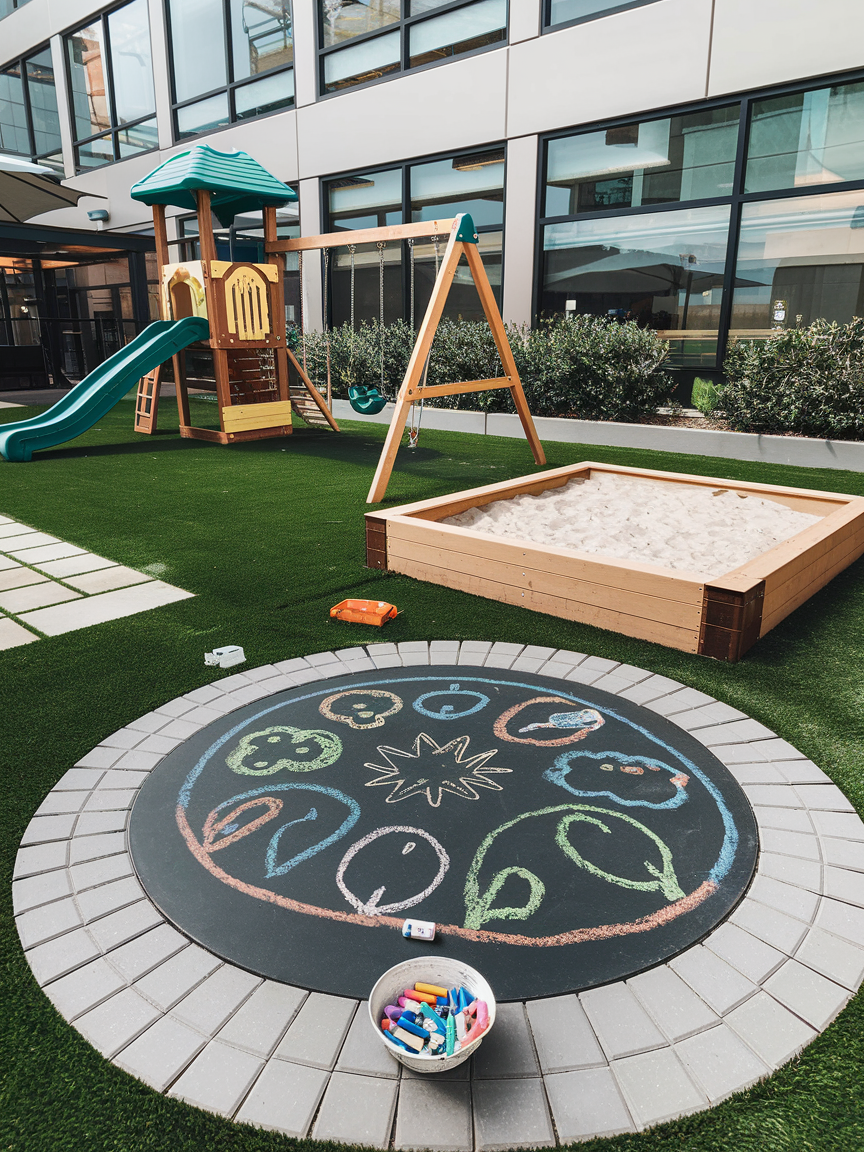
Designate a paved or concrete area for sidewalk chalk art. This simple feature allows children to draw, practice writing, or create games such as hopscotch. Keep chalk stored in a weatherproof container nearby for easy access. Chalk play encourages creativity and learning while being easy to clean and refresh. This low-cost idea adds daily fun without requiring permanent installation.
19. Garden Picnic Play Area
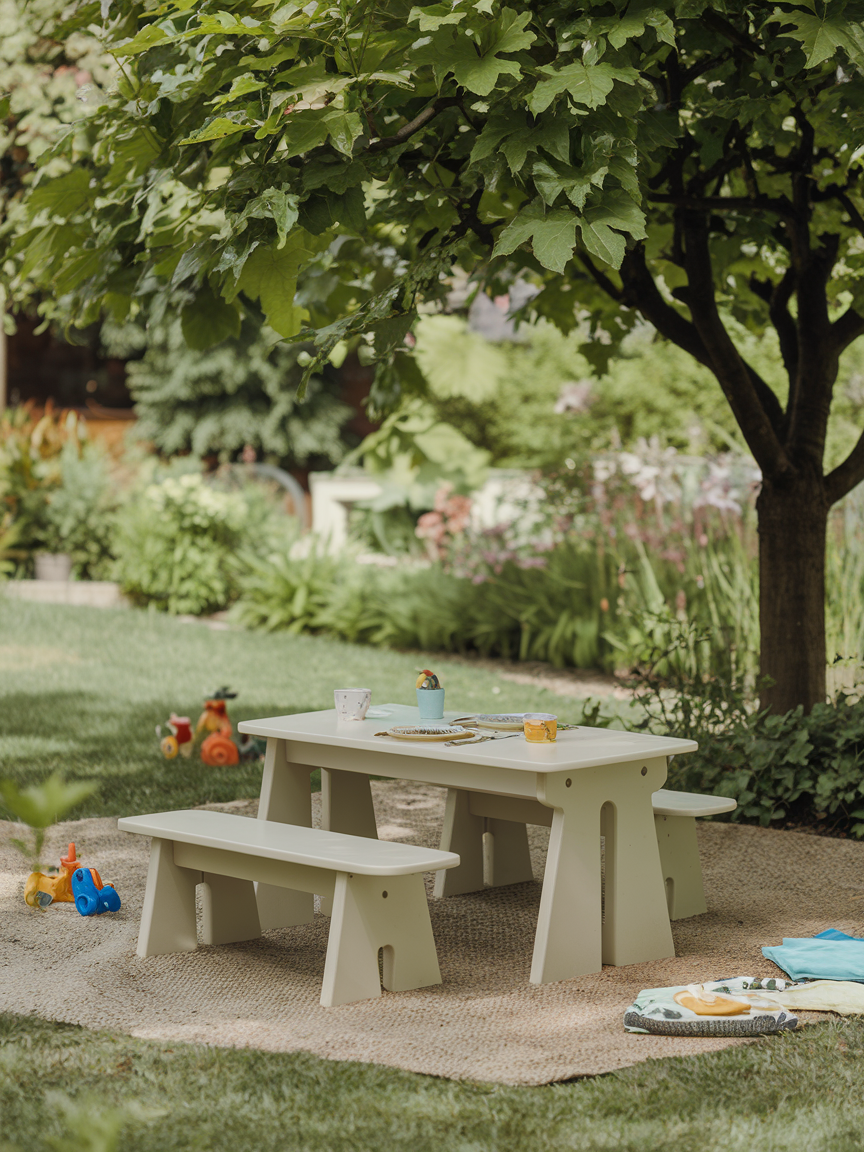
Create a small picnic-style setup with a child-sized table and benches placed under shade or near greenery. This space works well for snacks, crafts, or pretend tea parties. Adding outdoor-safe cushions or a colorful tablecloth enhances comfort and charm. A picnic area supports social interaction and gives children a place to gather, rest, and enjoy quiet activities between active play sessions.
20. Balance and Stepping Zone
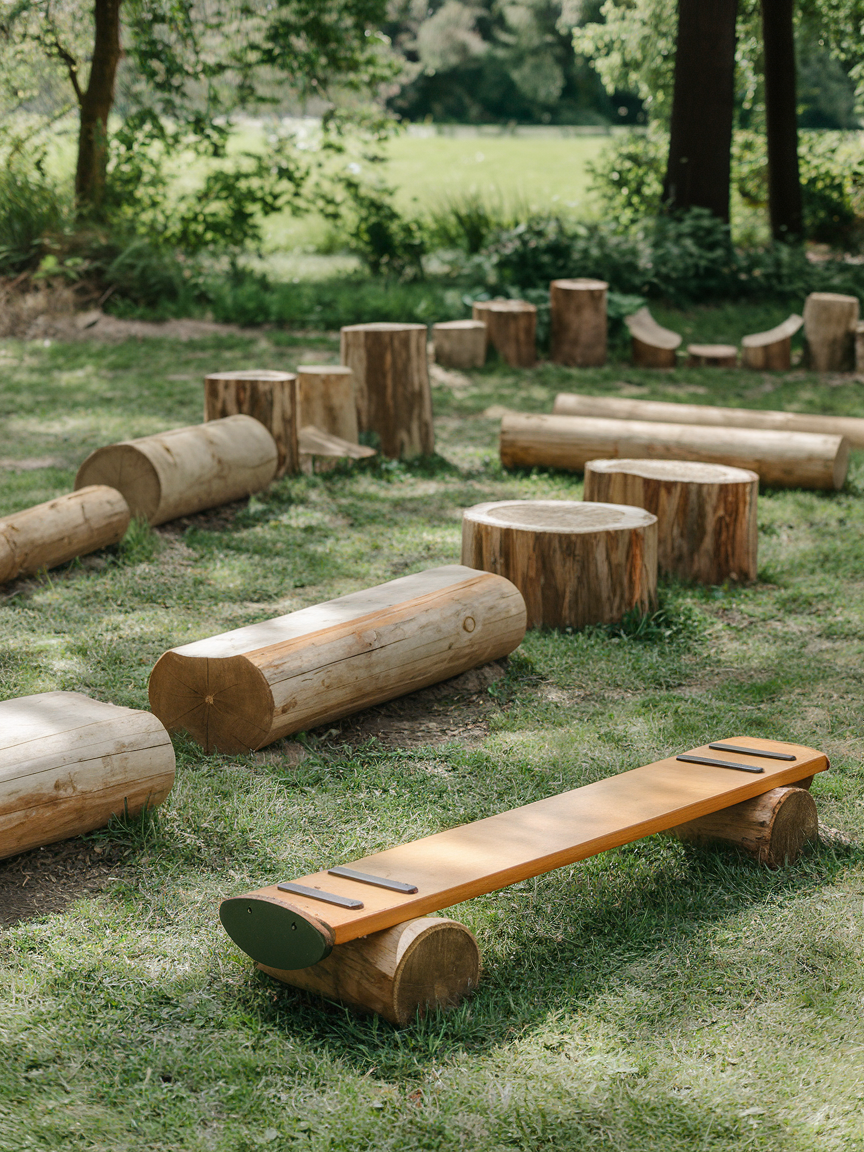
Install balance beams, log steps, or large stepping stones arranged at safe distances. Keep the height low and place the elements over grass, mulch, or rubber mats. This type of play improves coordination, confidence, and physical awareness while encouraging active outdoor movement. The natural look of wood or stone also blends beautifully with landscaped yards.
21. Rolling Hills or Play Mounds
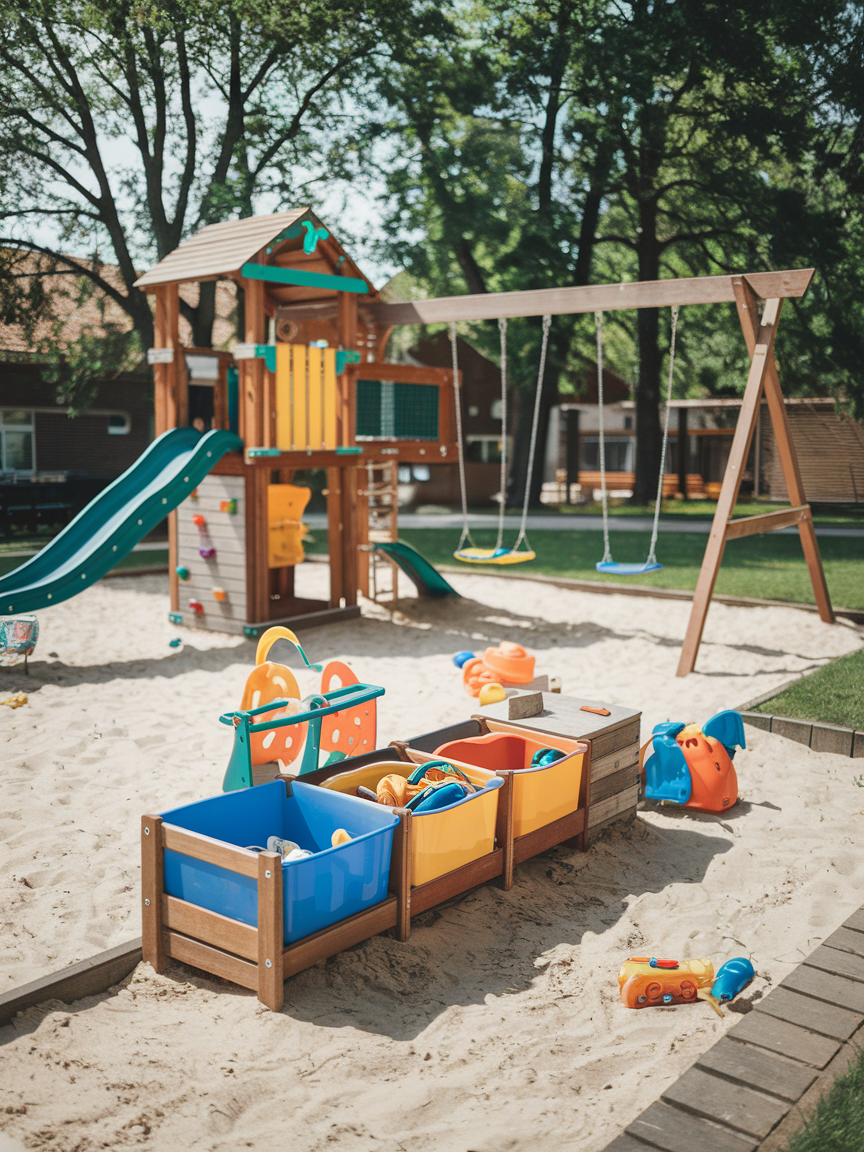
Adding gentle grassy mounds or small rolling hills introduces natural movement and adventure into your backyard. These soft landscape features encourage running, climbing, rolling, and imaginative play without the need for large equipment. Keep the slopes gradual and well-covered with durable grass or soft ground cover to ensure safety. Play mounds can also double as seating areas, observation spots, or part of a mini obstacle course. Their organic shape blends beautifully with natural landscaping and creates visual interest across the yard. This type of feature promotes physical activity, balance, and coordination while offering a simple, low-maintenance alternative to traditional playground structures that grow with children over time.
22. Fairy or Miniature Garden Corner
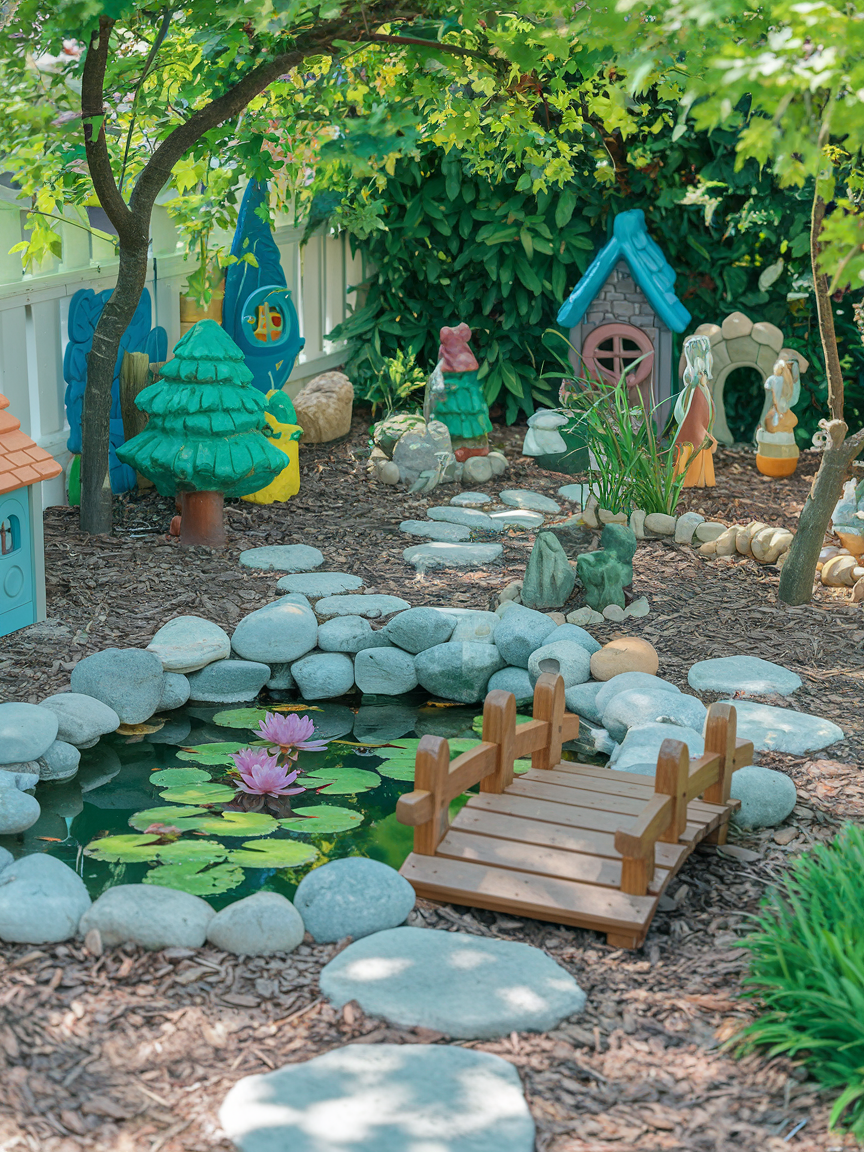
A miniature fairy garden brings imagination to life through tiny decorative elements arranged among real plants. Use small pathways, miniature houses, figurines, and natural materials like pebbles or moss to create a magical scene. Choose low-maintenance plants and position the garden at a child-friendly height so kids can easily interact with it. This type of play encourages storytelling, creativity, and gentle hands-on interaction with nature. Over time, children can rearrange elements or add new pieces, keeping the space fresh and engaging. A fairy garden also enhances the visual charm of the backyard, adding a whimsical detail that blends beautifully with flowers, greenery, and natural landscaping.
* These 22 charming outdoor kids’ play area ideas show how thoughtful design can turn any backyard into a fun, safe, and engaging space for everyday play. Let these ideas inspire you to create a backyard that feels welcoming, playful, and perfectly suited for growing, exploring, and making joyful memories together.