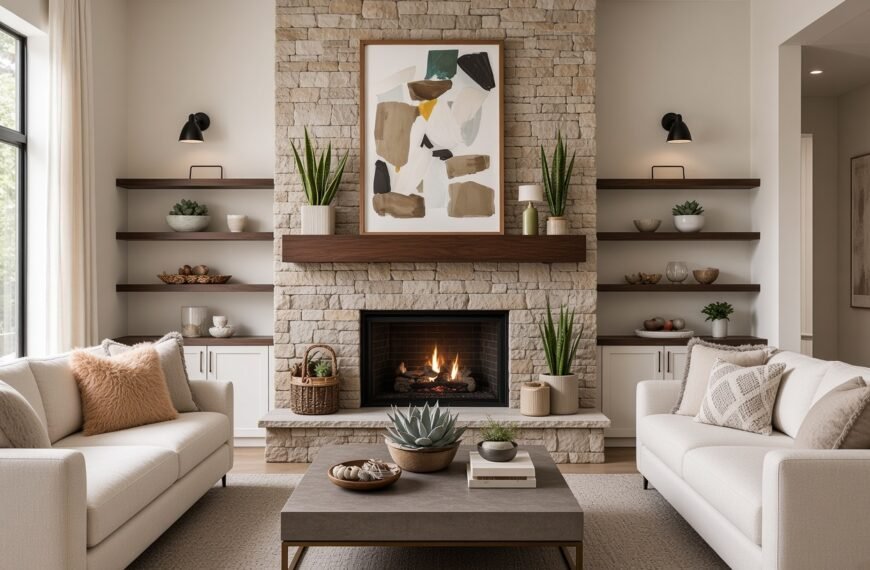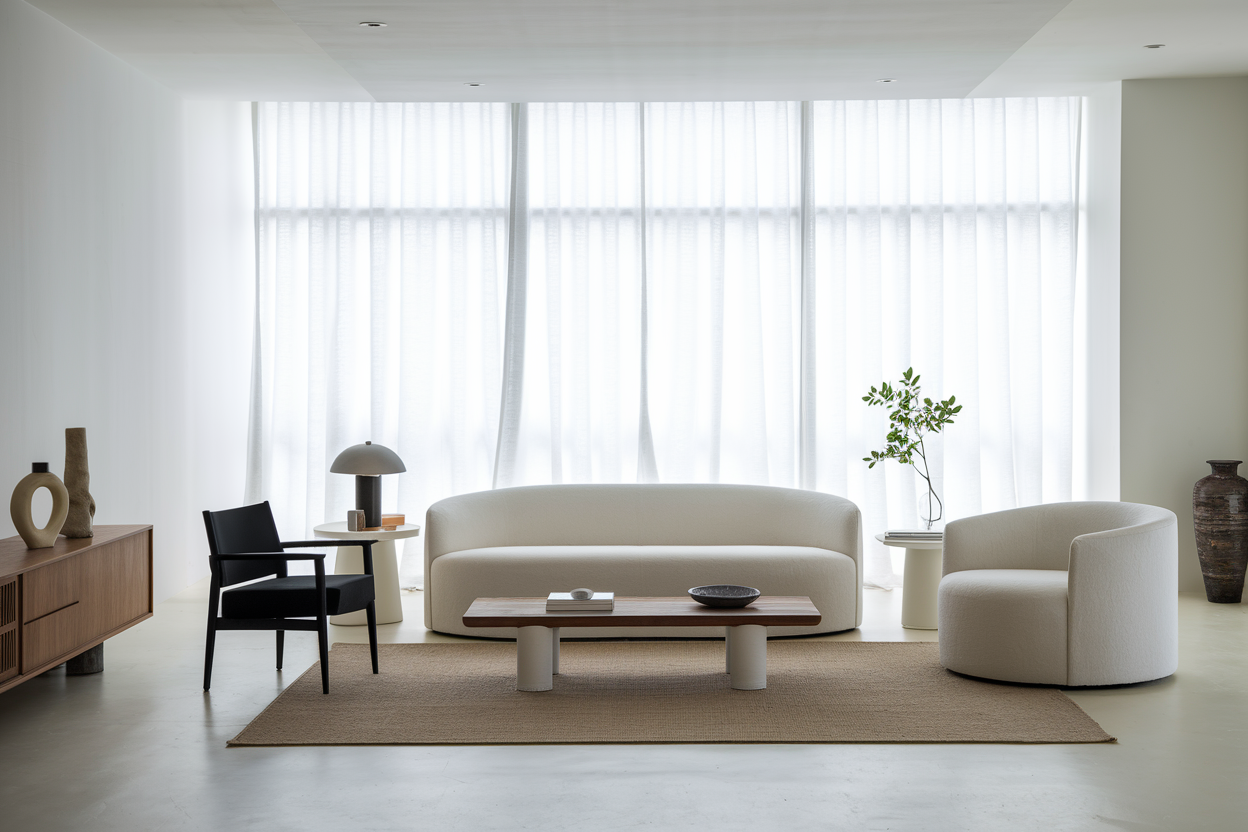
Creating a living room that feels calm yet inviting is often more challenging than it seems. Minimalism isn’t about removing personality, it’s about refining it. The goal is to design a space that feels open, intentional, and effortlessly stylish. With clean lines, soft neutral tones, and carefully selected furniture, you can achieve a room that feels serene without appearing cold or empty.
At its core, minimalism is more than a design style, it’s a mindset. It favors quality over excess, purpose over clutter, and thoughtful choices over impulse buys. Picture a living room where every item has a reason to be there, surfaces feel open, and the atmosphere encourages relaxation. That’s the beauty of minimalist design, it blends practicality with understated elegance for both everyday living and special gatherings.
Ready to reimagine your space? Here are 22 minimalist living room ideas that combine simplicity, comfort, and smart design.
1. Start with a Neutral Color Palette
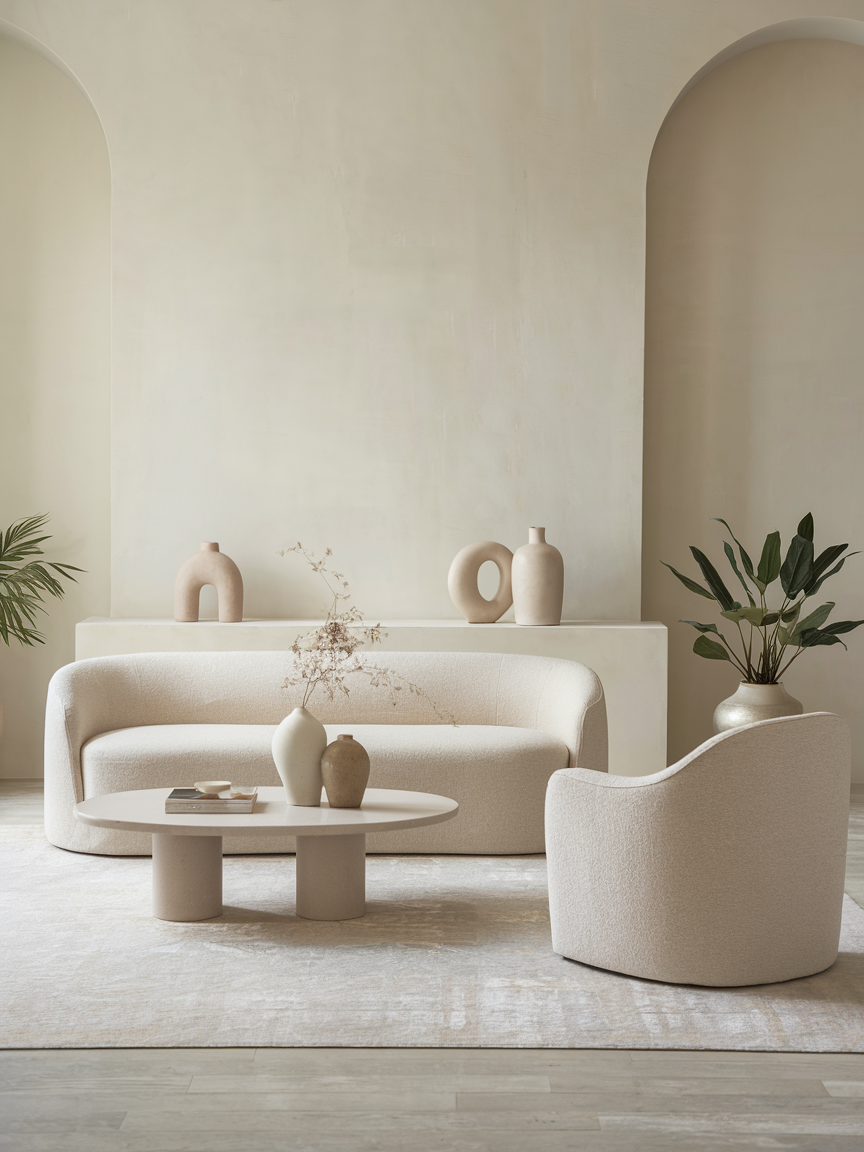
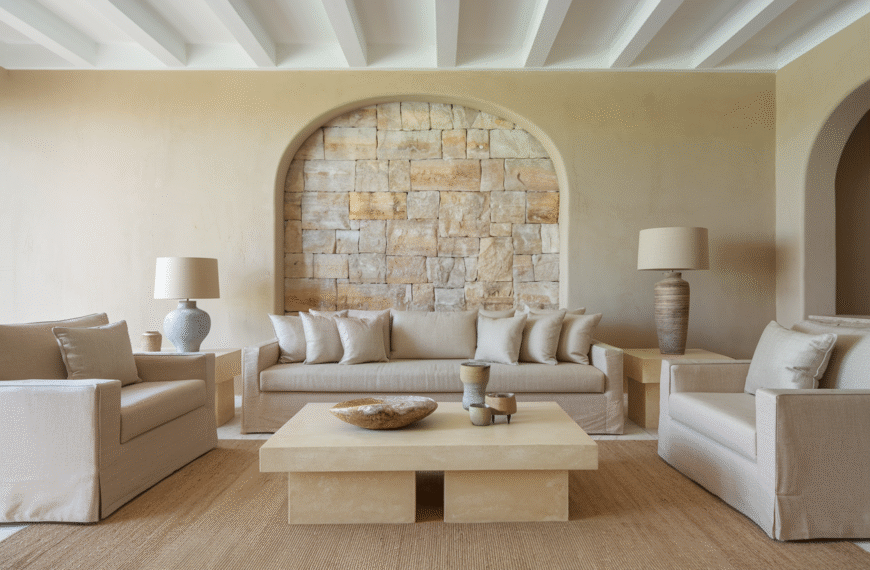
A neutral color palette is the true foundation of minimalist design because it creates a calm visual base that allows everything else in the room to breathe. Shades like warm white, soft beige, greige, taupe, sand, and light gray help establish a soothing atmosphere that instantly makes a space feel open and cohesive. Neutral tones reflect natural light beautifully, which enhances brightness and gives the illusion of more square footage. They also provide flexibility—you can easily layer textures and subtle accent colors without overwhelming the room. Unlike bold, trend-driven colors that can feel dated quickly, neutrals are timeless and adaptable. They create a serene backdrop that supports intentional design choices while ensuring your living room feels elegant, welcoming, and effortlessly refined for years to come.
2. Opt for Low, Streamlined Furniture
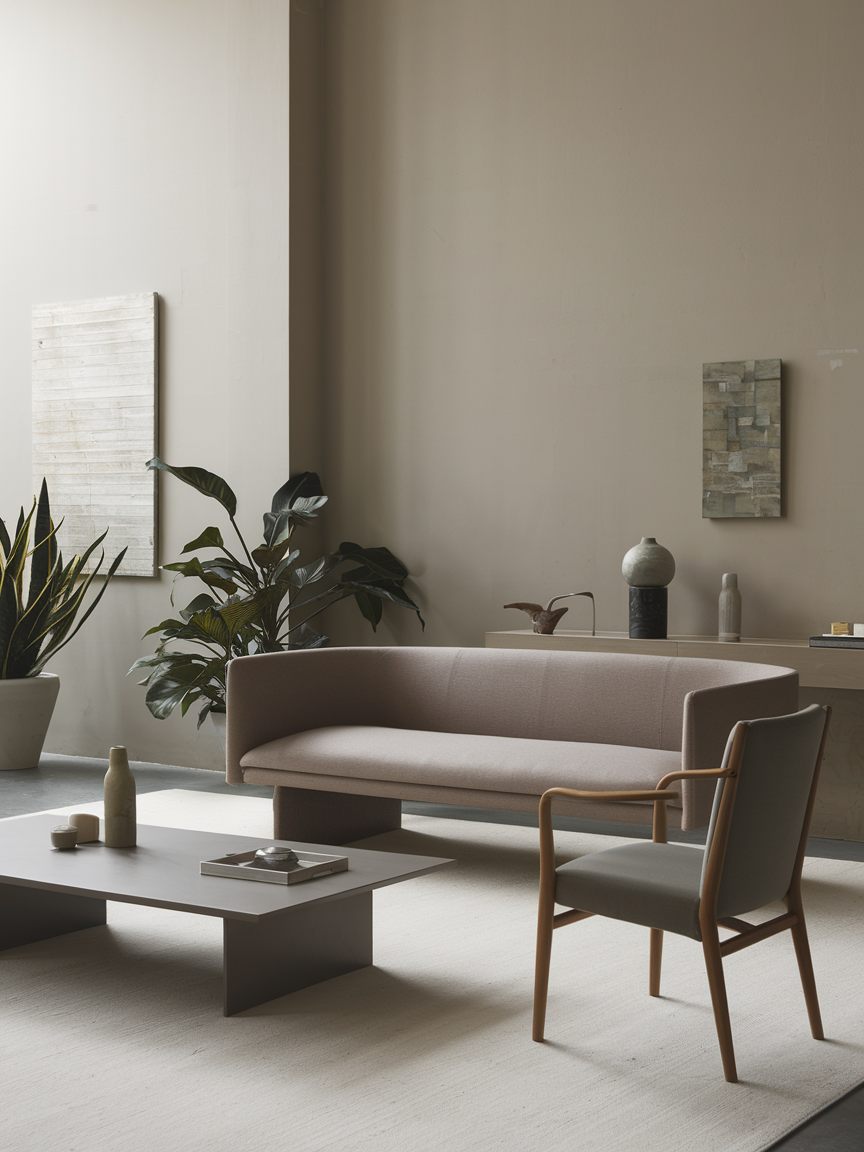
Low-profile, streamlined furniture plays a major role in achieving a minimalist aesthetic because it visually reduces clutter and keeps sightlines clear. Sofas and chairs that sit closer to the ground create the illusion of higher ceilings and more open space. Clean silhouettes without ornate details help maintain simplicity while still offering comfort. Instead of bulky, overstuffed pieces that dominate the room, choose structured seating with slim arms and simple legs. This allows the room to feel airy rather than heavy. Streamlined furniture also improves functionality by making movement easier and preventing tight walkways. The goal is not to eliminate comfort, but to refine it—choosing pieces that feel intentional, balanced, and harmonious within the space. When furniture appears lighter and more proportional, the entire room instantly feels calmer and more cohesive.
3. Prioritize Quality Over Quantity
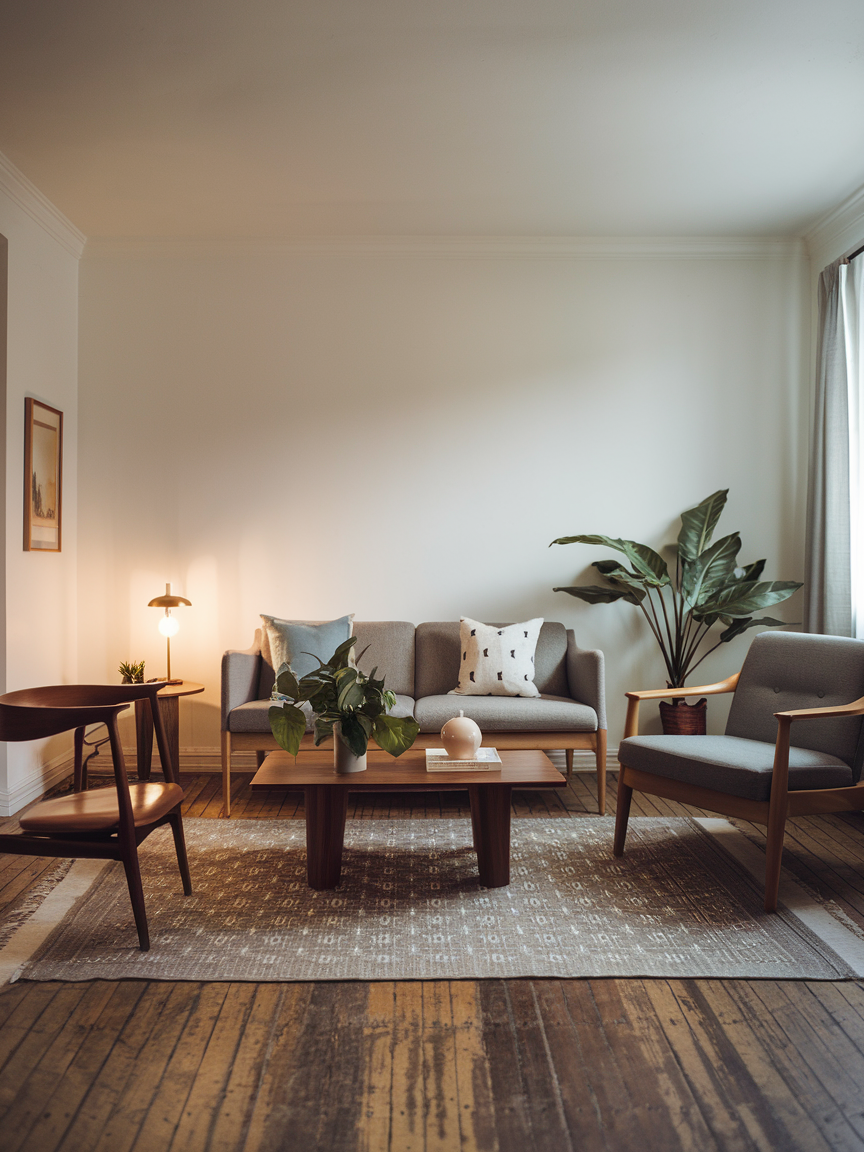
Minimalism encourages a shift in mindset: instead of buying more, buy better. Filling a living room with inexpensive, temporary pieces often leads to visual clutter and frequent replacements. Investing in well-crafted furniture and durable materials ensures longevity and a more polished appearance. A thoughtfully selected sofa made with quality upholstery will not only look better but also age gracefully. The same applies to coffee tables, lighting fixtures, and shelving. When each item is chosen with care, the space feels curated rather than crowded. This approach also promotes sustainability by reducing waste and unnecessary consumption. Over time, you’ll find that owning fewer, higher-quality pieces creates a stronger emotional connection to your home. The result is a living room that feels intentional, balanced, and effortlessly sophisticated.
4. Let the Room Breathe
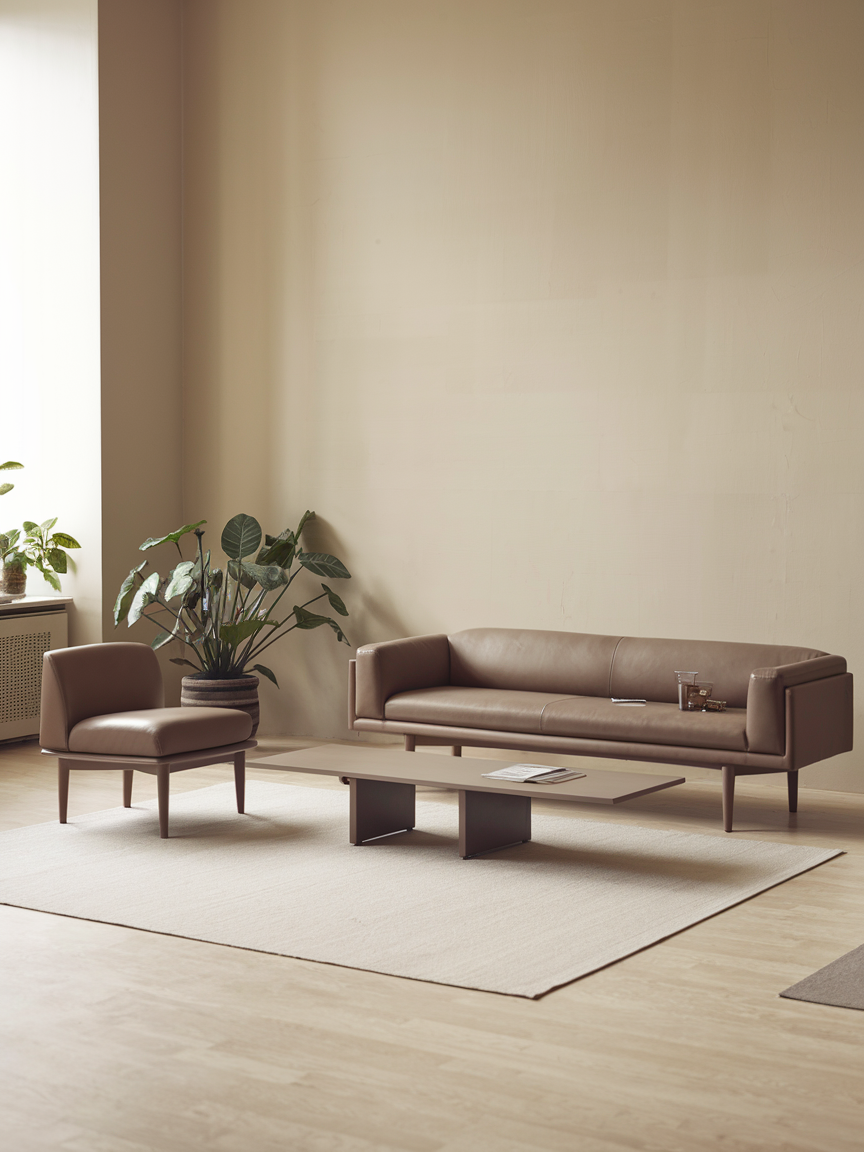
In minimalist design, negative space is just as important as furniture and décor. Allowing areas of the room to remain open prevents visual overwhelm and encourages a sense of calm. Many people feel tempted to fill empty corners with extra chairs or decorative pieces, but restraint is key. Open space gives the eye a place to rest and highlights the elements you truly want to showcase. It also enhances flow, making the room feel more spacious and comfortable to move through. From a practical standpoint, fewer items mean easier cleaning and maintenance. By embracing openness, you transform what might seem like “empty” space into a deliberate design choice. The breathing room between furniture pieces becomes part of the aesthetic, contributing to a peaceful and uncluttered atmosphere.
5. Maximize Natural Light
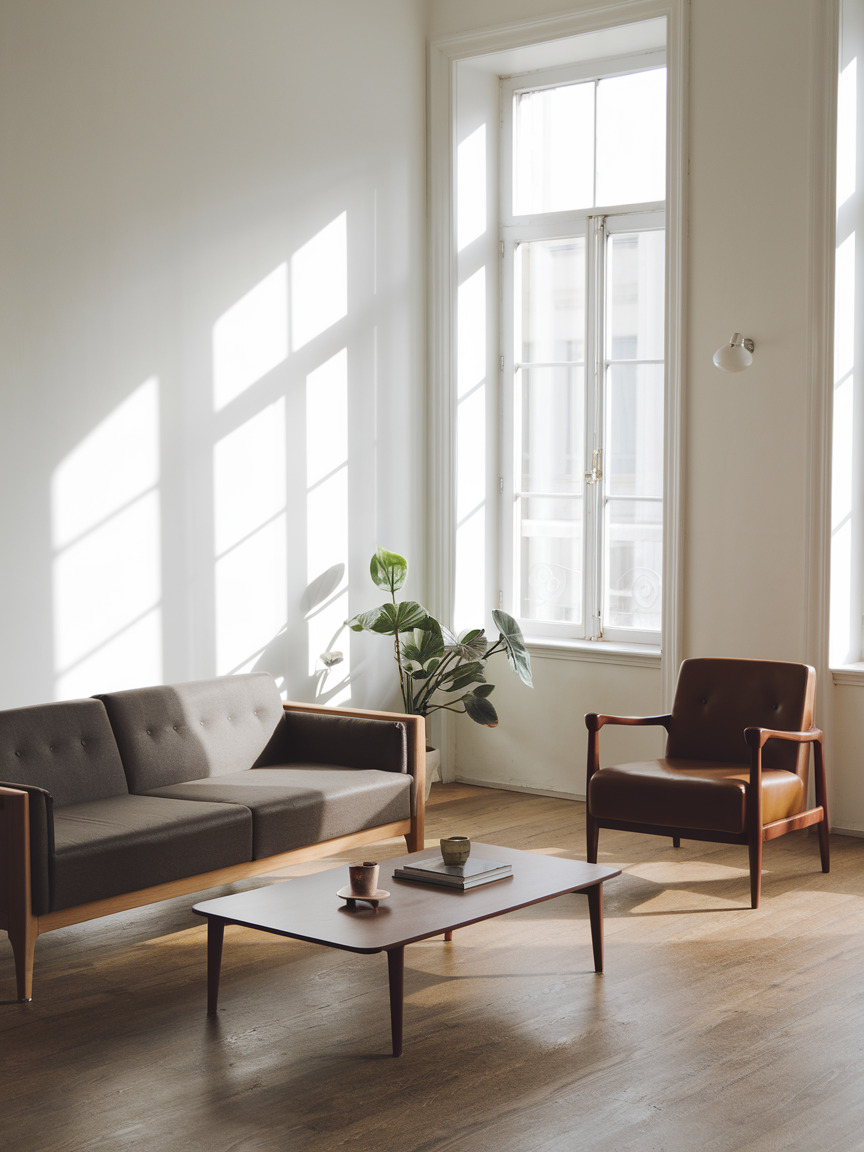
Natural light is one of the most powerful tools in minimalist interior design. Sunlight enhances neutral tones, highlights textures, and adds warmth without requiring additional décor. To make the most of it, avoid heavy drapes that block brightness and instead opt for sheer curtains or simple blinds. Clean windows and unobstructed views allow light to flow freely throughout the room. If your space has limited natural light, strategically placed mirrors can reflect what light is available and amplify its impact. Light-colored walls and furnishings further enhance brightness by bouncing illumination around the room. Beyond aesthetics, natural light improves mood and creates a welcoming environment. When your living room feels bright and airy, it automatically appears more spacious, uplifting, and aligned with minimalist principles.
6. Add Greenery
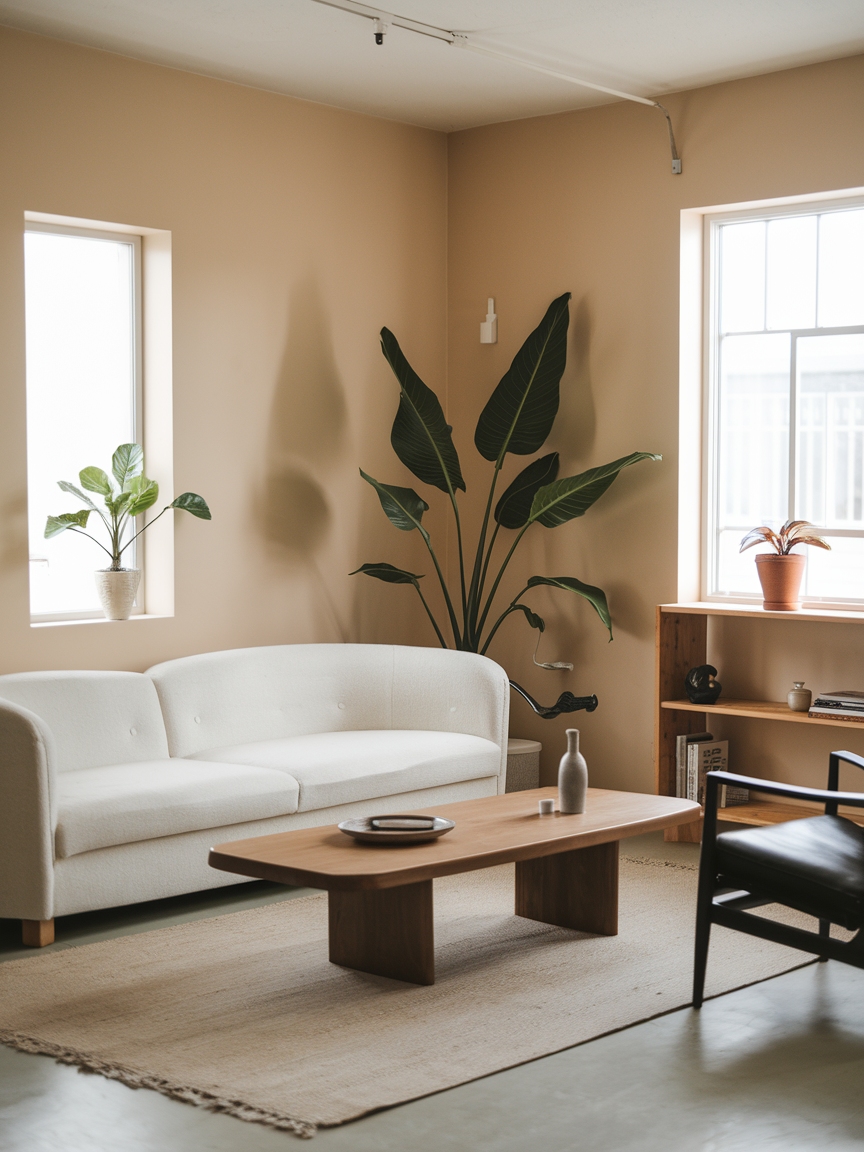
Plants introduce warmth and life into a minimalist living room without adding unnecessary clutter. A tall indoor plant placed in an empty corner can soften sharp lines and bring balance to neutral tones. Smaller plants on shelves or coffee tables add subtle detail and texture. Greenery works especially well in minimalist spaces because it provides natural contrast without overwhelming the design. Beyond visual appeal, plants can improve air quality and promote a calming atmosphere. Choose simple planters in neutral or earthy tones to maintain cohesion. If you prefer low-maintenance options, varieties like snake plants or pothos are ideal. Incorporating greenery ensures your living room feels organic and welcoming rather than stark. Even a single well-placed plant can transform the mood of the entire space.
7. Keep Clutter Out of Sight
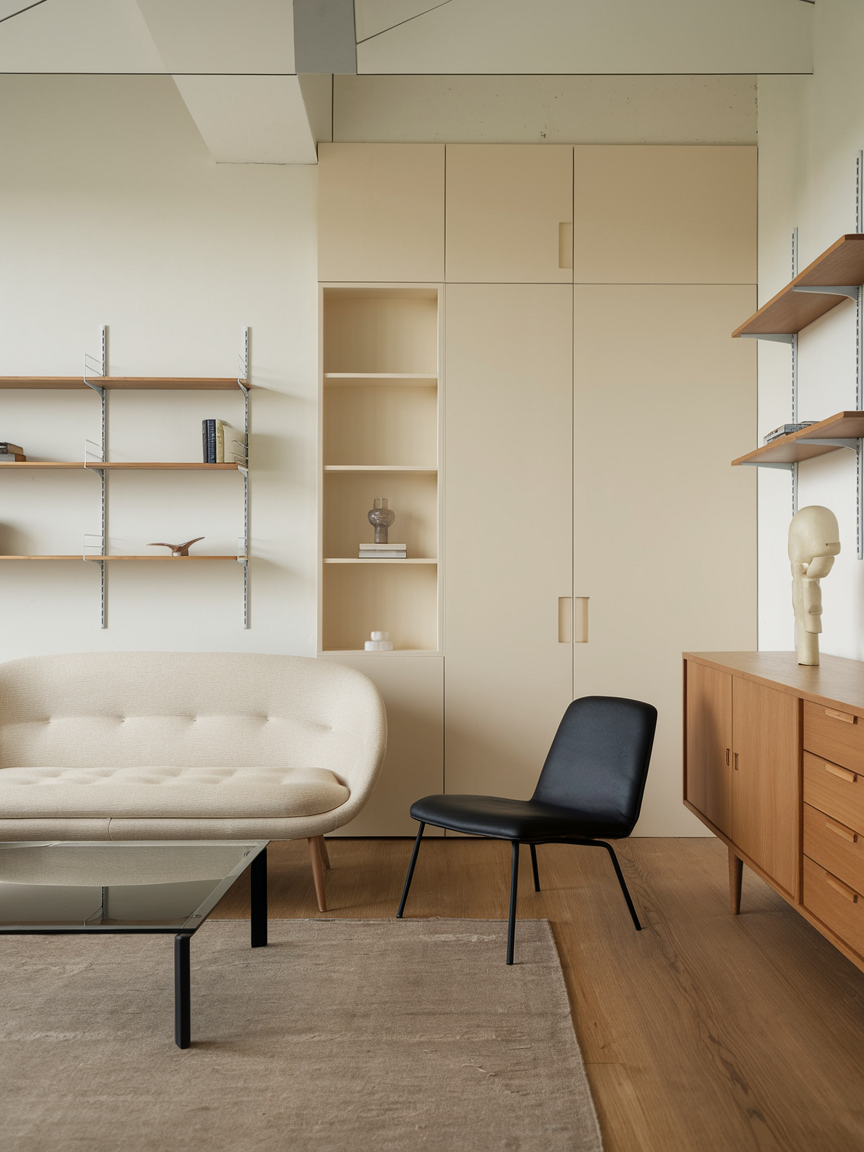
A clutter-free surface is essential for maintaining a minimalist aesthetic. Everyday items such as remote controls, magazines, cables, and miscellaneous objects can quickly disrupt the clean lines of your living room. Incorporating smart storage solutions helps preserve order without sacrificing functionality. Choose coffee tables with hidden compartments, media consoles with closed cabinets, or stylish baskets that tuck items away discreetly. Built-in shelving with concealed storage is another excellent option. When everything has a designated place, it becomes easier to maintain tidiness daily. Clear surfaces not only look more refined but also create mental clarity. Walking into a room that feels organized and intentional immediately reduces stress. Minimalism thrives on simplicity, and eliminating visible clutter is one of the most impactful ways to achieve it.
8. Choose Purposeful Décor
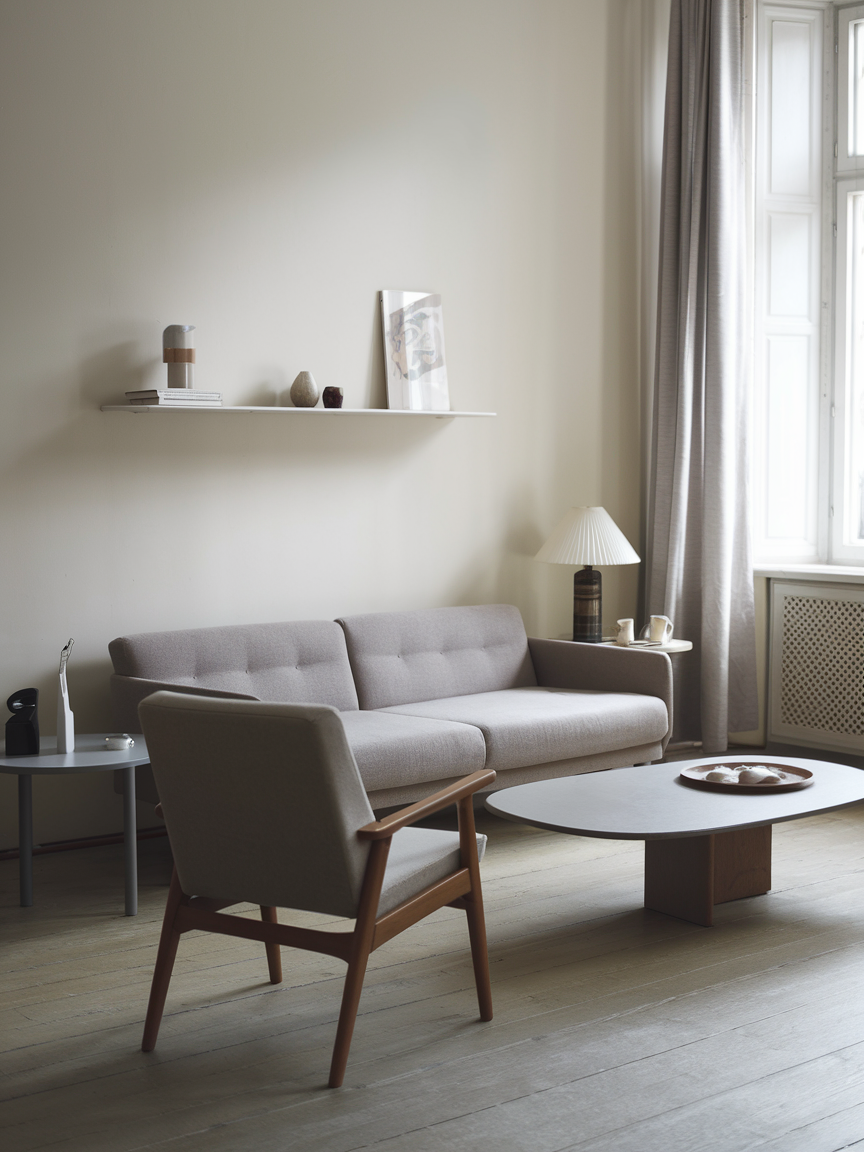
Minimalist décor is not about having fewer things, it’s about having meaningful things. Each decorative element should serve a purpose, whether functional or sentimental. A sculptural lamp provides illumination while acting as art. A textured throw blanket adds warmth and comfort while enhancing visual depth. Carefully selected artwork can express personality without overwhelming the walls. Instead of filling shelves with random accessories, choose a few items that truly resonate with you. Spacing them intentionally prevents visual crowding. Purposeful décor makes the room feel curated rather than decorated. It ensures that every object contributes to the overall harmony of the space. This thoughtful approach results in a living room that feels personal, balanced, and refined while maintaining the calm essence of minimalism.
9. Layer Warm Lighting
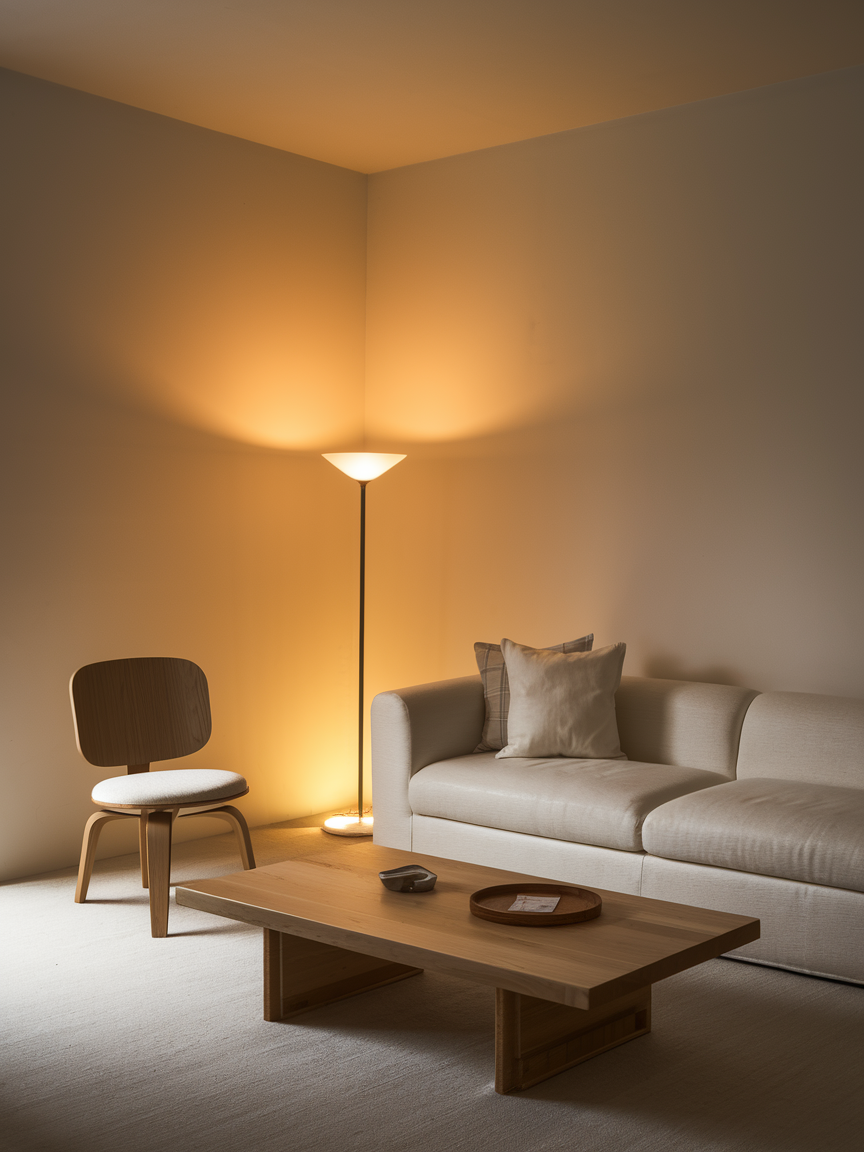
Lighting determines the atmosphere of your living room more than almost any other element. In minimalist spaces, layered lighting creates depth and warmth without adding clutter. Combine floor lamps, table lamps, and subtle wall lighting to build dimension throughout the room. Avoid relying solely on harsh overhead fixtures, which can flatten the space and make it feel sterile. Warm-toned bulbs enhance neutral palettes and create a cozy ambiance, especially in the evening. Dimmers offer flexibility, allowing you to adjust brightness according to mood and activity. Thoughtfully placed lighting also highlights textures and architectural features. When lighting is layered correctly, the space feels inviting and dynamic. It transforms simplicity into comfort and ensures your minimalist living room remains welcoming at any time of day.
10. Limit Accent Colors
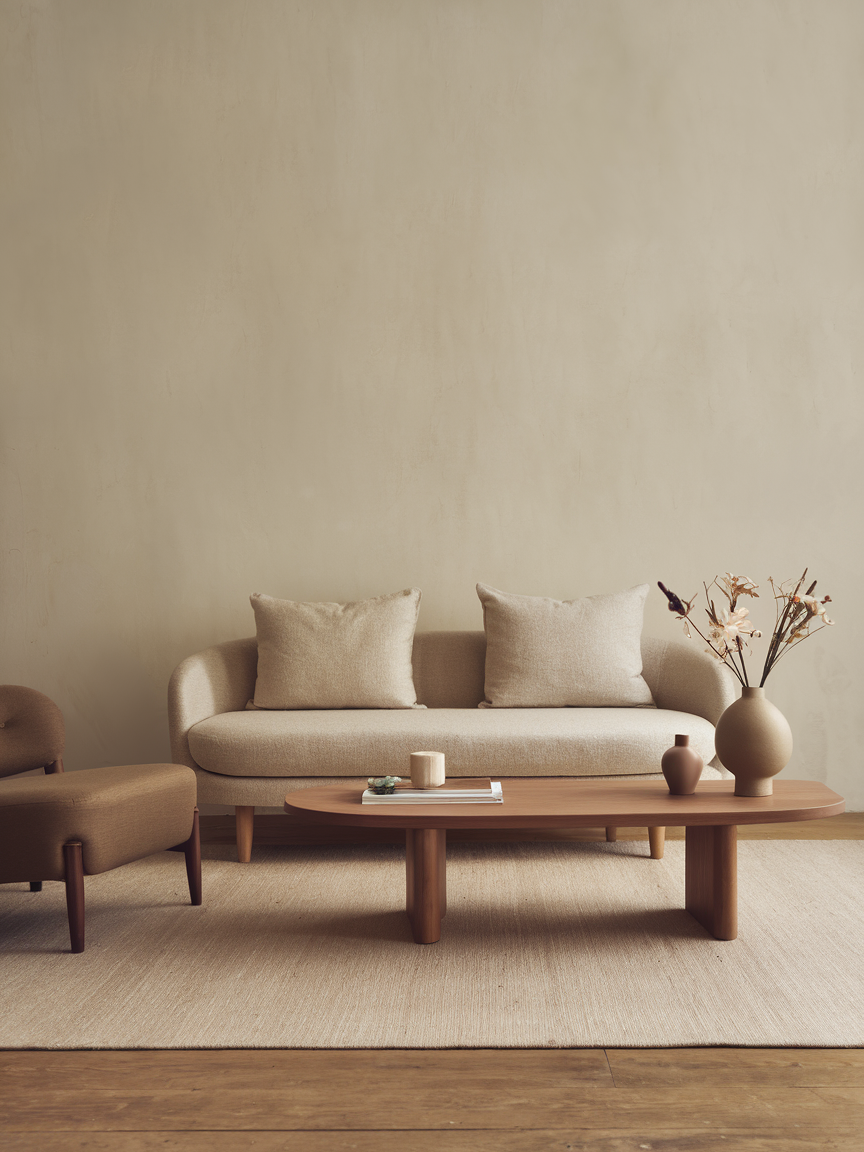
While neutrals dominate minimalist spaces, carefully chosen accent colors can introduce personality and visual interest. The key is restraint. Selecting one or two complementary tones, such as muted olive, dusty blue, or soft terracotta, creates cohesion rather than chaos. These accents can appear in cushions, artwork, rugs, or small decorative items. Repeating the same accent shade in multiple areas of the room strengthens unity and flow. Too many colors compete for attention and disrupt the serene atmosphere that minimalism aims to achieve. By limiting your palette, you maintain balance and harmony. Accent colors should enhance the space, not overpower it. When used thoughtfully, they add warmth and subtle character while preserving the room’s calm and uncluttered foundation.
11. Play with Texture
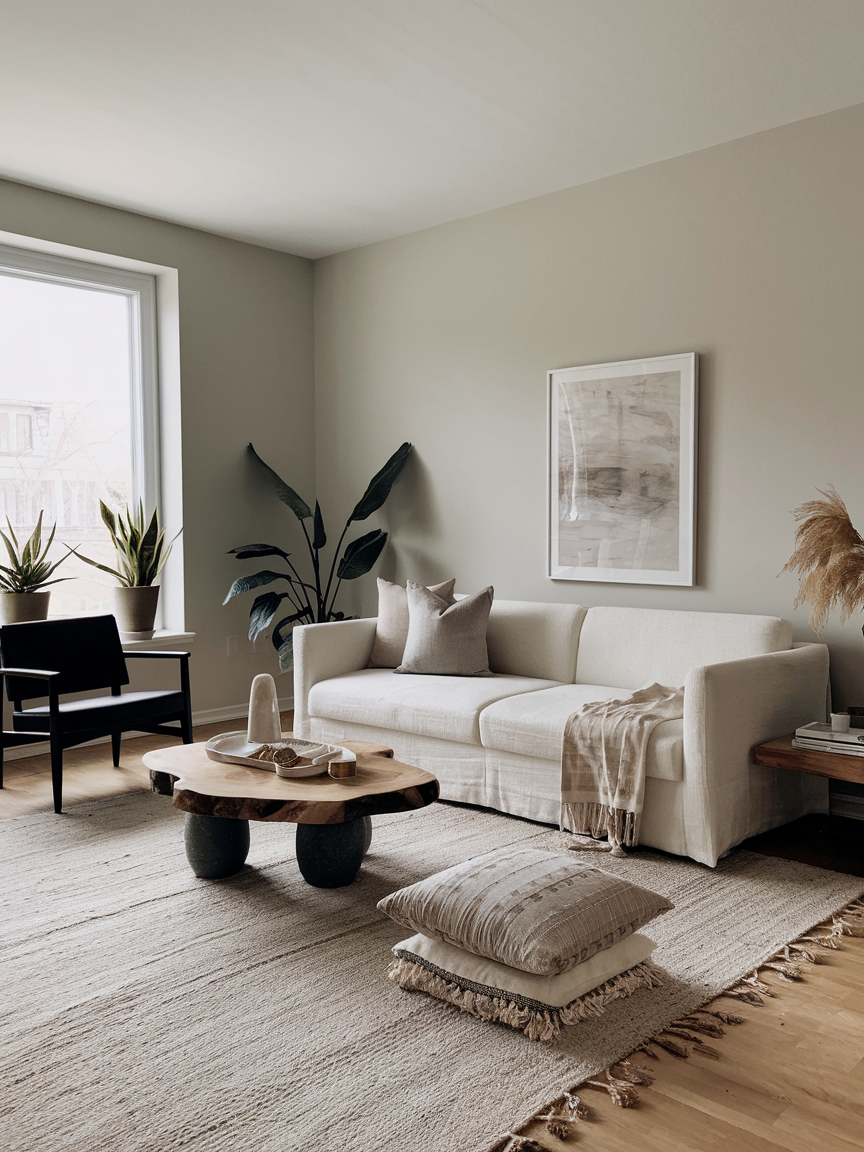
When color choices are restrained, texture becomes essential for creating depth and warmth in a minimalist living room. Without varied textures, a neutral palette can feel flat or lifeless. Introduce contrast through materials like linen, wool, leather, cotton, wood, and metal. A soft area rug layered over hardwood floors adds warmth underfoot, while linen cushions provide subtle visual softness. A leather accent chair can introduce structure and richness. Texture catches light differently, adding dimension without clutter. By thoughtfully combining smooth and tactile surfaces, you create complexity within simplicity. This layered approach ensures the room feels cozy and lived-in while maintaining clean lines. Texture is the secret ingredient that keeps minimalism from feeling sterile and transforms it into something inviting and dynamic.
12. Keep Walls Mostly Clear
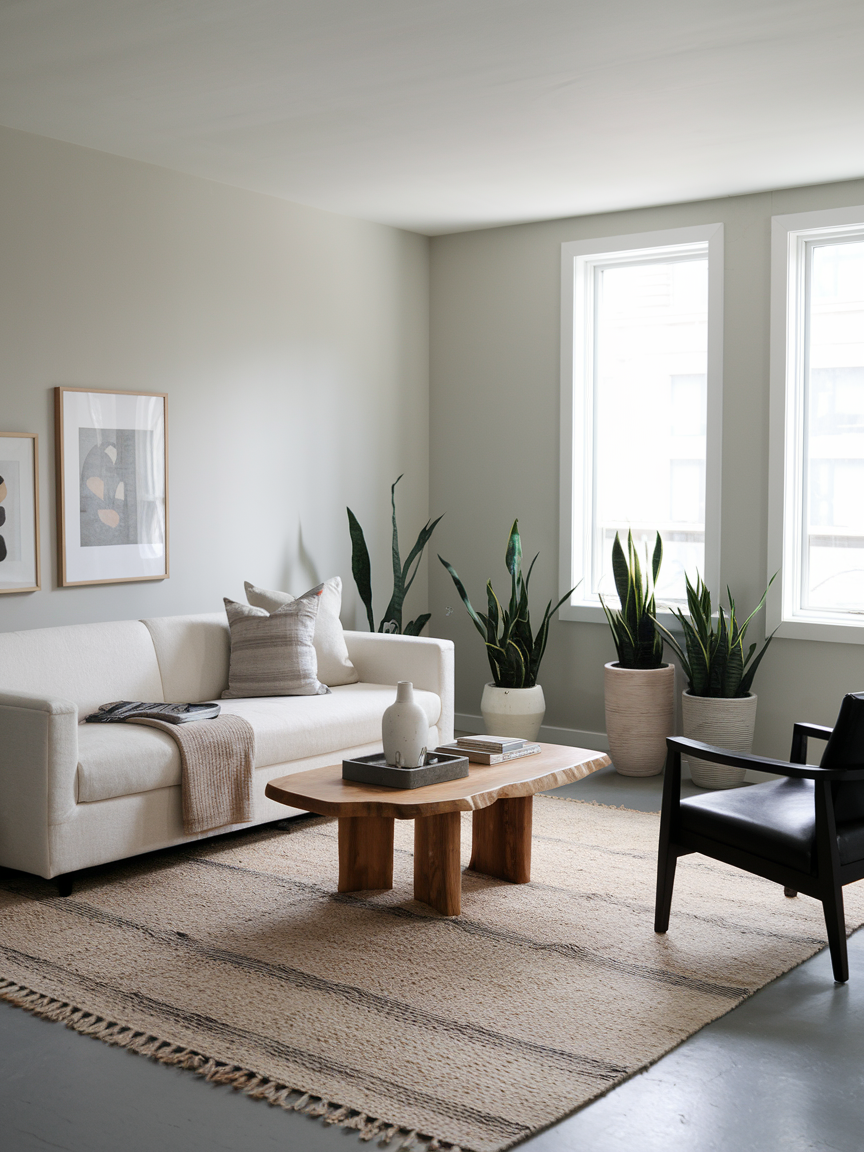
Walls play a significant role in defining the openness of a minimalist living room. Covering every inch with frames and decorations can quickly overwhelm the space. Instead, choose one or two impactful pieces of art that truly resonate with you. A large-scale artwork can serve as a bold focal point without requiring additional clutter. Alternatively, a simple mirror can reflect light and expand the sense of space. Leaving portions of the wall empty enhances the feeling of calm and intentionality. Negative wall space draws attention to architectural features and allows your selected décor to stand out more meaningfully. By resisting the urge to overdecorate, you create a balanced and breathable environment that reinforces the serene principles of minimalist design.
13. Allow the Space to Evolve
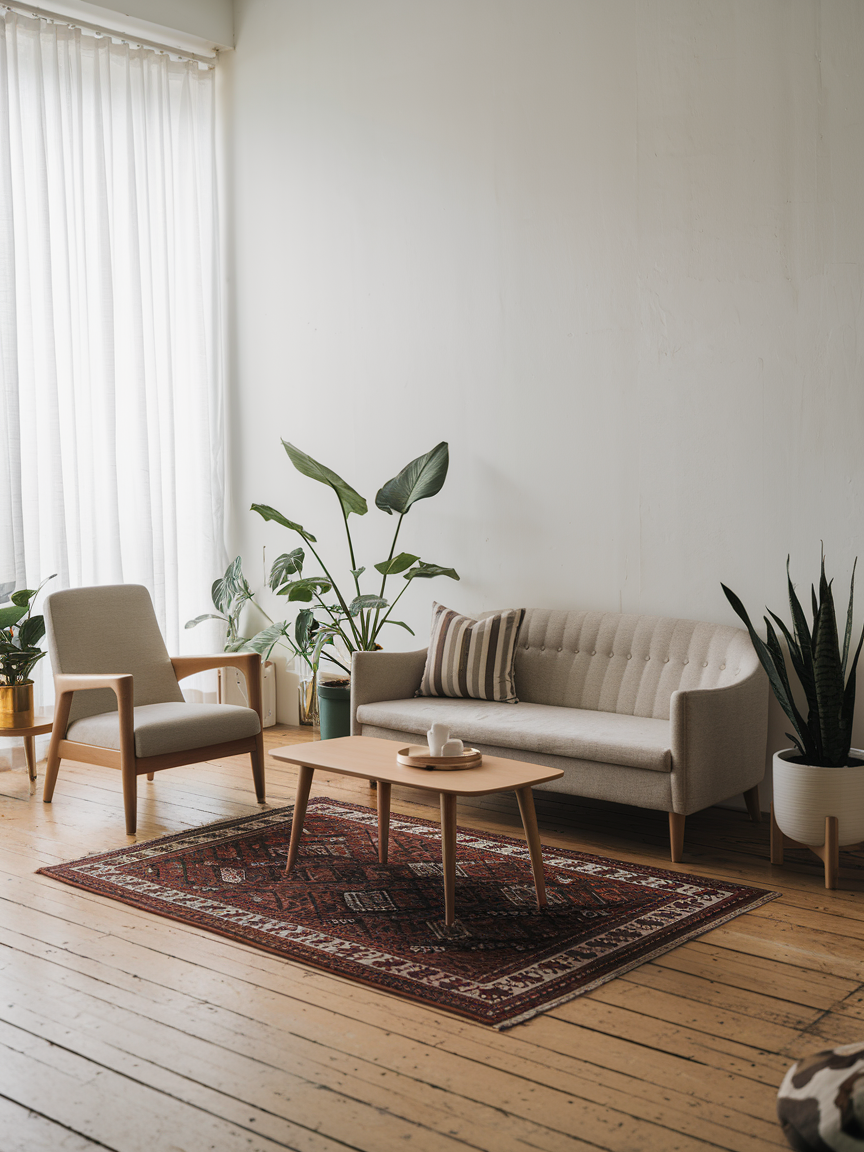
Minimalism is not rigid, it is adaptable. Your living room should reflect your evolving lifestyle and preferences while maintaining its clean foundation. Because minimalist spaces are not overcrowded, updating them becomes simple and cost-effective. Swapping out throw pillows, rotating artwork, or introducing a new textured rug can refresh the space without requiring a full redesign. This flexibility ensures your living room remains dynamic and personal. It also prevents design fatigue, allowing you to make subtle changes over time. Minimalism encourages thoughtful evolution rather than constant accumulation. By maintaining simplicity at the core, your space can grow with you while preserving its peaceful and cohesive aesthetic.
14. Incorporate Transparent Elements
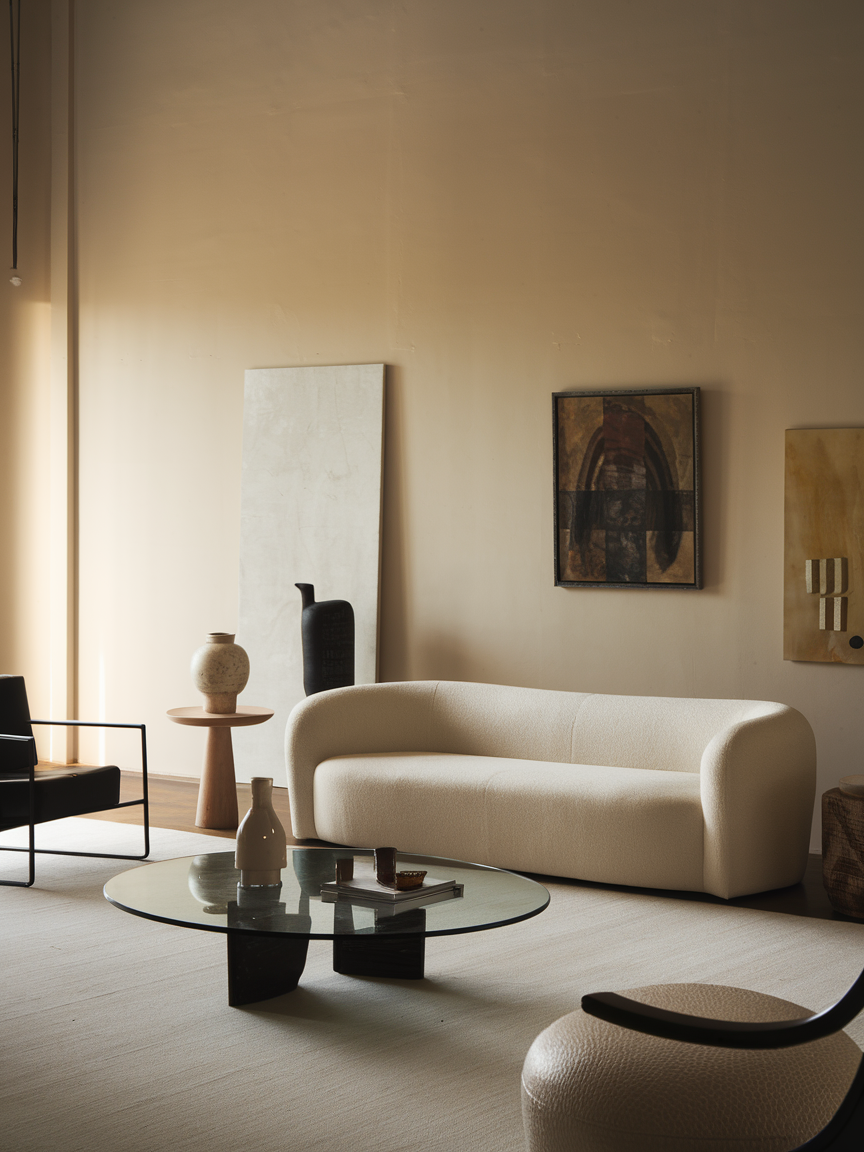
Transparent materials such as glass and acrylic help maintain openness in a minimalist living room. A glass coffee table or lucite chair provides functionality without visually crowding the space. Because these materials allow light to pass through, they create the illusion of more room. This is particularly beneficial in smaller living areas where bulky furniture can feel overwhelming. Transparent elements also pair beautifully with neutral tones and natural light, enhancing brightness and flow. Despite their visual lightness, they remain practical and durable. Incorporating these materials strategically ensures that your living room feels airy and modern while maintaining simplicity. They support the minimalist goal of reducing visual weight without sacrificing comfort or usability.
15. Simplify Window Treatments
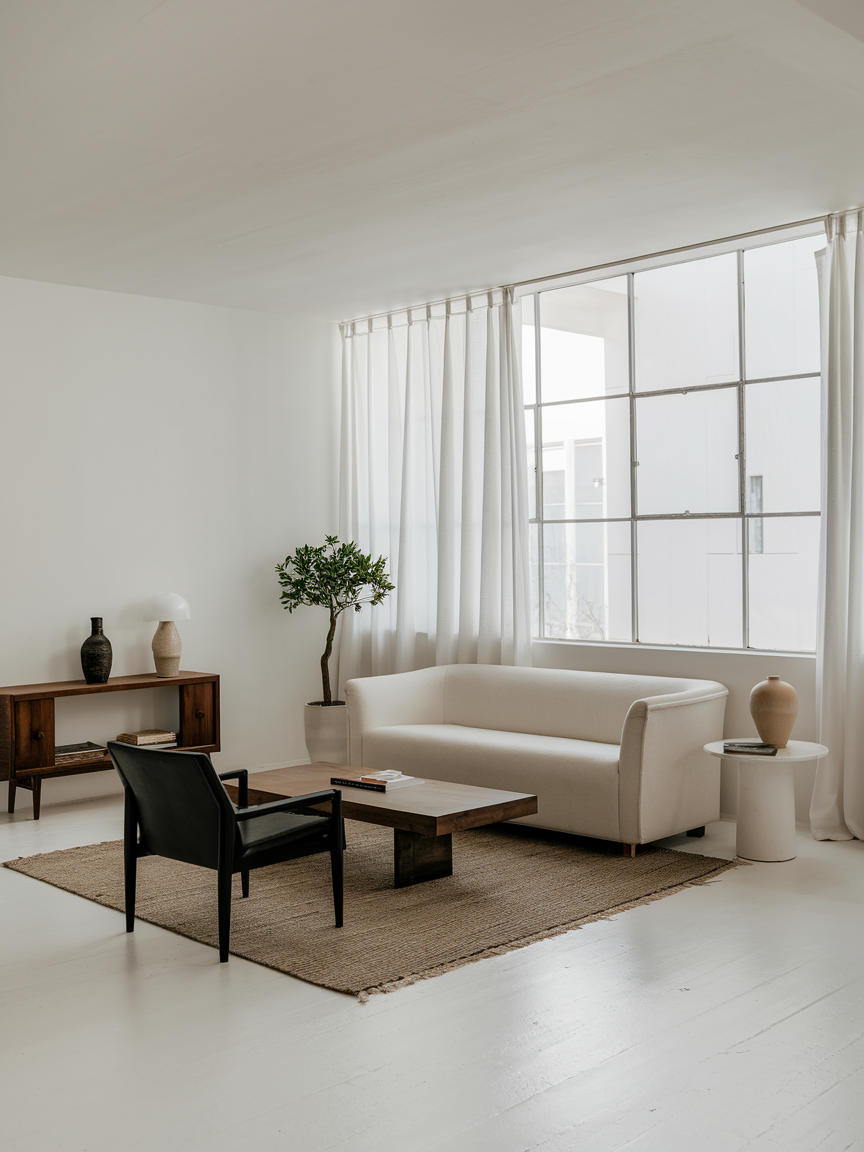
Window treatments should complement your minimalist aesthetic rather than compete with it. Heavy drapes and ornate curtains can visually shrink a space and block valuable natural light. Instead, opt for lightweight fabrics such as linen or cotton in neutral shades. Sheer panels provide privacy while still allowing sunlight to filter through. Sleek roller blinds or simple Roman shades also maintain a clean look. Minimal window treatments frame the view without dominating attention. By keeping them understated, you enhance the sense of openness and cohesion in the room. Proper window styling supports both function and aesthetics, ensuring your living room feels bright, spacious, and harmonious.
16. Don’t Sacrifice Comfort
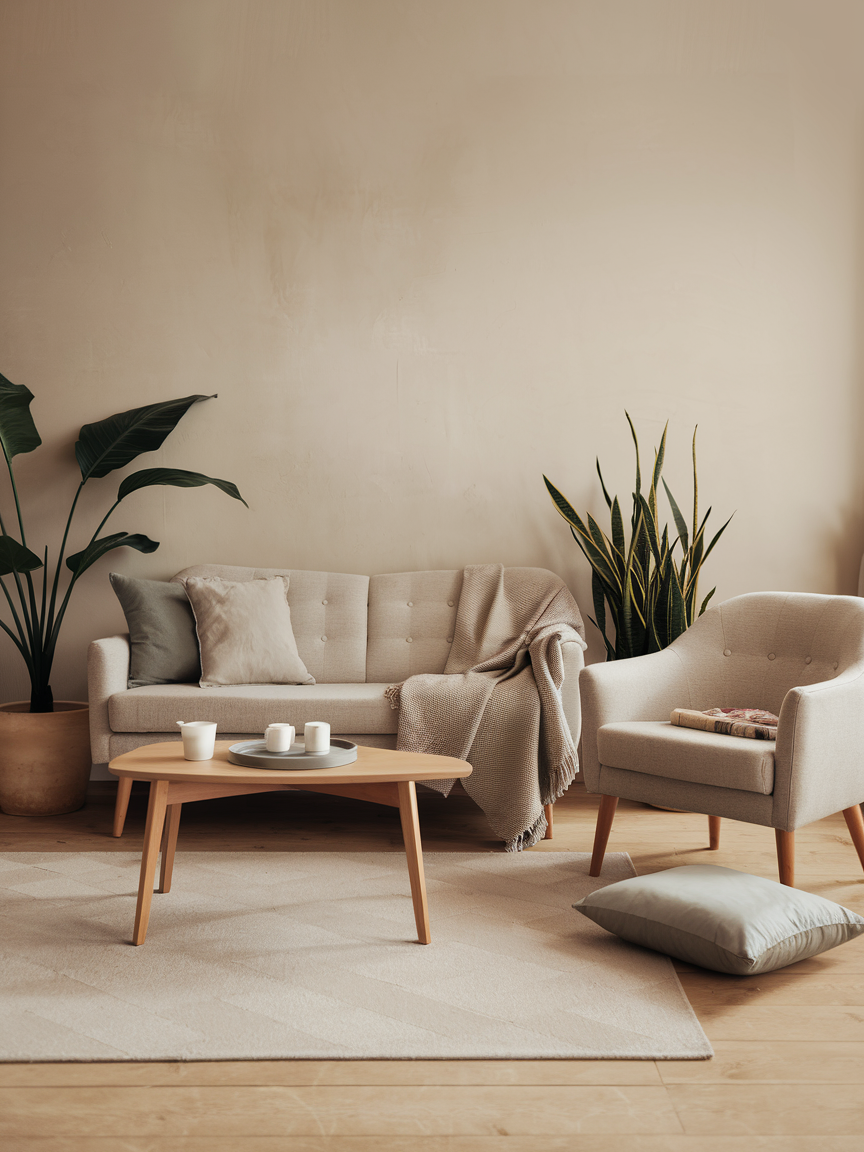
A minimalist living room should feel inviting, not rigid. Comfort is essential for creating a space where you genuinely want to spend time. Choose seating with supportive cushions and high-quality upholstery that feels pleasant to the touch. Soft throws and a few well-placed pillows can add warmth without overwhelming the design. The goal is to strike a balance between simplicity and livability. Avoid selecting furniture solely for appearance—prioritize pieces that encourage relaxation. A comfortable space enhances the overall experience of minimalism by blending beauty with practicality. When your living room feels both serene and cozy, it becomes a true retreat rather than just a styled environment.
17. Ground the Room with a Rug
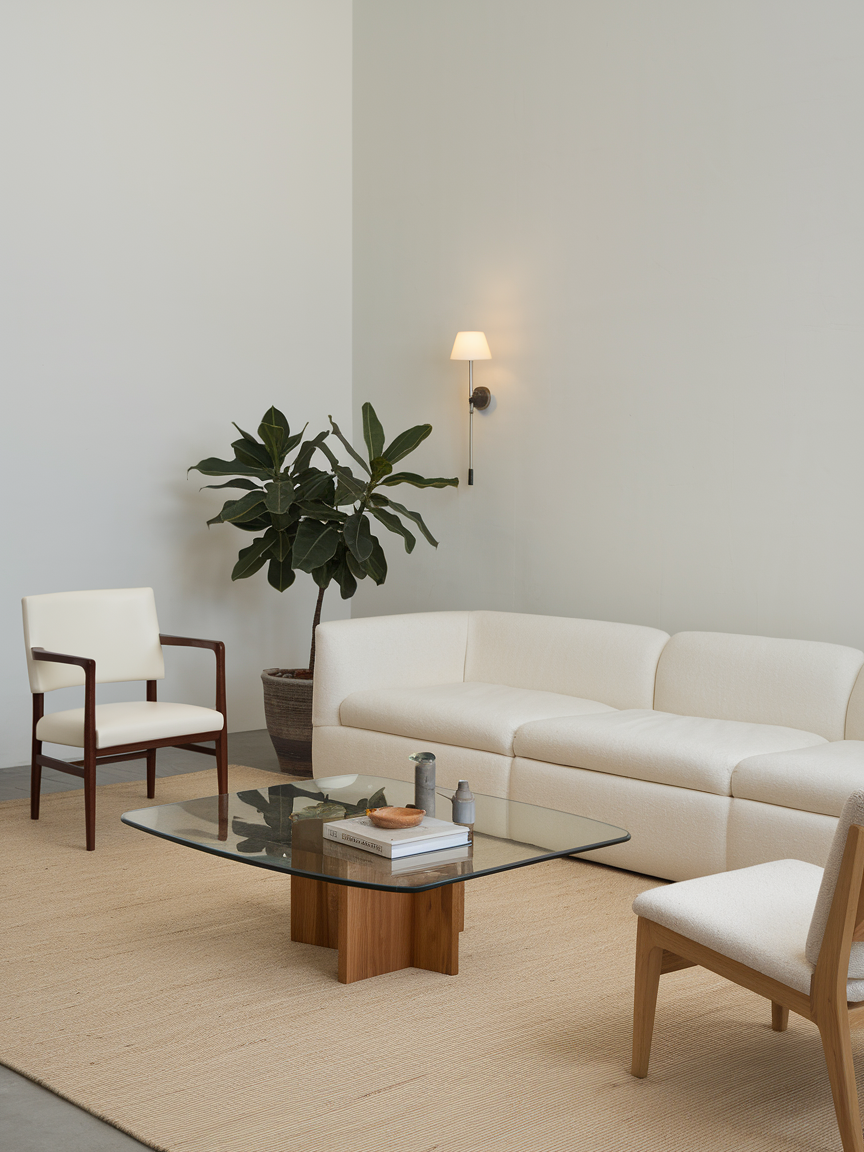
A rug acts as an anchor, visually tying together your seating arrangement and defining the space. In minimalist design, choose rugs with subtle patterns or soft, muted tones that complement your palette. Natural fibers like wool or jute enhance texture without adding bold distraction. Beyond aesthetics, rugs improve acoustics by absorbing sound and adding warmth underfoot. Proper sizing is crucial—a rug should extend under key furniture pieces to create cohesion. This grounding element helps organize the room while maintaining simplicity. A carefully selected rug can unify your design and add depth without overwhelming the clean aesthetic.
18. Highlight One Focal Point
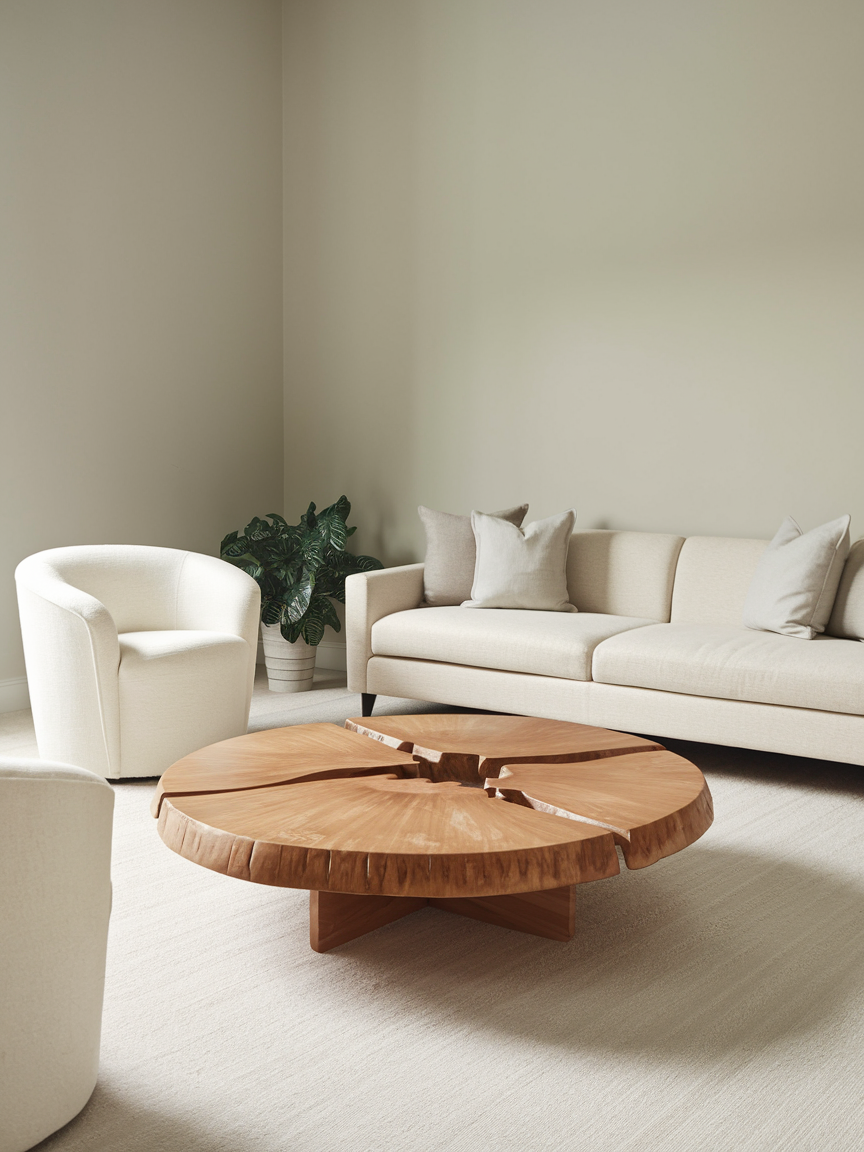
Every minimalist living room benefits from a clear focal point that draws attention without competing elements. This could be a statement art piece, a sculptural armchair, or a uniquely designed coffee table. By allowing one item to stand out, you establish hierarchy and balance within the space. Surrounding furniture and décor should remain understated to support this centerpiece. A defined focal point prevents the room from feeling scattered or directionless. It creates intentionality and visual harmony. Minimalism thrives on restraint, and emphasizing one standout feature ensures the room feels curated rather than crowded.
19. Balance Symmetry and Variety
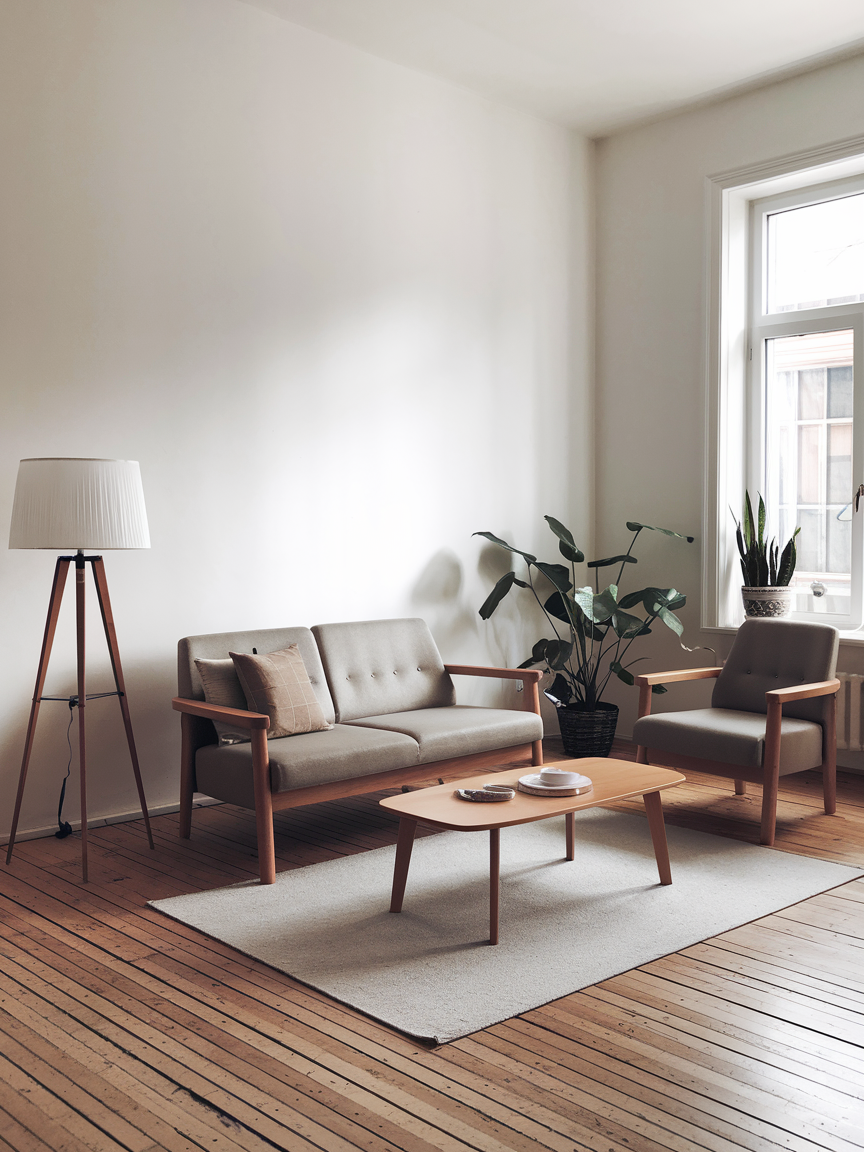
Striking a balance between symmetry and asymmetry adds subtle visual interest while preserving order. Symmetry (such as matching lamps on either side of a sofa) creates structure and calm. Introducing slight variation through different textures or decorative accents prevents the space from feeling overly rigid. This blend of predictability and surprise keeps the room dynamic yet harmonious. Thoughtful arrangement ensures that no area feels chaotic or overly formal. Maintaining this balance reinforces the principles of minimalist design: clean, intentional, and visually pleasing without excess.
20. Add Subtle Metallic Touches
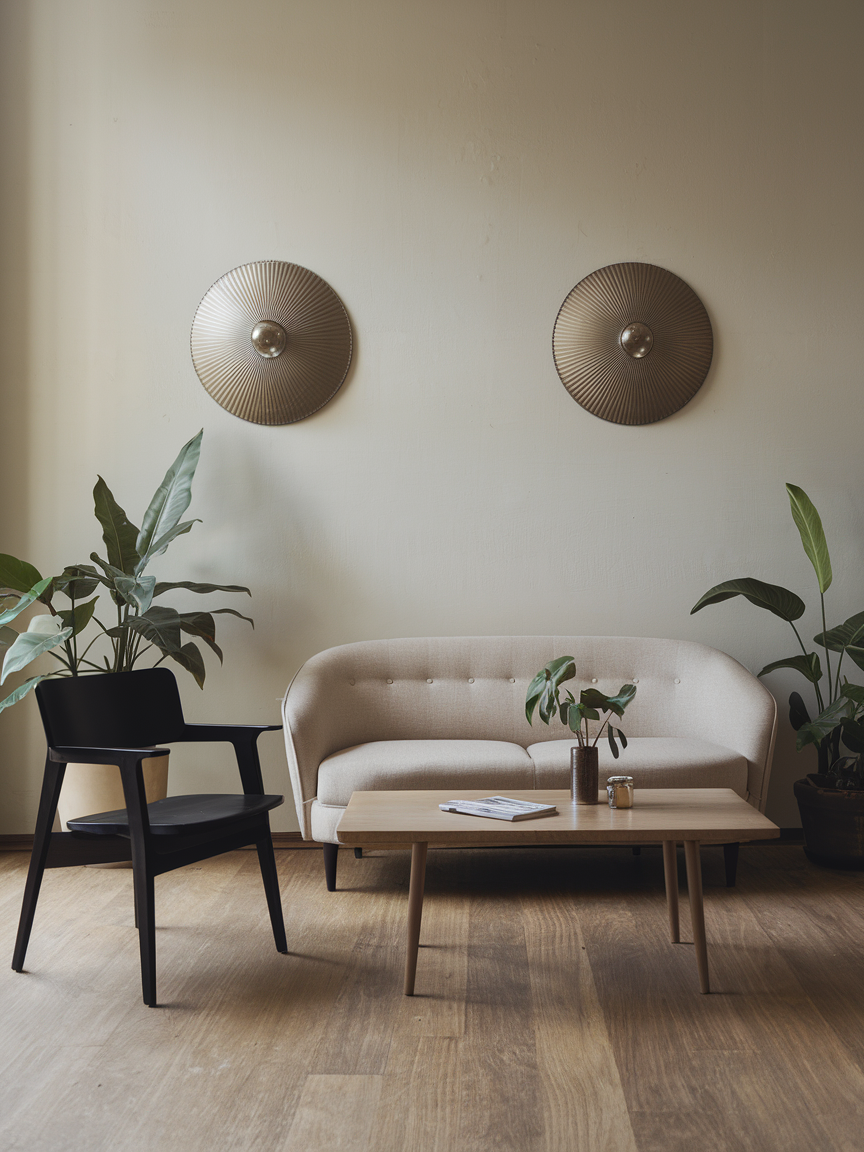
Subtle metallic accents can elevate a minimalist living room with refined sophistication. Finishes like brushed brass, matte black, or polished chrome add contrast and dimension without overwhelming the space. These accents can appear in lighting fixtures, table legs, frames, or decorative hardware. The reflective quality of metal interacts beautifully with natural light, adding a gentle glow. Consistency is key—stick to one or two finishes to maintain cohesion. When used sparingly, metallic details enhance elegance while preserving simplicity.
21. Use Mirrors Strategically
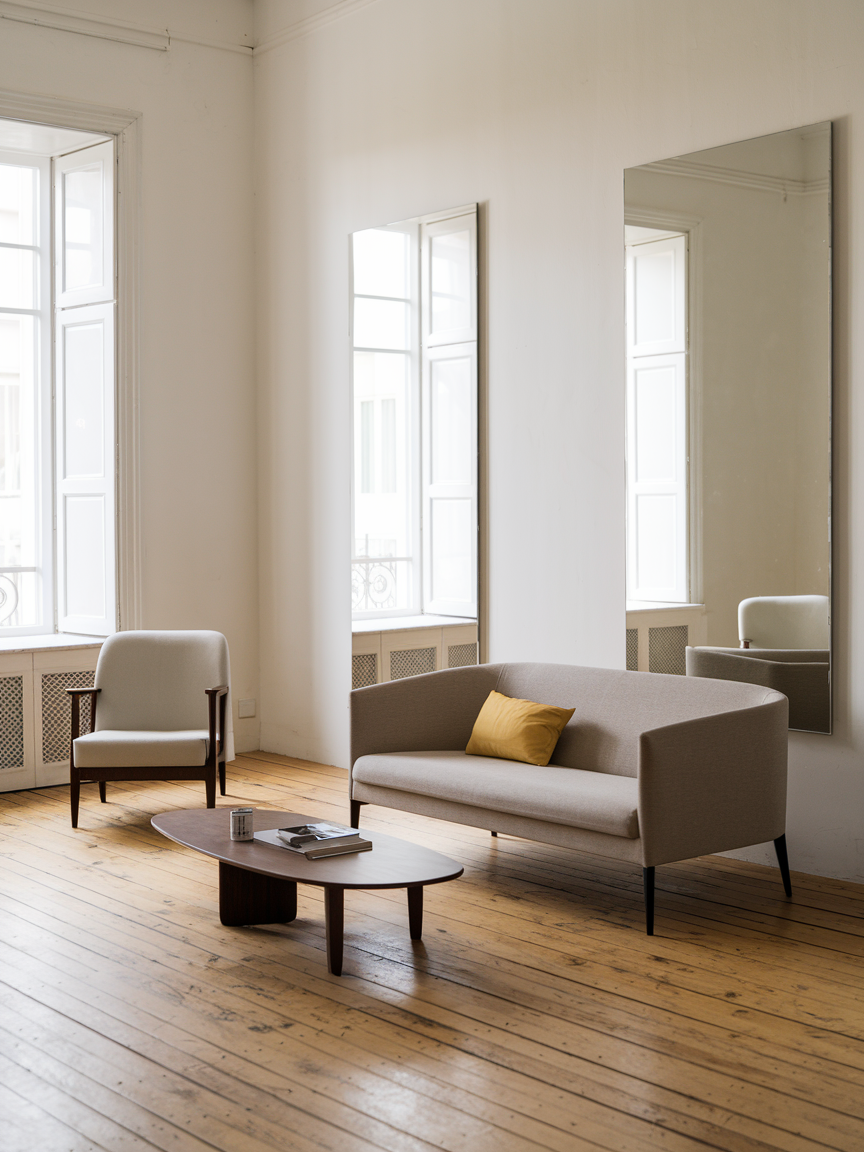
Mirrors are powerful tools in minimalist design because they enhance light and create the illusion of depth. Positioning a mirror opposite a window reflects natural light throughout the room, instantly brightening darker corners. A large mirror can also make a small living room feel significantly more spacious. Choose simple frames that align with your overall aesthetic to maintain cohesion. Mirrors double as functional and decorative elements, adding dimension without clutter. Their reflective quality enhances openness and elegance, reinforcing the airy feeling that defines minimalism.
22. Select Multipurpose Furniture
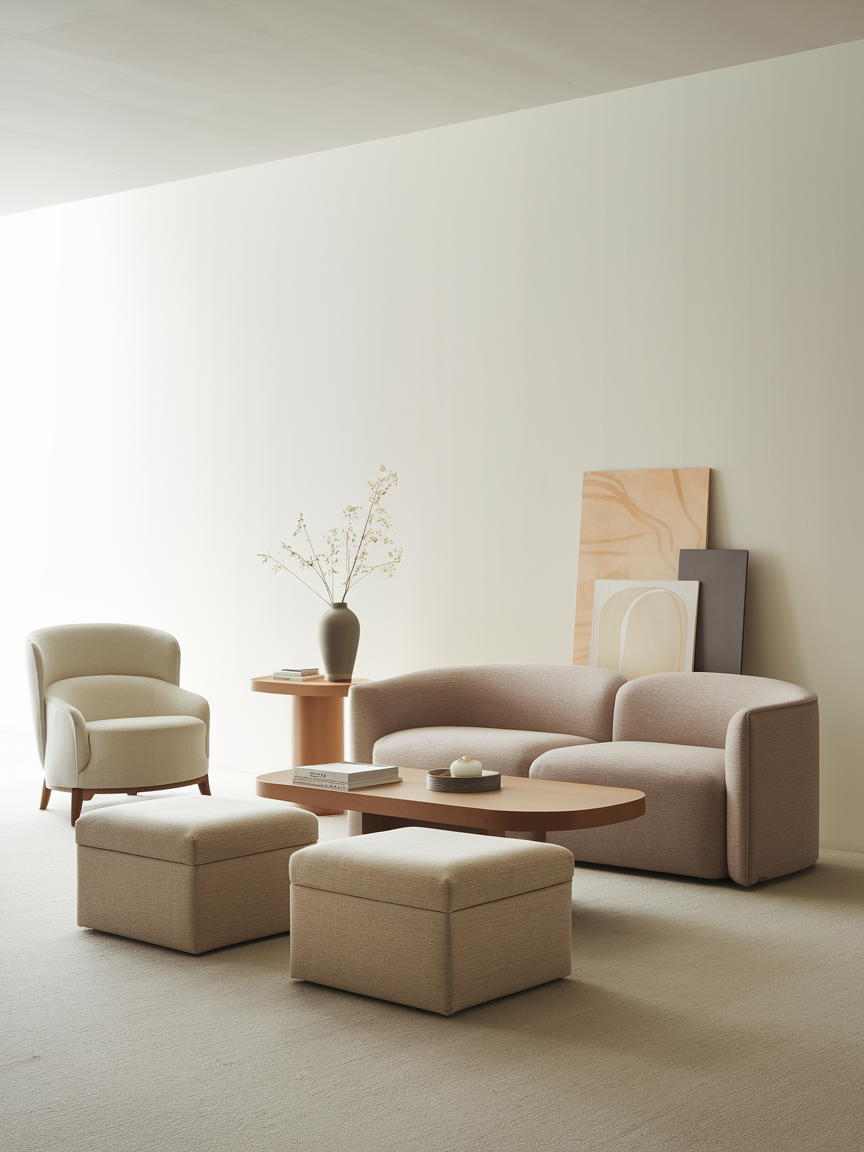
Multipurpose furniture supports minimalist living by reducing the need for excess pieces. Ottomans with hidden storage, nesting tables, or benches that double as seating maximize functionality without overcrowding the room. This approach is especially useful in smaller spaces where efficiency matters most. Each piece serves multiple roles, maintaining both practicality and simplicity. By selecting versatile furniture, you preserve openness while accommodating daily needs. This thoughtful strategy ensures your living room remains organized, adaptable, and visually clean.
* A minimalist living room is about intentional choices, not empty spaces. By focusing on quality, comfort, and thoughtful design, you create a space that feels peaceful, functional, and uniquely yours. Minimalism is timeless and adaptable—allowing your living room to remain elegant, organized, and welcoming for years to come.